Artwork
Pèlerins d'Emmaüs (Pilgrims at Emmaus)
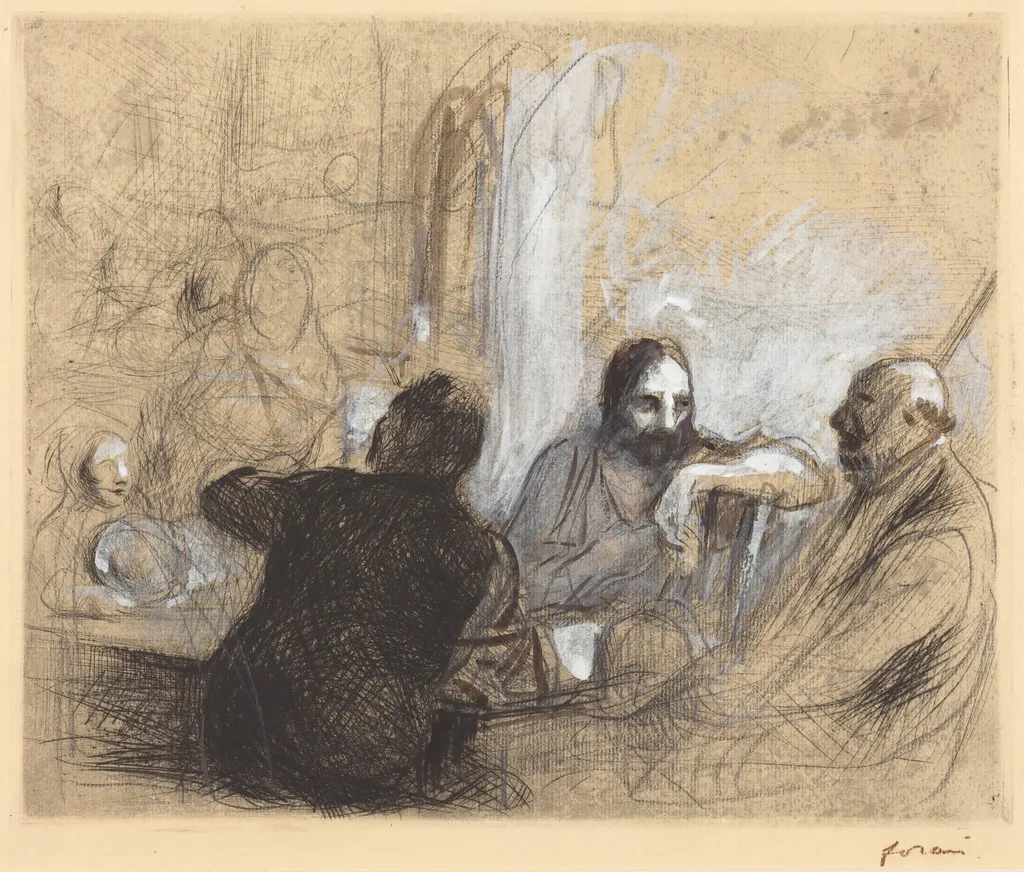
Pèlerins d'Emmaüs (Pilgrims at Emmaus) is a graphite print by Jean-Louis Forain. It dates from 1912 and is held in the collection of the National Gallery of Art.
About this work
Overview
Pèlerins d'Emmaüs (Pilgrims at Emmaus) is a 1912 print by French artist Jean-Louis Forain, created using a combination of etching, drypoint, and wash techniques on laid paper.
Subject & Meaning
The print depicts a biblical scene: the moment when Jesus reveals himself to two disciples at Emmaus after his resurrection. Forain captures the shock on the disciples' faces, emphasizing the emotional intensity of the encounter.
Technique & Style
Forain's use of etching and drypoint produces a grainy, shadowy effect, while the addition of white and brown wash and graphite creates a sense of depth and texture. The resulting image has a sketch-like quality, conveying a sense of spontaneity and expressive freedom.
Context
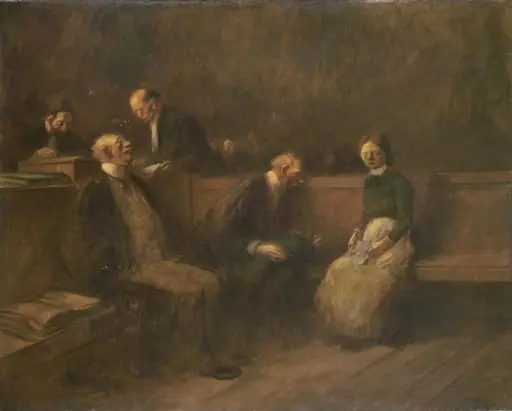
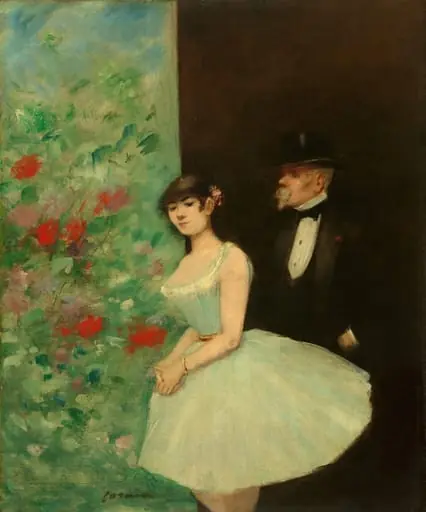
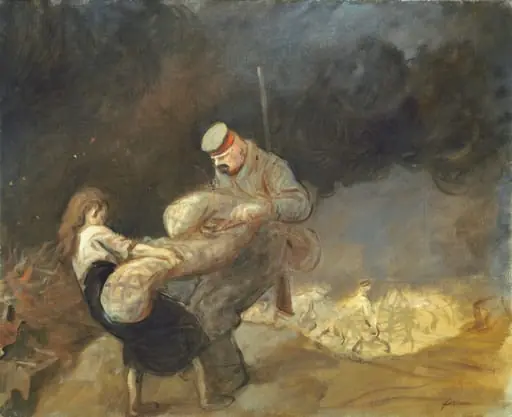
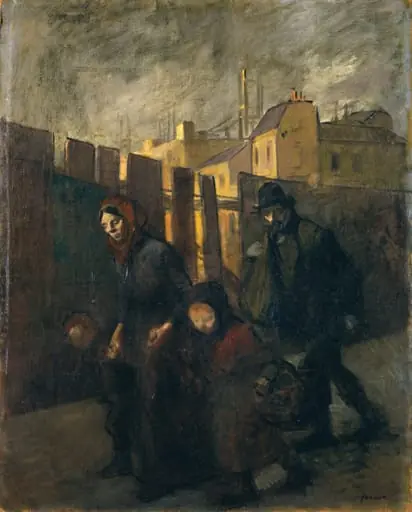
Forain was a versatile artist who worked in various media, including painting, printmaking, and drawing. His engagement with printmaking techniques and Impressionist influences is evident in this work, which reflects his experimentation with different artistic approaches.
Artist & collection

Artist
Jean-Louis Forain (French pronunciation: ; 23 October 1852 – 11 July 1931) was a French Impressionist painter and printmaker, working in media including oils, watercolour, pastel, etching and lithograph.


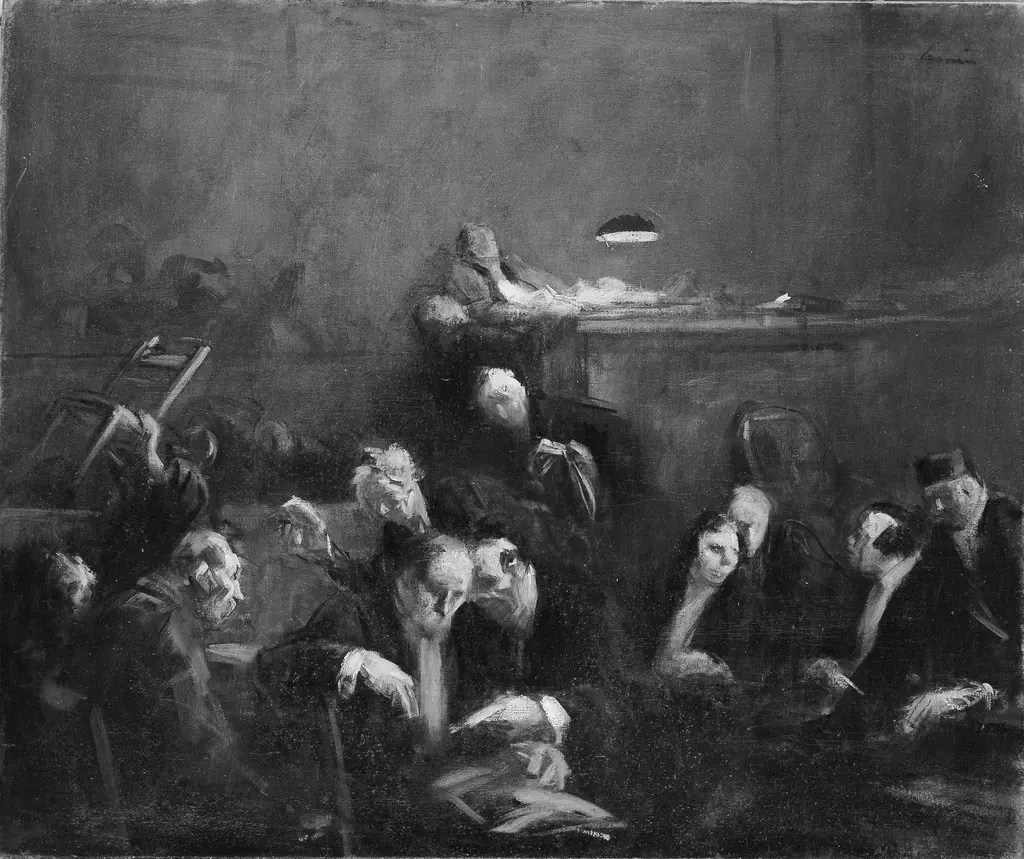
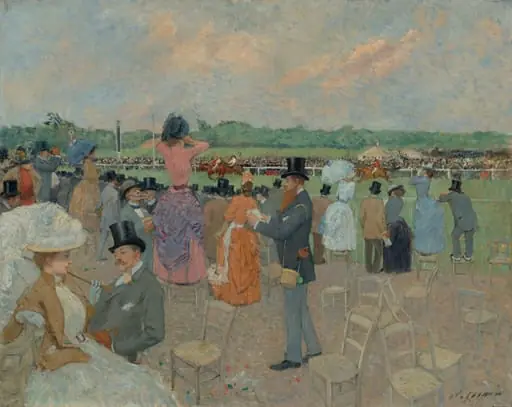
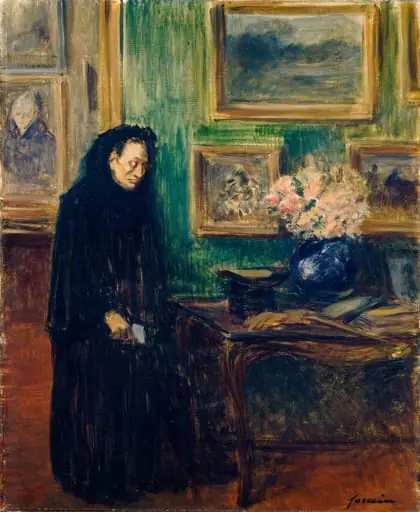
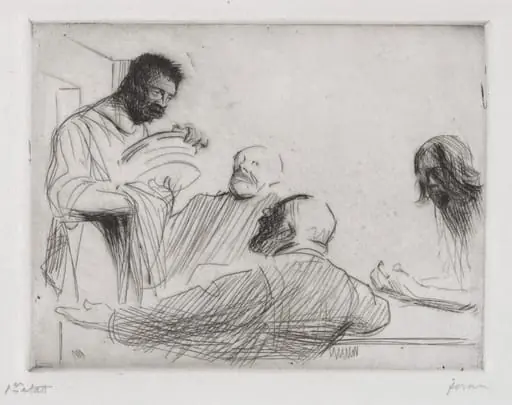 Avant le repas à Emmaus
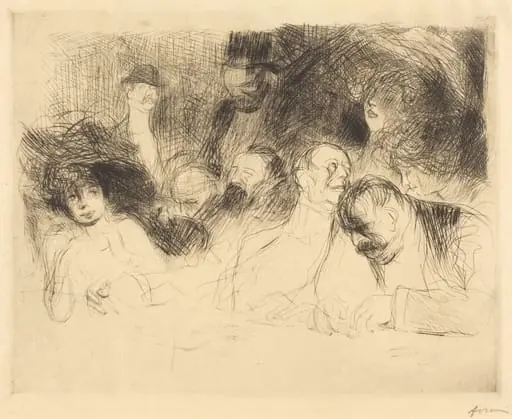 A la table de jeu (1ère planche) (At the Gambling Table) (first plate)
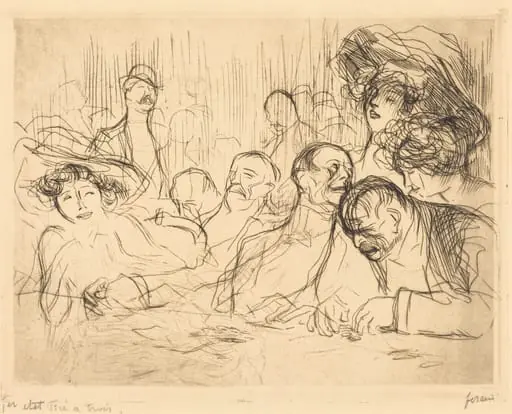 A la table de jeu (1ère planche) (At the Gambling Table) (first plate)
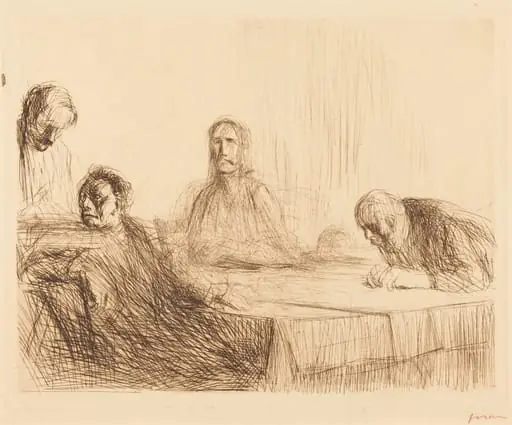 Le repas à Emmaus (2e planche) (The Supper at Emmaus) (second plate)
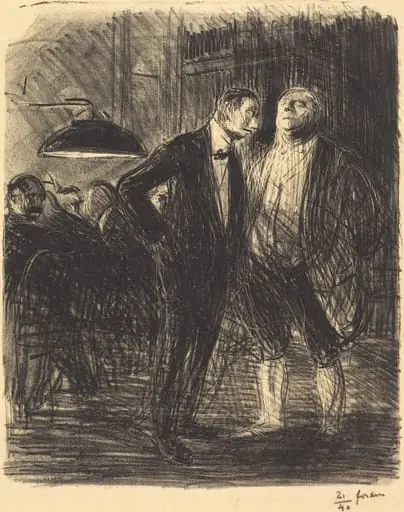 Le decavé (Cleared Out)
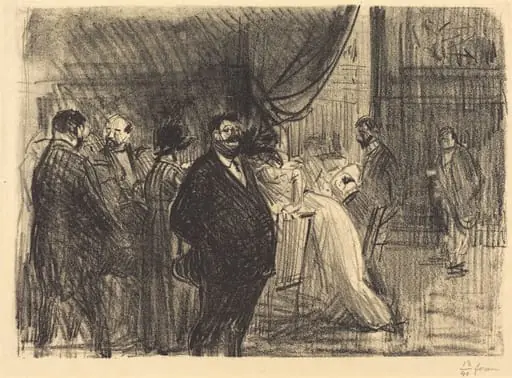 Salle de jeu (Gambling Room)
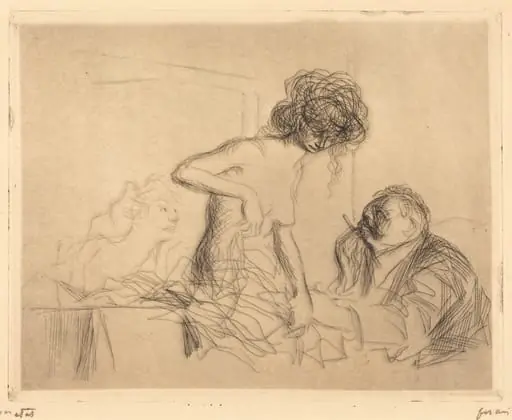 En cabinet particulier (1ère planche) (In a Private Room) (first plate)
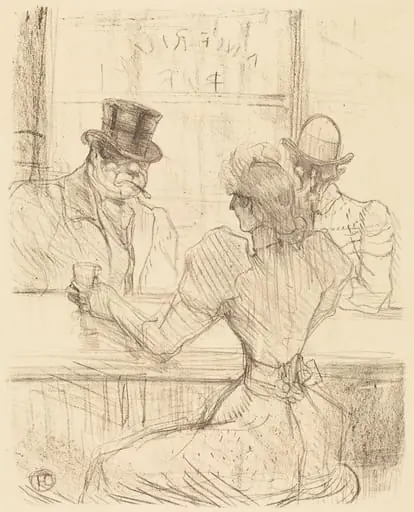 At the Picton Bar, rue Scribe (Au bar Picton, rue Scribe)
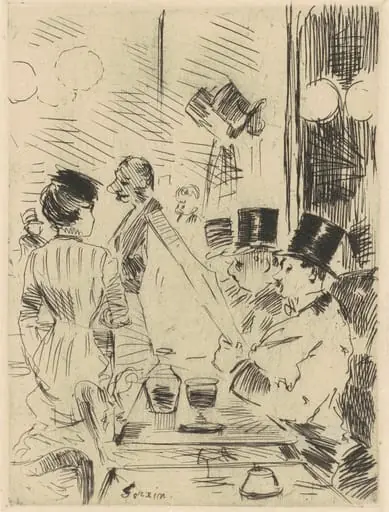 Le Cafe
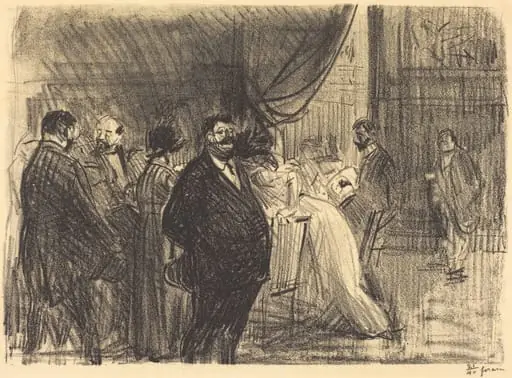 Salle de jeu (Gambling Room)
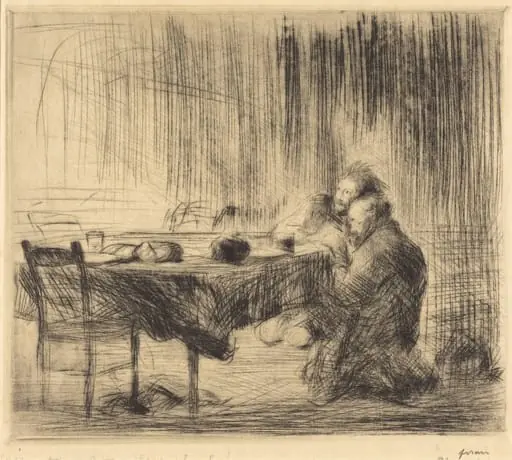 Après l'apparition (2e planche) (After the Vision) (second plate)
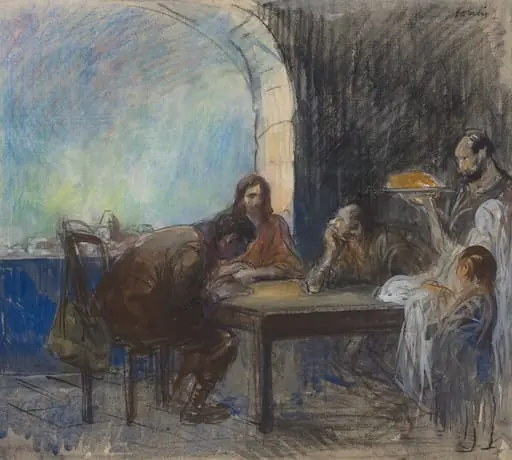 The Supper at Emmaus