Artwork
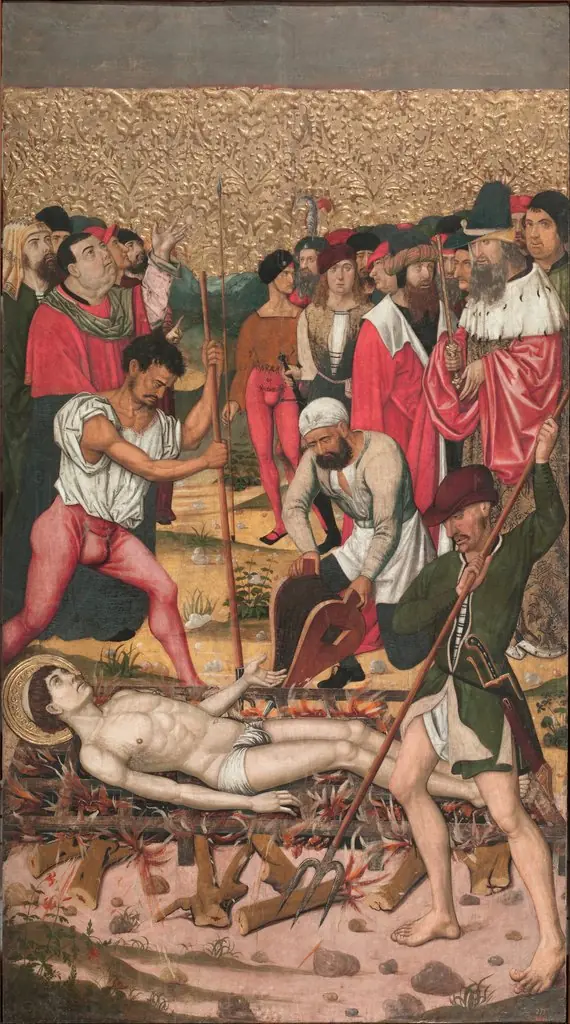
Saints Cosmas and Damian and their Brothers Surviving the Stake
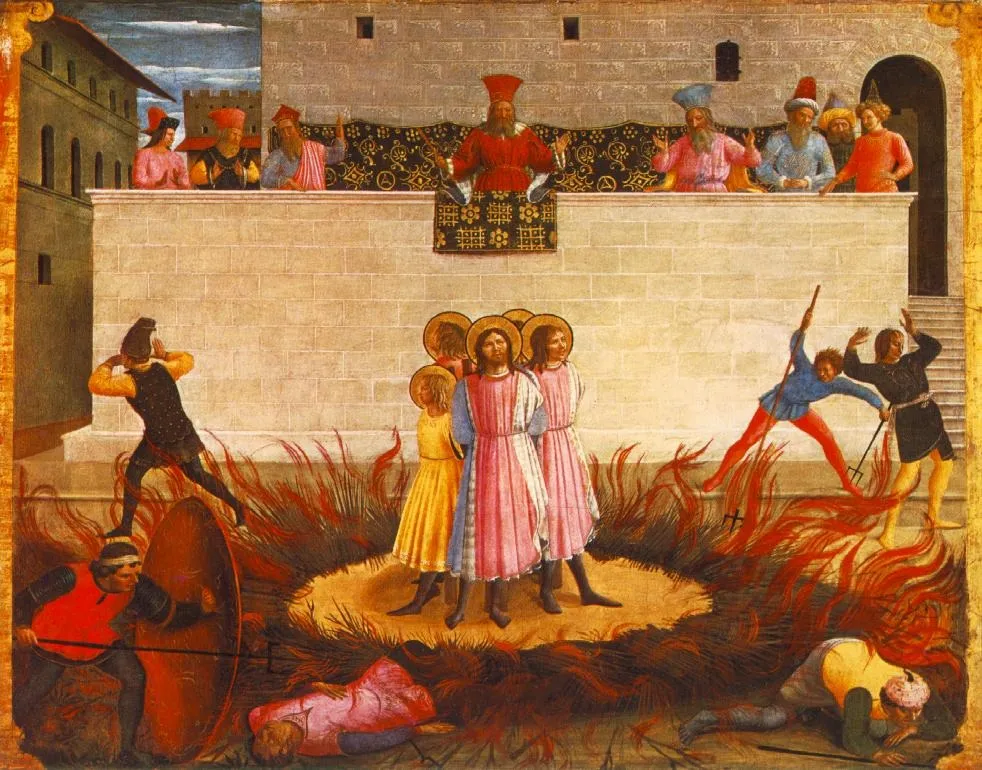
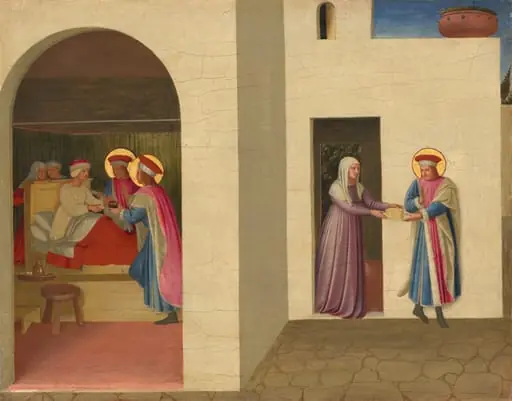
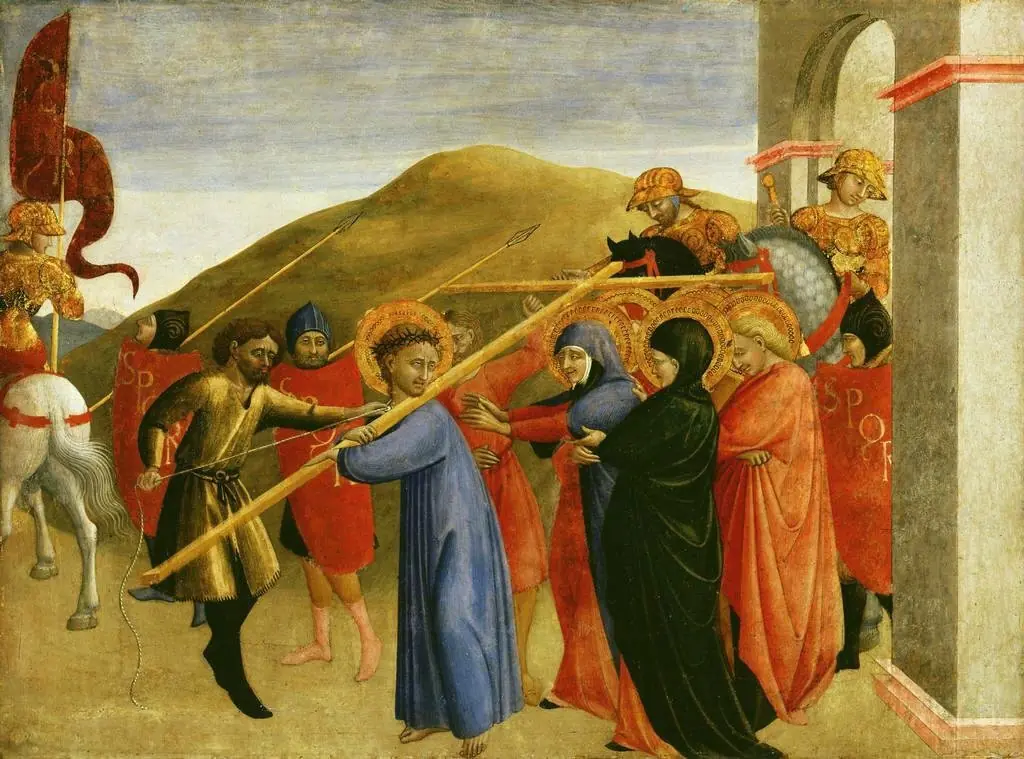
Saints Cosmas and Damian and their Brothers Surviving the Stake is a tempera painting by the High Renaissance artist Fra Angelico. It dates from 1438 and is held in the collection of the National Gallery of Ireland.
About this work
Overview
Created in 1438 by the Dominican friar Fra Angelico, this wooden panel presents a dramatic episode from the lives of the early Christian martyrs Cosmas, Damian and their brothers. The work belongs to the early Florentine Renaissance and is currently housed in the National Gallery of Ireland.
Subject & Meaning
The composition shows the three saints standing amid a fiery pit, their robes contrasting in white and pink, while a crowd observes from a stone wall. The presence of pitchforks and the surrounding flames allude to the legend of their survival after being bound to a stake, emphasizing divine protection and steadfast faith.
Technique & Style
Executed in tempera on wood, the panel displays Angelic's characteristic clarity of line and delicate coloration. The figures are rendered with a serene dignity, set against a simple architectural backdrop and a blue sky, reflecting the early Renaissance interest in spatial order and restrained naturalism.
History & Provenance
The painting has remained within ecclesiastical collections before entering the National Gallery of Ireland, where it forms part of the museum’s holdings of early Italian religious art. Its attribution to Fra Angelico has been consistently affirmed by stylistic analysis and documentary evidence.
Artist & collection
Artist
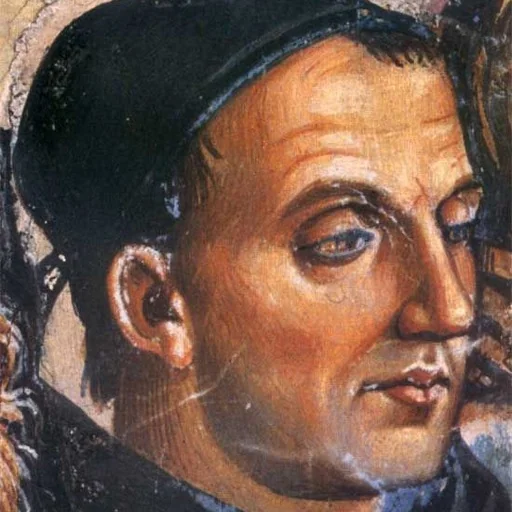
Fra Giovanni da Fiesole (born Guido di Pietro; c. 1395 – 18 February 1455), known posthumously as Fra Angelico ( FRAH an-JEL-ik-oh, Italian: ), was an Italian Dominican friar and painter active during the early…