Artwork
The Decapitation of Saint John the Baptist
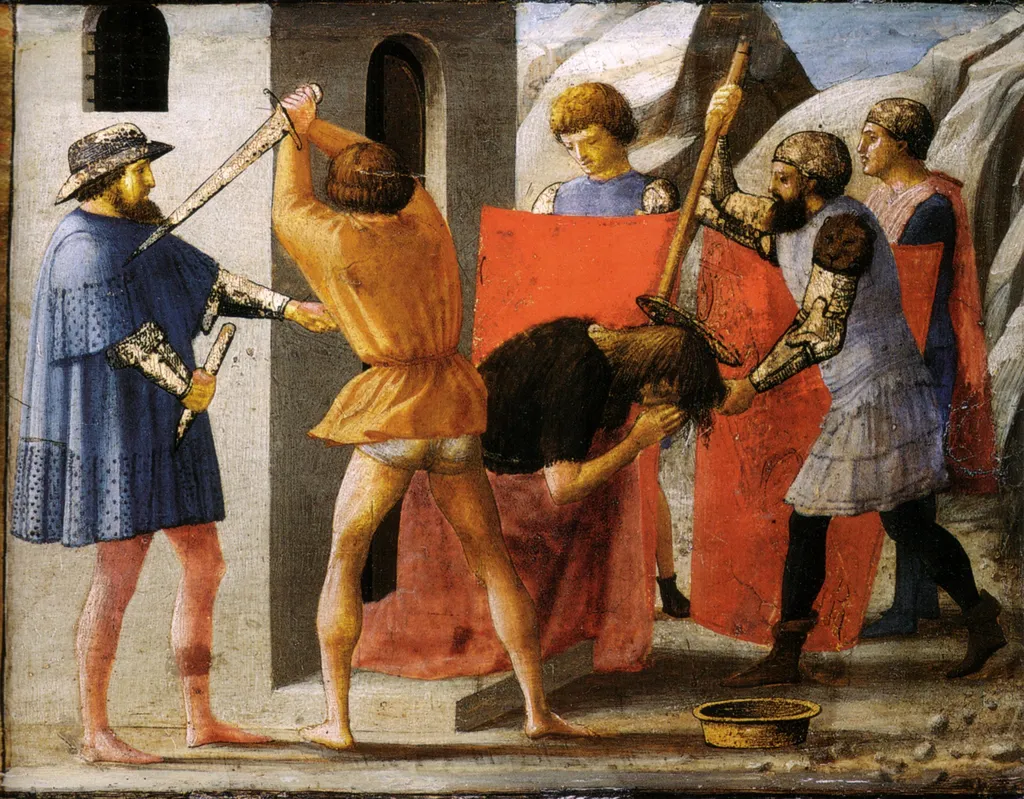
The Decapitation of Saint John the Baptist is an unspecified painting by the High Renaissance artist Masaccio. It is held in the collection of the Gemäldegalerie Berlin.
About this work
Overview
Masaccio’s 1426 oil painting titled *The Decapitation of Saint John the Baptist* portrays the biblical martyrdom of John the Baptist. Executed in the early 15th century, the work belongs to the period of the Italian Renaissance and is presently displayed in the Gemäldegalerie in Berlin.
Subject & Meaning
The central narrative shows the moment before the saint’s beheading: a figure in an orange tunic lifts a sword over a kneeling John, whose head rests on a stone block. Three onlookers, one clutching a red cloth, observe the scene, emphasizing the drama and moral gravity of the martyr’s sacrifice.
Technique & Style
Masaccio employs a restrained palette of earthy tones, creating a somber atmosphere. The composition is arranged in a shallow courtyard, with a stone wall and doorway receding into the background, demonstrating early use of perspective to give depth to the figures and setting.
History & Provenance
Painted in 1426, the work reflects Masaccio’s contributions to the early Renaissance’s shift toward naturalism. After changing hands over the centuries, it entered the collection of Berlin’s Gemäldegalerie, where it remains part of the museum’s Italian Renaissance holdings.
Context
The subject draws from the New Testament account of John the Baptist’s execution, a theme frequently explored in medieval and Renaissance art. Masaccio’s treatment aligns with contemporary interests in human emotion and spatial realism, distinguishing it from the more stylized medieval representations.
Own this work as a print
Artist & collection



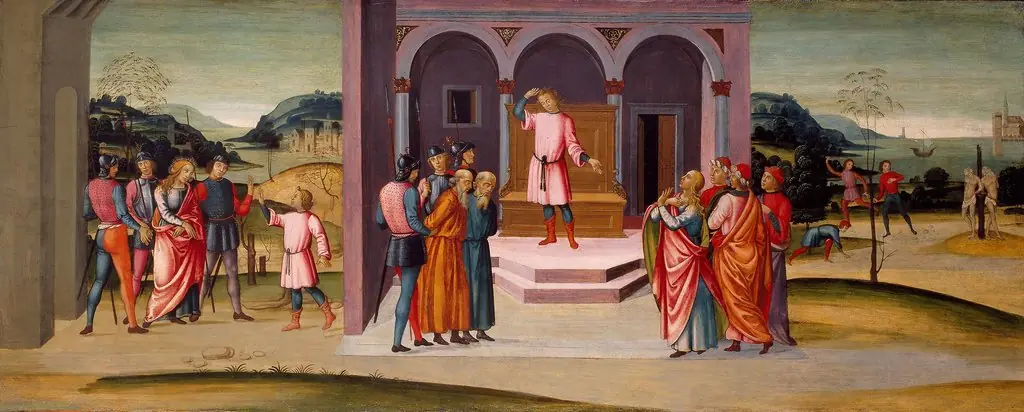 Daniel Saving Susanna, the Judgment of Daniel, and the Execution of the Elders
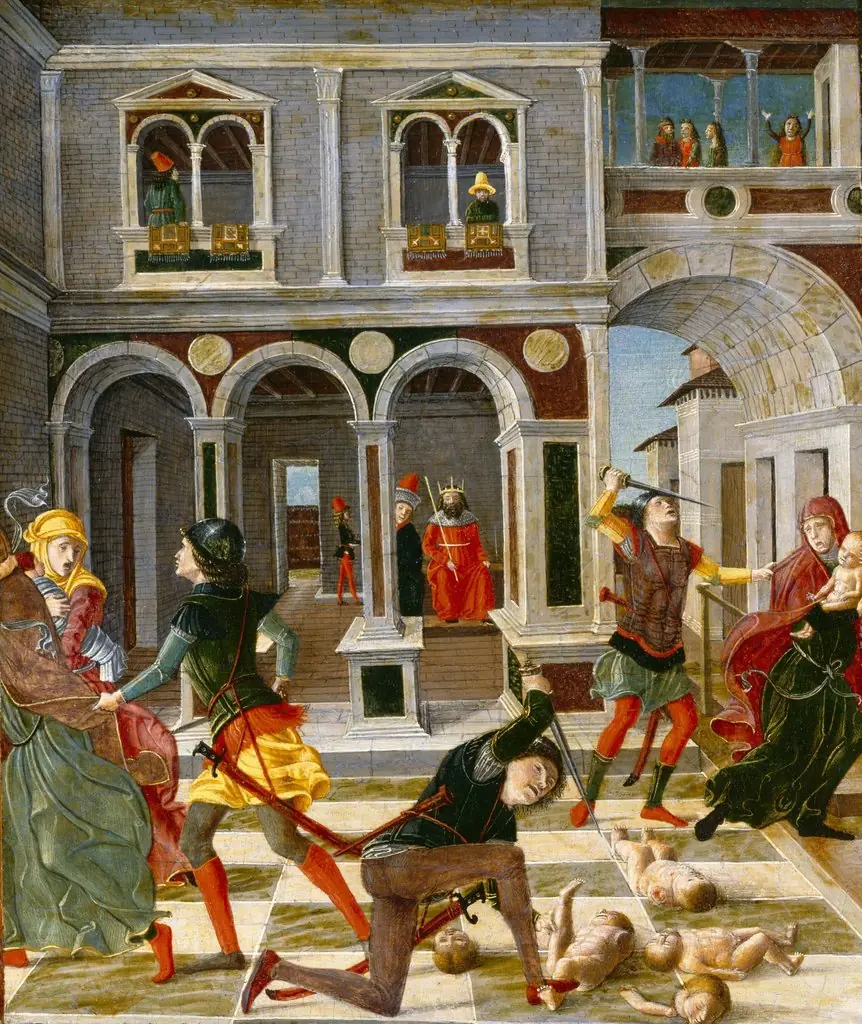 The Massacre of The Innocents
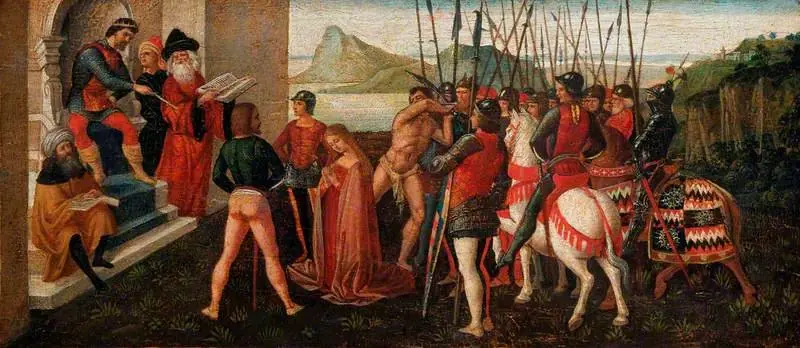 The Martyrdom of Saint Catherine
 Daniel Saving Susanna, the Judgment of Daniel, and the Execution of the Elders
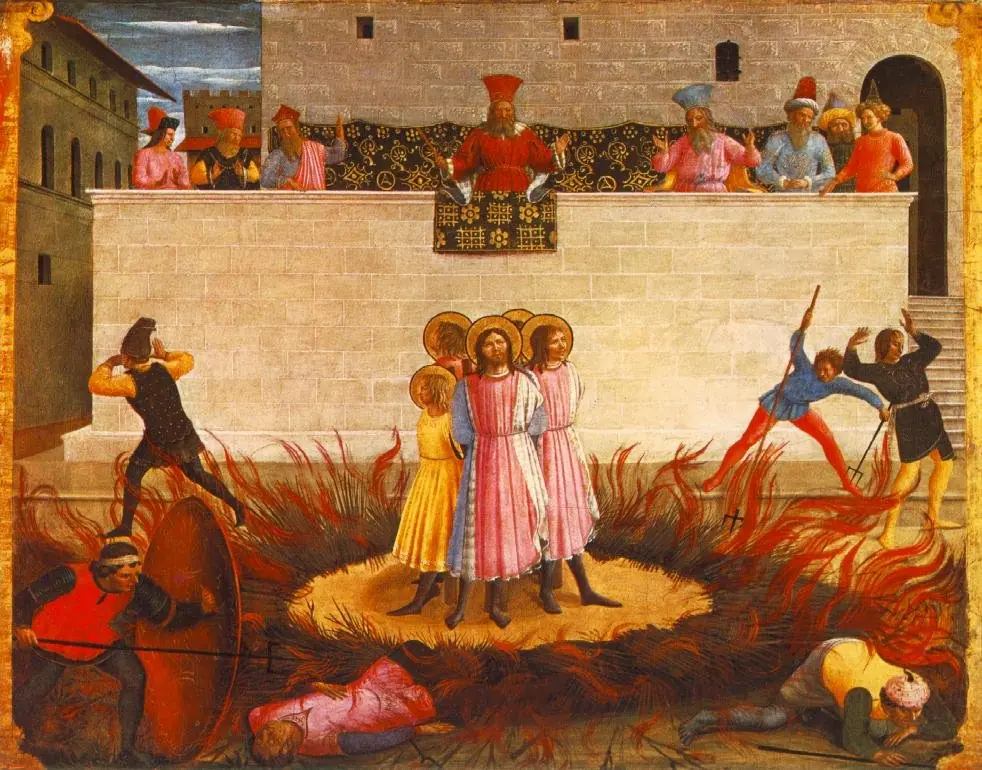 Saints Cosmas and Damian and their Brothers Surviving the Stake
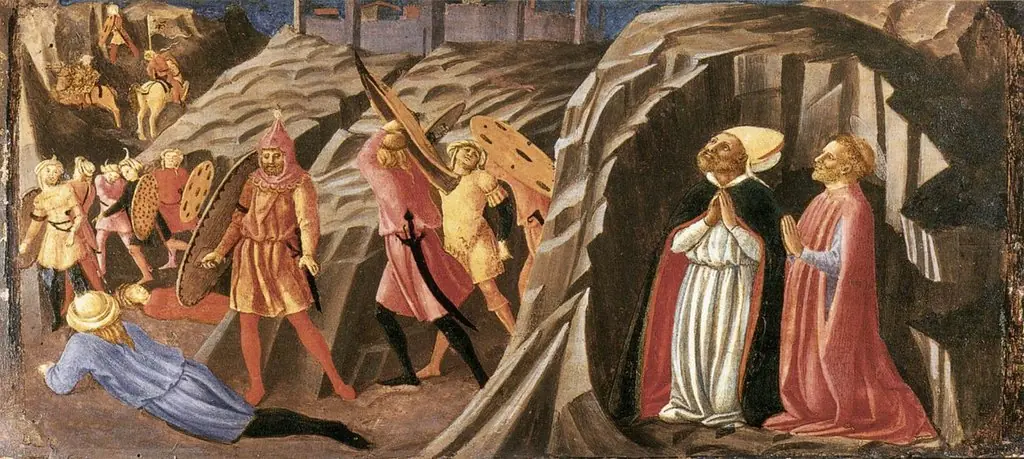 Saints Giusto and Clemente Praying for Deliverance from the Vandals
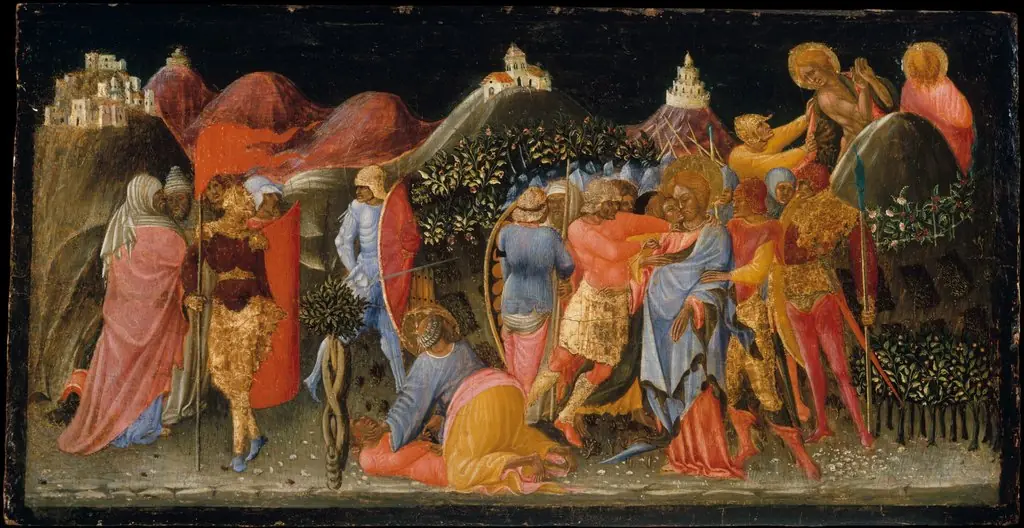 The Betrayal of Christ
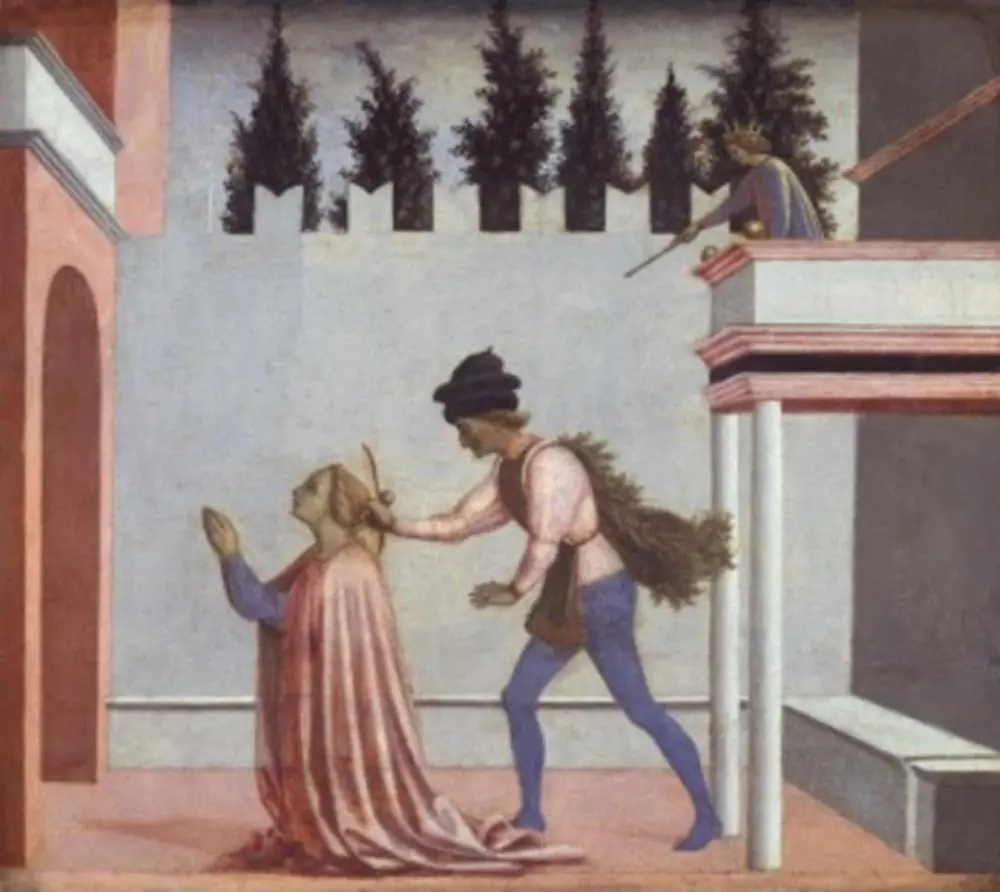 Martyrdom of Saint Lucy