Artwork
The Nativity
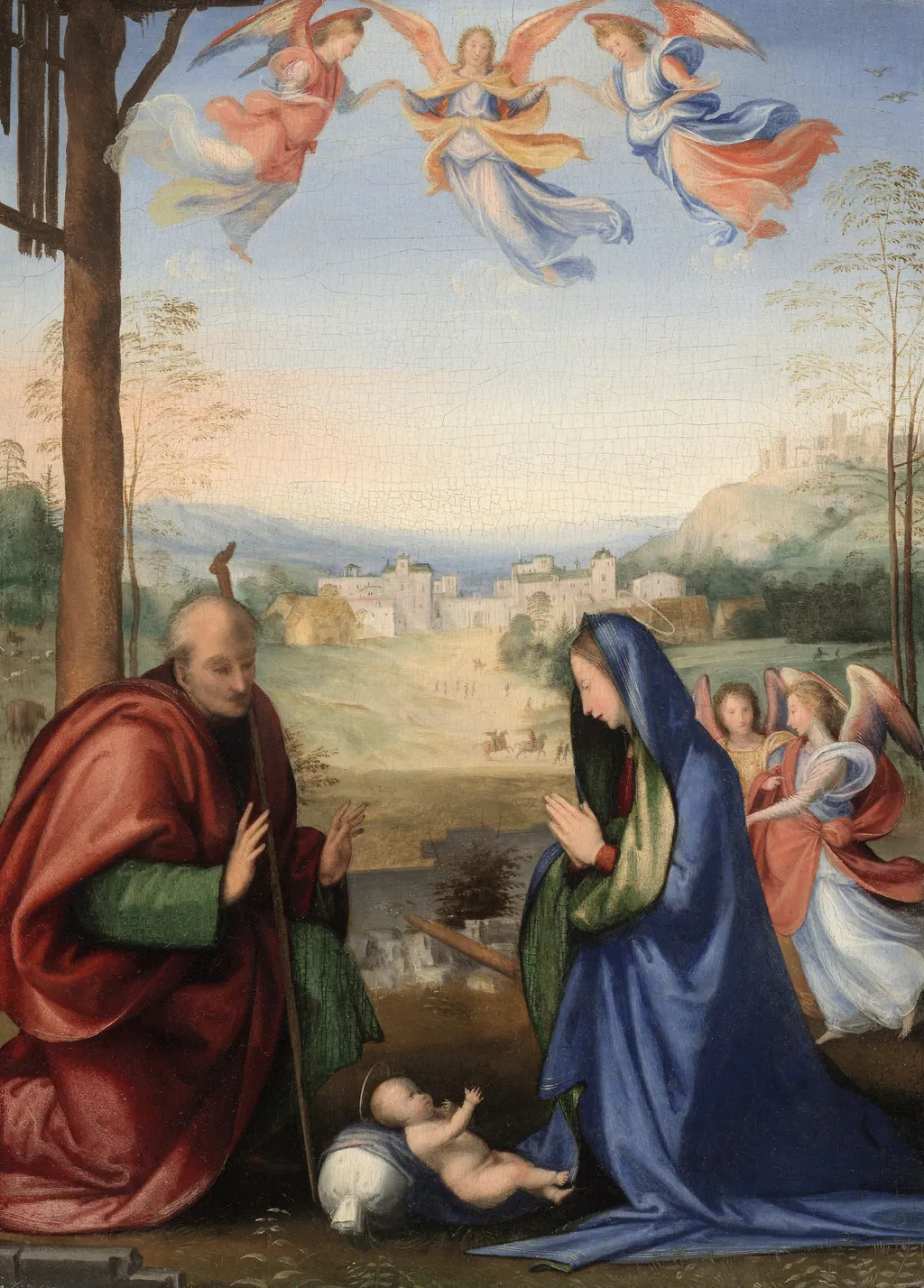
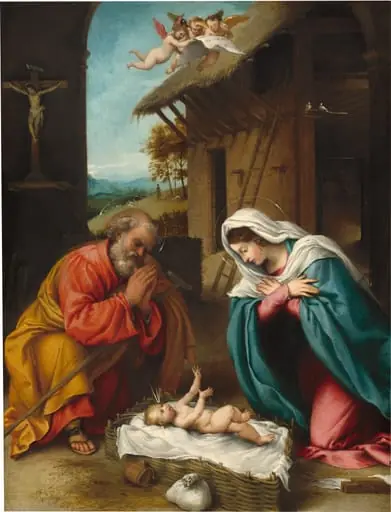
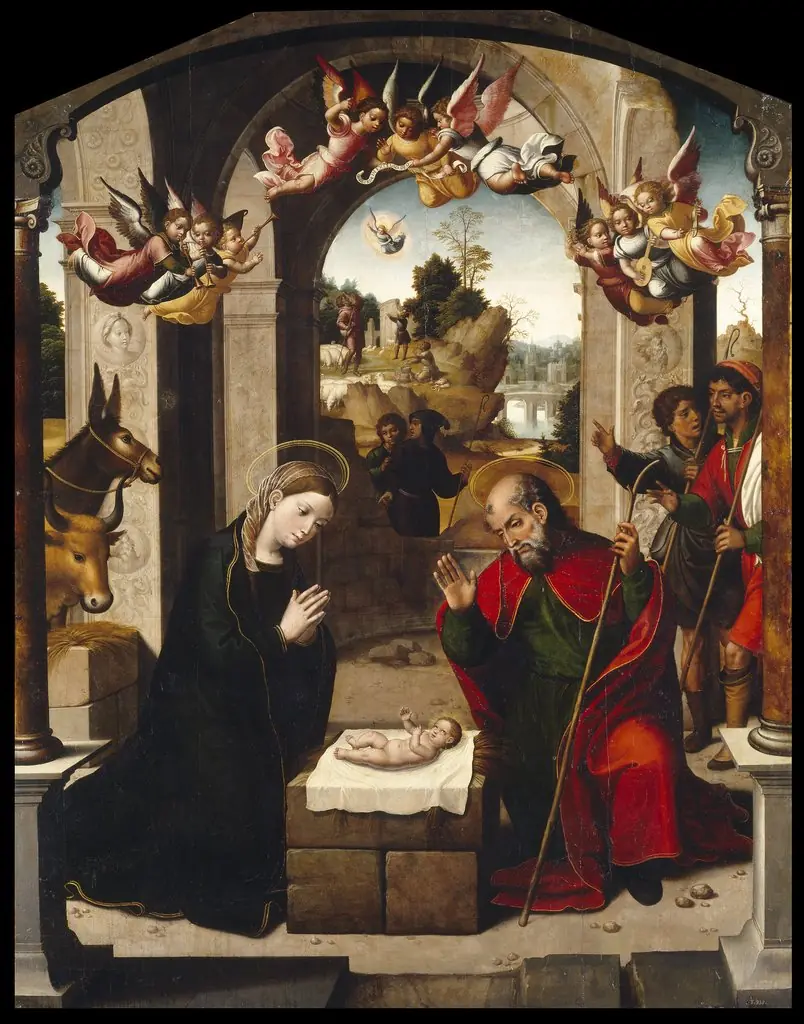
The Nativity is an oil painting by the High Renaissance artist Fra Bartolomeo. It dates from 1504 and is held in the collection of the Art Institute of Chicago.
About this work
Overview
Fra Bartolomeo’s *The Nativity*, executed in oil in 1504, exemplifies the High Renaissance’s balanced composition and serene spirituality. The work is part of the Art Institute of Chicago’s collection and presents the birth of Christ in a tranquil, gently illuminated setting that reflects the artist’s mature style.
Subject & Meaning
The painting portrays the newborn Jesus lying on a white cloth, attended by a kneeling Mary and Joseph. Their garments—Mary’s blue robe with a green shawl and Joseph’s red cloak over a green tunic—frame the infant, while three angels hover above, underscoring the divine significance of the event.
Technique & Style
Fra Bartolomeo employs chiaroscuro to model forms, using pronounced light‑dark contrasts that give volume to the figures and landscape. Soft, muted colors and delicate line work create a calm atmosphere, while the subtle handling of oil paint renders the textures of cloth, stone, and water with gentle realism.
History & Provenance
A native of Florence, Fra Bartolomeo trained under Cosimo Rosselli before establishing himself as a leading painter of religious subjects. After a career centered in Florence, he traveled to Rome and other cities. *The Nativity* entered the Art Institute of Chicago’s holdings in the 20th century, where it remains on display.
Context
Created during the height of the High Renaissance, the work reflects contemporary theological emphasis on humanizing sacred narratives. The inclusion of a modest village landscape behind the holy family aligns with the period’s interest in situating biblical events within recognizable, earthly settings, reinforcing both devotion and relatability.
Own this work as a print
Artist & collection
Artist
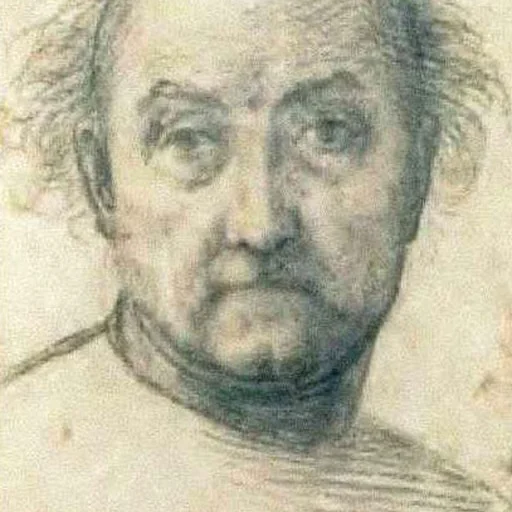
Fra Bartolomeo or Bartolommeo (UK: , US: , Italian: ; 28 March 1472 – 31 October 1517), also known as Bartolommeo di Pagholo, Bartolommeo di San Marco, Bartolomeo di Paolo di Jacopo del Fattorino, and his original…

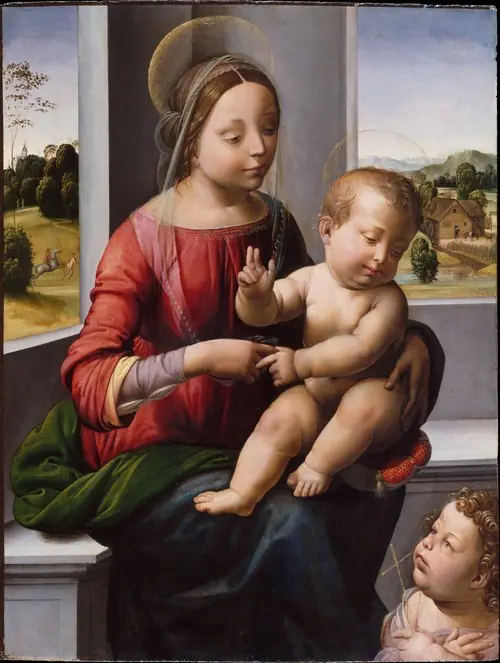 Madonna and Child with the Young Saint John the Baptist
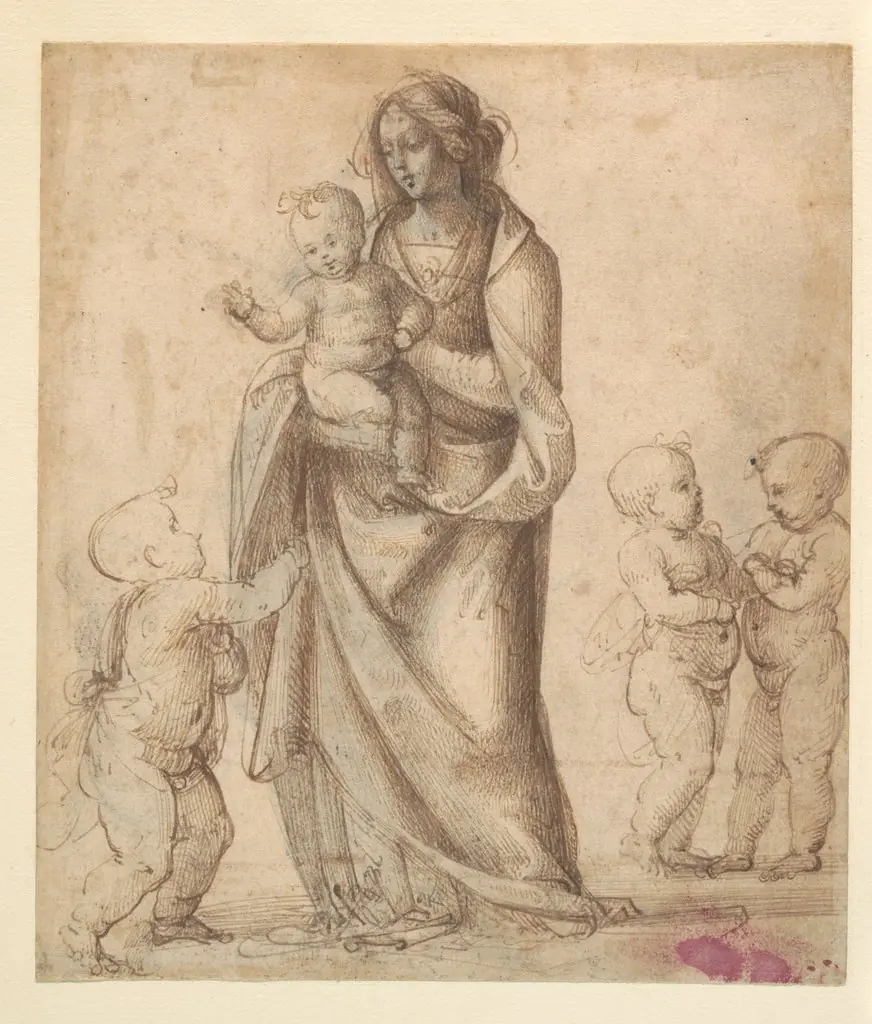 Madonna and Child with the Infant Saint John the Baptist and Two Putti (recto); Madonna and Child with the Infant Saint John the Baptist and a Putto (verso)
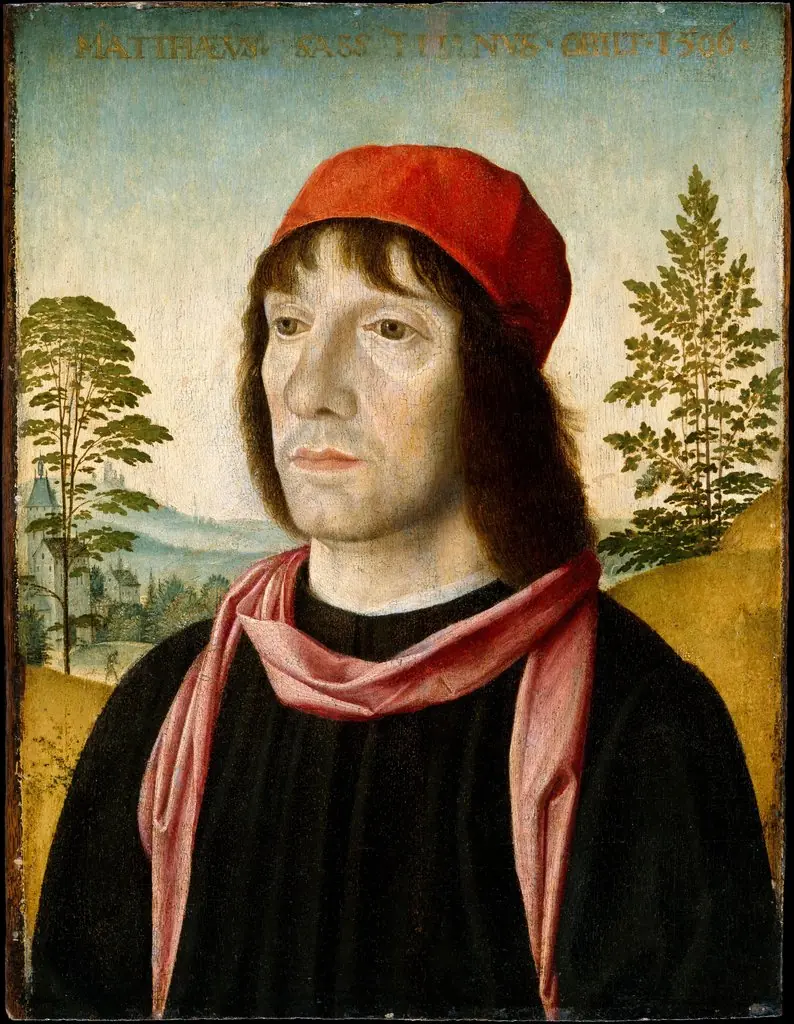 Portrait of a Man
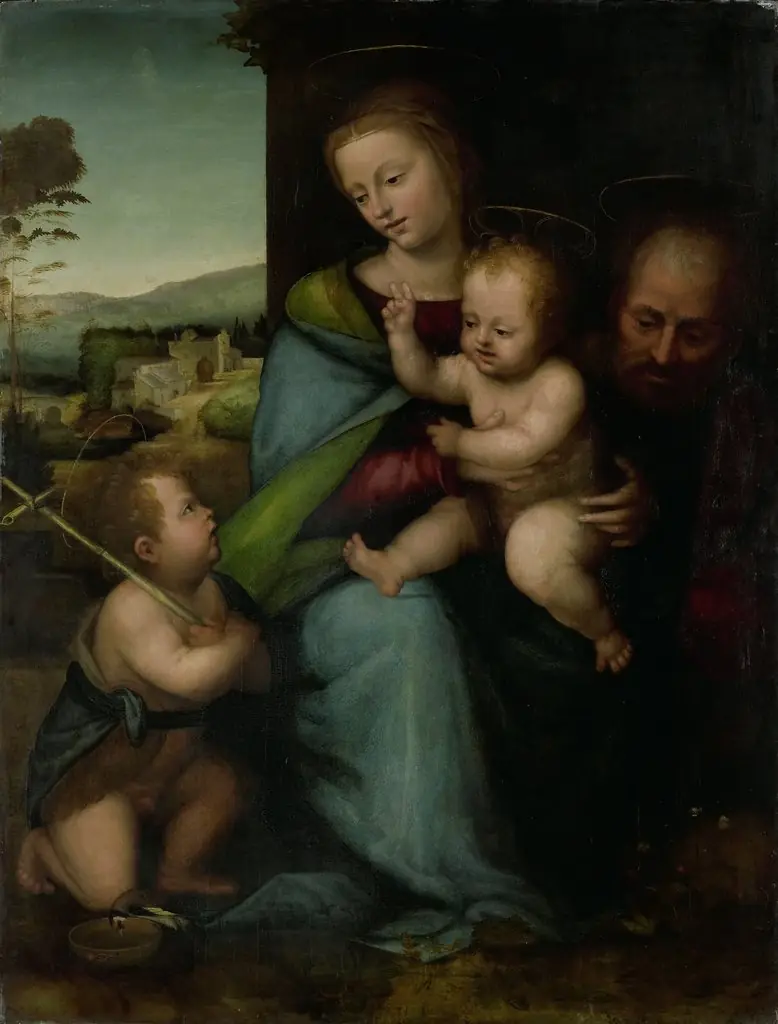 The Holy Family with the Infant John the Baptist
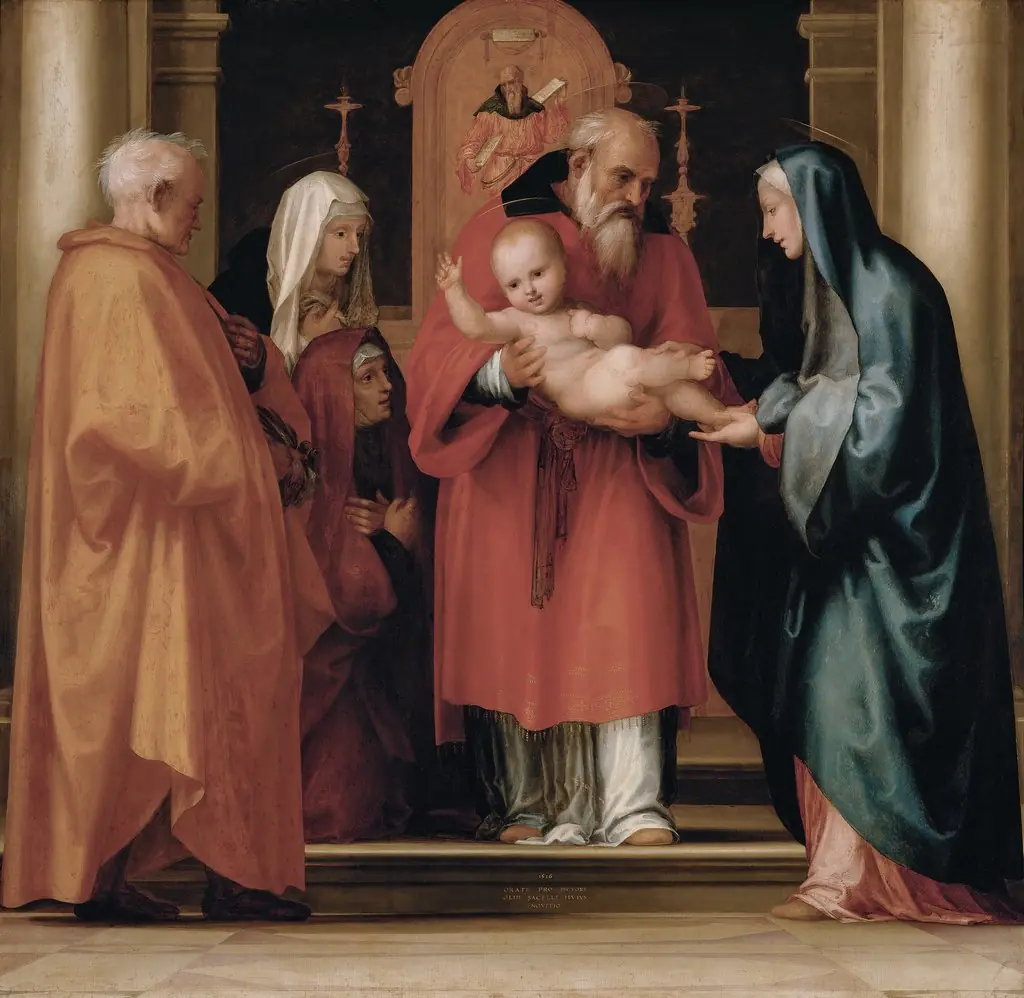 Presentation of Christ in the Temple
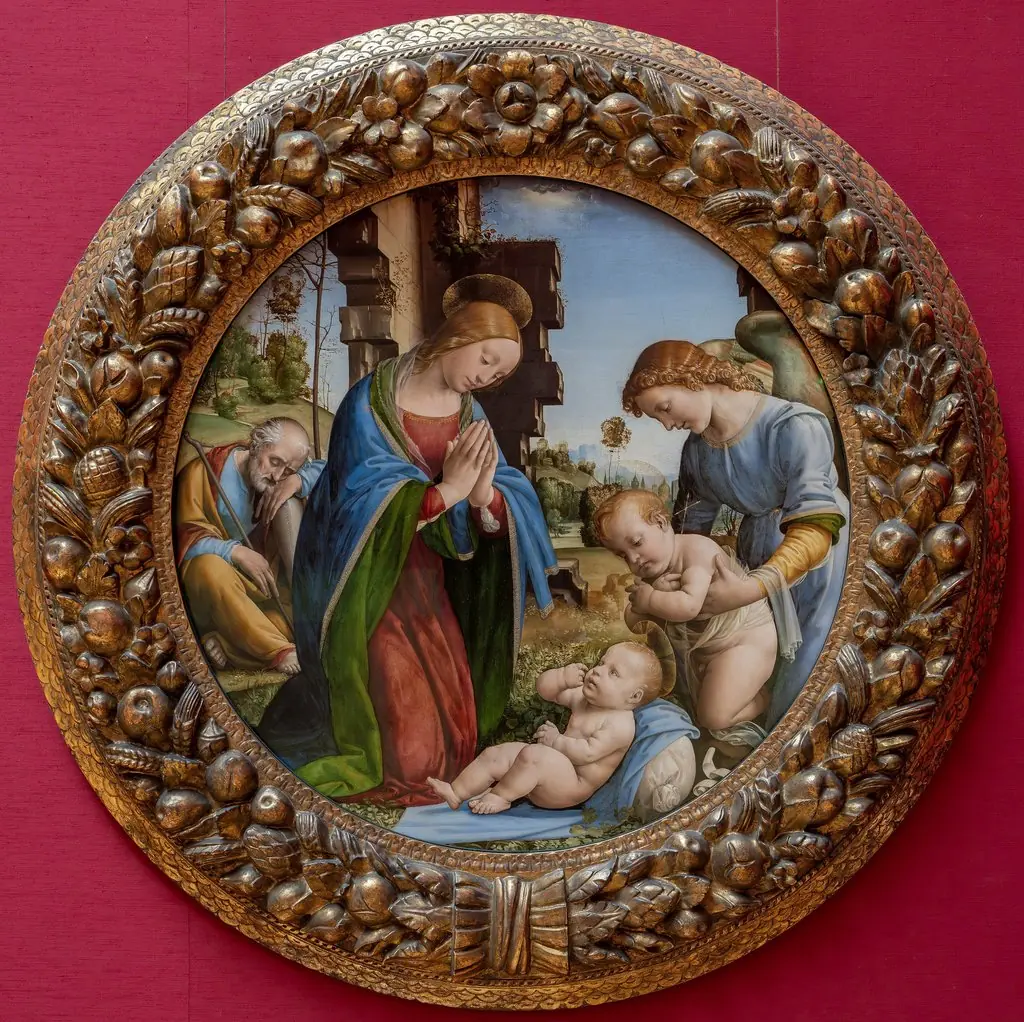 Adoration of the Child - Holy Family with child St. John
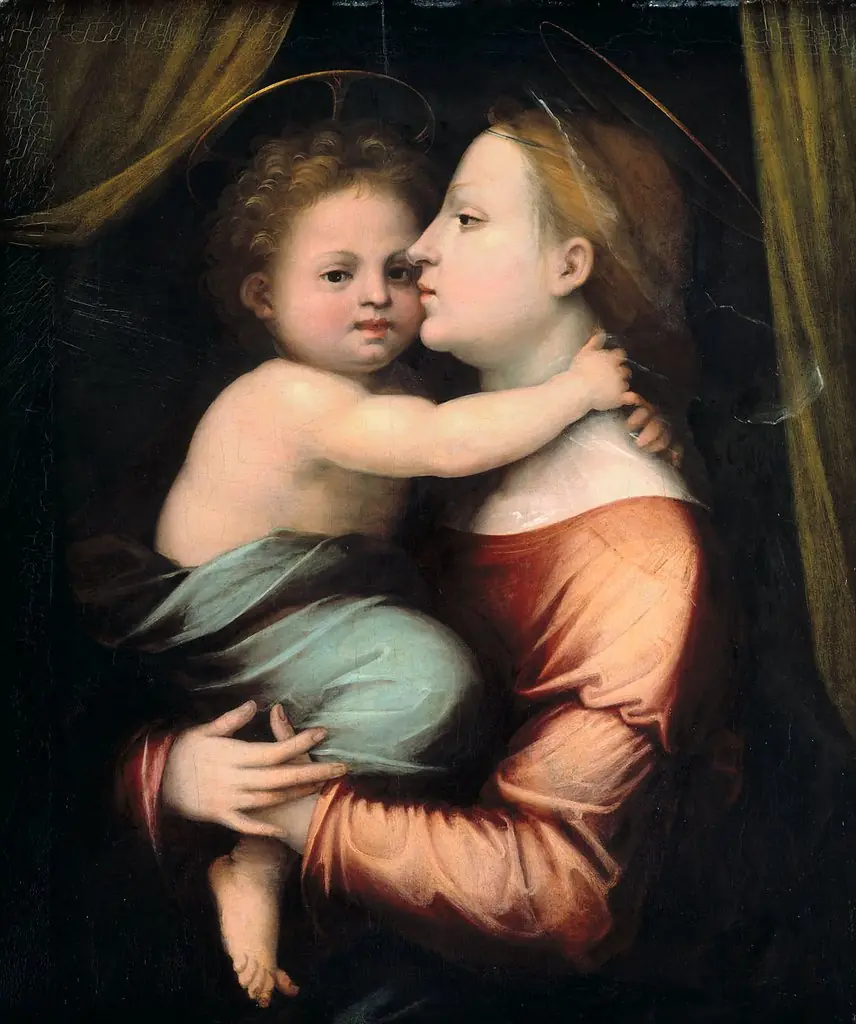 Madonna and Child
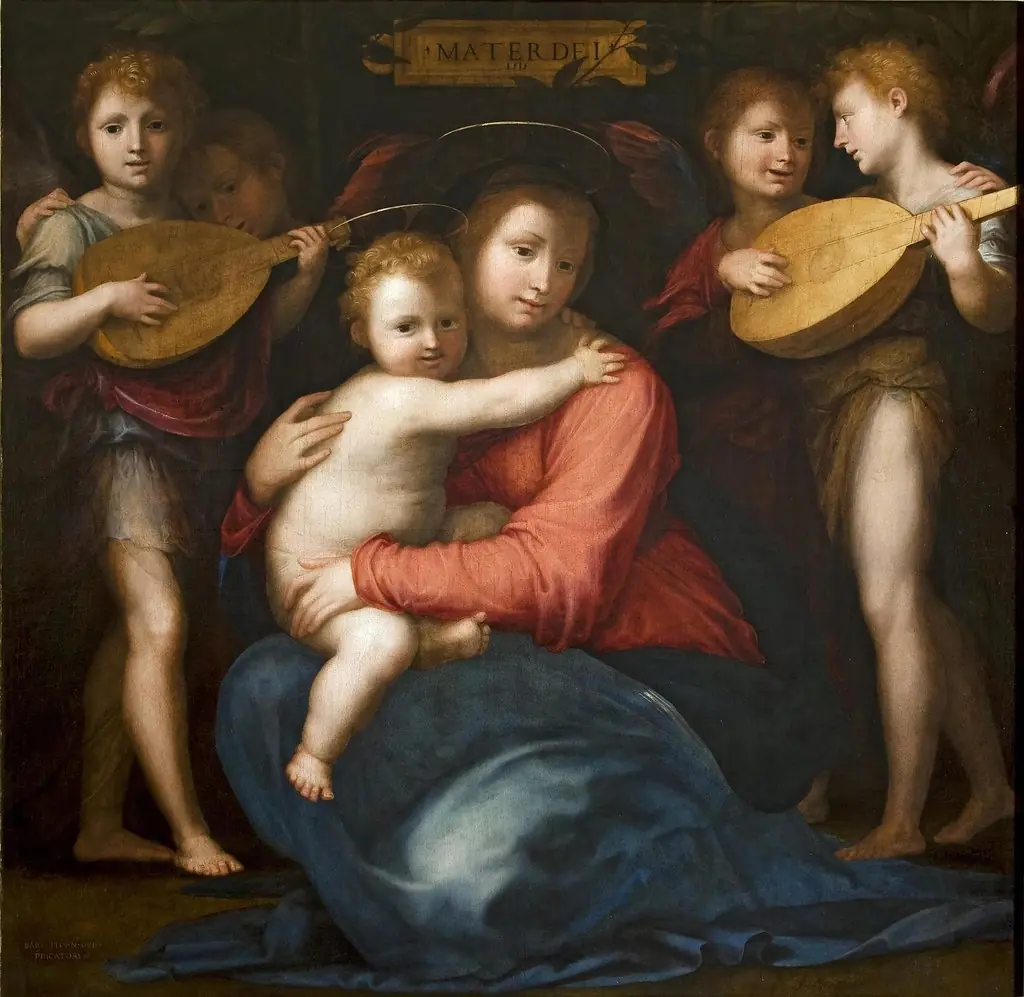 Madonna and Child with Four Angels
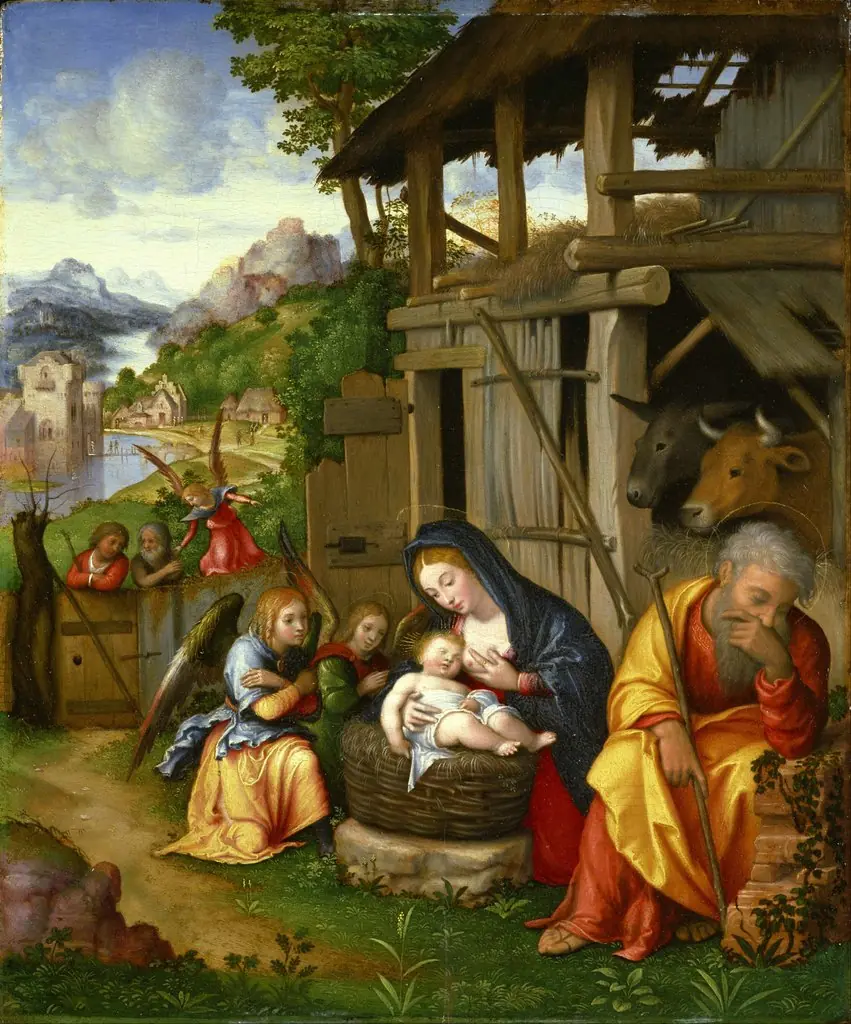 The Nativity
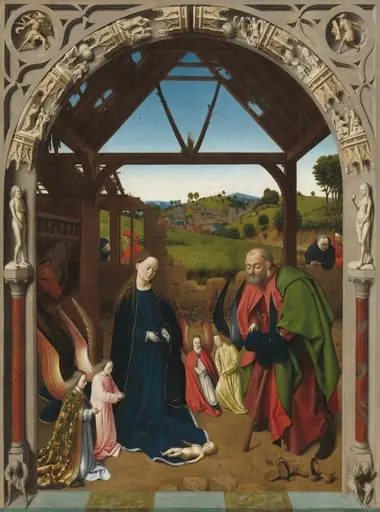 The Nativity
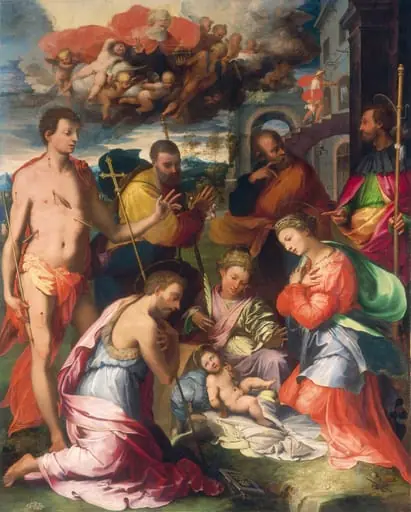 The Nativity
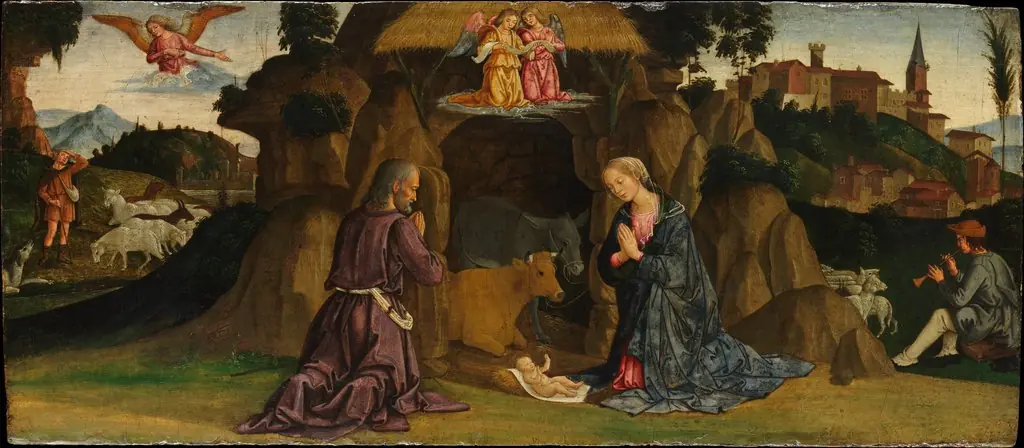 The Nativity
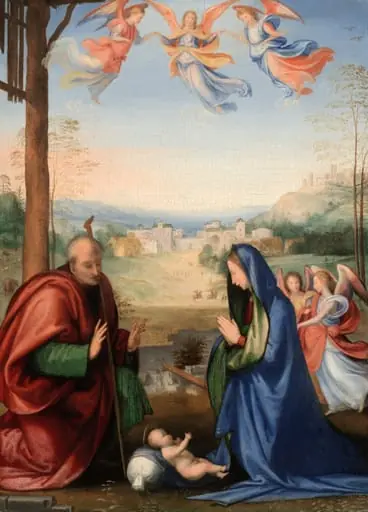 The Nativity
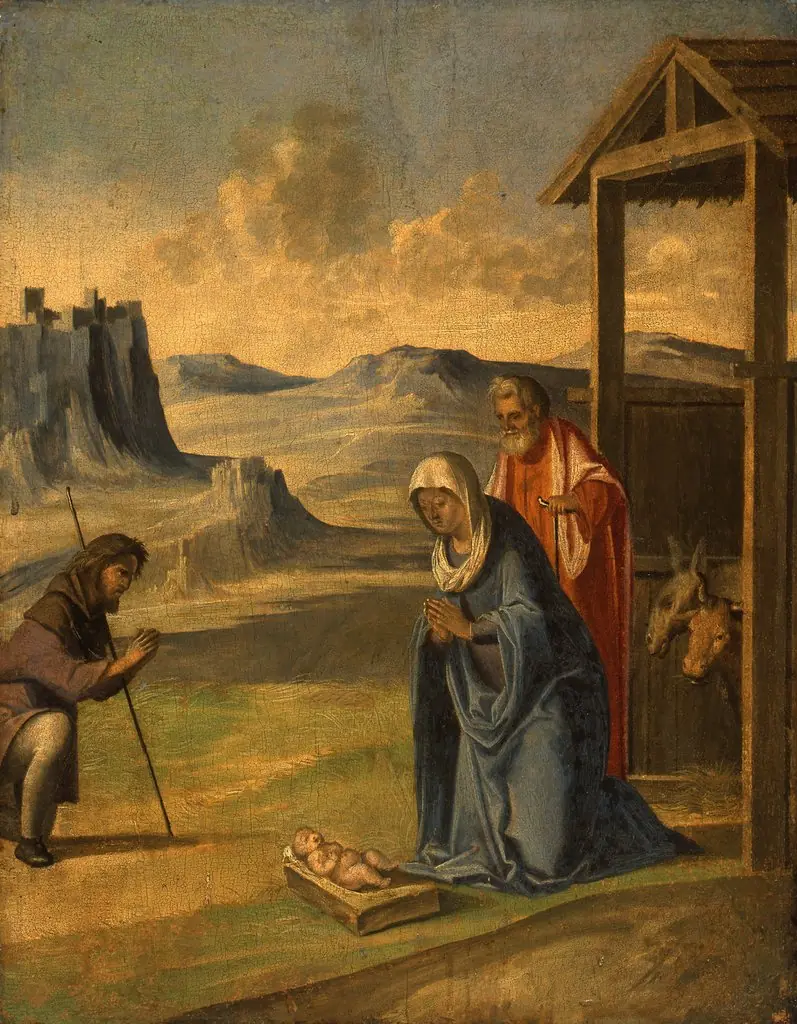 The Virgin Adoring the Child
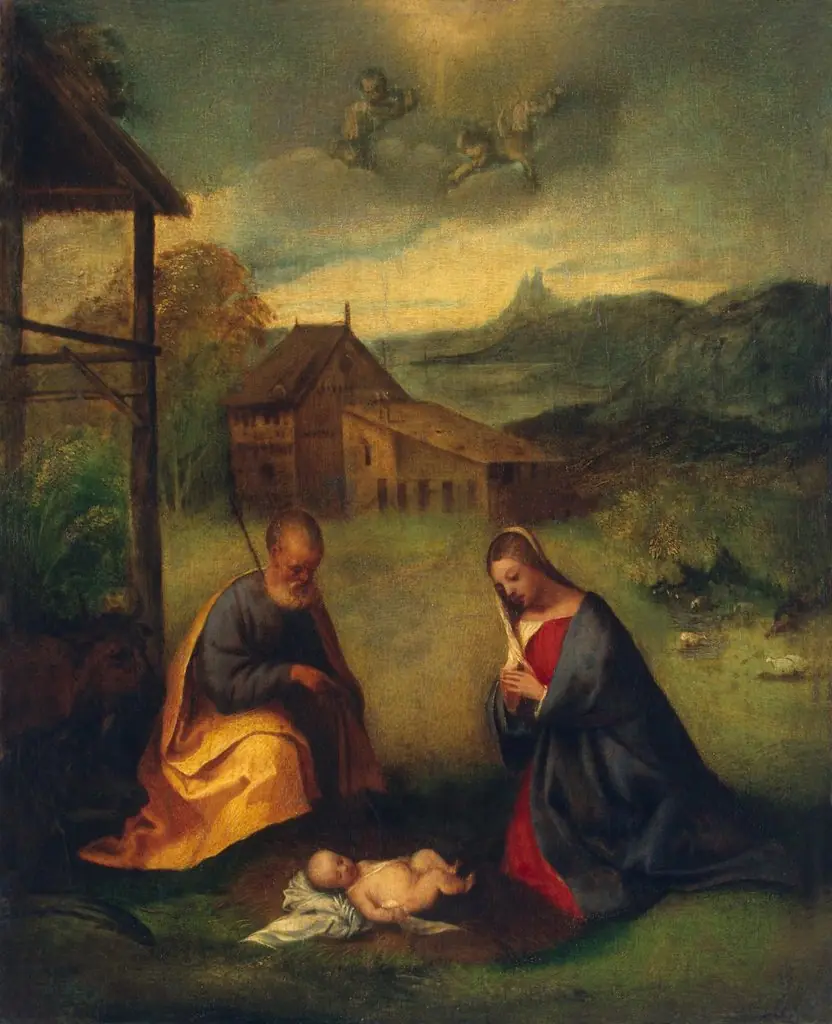 Adoration of the Christ Child
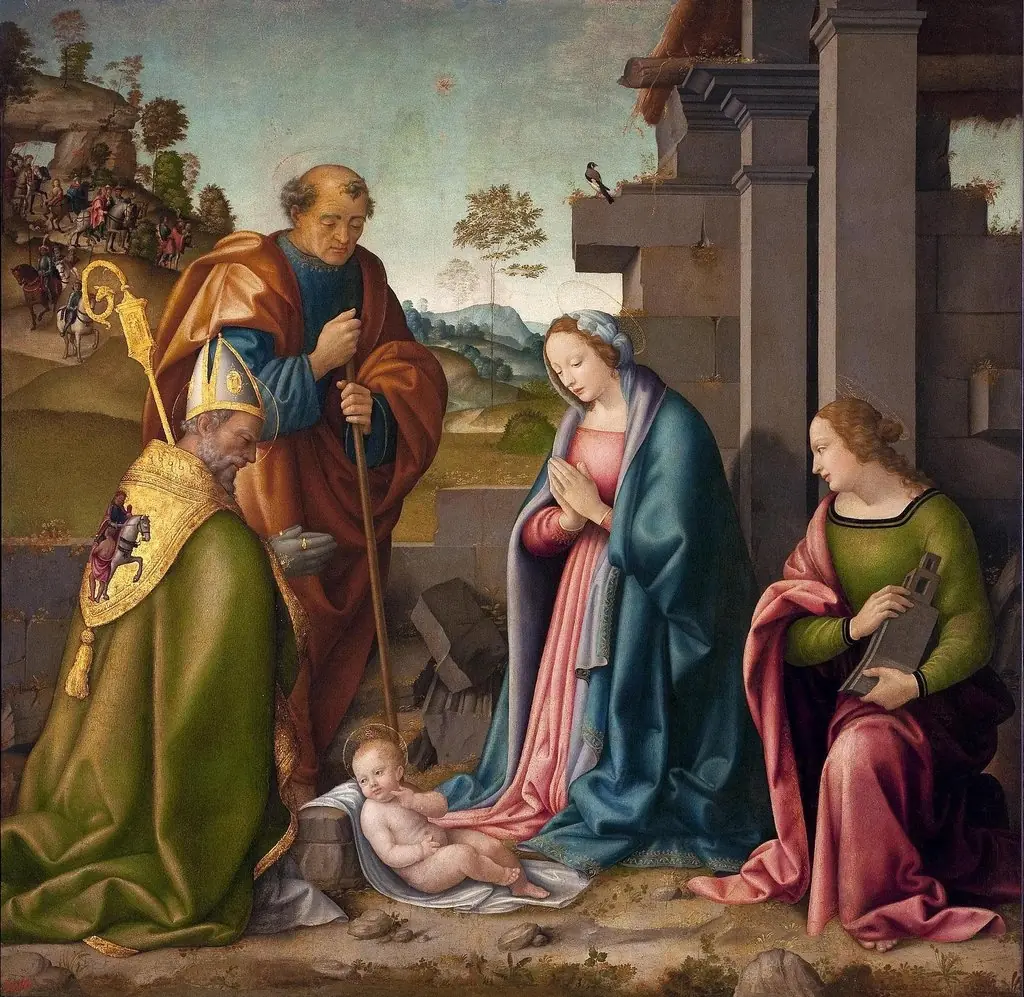 Adoration of the Christ Child, with Sts Barbara and Martin
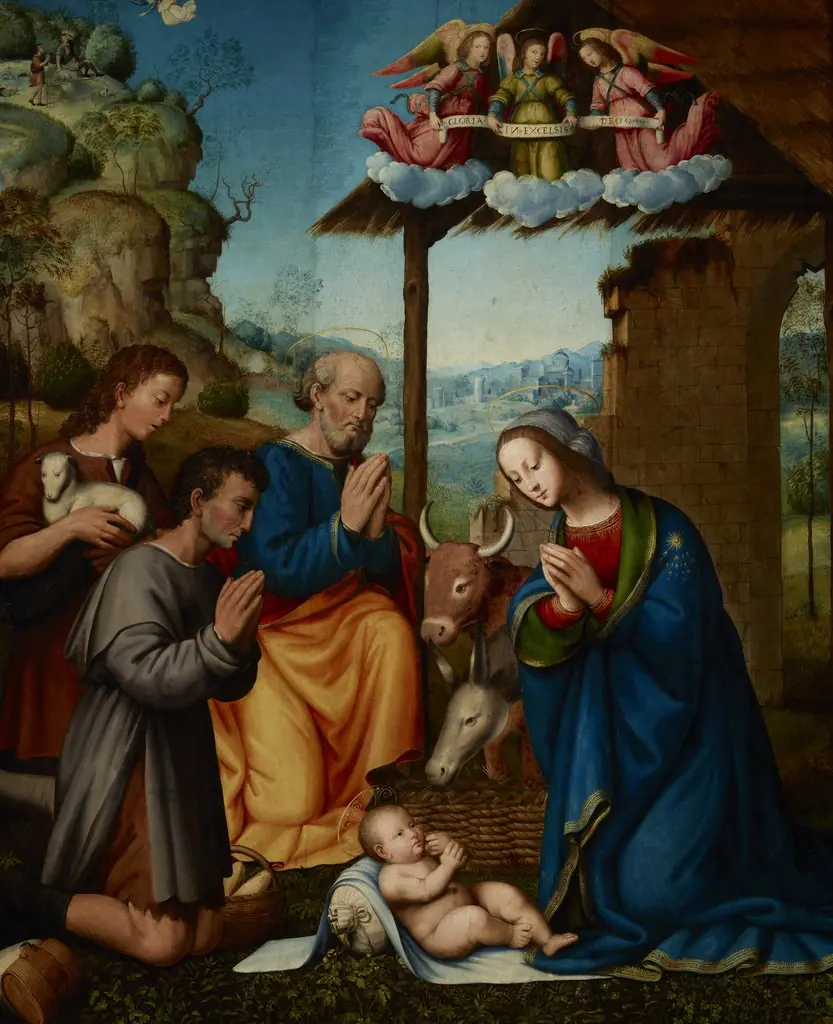 Adoration of the Shepherds (Adoration of the Child by Mary, St Joseph and Shepherds)
 Adoration of the Christ Child
 The Nativity
 The Nativity