Artwork
Portrait de l´impératrice du Brésil, Tereza Cristina
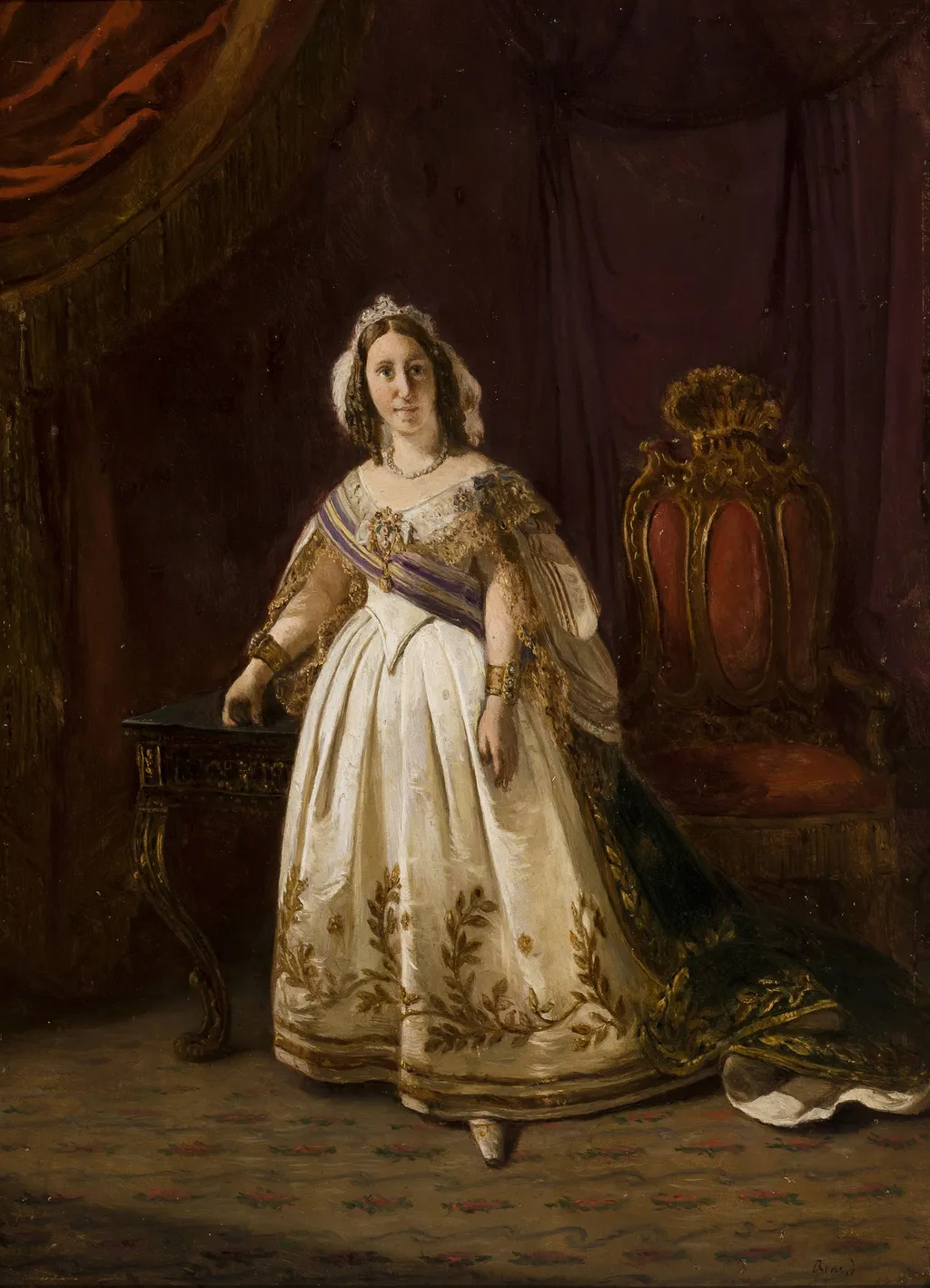
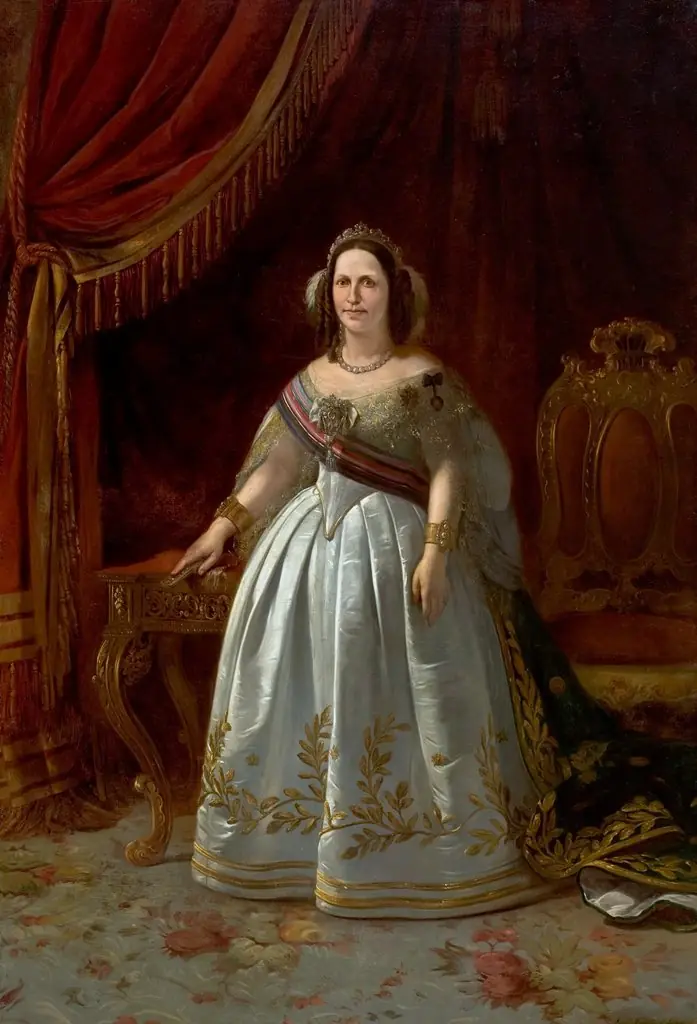
Portrait de l´impératrice du Brésil, Tereza Cristina is an oil painting by François-Auguste Biard. It dates from 1858 and is held in the collection of the Pinacoteca de São Paulo.
About this work
Overview
Though Biard was known for documenting his travels, this work departs from his usual subjects, focusing instead on a formal royal commission.
Painted in 1858 by French artist François-Auguste Biard, this oil-on-canvas portrait portrays Teresa Cristina, Empress of Brazil. Though Biard was known for documenting his travels, this work departs from his usual subjects, focusing instead on a formal royal commission. The painting is part of the Pinacoteca do Estado de São Paulo’s collection, where it remains as a record of imperial representation in mid-19th-century Latin America.
Subject & Meaning
Teresa Cristina is depicted in full regalia, emphasizing her status as empress. Her white gown, adorned with gold-embroidered floral motifs, and the purple sash bearing a gold brooch signify her imperial rank. The crown and veil reinforce her ceremonial role, while her poised stance and minimal gesture convey dignity rather than action. The composition avoids narrative elements, prioritizing symbolic authority over personal expression.
Technique & Style
Biard employed traditional academic techniques, using smooth brushwork and controlled lighting to render the empress’s attire with precision. The dark red curtain behind her creates a dramatic contrast, drawing focus to her figure and the metallic details of her dress. The texture of silk, embroidery, and fabric is rendered subtly, reflecting 19th-century portraiture conventions that valued clarity and decorum over expressive brushwork.
History & Provenance
Commissioned during Teresa Cristina’s tenure as empress, the portrait was likely intended to reinforce the legitimacy and prestige of the Brazilian monarchy. After its completion, it entered the collection of the Pinacoteca do Estado de São Paulo, where it has remained since the 19th century. Its preservation reflects its importance as a visual document of Brazil’s imperial era and its ties to European artistic traditions.
Context
Biard painted this portrait during a period when Latin American monarchies sought to align themselves culturally with European courts. Teresa Cristina, an Italian princess married to Emperor Pedro II, represented a bridge between European royalty and the Brazilian state. The portrait’s formality echoes contemporary European imperial imagery, signaling Brazil’s aspiration to be recognized as a refined, sovereign nation.
Legacy
The portrait endures as a key visual artifact of Brazil’s imperial past. It offers insight into how royalty was visually constructed during a time of political transition. While Biard’s broader oeuvre focused on travel and ethnography, this work stands as a rare example of his engagement with formal court portraiture, preserving the image of an empress whose influence extended beyond ceremonial roles.
Own this work as a print
Artist & collection
Artist
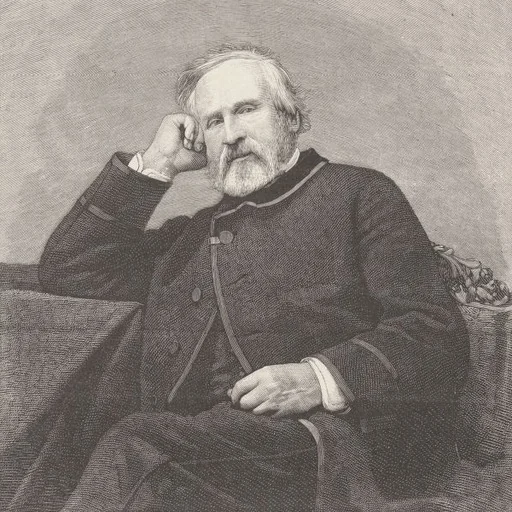
François-Auguste Biard, born François Thérèse Biard (29 June 1799 – 20 June 1882) was a French painter, known for his adventurous travels and the works depicting his experiences.


![Flore Gisclon, wife François-Auguste Biard [formerly identified as Léonie Thévenot d'Aunet], by François-Auguste Biard](https://artifactworldgallery.com/img/francois-auguste-biard--flore-gisclon-wife-francois-auguste-biard-formerly-identifie--9743e0897d3e5947-w320.webp)

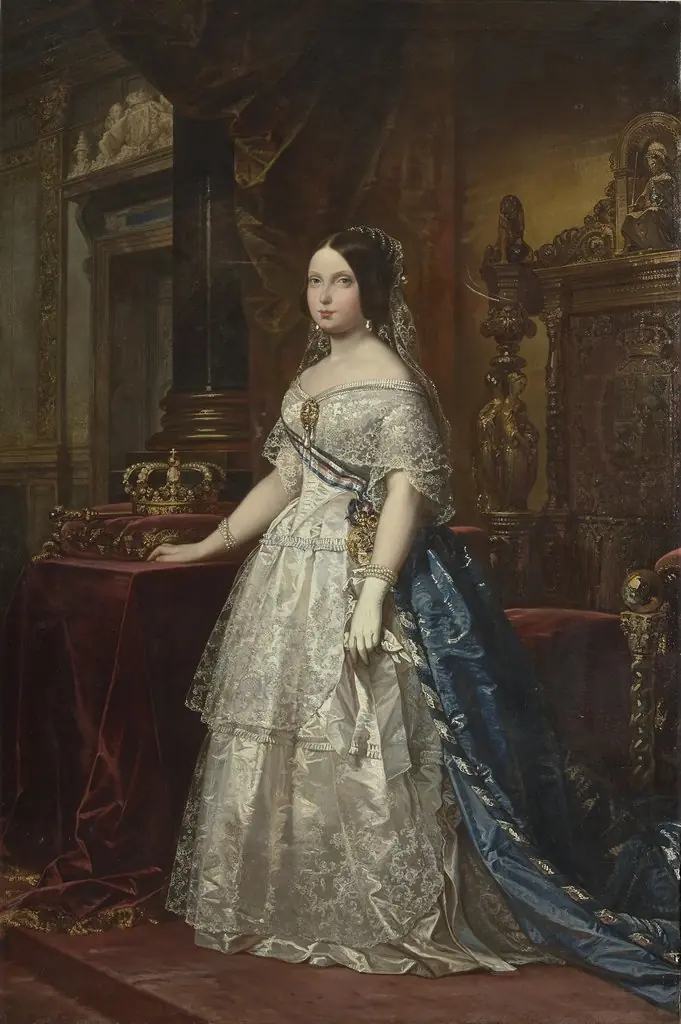 Isabel II
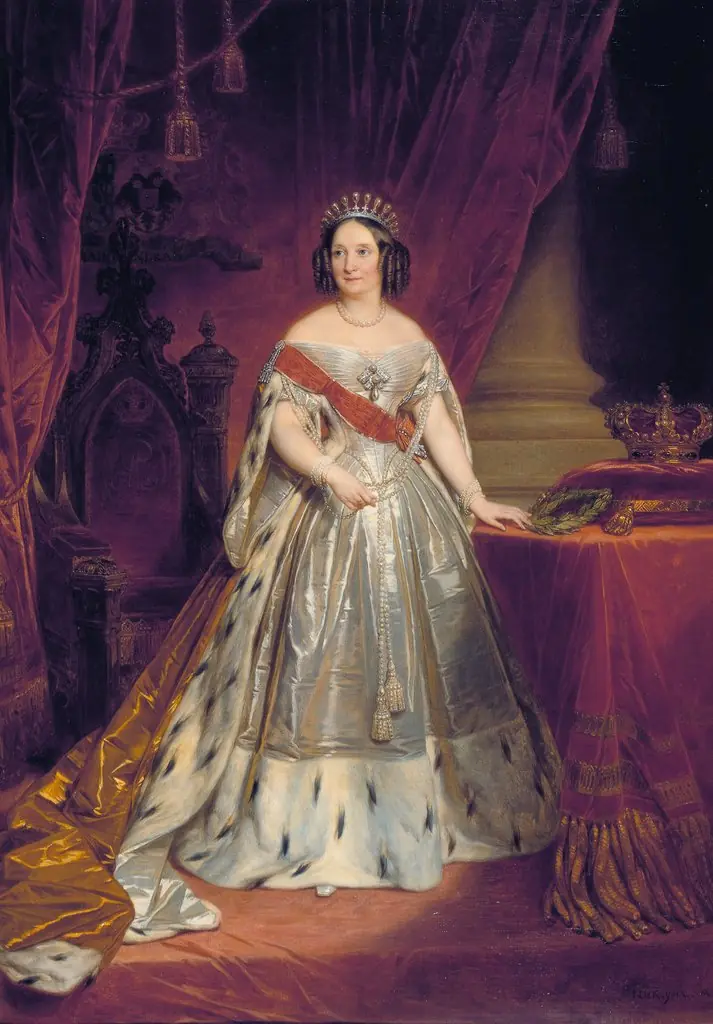 Portrait of Grand Princess Anna Pavlovna
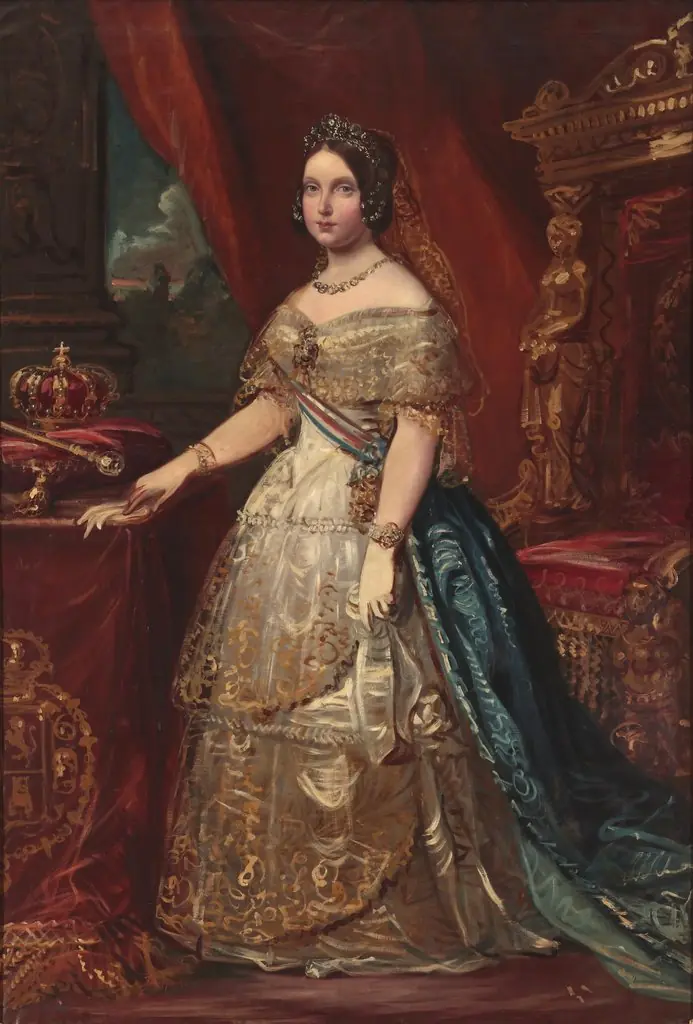 Isabel II
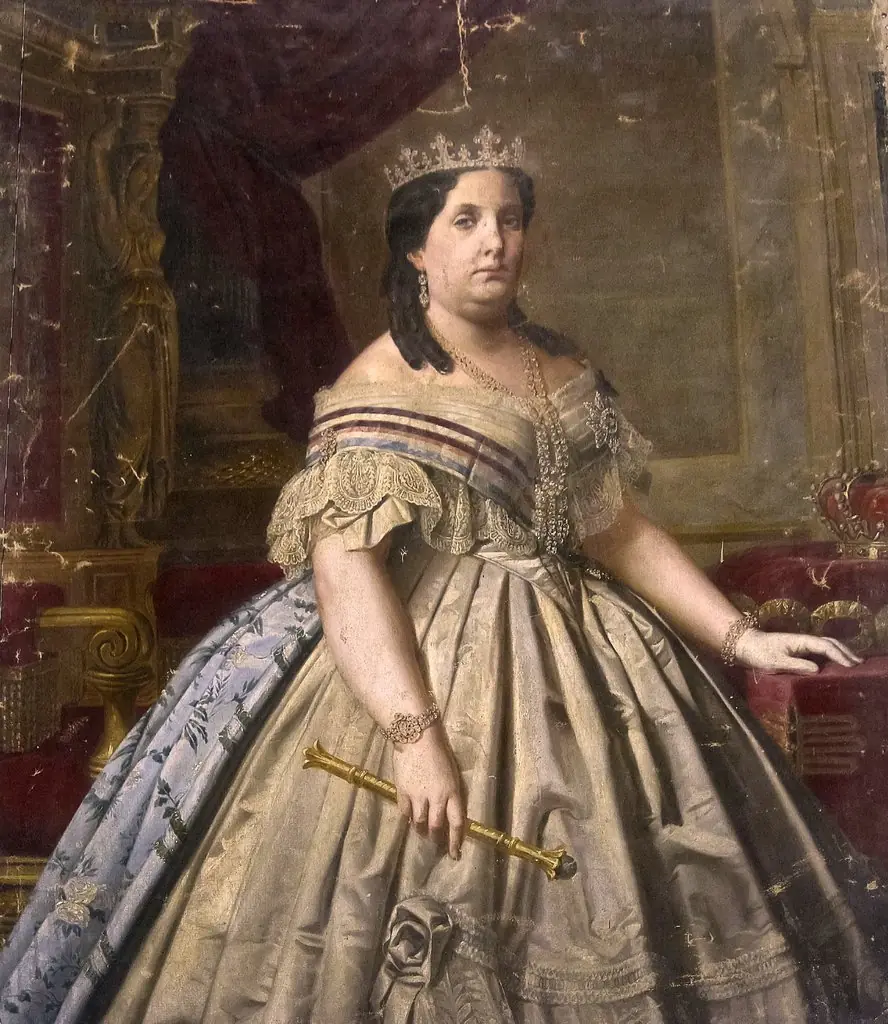 Isabel II reina de España
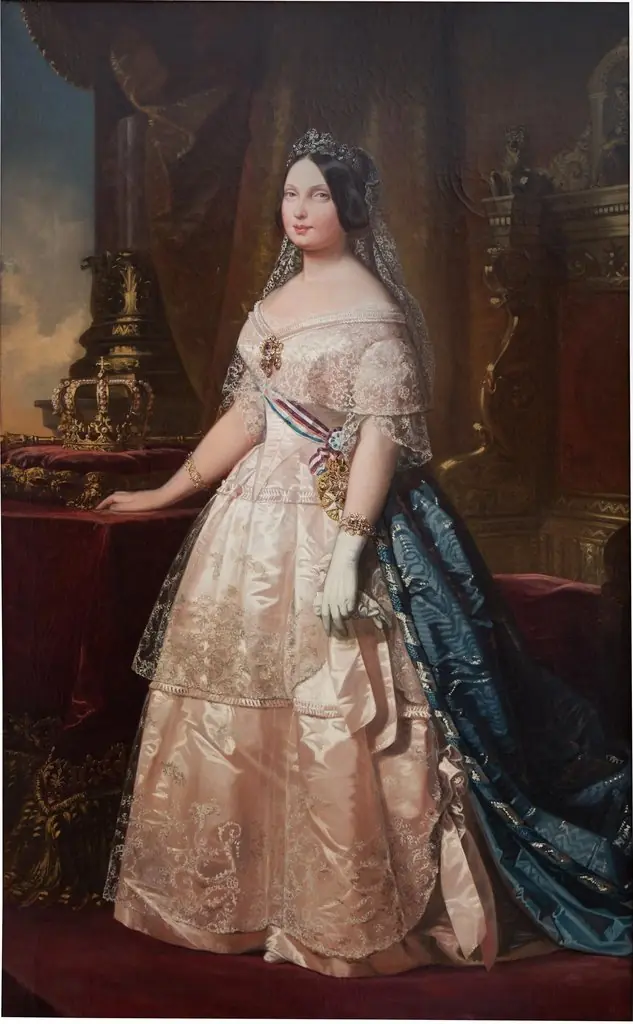 Isabel II
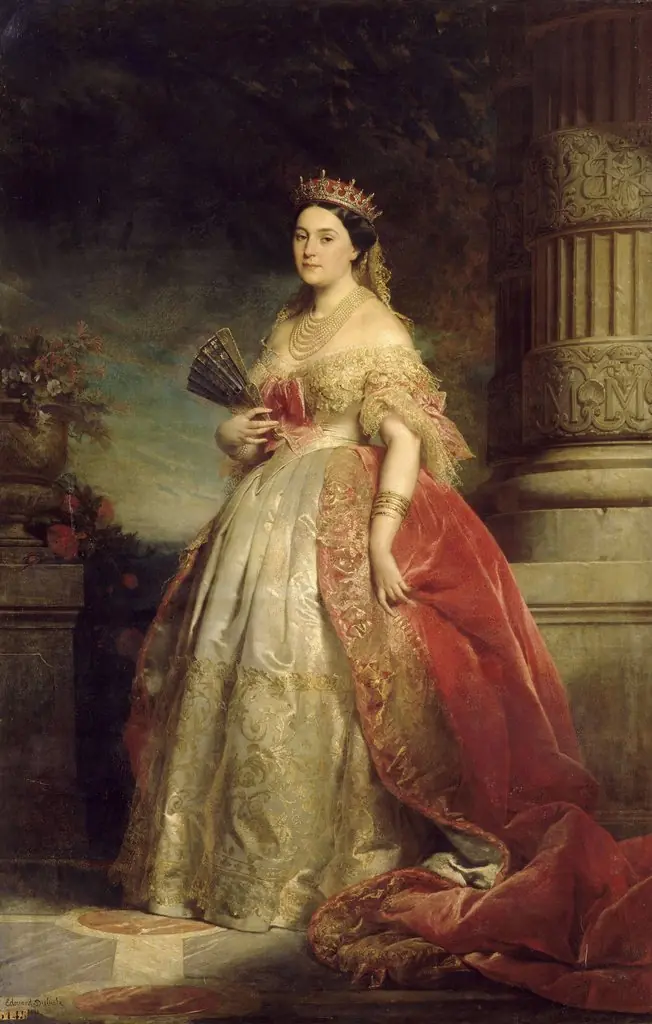 Portrait of the Princess Mathilde
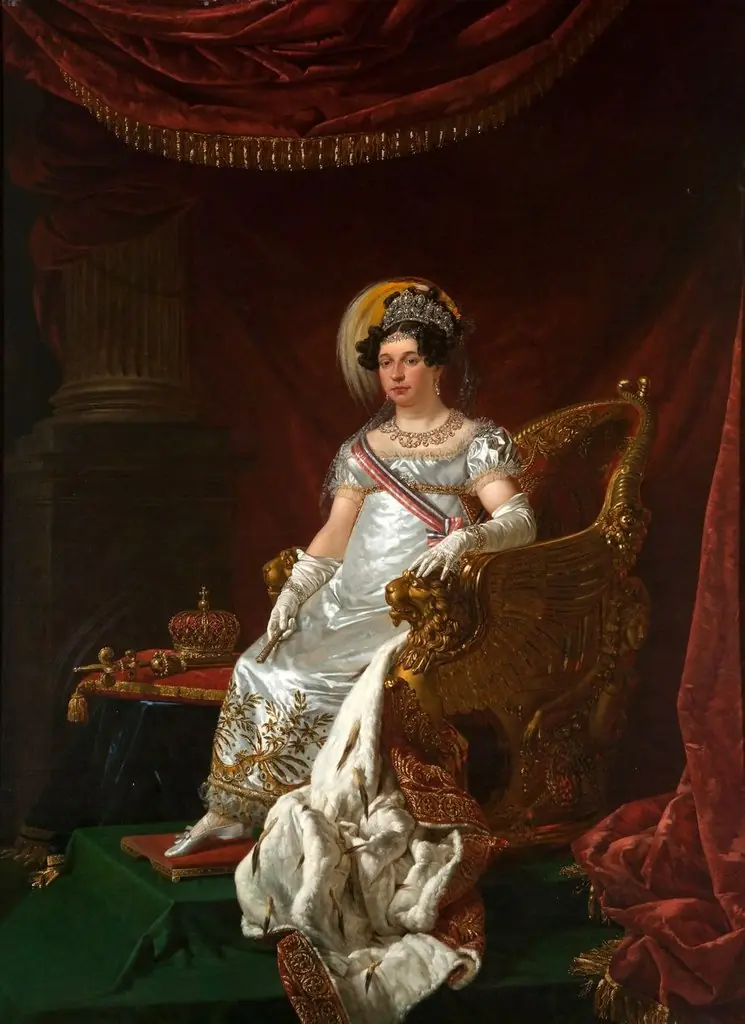 María Isabella of Spain (1789-1848)
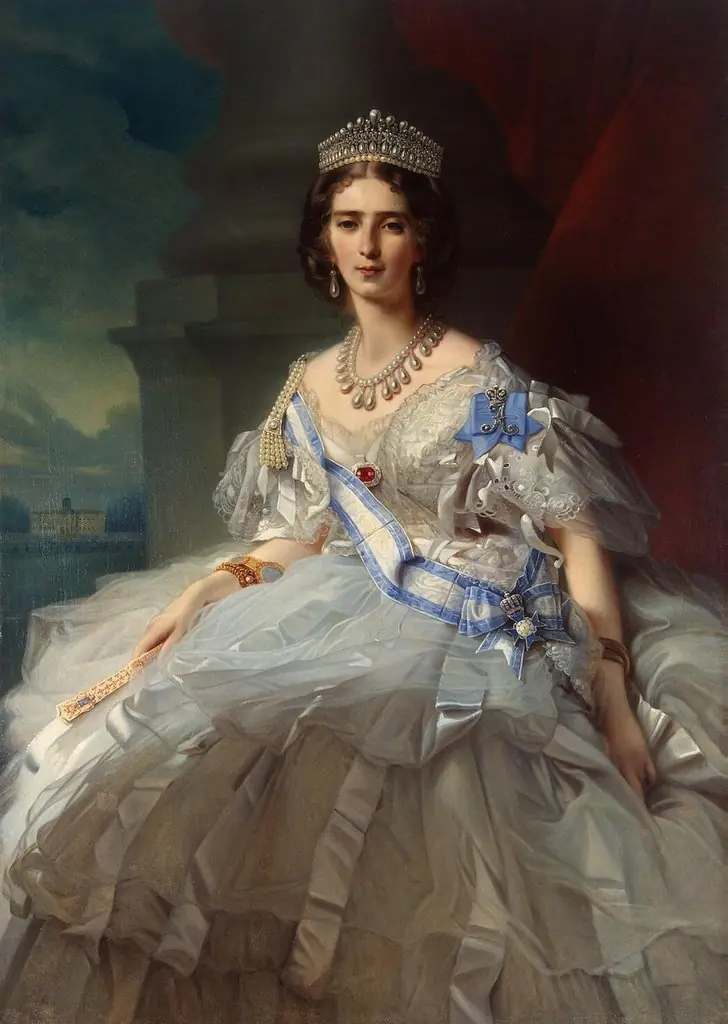 Portrait of Princess Tatyana Yusupova
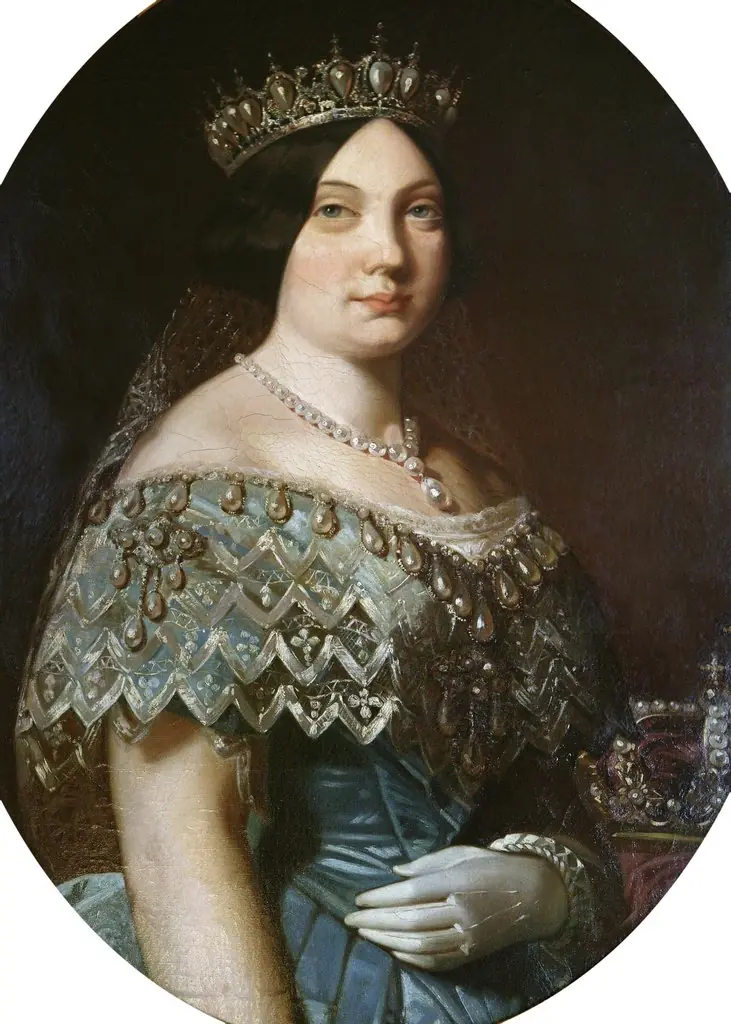 Isabel II
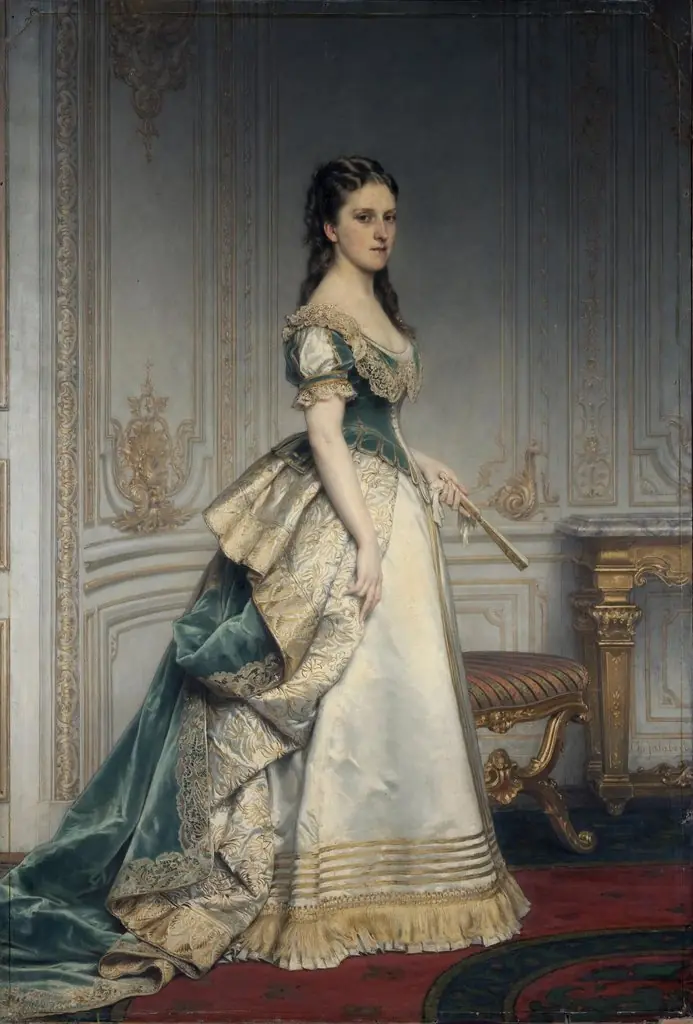 Portrait of Nadezhda Polovtseva
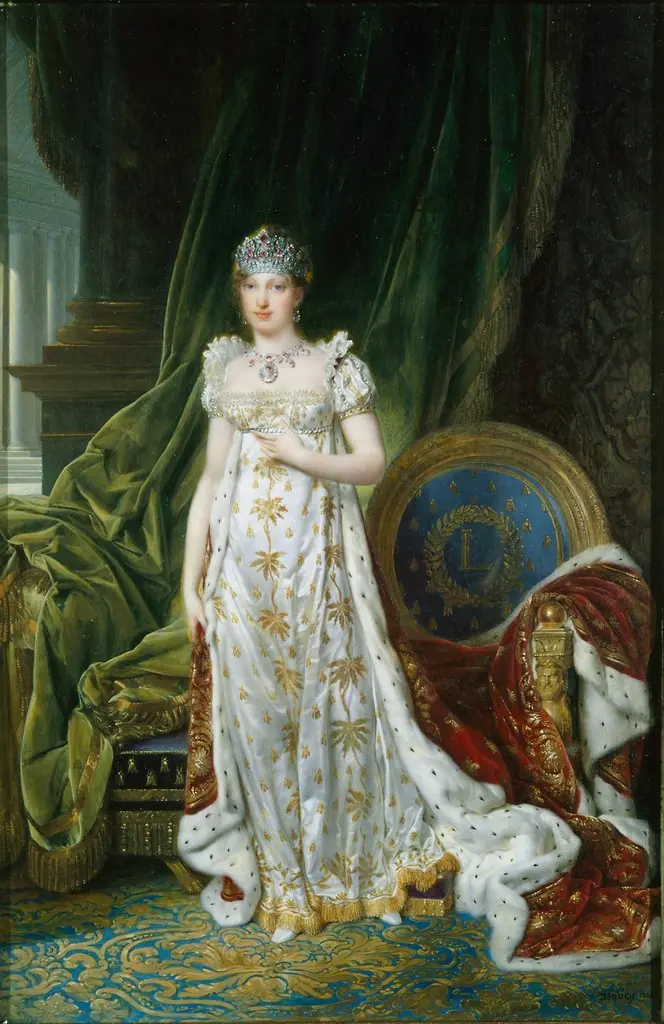 Portrait of Empress Marie-Louise
 Portrait of Teresa Cristina of the Two Sicilies