Artwork
Sudden Squall at Sea
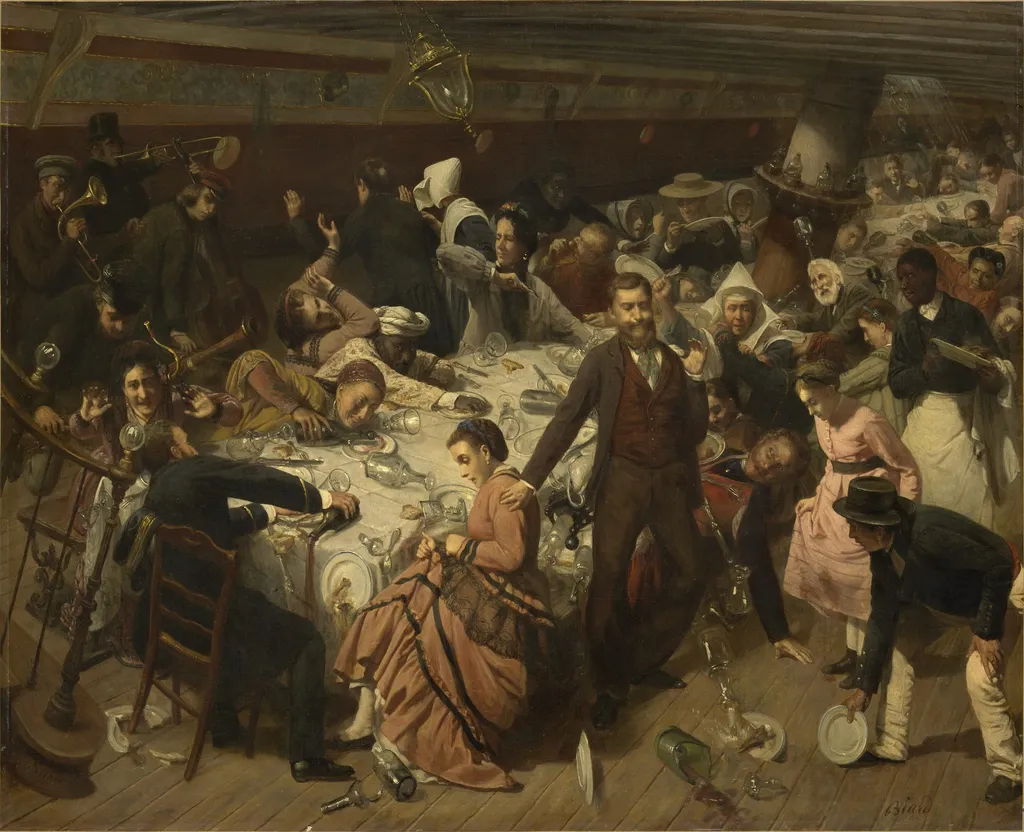
Sudden Squall at Sea is an oil painting by François-Auguste Biard. It dates from 1860 and is held in the collection of the Clark Art Institute.
About this work
Overview
François‑Auguste Biard’s oil painting *Sudden Squall at Sea* was completed in 1860. The work captures a turbulent maritime moment, rendered with the vigorous brushwork and atmospheric effects that characterize Biard’s approach to seascapes. It is part of the permanent collection of the Clark Art Institute.
Subject & Meaning
The canvas portrays a sudden storm breaking over a ship at sea, emphasizing the unpredictable power of nature. By focusing on the clash of wind, wave, and sky, Biard conveys both the peril faced by sailors and the awe‑inspiring drama of a tempestuous ocean.
Technique & Style
Executed in oil, the painting employs a palette of deep blues, grays, and muted earth tones to suggest the gathering clouds and churning water. Rapid, expressive strokes convey the movement of the sea, while subtle gradations of light create depth and a sense of immediacy.
History & Provenance
Biard, known for traveling to remote locales and sketching scenes on site, likely based this composition on observations made during his voyages. After its exhibition in the mid‑19th century, the work entered private hands before being acquired by the Clark Art Institute, where it remains on view.
Context
Created during a period when French painters were increasingly interested in naturalistic depictions of extreme weather, the piece reflects contemporary scientific curiosity about meteorology and the romantic fascination with the sublime in nature.
Own this work as a print
Artist & collection
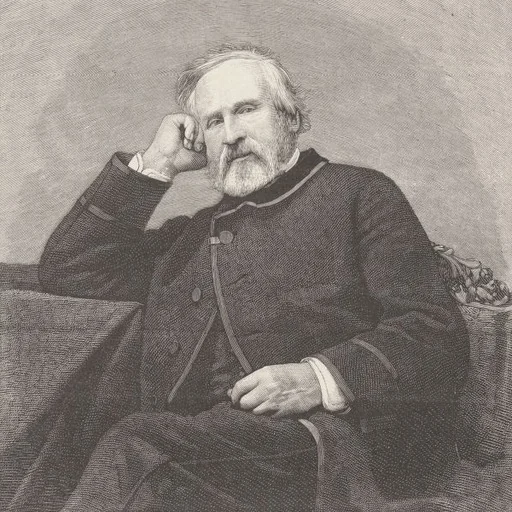
Artist
François-Auguste Biard, born François Thérèse Biard (29 June 1799 – 20 June 1882) was a French painter, known for his adventurous travels and the works depicting his experiences.

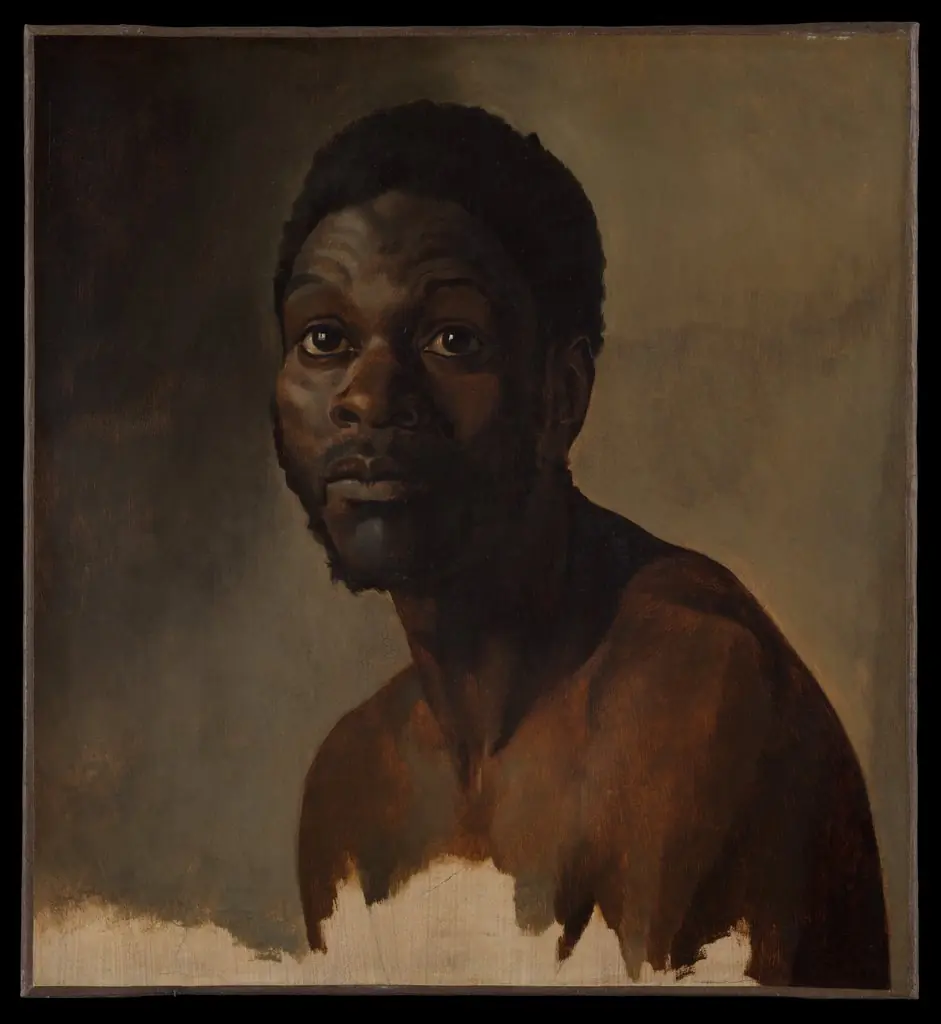 Bust-Length Study of a Man
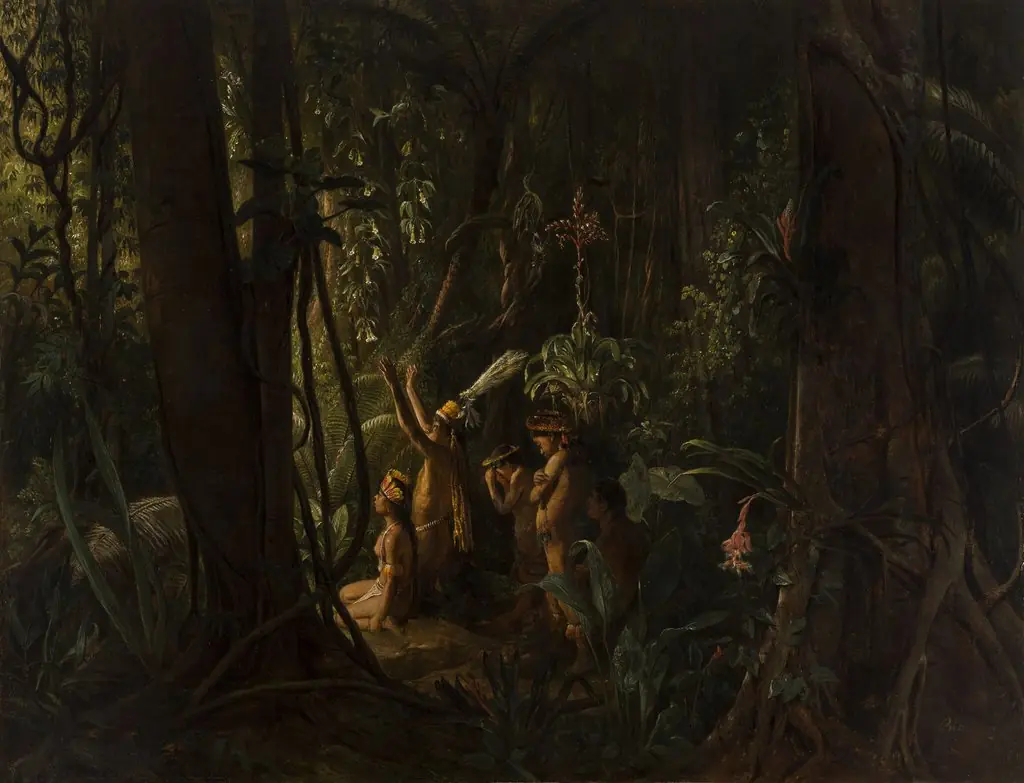 Amazonian Indians Worshiping the Sun God
![Flore Gisclon, wife François-Auguste Biard [formerly identified as Léonie Thévenot d'Aunet], by François-Auguste Biard](https://artifactworldgallery.com/img/francois-auguste-biard--flore-gisclon-wife-francois-auguste-biard-formerly-identifie--9743e0897d3e5947-w320.webp) Flore Gisclon, wife François-Auguste Biard [formerly identified as Léonie Thévenot d'Aunet]
Flore Gisclon, wife François-Auguste Biard [formerly identified as Léonie Thévenot d'Aunet]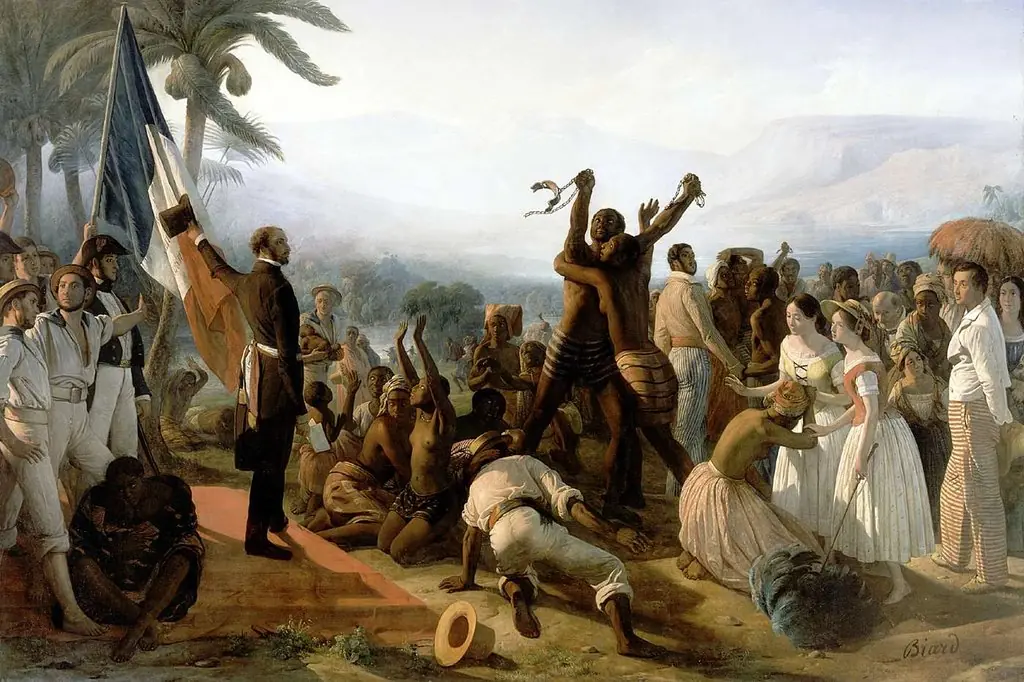 Proclamation of the Abolition of Slavery in the French Colonies, 27 April 1848
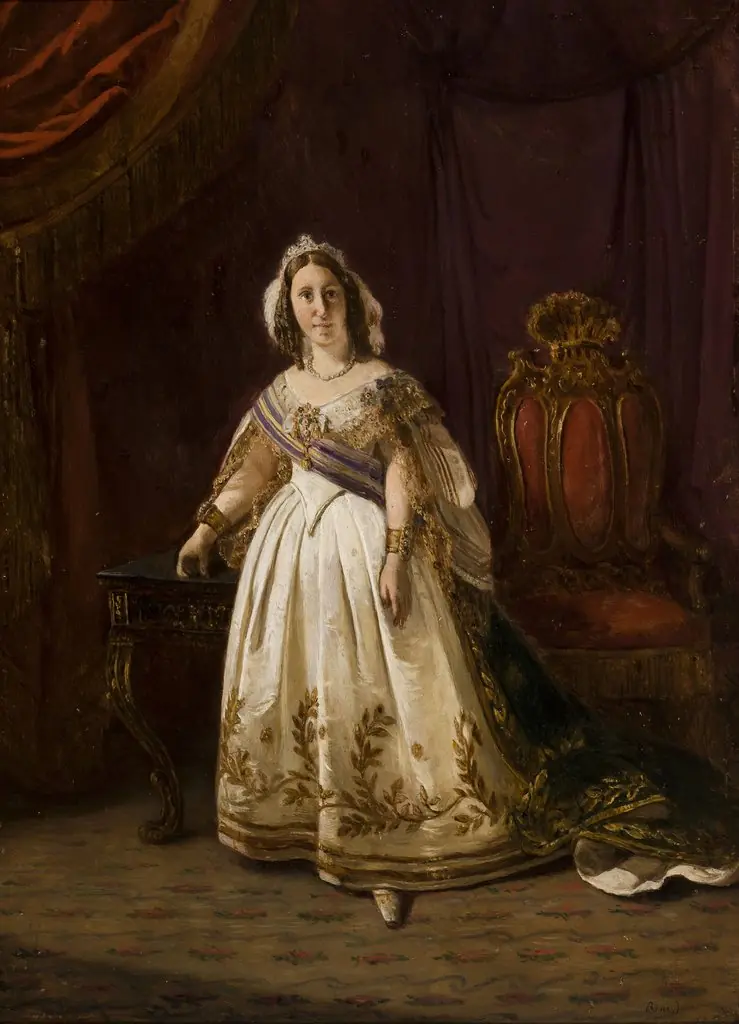 Portrait de l´impératrice du Brésil, Tereza Cristina
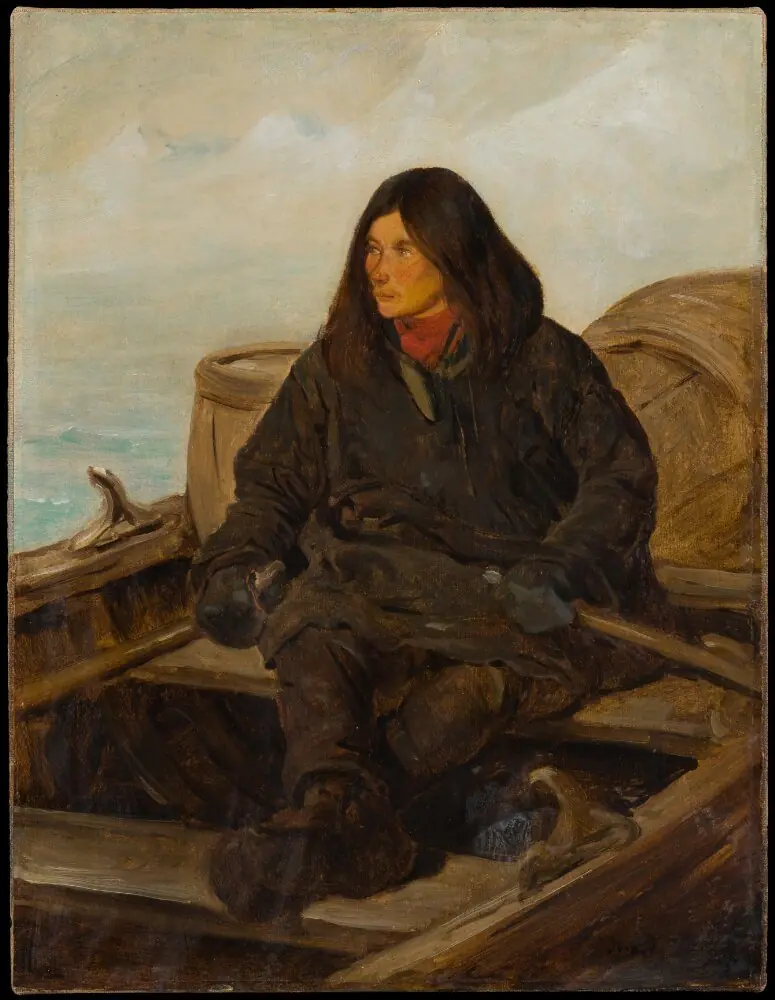 Young Lapp Rowing. Study
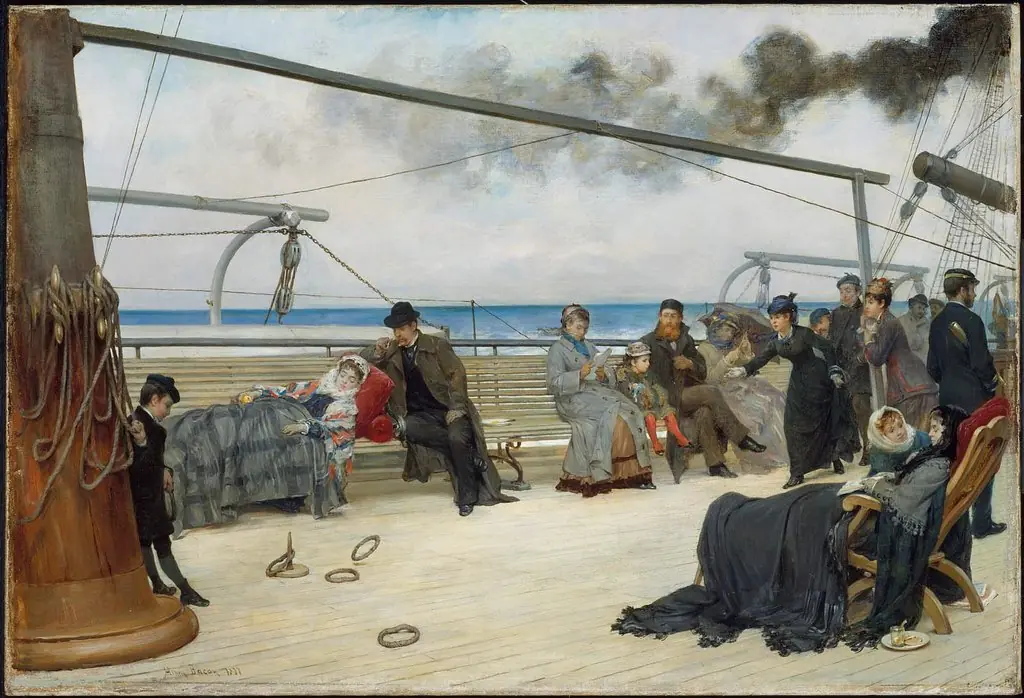 On the Open Sea-- The Transatlantic Steamship "Péreire"
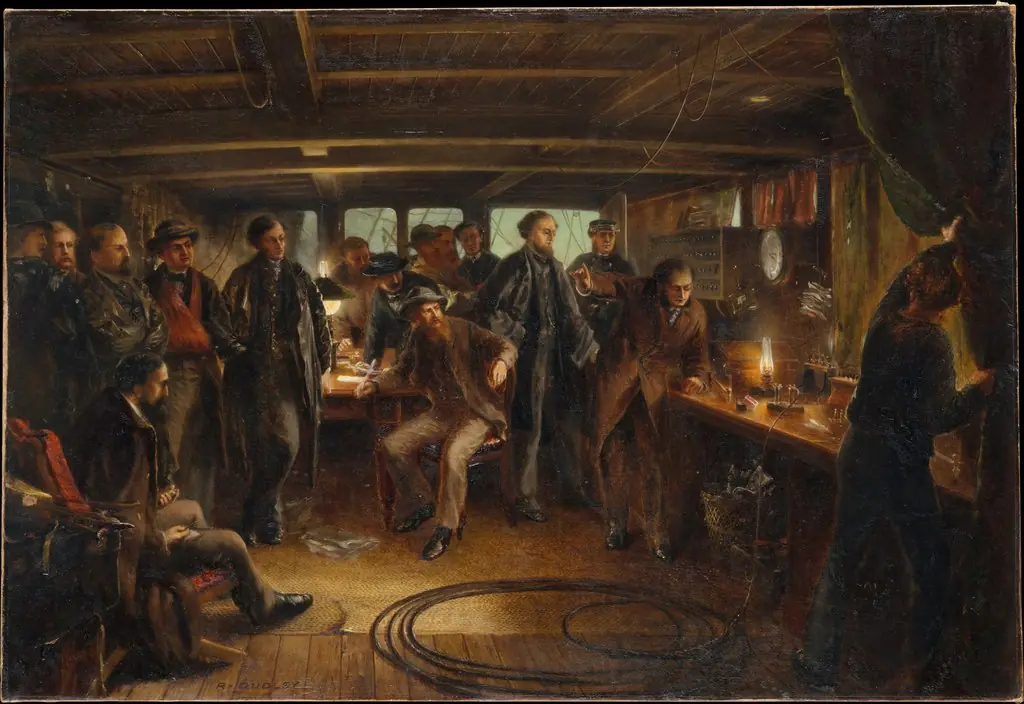 Awaiting the Reply
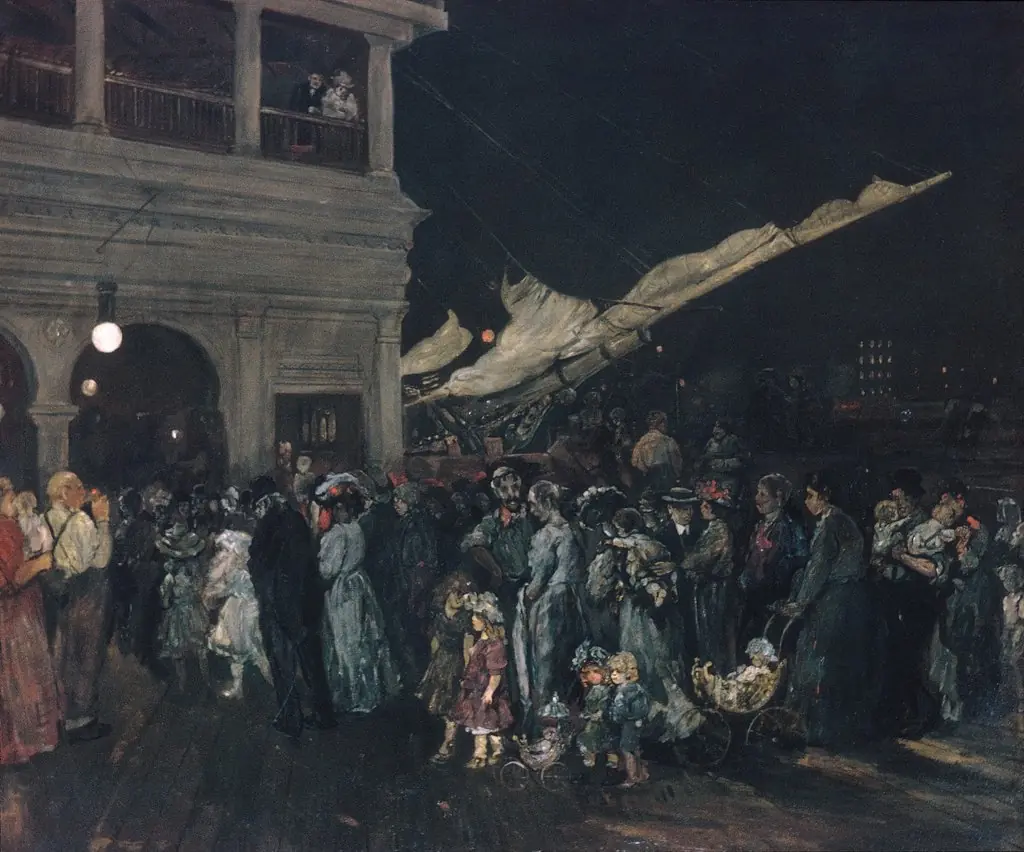 A North River Recreation Pier
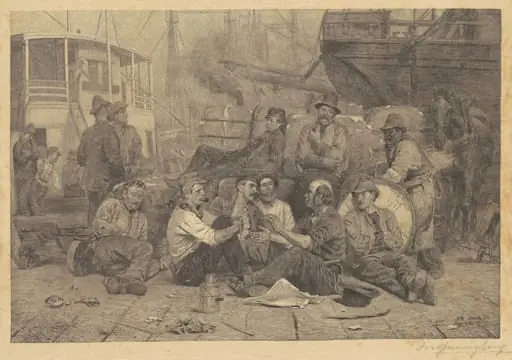 The Longshoremen's Noon
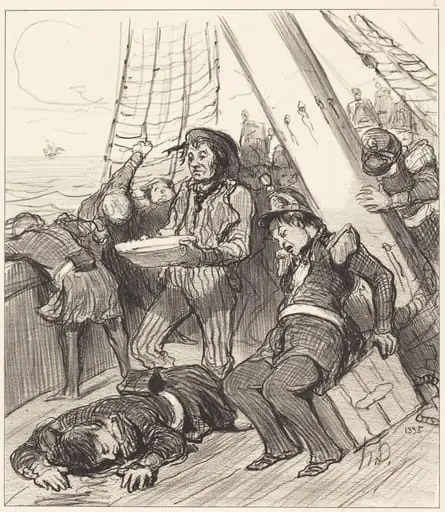 Plusieurs gardes nationaux qui n'avaient pas songé...
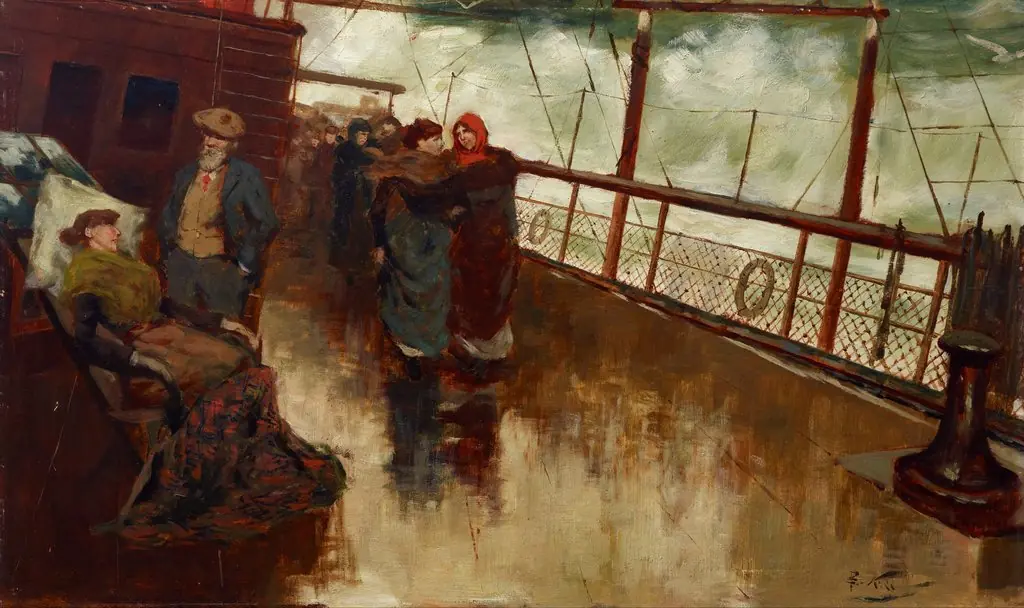 The voyagers
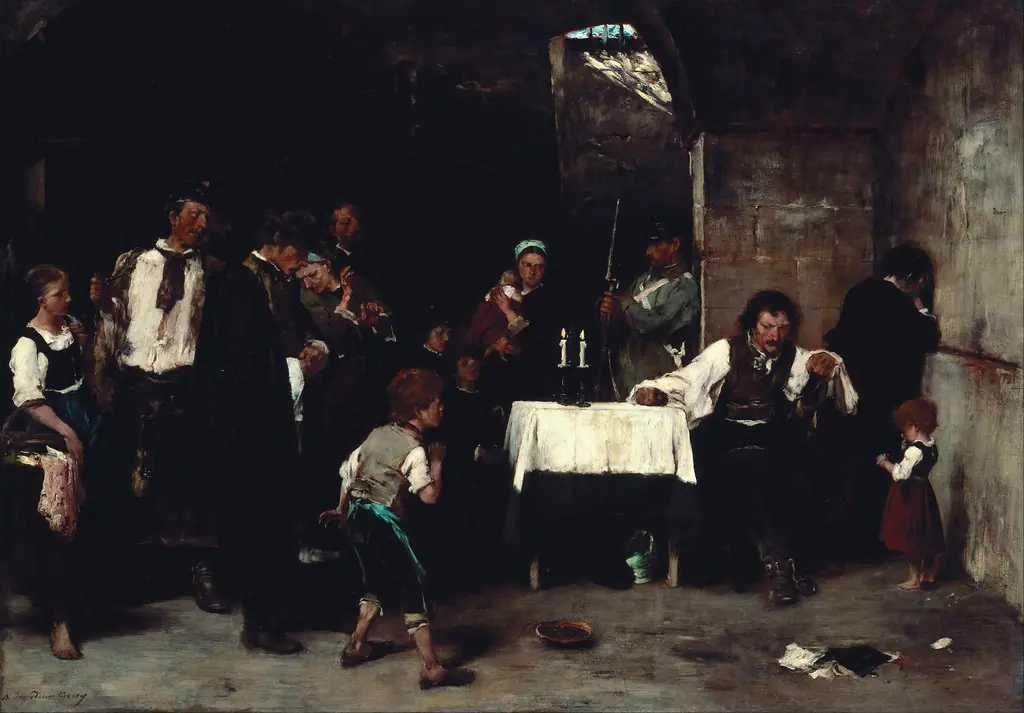 The Condemned Cell I
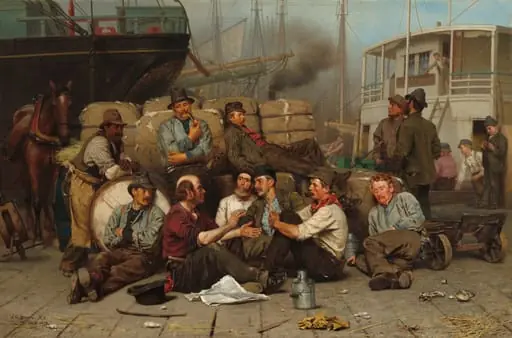 The Longshoremen's Noon
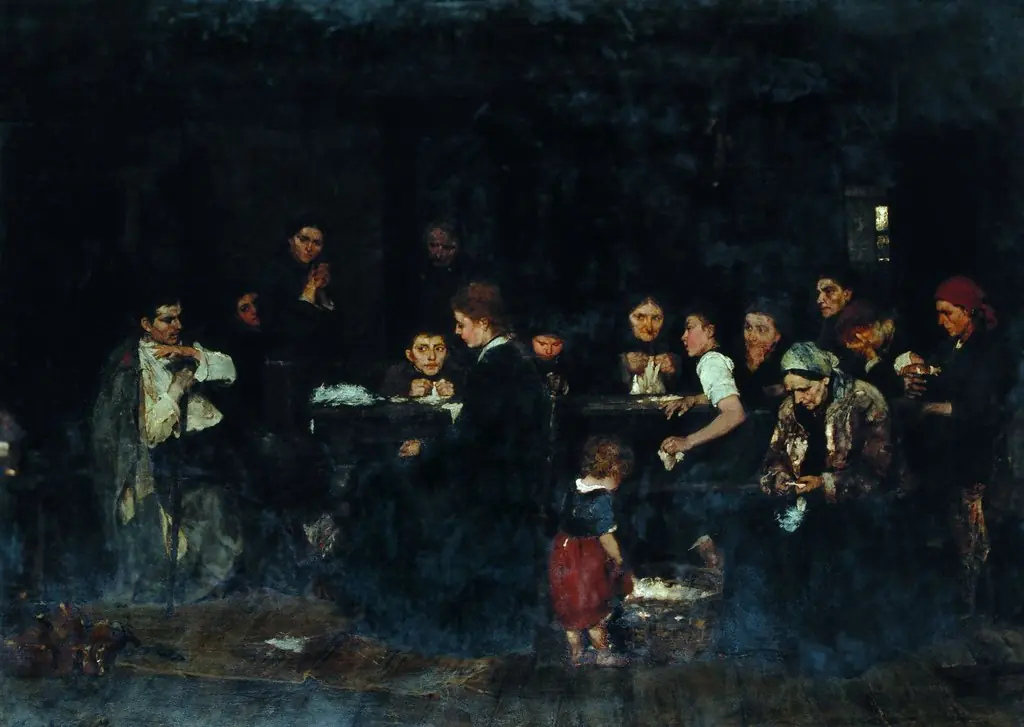 Making Lint
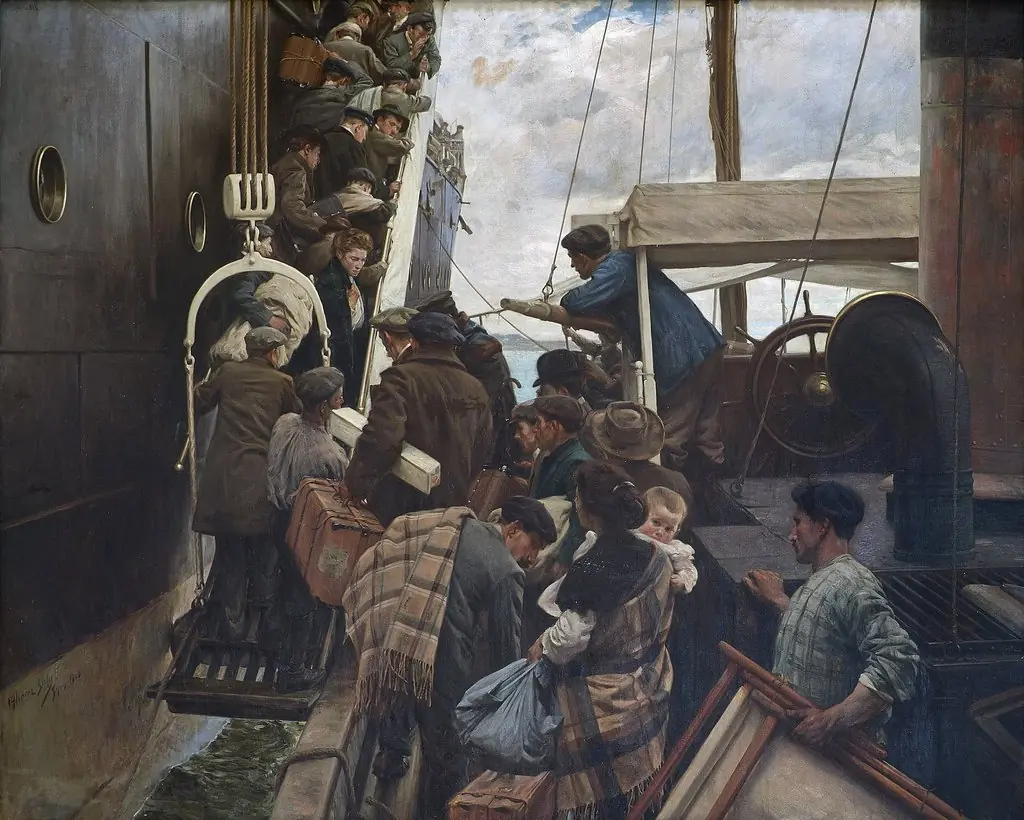 Emigrantes
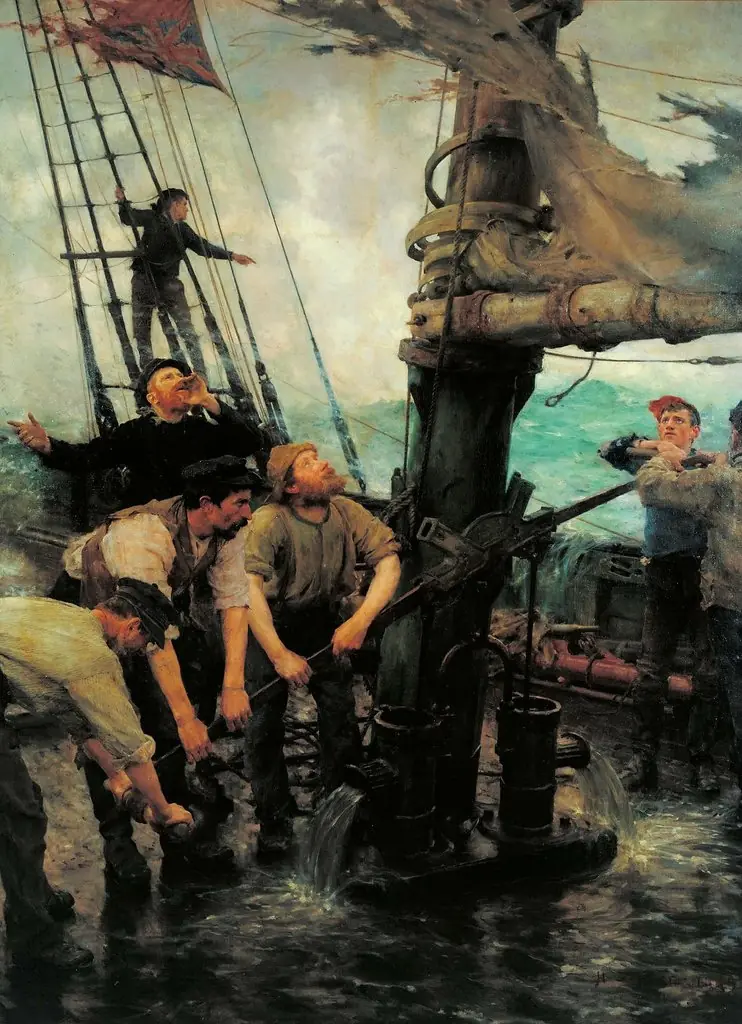 All Hands to the Pumps
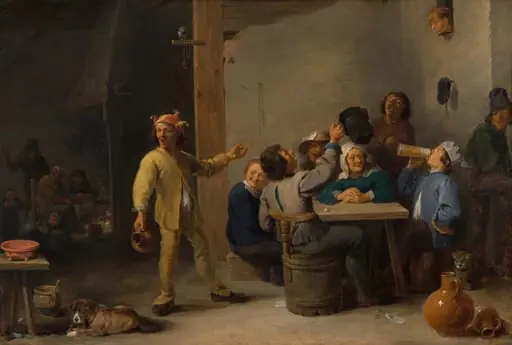 Peasants Celebrating Twelfth Night