Artwork
Cupid and the Three Graces
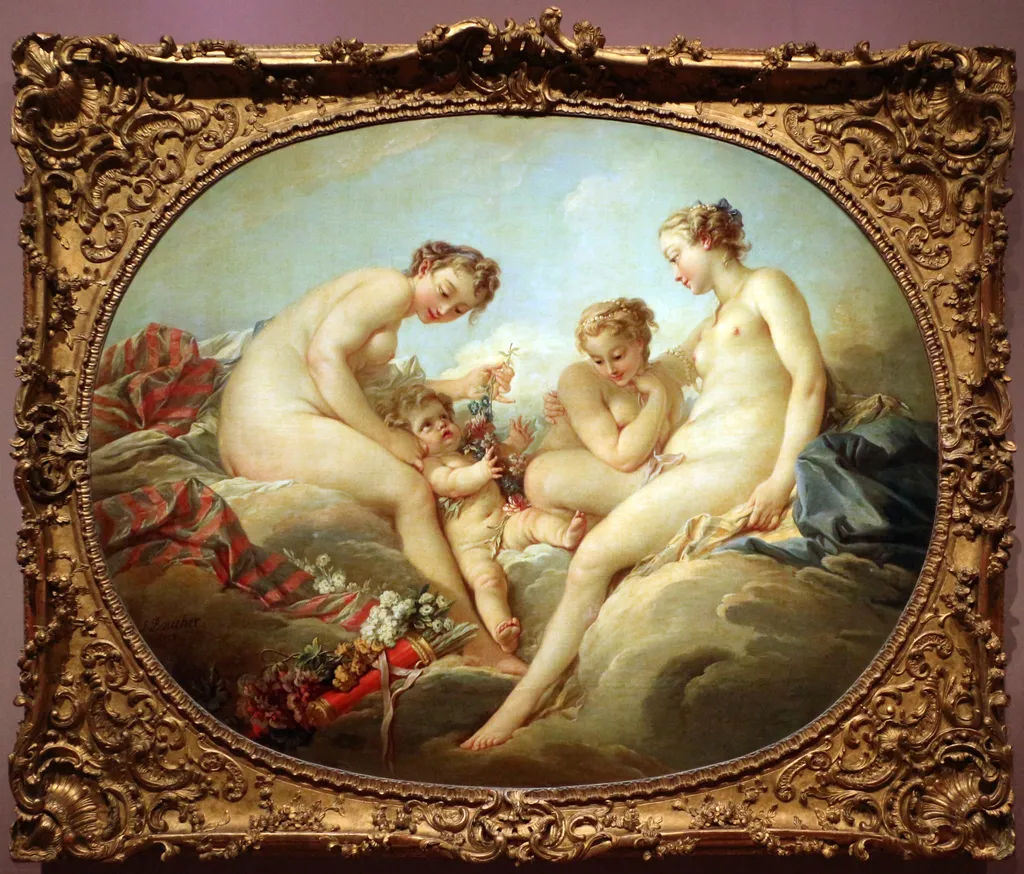
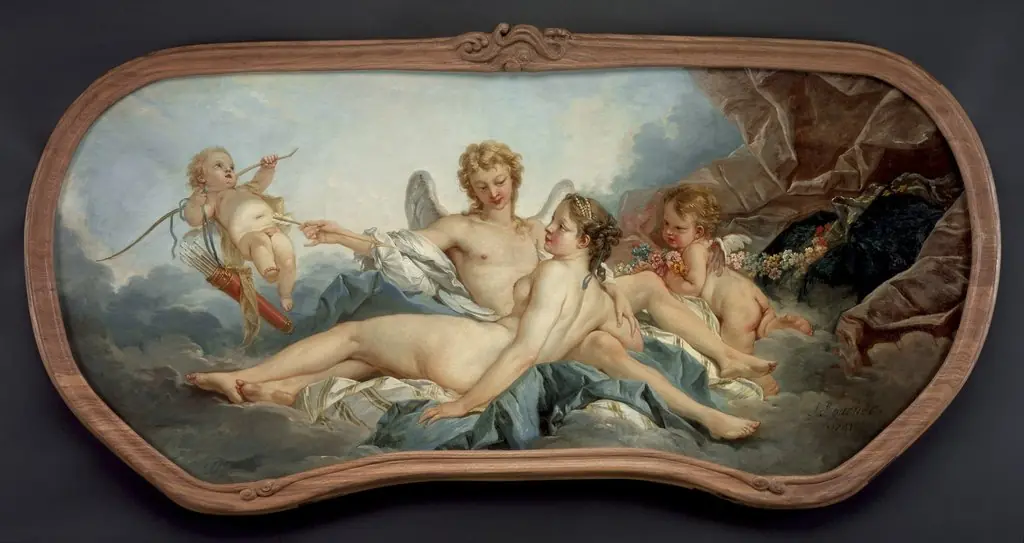
Cupid and the Three Graces is an unspecified painting by François Boucher. It dates from 1738 and is held in the collection of the Calouste Gulbenkian Museum.
About this work
Overview
The composition centers on a tender interaction between the infant god and the three female figures, set within a softly rendered natural environment.
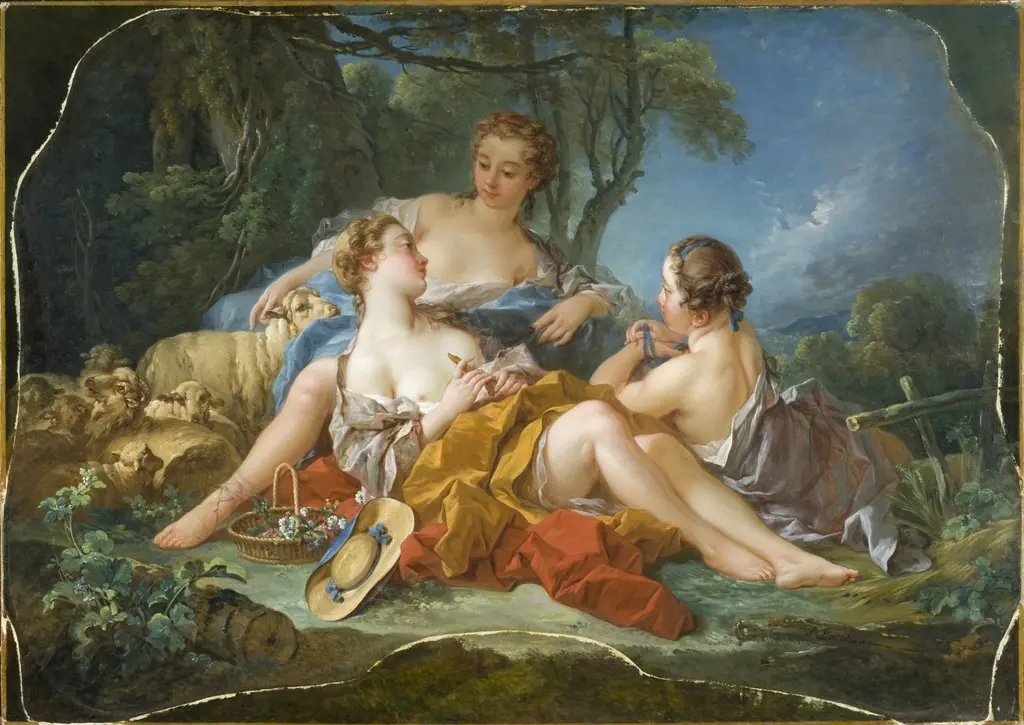
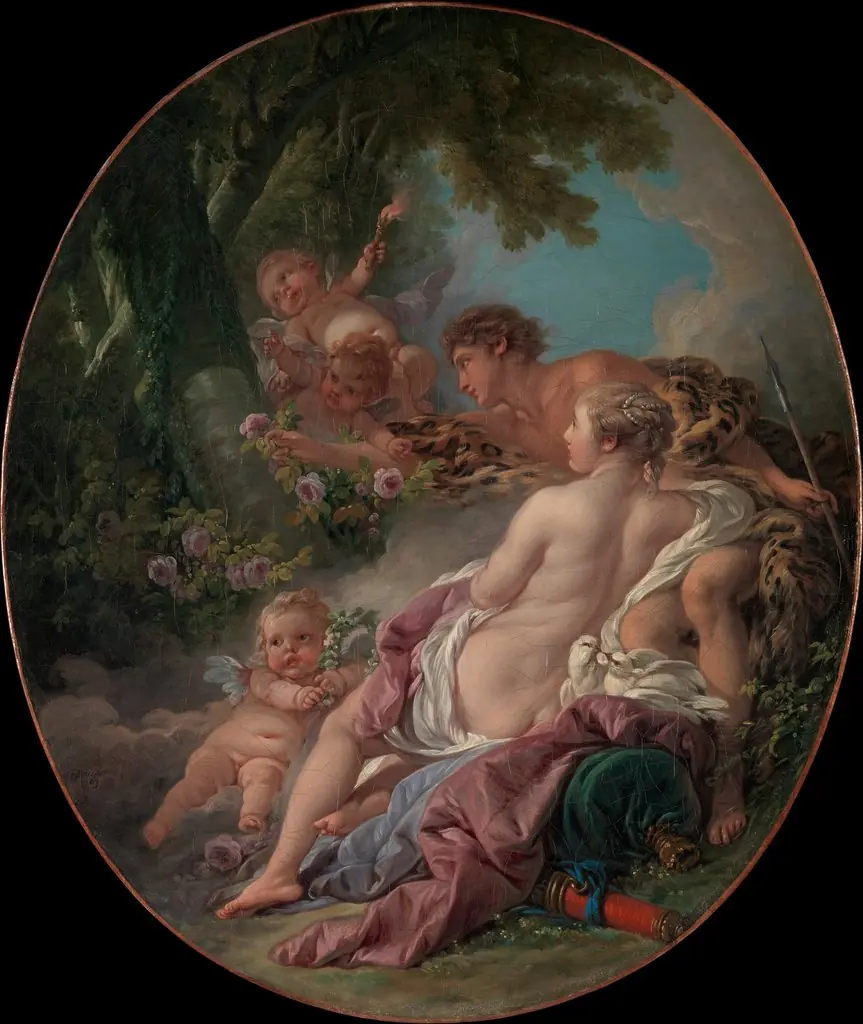
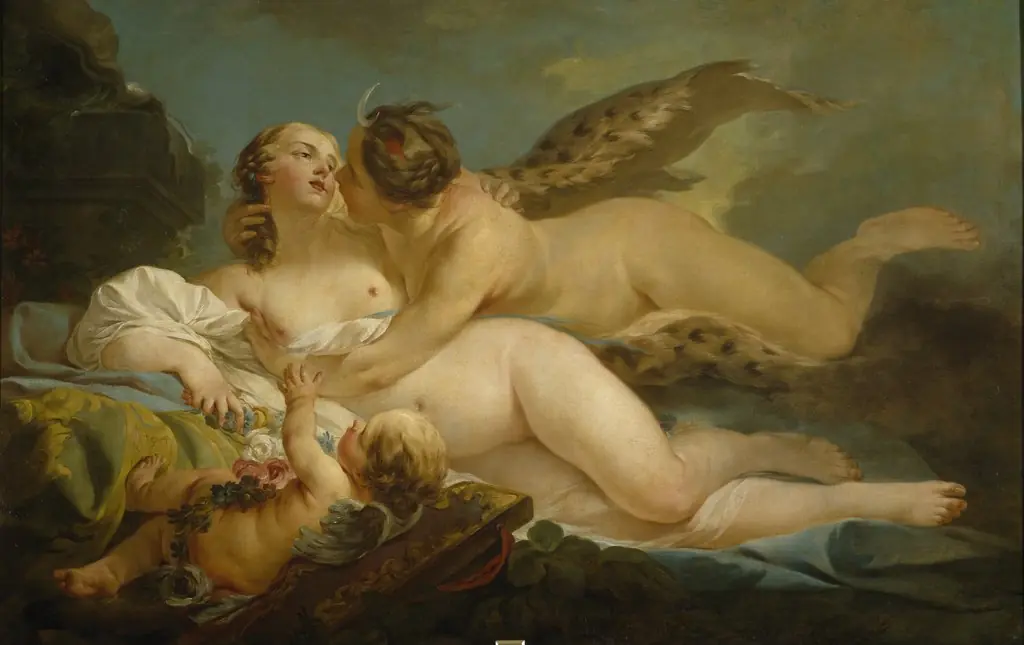
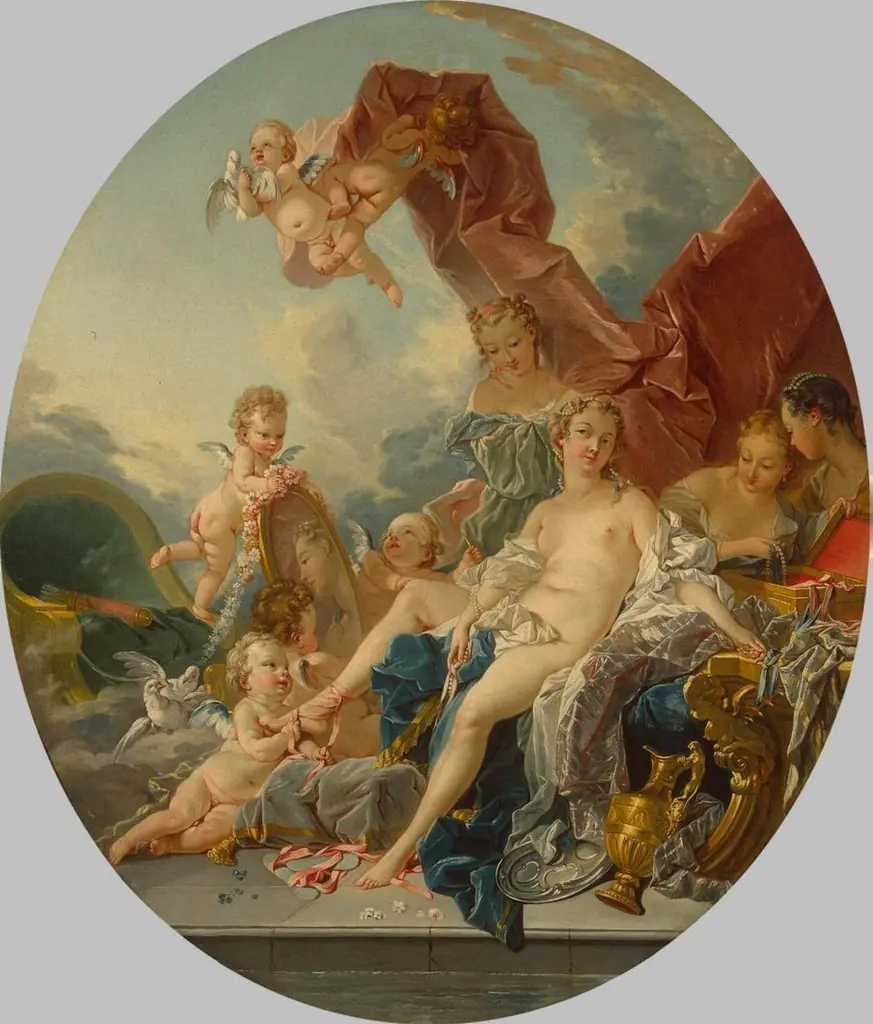
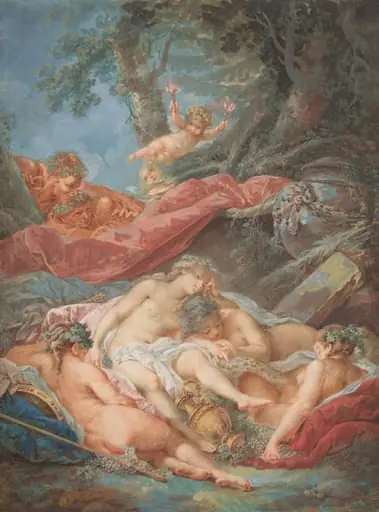
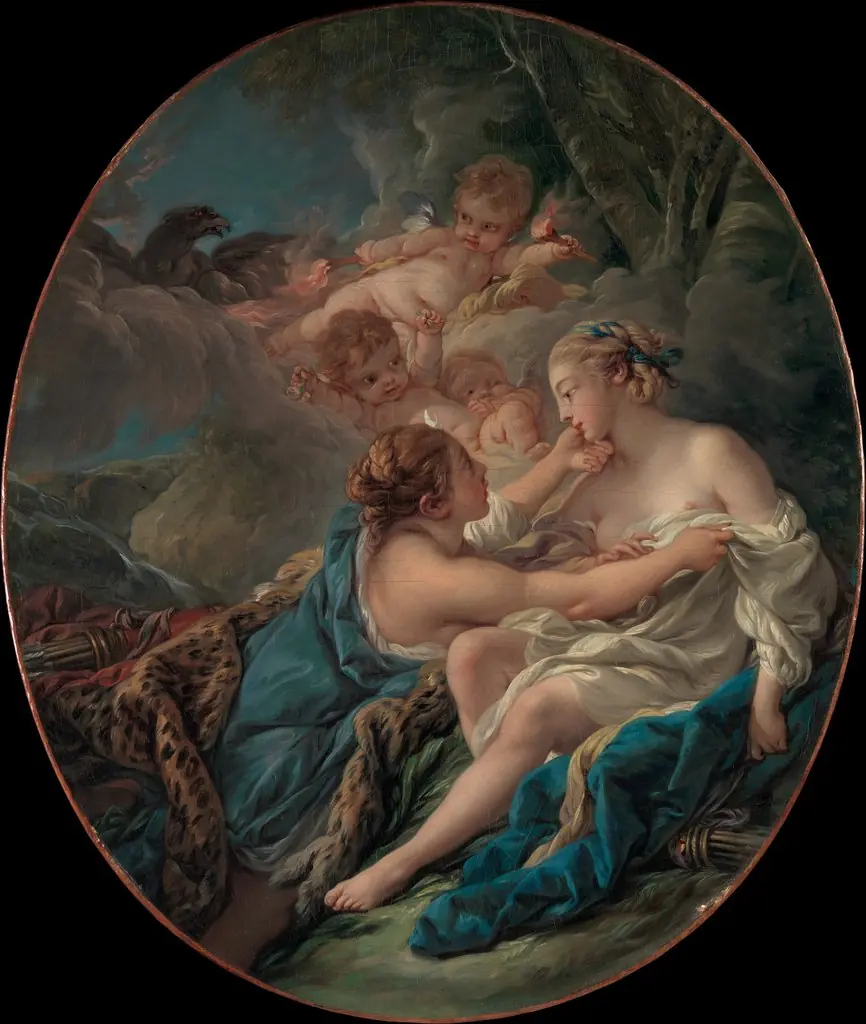
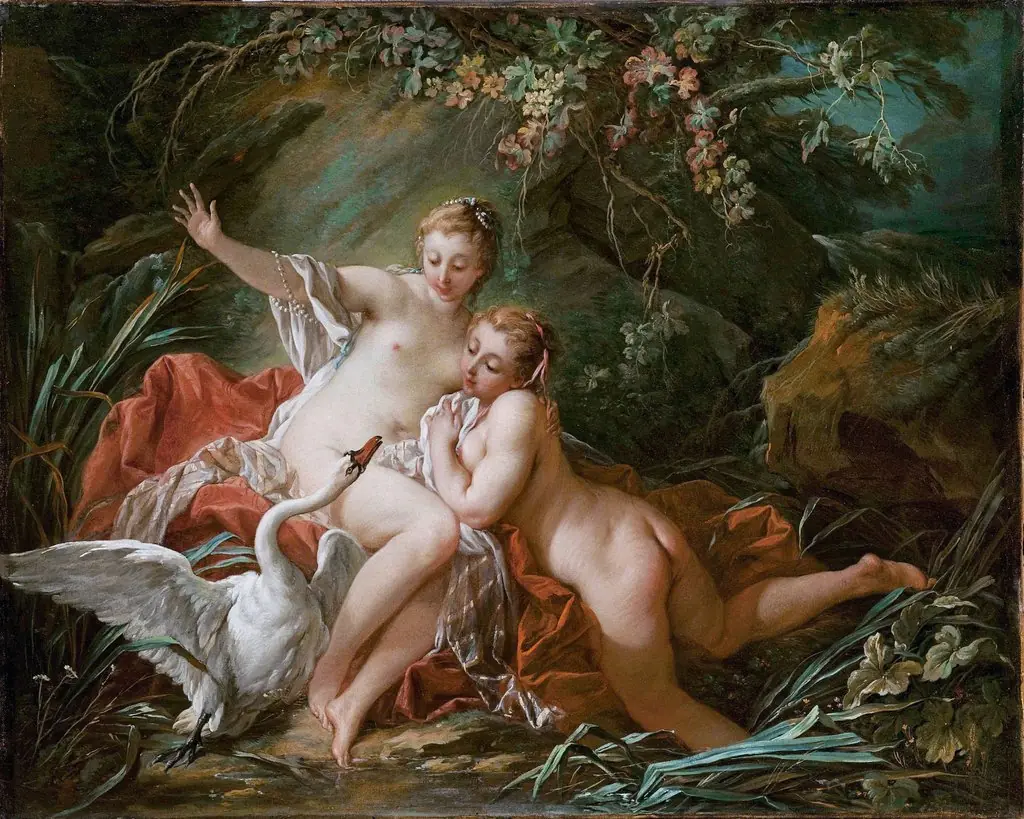
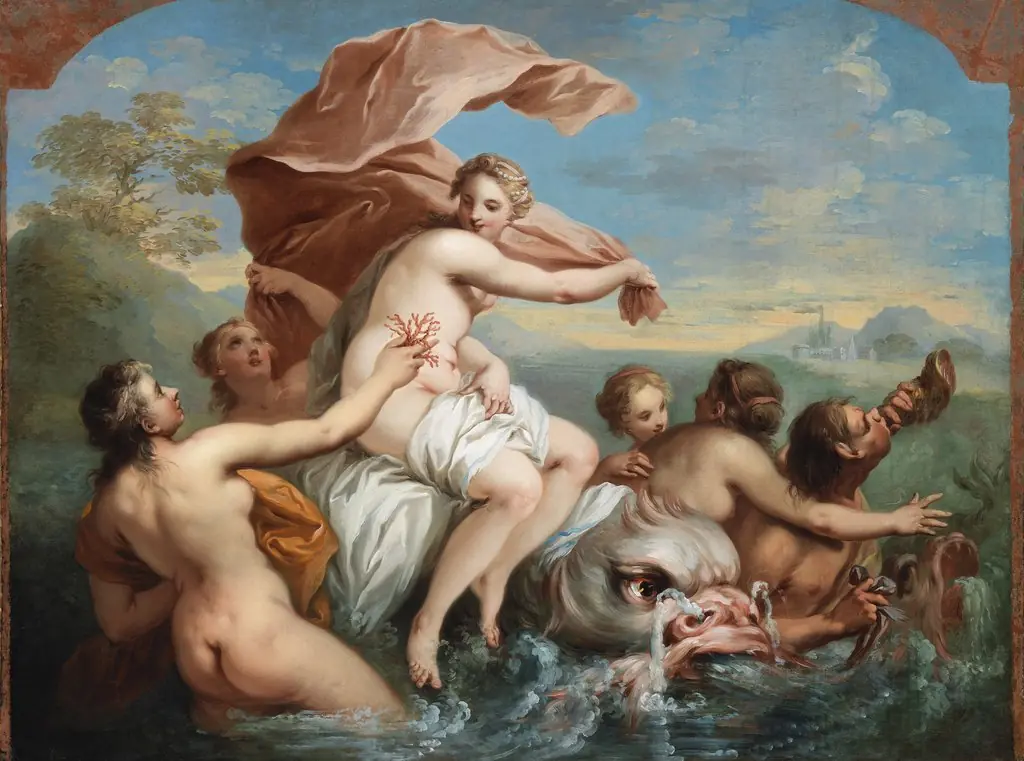
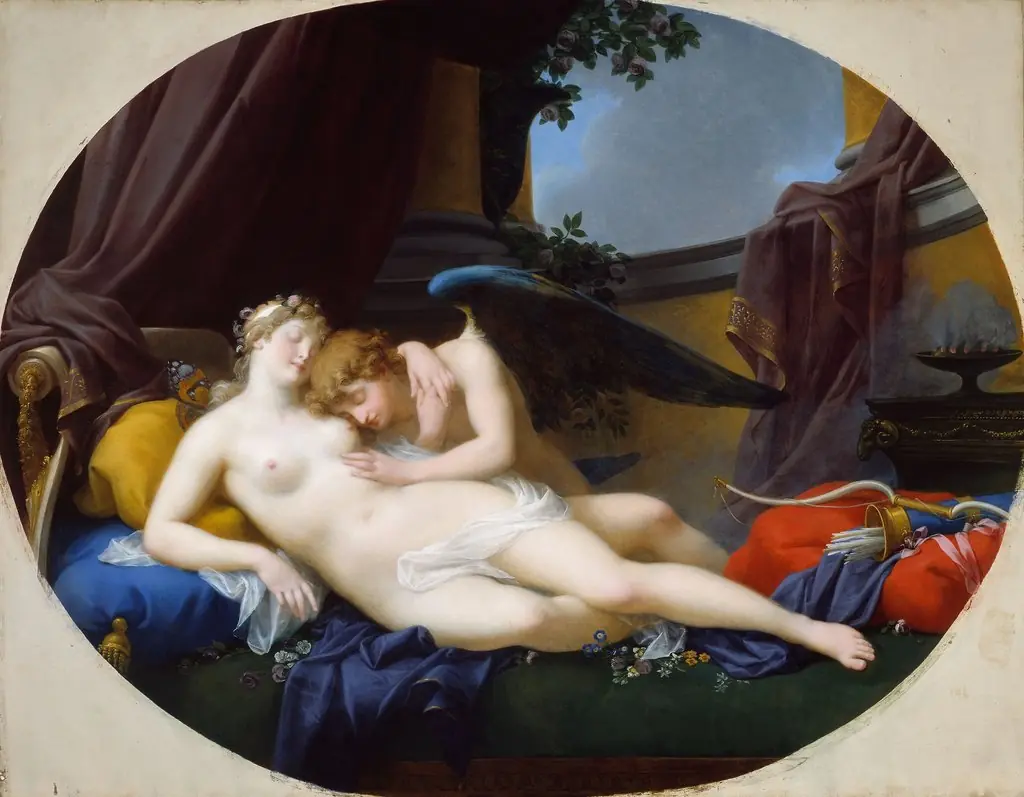
Painted in 1738 by François Boucher, this work presents a mythological scene featuring Cupid and the Three Graces. Executed in oil on canvas, it belongs to the collection of the Calouste Gulbenkian Museum in Lisbon. The composition centers on a tender interaction between the infant god and the three female figures, set within a softly rendered natural environment. The palette is subdued, with delicate tones enhancing the intimate atmosphere.
Subject & Meaning
The painting illustrates Cupid, the Roman god of desire, accompanied by the Three Graces—goddesses of charm, beauty, and creativity. Their nude forms, arranged in a gentle, circular composition, suggest harmony and grace. Cupid’s outstretched hand toward one of the Graces implies a bond between love and aesthetic pleasure, reflecting Enlightenment-era ideals linking beauty with moral virtue. The scene avoids overt sensuality, favoring a serene, allegorical tone.
Technique & Style
Boucher employs fine brushwork to render the figures’ pale skin and blonde hair with subtle luminosity. The landscape is rendered in soft, muted greens and earth tones, contrasting with the faint red and green drapery that frames the group. Details in the flowers and fabric are meticulously rendered, yet the overall effect remains light and airy. The style aligns with Rococo sensibilities, emphasizing elegance over dramatic intensity.
History & Provenance
Commissioned during Boucher’s early career, the painting entered the collection of Calouste Gulbenkian in the early 20th century. It had previously been in private European collections, likely acquired by French or Portuguese patrons drawn to Boucher’s mythological subjects. Its preservation has been consistent, with no major restorations recorded, allowing its original tonal qualities to remain largely intact.
Context
Created in the decades before the French Revolution, the painting reflects the aristocratic taste for mythological themes favored in French salons. Boucher, a favorite of Madame de Pompadour, specialized in delicate, sensual allegories that balanced classical references with contemporary elegance. This work aligns with broader 18th-century trends that idealized antiquity as a source of refined beauty and moral instruction.
Legacy
Though not among Boucher’s most widely reproduced works, it exemplifies his mastery of Rococo aesthetics and his ability to infuse myth with quiet intimacy. The painting continues to be studied for its nuanced treatment of the female form and its restrained emotional tone. It remains a representative example of how classical mythology was adapted in 18th-century French painting to suit elite cultural ideals.
Artist & collection

Artist
François Boucher was a French painter, draughtsman and etcher, who worked in the Rococo style.