Artwork
Satyress with Two Putti and a Tambourine
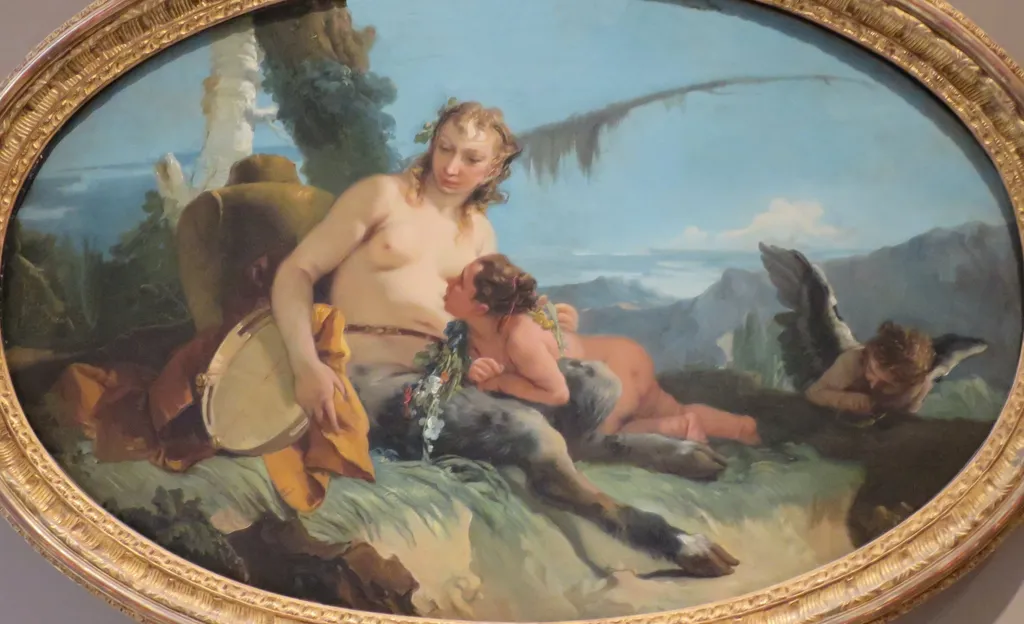
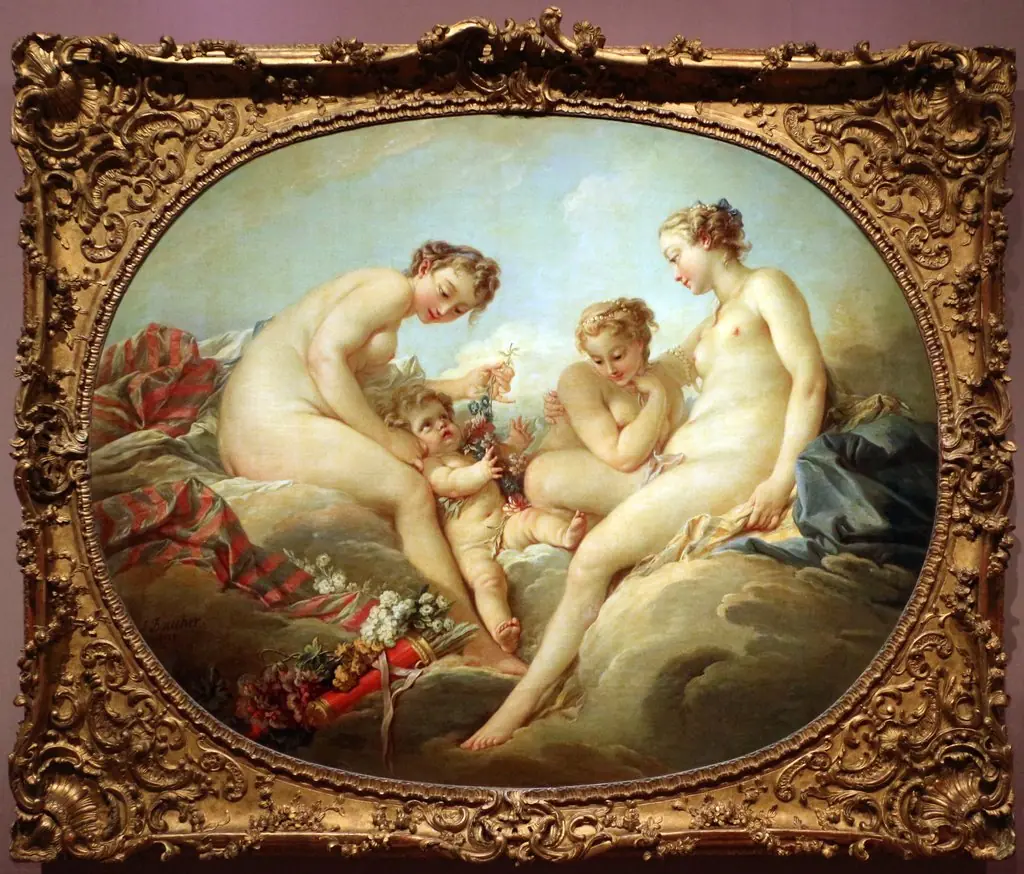
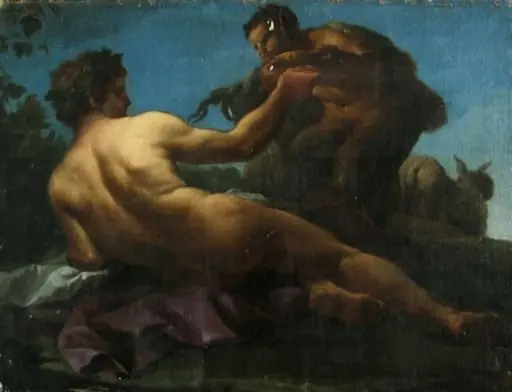
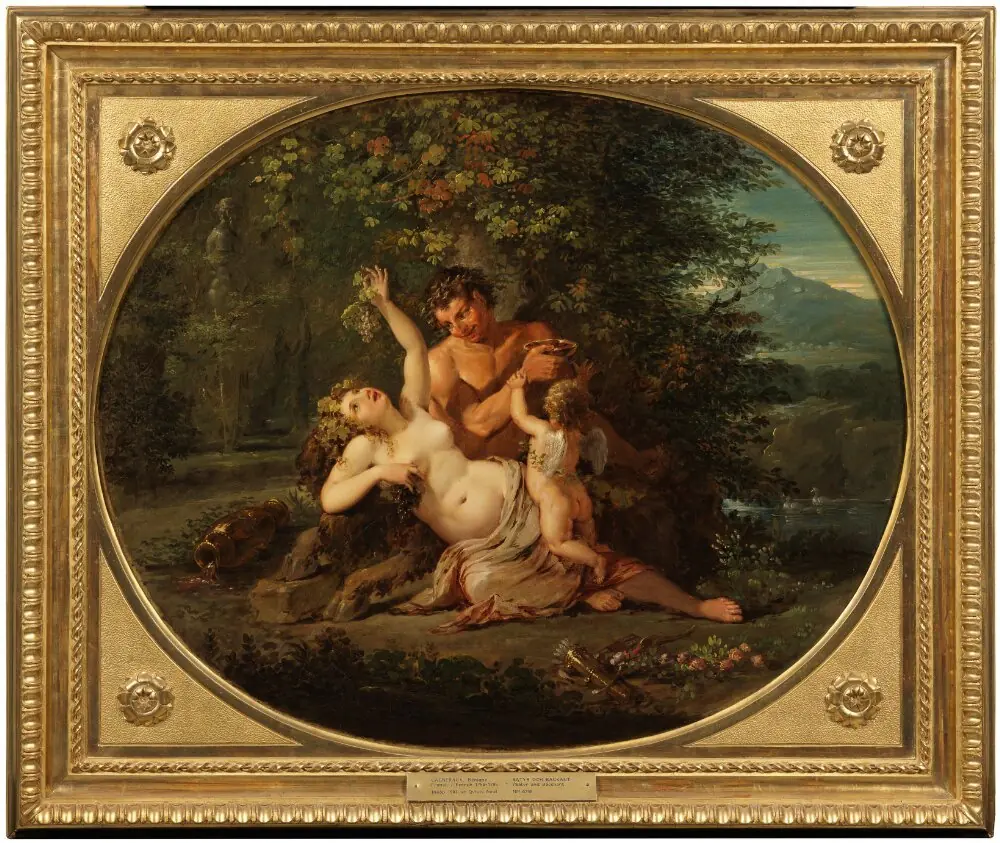
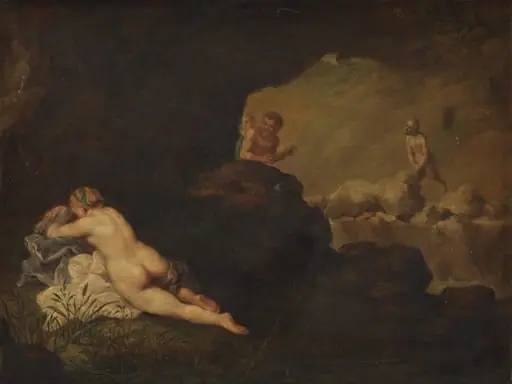
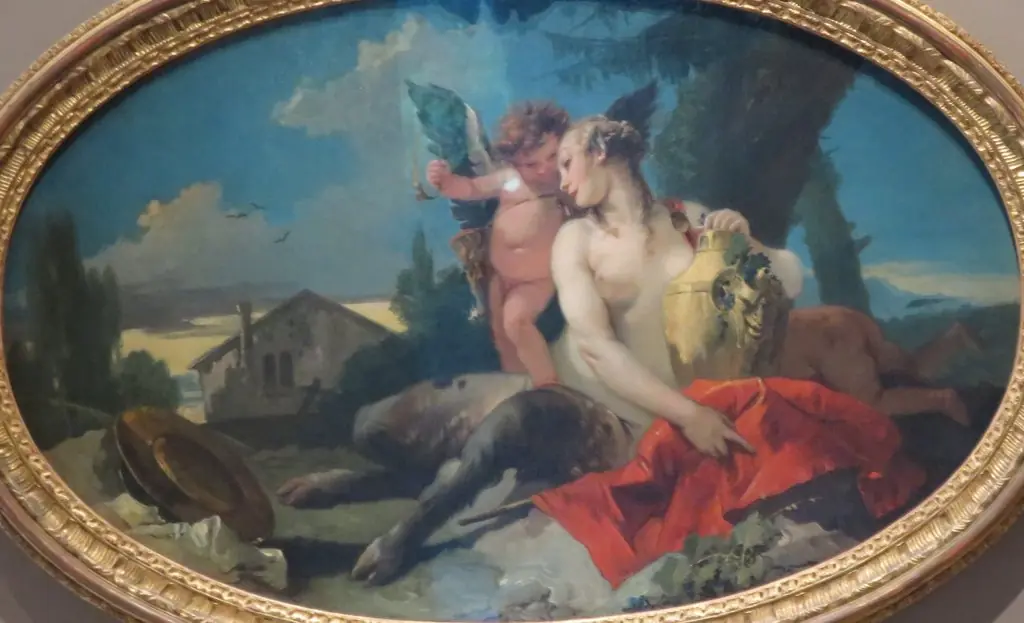
Satyress with Two Putti and a Tambourine is an oil painting by the Rococo painting artist Giovanni Battista Tiepolo. It dates from 1743 and is held in the collection of the Norton Simon Museum.
About this work
Overview
Painted around 1743, this oil work by Giovanni Battista Tiepolo depicts a satyress accompanied by two putti and a tambourine. The piece belongs to a series of mythological subjects Tiepolo explored during his mid-career, reflecting his interest in classical themes rendered with lightness and movement. It is currently part of the Norton Simon Museum’s collection in Pasadena.
Subject & Meaning
The satyress, a female counterpart to the satyr of Greek myth, is shown in a relaxed, playful pose with two putti who interact with a tambourine. The scene evokes a sense of rustic revelry, blending pagan symbolism with an air of whimsy. Rather than emphasizing moral or narrative depth, the painting focuses on sensory delight and the charm of mythological fantasy.
Technique & Style
Tiepolo employs fluid brushwork and a luminous palette to create a sense of airy movement. The figures are rendered with soft contours and delicate modeling, typical of his Rococo sensibility. Light falls naturally across the forms, enhancing the illusion of space and the tactile quality of skin and fabric without heavy chiaroscuro.
History & Provenance
The painting was likely produced during Tiepolo’s time in Venice, where he received numerous commissions for decorative cycles and smaller mythological works. It entered the Norton Simon Museum’s collection in the 20th century, having passed through private European holdings before its acquisition by the museum.
Context
Created during the height of the Rococo period, the painting aligns with aristocratic tastes for elegant, mythological subjects that prioritized pleasure over moral instruction. Tiepolo’s treatment of classical figures was less rigid than earlier Renaissance interpretations, favoring spontaneity and decorative charm over strict historicism.
Legacy
Though not among Tiepolo’s largest commissions, this work exemplifies his ability to infuse mythological themes with intimacy and grace. It remains a representative example of 18th-century Venetian painting, illustrating how classical motifs were reimagined for private collections and domestic spaces.
Artist & collection

Artist
Giovanni Battista Tiepolo, also known as Giambattista Tiepolo, was an Italian painter and printmaker from the Republic of Venice who painted in the Rococo style, considered an important member of the 18th-century Venetian school.