Artwork
Cupid Wounding Psyche
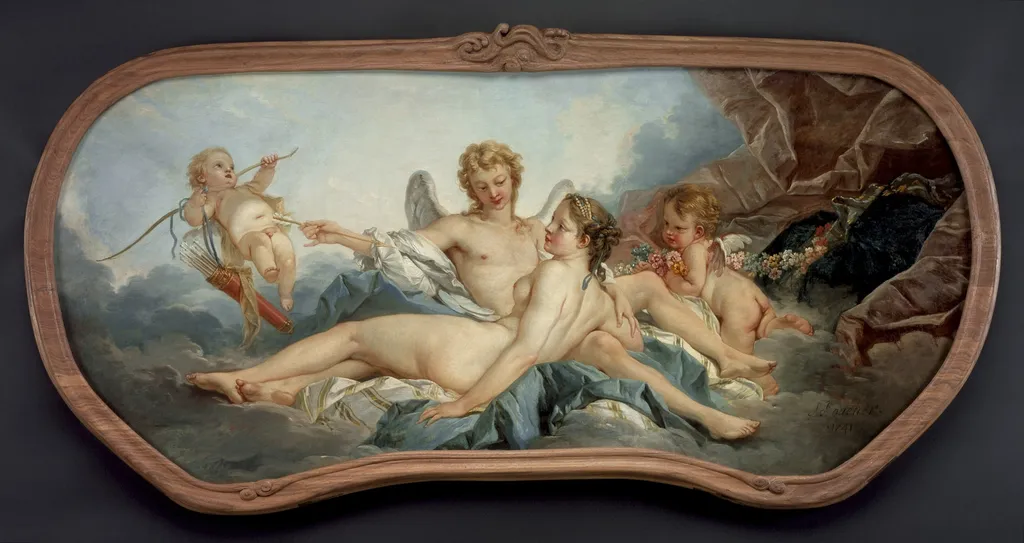
Cupid Wounding Psyche is an unspecified painting by the Rococo painting artist François Boucher. It dates from 1741 and is held in the collection of the Los Angeles County Museum of Art.
About this work
Overview
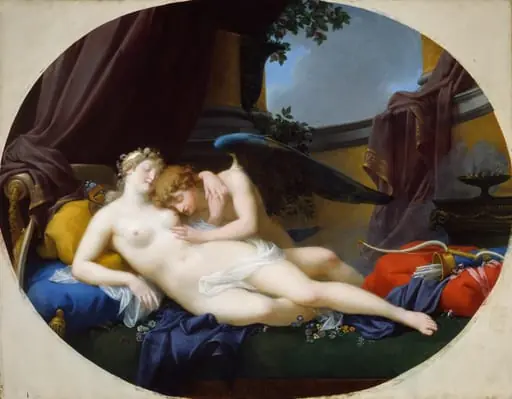
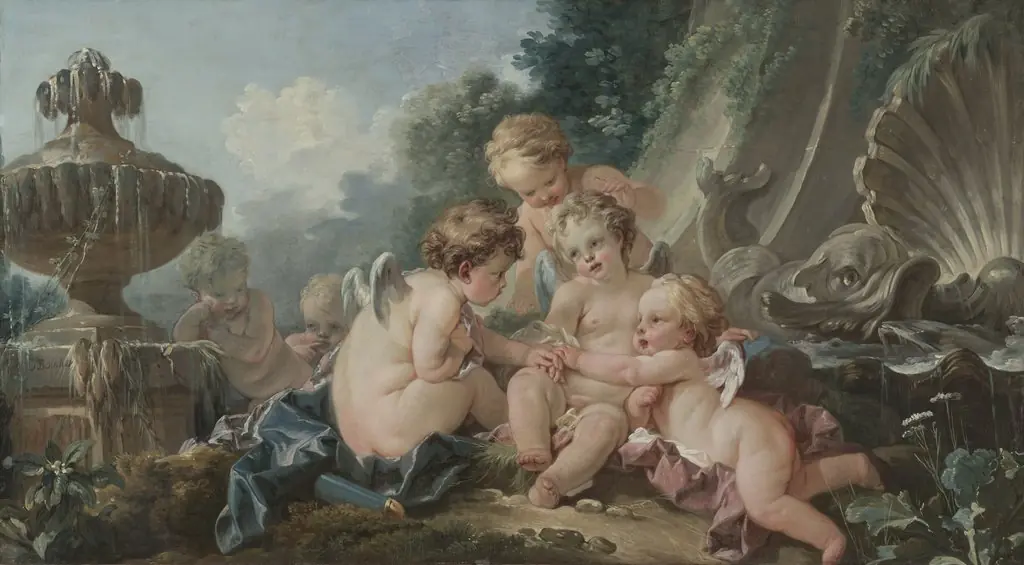
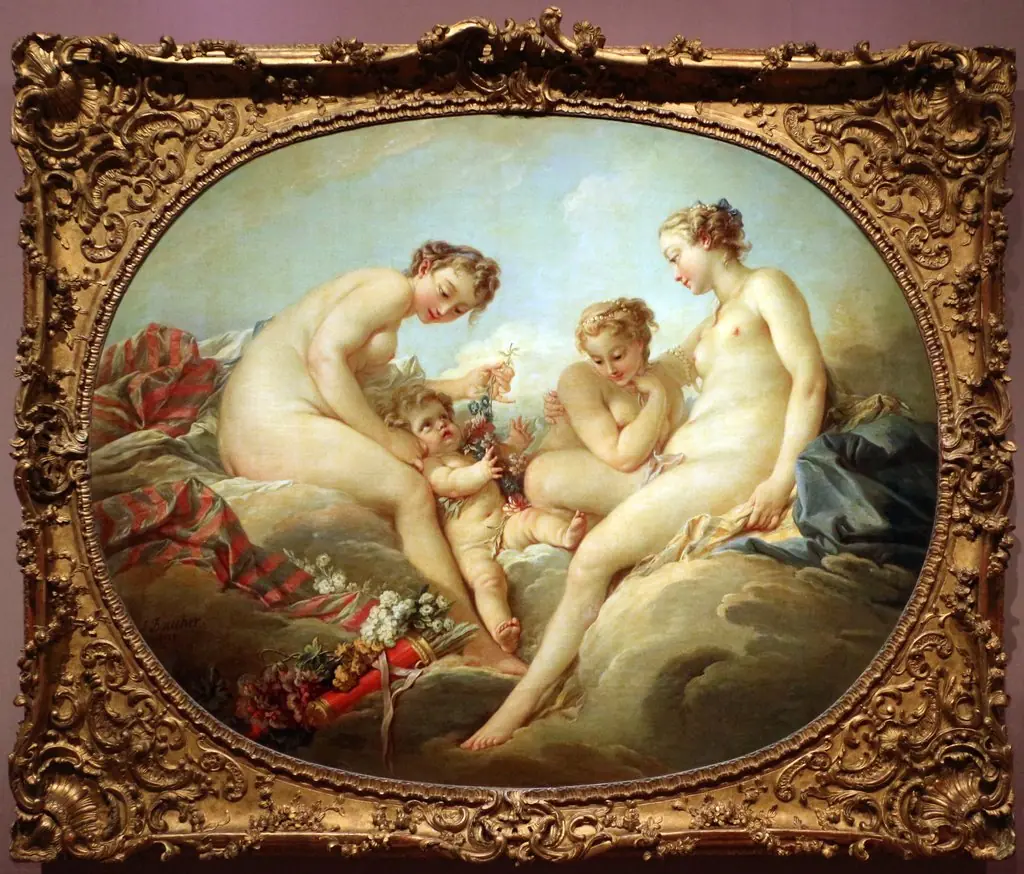
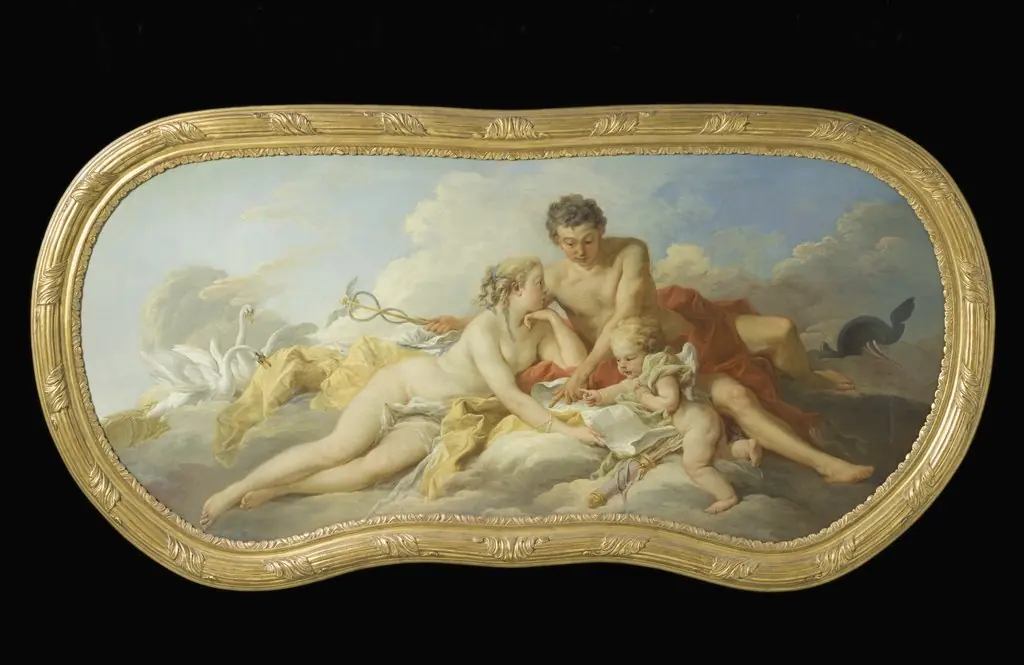
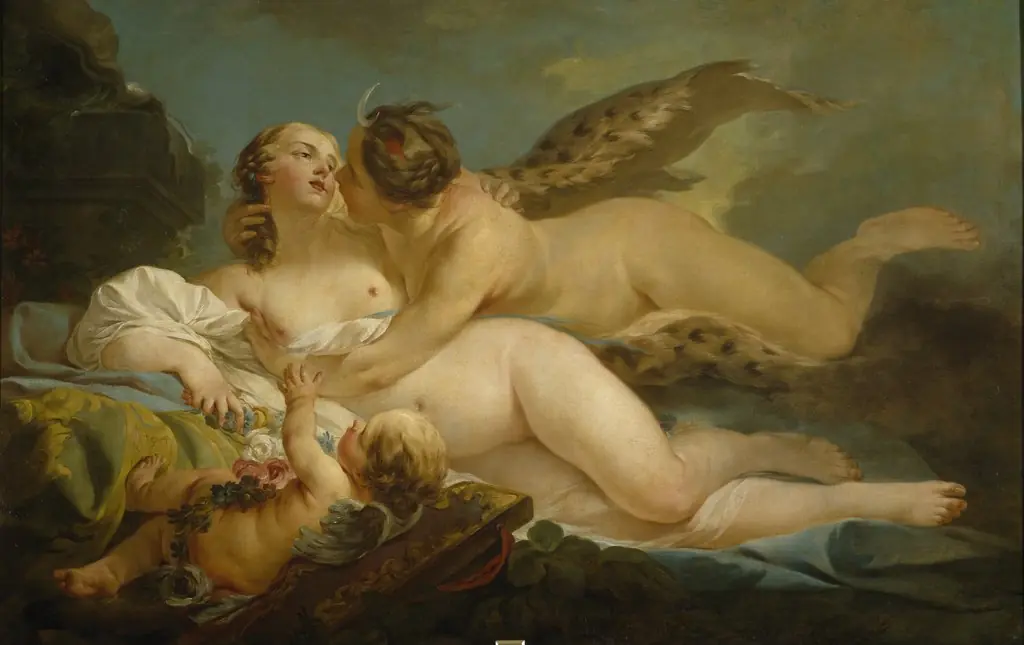
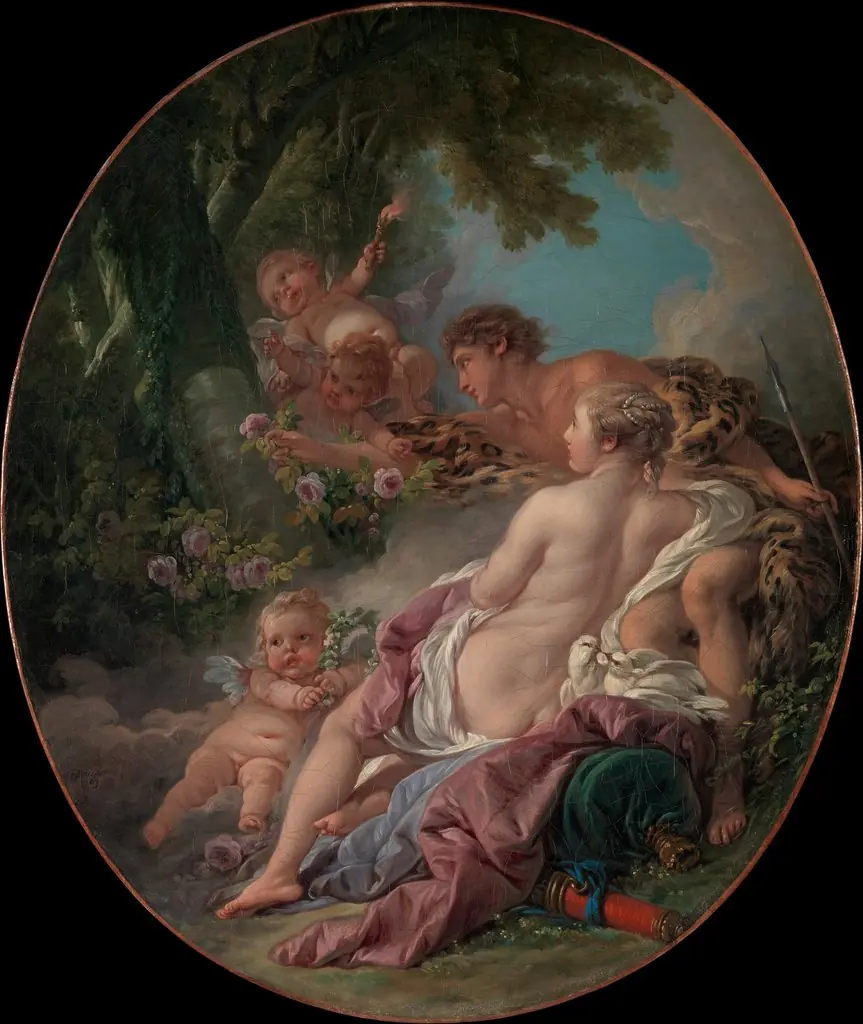
François Boucher’s 1741 canvas entitled *Cupid Wounding Psyche* presents an intimate encounter between the mythic lovers set within a tranquil landscape. The work is part of the collection of the Los Angeles County Museum of Art, where it remains on display as an example of mid‑18th‑century French Rococo painting.
Subject & Meaning
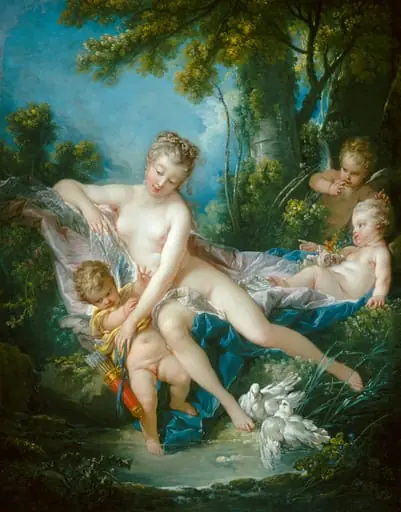
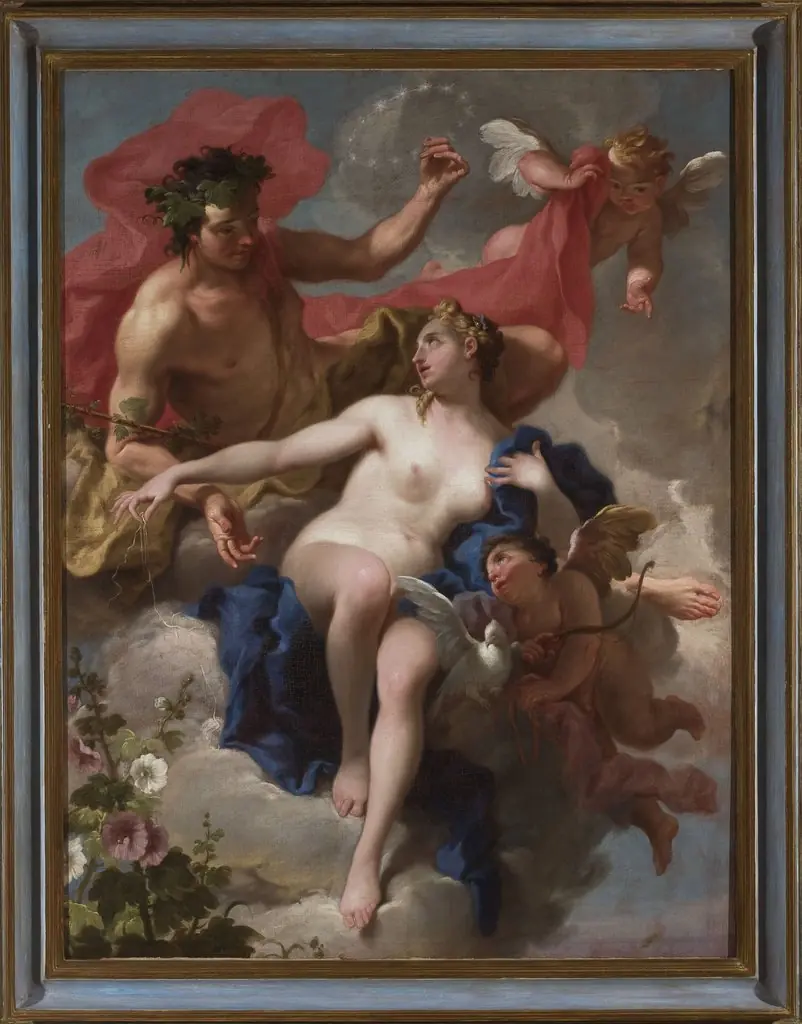
The scene captures the moment when Cupid, winged and youthful, gently presses his finger to Psyche’s arm, a gesture suggesting both affection and the pain of love. Psyche, seated on a blue drapery, looks toward her divine lover, while two attendant cherubs—one bearing a bow, the other a garland of flowers—frame the central interaction, reinforcing the narrative of love’s tenderness and its subtle trials.
Technique & Style
This handling of light and color creates a serene atmosphere typical of Rococo aesthetics, emphasizing grace and sensuality over dramatic contrast.
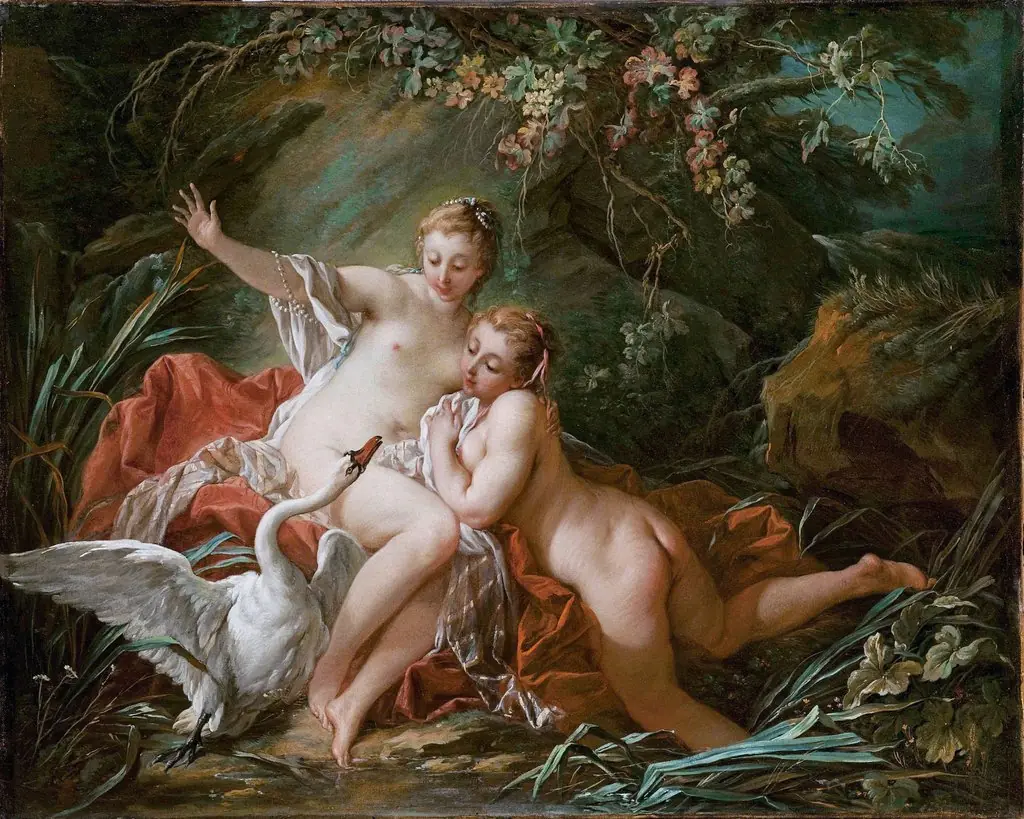
Boucher employs a palette of soft, pastel hues and delicate brushwork that soften the figures and surrounding terrain. The composition balances the figures within a gently rolling landscape, with a hazy sky and craggy outcrops receding into the background. This handling of light and color creates a serene atmosphere typical of Rococo aesthetics, emphasizing grace and sensuality over dramatic contrast.
History & Provenance
Executed in 1741, the painting reflects Boucher’s mature period, during which he was a leading court painter for Louis XV. After changing hands among private collectors, the canvas entered the Los Angeles County Museum of Art’s holdings in the 20th century, where it has been catalogued as a representative work of French mythological genre painting.
Artist & collection
Artist
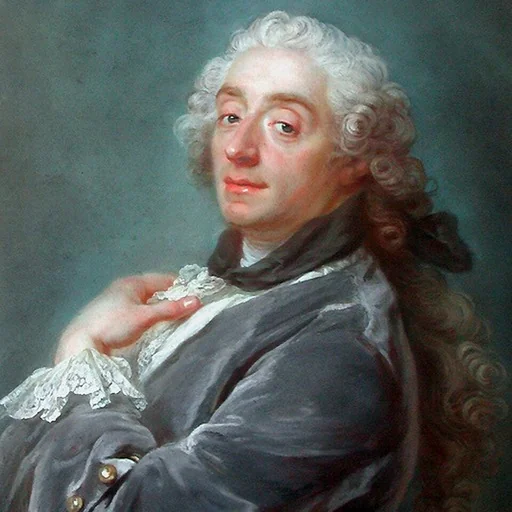
François Boucher was a French painter, draughtsman and etcher, who worked in the Rococo style.