Artwork
Louise de Lorraine
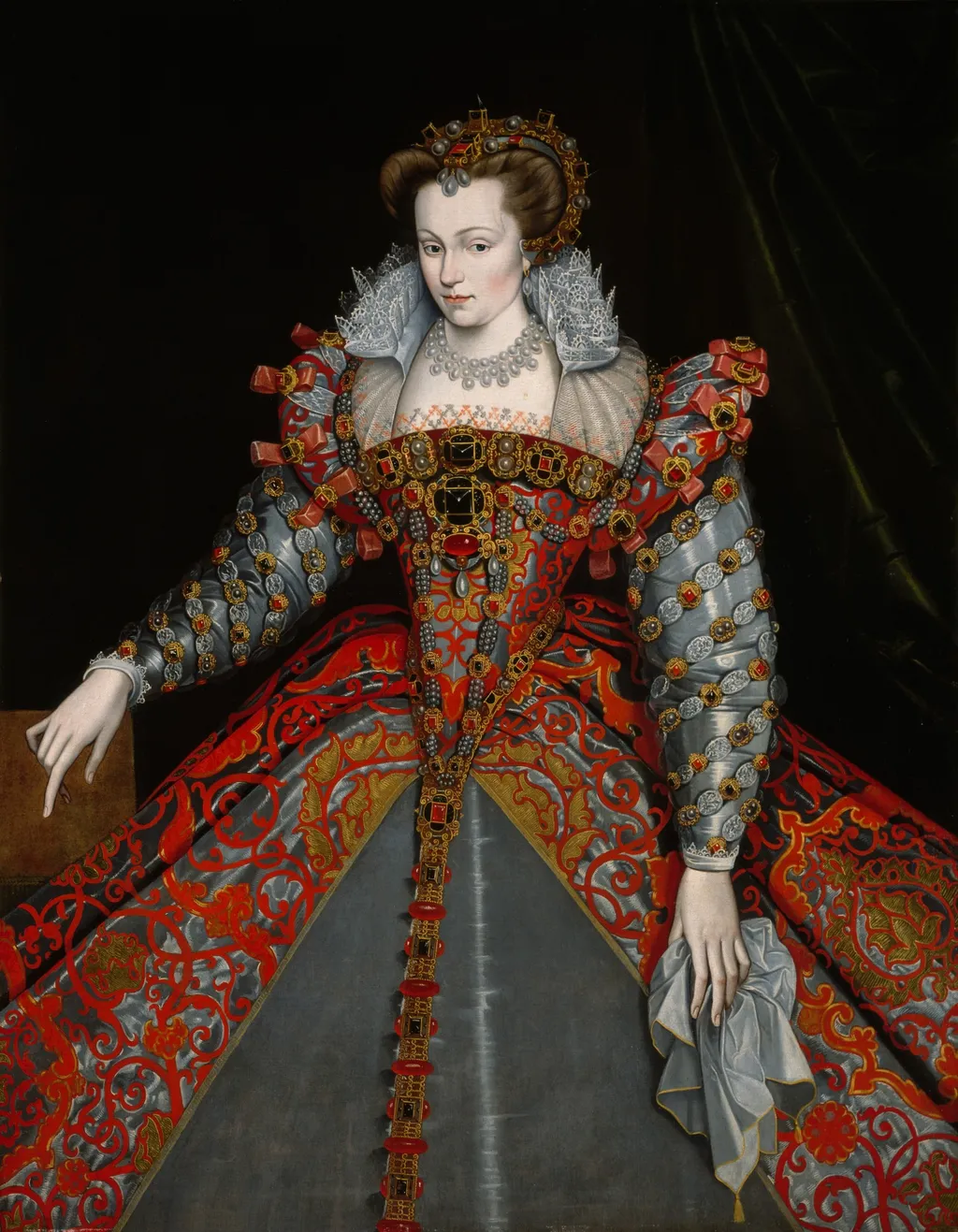
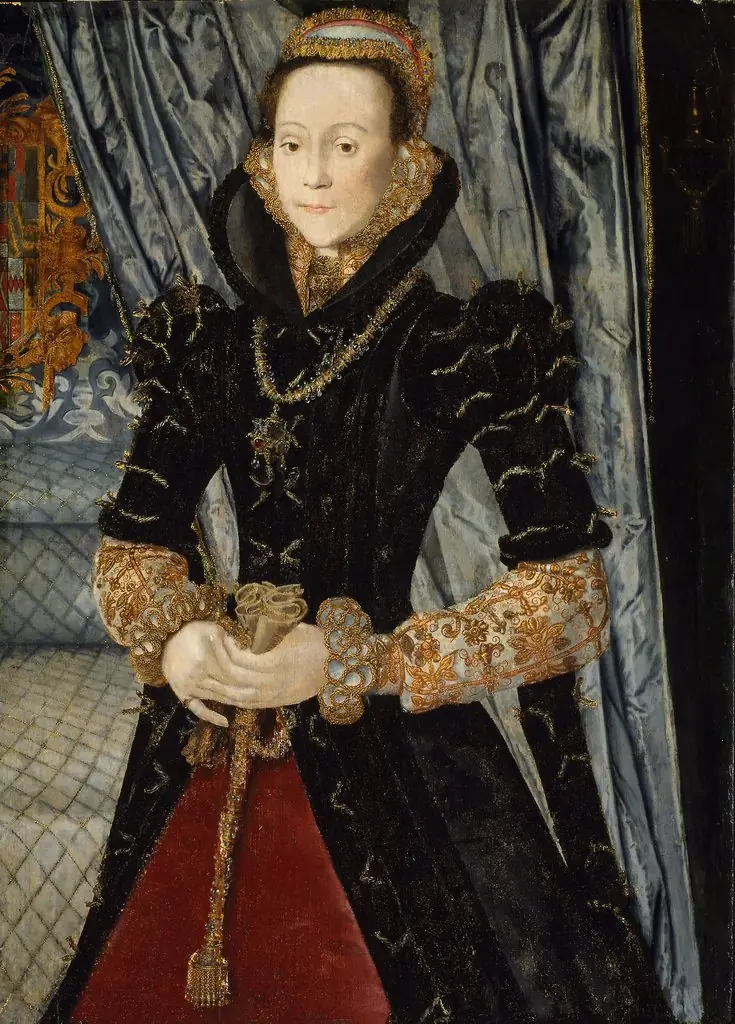
Louise de Lorraine is an oil painting by the Mannerist artist François Clouet. It dates from 1550 and is held in the collection of the Museum of Fine Arts, Houston.
About this work
Overview
The work exemplifies the precision and refined detail characteristic of Clouet’s portraiture, commissioned to reflect the subject’s elevated social position.
Painted around 1550, this oil-on-panel portrait captures Louise de Lorraine, a French noblewoman, by François Clouet, a leading court artist of the French Renaissance. The work exemplifies the precision and refined detail characteristic of Clouet’s portraiture, commissioned to reflect the subject’s elevated social position. It resides today in the Museum of Fine Arts, Houston, as part of its European collection.
Subject & Meaning
Louise de Lorraine is portrayed with regal bearing, her attire and adornments signaling aristocratic status rather than specific identity. The crown-like headdress, abundant pearls, and richly patterned gown evoke ceremonial authority, aligning with the visual language of courtly dignity. The absence of overt symbolism suggests the portrait’s purpose was to affirm lineage and rank, not to convey personal narrative or emotion.
Technique & Style
Clouet employed fine brushwork to render textures—silks, jewels, and hair—with clinical accuracy. The dark, unmodulated background isolates the figure, intensifying focus on her elaborate costume. The Mannerist influence appears in the elongated proportions and stylized elegance of the pose, avoiding naturalism in favor of refined decorum. Oil paint allowed for layered glazes that enhanced the luminosity of fabrics and gemstones.
History & Provenance
The painting likely originated in the French royal court, where Clouet served as official painter to several monarchs. Its early ownership remains undocumented, but it entered the Museum of Fine Arts, Houston’s collection in the 20th century through established acquisitions of Renaissance portraiture. No significant alterations or restorations are recorded, preserving its original surface and detail.
Context
In mid-16th-century France, portraiture functioned as a tool of political and dynastic representation. Clouet’s works, including this one, contributed to a visual culture that emphasized the nobility’s refinement and continuity. Unlike Italian Renaissance portraits, French works of this period favored restrained composition and meticulous surface detail over spatial depth or psychological insight.
Legacy
Clouet’s portraits, including this depiction of Louise de Lorraine, set a standard for French court painting that influenced generations of artists. His ability to convey status through texture and costume became a model for later portraitists. While not widely exhibited, the work remains a key example of how French Renaissance elites used art to project permanence and prestige.
Own this work as a print
Artist & collection
Artist
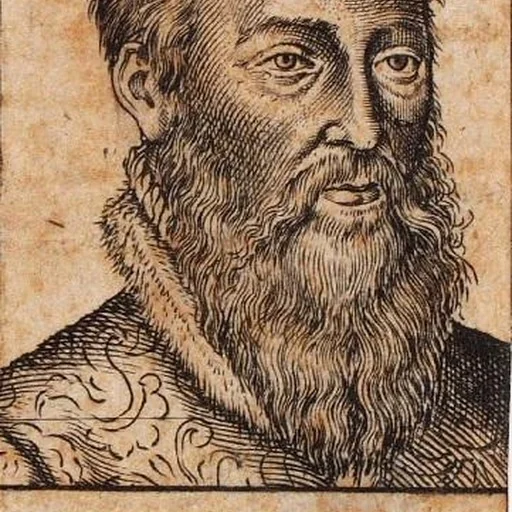
François Clouet spent his life in the royal court of France, painting the rich and powerful in the mid-1500s.

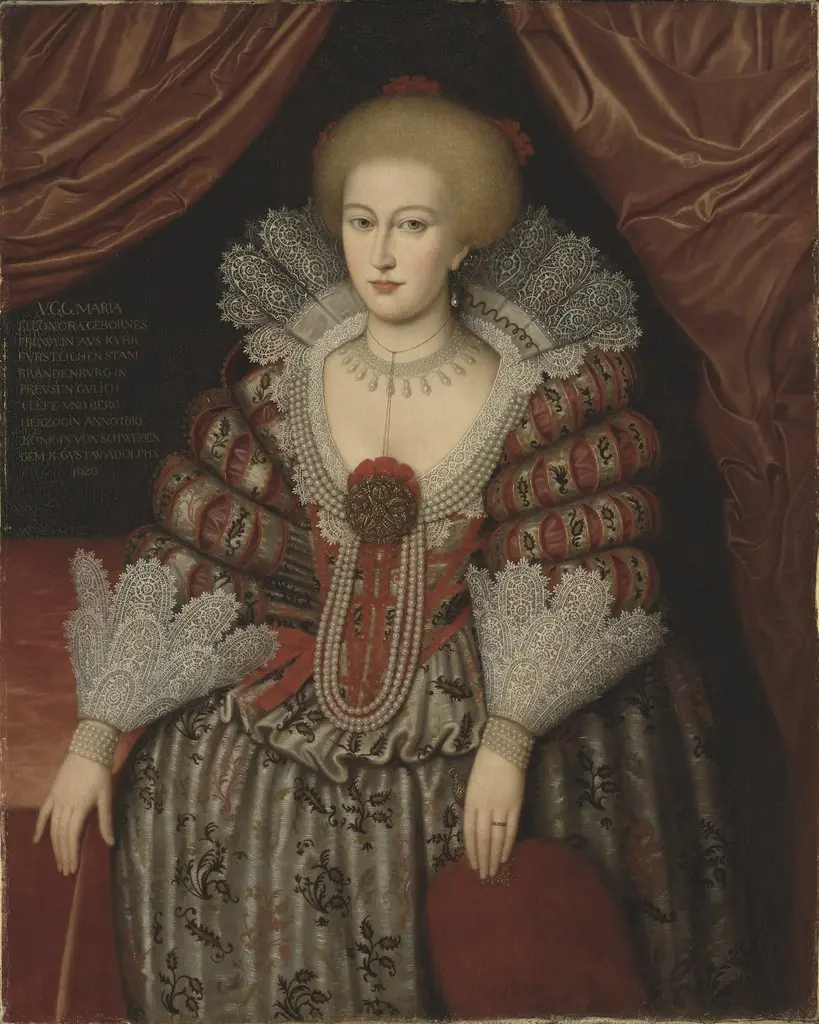 Maria Eleonora (1599-1655), Princess of Brandenburg, Queen of Sweden
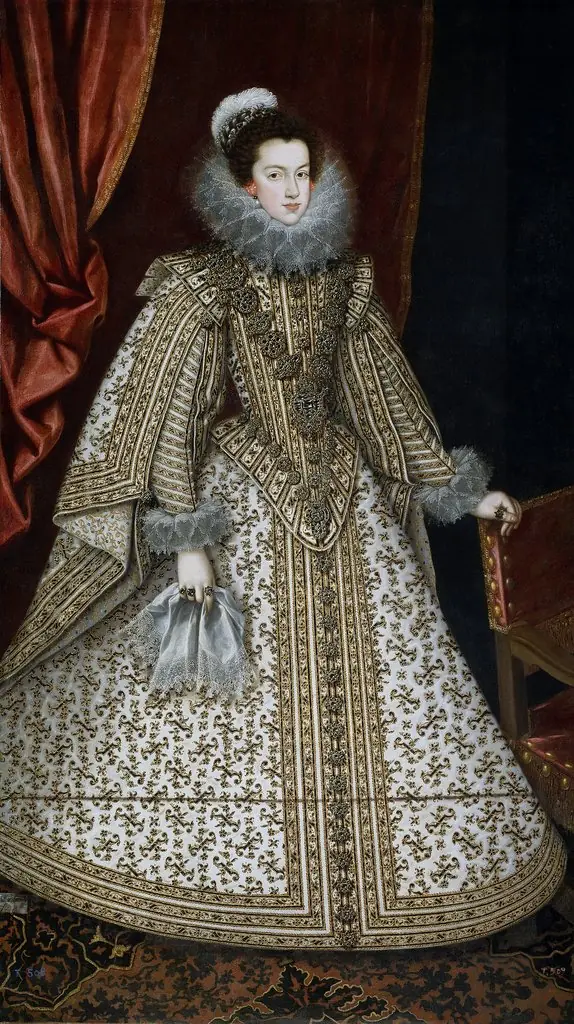 Isabel de Borbón, Wife of Philip IV
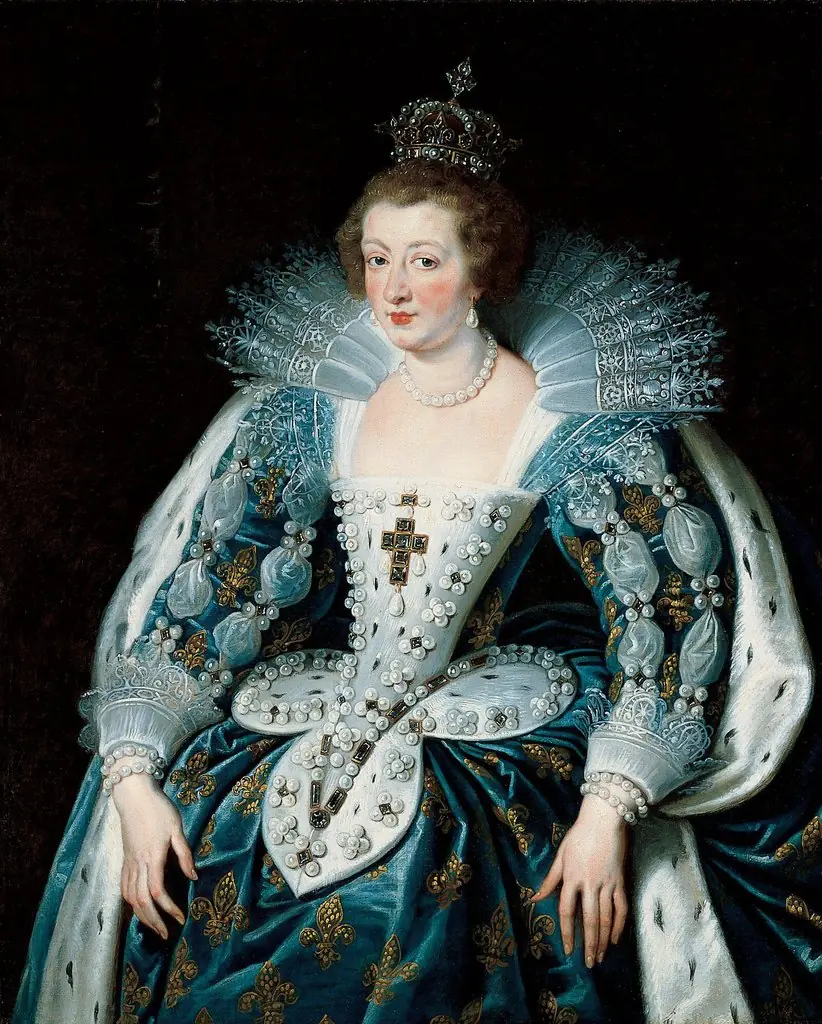 Portrait of Anne of Austria
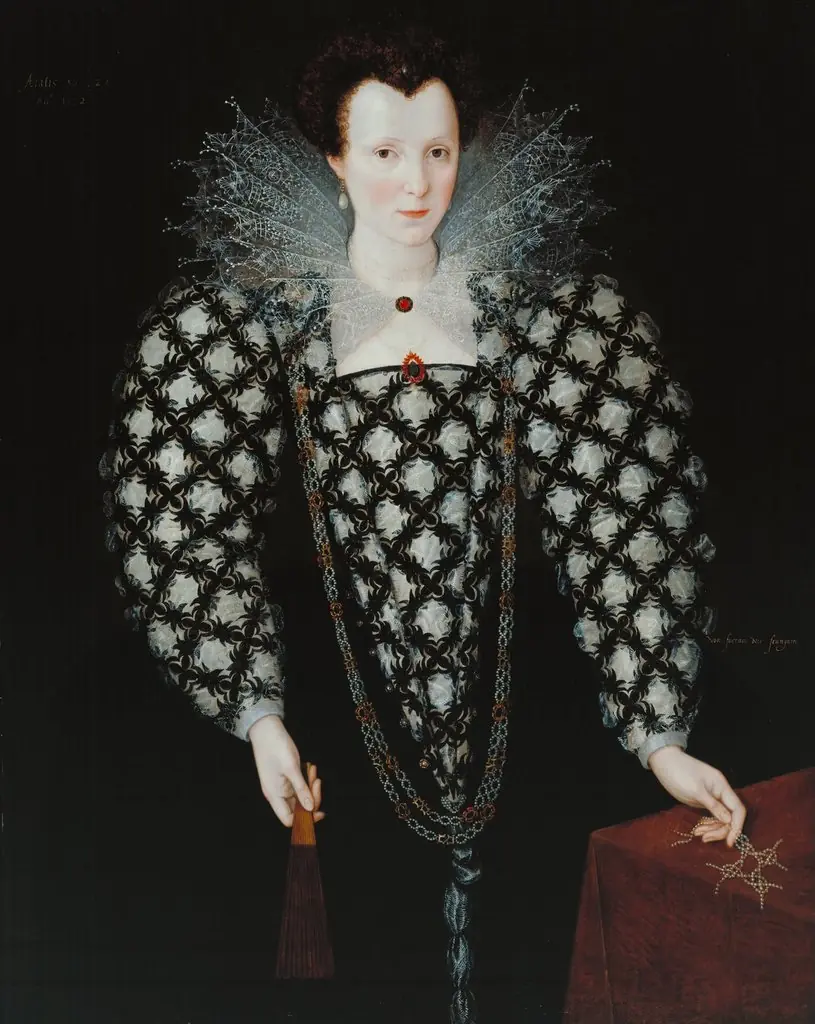 Mary Rogers, Lady Harington
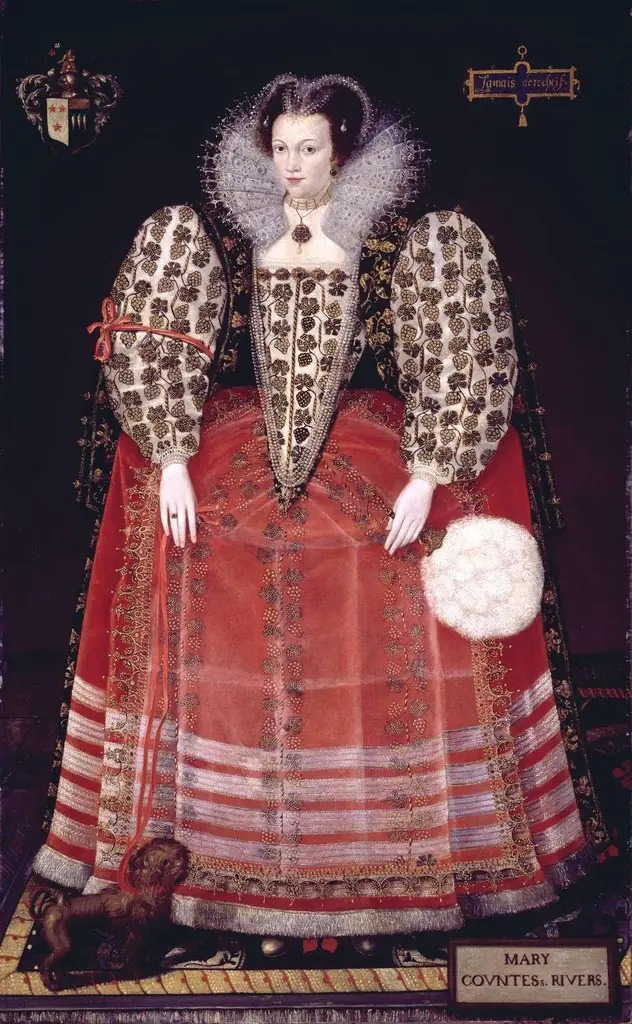 Portrait of Mary Kytson, Lady Darcy of Chiche, later Lady Rivers
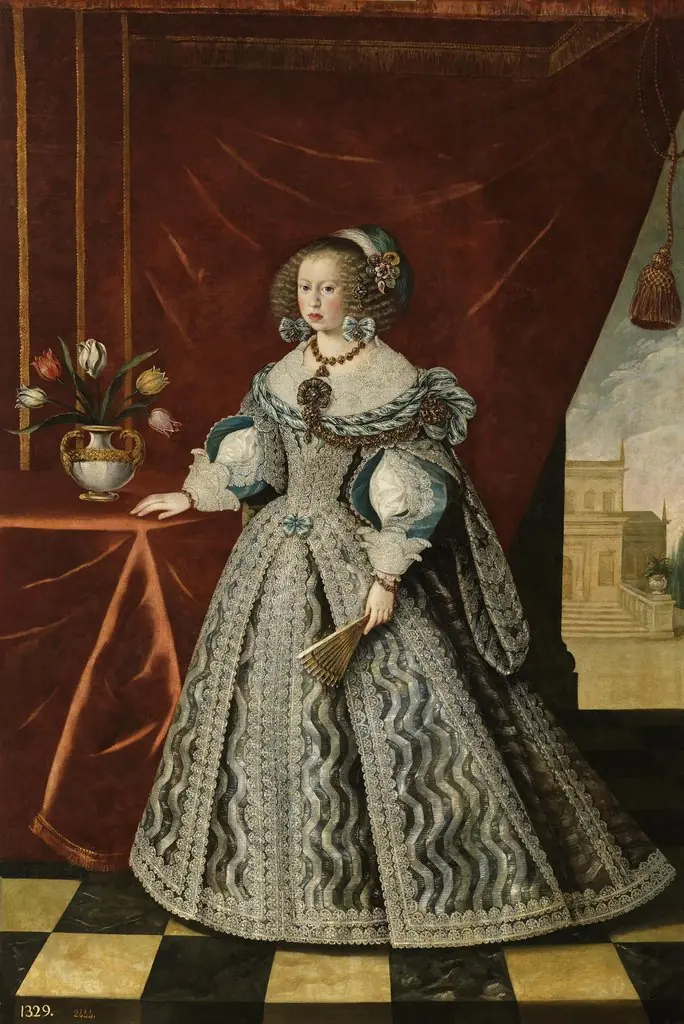 Mariana of Austria
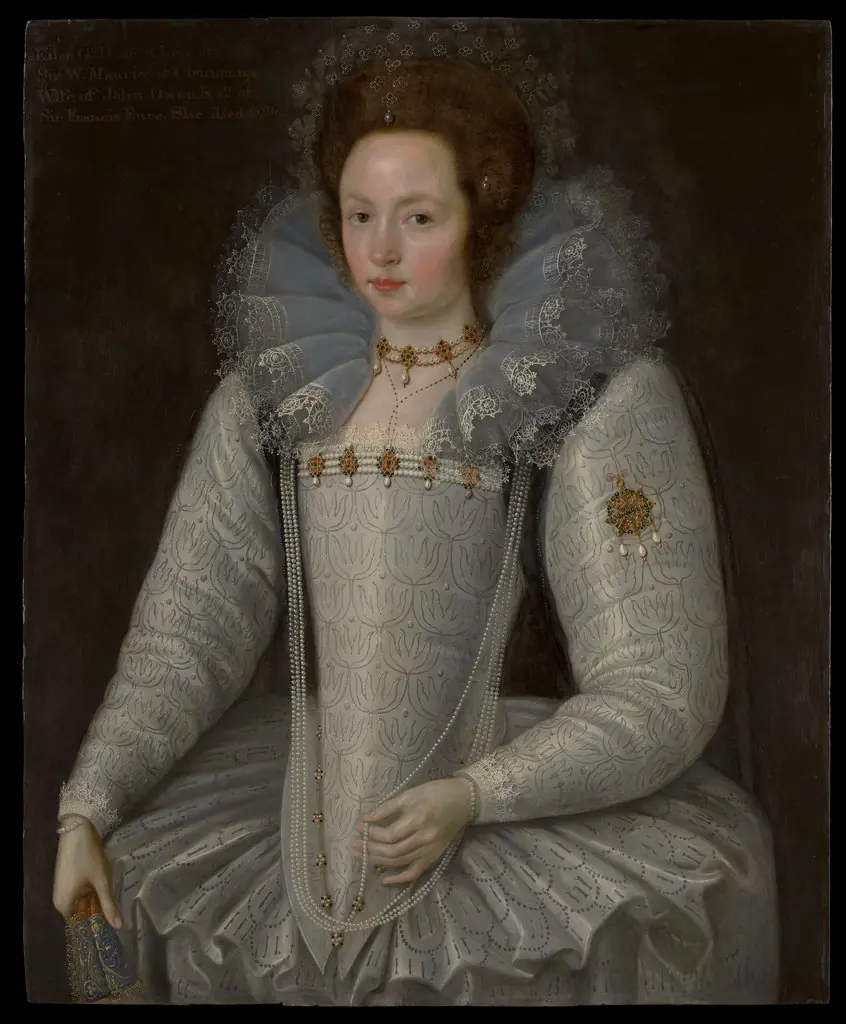 Ellen Maurice (1578–1626)
 Portrait of a Woman
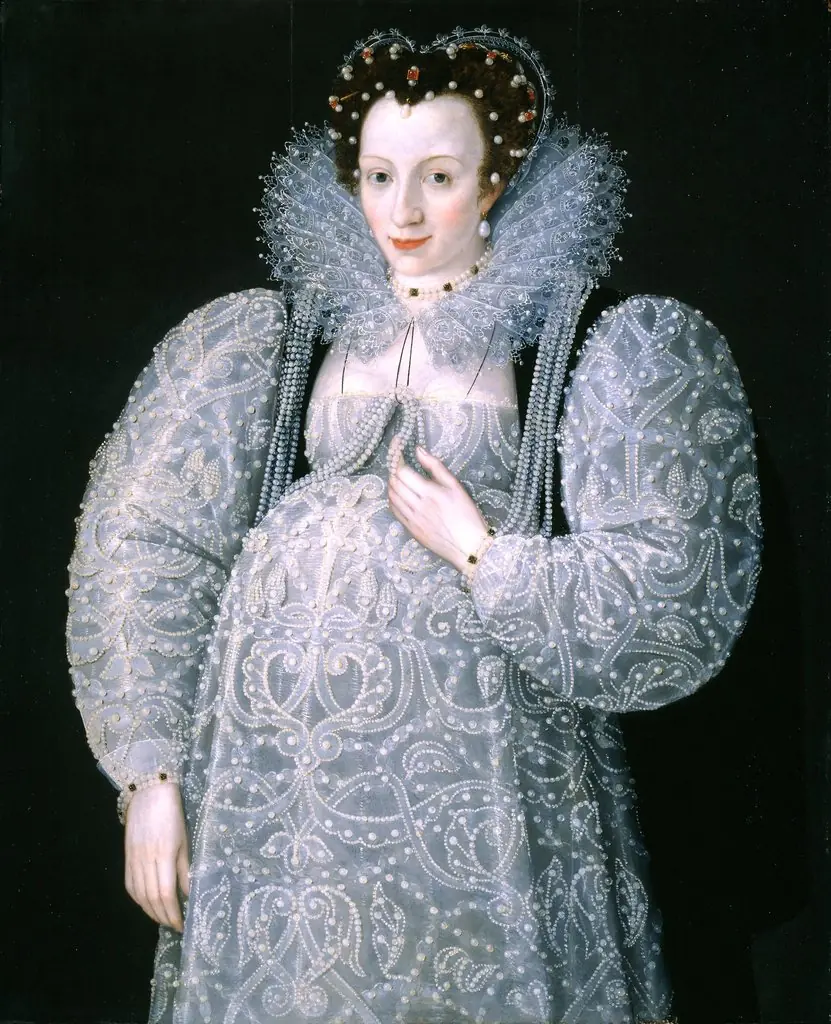 Unknown Lady
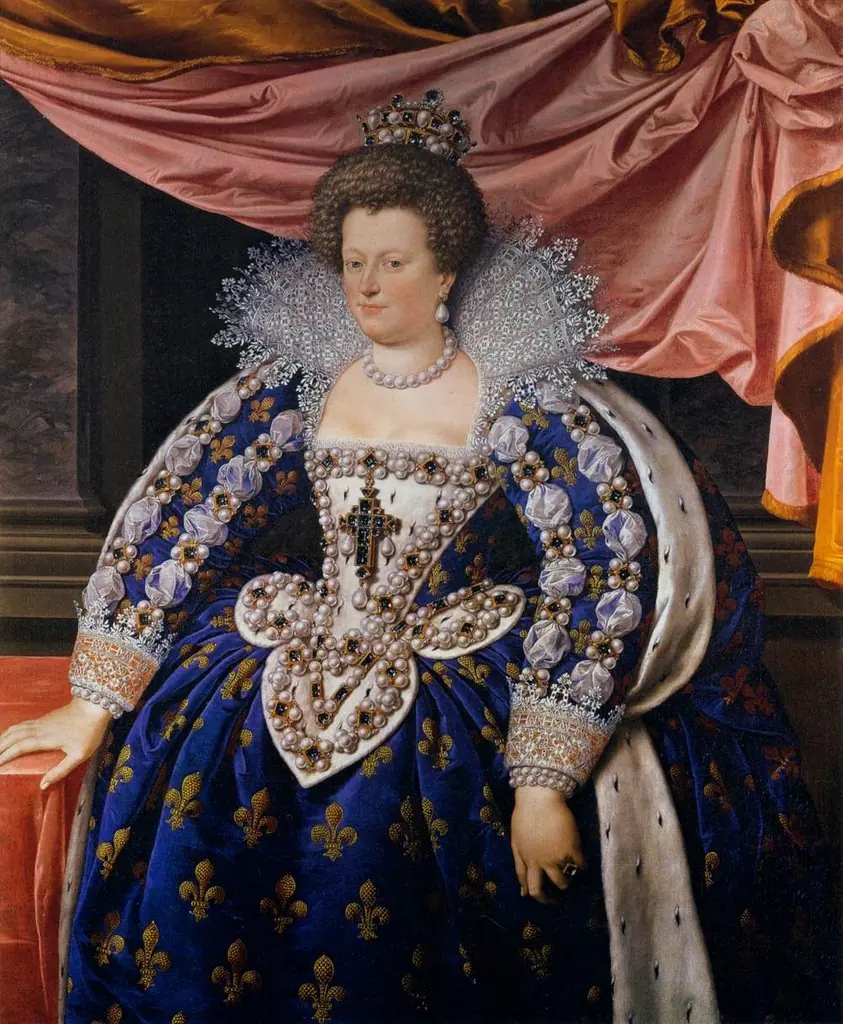 Portrait of Marie de' Medici
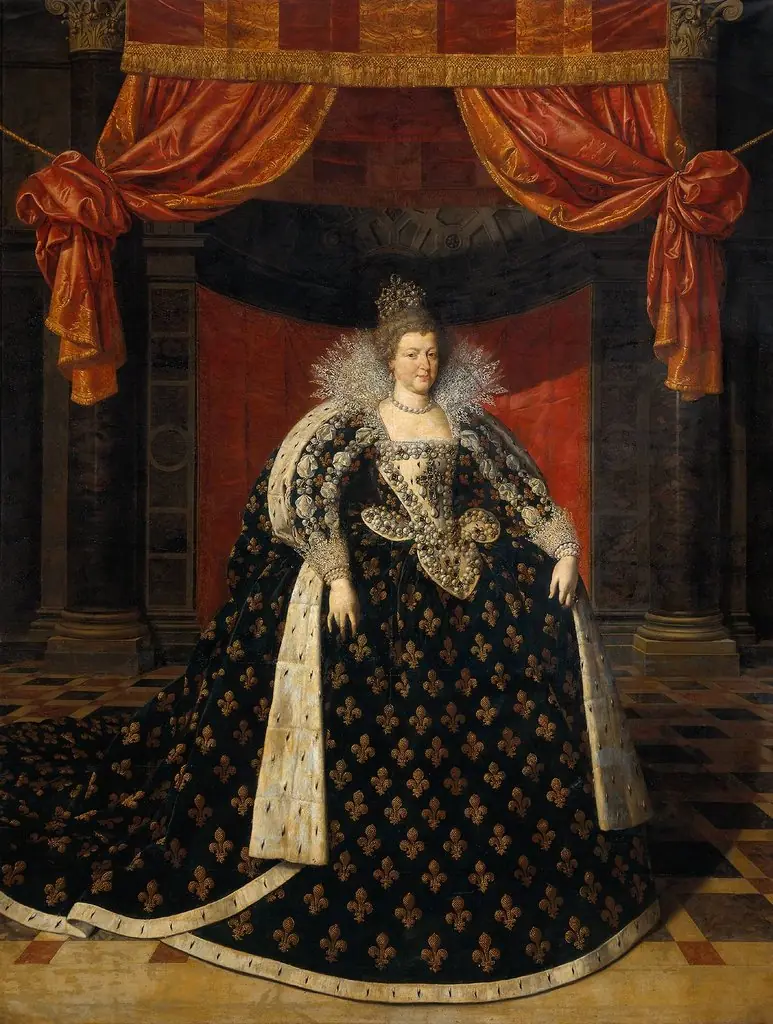 Marie de Medicis, Consort of Henry IV, King of France
 Portrait of a Lady of the Wentworth Family (Probably Jane Cheyne)