Artwork
Maria Eleonora (1599-1655), Princess of Brandenburg, Queen of Sweden
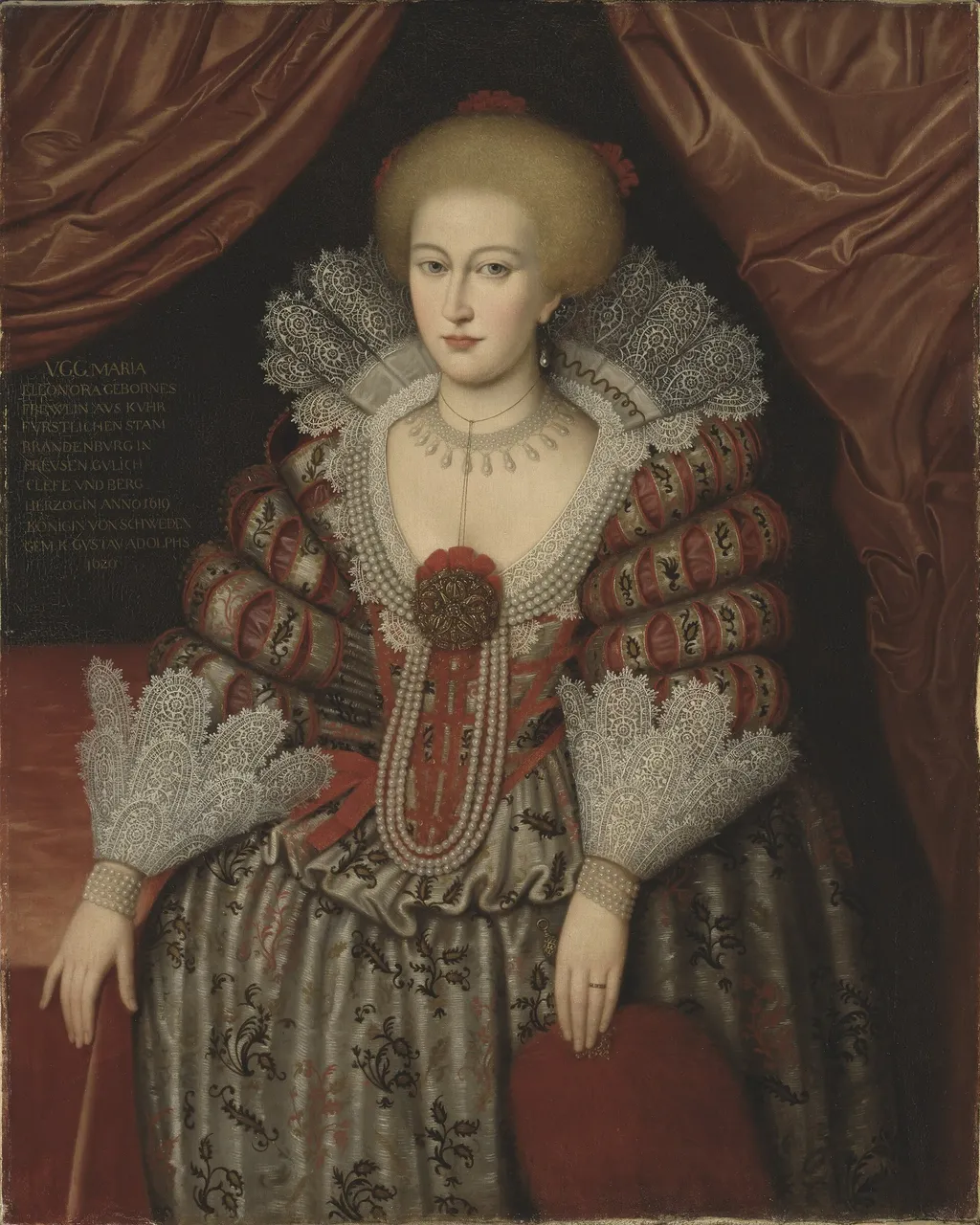
Maria Eleonora (1599-1655), Princess of Brandenburg, Queen of Sweden is an oil painting by the Early Baroque Italian artist Unknown. It dates from 1619 and is held in the collection of the Nationalmuseum. This portrait captures Maria Eleonora of Brandenburg, who became Queen of Sweden through her marriage to King Gustavus Adolphus.
About this work
Overview
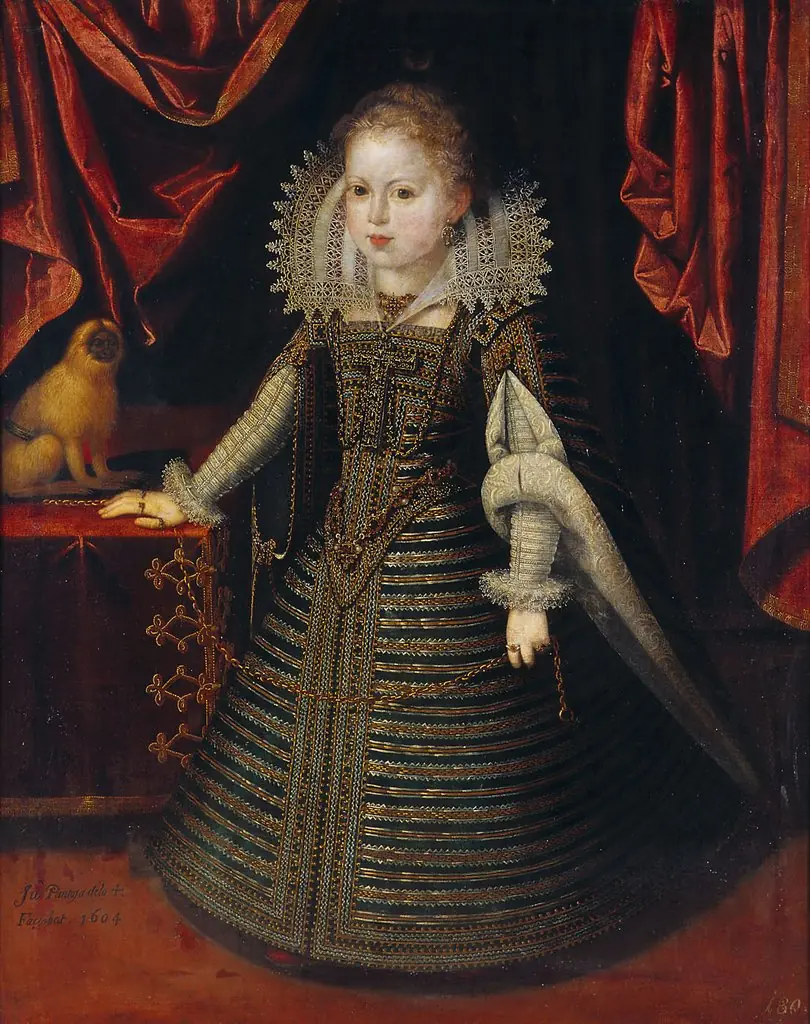
The composition is centered and static, with a dark background that isolates her figure and heightens the visual impact of her garments and adornments.
This portrait captures Maria Eleonora of Brandenburg, who became Queen of Sweden through her marriage to King Gustavus Adolphus. Painted in oil on canvas, it presents her in formal court attire, emphasizing her status through rich fabrics and jewelry. The composition is centered and static, with a dark background that isolates her figure and heightens the visual impact of her garments and adornments.
Subject & Meaning
Maria Eleonora is depicted not as an individual in private moments, but as a symbol of royal authority and dynastic alliance. Her poised posture, direct gaze, and elaborate dress convey dignity and social standing. The red cushion and curtain suggest ceremonial context, reinforcing her role as queen rather than merely a noblewoman. The pearls and lace signify wealth and refinement, aligning her image with European ideals of queenship.
Technique & Style
The artist employs subtle gradations of light to model the contours of her face and the texture of her garments. The lace detailing on her sleeves and collar is rendered with fine brushwork, while the red-and-white pattern of her bodice is carefully articulated. The dark background and draped curtain create depth without distraction, focusing attention on the subject’s form and attire, characteristic of early 17th-century court portraiture.
History & Provenance
Commissioned during Maria Eleonora’s time as Queen of Sweden, the painting likely originated in Stockholm’s royal court. It remained in Swedish royal collections for centuries, documented in inventories of the 17th and 18th centuries. Its survival through political upheavals and changes in taste reflects its enduring association with the Vasa dynasty and the visual culture of early modern Scandinavian royalty.
Context
Painted in the early 1600s, this portrait aligns with broader European trends in royal imagery, where monarchs were depicted with symbolic grandeur to assert legitimacy. Maria Eleonora’s attire reflects German and Dutch influences, consistent with her Brandenburg origins, while the overall style echoes the courtly aesthetics of the Habsburg and Stuart courts. Her image served political ends, reinforcing alliances and dynastic continuity.
Legacy
The portrait remains one of the most recognizable images of Maria Eleonora, frequently reproduced in historical texts on Swedish royalty. It contributes to scholarly understanding of how female rulers were visually represented in Protestant northern Europe. Though not widely exhibited today, it continues to inform studies of gender, power, and material culture in early modern Scandinavia.
Artist & collection

 Domestic Scene
 Giacomo and Cardinal Marco, investing Andrea, Abbot of San Zeno, with his Benefice
 The Nymph of Fontainebleau
 Portrait of a Woman
 Madonna and Child with Saints in the Enclosed Garden
 Venus and Minerva
 Family Group of Four on Sofa
 Wall painting from Room H of the Villa of P. Fannius Synistor at Boscoreale
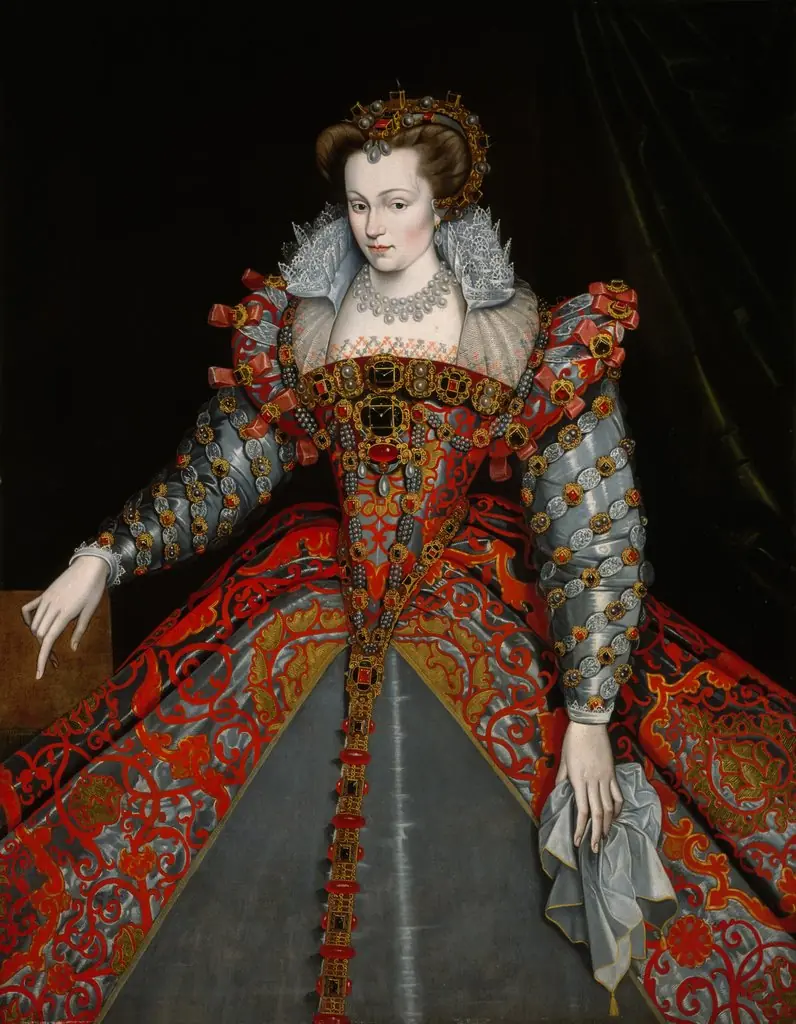 Louise de Lorraine
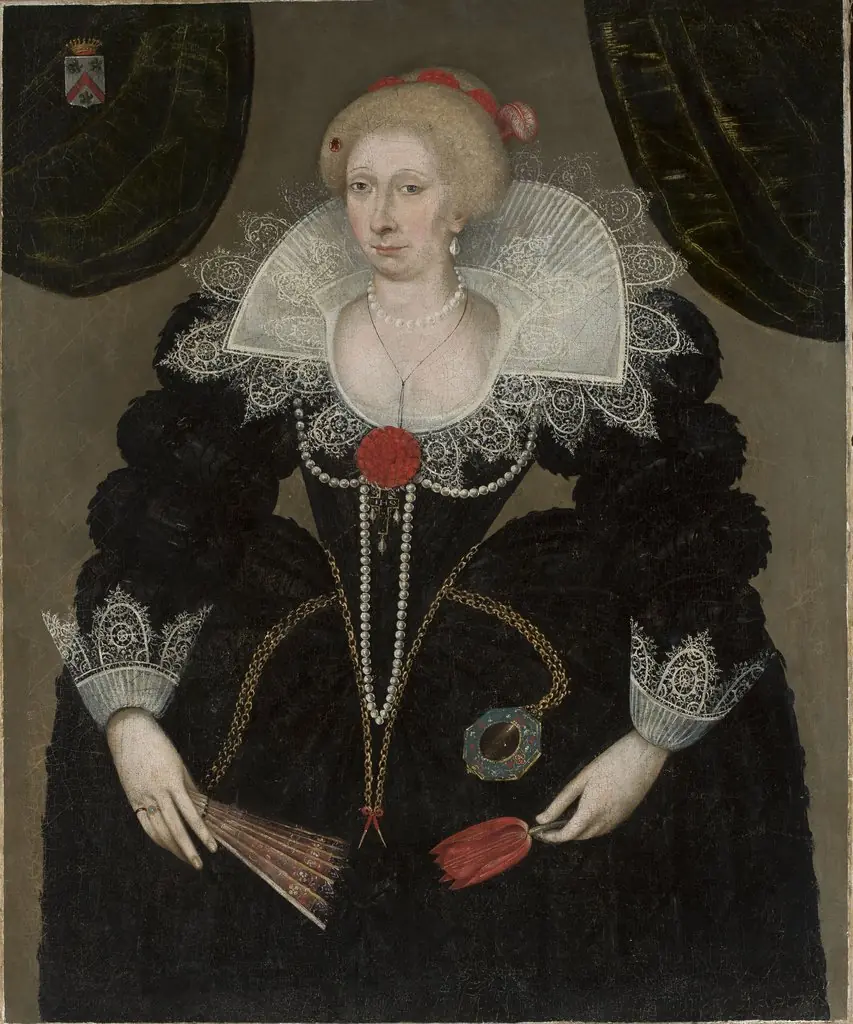 Portrait of Susanne le Royer de Brisolliéres
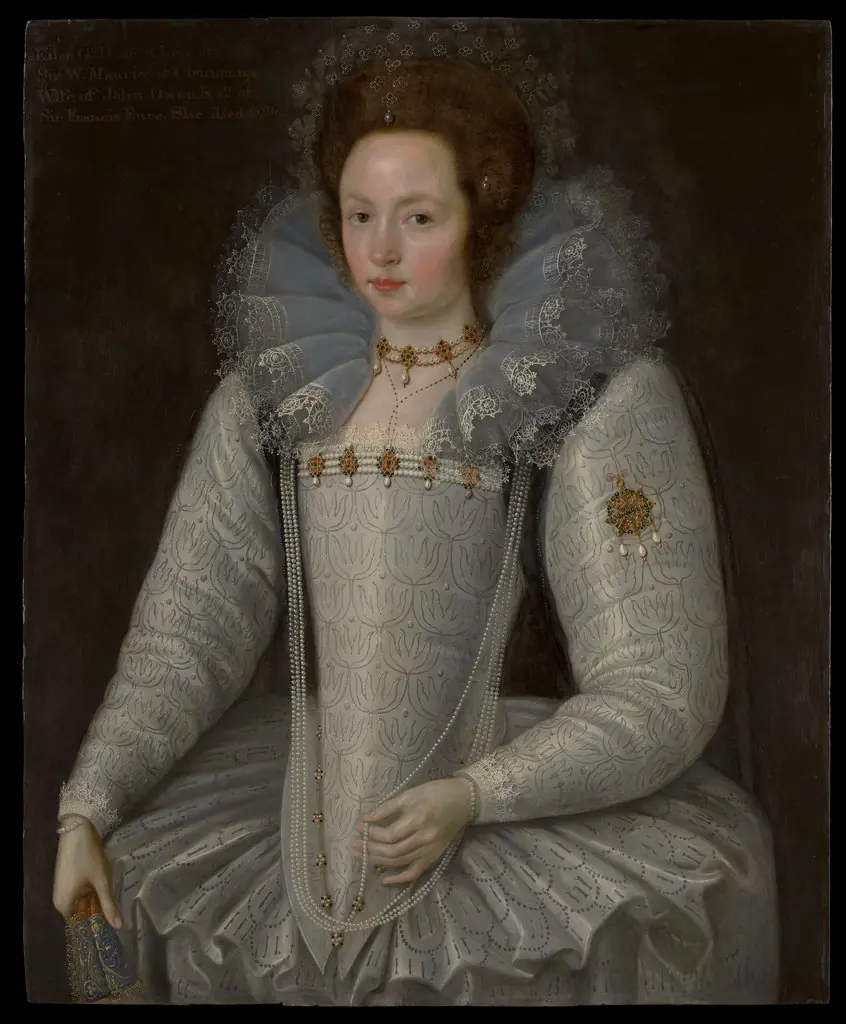 Ellen Maurice (1578–1626)
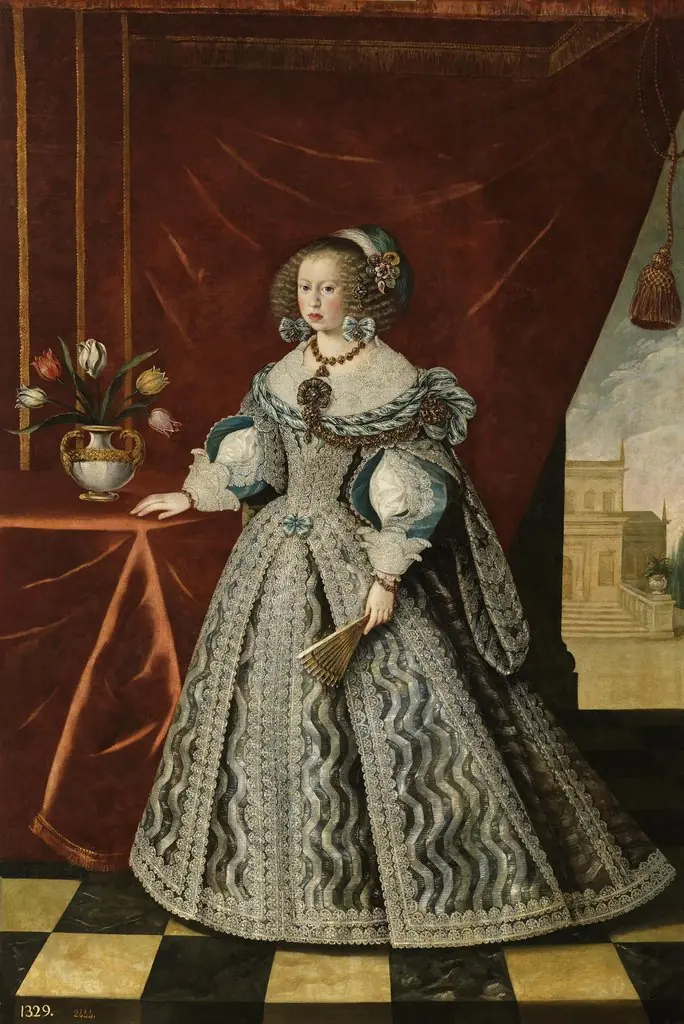 Mariana of Austria
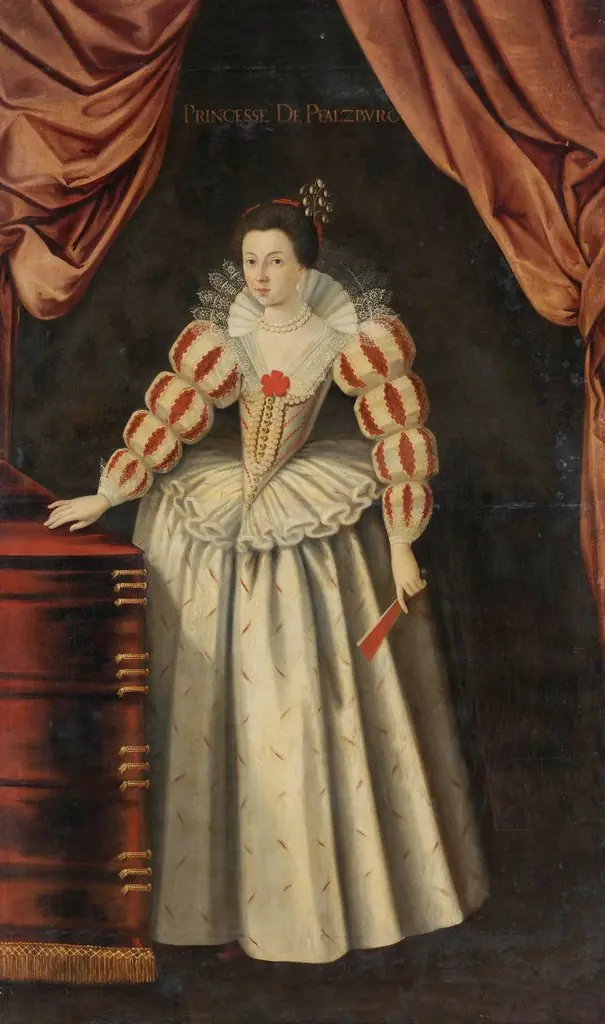 Henriette von Lothringen (1605-1660)
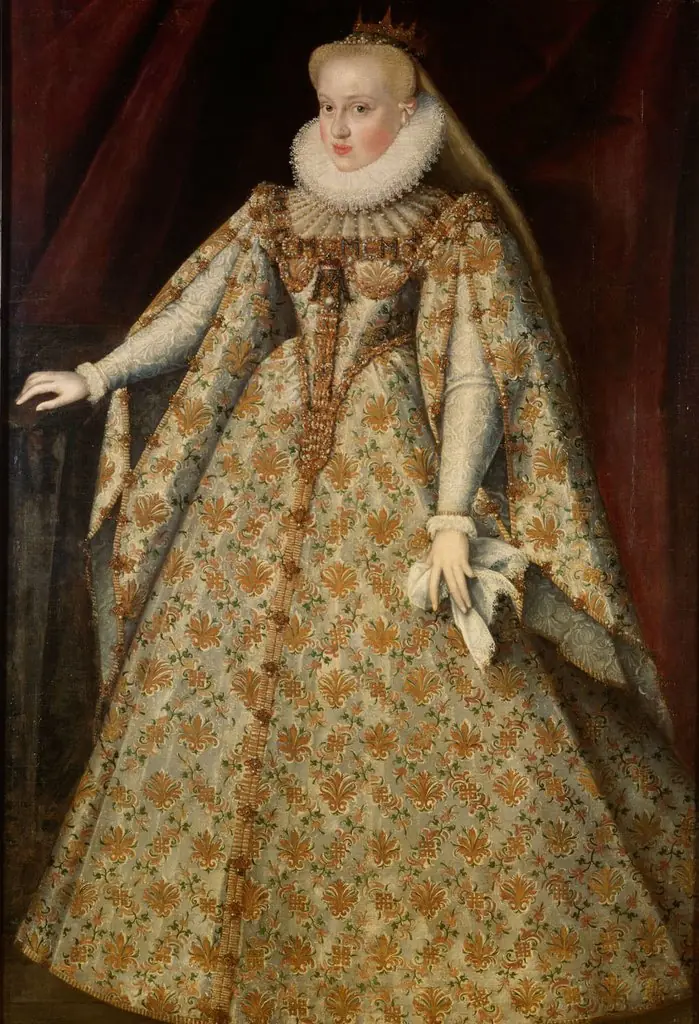 Portrait of Archduchess Maria Christina of Austria (1574–1621)
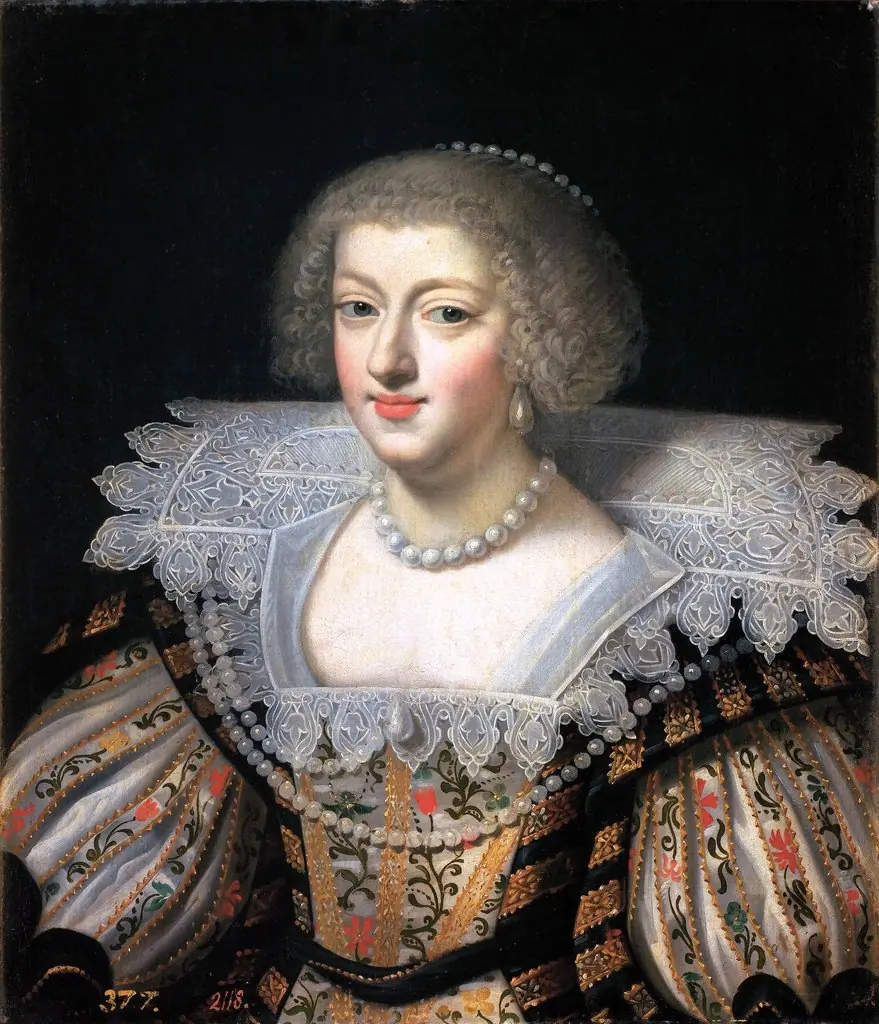 Anne of Austria, Queen of France
 Portrait of Margarita Gonzaga
 Isabella of France Queen of Spain
 Anne of Austria (1601-66). Wife of Louis XIII, king of France
 Marie de’ Medici
 Infantin Anna (1601-1666), Königin von Frankreich, Bildnis in ganzer Figur mit einem Löwenäffchen