Artwork
Jean-Baptiste Colbert, marquis de Torcy (1655-1746)
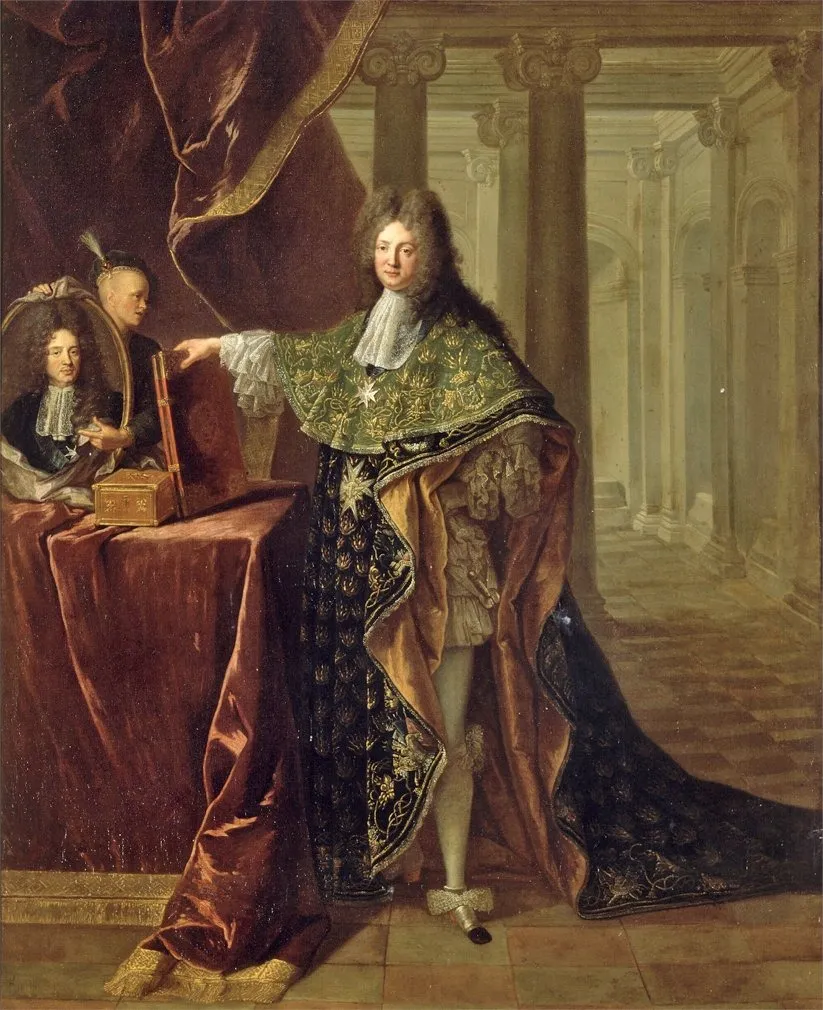
Jean-Baptiste Colbert, marquis de Torcy (1655-1746) is an oil painting by the Rococo painting artist François de Troy. It dates from 1701 and is held in the collection of the Palace of Versailles.
About this work
Overview
This 1701 oil painting by François de Troy portrays Jean-Baptiste Colbert, marquis de Torcy, a key French diplomat and minister under Louis XIV. Executed in the late Baroque style, the portrait reflects the formal conventions of French court art. It is part of the Palace of Versailles collection, where it was likely displayed to affirm Colbert’s status within the royal administration.
Subject & Meaning
His gesture toward a mirror introduces a layered narrative: the reflection shows a servant holding a feathered hat, suggesting the presence of courtly ritual.
Colbert is depicted as a statesman of refined authority, dressed in an ornate green and gold robe that signals his high rank. His gesture toward a mirror introduces a layered narrative: the reflection shows a servant holding a feathered hat, suggesting the presence of courtly ritual. The mirror may imply self-reflection or the duality of public and private roles, common themes in aristocratic portraiture of the era.
Technique & Style
Troy renders Colbert’s attire with meticulous detail, emphasizing the texture of embroidery and the sheen of silk. The composition uses architectural elements—columns and tiled flooring—to frame the figure and convey spatial depth. The mirror’s inclusion is a subtle device, extending the scene beyond the immediate frame and engaging the viewer through indirect gaze, a technique rooted in Flemish and French portraiture traditions.
History & Provenance
Commissioned during Colbert’s tenure as Secretary of State for Foreign Affairs, the portrait was likely intended for display in royal or state settings. François de Troy, a favored painter of the French court and former director of the Académie Royale, had established ties to aristocratic patrons. The painting entered the Versailles collection shortly after its completion, where it remains today as part of the royal visual archive.
Context
Created during the height of Louis XIV’s reign, the portrait aligns with the monarchy’s use of imagery to reinforce bureaucratic legitimacy. Colbert, son of the famed finance minister Jean-Baptiste Colbert, inherited his father’s influence and played a central role in diplomatic affairs. The painting’s formality and symbolic elements reflect the era’s emphasis on order, hierarchy, and the performative nature of power at Versailles.
Legacy
The portrait endures as a document of early 18th-century French administrative culture. While not widely exhibited outside Versailles, it contributes to scholarly understanding of how state officials were visually represented during the Ancien Régime. Its careful composition and symbolic devices continue to inform studies of courtly portraiture and the intersection of power and image in early modern Europe.
Artist & collection
Artist
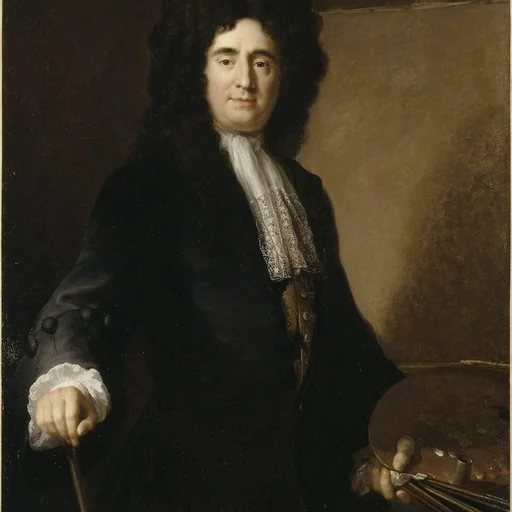
François de Troy (9 January 1645 – 1 May 1730) was a French painter and engraver who became principal painter to King James II in exile at Saint-Germain-en-Laye and Director of the Académie Royale de peinture et de sculpture.

 Portrait of Elizabeth Charlotte of the Palatine with her Slave
 Jules Hardouin-Mansart, count of Sagonne (1646-1708)
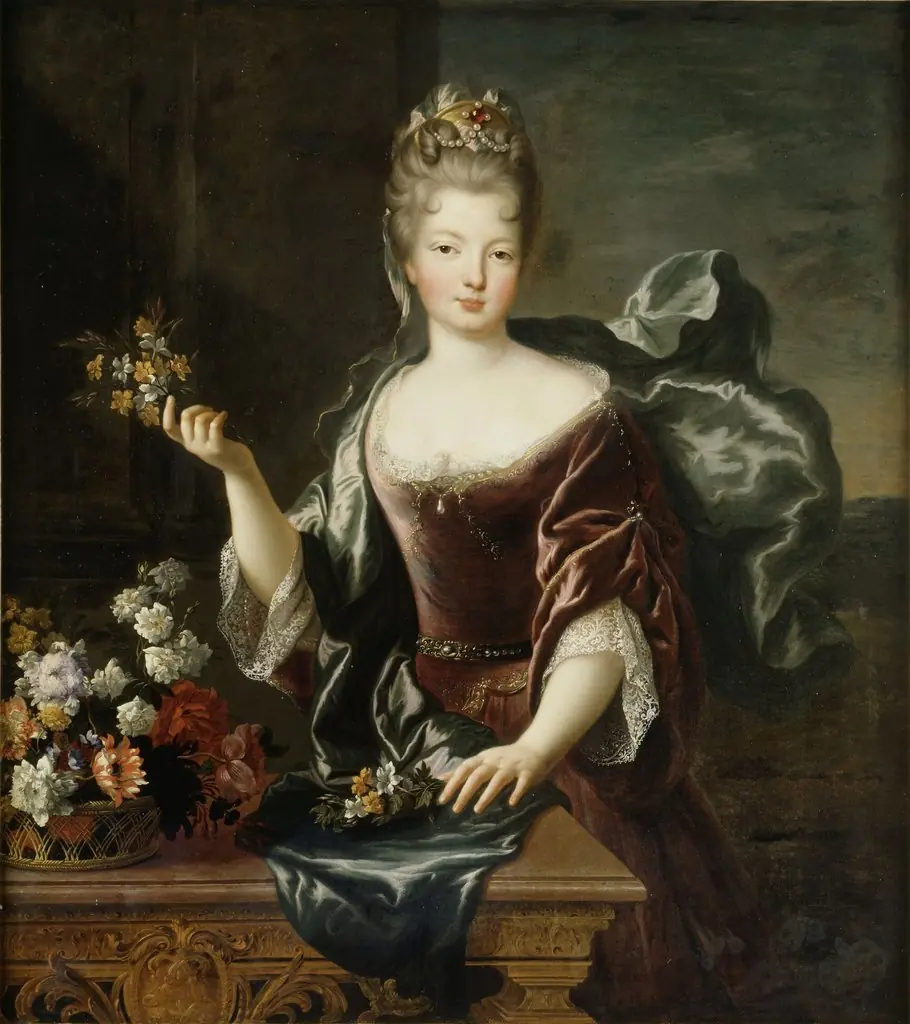 Françoise-Marie de Bourbon, Mademoiselle de Blois, Duchess of Orleans
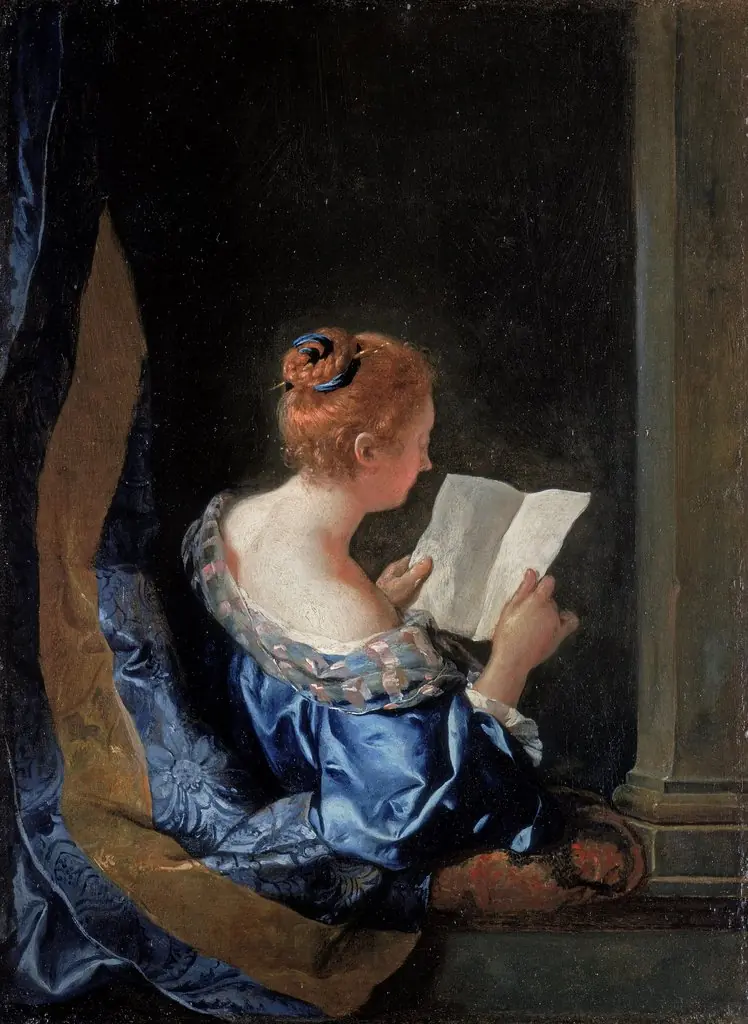 Woman Reading a letter
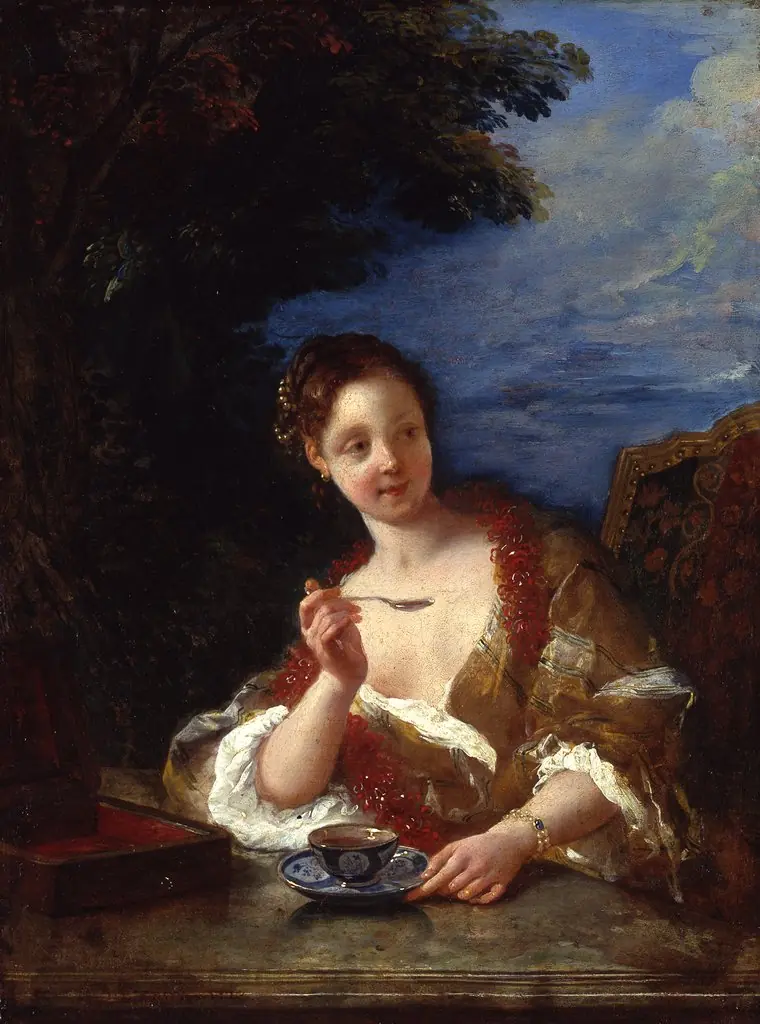 Young Woman Drinking Coffee
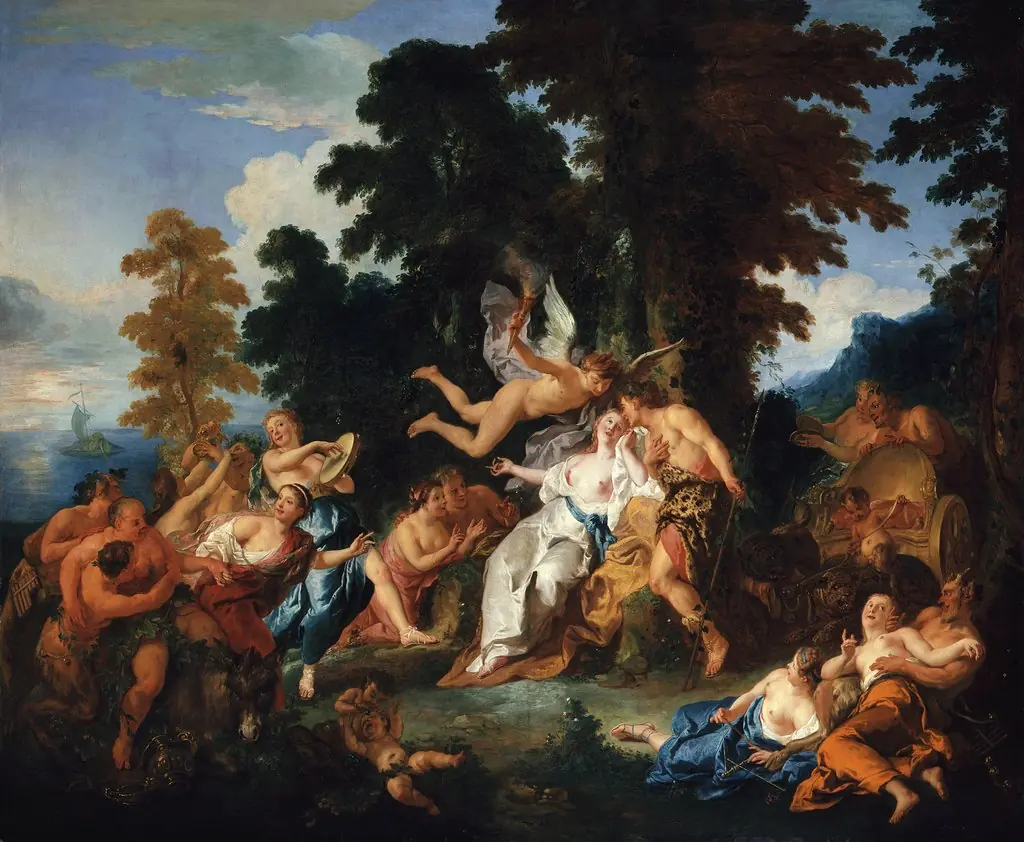 Bacchus and Ariadne
 Portrait of the painter of miniatures Jacques-Antoine Arlaud (1668–1743)
 Portrait of Françoise Marie de Bourbon (1677-1749)
 Gabriel de Rochechouart, Duke of Mortemart (1600-1677)
 Louis-Philippe-Joseph, Duke of Orleans, known as Philippe-Egalité
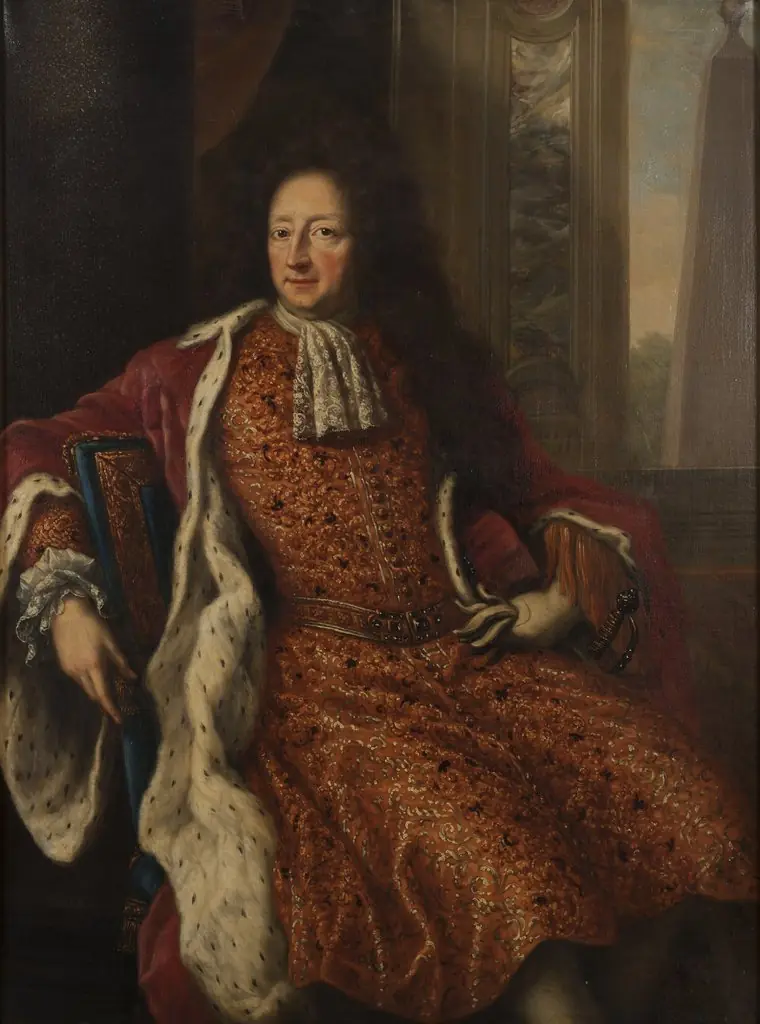 Hans Wachtmeister af Johannishus, 1641-1714
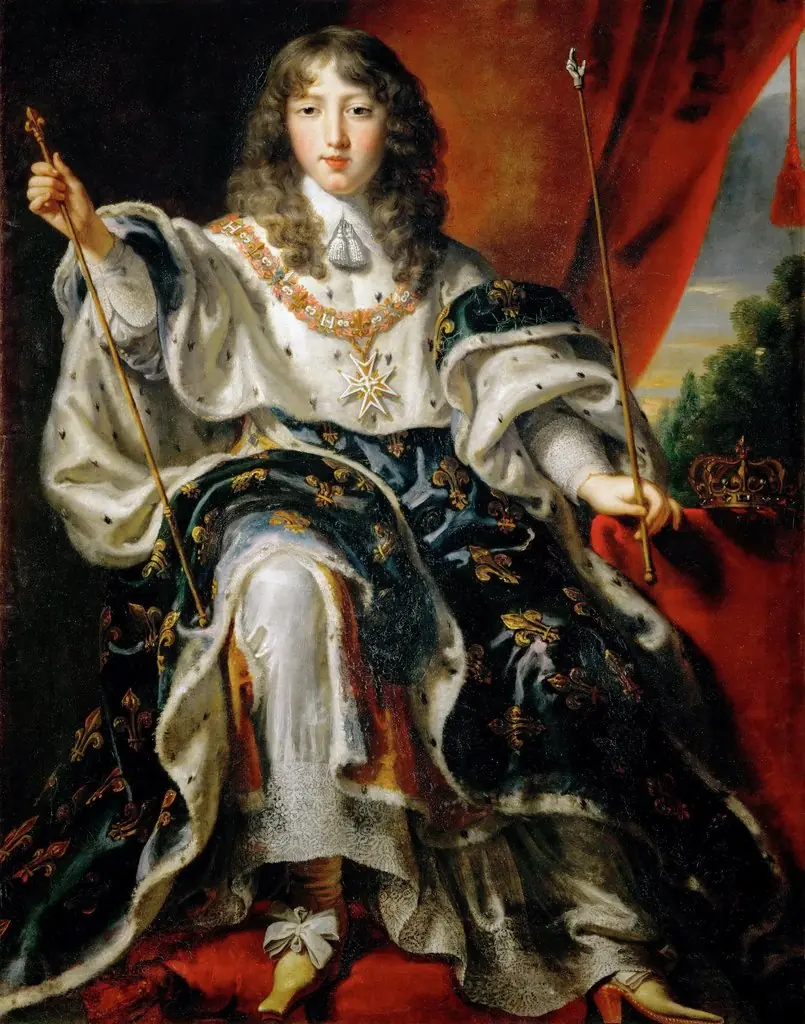 King Louis XIV (1638-1715) of France
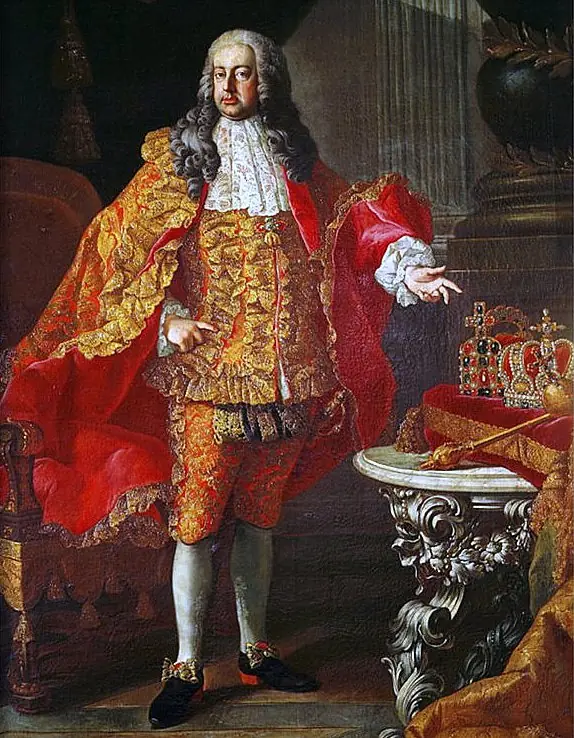 So-called Portrait of Charles VI of Austria
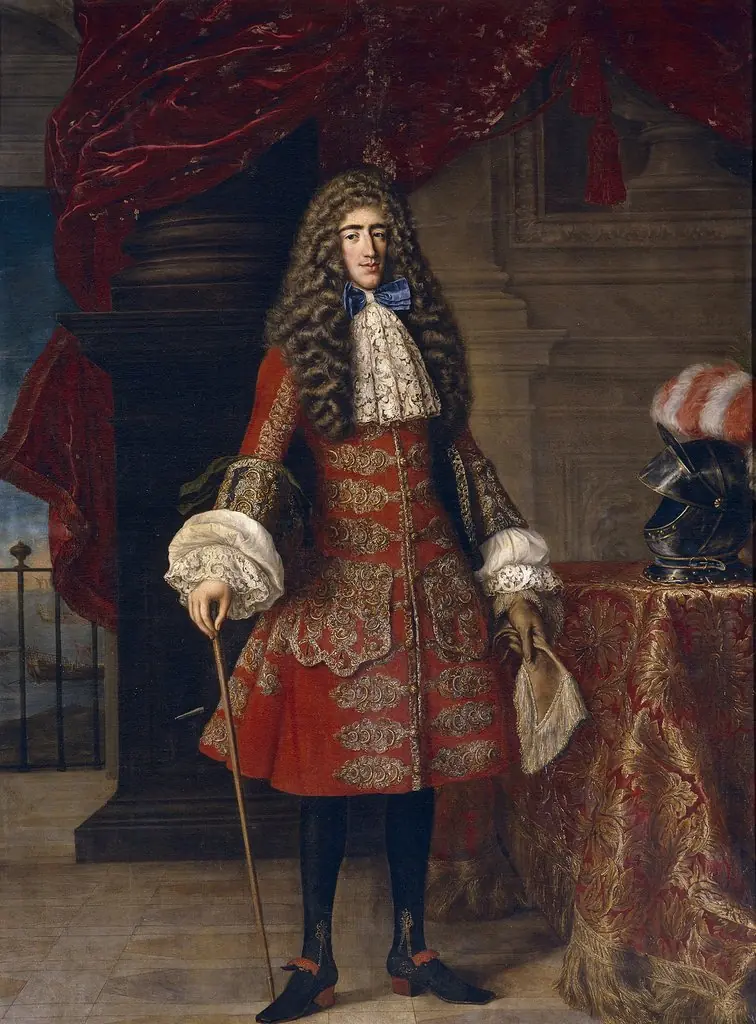 Portrait of Don Luis de la Cerda, later IX Duke of Medinaceli (or Medinacelli), (1654–1711)
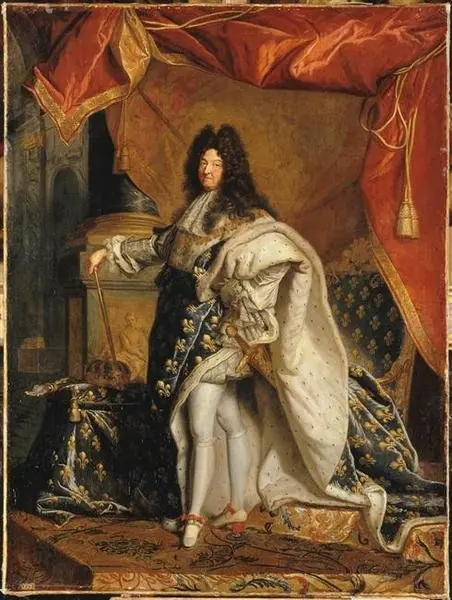 Louis XIV, King of France (1638-1715)
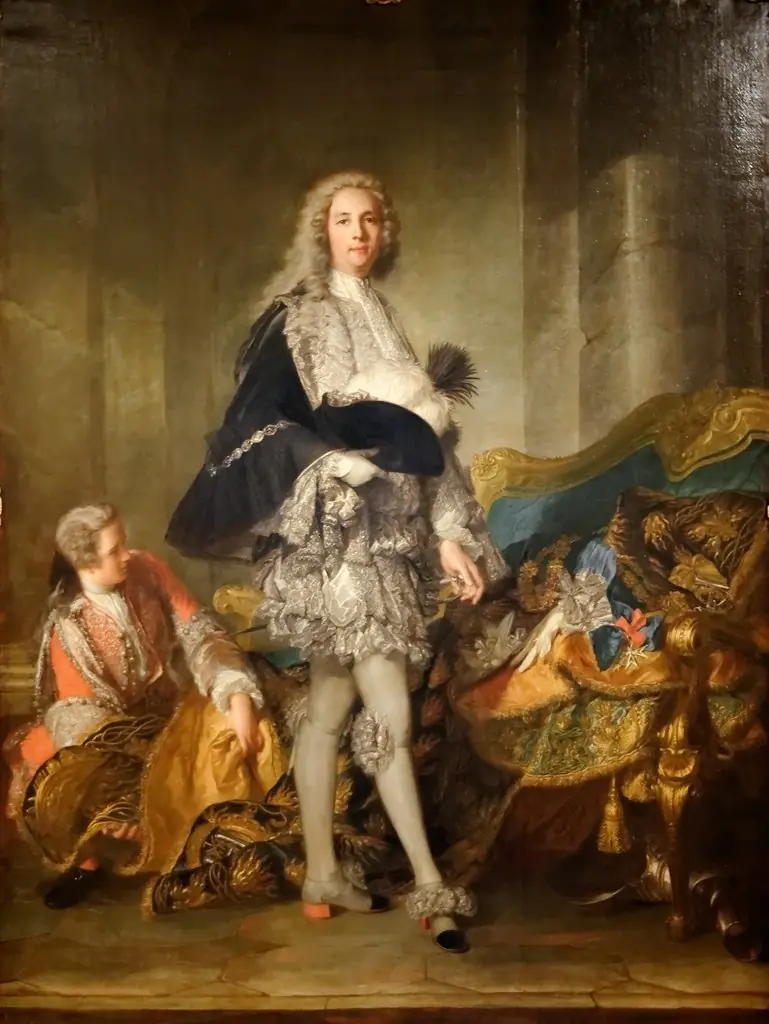 Portrait of the Duke of Richelieu
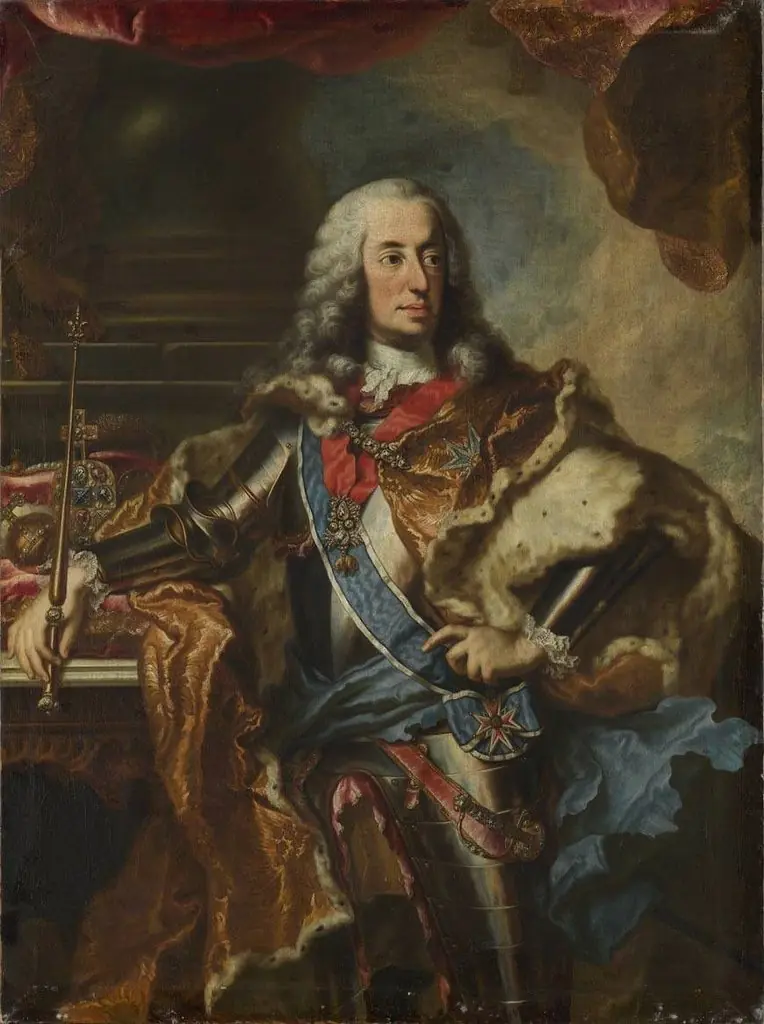 Kurfürst Karl Albrecht als Kaiser Karl VII. (1697-1745)
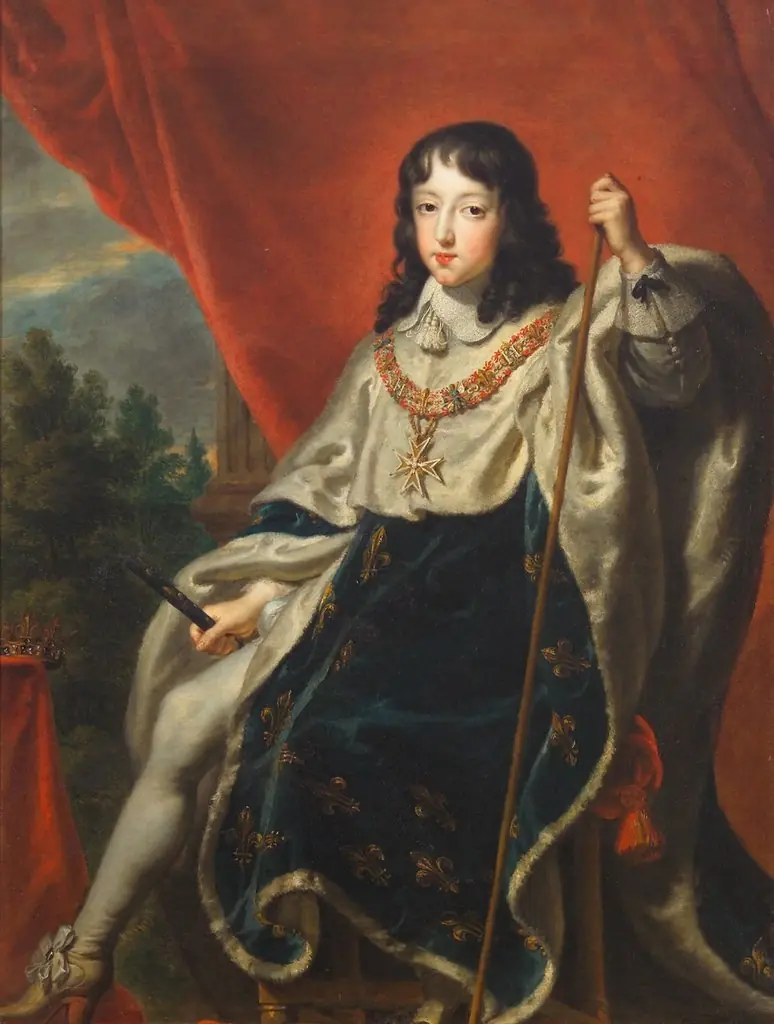 Herzog Philippe von Orleans (1640-1701)
 Louis XV, roi de France (1710-1774)
 Jagershalte in een bos.