Artwork
Valentine de Milan
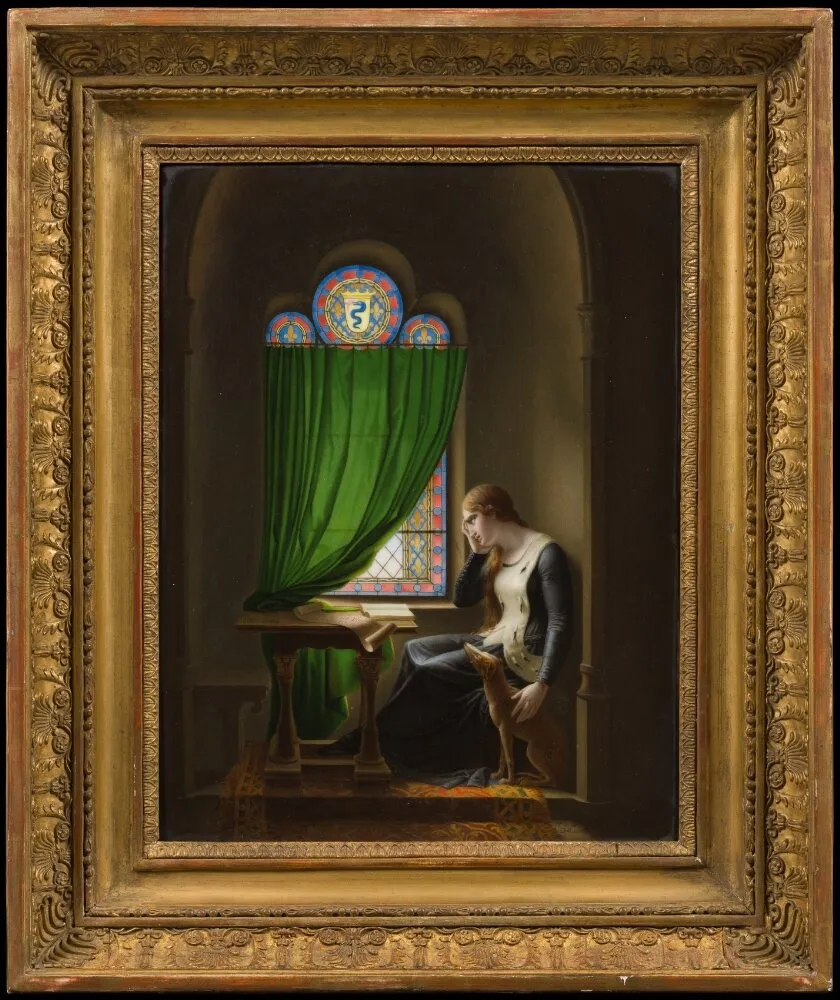
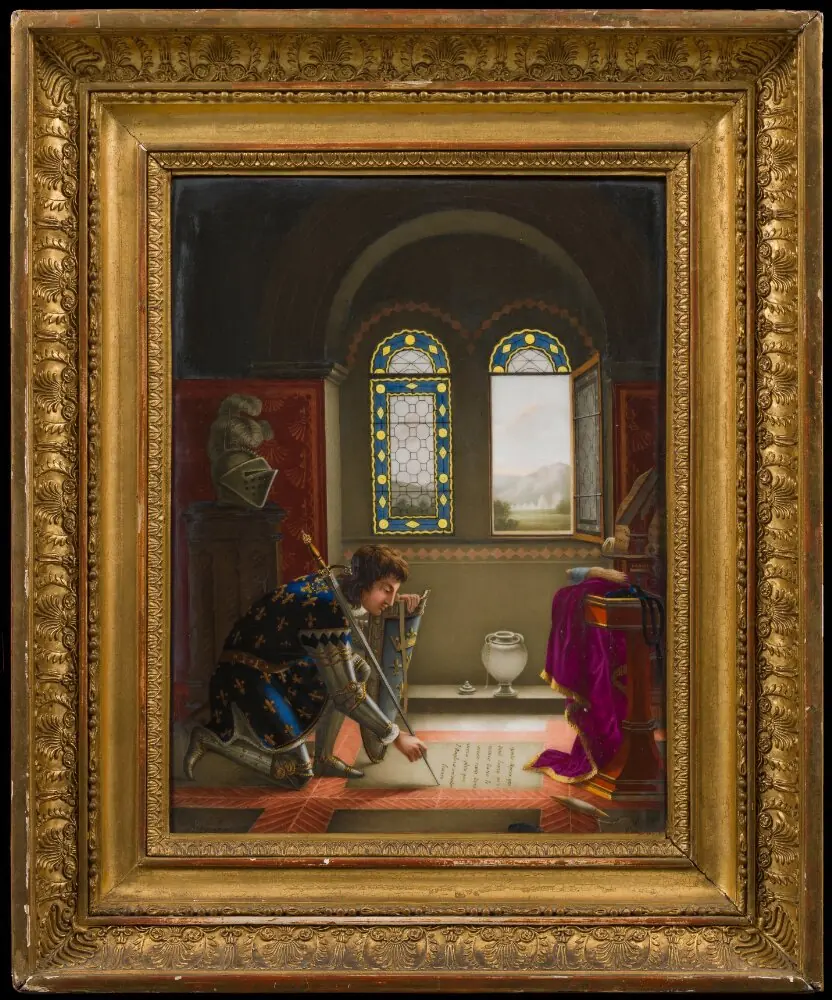
Valentine de Milan is an unspecified painting by François Fleury-Richard. It dates from 1810 and is held in the collection of the Nationalmuseum.
About this work
Overview
François Fleury-Richard completed *Valentine de Milan* in 1810, during a period when French painting was shifting toward nostalgic historical narratives.
François Fleury-Richard completed *Valentine de Milan* in 1810, during a period when French painting was shifting toward nostalgic historical narratives. A pupil of Jacques-Louis David, he helped pioneer the Troubadour style alongside Pierre Révoil, favoring intimate scenes from medieval and Renaissance lore over grand historical or mythological themes. This work exemplifies that turn, presenting a quiet moment rather than a dramatic event.
Subject & Meaning
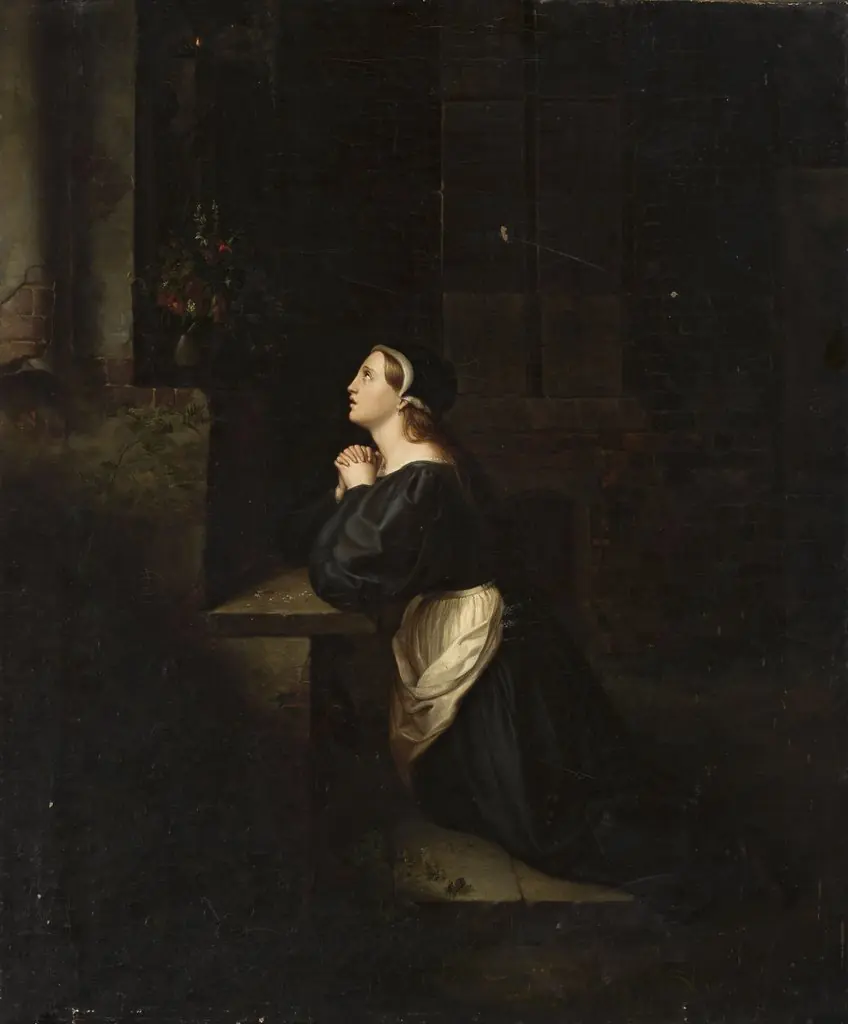
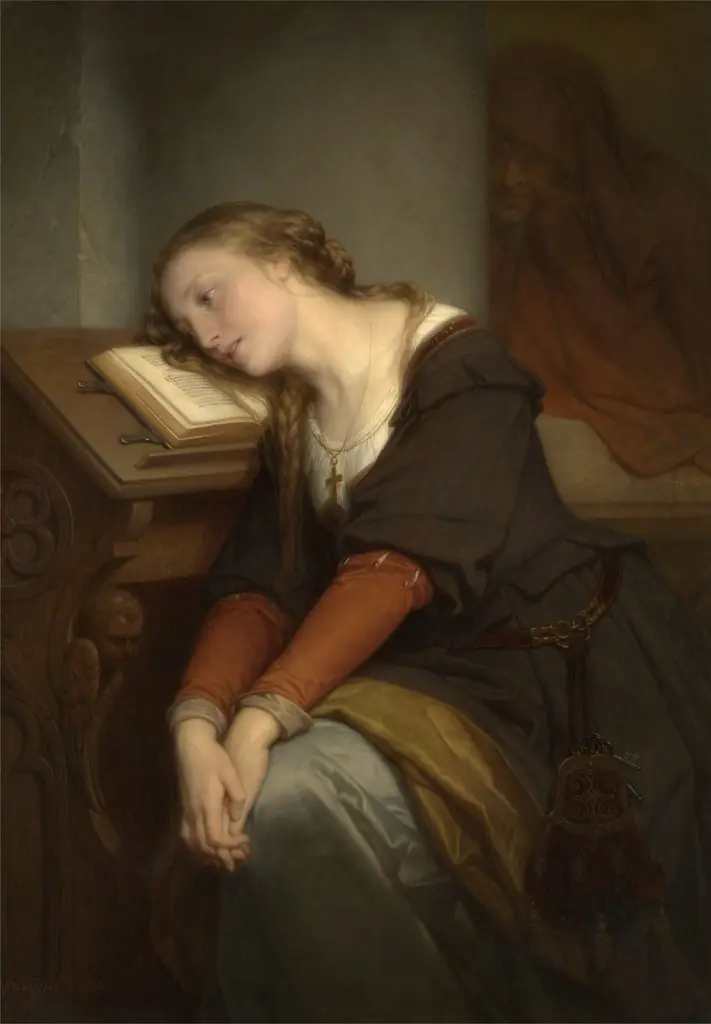
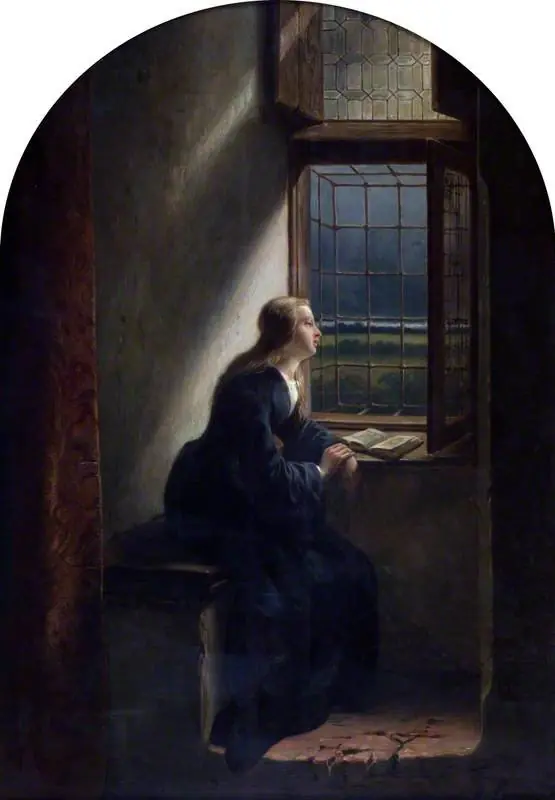
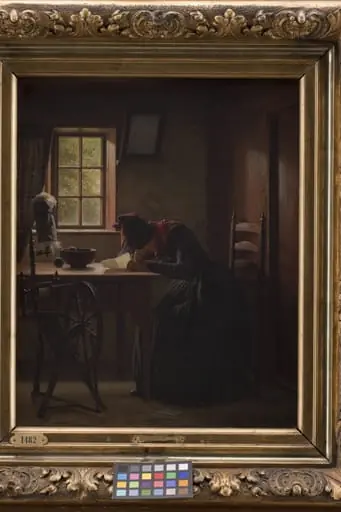
The painting portrays a woman, likely inspired by a literary or historical figure named Valentine of Milan, engaged in solitary reflection. Her posture—head resting on her hand—and the presence of an open book suggest introspection, possibly tied to themes of love, loss, or devotion common in romanticized medieval tales. The inclusion of a small dog reinforces themes of loyalty and domesticity, grounding the scene in personal, rather than public, emotion.
Technique & Style
Fleury-Richard employs fine, controlled brushwork to render textures: the velvet of the woman’s dress, the translucency of the stained-glass window, and the soft fur of the dog. The composition is tightly framed, drawing attention to the figure’s stillness. Warm interior lighting contrasts with the cool hues of the window, enhancing the sense of quiet seclusion. Details like the green curtain and open book are rendered with precision, characteristic of the Troubadour emphasis on atmospheric authenticity.
History & Provenance
Created in 1810, the painting emerged during the Napoleonic era, when interest in pre-revolutionary history and chivalric romance was resurging in French culture. Though its early ownership is undocumented, it aligns with collections that favored sentimental historical subjects over revolutionary ideals. It remained within the orbit of Lyon-based artists and patrons, reflecting regional tastes that valued narrative detail and emotional subtlety.
Context
In early 19th-century France, the Troubadour style arose as a counterpoint to Neoclassicism’s austerity. Artists like Fleury-Richard turned to the Middle Ages and Renaissance for subjects that evoked emotion, mystery, and personal drama. *Valentine de Milan* fits this trend, offering a private, almost theatrical moment that appealed to audiences seeking refuge from the political turbulence of the era through idealized historical imagery.
Legacy
Though Fleury-Richard’s reputation faded after his death, *Valentine de Milan* endures as a representative example of the Troubadour movement’s quiet intensity. It influenced later 19th-century genre painters who favored domesticated history and psychological nuance. The work remains a touchstone for understanding how French art navigated the transition from revolutionary grandeur to intimate, literary nostalgia.
Artist & collection
Artist
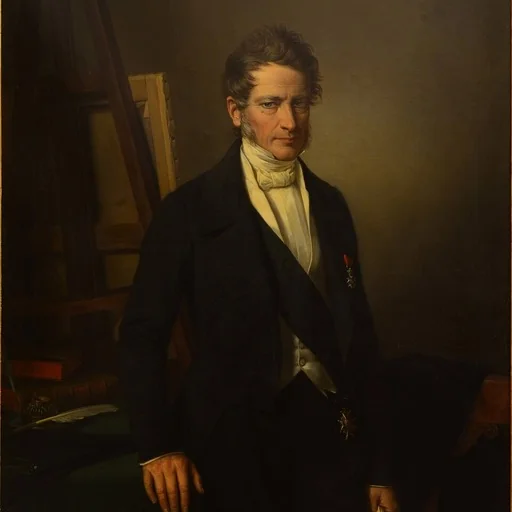
Fleury François Richard (25 February 1777, Lyon – 14 March 1852, Écully), sometimes called Fleury-Richard, was a French painter of the Lyon School.

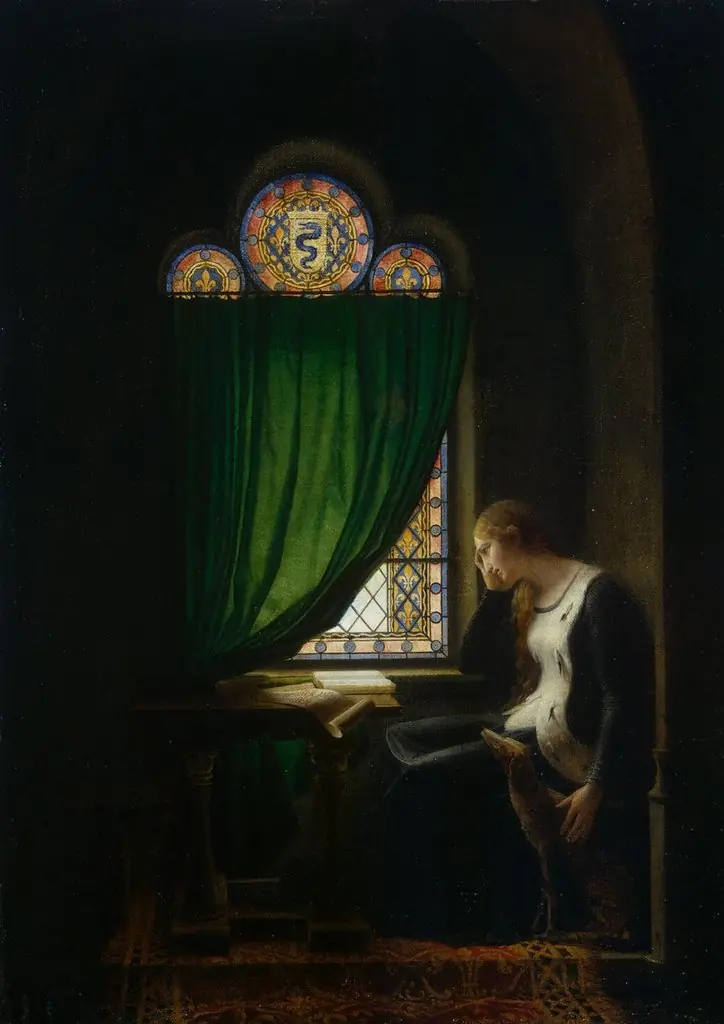 Valentine of Milan Mourning her Husband, the Duke of Orléans
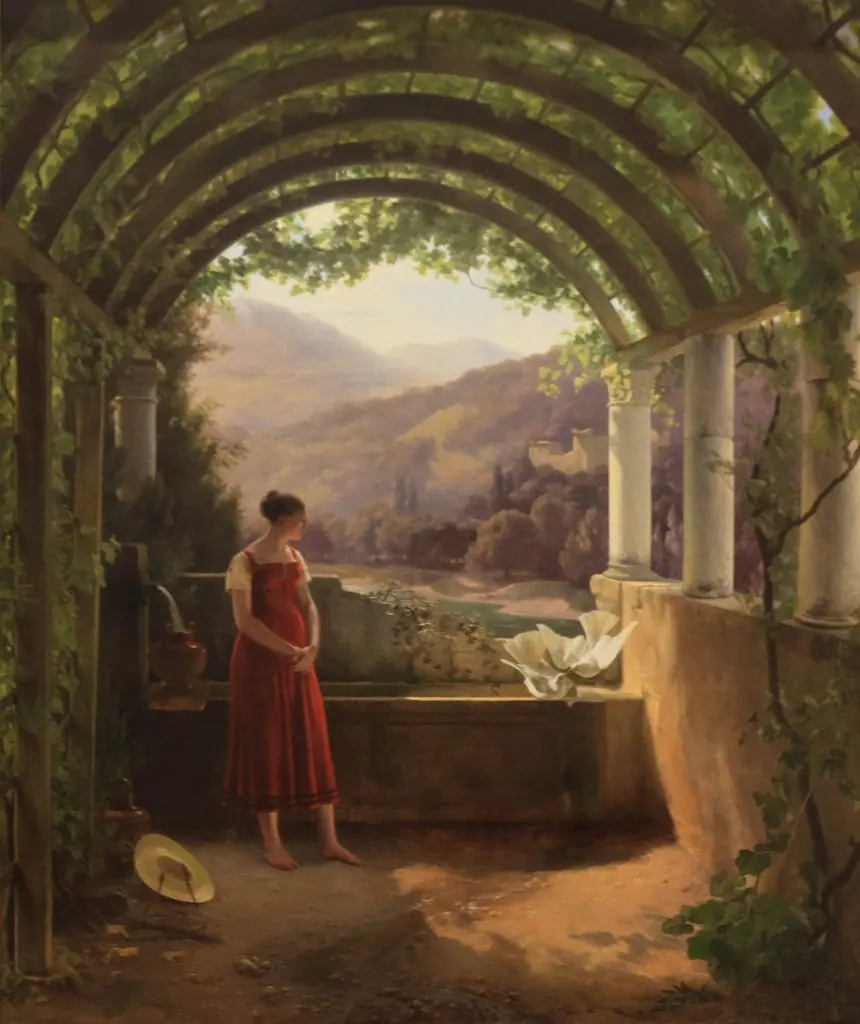 Young Woman at a Fountain
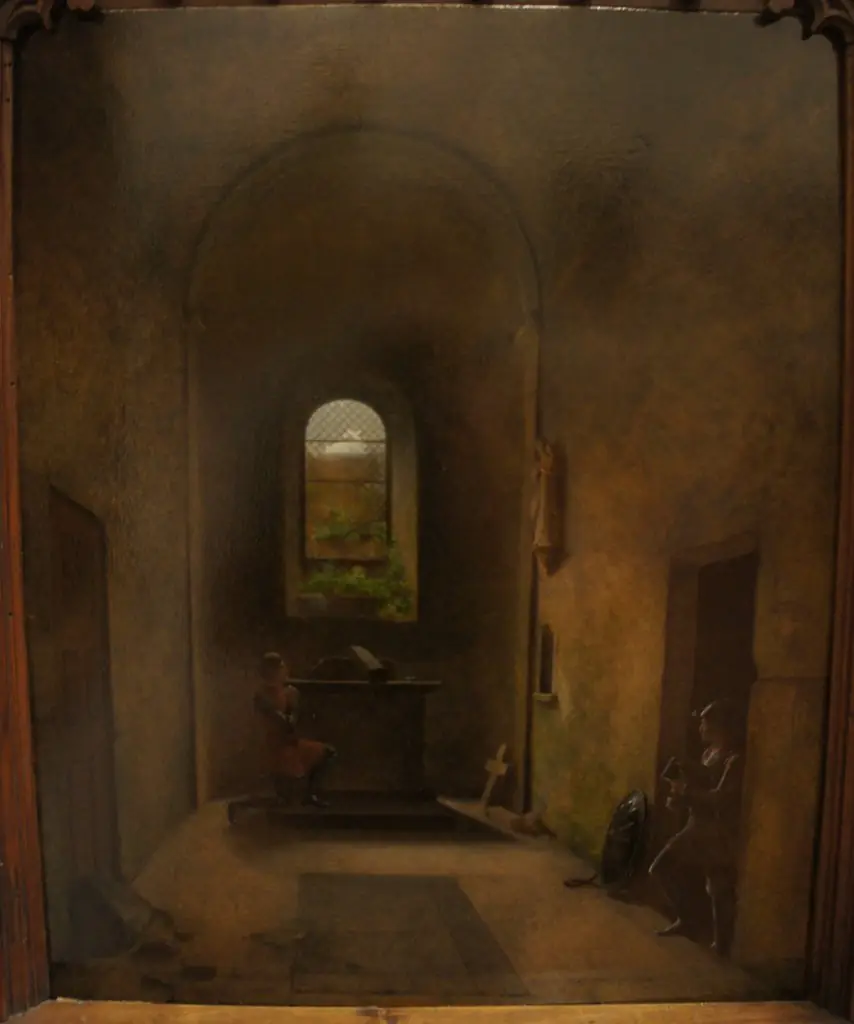 A Knight at Prayer in a Chapel, Preparing Himself for Combat
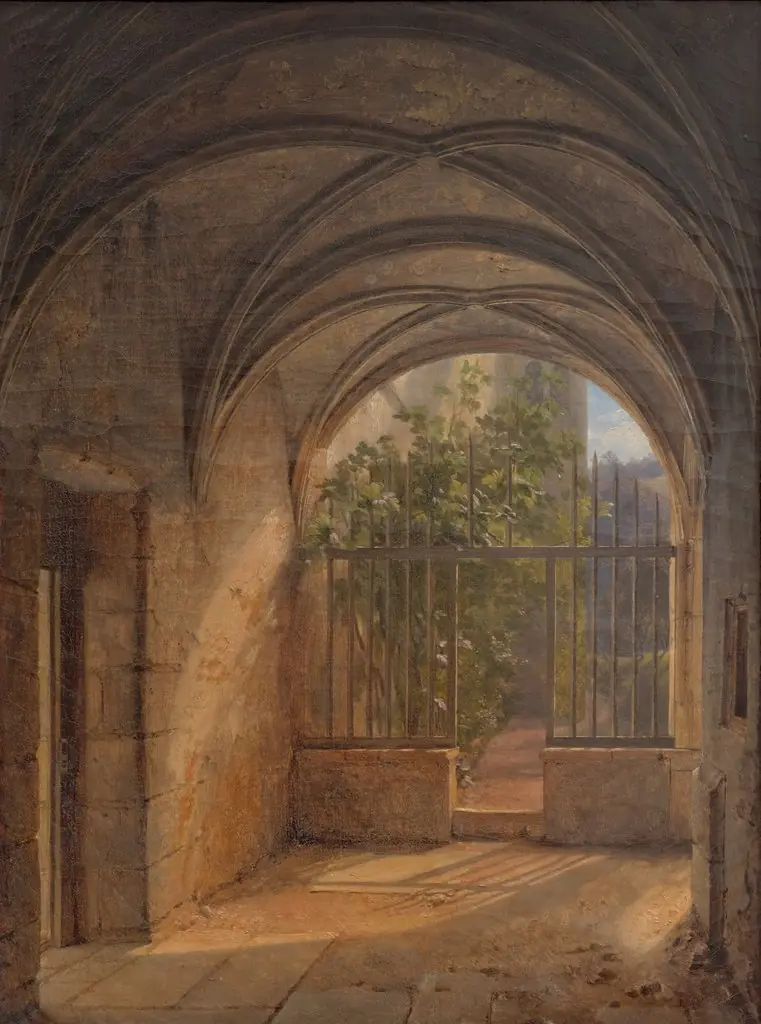 Monastery Interior
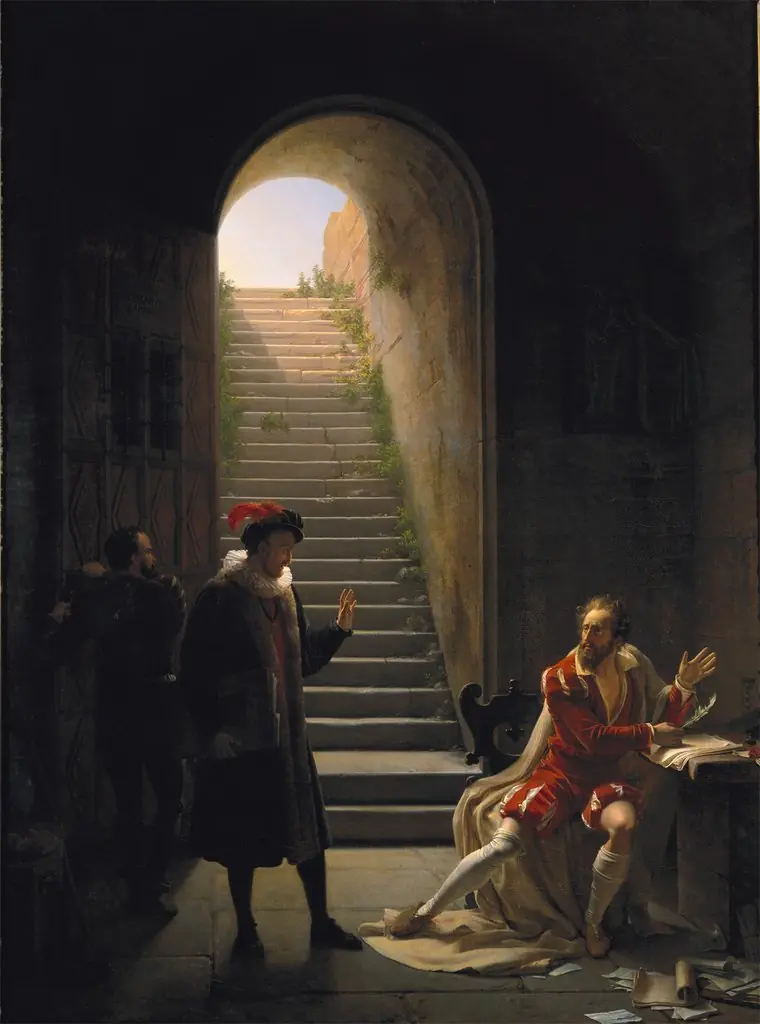 Montaigne Visiting Torquato Tasso in Prison
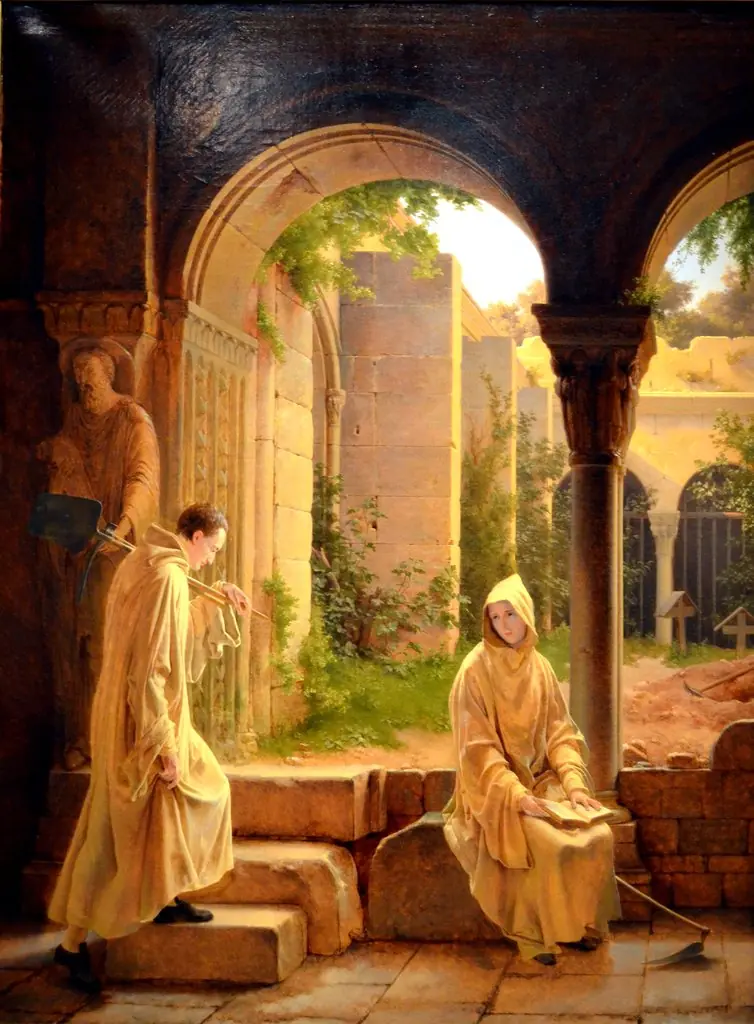 Comminges and Adelaide in the Trappist Monastery
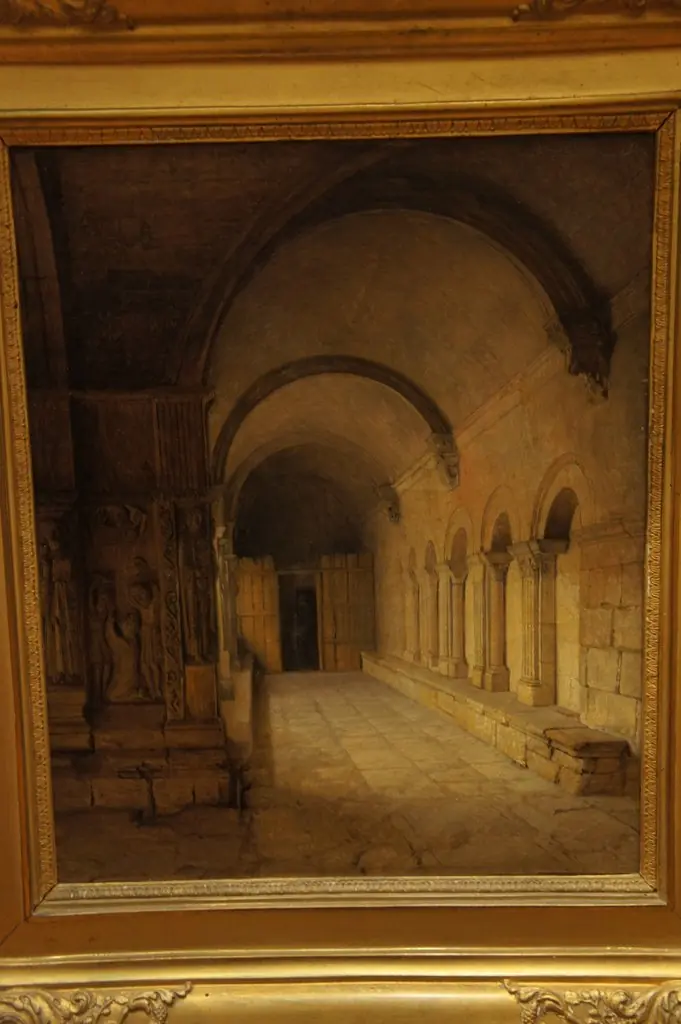 Le Cloître de l'église de Saint-Trophime à Arles
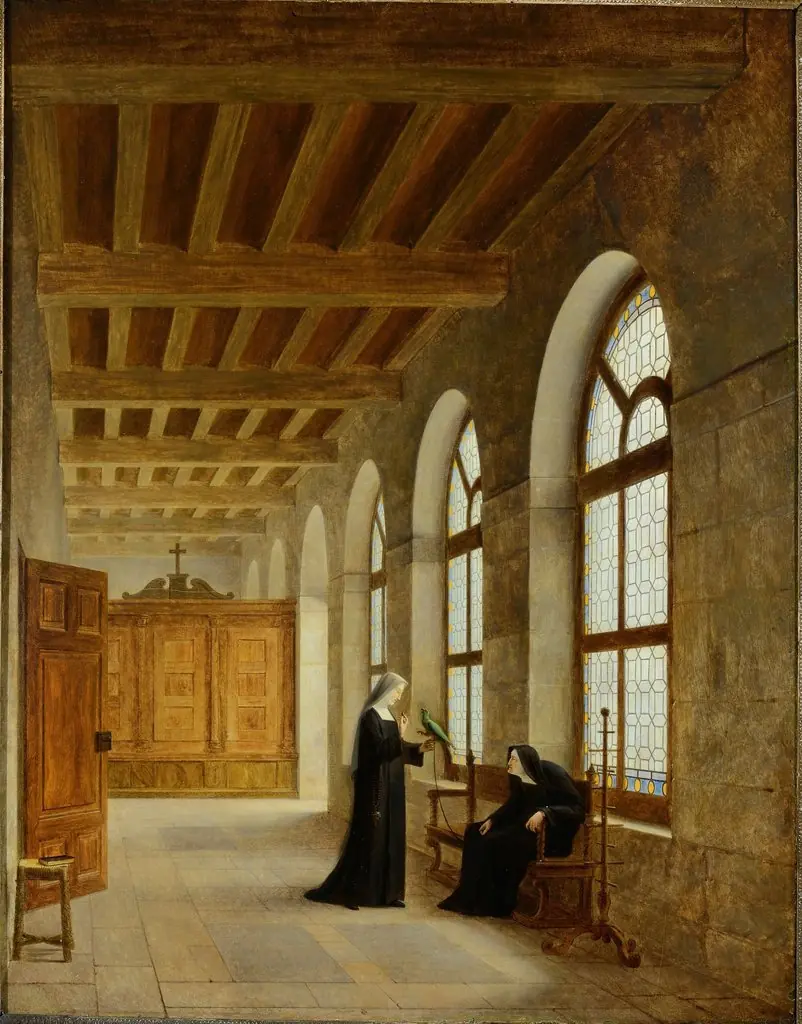 Vert-Vert