Artwork
Monastery Interior
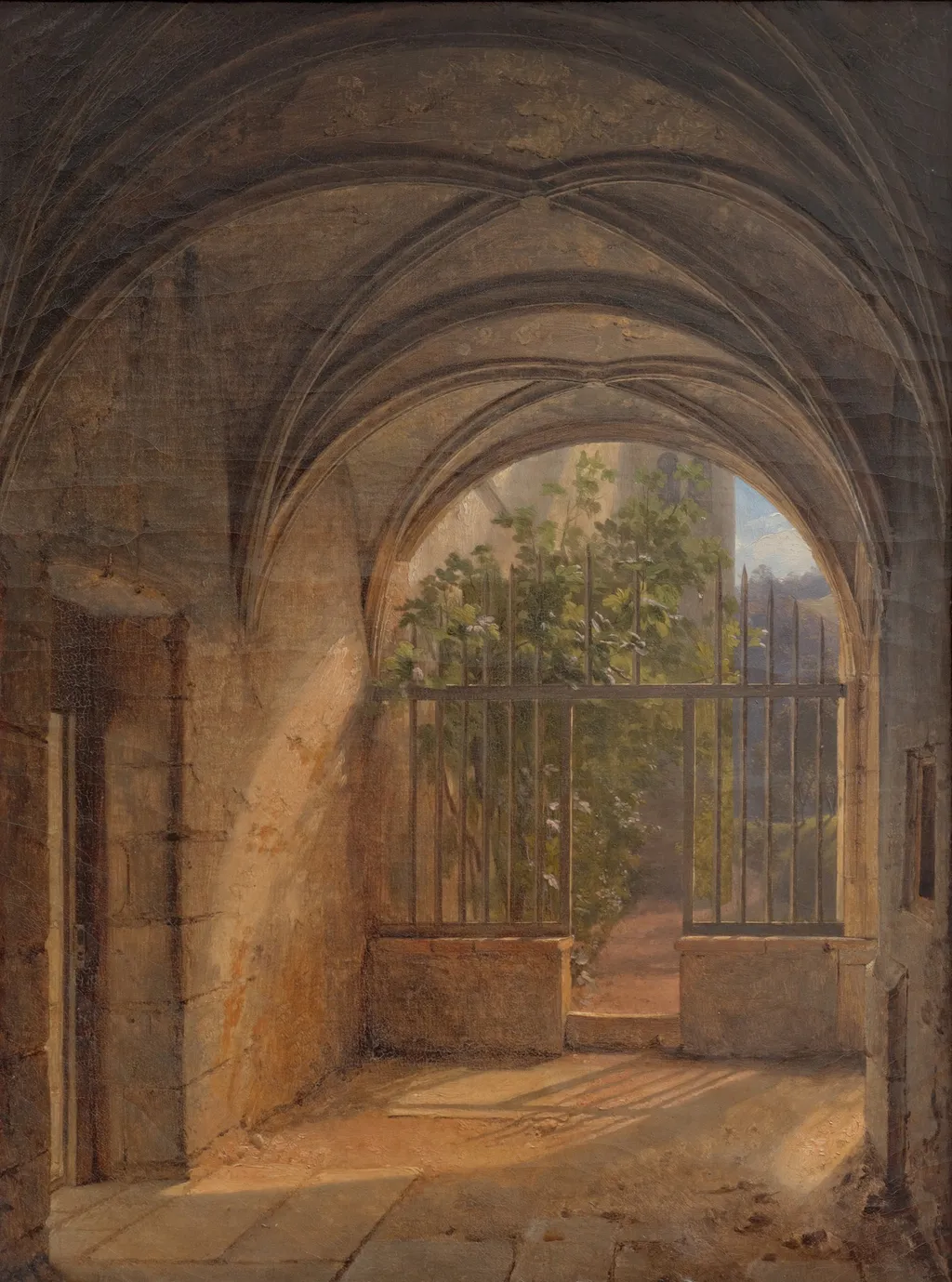
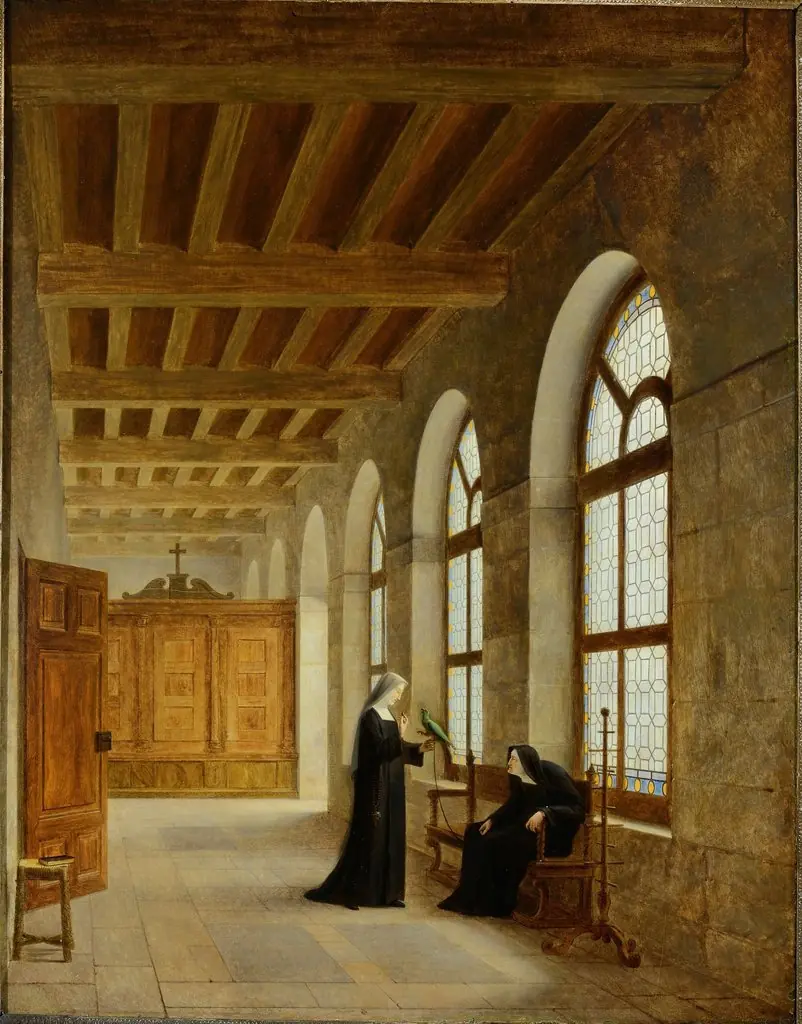
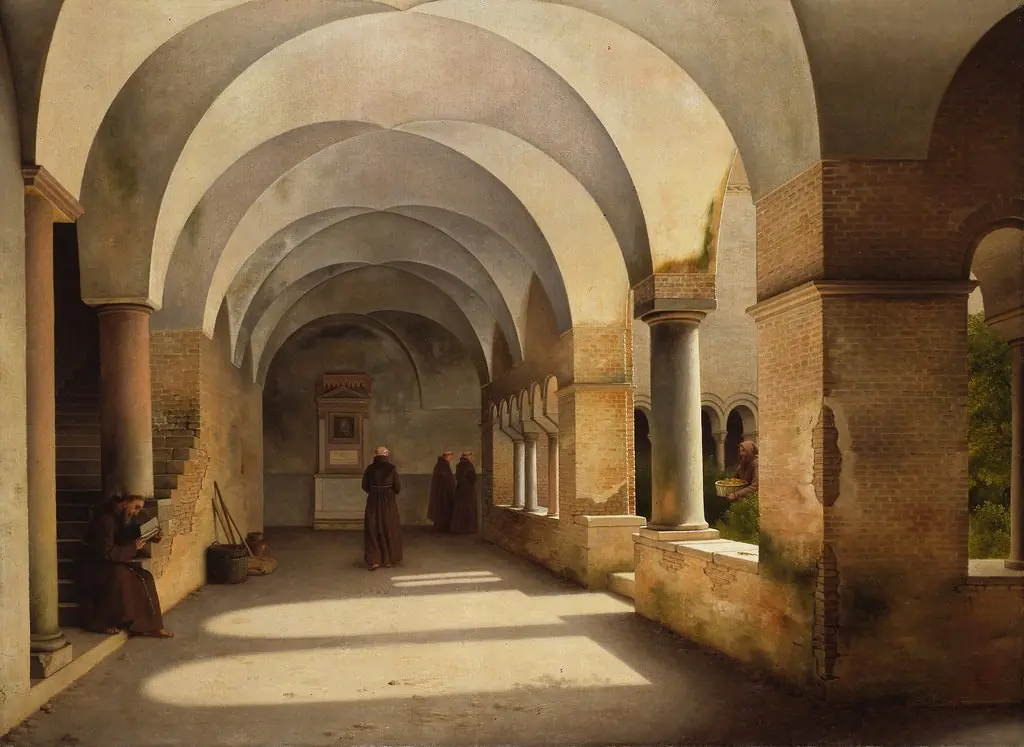
Monastery Interior is an oil painting by François Fleury-Richard. It dates from 1850 and is held in the collection of the Museum of Fine Arts of Lyon. Painted in 1850 by Fleury François Richard, this oil on canvas work depicts an interior space within a disused Franciscan monastery.
About this work
Monastery Interior is a painting by François Fleury-Richard. It was created in 1850 using oil paint.
The painting shows part of a former monastery. This monastery was once home to Franciscan monks and was located on a site now occupied by a music and dance conservatory.
To learn more about the style and techniques used in this painting, look up the technique of glazing.
Overview
Painted in 1850 by Fleury François Richard, this oil on canvas work depicts an interior space within a disused Franciscan monastery. The painting is held in the collection of the Museum of Fine Arts of Lyon. The structure it portrays once stood on land now occupied by the Conservatoire national supérieur de musique et de danse de Lyon, marking a shift from religious to cultural use of the site.
Subject & Meaning
The scene captures the quiet decay of a once-active monastic space, with empty arches, worn stone floors, and shafts of light falling across vacant corridors. Richard emphasizes solitude and the passage of time, inviting contemplation of spiritual absence. The absence of human figures heightens the sense of stillness, transforming architecture into a silent witness to vanished rituals.
Technique & Style
Richard employed oil glazing to achieve subtle tonal transitions and a muted, atmospheric quality. Layers of translucent pigment enhance the play of light across stone surfaces, lending depth to the dim interior. The composition is tightly controlled, with receding arches guiding the viewer’s eye into the depth of the space, reflecting the influence of early 19th-century French academic realism.
History & Provenance
The painting was completed in 1850 and entered the Museum of Fine Arts of Lyon’s collection shortly thereafter. The monastery it depicts, known as the Cordeliers, was dissolved during the French Revolution and later repurposed. Richard’s choice to paint the ruin reflects a broader 19th-century interest in documenting architectural heritage before its transformation or disappearance.
Context
In mid-19th-century France, there was growing public interest in preserving and documenting historical sites amid rapid urban modernization. Richard’s depiction of the Cordeliers monastery aligns with this cultural moment, capturing a space that had lost its original function but retained symbolic weight. The painting serves as a visual record of a changing urban landscape.
Legacy
The painting remains a key example of French academic interest in architectural decay and spiritual memory. While not widely exhibited outside Lyon, it continues to inform scholarly discussions on the representation of religious spaces in post-revolutionary art. Its preservation in a major museum ensures its role as a historical document of both place and perception.
Own this work as a print
Artist & collection
Artist
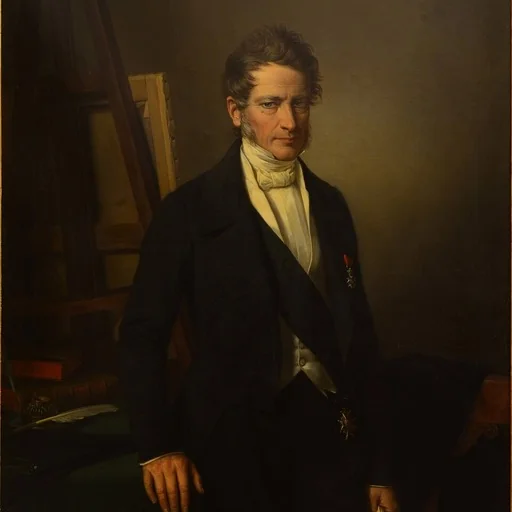
Fleury François Richard (25 February 1777, Lyon – 14 March 1852, Écully), sometimes called Fleury-Richard, was a French painter of the Lyon School.

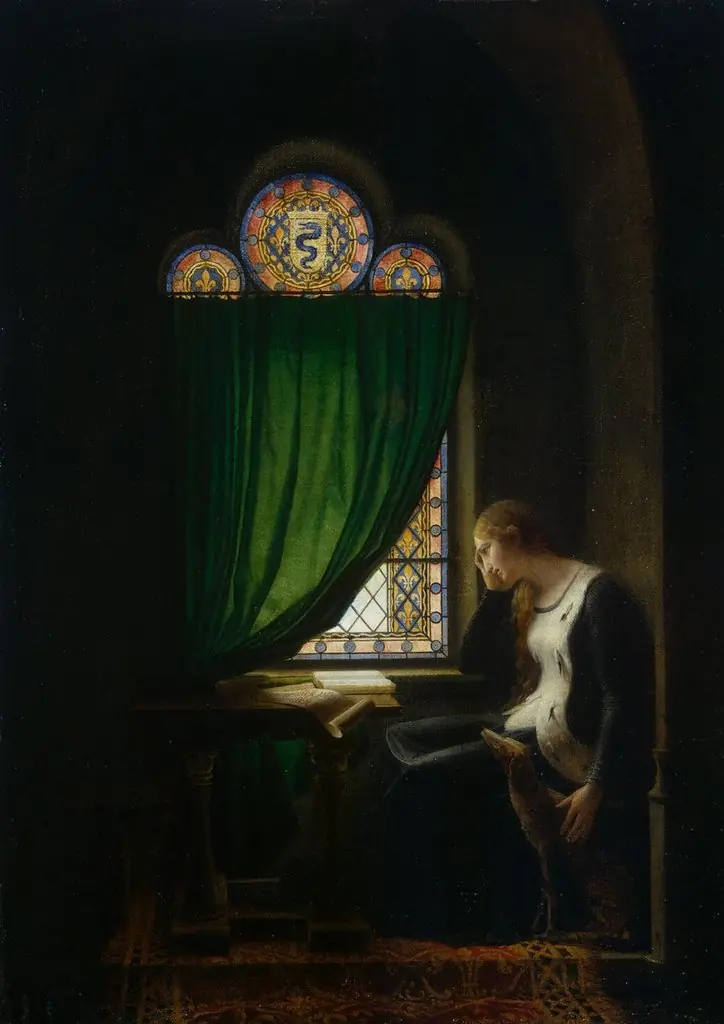 Valentine of Milan Mourning her Husband, the Duke of Orléans
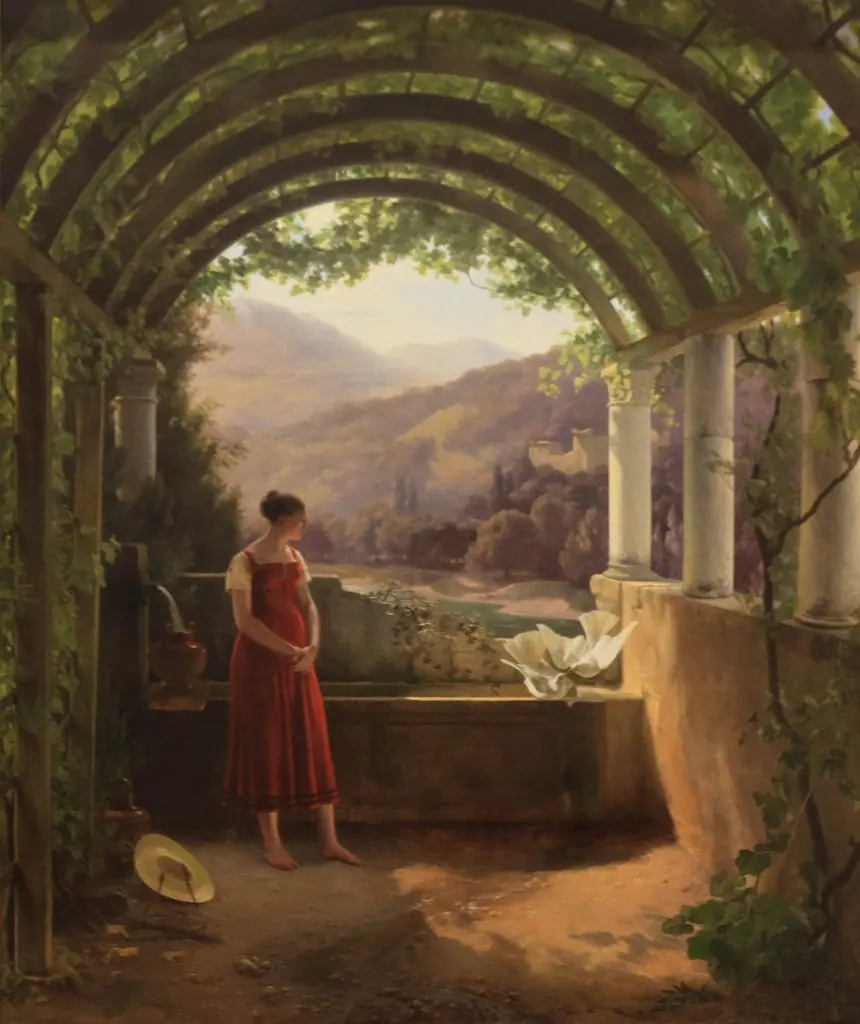 Young Woman at a Fountain
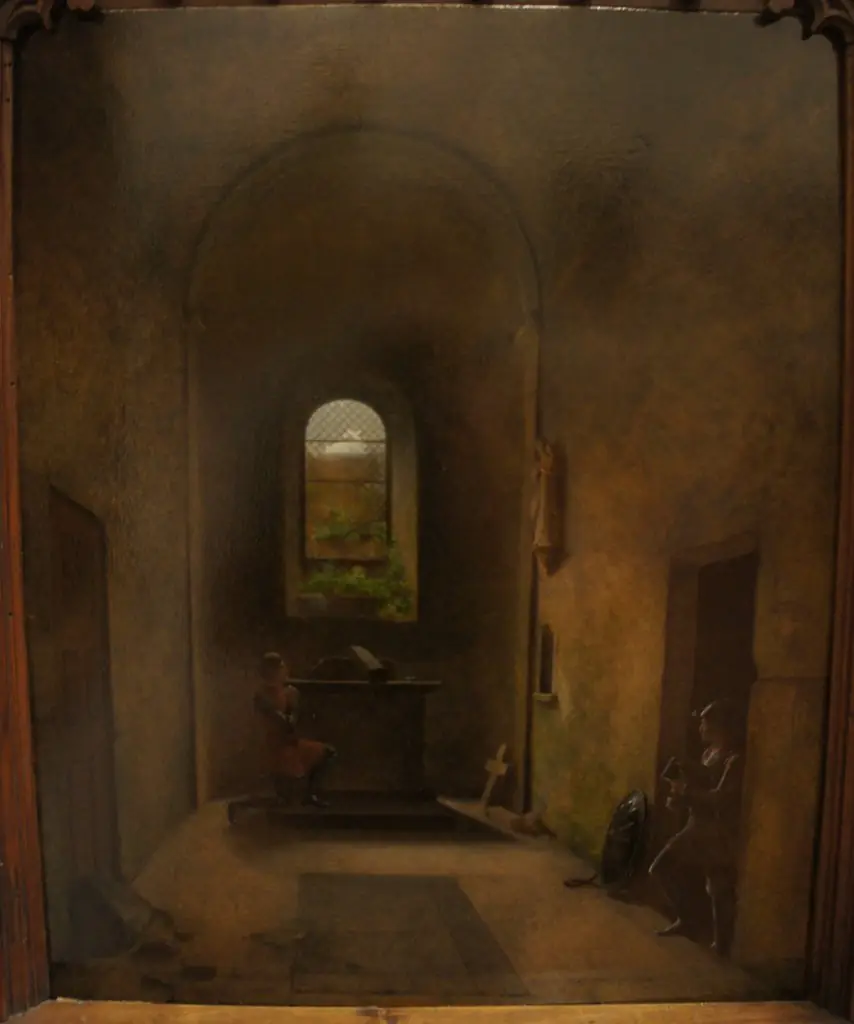 A Knight at Prayer in a Chapel, Preparing Himself for Combat
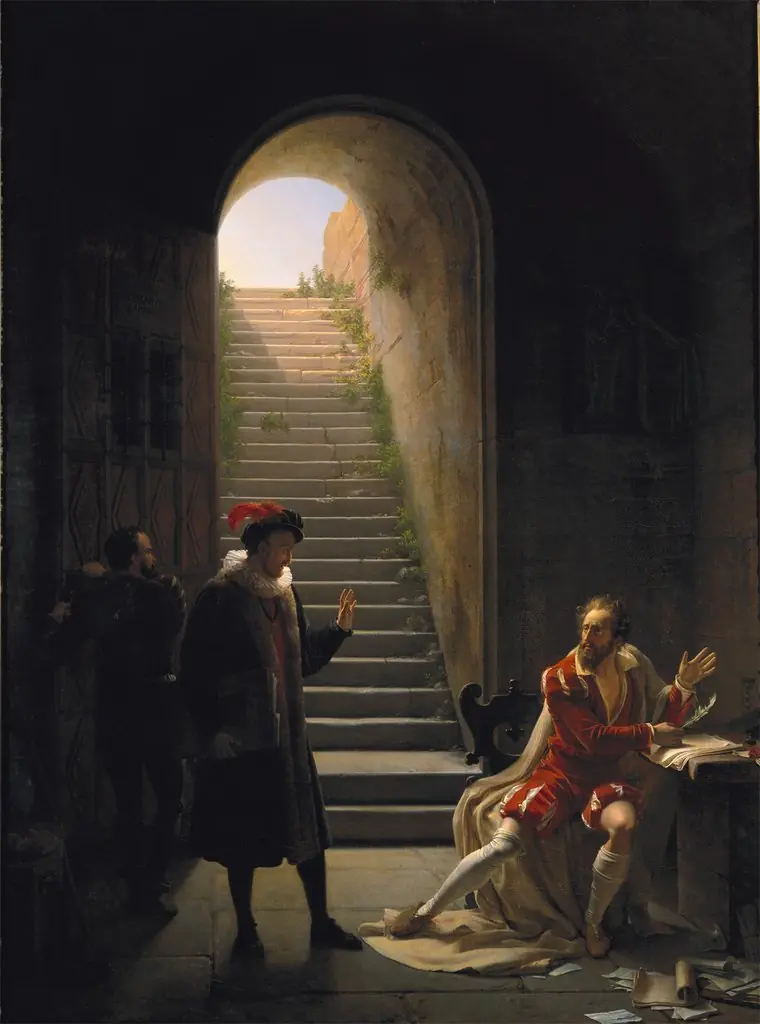 Montaigne Visiting Torquato Tasso in Prison
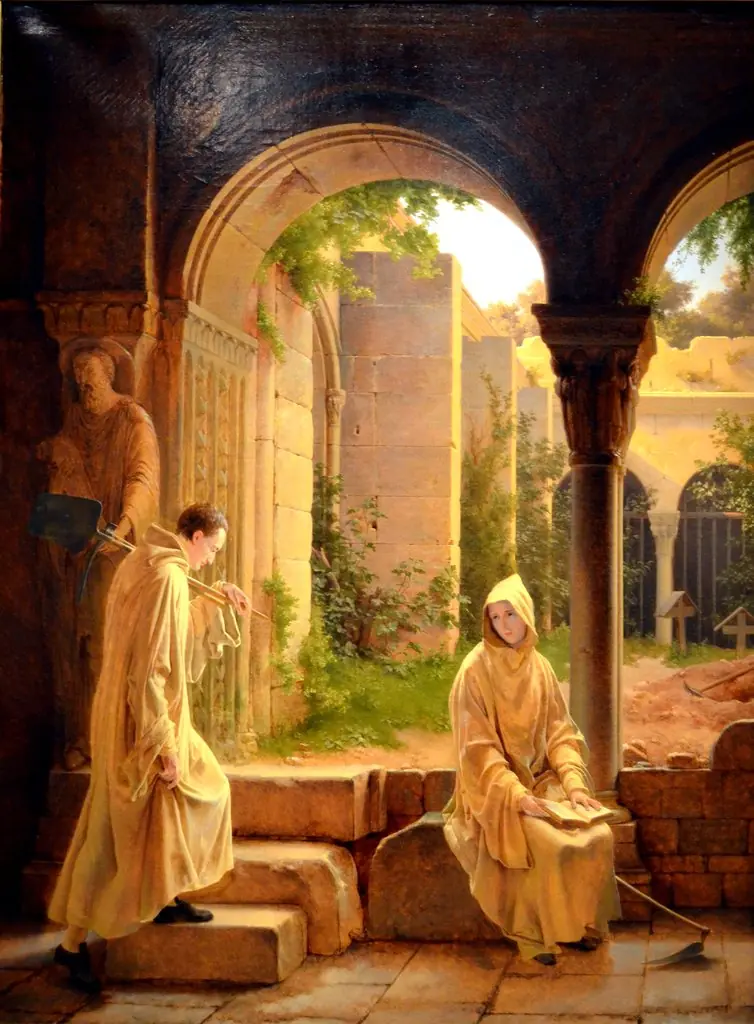 Comminges and Adelaide in the Trappist Monastery
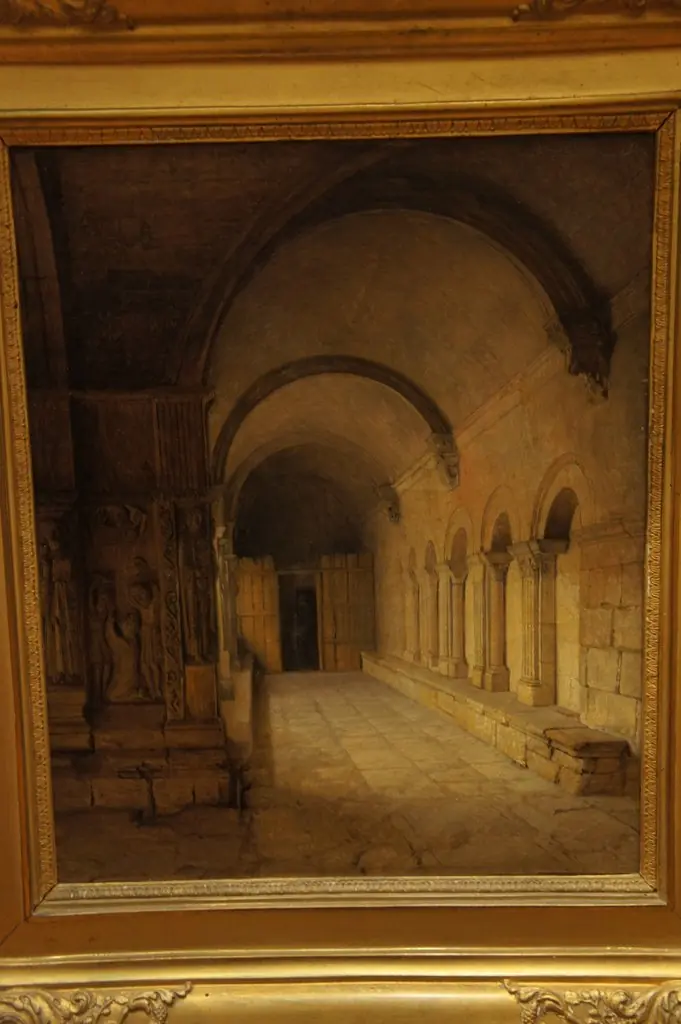 Le Cloître de l'église de Saint-Trophime à Arles
 Vert-Vert
 Valentine de Milan
 A Pergola, Italy
 Gothic Windows in the Ruins of the Monastery at Oybin
 A Roman Alley
 Cloister of the Halberstadt Cathedral
 Villa Dracone at Frascati
 A Roman Alley
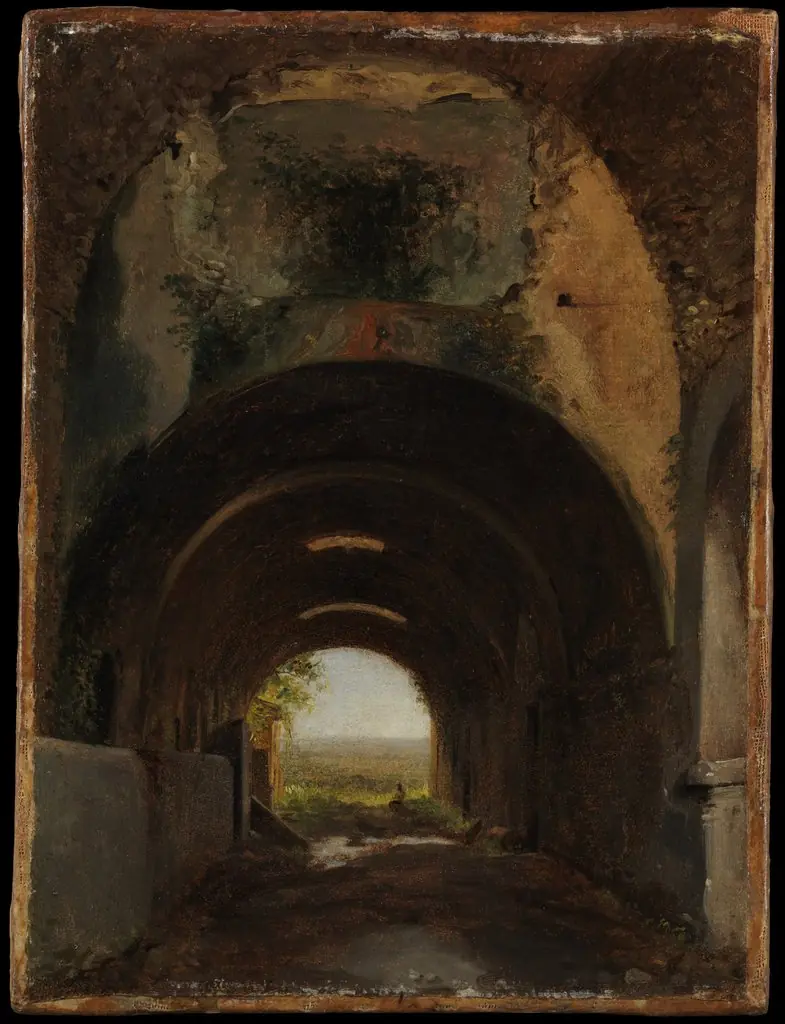 View in the Stables of the Villa of Maecenas, Tivoli
 Norman doorway of St. Mary's Church, Thetford, Suffolk
 Fountain at Jerusalem near the House of Dives
 Old Courtyrad of Antwerp Town Hall
 The Cloisters, San Lorenzo fuori le mura
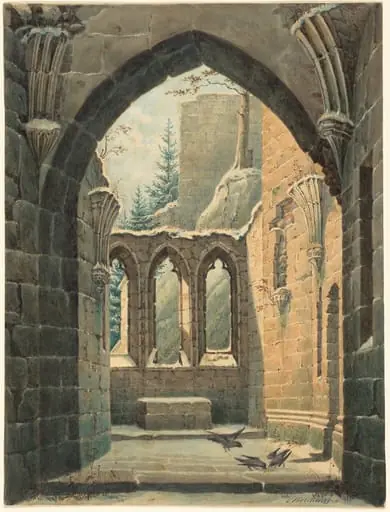 Ruins of the Oybin Monastery in Winter