Artwork
Vert-Vert
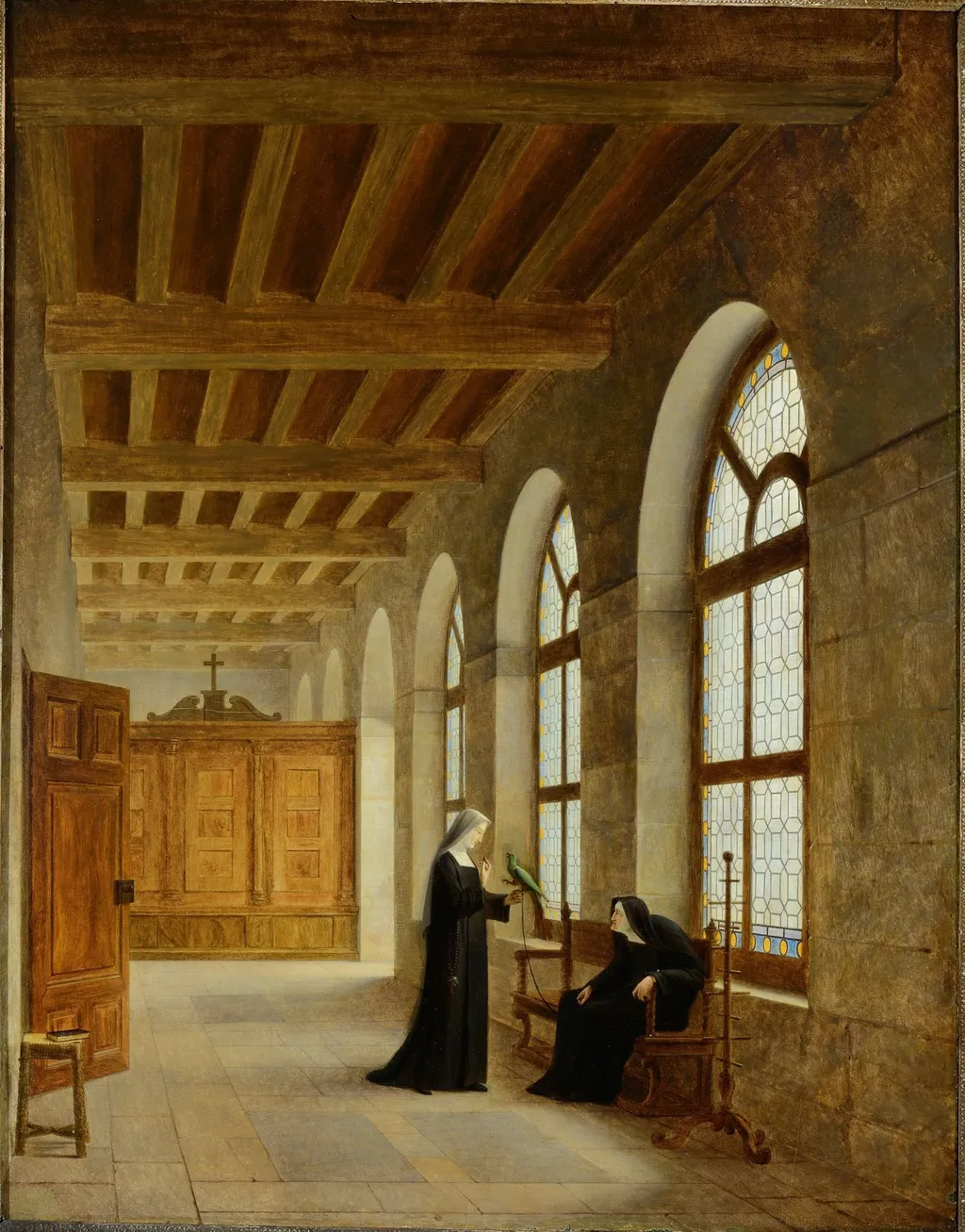
Vert-Vert is an oil painting by the Neoclassicist artist François Fleury-Richard. It dates from 1804 and is held in the collection of the Museum of Fine Arts of Lyon.
About this work
The work takes its name from the parrot hero of Jean‑Baptiste Gresset’s 1734 poem “Vert‑Vert ou le Voyage du Perroquet de Nevers.
Vert‑Vert is an oil painting made in 1804 by French artist François Fleury‑Richard. It depicts an interior scene, rendered in oil on canvas.
The work takes its name from the parrot hero of Jean‑Baptiste Gresset’s 1734 poem “Vert‑Vert ou le Voyage du Perroquet de Nevers.” The painting has been part of the Museum of Fine Arts of Lyon’s collection since 1820.
If you’re curious about the artist, check out François Fleury‑Richard.
Overview
Painted in 1804 by French artist Fleury François Richard, Vert-Vert is an oil on canvas work that portrays a quiet interior scene centered on a parrot. The painting draws its title from a popular 18th-century poem by Jean-Baptiste Gresset, which tells the story of a pet parrot’s journey and longing for home. Since 1820, the painting has been held in the collection of the Museum of Fine Arts of Lyon.
Subject & Meaning
The painting captures a parrot perched in a domestic setting, its vivid green plumage contrasting with the muted tones of the room. The bird’s gaze and posture suggest melancholy, echoing the poem’s theme of exile and yearning. Rather than illustrating a narrative moment, Richard evokes emotional stillness, inviting viewers to reflect on absence and attachment through the animal’s silent presence.
Technique & Style
Richard employs a restrained palette and soft lighting to create a contemplative atmosphere. The parrot is rendered with careful attention to feather texture and naturalistic detail, while the background remains loosely defined, drawing focus to the central figure. The brushwork is precise yet unobtrusive, aligning with early 19th-century French academic traditions that favored emotional subtlety over dramatic flair.
History & Provenance
The painting entered the Museum of Fine Arts of Lyon’s collection in 1820, following its acquisition from the artist’s estate. It was among the early works acquired by the museum to build a representative collection of French painting. Its presence in the institution has remained continuous since then, reflecting its recognized cultural value within regional collections of the period.
Context
In early 19th-century France, literary subjects in visual art were increasingly popular, especially those drawn from sentimental or moral tales. Gresset’s poem, though written decades earlier, remained widely known and was often referenced in artistic circles. Richard’s choice to depict the parrot rather than a human figure aligns with a growing interest in animals as vessels of emotional expression.
Legacy
Vert-Vert remains a notable example of how literature influenced visual art in post-Revolutionary France. While not widely reproduced or celebrated beyond regional collections, it endures as a quiet testament to the period’s fascination with domestic emotion and the symbolic potential of animals. Its sustained presence in Lyon underscores its role in the museum’s foundational narrative.
Own this work as a print
Artist & collection
Artist
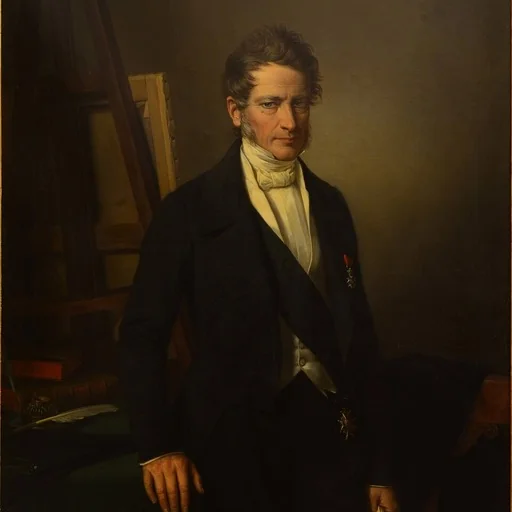
Fleury François Richard (25 February 1777, Lyon – 14 March 1852, Écully), sometimes called Fleury-Richard, was a French painter of the Lyon School.

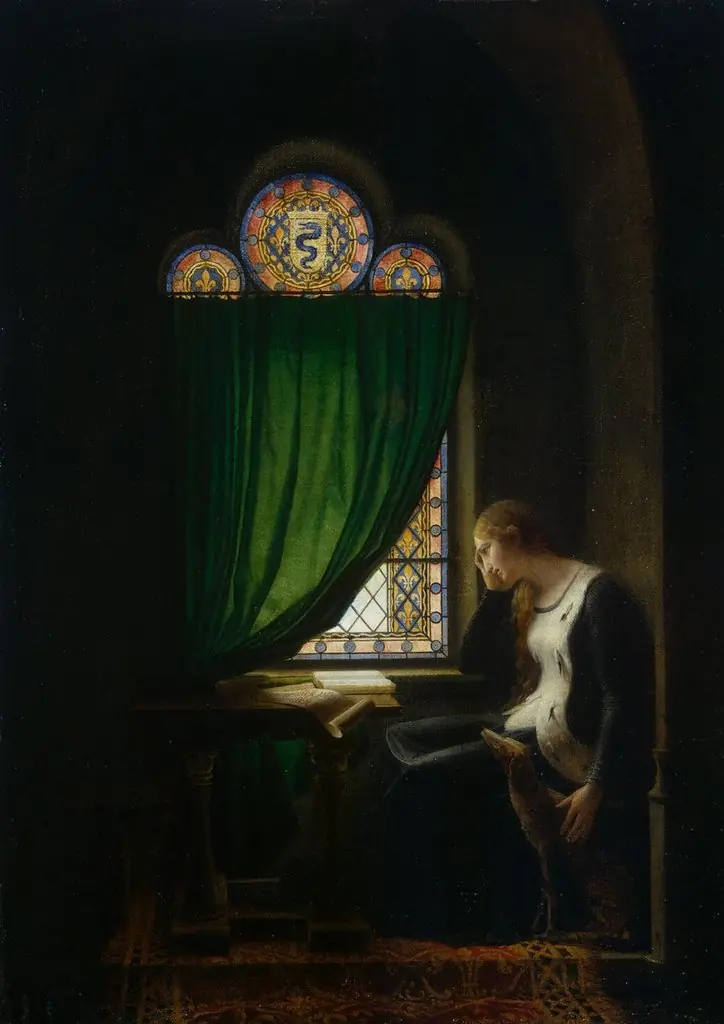 Valentine of Milan Mourning her Husband, the Duke of Orléans
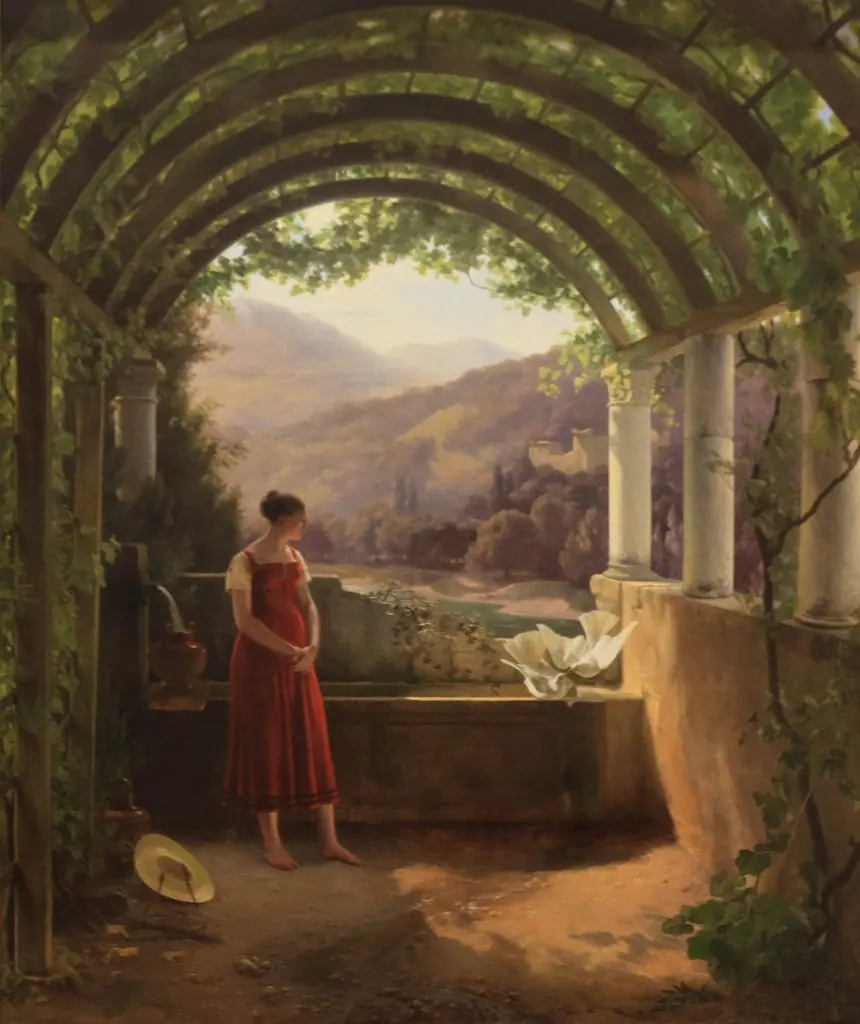 Young Woman at a Fountain
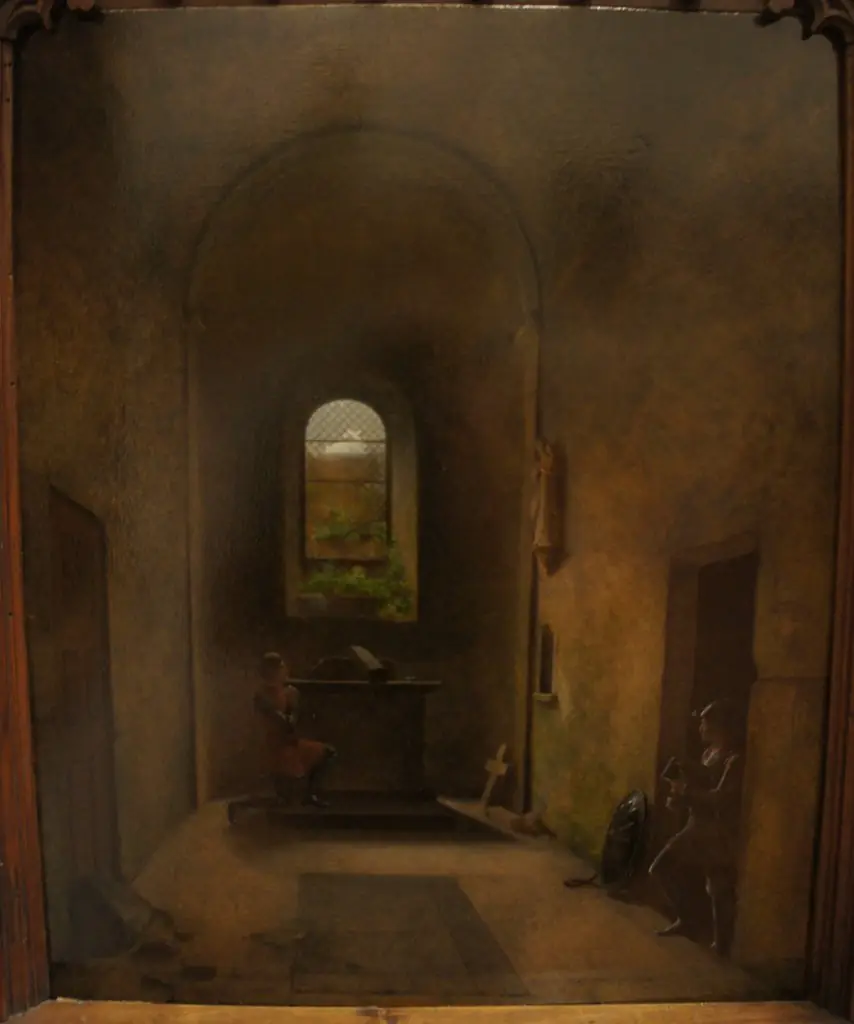 A Knight at Prayer in a Chapel, Preparing Himself for Combat
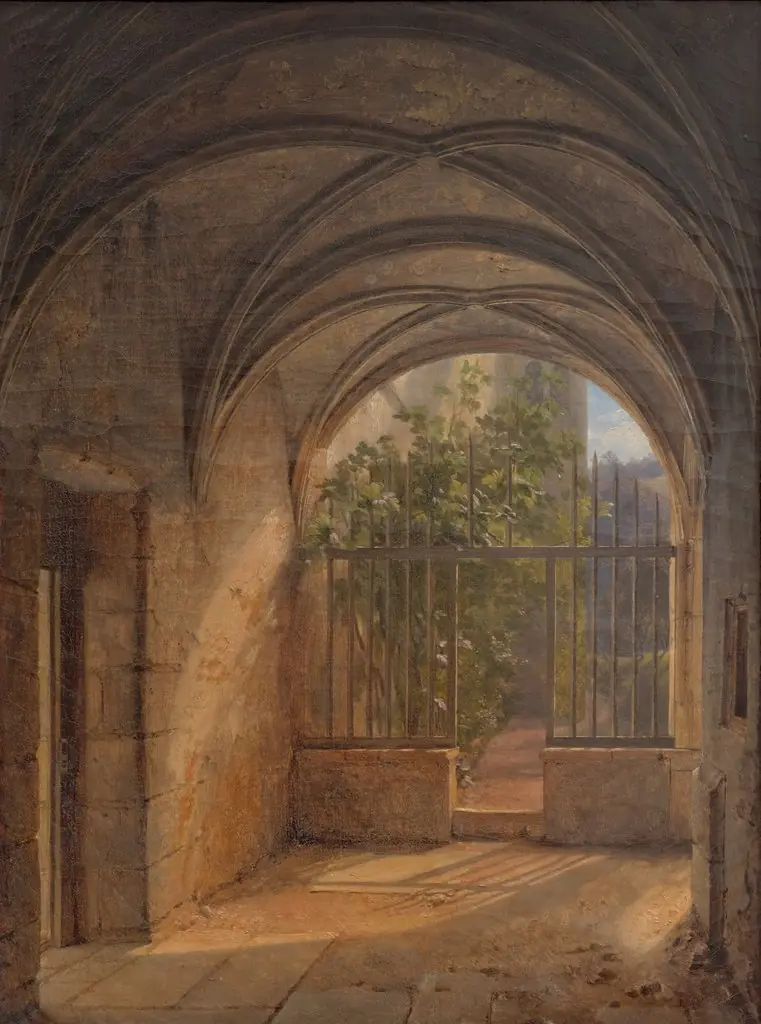 Monastery Interior
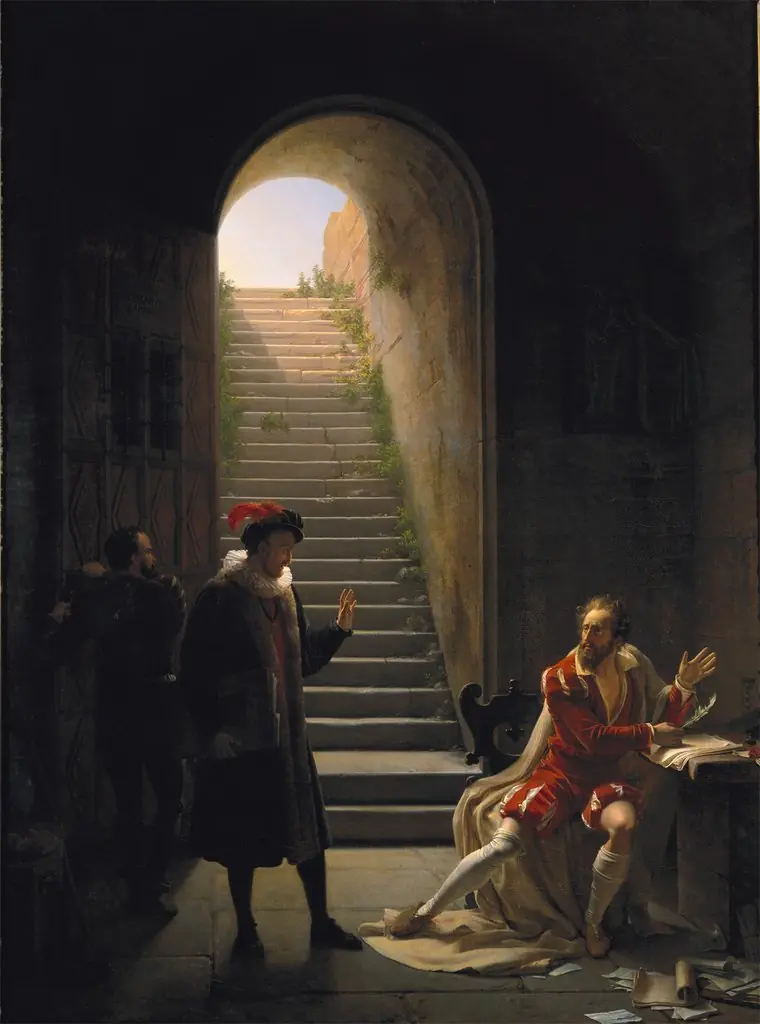 Montaigne Visiting Torquato Tasso in Prison
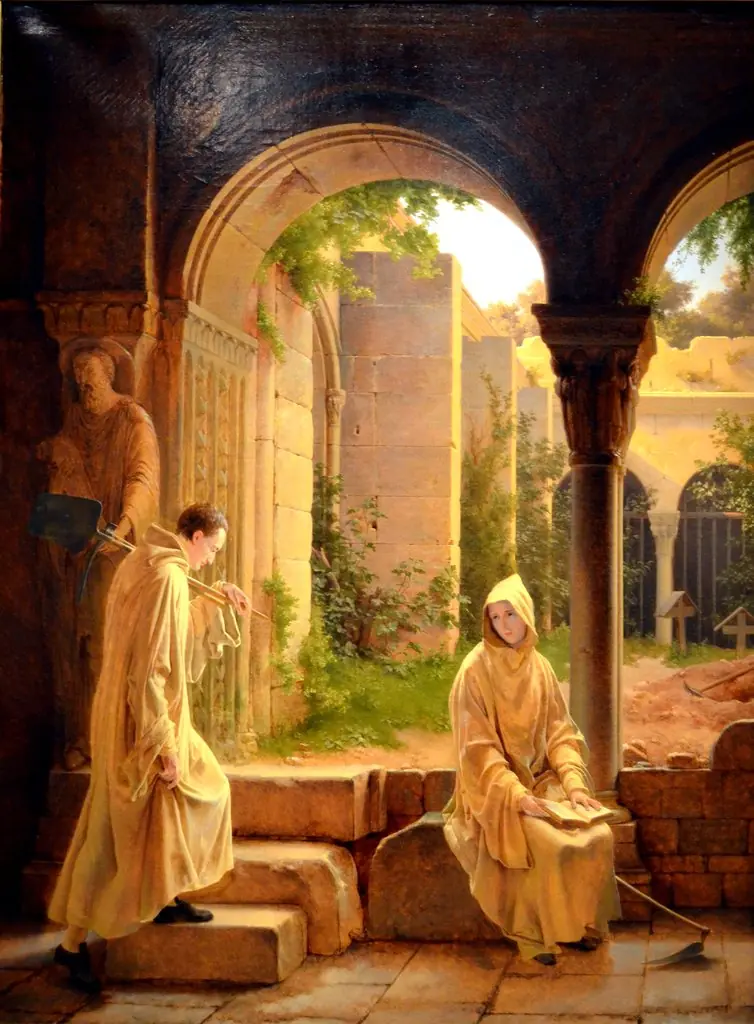 Comminges and Adelaide in the Trappist Monastery
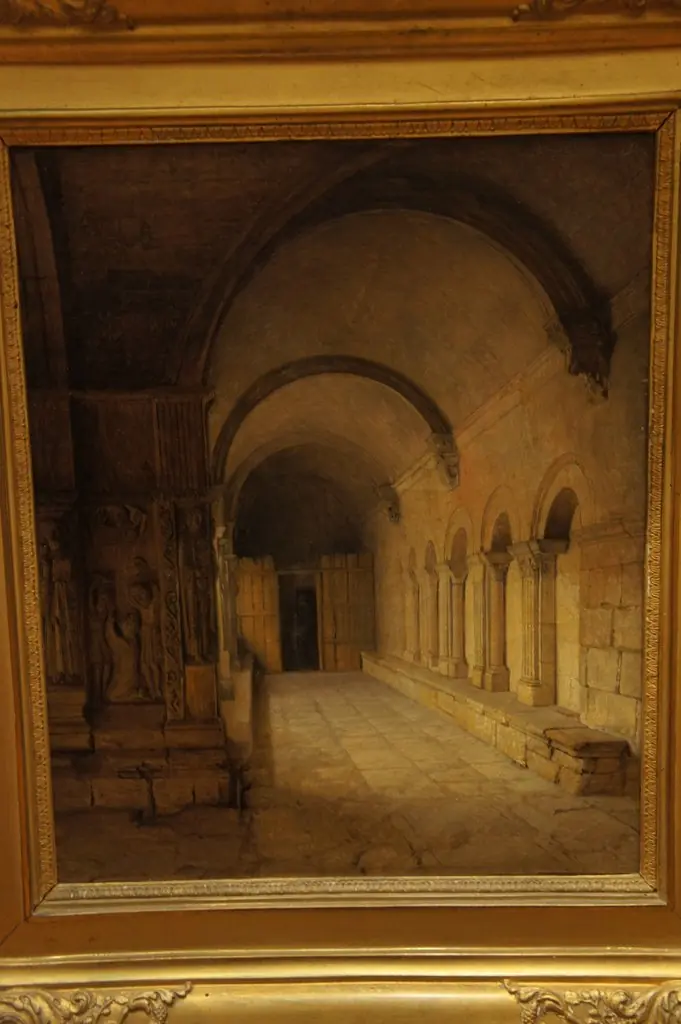 Le Cloître de l'église de Saint-Trophime à Arles
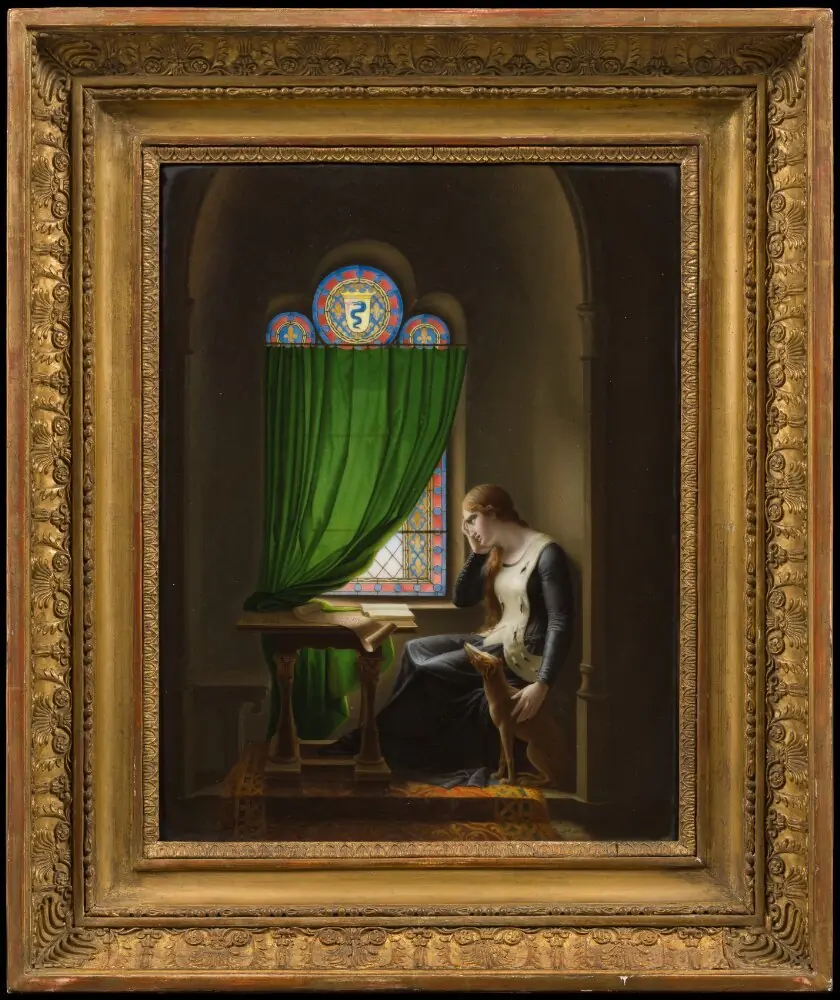 Valentine de Milan
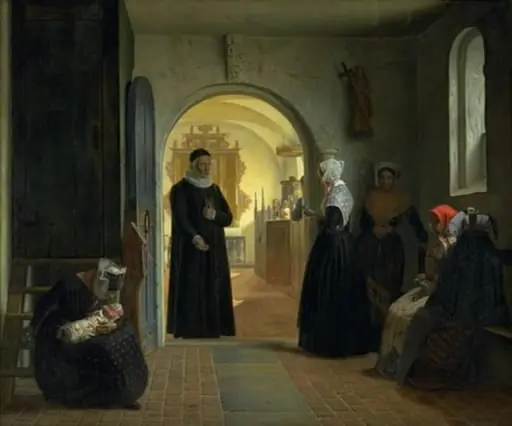 A Woman's Solemn Churching after Childbirth
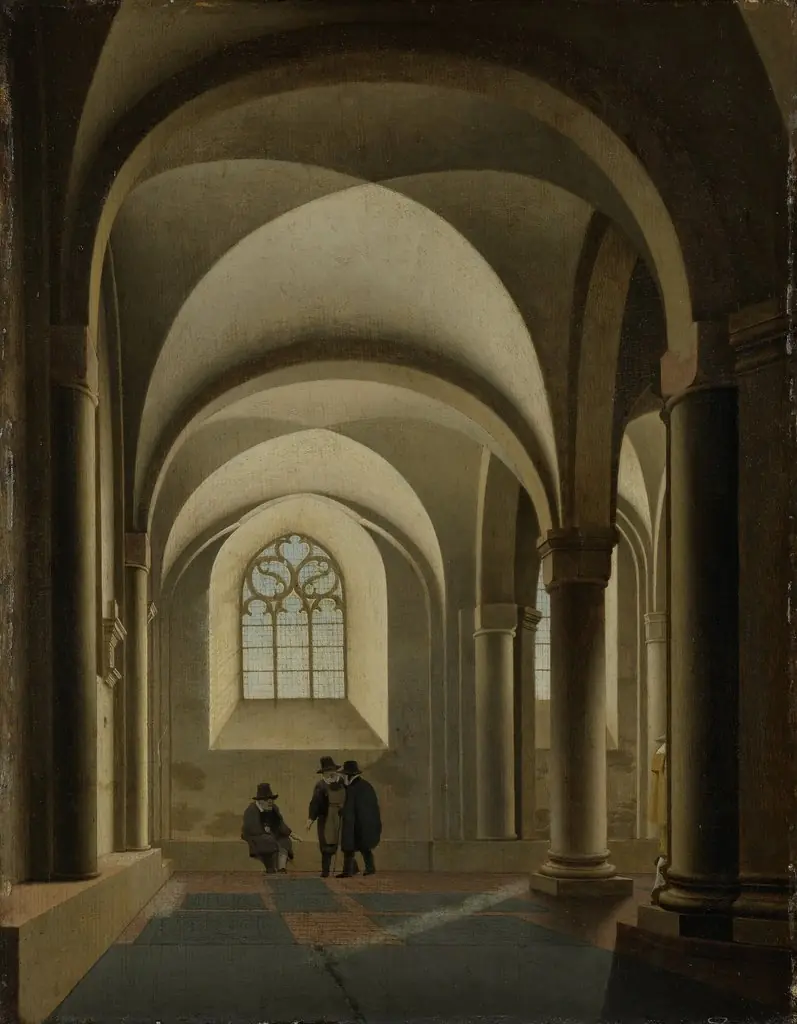 The westernmost bays of the south aisle of the Mariakerk in Utrecht
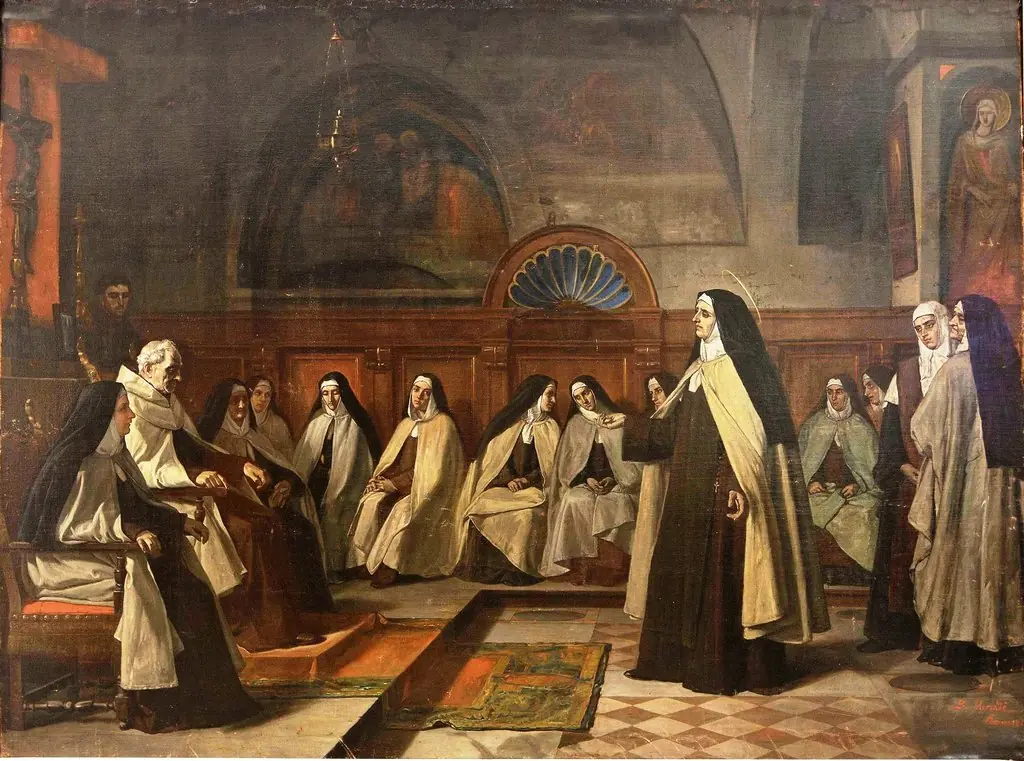 Santa Teresa de Jesús
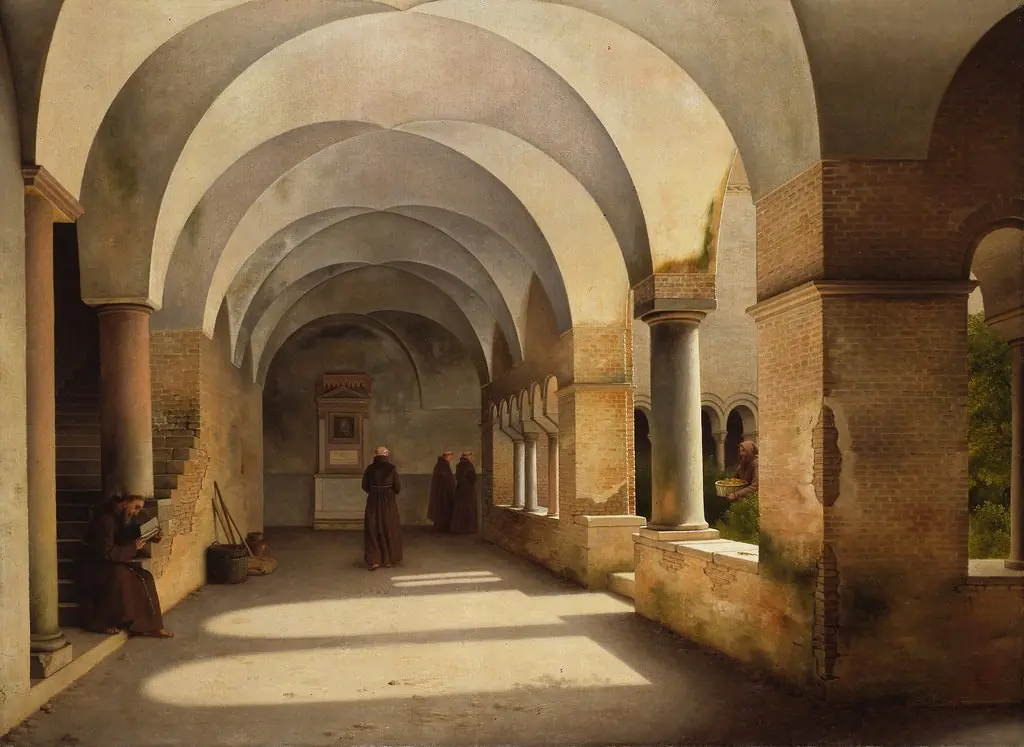 The Cloisters, San Lorenzo fuori le mura
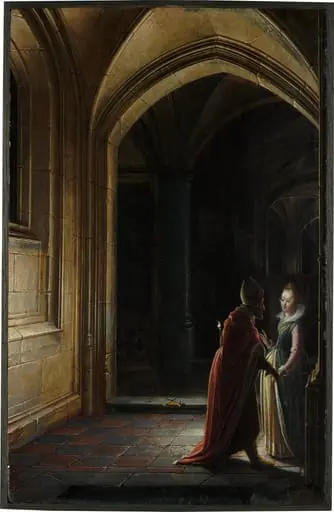 Esther and Mordecai
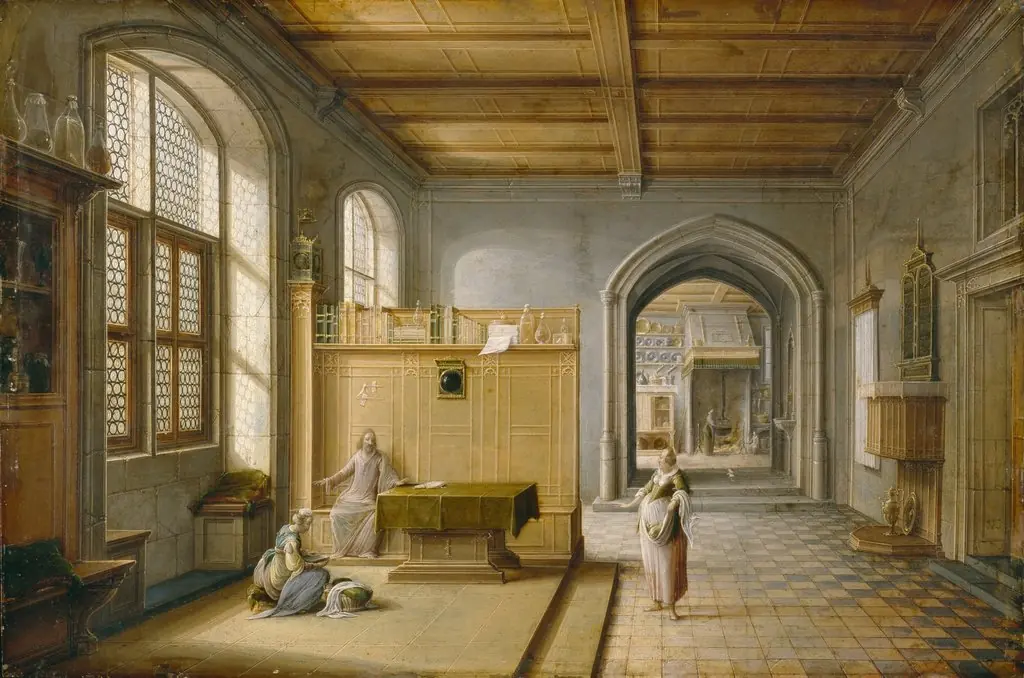 Christ in the House of Martha and Mary
 Soeur Jeanne
 Szene aus dem Leben des Hl. Vinzenz Ferrer: Durch Aufregungen infolge des Schismas erkrankt der Heilige; er wird am Krankenbett vom Heiligen Dominikus besucht und von Christus geheilt
 Soeur Jeanne
 Interior of the Church of Saint Paul in Antwerp
 A Woman's Solemn Churching after Childbirth
 The Cloisters, San Lorenzo fuori le mura