Artwork
Renault de Beaune, Archbishop of Bourges (1527 - 1609)
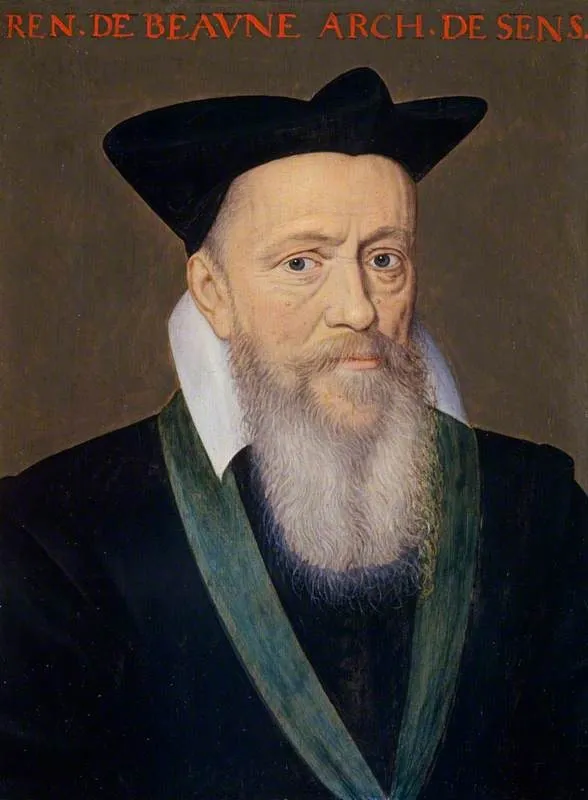
Renault de Beaune, Archbishop of Bourges (1527 - 1609) is an oil painting by the Early Baroque Italian artist François Quesnel. It dates from 1591 and is held in the collection of the National Galleries Scotland.
About this work
The background of the painting is a muted brown color, which helps to draw attention to the subject's face and clothing.
This portrait painting depicts a man with a white beard and a black hat, wearing a black robe with a green sash. The man's face is the central focus of the image, with his eyes looking directly at the viewer.
The background of the painting is a muted brown color, which helps to draw attention to the subject's face and clothing. The overall effect is one of simplicity and elegance, with the subject's features and attire taking center stage.
For more information on the artist who created this portrait, look up François Quesnel (French, 1543–1619).
Overview
François Quesnel’s oil portrait from 1591 presents Renaud de Beaune, who served as Archbishop of Bourges. The work is part of the Scottish National Gallery’s collection and measures the late‑sixteenth‑century French portrait tradition.
Subject & Meaning
The sitter, Renaud de Beaune (1527‑1609), is shown with a white beard, black hat and ecclesiastical robes accented by a green sash. His direct gaze engages the viewer, emphasizing his authority and personal presence within the clerical hierarchy.
Technique & Style
Executed in oil on canvas, the painting employs a restrained palette of muted browns for the background, allowing the dark garments and flesh tones to dominate. Quesnel’s handling of light highlights the facial features and the texture of the fabric, creating a calm, dignified atmosphere.
History & Provenance
Created in 1591, the portrait entered the Scottish National Gallery’s holdings in the twentieth century, though earlier ownership records are sparse. Its presence in a public museum ensures continued scholarly access and public viewing.
Context
The portrait reflects the French Renaissance’s interest in realistic individual representation, particularly for high‑ranking clergy. Quesnel, a French painter active in Scotland and England, often combined courtly elegance with precise observation, situating this work within cross‑Channel artistic exchange.
Artist & collection

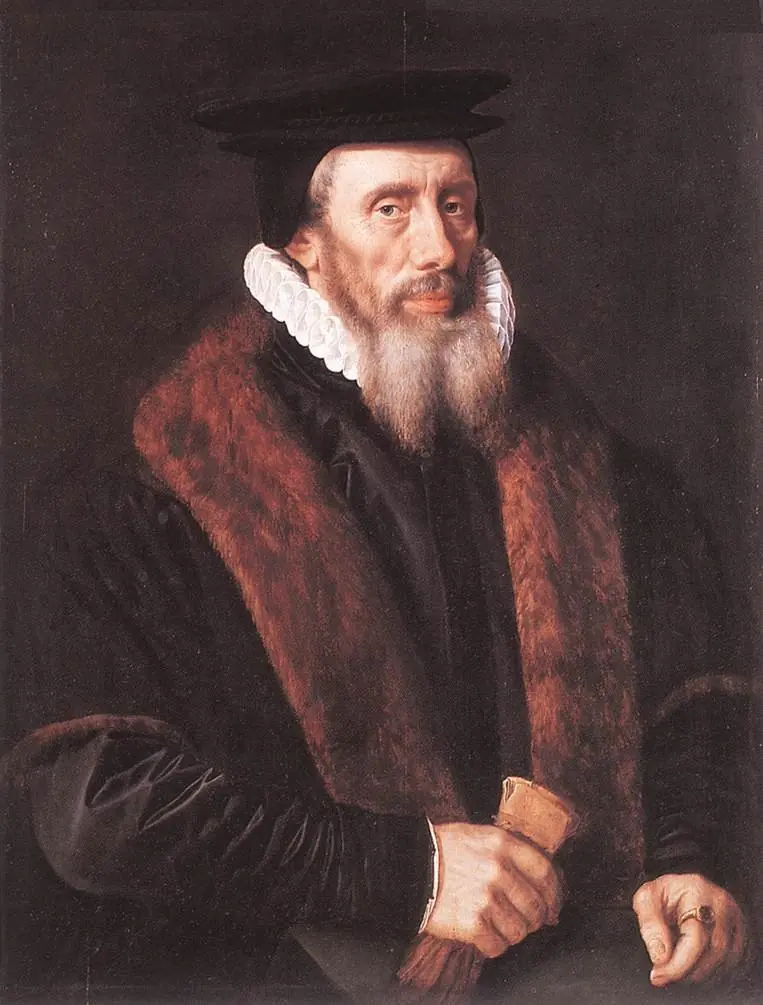 Portrait of a Man
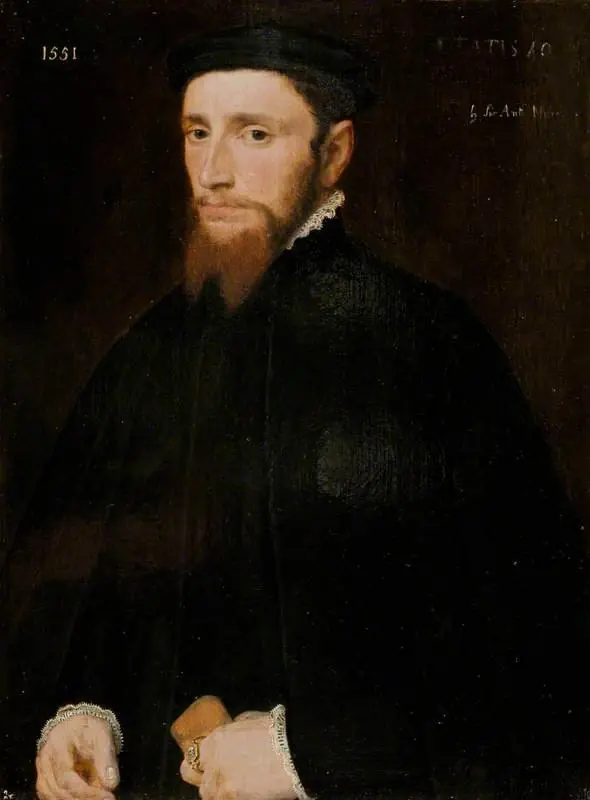 Portrait of a Man, called Mark Ker (died 1584)
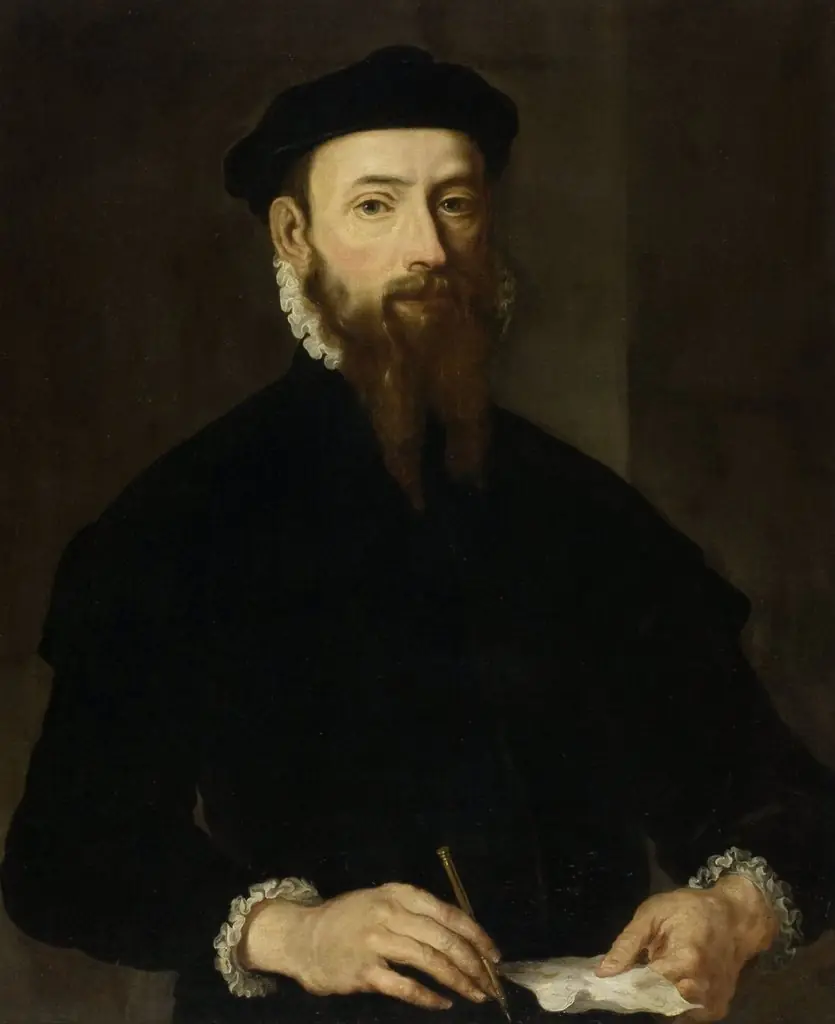 Portrait of a Man
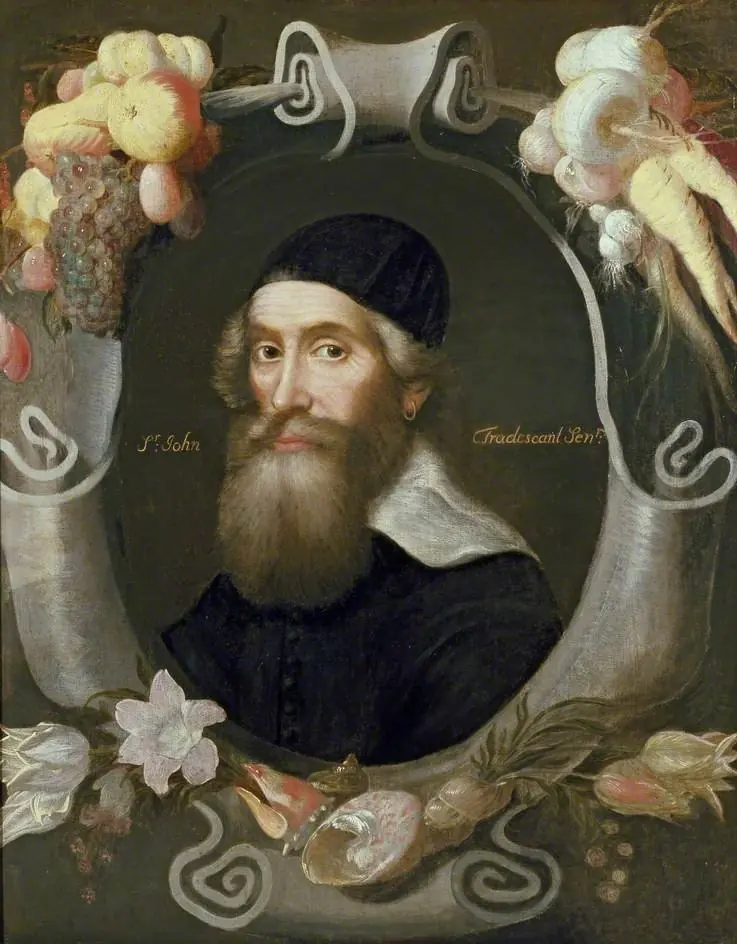 John Tradescant the Elder
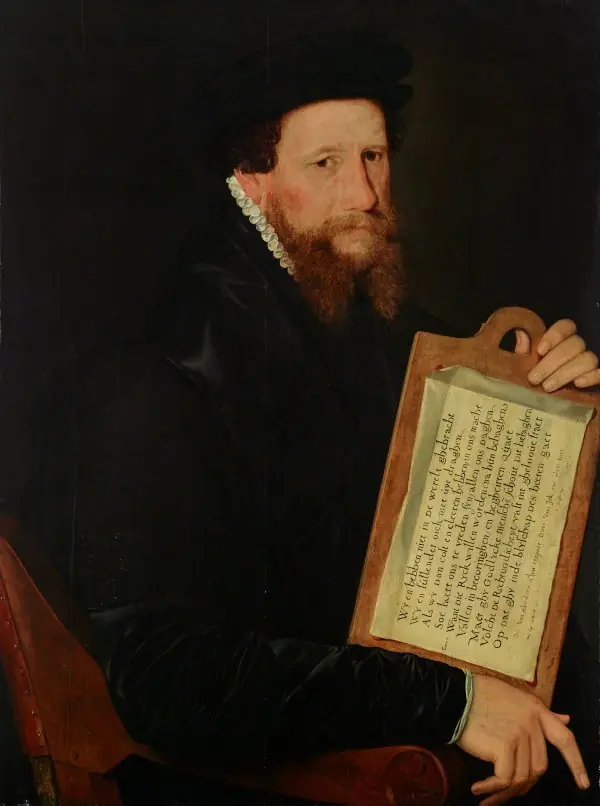 Portrait of a Protestant minister of religion
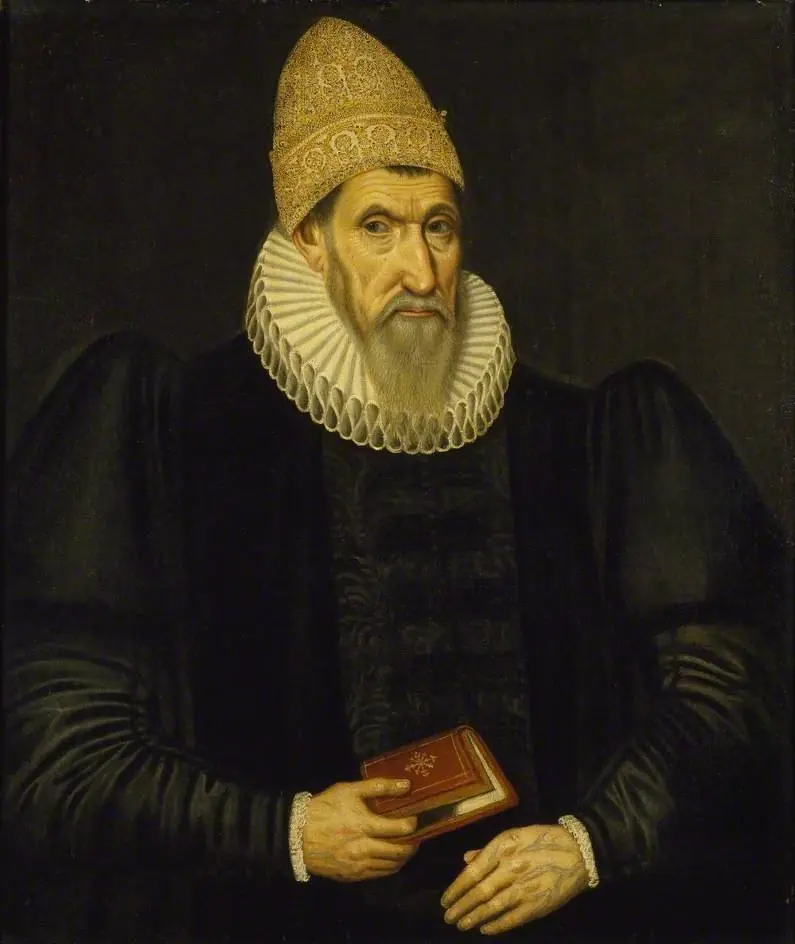 Richard Napier
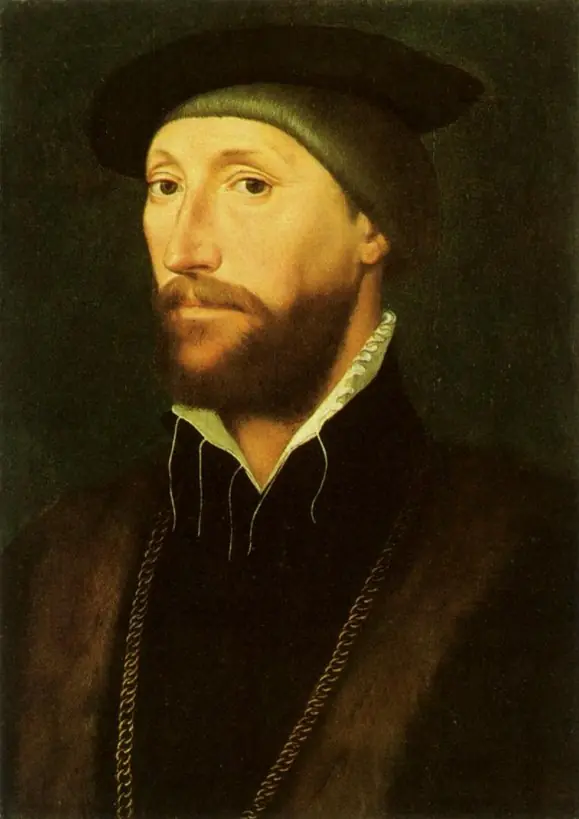 Portrait of Sir Thomas Le Strange
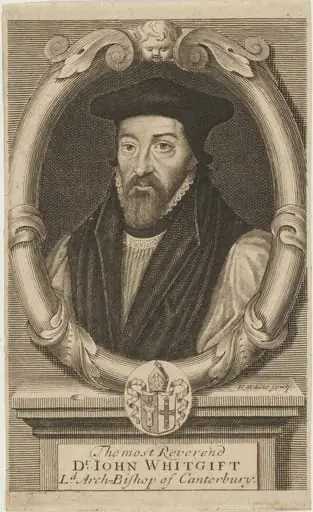 John Whitgift, D.D., Archbishop of Canterbury
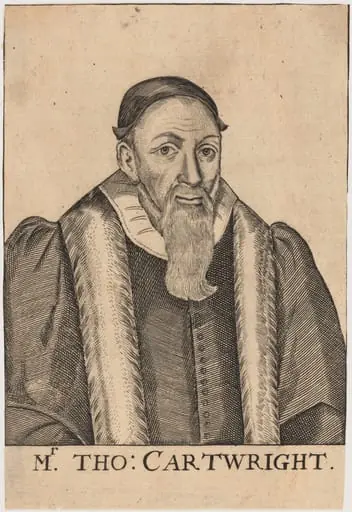 Thomas Cartwright, Puritan Divine
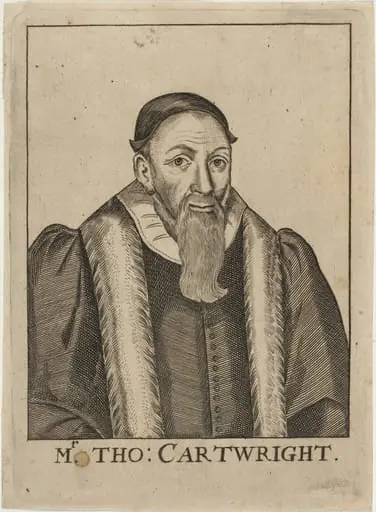 Thomas Cartwright, Puritan Divine
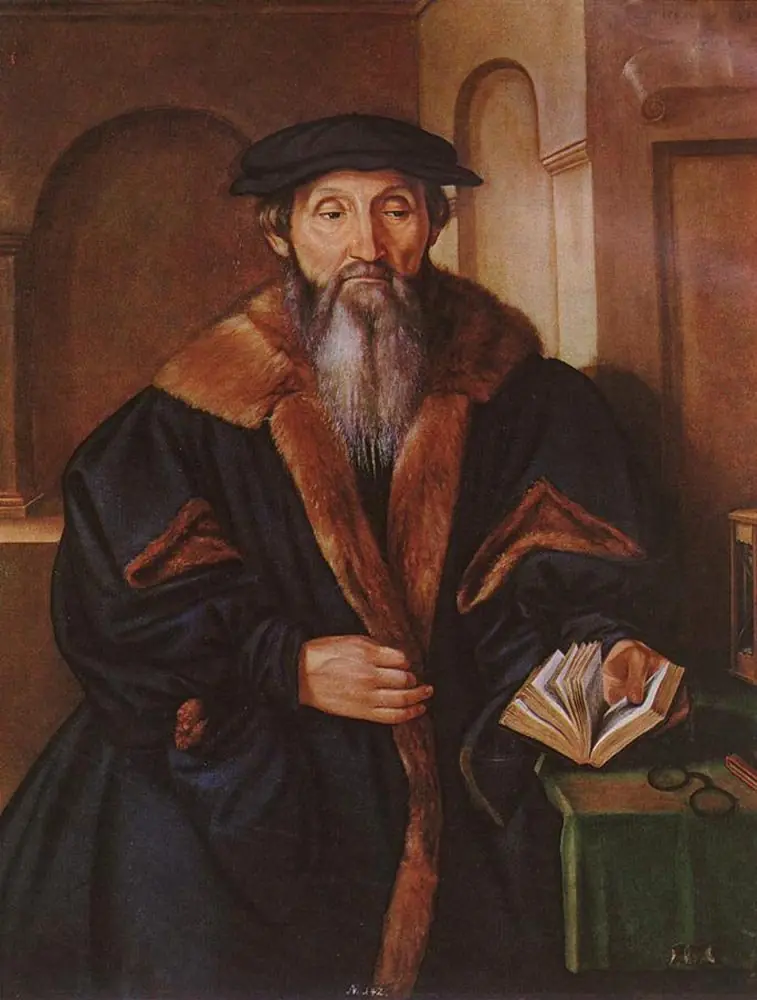 Portrait of a Man
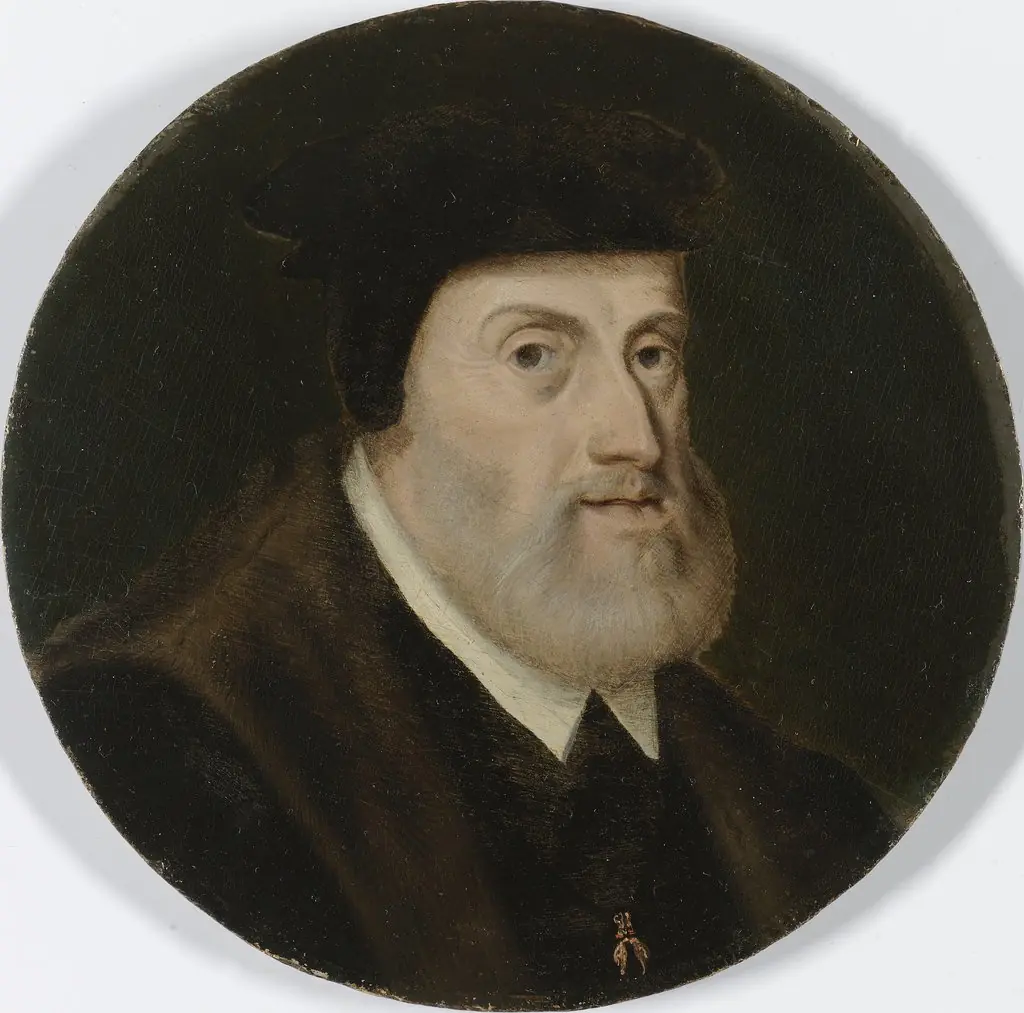 Portrait of Charles V (1500-58), emperor of the Holy Roman Empire