Artwork
John Whitgift, D.D., Archbishop of Canterbury
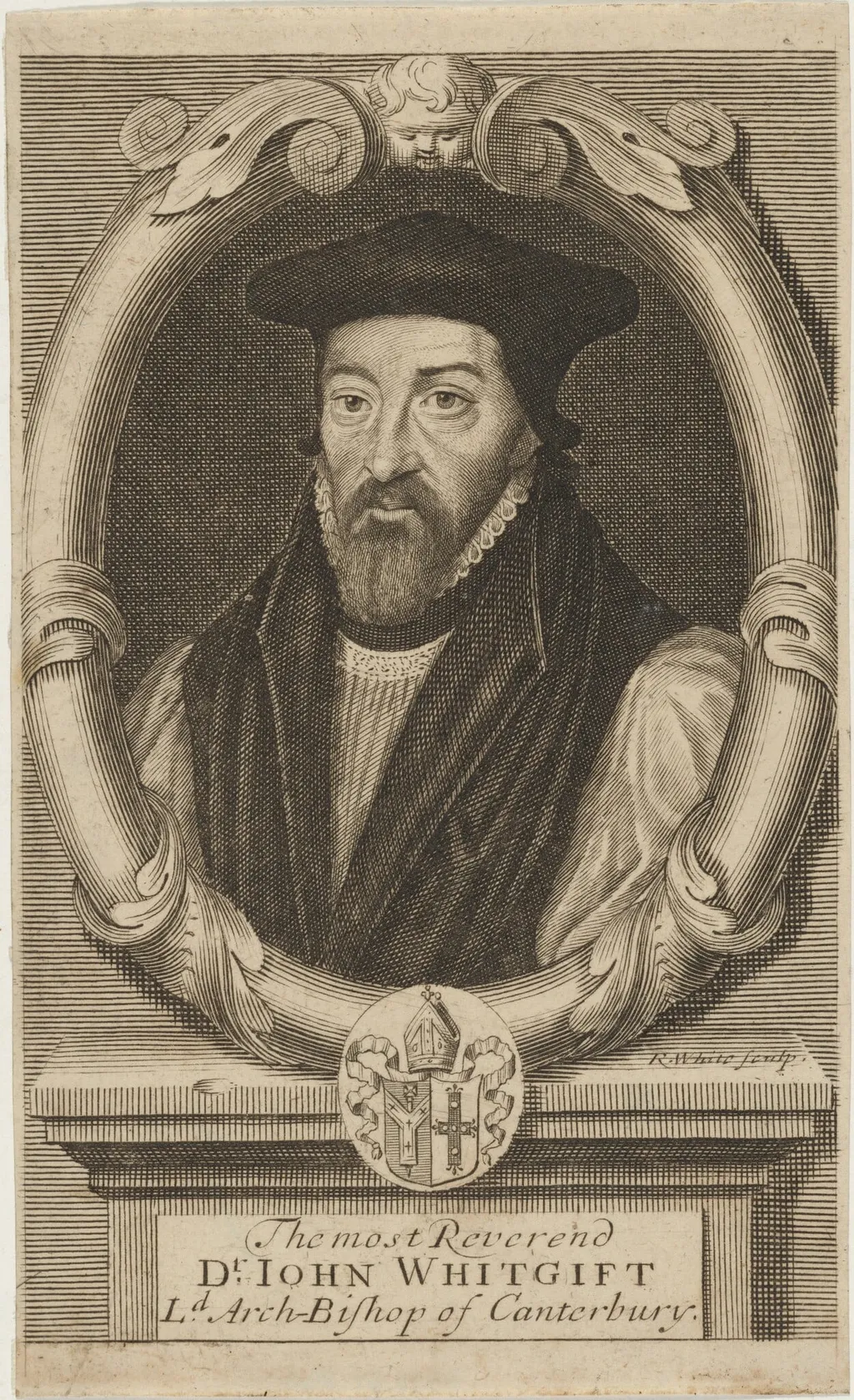
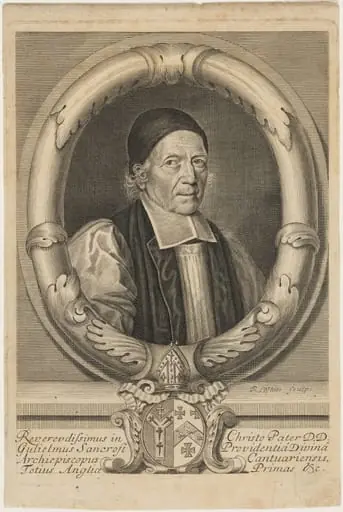
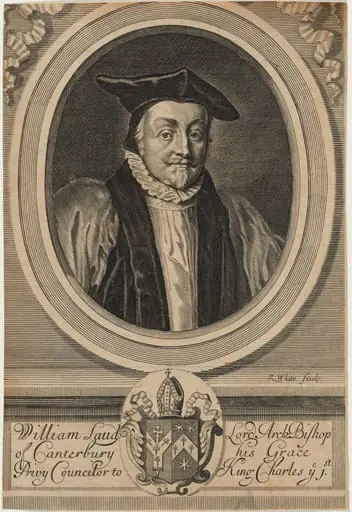
John Whitgift, D.D., Archbishop of Canterbury is an ink print by the Baroque artist Robert White. It dates from 1699 and is held in the collection of the National Gallery of Art.
About this work
Overview
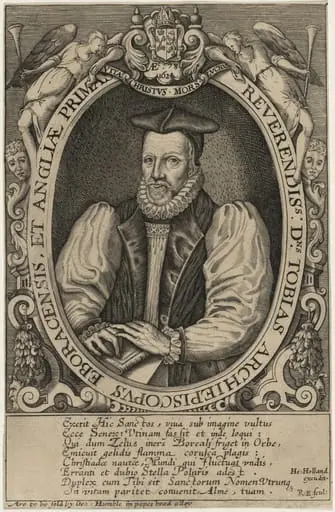
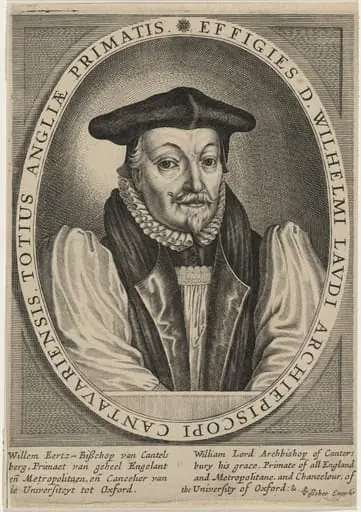
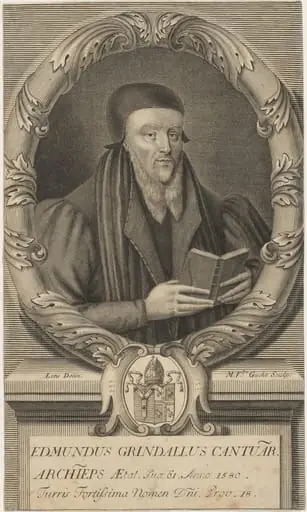
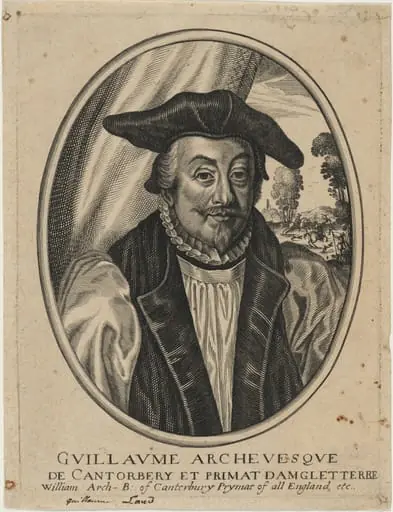
This 1699 engraving by Robert White presents John Whitgift, Archbishop of Canterbury, in formal ecclesiastical attire.
This 1699 engraving by Robert White presents John Whitgift, Archbishop of Canterbury, in formal ecclesiastical attire. Executed in black ink on paper, the portrait follows the conventions of late 17th-century British printmaking. White, trained under David Loggan, specialized in translating delicate pencil studies into precise engraved images. The work is one of several portraits he produced of prominent religious and political figures during his career.
Subject & Meaning
John Whitgift, who served as Archbishop from 1583 until his death in 1604, is depicted with the dignity befitting his office. His full beard and starched collar reflect the austere piety of Elizabethan clergy. The small shield beneath him, bearing a building topped with a cross, likely symbolizes the Church of England’s institutional authority. The inscription identifies him formally, reinforcing his ecclesiastical status within a culture that valued lineage and title.
Technique & Style
White employed fine, controlled lines to render texture and volume, particularly in the beard and the wide-brimmed hat. The engraving’s tonal gradations are achieved through hatching and cross-hatching, not wash or tone. Hands rest gently on the frame’s edge, anchoring the figure within the composition. The flat background and minimal detail focus attention on the face and attire, characteristic of portrait engravings designed for reproduction and dissemination.
History & Provenance
Created in 1699, nearly a century after Whitgift’s death, the print was part of a broader revival of interest in Tudor and early Stuart religious figures. White, active in London as a leading engraver, produced this image likely from earlier portraits or descriptions. It was intended for scholarly or devotional use, circulating among clergy and collectors. The print survives in several institutional collections, including the British Museum and the National Portrait Gallery.
Context
In late 17th-century England, portrait engravings served as tools of historical memory and religious identity. After the Restoration, there was renewed interest in the Church of England’s foundational figures. White’s work aligned with this trend, offering accessible, standardized images of past bishops. His technique reflected the precision valued in scientific and scholarly illustration, bridging art and documentation in an age of emerging print culture.
Legacy
Robert White’s engravings, including this portrait, helped define the visual language of English ecclesiastical portraiture in the decades before his death in 1703. Though not widely reproduced today, his prints were influential among contemporaries for their clarity and restraint. This image remains a key example of how post-Reformation religious authority was visually codified through print, preserving the likeness of figures whose influence extended beyond their lifetimes.
Artist & collection
Artist
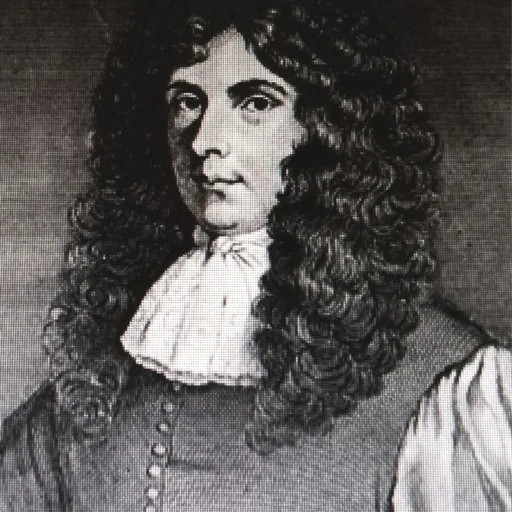
Robert White (1645 – 1703) was an English draughtsman and engraver. A Londoner, he was a pupil of David Loggan, and became a leading portrait engraver. White was celebrated for his original portraits, drawn in pencil on…