Artwork
Portrait de la générale Clarke avec ses quatre enfants
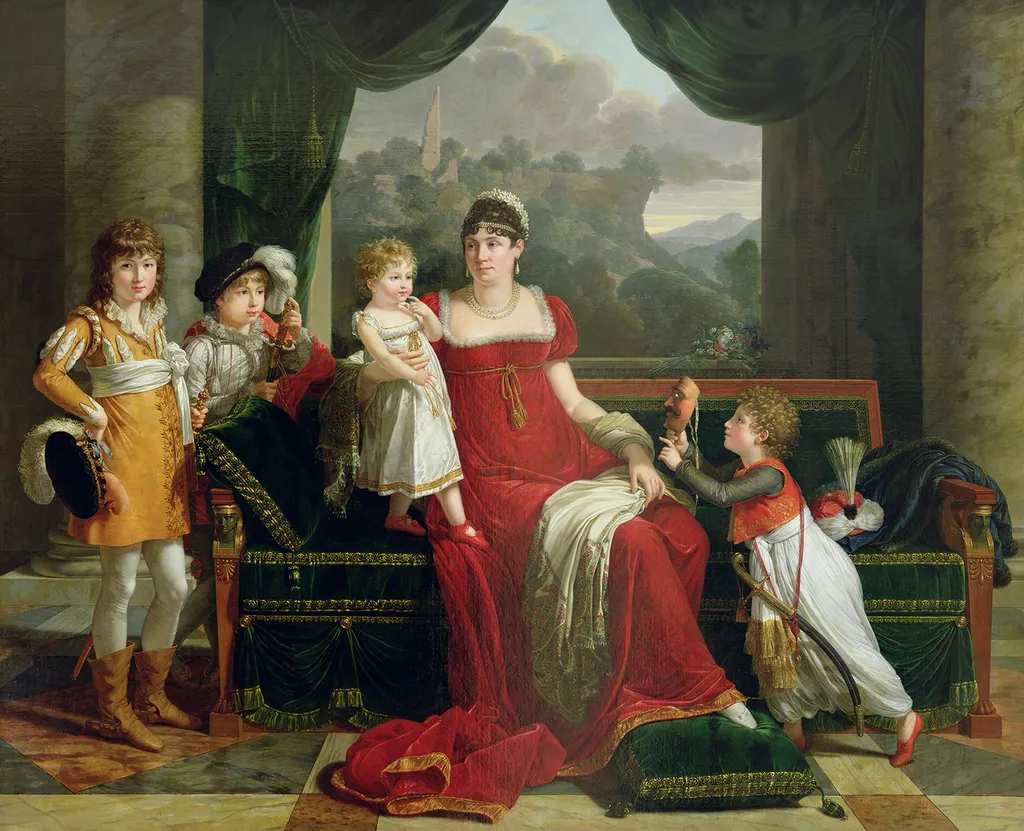
Portrait de la générale Clarke avec ses quatre enfants is an oil painting by François-Xavier Fabre. It dates from 1810 and is held in the collection of the Musée Marmottan Monet.
About this work
Overview
Painted in 1810 by François-Xavier Fabre, this oil-on-canvas portrait captures General Clarke’s wife and their four children in a domestic setting.
Painted in 1810 by François-Xavier Fabre, this oil-on-canvas portrait captures General Clarke’s wife and their four children in a domestic setting. Fabre, a French artist trained in the Neoclassical tradition and a Prix de Rome laureate, turned to portraiture after years spent in Italy. The work reflects his skill in rendering texture and spatial depth, blending familial intimacy with aristocratic decorum. It now resides in the Musée Marmottan Monet in Paris.
Subject & Meaning
The painting portrays the general’s wife, adorned with a pearl necklace and tiara, seated beside her four children. Her poised posture and refined attire suggest social status, while the children’s varied poses and clothing convey individuality within a unified family unit. The composition avoids overt sentimentality, instead emphasizing lineage, stability, and the quiet dignity of elite domestic life in post-revolutionary France.
Technique & Style
Fabre employs smooth brushwork and subtle tonal transitions to render fabrics, skin, and architectural details. The red dress of the mother contrasts with the green couch and curtains, creating visual harmony through complementary hues. The marble floor and distant landscape through the window establish spatial depth, while soft lighting enhances the calm, controlled atmosphere typical of early 19th-century portraiture.
History & Provenance
Commissioned during the Napoleonic era, the portrait reflects the social aspirations of military elites aligned with the regime. Fabre, who lived in Florence after the French Revolution and married the widow of poet Vittorio Alfieri, maintained ties to European aristocratic circles. The painting remained in private hands until entering the Musée Marmottan Monet’s collection, where it is preserved as part of its broader 19th-century holdings.
Context
Created during the height of the First French Empire, the portrait aligns with a broader trend of elite families commissioning domestic scenes that emphasized continuity and order after the upheavals of revolution. Though Fabre was known for historical paintings, this work reveals his adaptability to the tastes of a new aristocracy seeking to legitimize their status through refined, intimate imagery.
Legacy
While not among Fabre’s most widely exhibited works, the portrait remains a significant example of early 19th-century French portraiture that bridges Neoclassical discipline with emerging Romantic sensibilities. It offers insight into how aristocratic identity was visually constructed during a period of political transition, preserving the quiet authority of a family at the center of imperial society.
Own this work as a print
Artist & collection
Artist
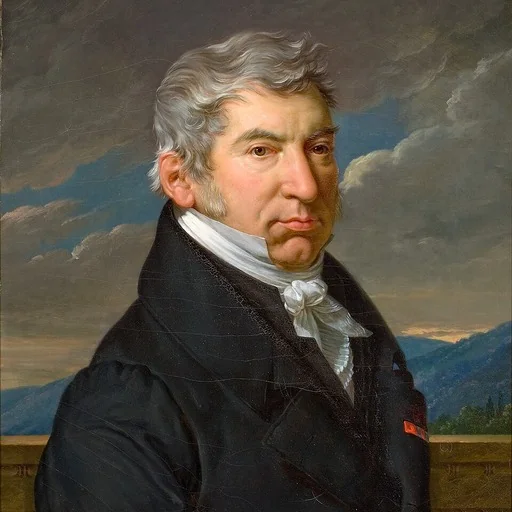
François-Xavier Fabre (French pronunciation: ; 1 April 1766 – 16 March 1837) was a French painter of historical subjects.

 Portrait of John Henry, 2nd Marquis of Lansdowne
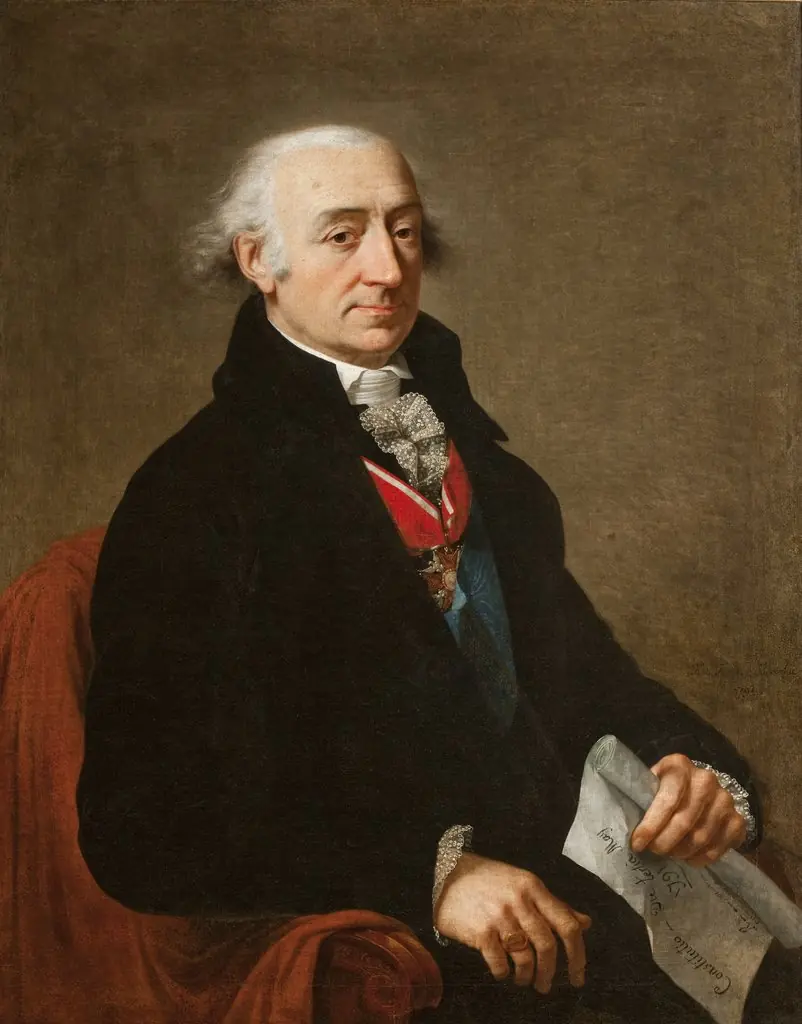 Portrait of Stanisław Małachowski (1736–1809)
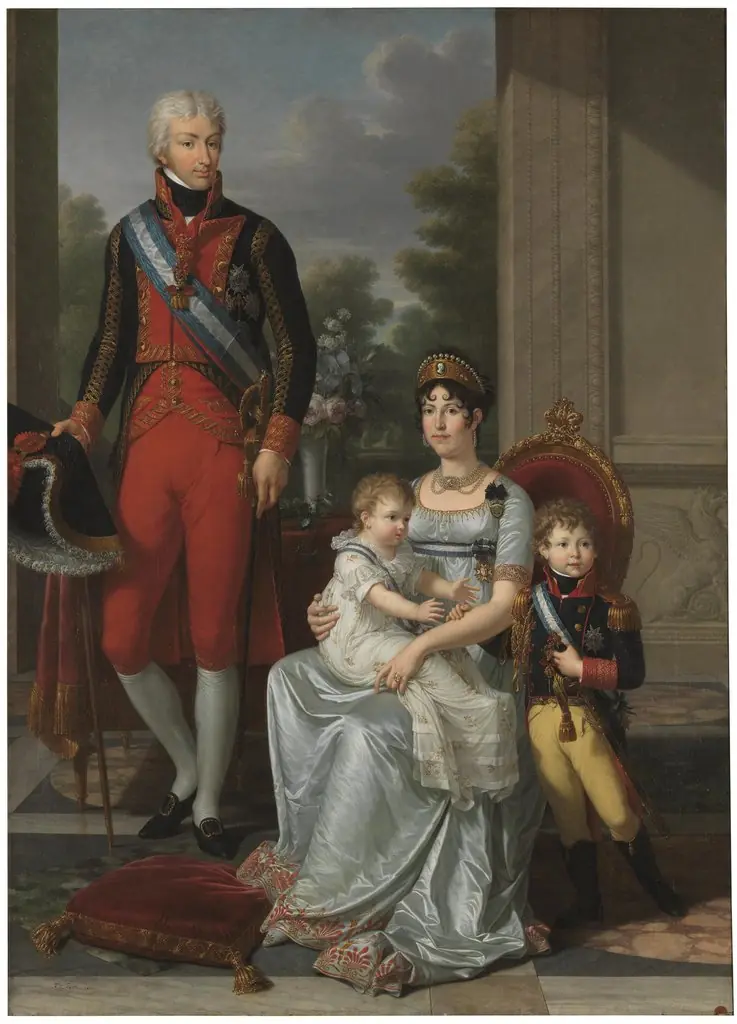 The Etrurian Royal Family
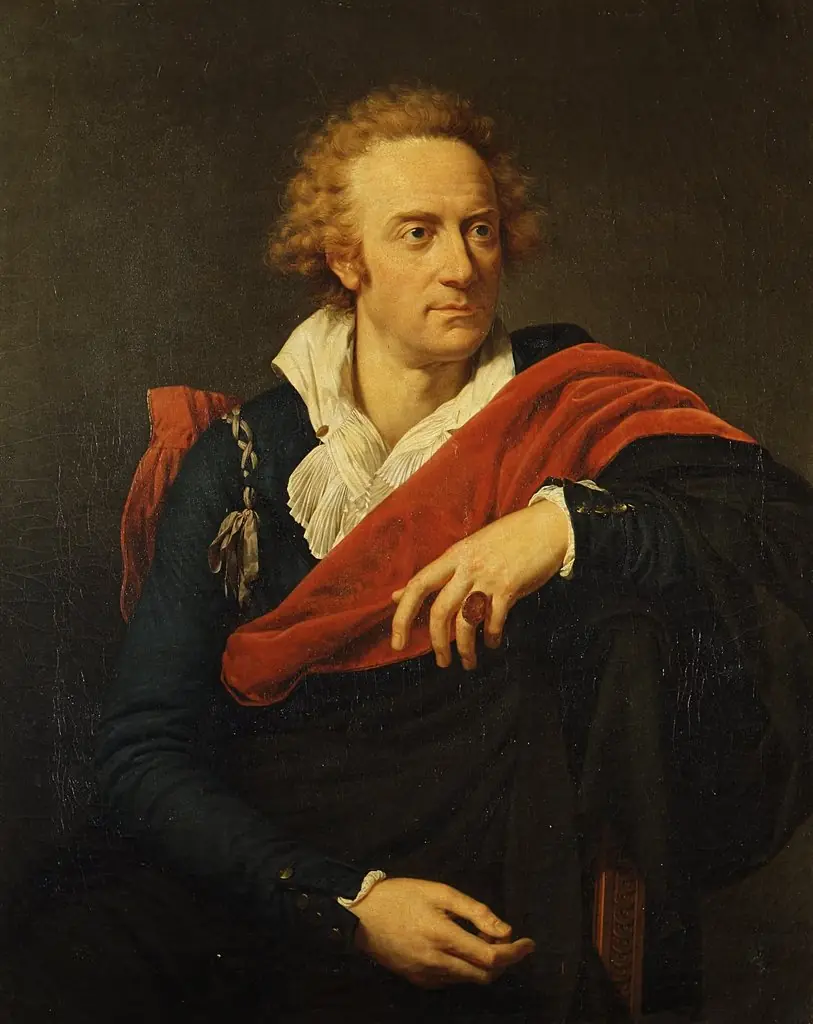 Portrait of Vittorio Alfieri
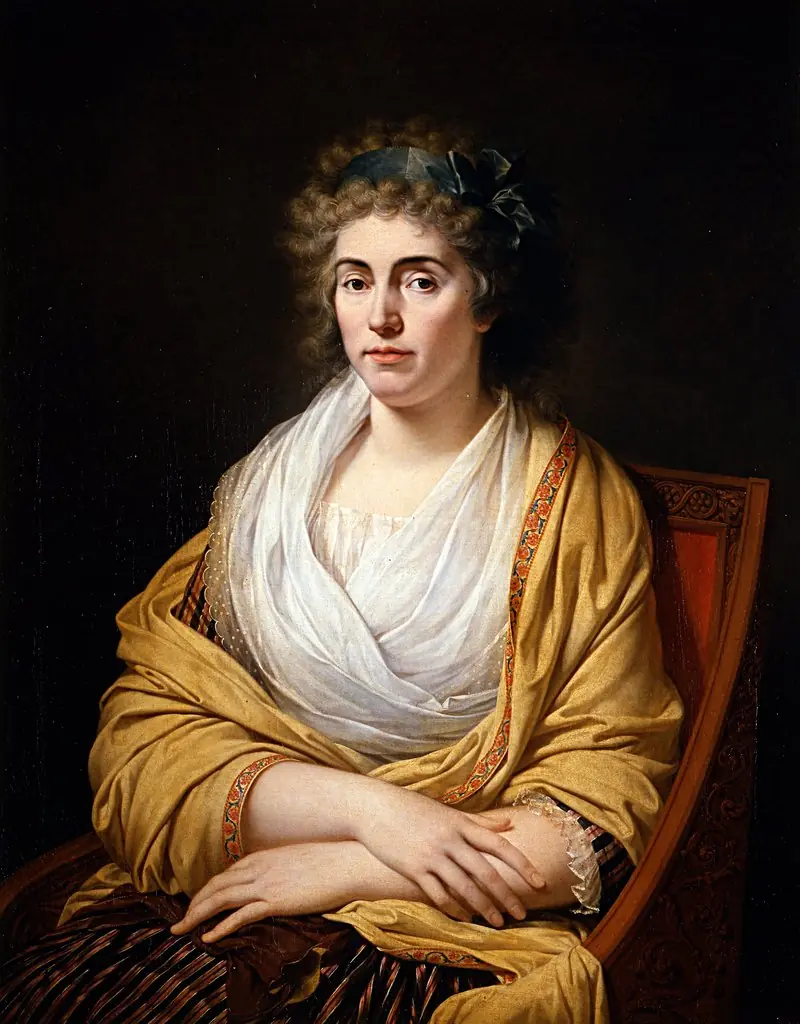 Portrait of Louise, wife of Bonnie Prince Charlie
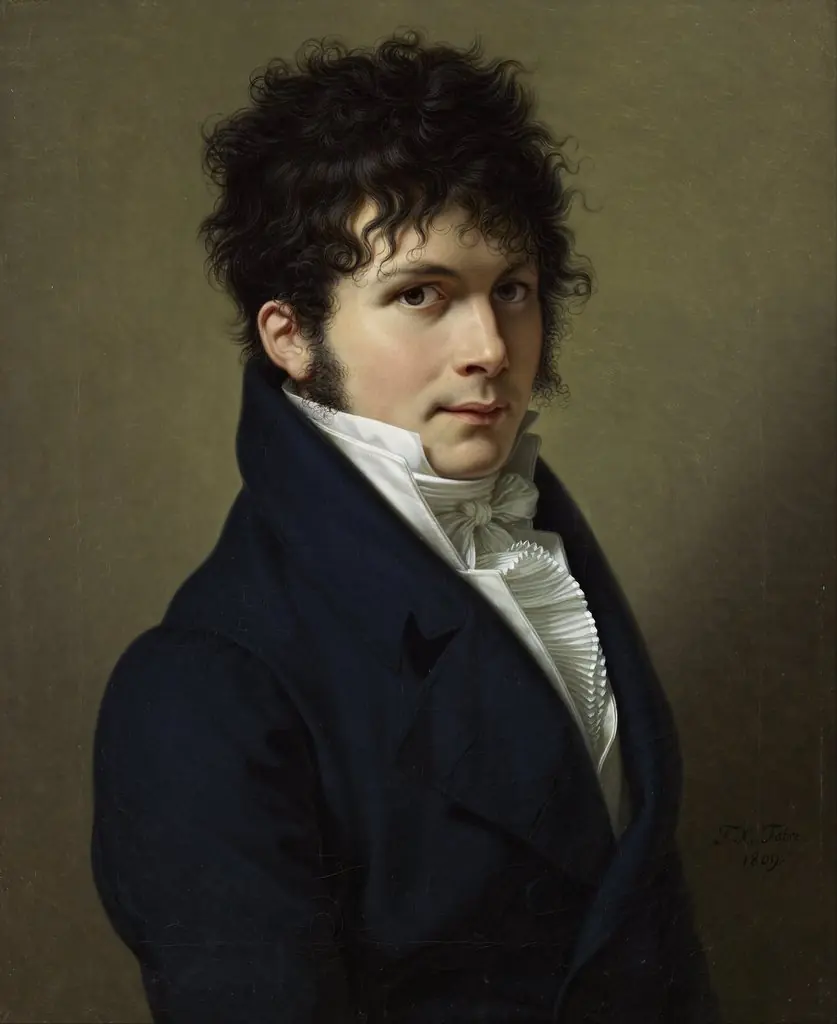 Portrait of a Man
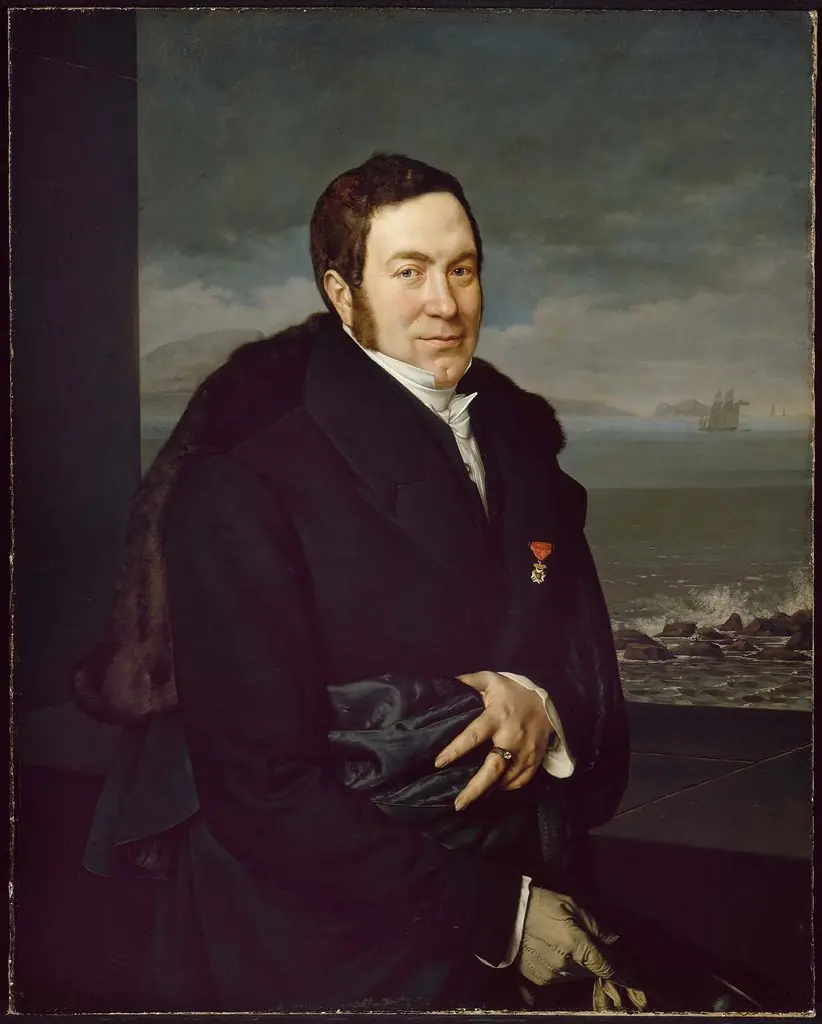 Portrait of a Man (Rosario Persico?)
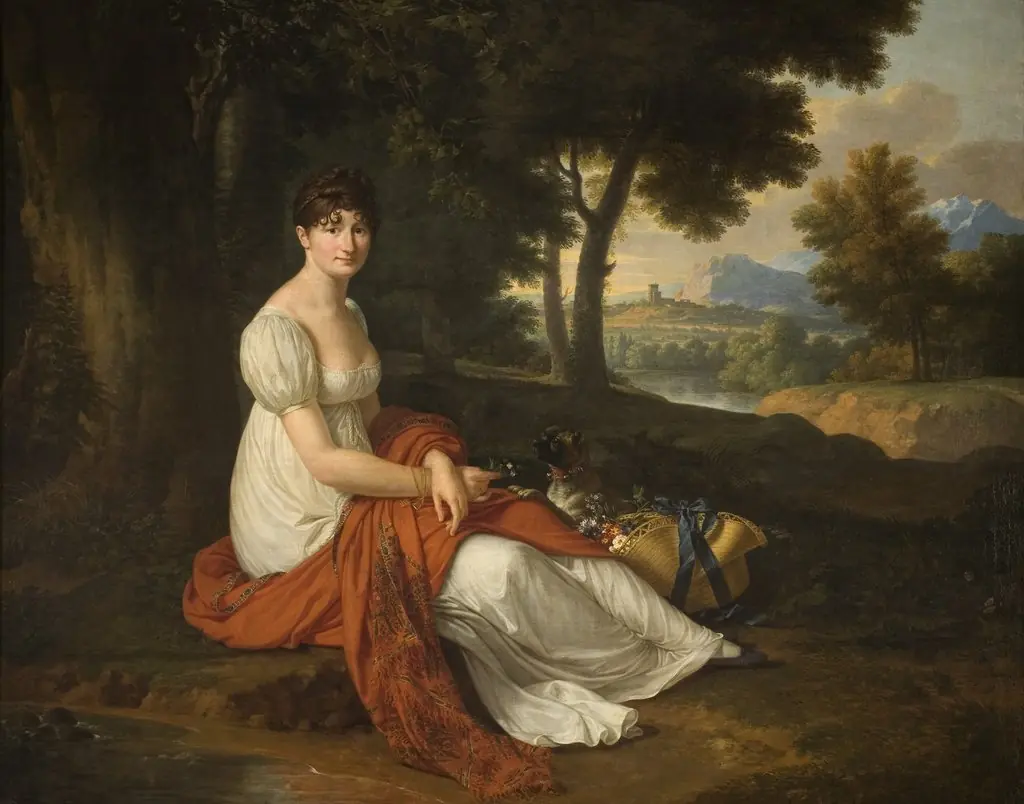 Portrait of Elżbieta Skotnicka née Laskiewicz (1781–1849), Wife of Michał Skotnicki
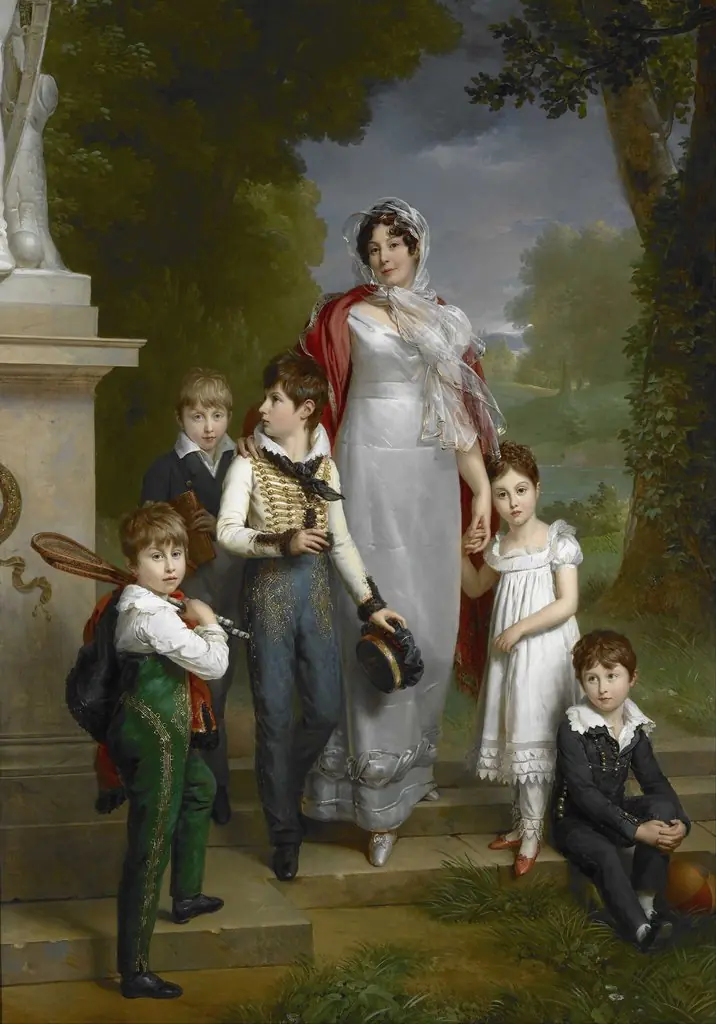 Portrait of Louise-Antoinette-Scholastique Guéhéneuc, Madame la Maréchale Lannes, Duchesse de Montebello, with her Children
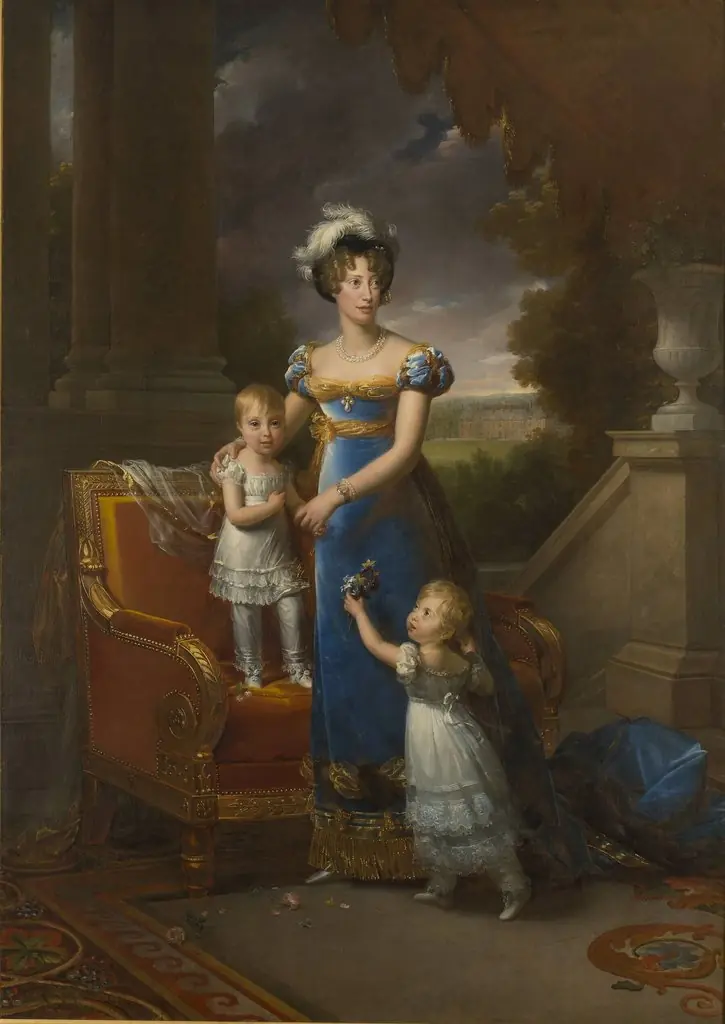 The Duchess of Berry and her Children
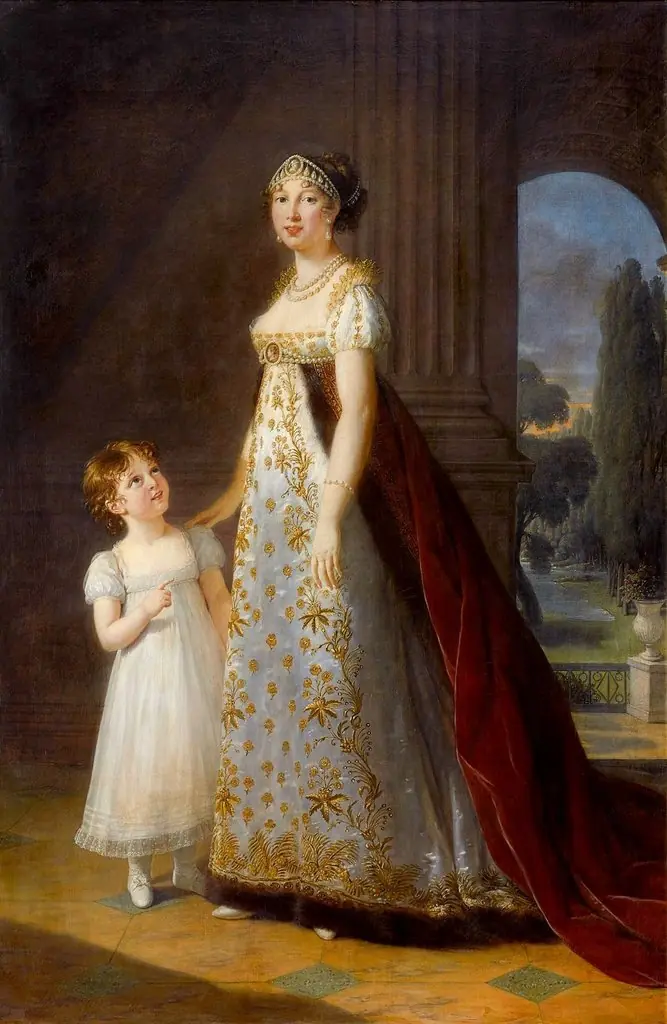 Caroline Murat with her daughter Letizia
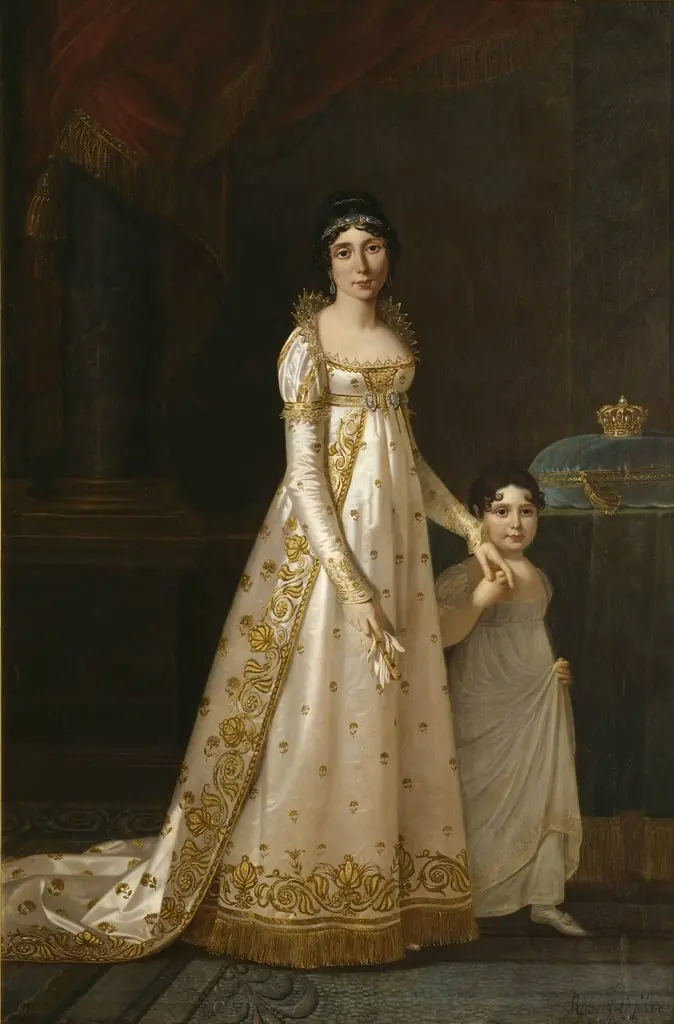 Marie-Julie Clary, Queen of Naples (1777-1845)
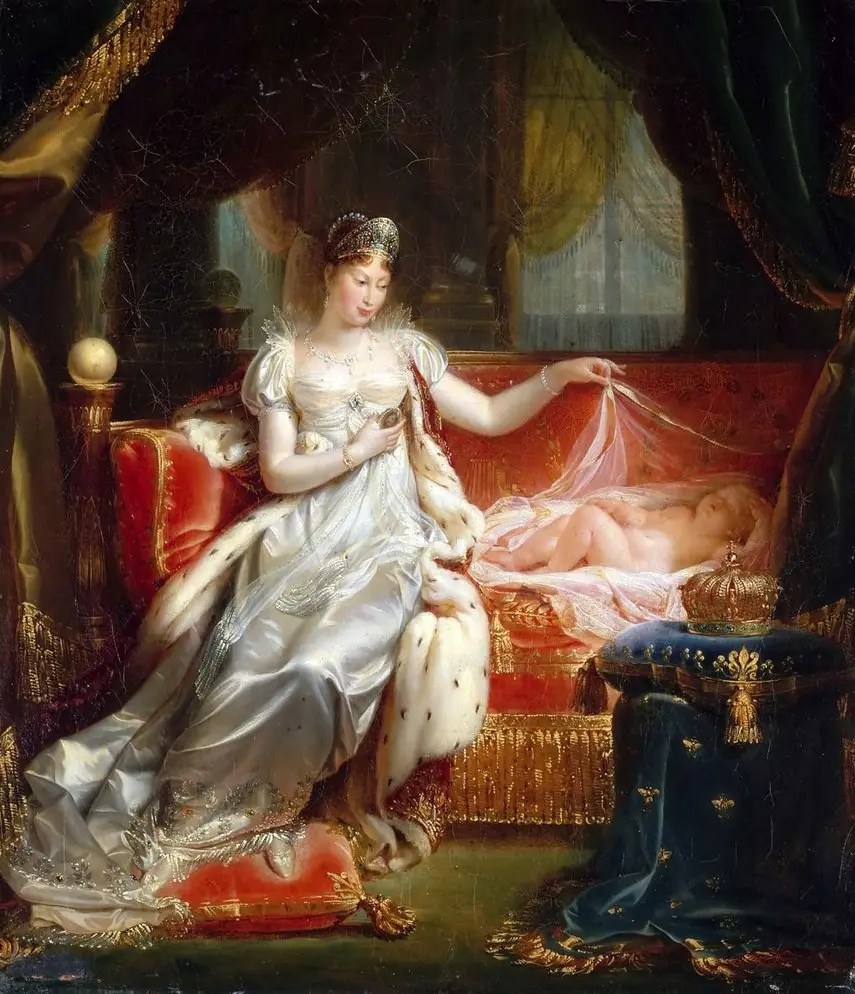 The Empress Marie-Louise watching over the sleep of the King of Rome
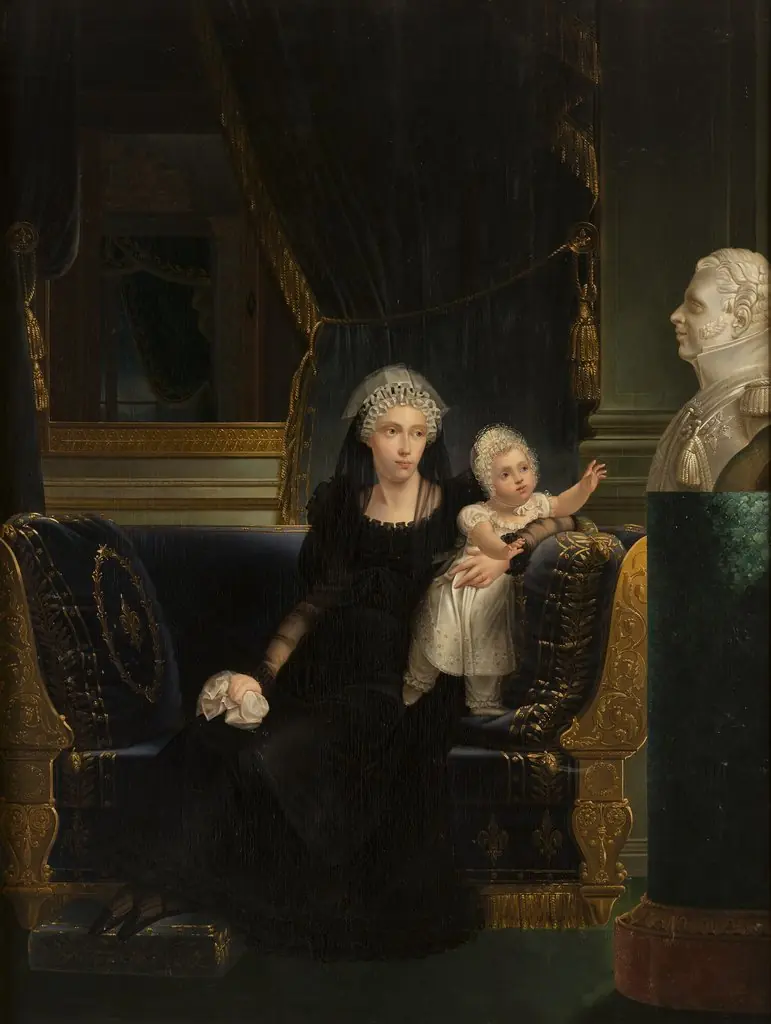 Marie-Caroline de Bourbon-Sicile, Duchess of Berry and her daughter Louise-Marie-Thérèse
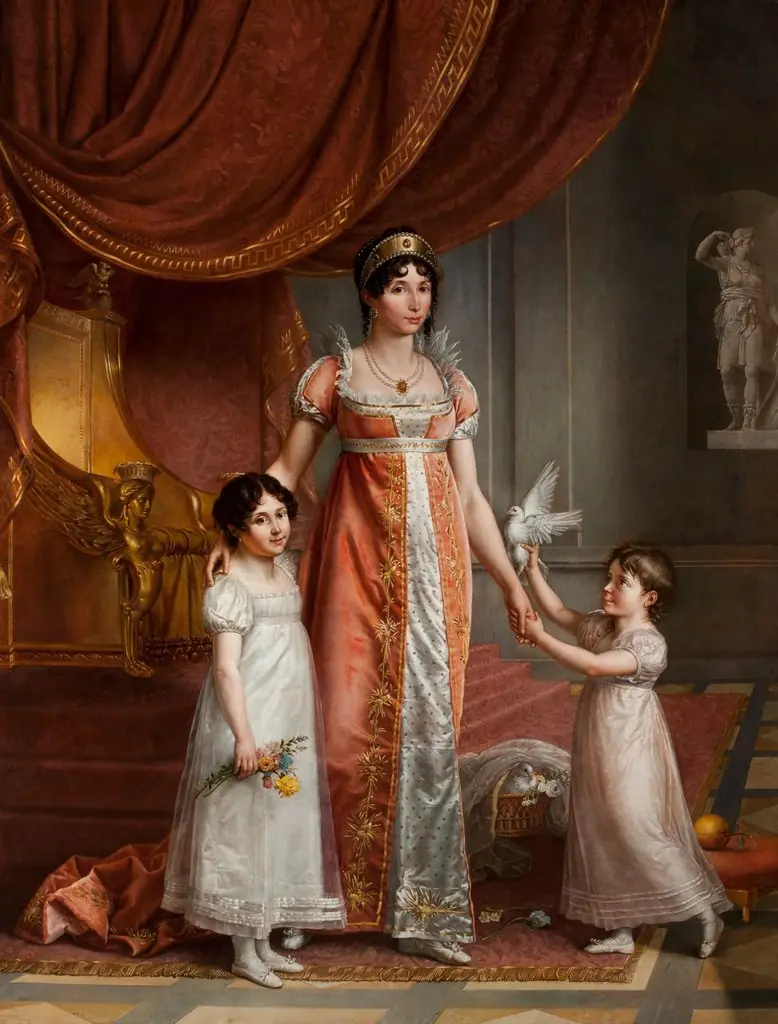 Ritratto di Giulia Clary e delle figlie Zenaide e Carlotta
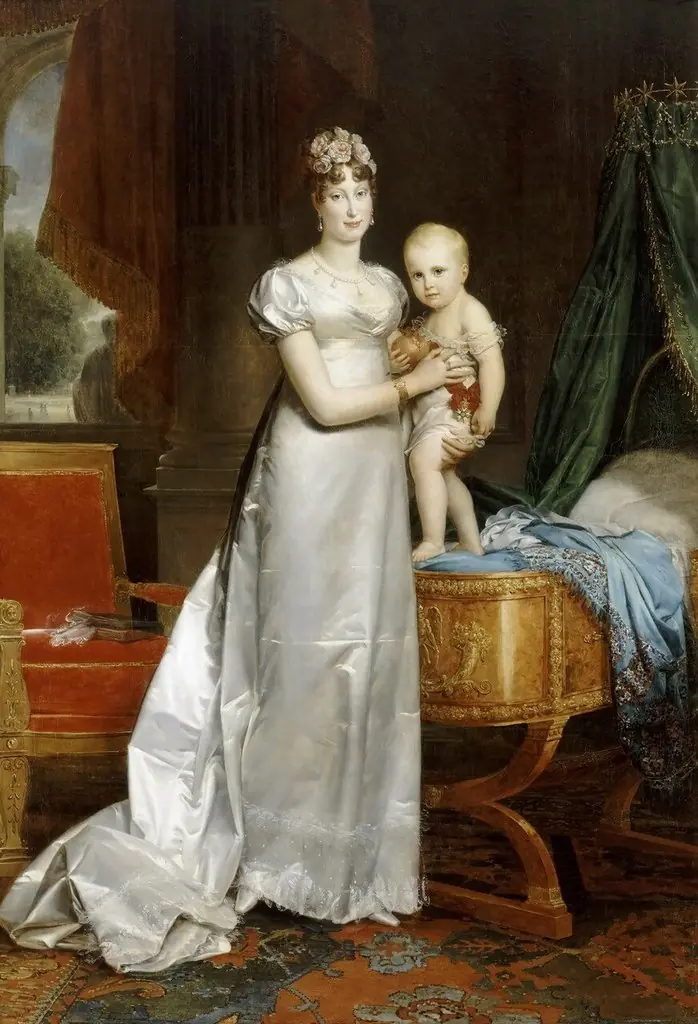 Marie-Louise, Empress of the French, and the Roi de Rome
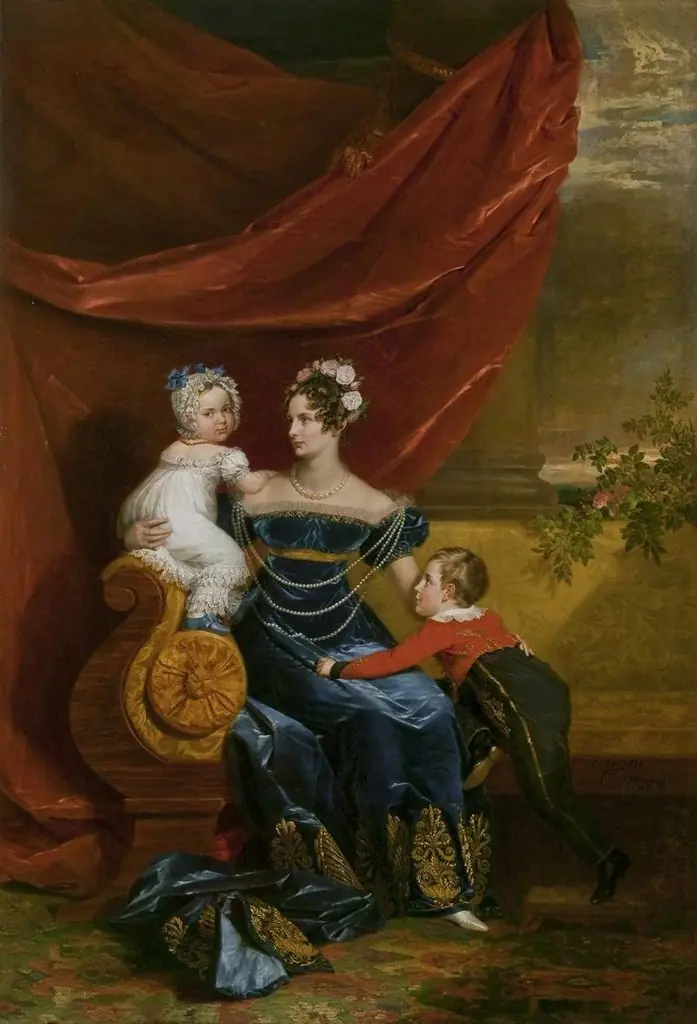 Portrait of Grand Duchess Alexandra Fiodorovna with Children
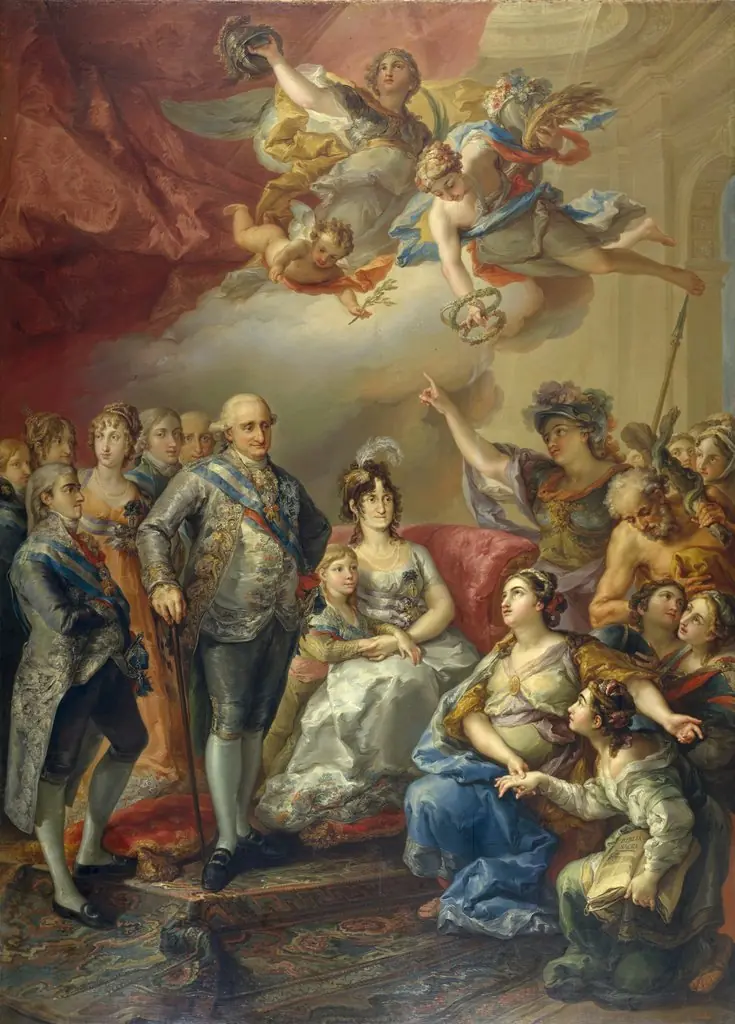 Charles IV and his Family honoured by the University of Valencia
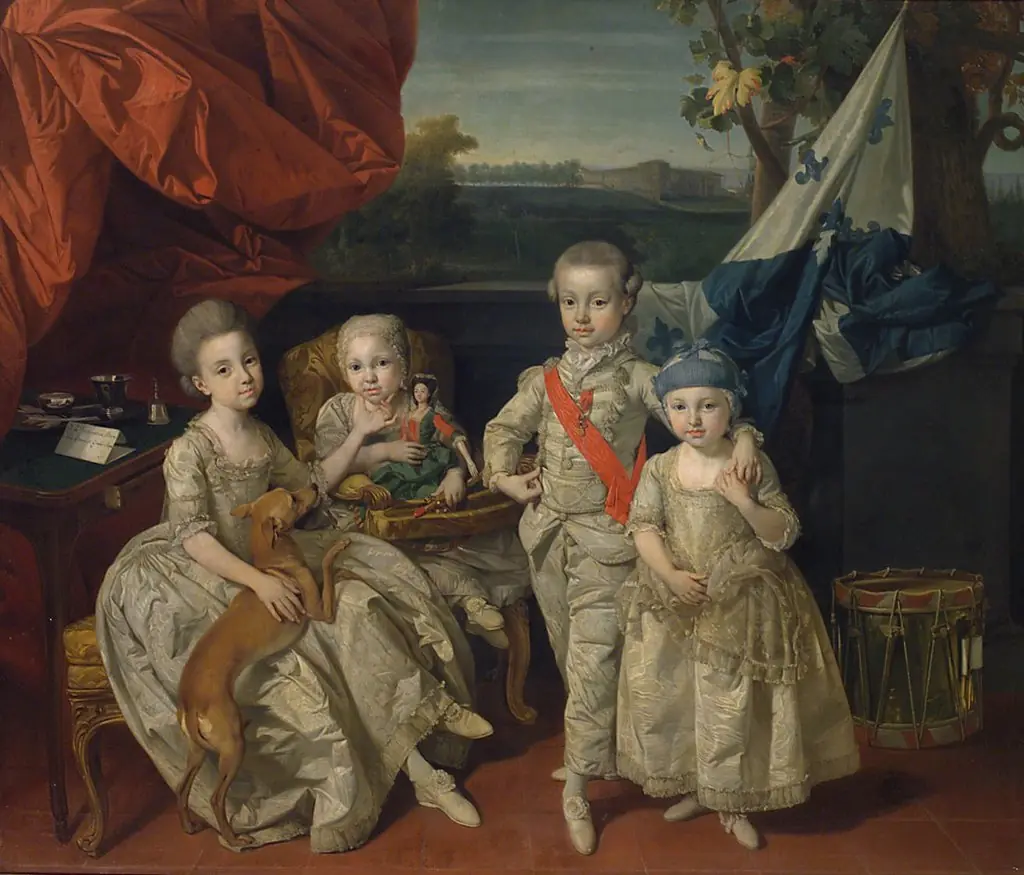 Prinz Ludwig von Parma (1773-1803) mit seinen drei ältesten Geschwistern Karoline (1770-1804), Marie Antonie (1774-1841) und Charlotte (1777-1813)
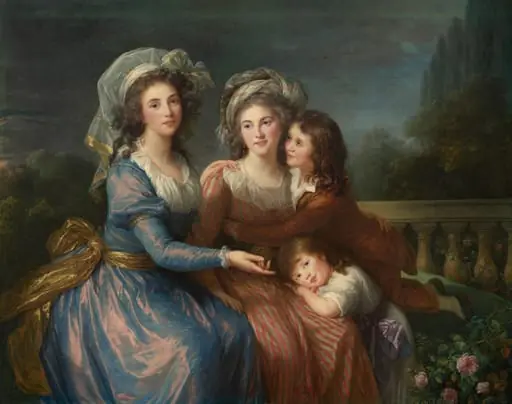 The Marquise de Pezay, and the Marquise de Rougé with Her Sons Alexis and Adrien