Artwork
Portrait of Louise, wife of Bonnie Prince Charlie
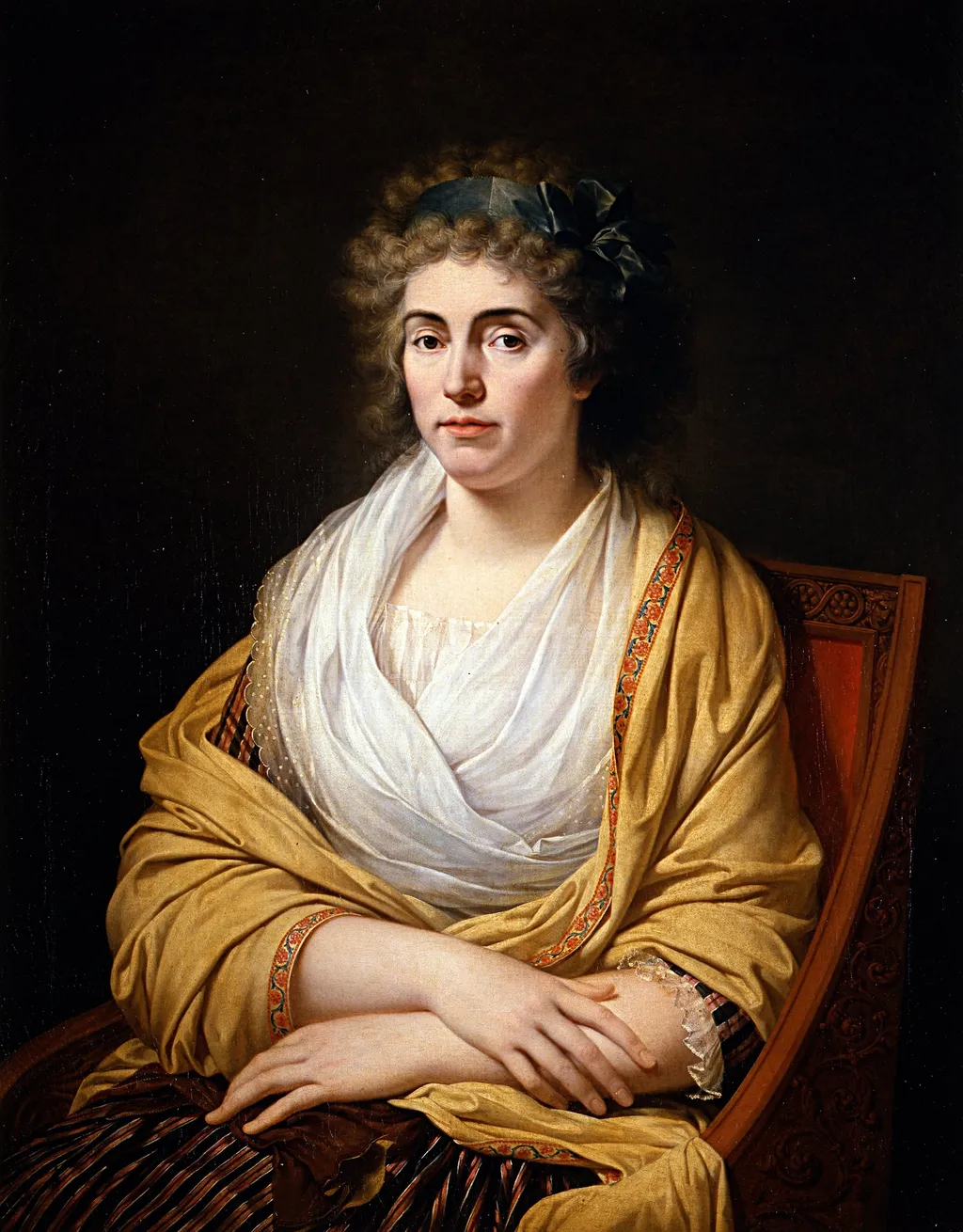
Portrait of Louise, wife of Bonnie Prince Charlie is an oil painting by François-Xavier Fabre. It dates from 1797 and is held in the collection of the Uffizi Gallery.
About this work
Overview
The painting is now part of the Uffizi Gallery’s collection, reflecting the artist’s integration into Italian cultural circles following his exile from France.
Painted in 1797 by French artist François-Xavier Fabre, this oil-on-canvas portrait captures Louise of Stolberg-Gedern, widow of Charles Edward Stuart. Fabre, who had settled in Florence after the French Revolution, completed the work during his time with the Florentine Academy. The painting is now part of the Uffizi Gallery’s collection, reflecting the artist’s integration into Italian cultural circles following his exile from France.
Subject & Meaning
Louise is portrayed as a dignified widow, her posture composed and gaze directed away from the viewer. Her simple white dress and draped shawl suggest modesty, while the black ribbon in her hair subtly signals mourning. The neutral expression and restrained composition convey a quiet solemnity, aligning with her status as a former royal consort and recent widow of a figure associated with lost cause and exile.
Technique & Style
Fabre employs chiaroscuro to model the figure with soft, graduated tones, enhancing the three-dimensionality of Louise’s form against a dark, undefined background. The brushwork is precise yet unobtrusive, emphasizing texture in fabric and hair without overt flourish. The lighting isolates the subject, drawing focus to her stillness and reinforcing the portrait’s introspective tone, a hallmark of late 18th-century Neoclassical portraiture.
History & Provenance
After relocating to Florence in the 1790s, Fabre became a member of the Accademia di Belle Arti and later married Louise herself. The portrait was likely painted shortly before their union, serving both as a personal and social document. It entered the Uffizi’s collection in the 19th century, retained as an example of foreign artists active in Tuscany during the post-Revolutionary period.
Context
Fabre’s career bridged French academic training and Italian artistic traditions. Painted during a time when European aristocracy was reshaped by revolution and displacement, this portrait reflects the quiet resilience of exiled royal circles. Louise’s presence in Florence—surrounded by intellectuals and artists—illustrates how displaced nobility found new cultural footholds beyond their homelands.
Legacy
The portrait remains a quiet testament to the intersection of personal history and political upheaval. While not widely exhibited, it holds significance as a record of Fabre’s transition from French academic painter to Italian resident, and as a visual anchor for the life of a woman whose identity was shaped by dynastic loss and cultural adaptation.
Own this work as a print
Artist & collection
Artist
François-Xavier Fabre (French pronunciation: ; 1 April 1766 – 16 March 1837) was a French painter of historical subjects.

 Portrait of John Henry, 2nd Marquis of Lansdowne
 Portrait of Stanisław Małachowski (1736–1809)
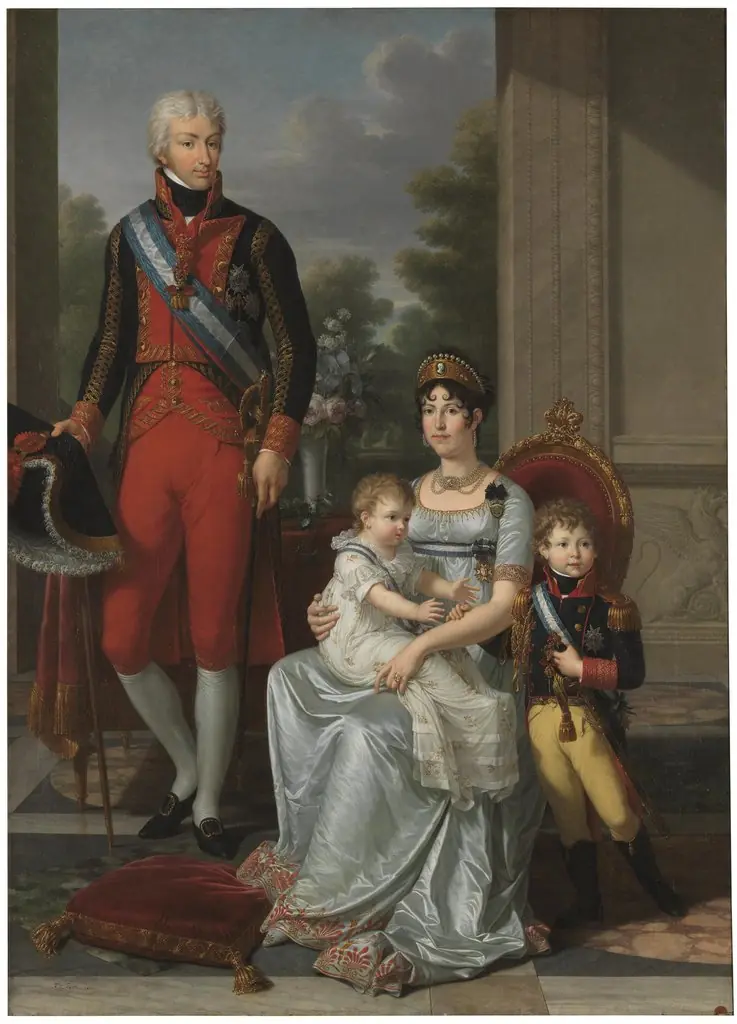 The Etrurian Royal Family
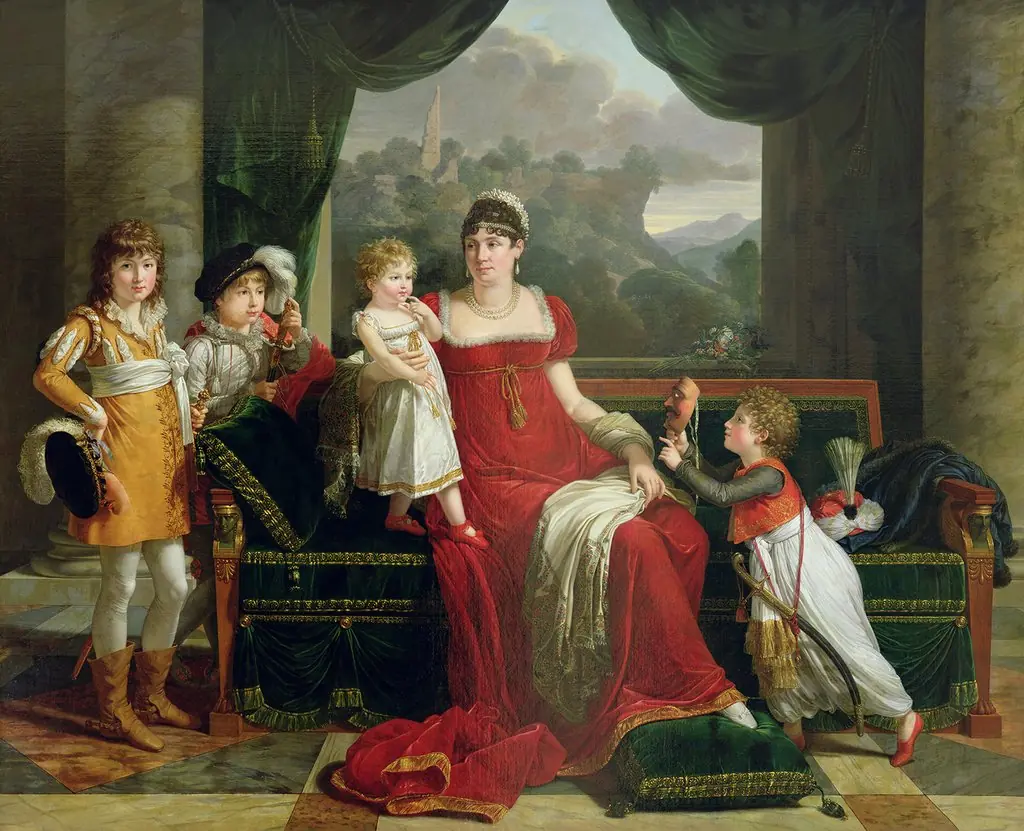 Portrait de la générale Clarke avec ses quatre enfants
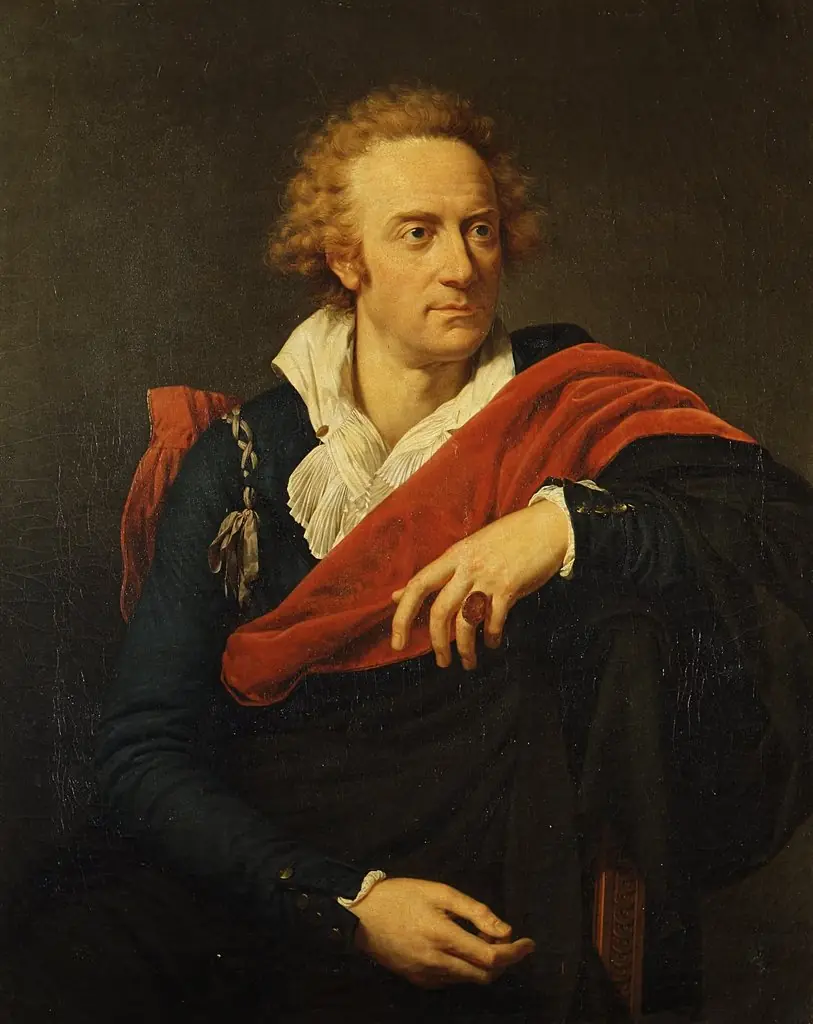 Portrait of Vittorio Alfieri
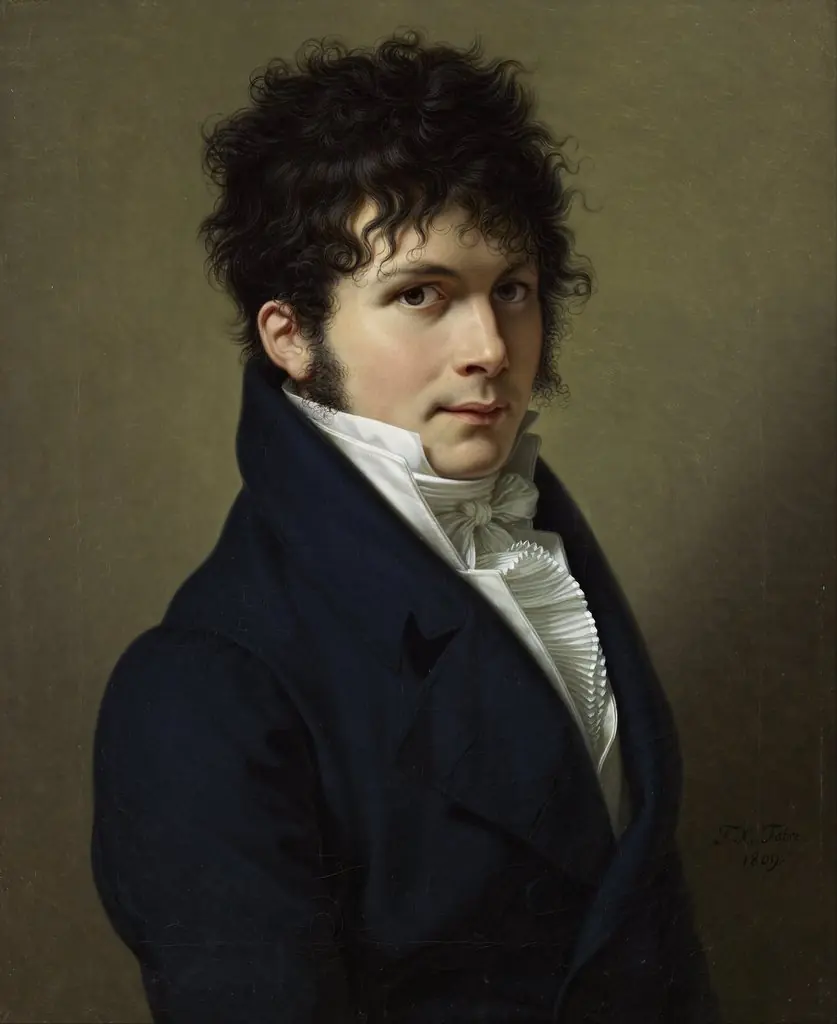 Portrait of a Man
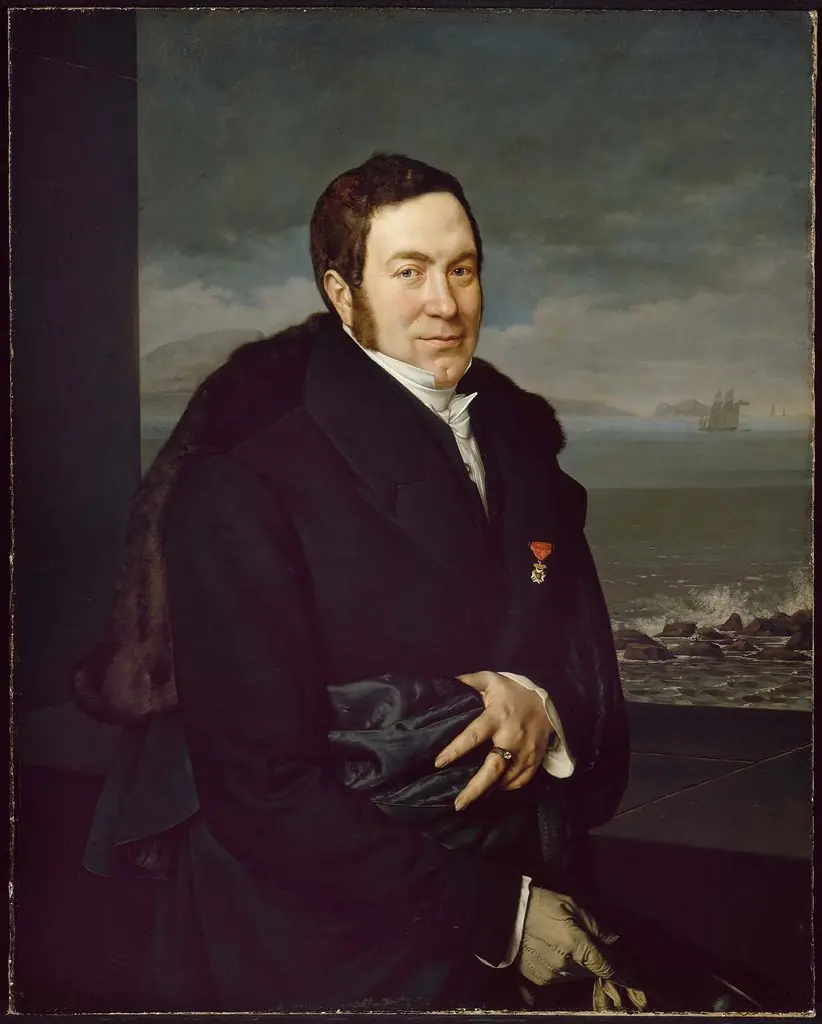 Portrait of a Man (Rosario Persico?)
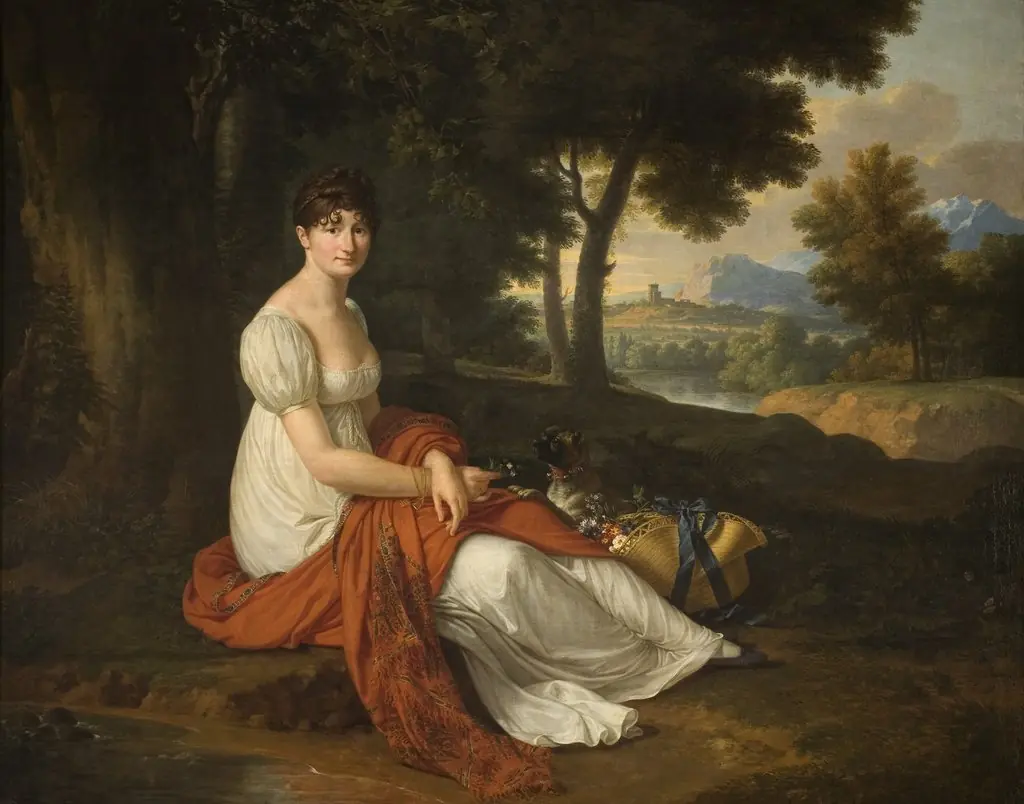 Portrait of Elżbieta Skotnicka née Laskiewicz (1781–1849), Wife of Michał Skotnicki
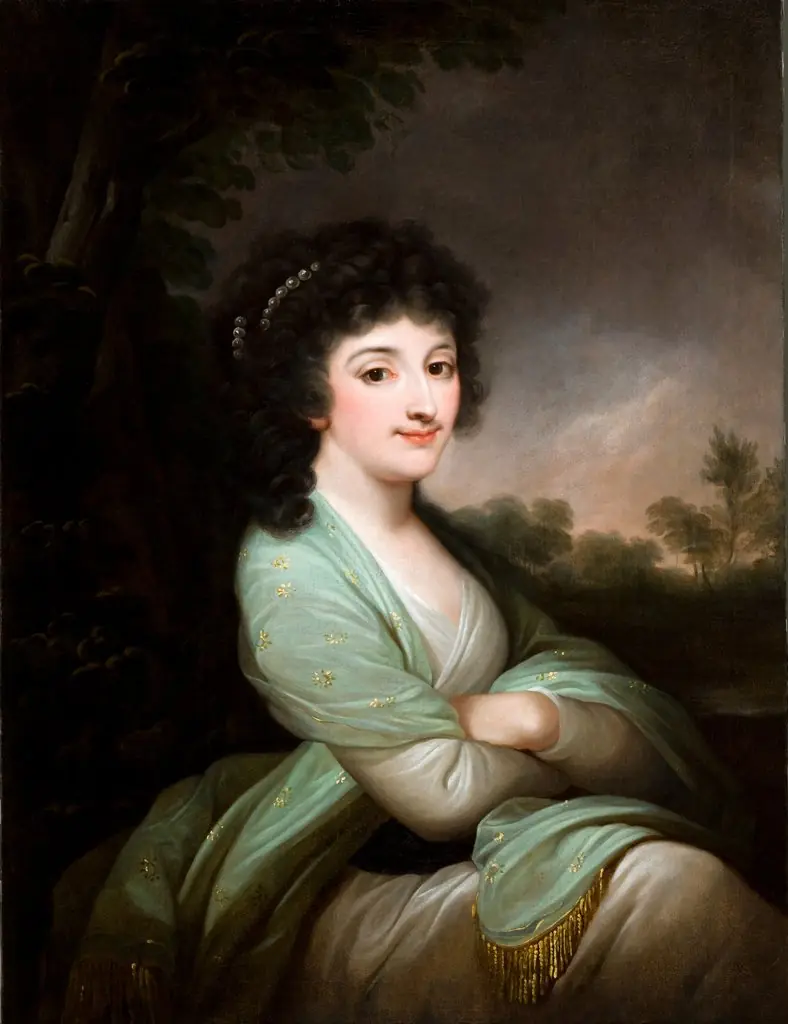 Portrait of Izabela Ogińska née Lasocka
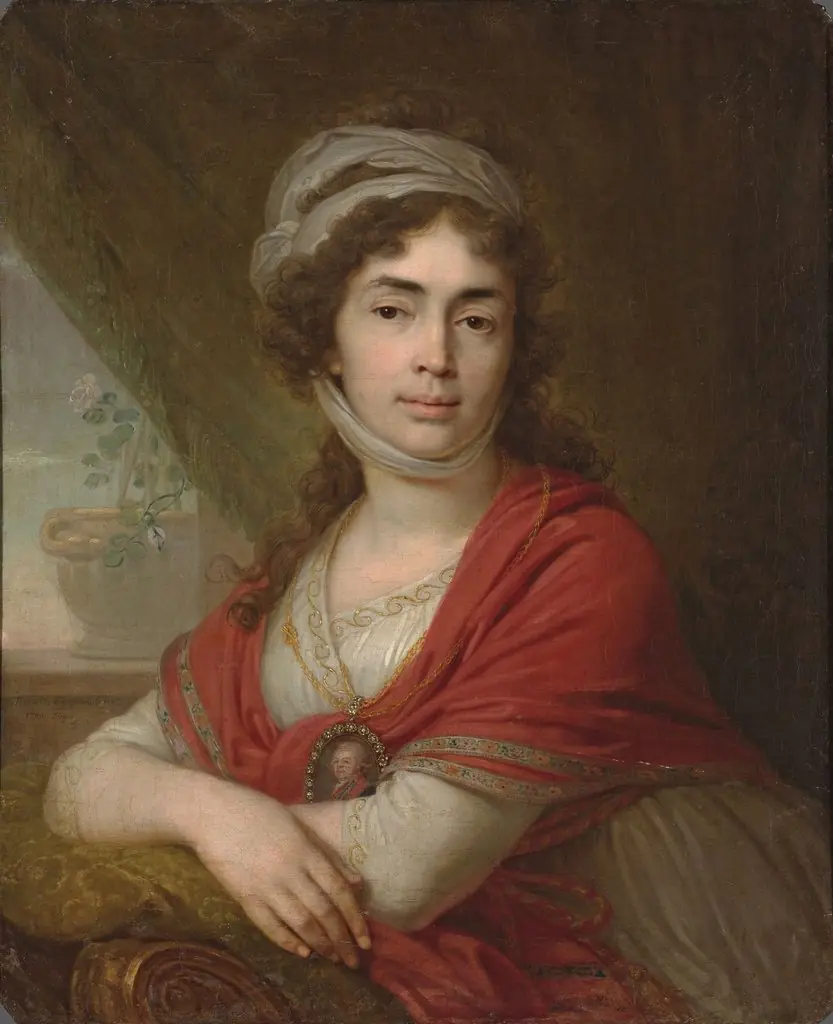 Portrait of Martha Dunina
 Portrait of Katarzyna Lessel
 Self-portrait
 Dameportræt
 Portrait of Izabela née von Flemming, Princess Czartoryska (1746–1835)
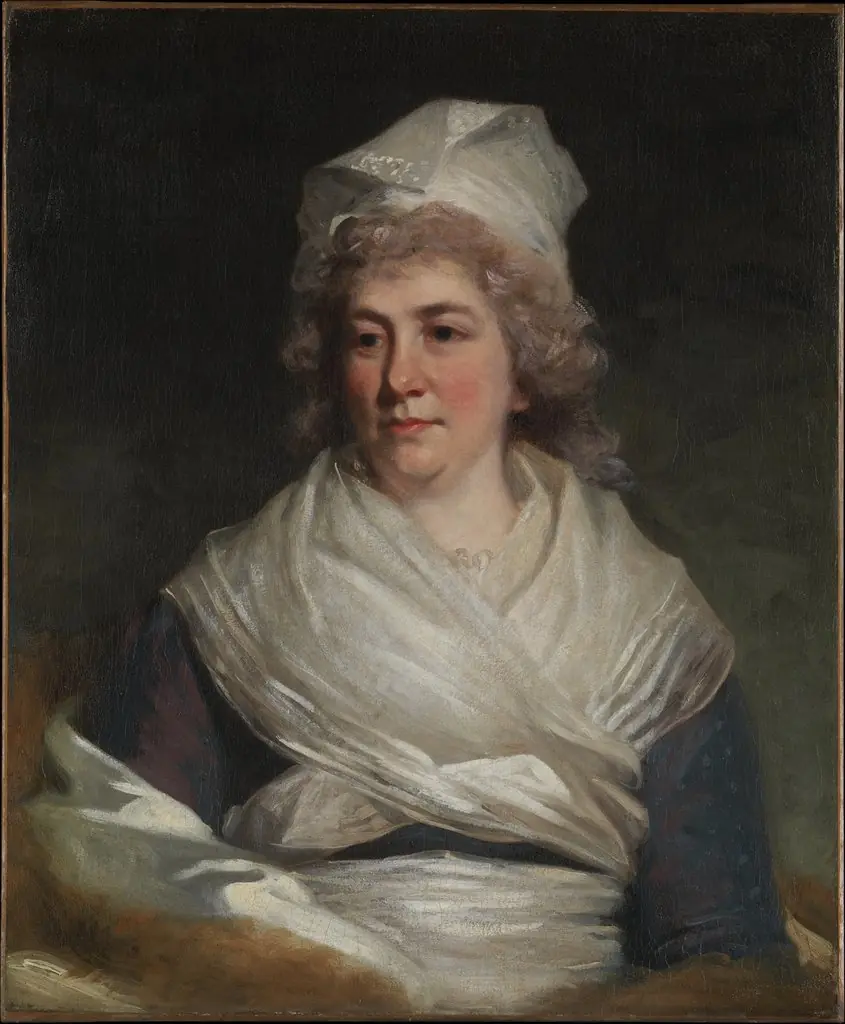 Mrs. Richard Bache (Sarah Franklin, 1743–1808)
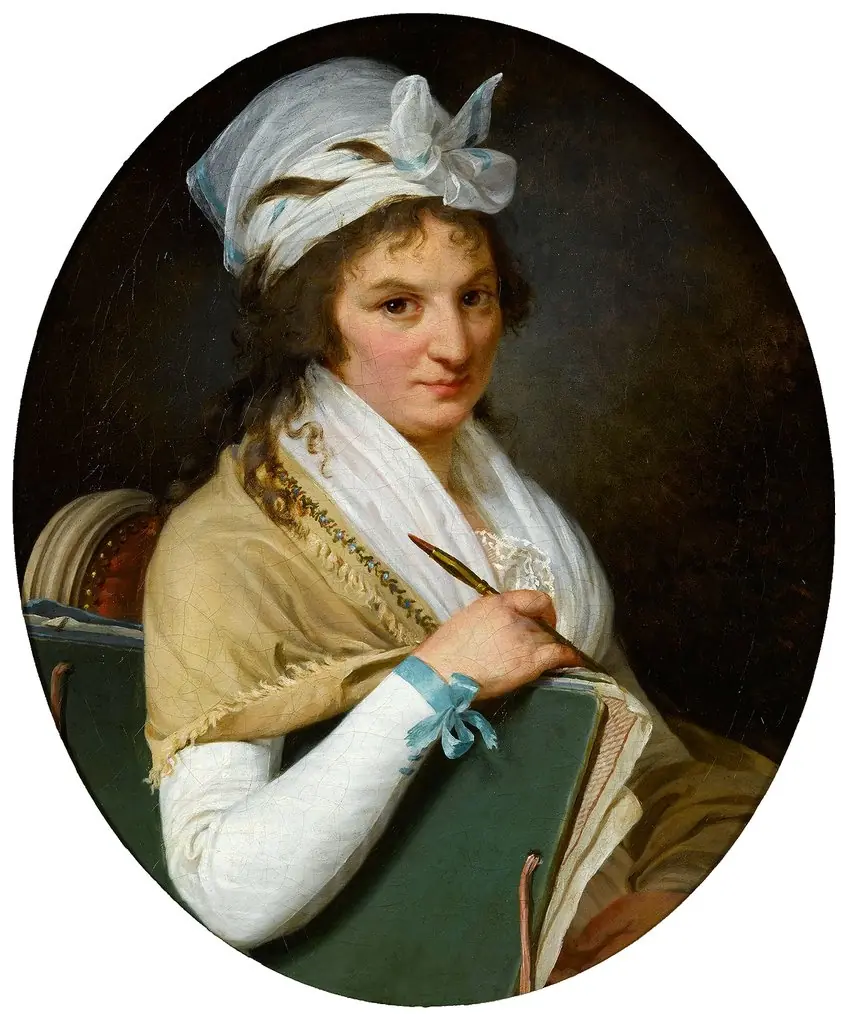 Self-portrait
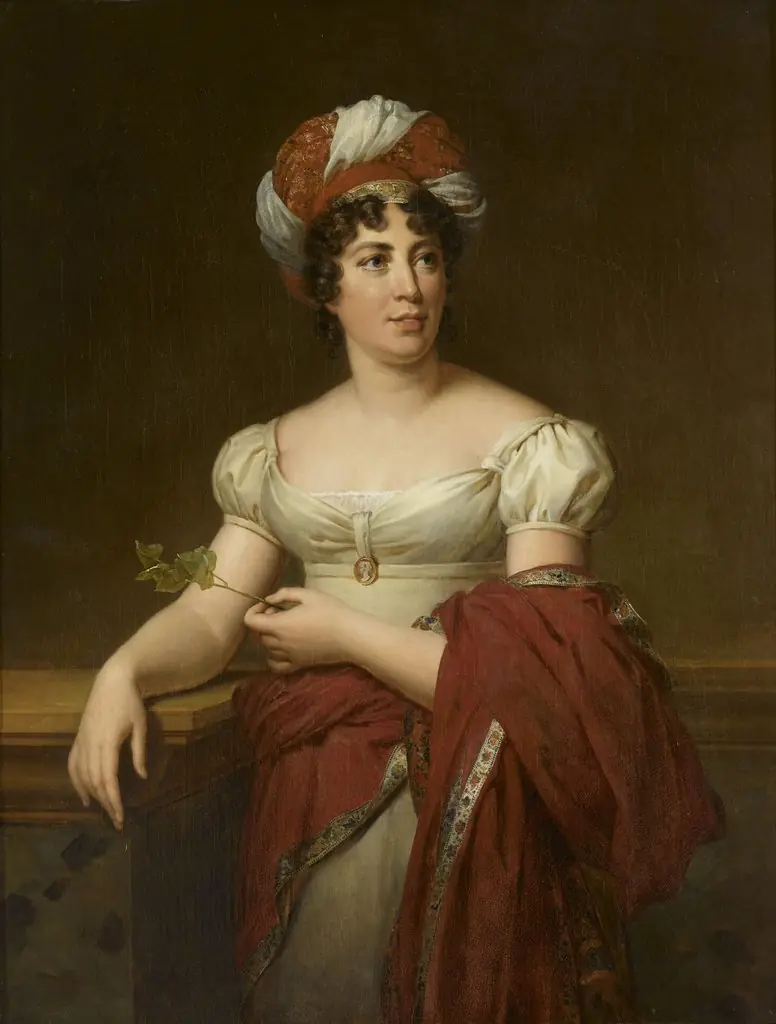 Portrait of Mme de Staël
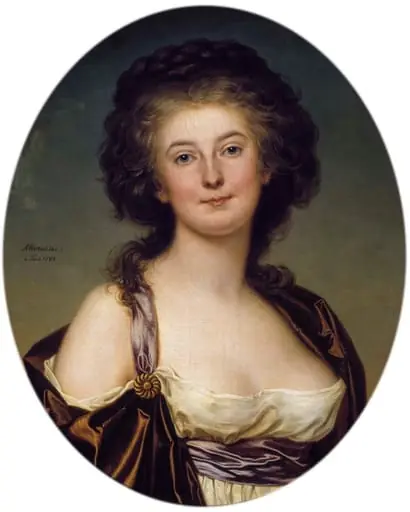 Laulajatar ja näyttelijätär Beata Charlotta Eckerman
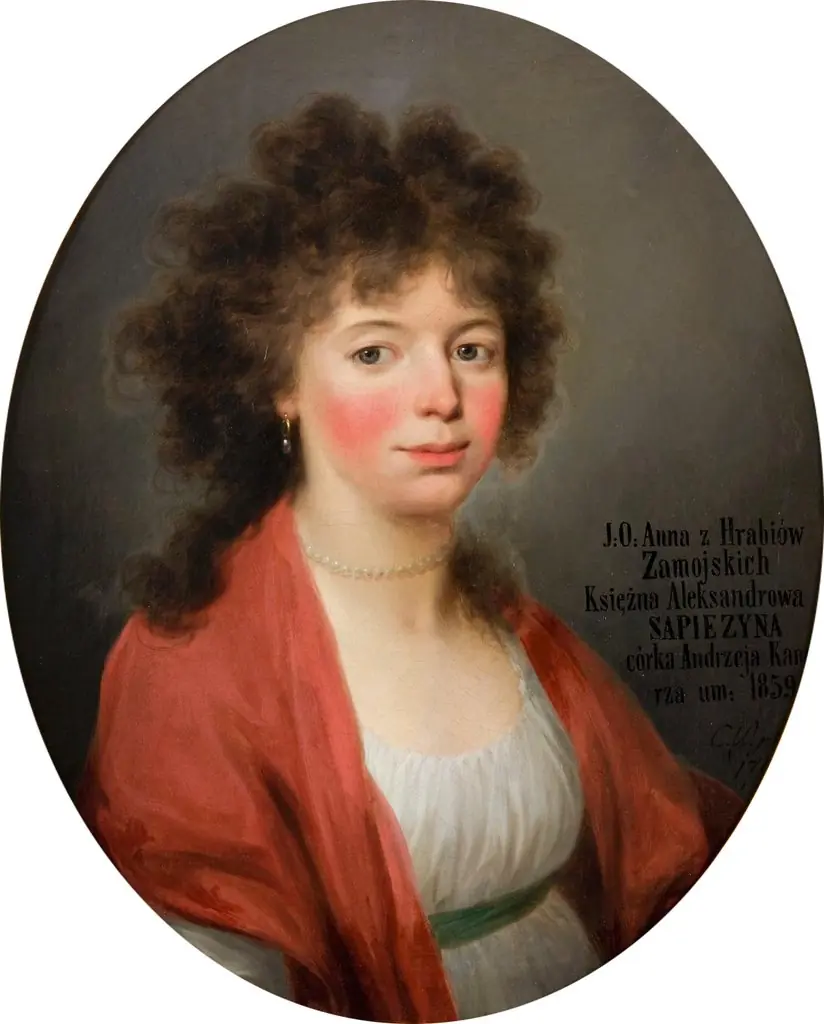 Portret Anny z Zamoyskich Aleksandrowej Sapieżyny
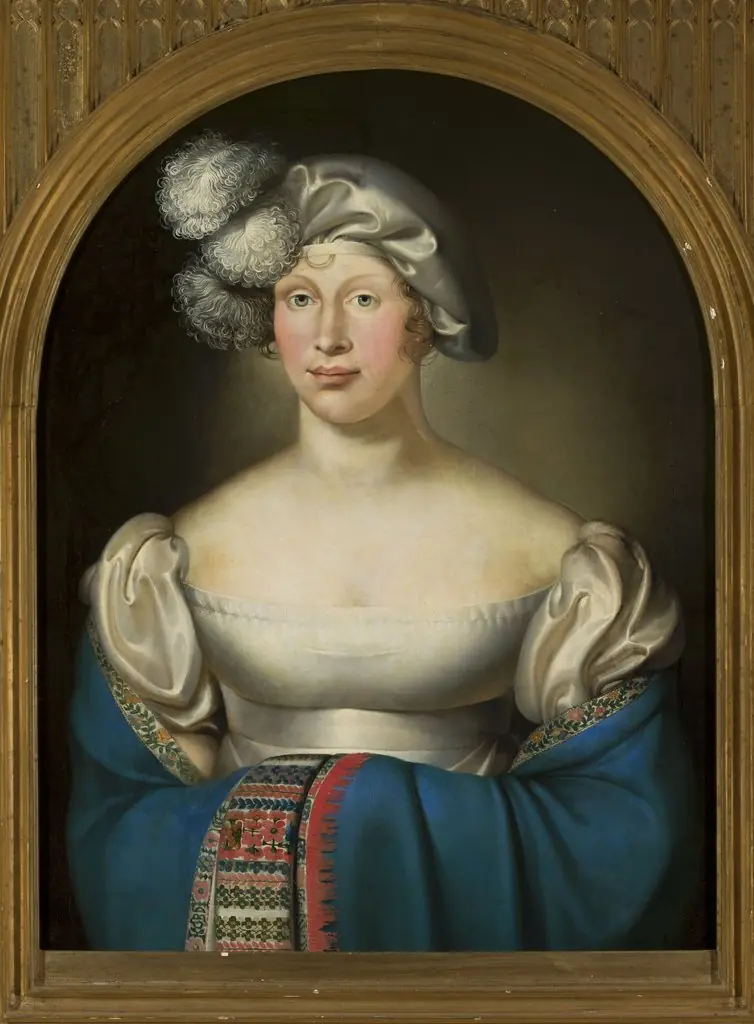 Portrait of Louise, queen of Prussia