Artwork
unknown woman
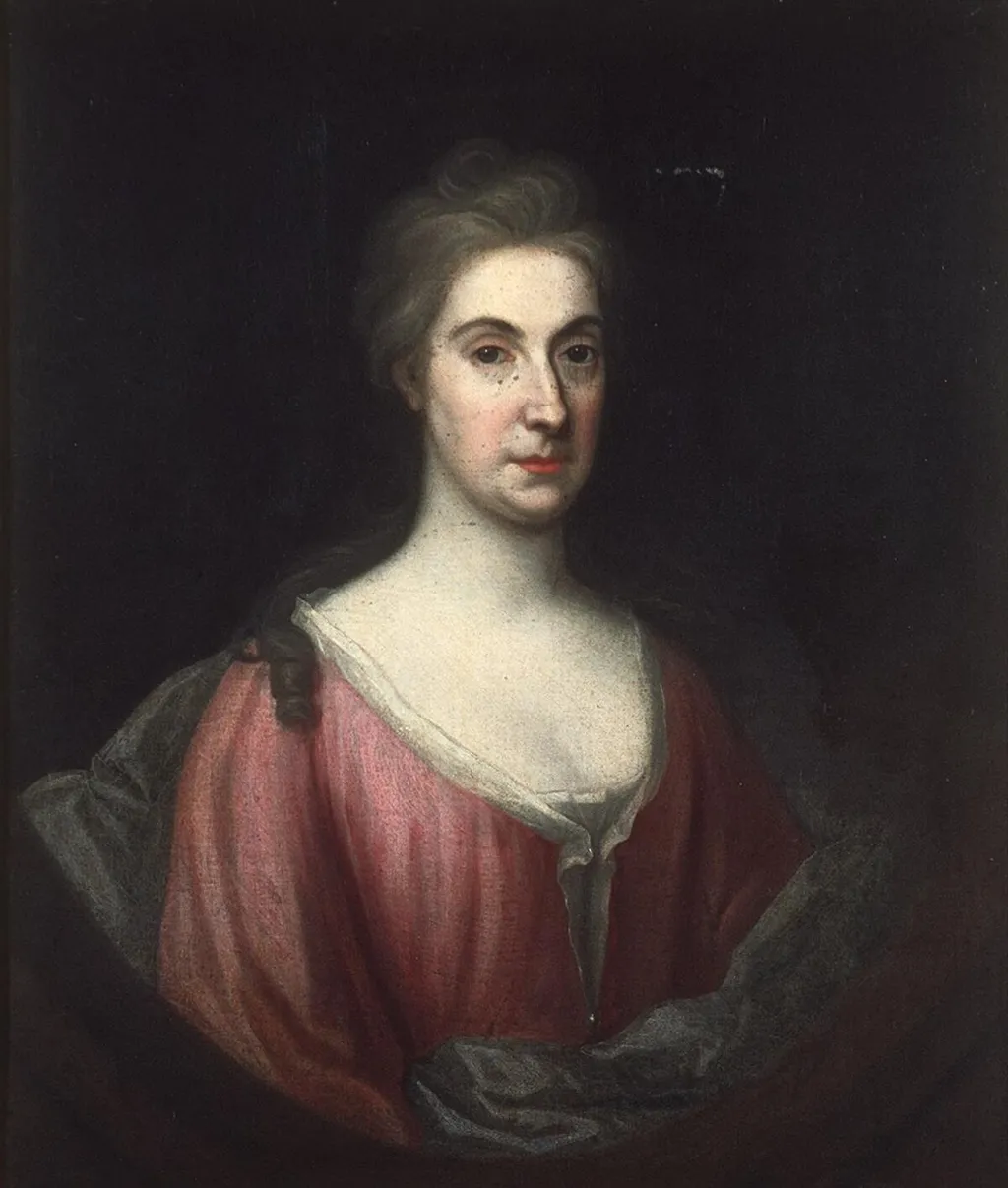
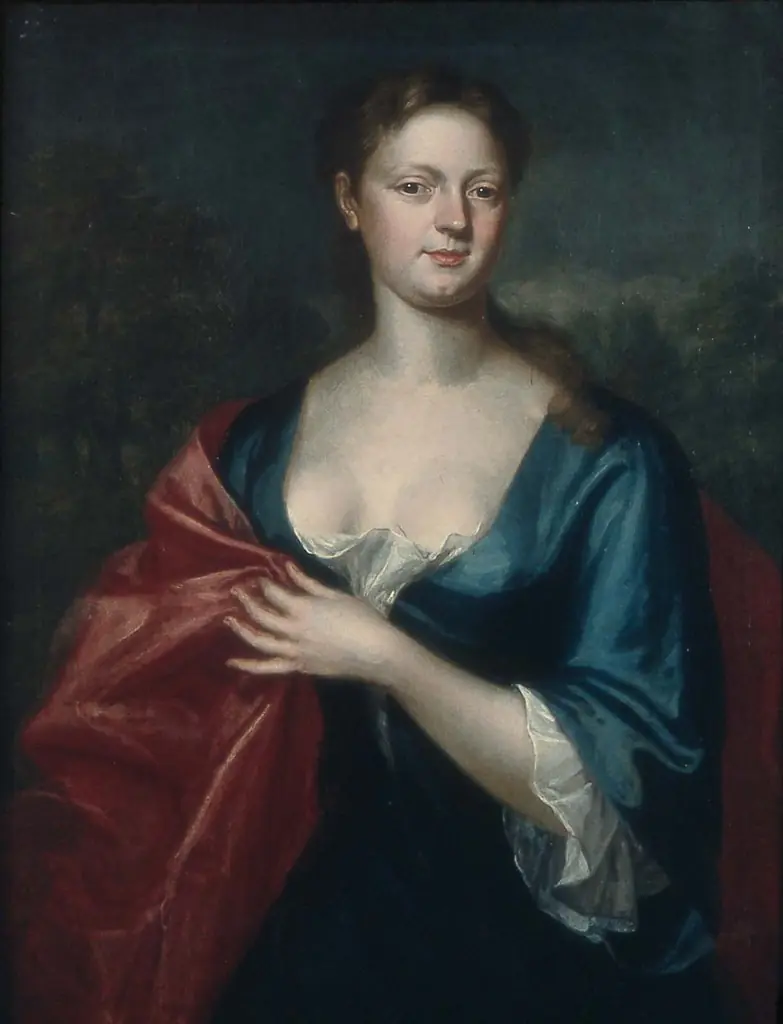
unknown woman is an oil painting by the Rococo painting artist Frances Meheux. It dates from 1715 and is held in the collection of the National Library of Wales.
About this work
Overview
An oil portrait attributed to Frances Meheux, dated around 1715, portrays an unidentified woman in quiet repose. The work resides in the collection of the National Library of Wales. Its modest scale and intimate composition reflect the conventions of early 18th-century British portraiture, where personal identity and restrained elegance were prioritized over grandeur or symbolic narrative.
Subject & Meaning
The sitter’s identity remains unknown, but her composed demeanor and refined attire suggest she belonged to a modestly affluent social circle. Her gaze, softly averted, conveys introspection rather than engagement with the viewer. The absence of identifiers—no jewelry, insignia, or props—emphasizes a focus on presence over status, aligning with a personal, perhaps domestic, commission.
Technique & Style
Meheux employs delicate brushwork to model the woman’s face, using subtle gradations of light to define cheekbones and jawline. The pink dress, rendered with soft transitions, contrasts with the dark, neutral background, drawing attention to the figure. The shawl’s folds are suggested rather than meticulously detailed, indicating a preference for atmospheric effect over precise texture.
History & Provenance
The painting entered the National Library of Wales’ collection through unspecified means, likely as part of a broader donation or acquisition of regional artworks. Its survival into the 20th century suggests it was preserved within a private Welsh household before institutional care. No documented exhibition history or contemporary records of its creation exist.
Context
In early 18th-century Britain, portrait painting was increasingly accessible beyond aristocracy, with provincial artists like Meheux catering to gentry and merchant families. This work reflects the rise of intimate portraiture, where emotional tone and personal dignity replaced heraldic symbolism. Similar examples survive in regional collections, underscoring a quiet shift in artistic priorities.
Legacy
Though Frances Meheux’s oeuvre is limited and largely unrecorded, this portrait stands as a representative example of provincial British portraiture from the period. It contributes to the understanding of how women artists operated within domestic and regional networks, often without formal training or public recognition, yet leaving behind works of quiet resonance.
Artist & collection
Artist
Frances Meheux painted women who looked like they could walk out of the room. No dramatic poses, no grand gestures—just quiet confidence in a plain dress, a book in hand, or a neighbor’s cat at her feet. She left barely…

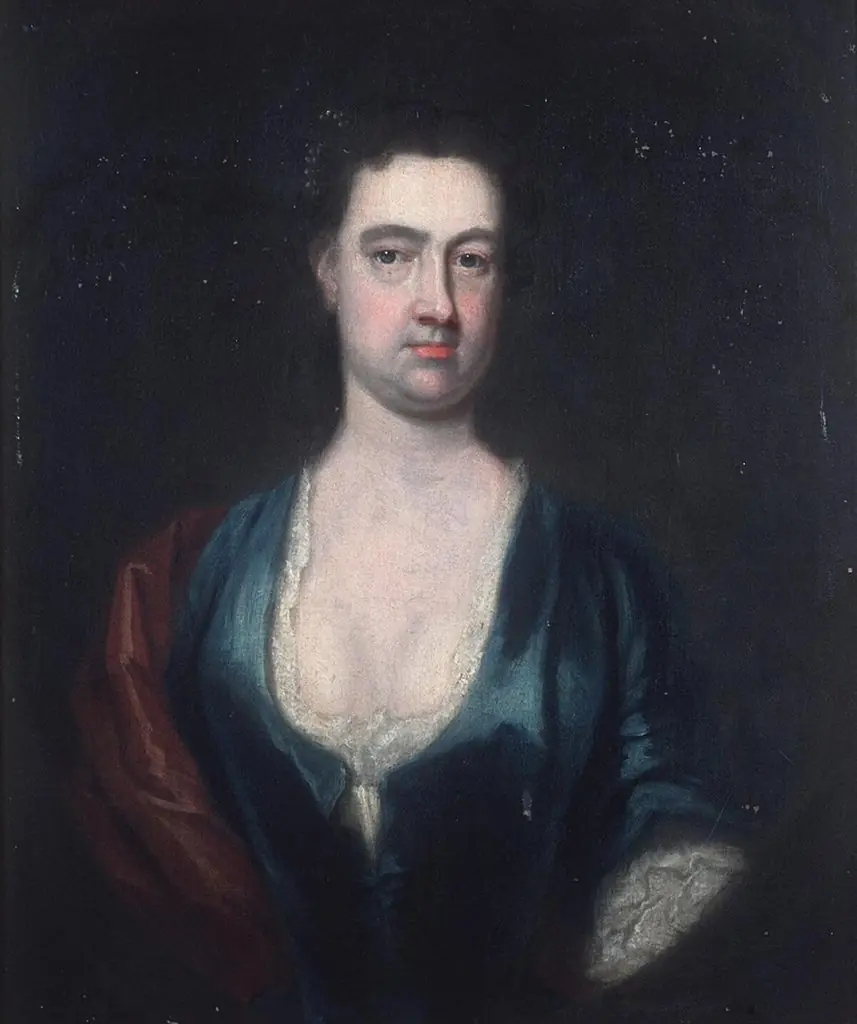 Anne Corbet, Eldest Daughter of V Corbet
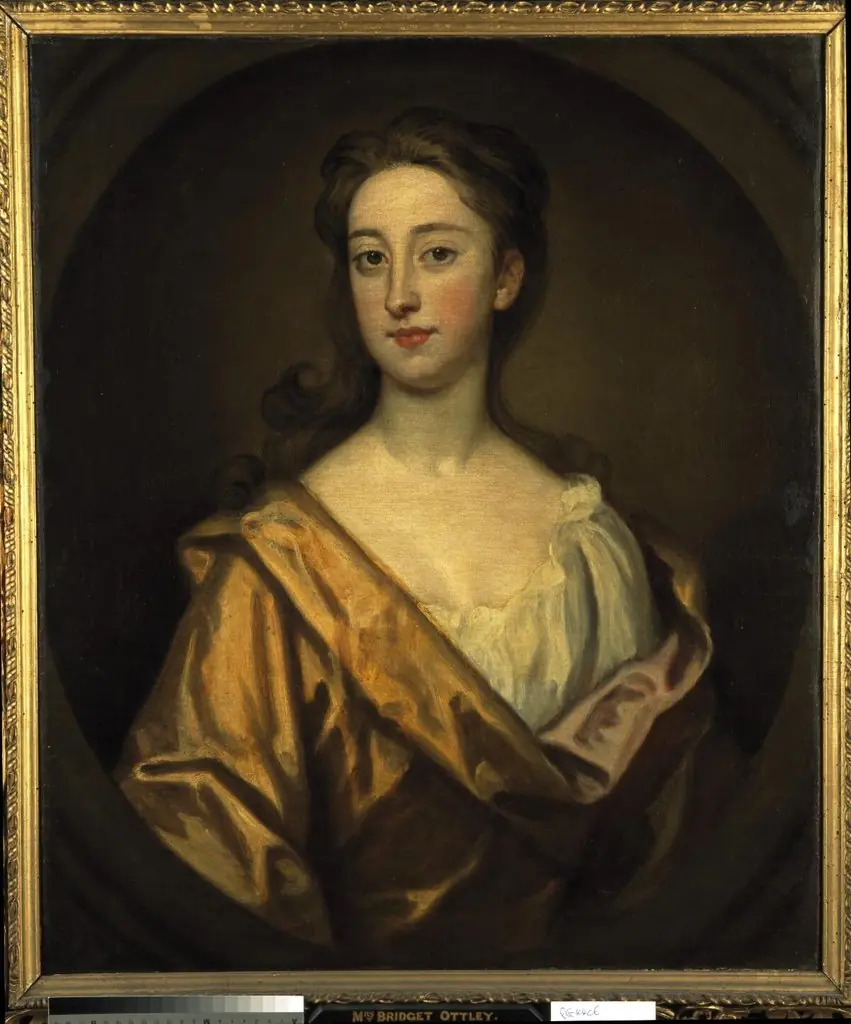 Mrs. Bridget Ottley
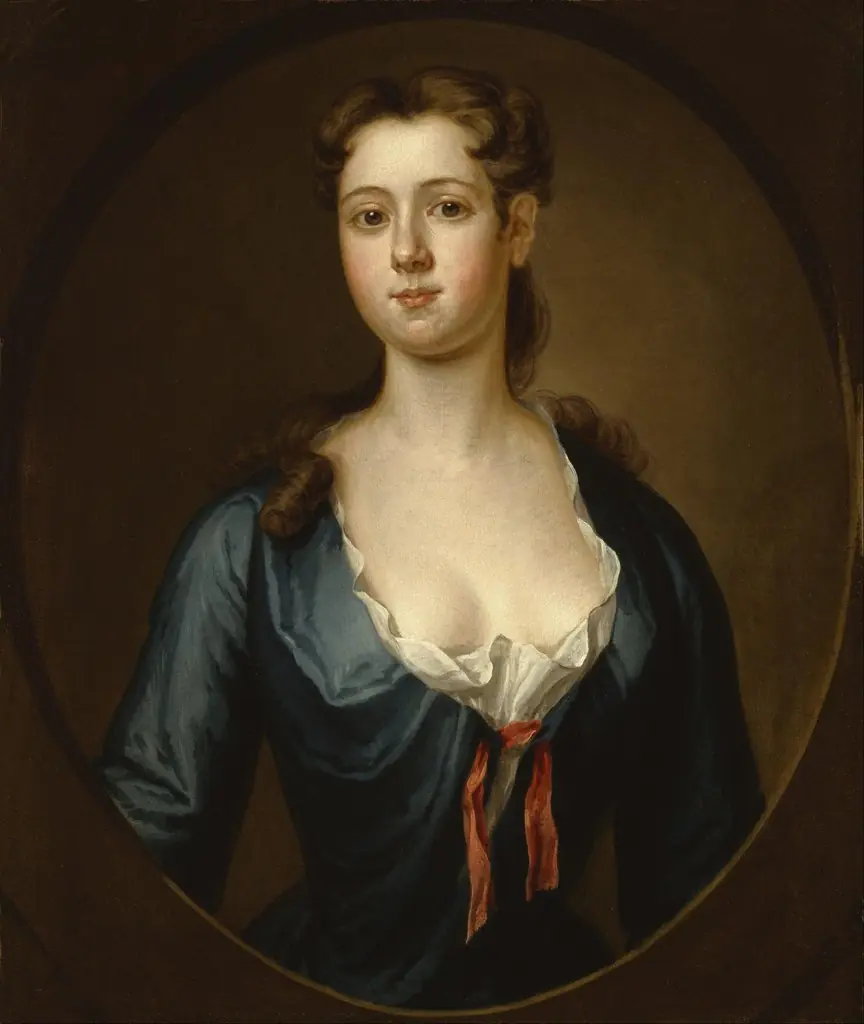 Portrait of Mary Pemberton (1717–1763)
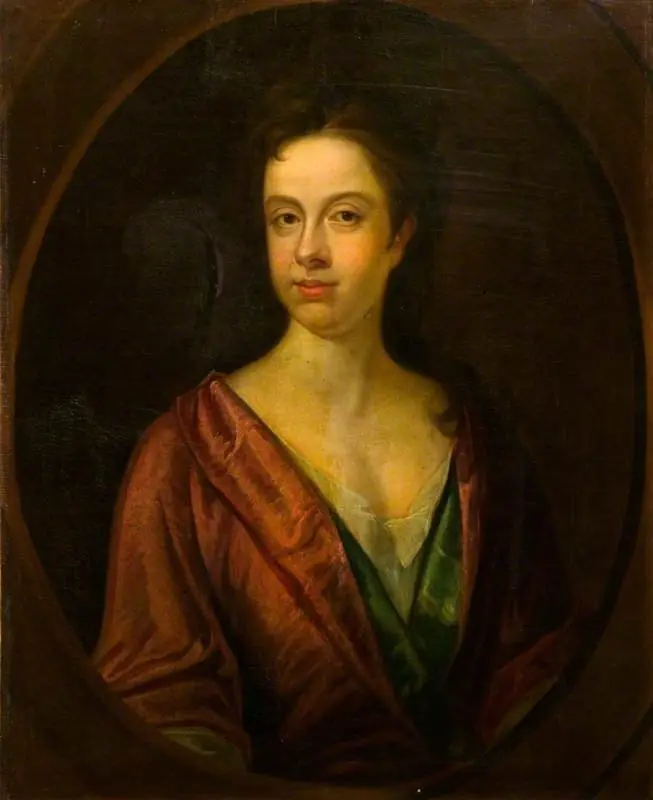 Mrs Church
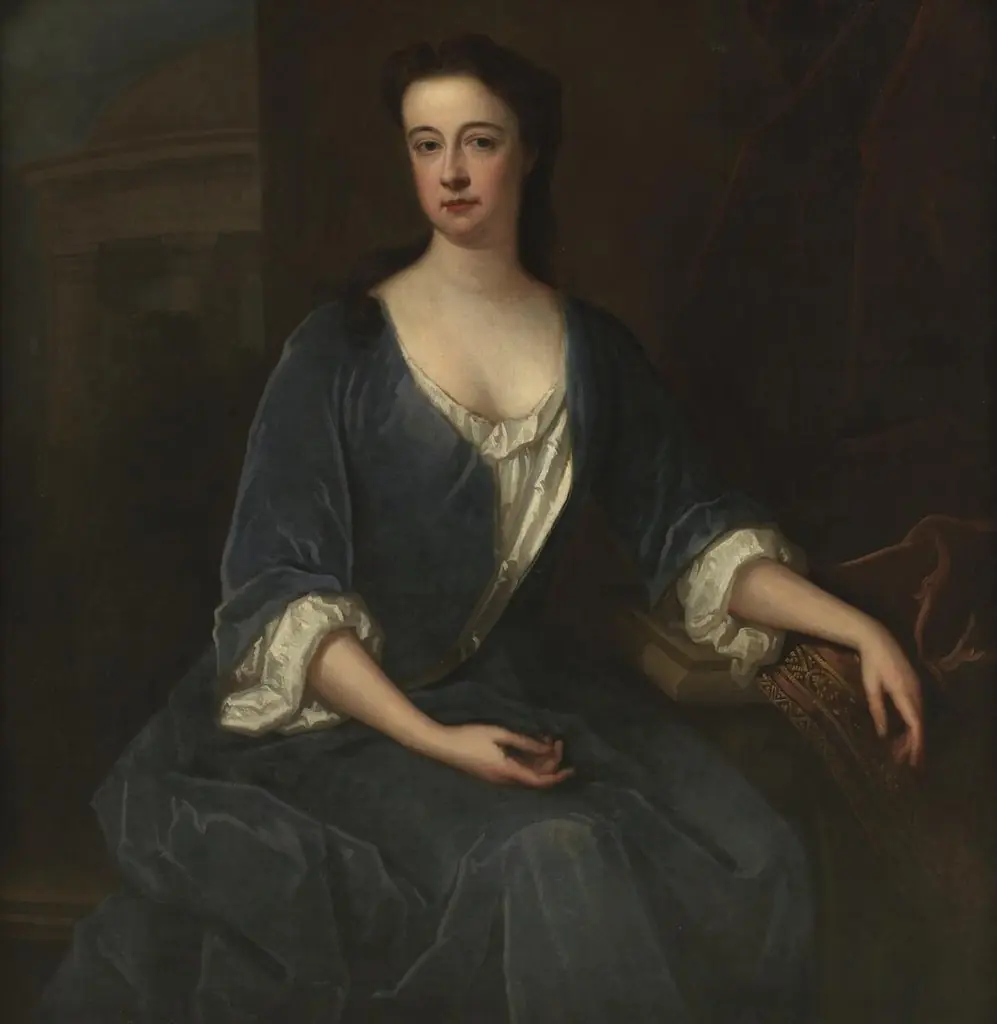 Barbara, Countess of Pembroke & Mont
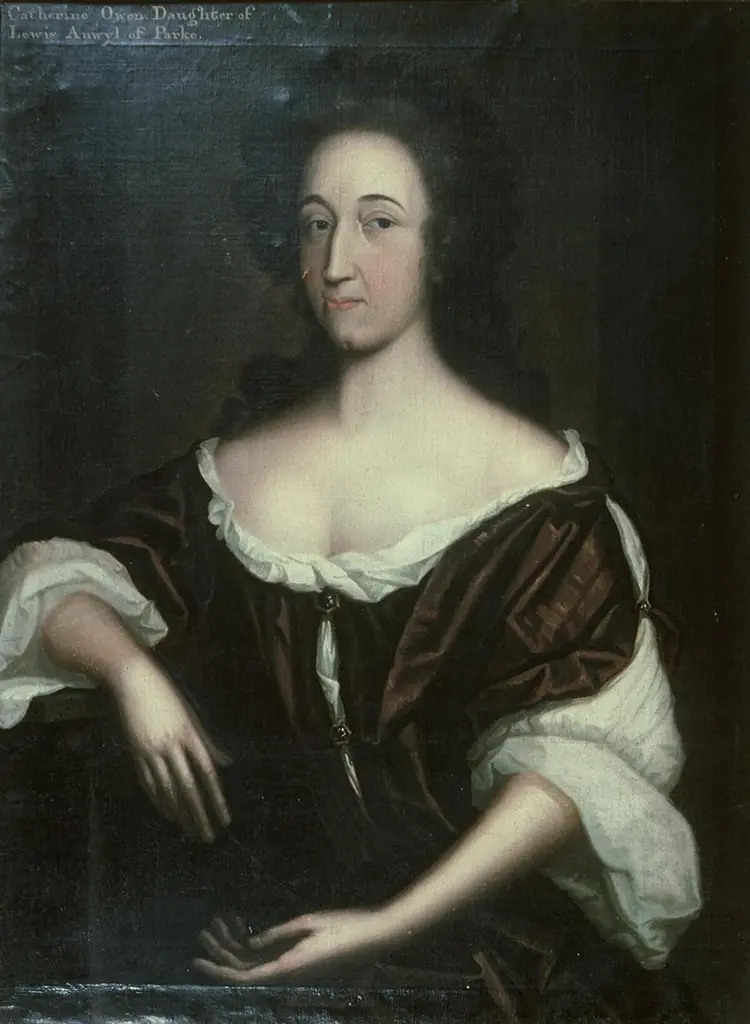 Catherine Owen, daughter Lewis Anwyl
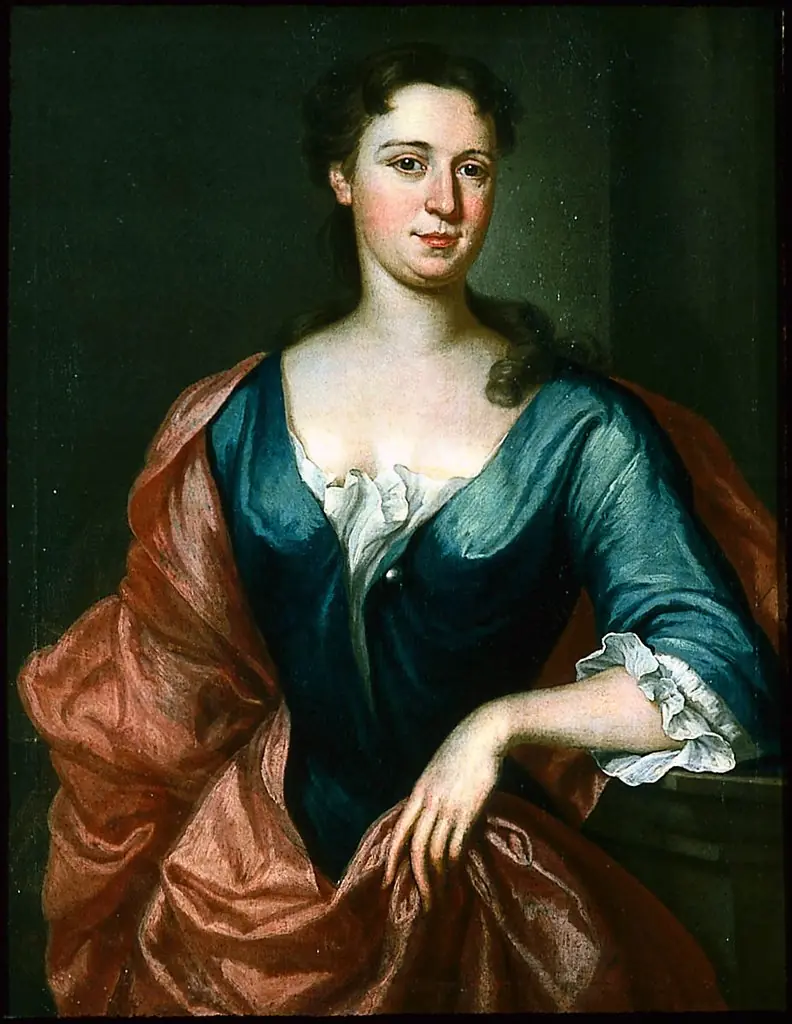 Mrs. Tyng
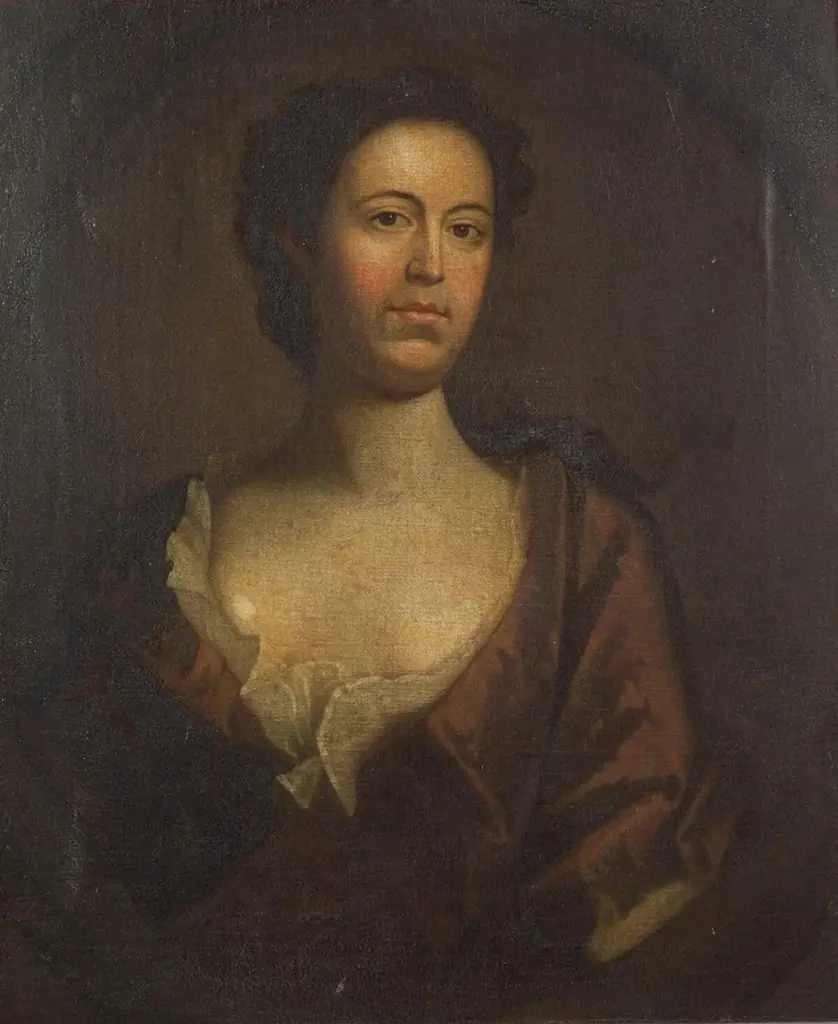 Mrs Edward Lloyd
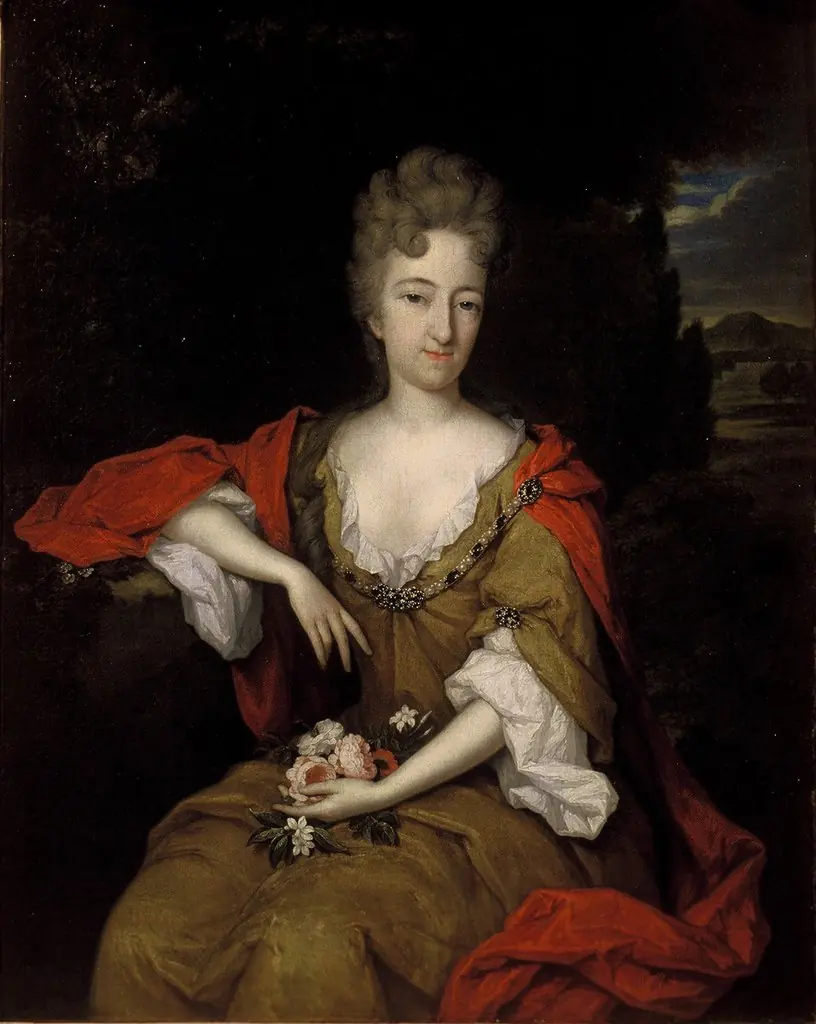 Portrait of Anna Maria Roman (1680-1758)
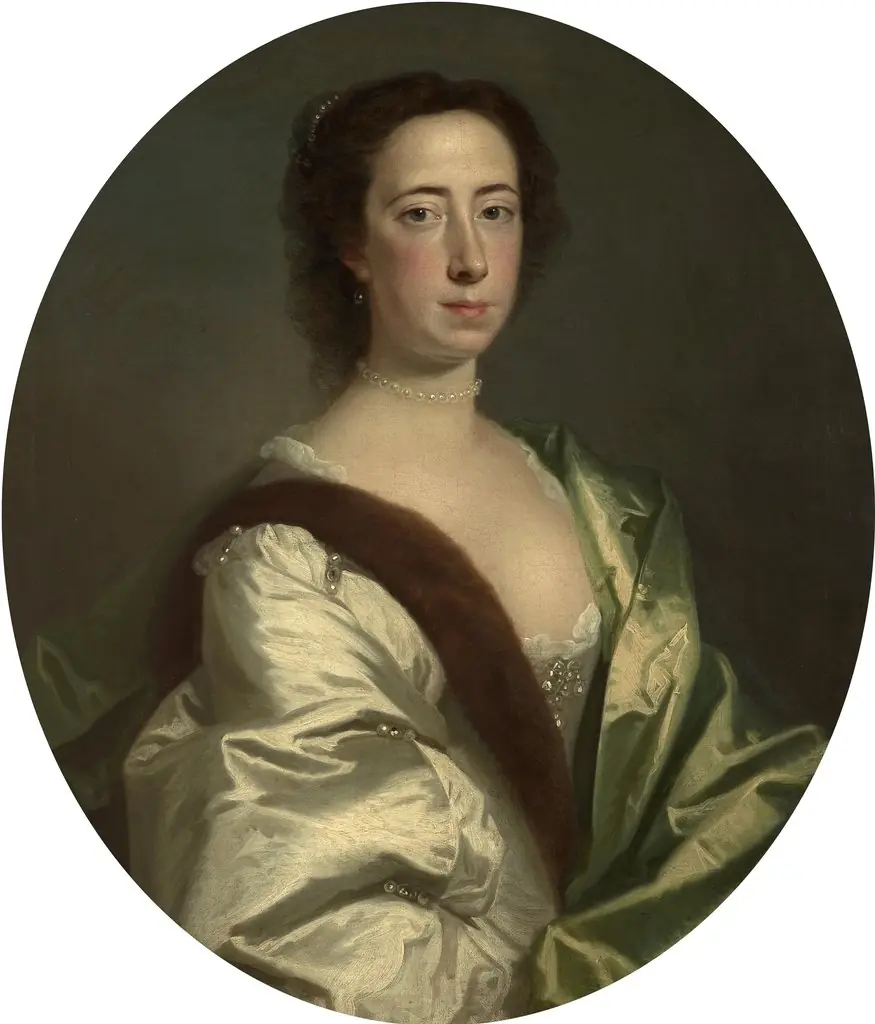 Lady Lucy Manners, Duchess of Montrose (1717 - 1788)
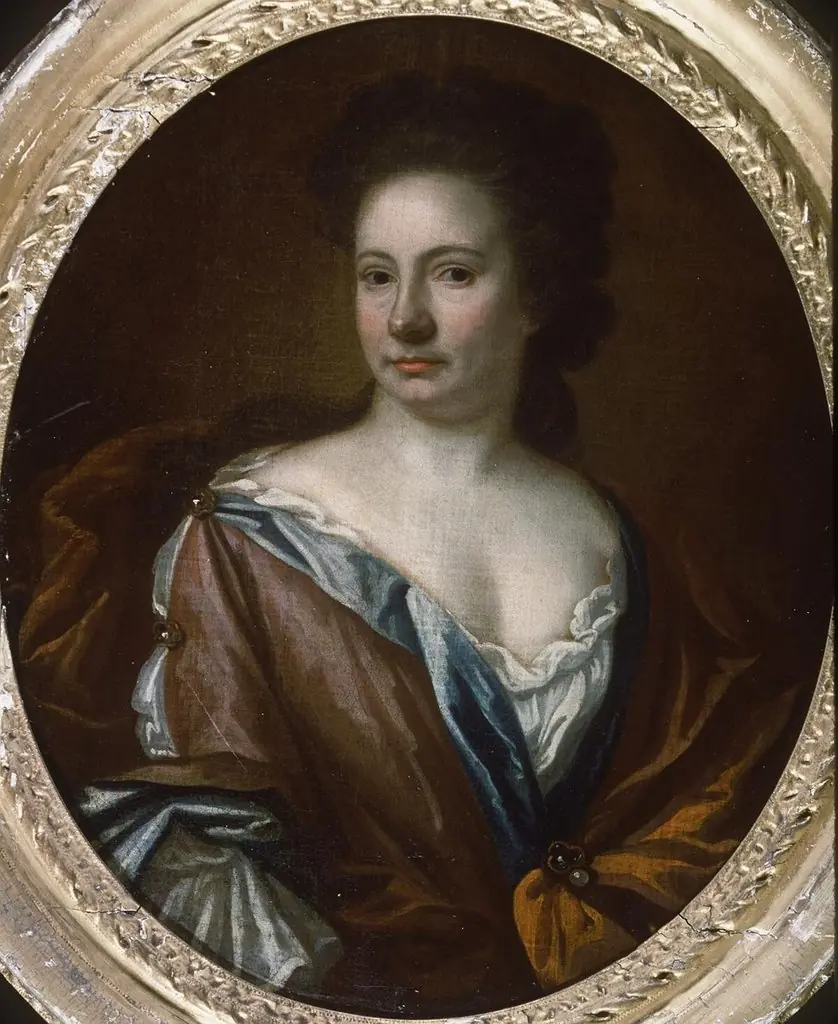 Portrait of a woman
 Mrs. William Dudley (Elizabeth Davenport)