Artwork
Self-Portrait
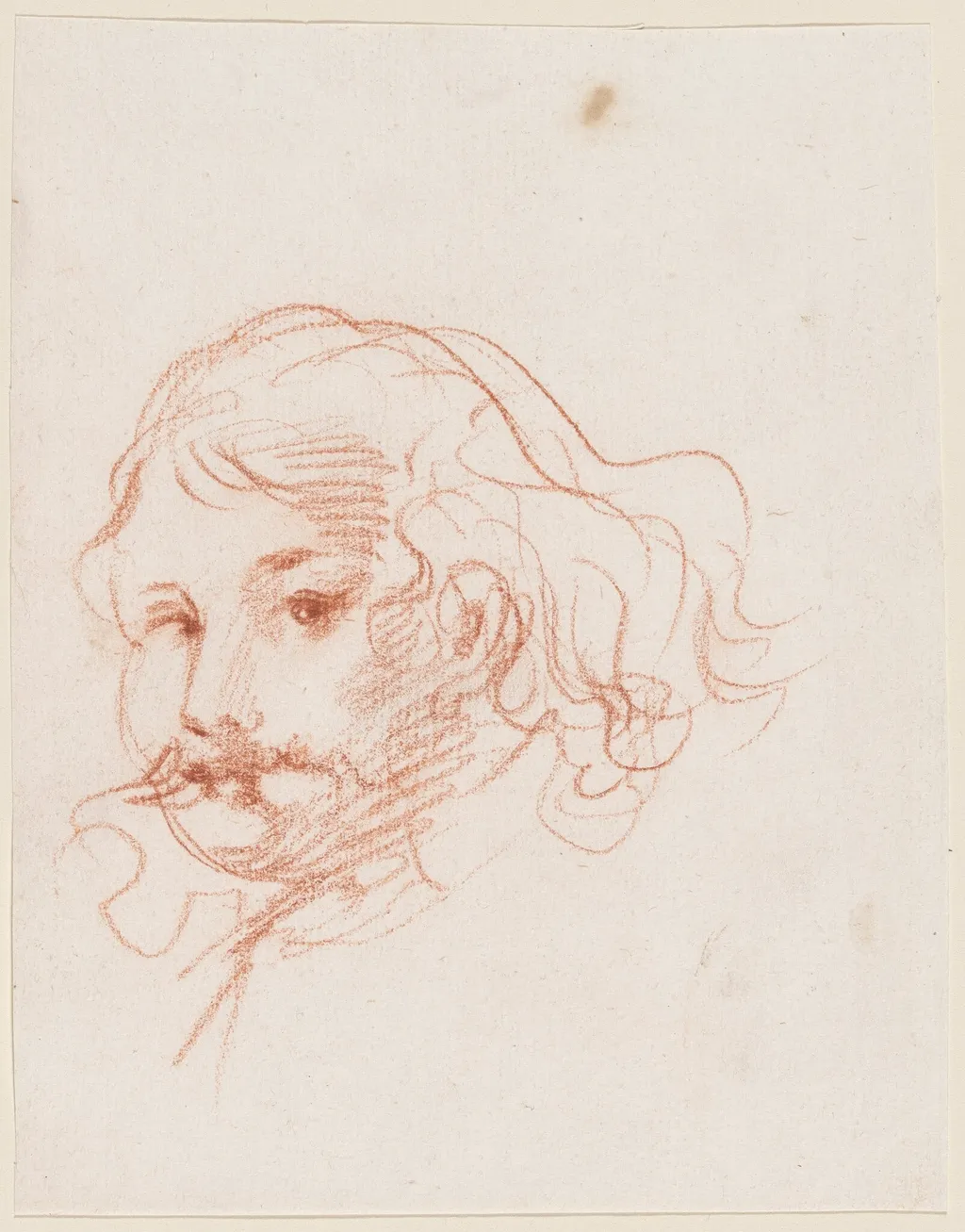
Self-Portrait is a chalk drawing by the Baroque artist Baldassare Franceschini. It dates from 1644 and is held in the collection of the National Gallery of Art.
About this work
Overview
Baldassare Franceschini’s self‑portrait, executed around 1644, is a red‑chalk drawing on laid paper. The work measures the artist’s head, shown in three‑quarter view with the gaze directed downward. Long, curling hair frames the face, and the composition is limited to the head and shoulders, emphasizing the sitter’s features and expression.
Technique & Style
Rendered with red chalk, the drawing combines confident, fluid lines with delicate hatching to model form. Subtle gradations of tone create a sense of volume, while the warm hue of the medium contributes to an earthy atmosphere. The handling reflects Baroque sensibilities, favoring expressive gesture and a dynamic sense of light across the facial planes.
Subject & Meaning
As a self‑portrait, the image offers a personal glimpse into Franceschini’s self‑perception during his mid‑career. The downward glance and slightly turned head suggest introspection, while the loose execution conveys a candid, unguarded moment rather than a formal, idealized representation.
History & Provenance
The drawing entered the collection of the National Gallery of Art in Washington, where it is currently displayed. Its attribution to Franceschini and dating to the mid‑1640s are based on stylistic analysis and comparison with other documented works by the artist.
Context
Created during the Baroque period, the portrait aligns with contemporary practices of using drawing as a means of study and personal expression. Red chalk was a favored medium among Italian artists for its immediacy and capacity to render flesh tones, situating this work within broader artistic trends of 17th‑century Italy.
Artist & collection


![Baby [verso], by Baldassare Franceschini](https://artifactworldgallery.com/img/baldassare-franceschini--baby-verso--070e4d9e6f984e17-w320.webp)
![Female Saint Carrying a Banner [recto], by Baldassare Franceschini](https://artifactworldgallery.com/img/baldassare-franceschini--female-saint-carrying-a-banner-recto--7b0a38585a5ad76d-w320.webp)
![Drapery Studies [recto], by Baldassare Franceschini](https://artifactworldgallery.com/img/baldassare-franceschini--drapery-studies-recto--8283f7732b58979e-w320.webp)
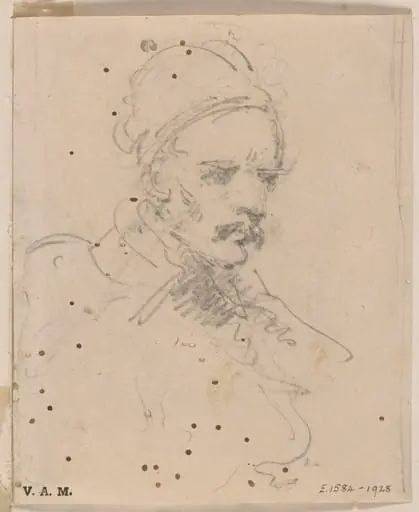 A moustachio'd man
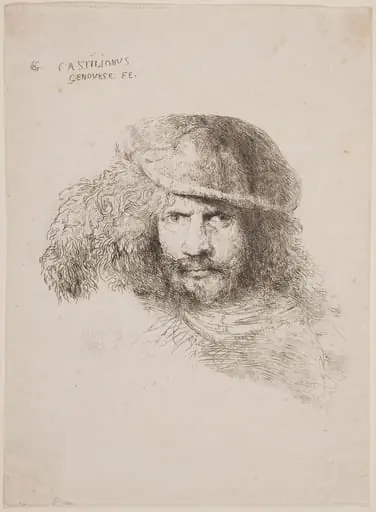 Head of a Young Man in a Feathered Hat (so-called Self-Portrait)
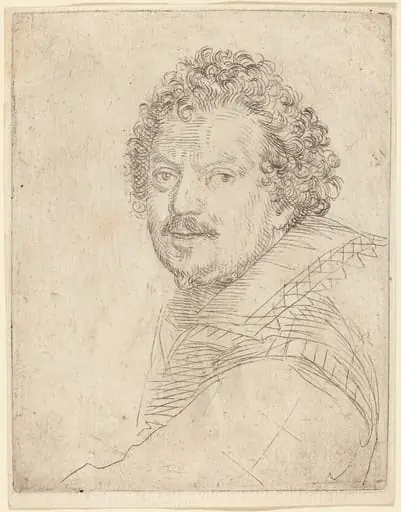 A Man with a Moustache and Goatee, Facing Forward
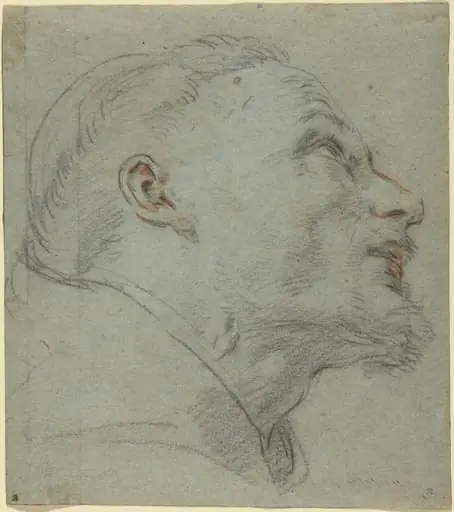 Head of Saint Francis
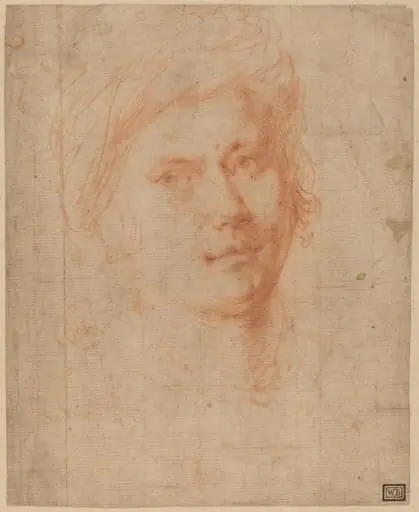 Head of a Youth
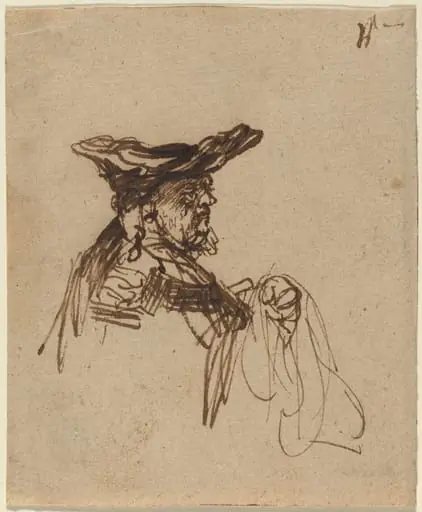 Bust of an Elderly Man in a Flat Cap
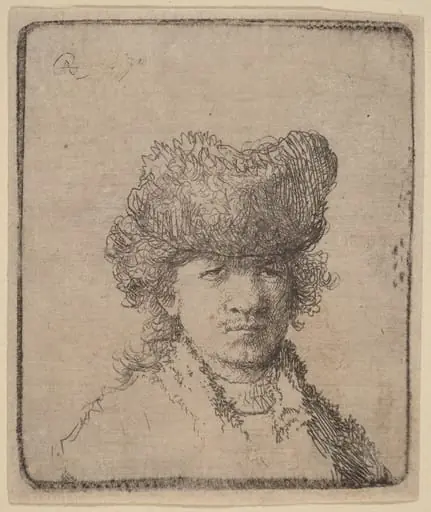 Self-Portrait in a Fur Cap
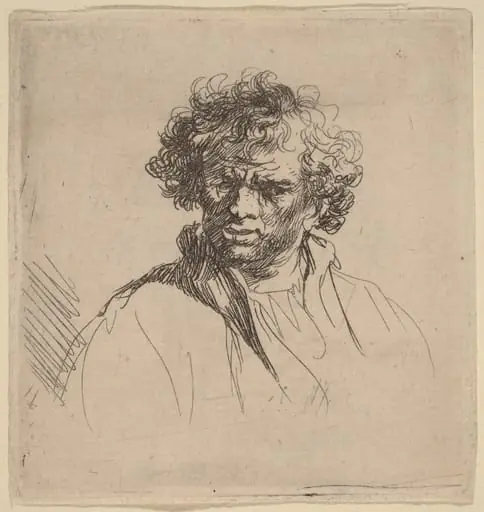 Curly-Headed Man with a Wry Mouth
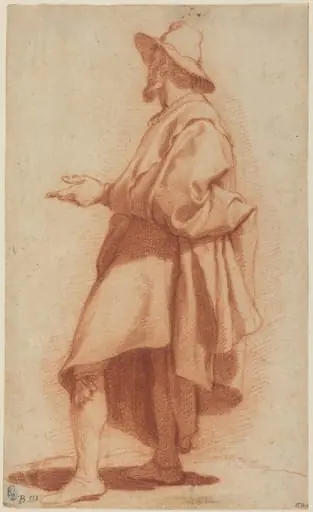 Standing Man Wearing a Cloak and Hat
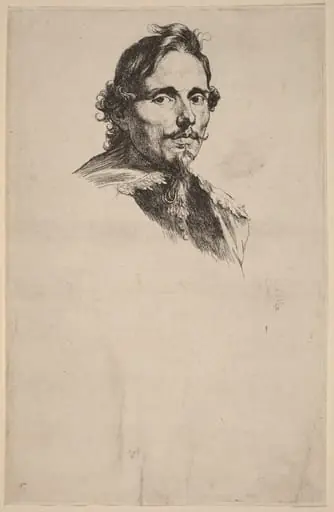 Philippe le Roy, Lord of Ravels
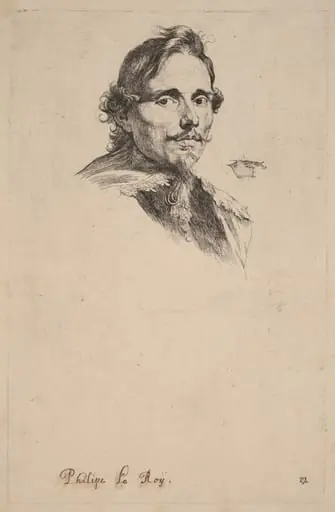 Philippe le Roy, Lord of Ravels
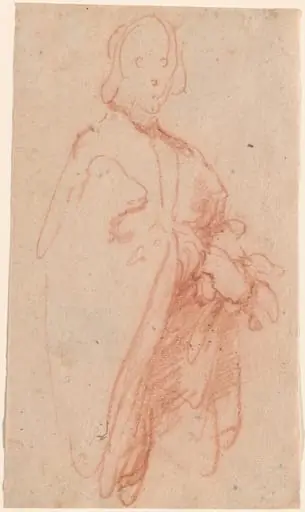 A Standing Man with Cloak and Gloves