Artwork
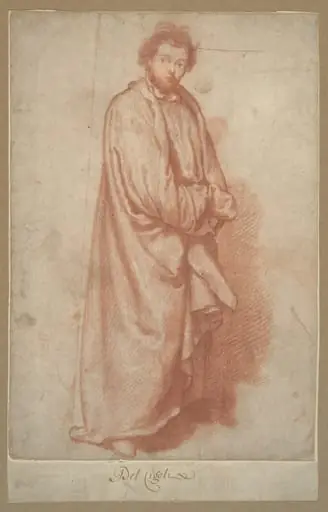
Standing Man Wearing a Cloak and Hat
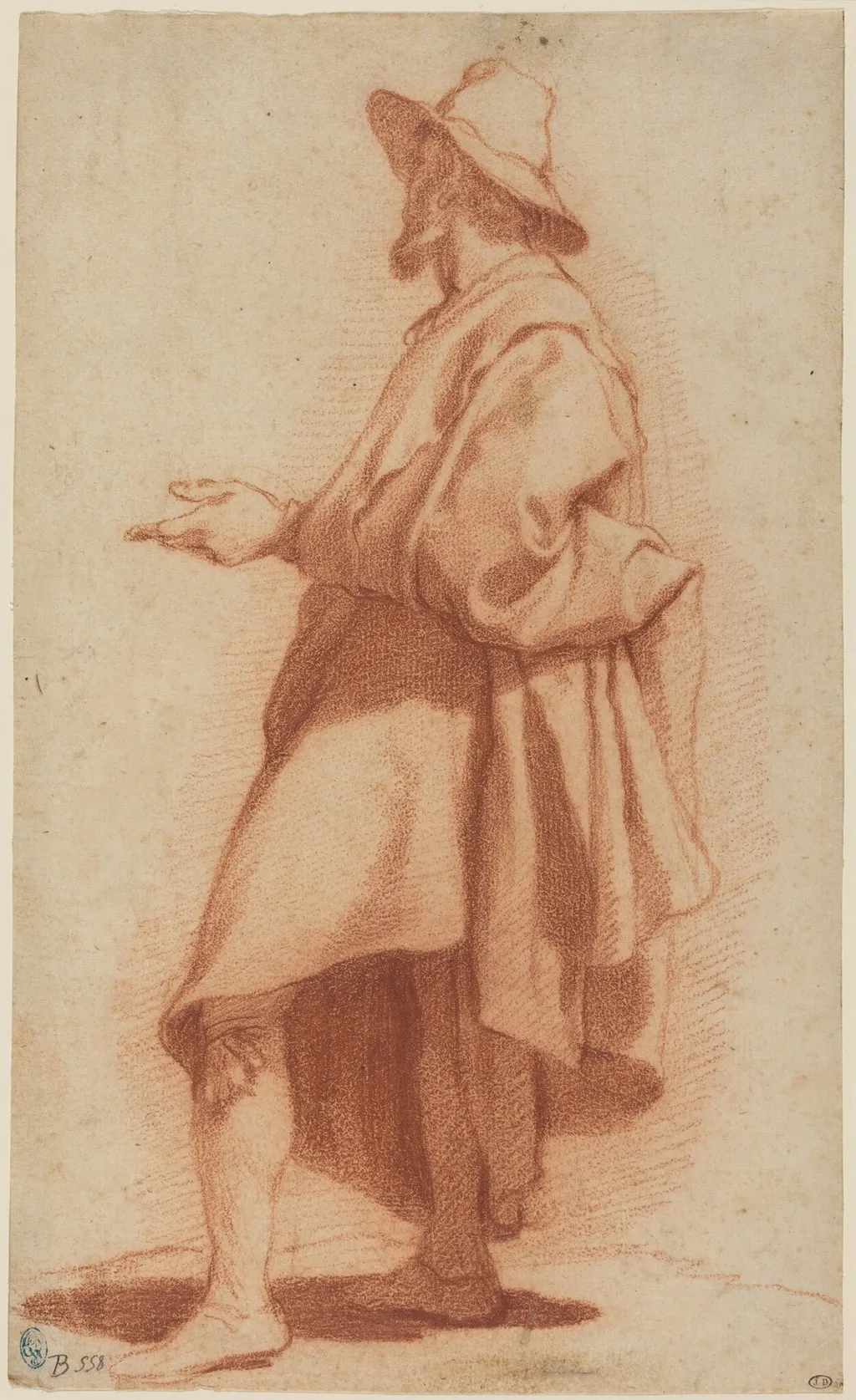
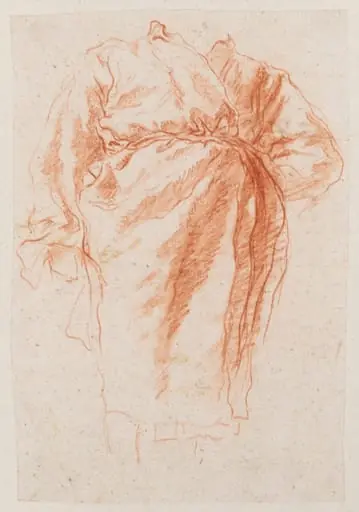
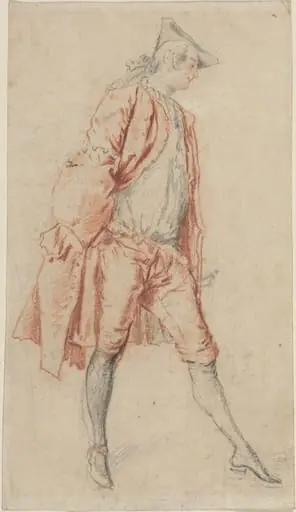
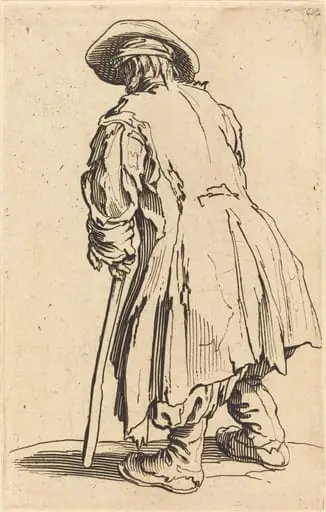
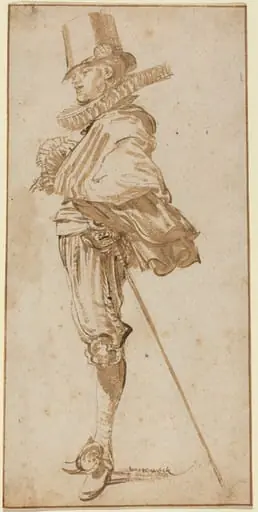
Standing Man Wearing a Cloak and Hat is a chalk drawing by the Renaissance artist Matteo Rosselli. It dates from 1602 and is held in the collection of the National Gallery of Art.
About this work
The artist used red chalk on laid paper to create this work, which is a technique that was popular during the Renaissance period.
This drawing is called Standing Man Wearing a Cloak and Hat.
It was made by Matteo Rosselli in 1602.
The artist used red chalk on laid paper to create this work, which is a technique that was popular during the Renaissance period.
This period was marked by a revival of interest in classical Greek and Roman styles, which influenced many artists of the time.
To learn more about this style, look into the movement: Renaissance.
Overview
Created in 1602, this drawing by Matteo Rosselli is a study in figure and form executed in red chalk on laid paper. Though Rosselli is best known for grand historical paintings, this intimate work reveals his skill in capturing the human presence through subtle tonal transitions and precise linework. The medium, favored in Renaissance workshops, allowed for both spontaneity and refinement in preparatory studies.
Subject & Meaning
The figure stands alone, wrapped in a heavy cloak and shaded by a broad-brimmed hat, suggesting anonymity or introspection. No narrative context is given, and the pose is neither theatrical nor gestural. Instead, the focus lies in the quiet dignity of the posture and the weight of the fabric, inviting contemplation of the individual rather than telling a story.
Technique & Style
Rosselli employed red chalk with controlled pressure to model volume and texture, emphasizing the folds of the cloak and the solidity of the figure. The laid paper’s subtle texture enhances the chalk’s warmth, while the absence of wash or outline keeps the form grounded in naturalism. This approach reflects the Florentine tradition of disegno, prioritizing line and structure over color.
History & Provenance
The drawing originates from Rosselli’s studio in Florence, where he trained numerous pupils and produced numerous studies for larger commissions. Its survival suggests it was valued as a working sketch rather than a finished piece. No documented early ownership is known, but it likely remained within artistic circles in Tuscany before entering institutional collections.
Context
In early 17th-century Florence, artists like Rosselli bridged Mannerist complexity and emerging Baroque naturalism. While his murals often featured crowded biblical scenes, his drawings reveal a quieter engagement with the human form. This piece aligns with a broader trend of figure studies used to refine anatomy and drapery, rooted in Renaissance ideals of observation and classical proportion.
Legacy
Though not widely exhibited, this drawing exemplifies the pedagogical role of figure studies in Florentine art academies. Rosselli’s approach influenced later generations who valued direct observation over stylization. The work stands as a quiet testament to the discipline of drawing as a foundation for artistic training during a period of stylistic transition.
Artist & collection
Artist
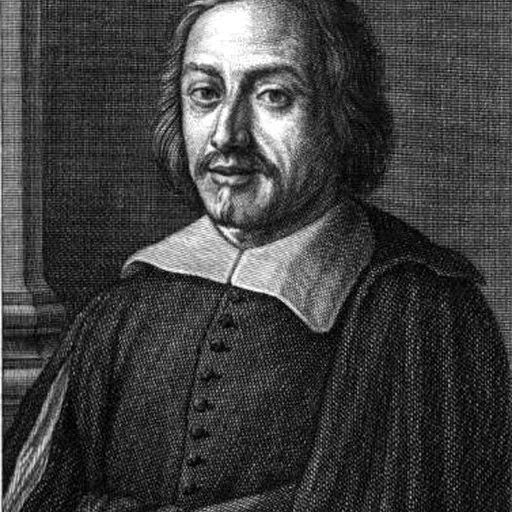
Matteo Rosselli (10 August 1578 – 18 January 1650) was an Italian painter of the late Florentine Counter-Mannerism and early Baroque. He is best known however for his highly populated grand-manner historical paintings.

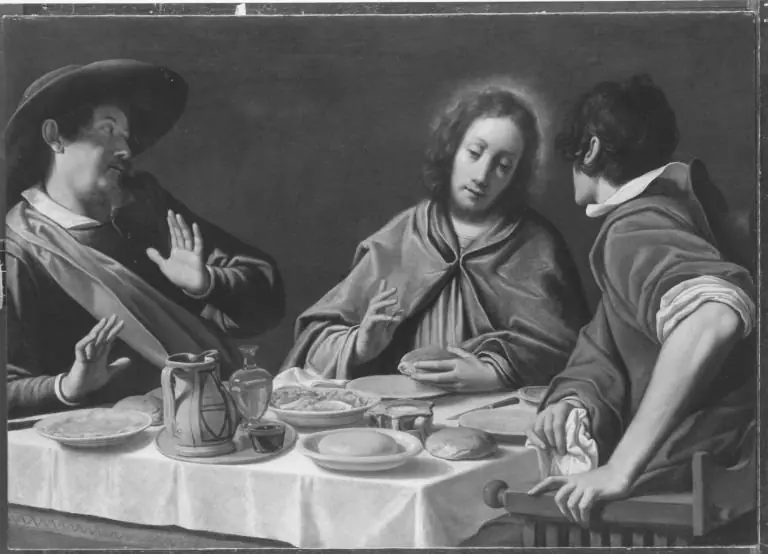
![Man Playing a Lute [recto], by Matteo Rosselli](https://artifactworldgallery.com/img/matteo-rosselli--man-playing-a-lute-recto--ba21023023a336b9-w320.webp)
![Man Leaning on a Rail [verso], by Matteo Rosselli](https://artifactworldgallery.com/img/matteo-rosselli--man-leaning-on-a-rail-verso--c9936b6777df930d-w320.webp)