Artwork
Venus and Cupid in a landscape
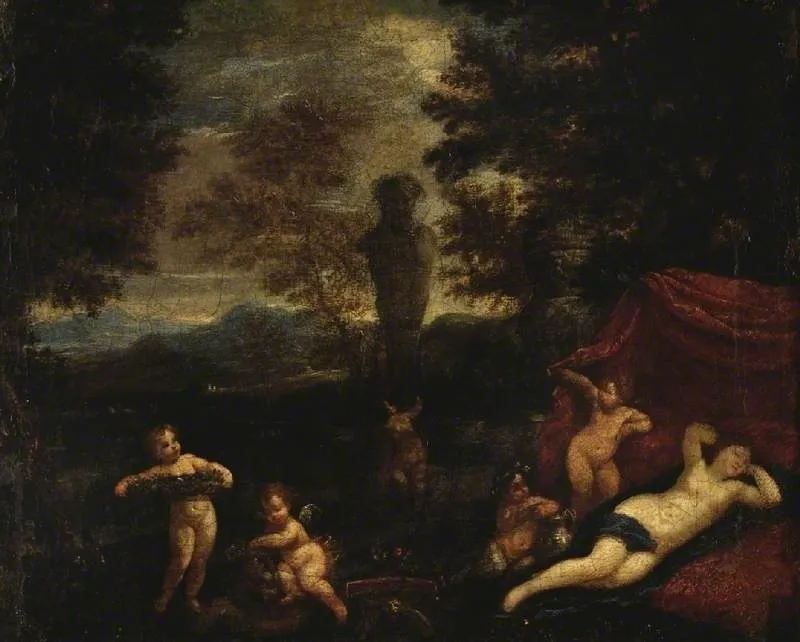
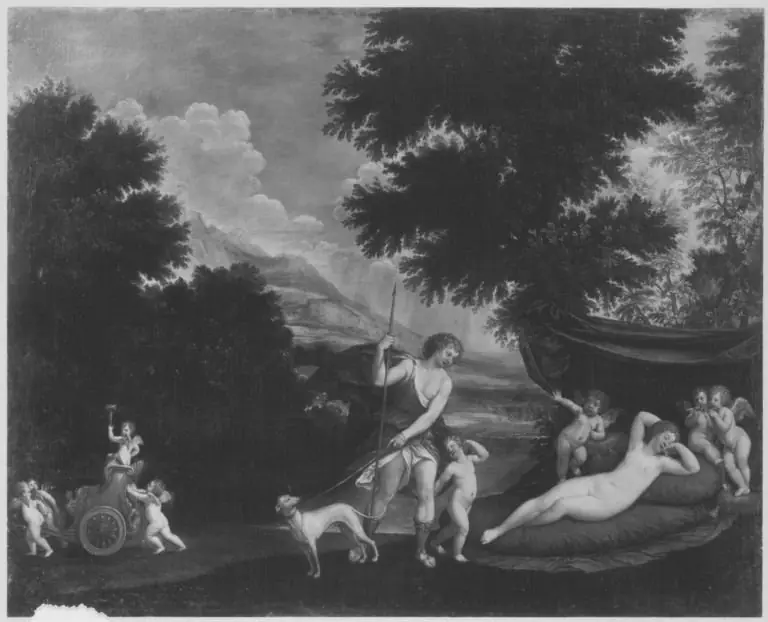
Venus and Cupid in a landscape is an oil painting by Francesco Albani. It dates from 1628 and is held in the collection of the Fitzwilliam Museum.
About this work
Overview
Painted around 1628, this oil-on-canvas work by Francesco Albani depicts a mythological scene set within a pastoral landscape.
Painted around 1628, this oil-on-canvas work by Francesco Albani depicts a mythological scene set within a pastoral landscape. It features Venus, the Roman goddess of love, reclining beside Cupid and four playful putti. The composition emphasizes serenity and natural harmony, with figures integrated into a gently rolling countryside. The painting is part of the Fitzwilliam Museum’s collection in Cambridge.
Subject & Meaning
Venus, depicted nude and at rest, embodies idealized beauty and tranquility, while Cupid and the putti represent the playful, tender aspects of love. Their interactions with flowers and each other suggest innocence and delight, reinforcing classical themes of love as a gentle, natural force. The scene avoids dramatic tension, instead evoking a quiet celebration of affection and harmony.
Technique & Style
Albani employs soft brushwork and a warm, muted palette to create a luminous atmosphere. The figures are rendered with delicate modeling, their forms blending into the landscape through subtle gradations of light. The red cloth beneath Venus provides a focal contrast, while the hazy background of trees and hills suggests depth without sharp detail, characteristic of Bolognese Mannerist traditions.
History & Provenance
The painting entered the Fitzwilliam Museum’s collection in the 19th century, likely through a private acquisition. Its attribution to Albani has been consistently supported by stylistic analysis and documentary records. While its early ownership is not fully documented, it aligns with the tastes of European collectors who favored mythological subjects in the Baroque period.
Context
Created during the height of the Bolognese school’s influence, the work reflects Albani’s engagement with classical mythology and the legacy of Correggio and the Carracci. It responds to a broader trend among Italian artists to depict mythological figures in idyllic, natural settings, blending human emotion with the calm of the countryside as a reflection of divine order.
Legacy
Though not among Albani’s most widely reproduced works, this painting exemplifies his refined approach to mythological narrative. It contributes to the understanding of how 17th-century artists adapted classical themes for intimate, contemplative compositions. Its presence in a major public collection ensures continued scholarly attention and public access to his nuanced style.
Artist & collection

Artist
Francesco Albani or Albano was an Italian Baroque painter of Albanian descent who was active in Bologna, Rome, Viterbo (1609–1610), Mantua (1621–1622) and Florence (1633).

 A Bacchanal: The Andrians
 Landschaft mit Juno und dem getöteten Argus
 Landscape with sportsmen
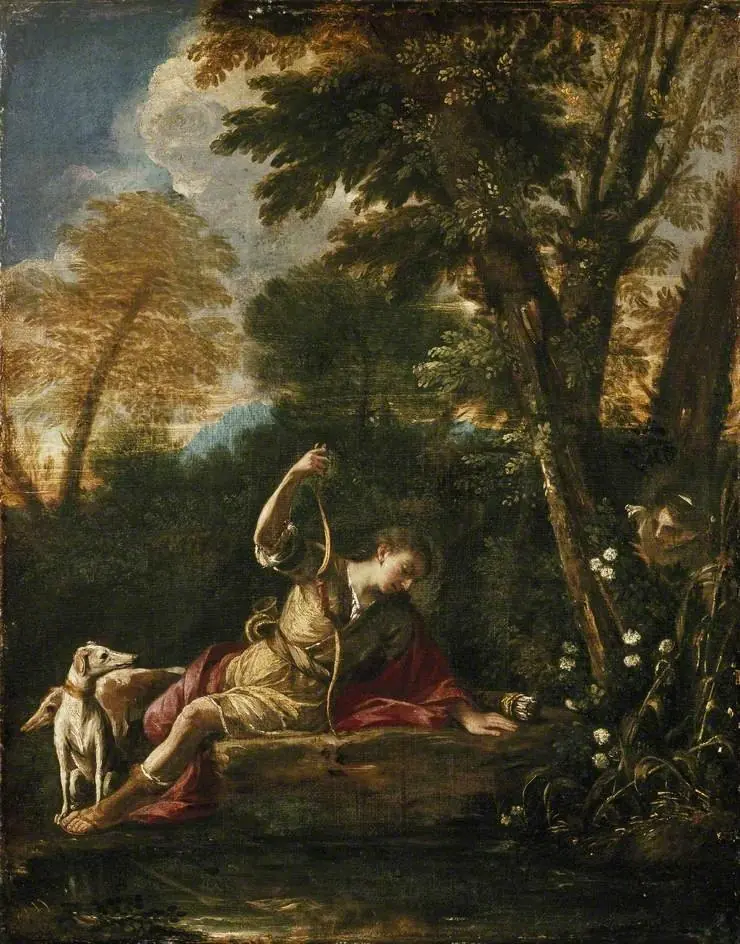 Echo and Narcissus
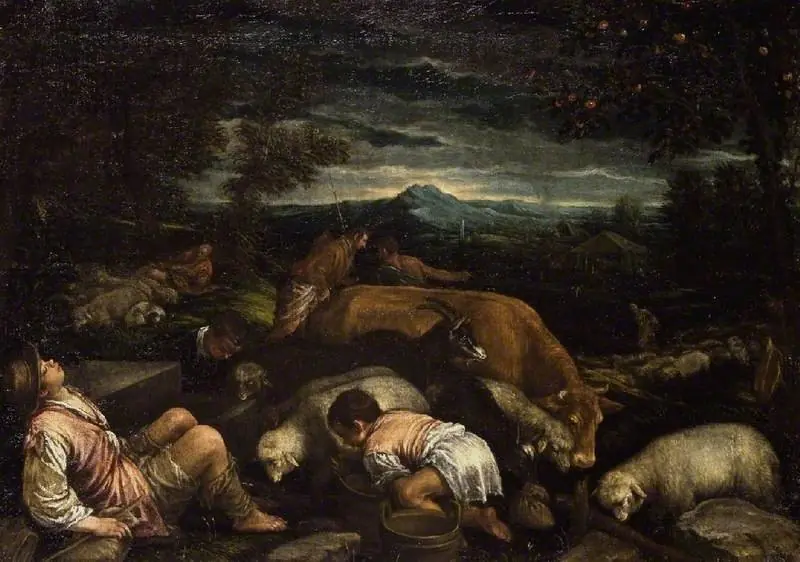 Landscape with Shepherds
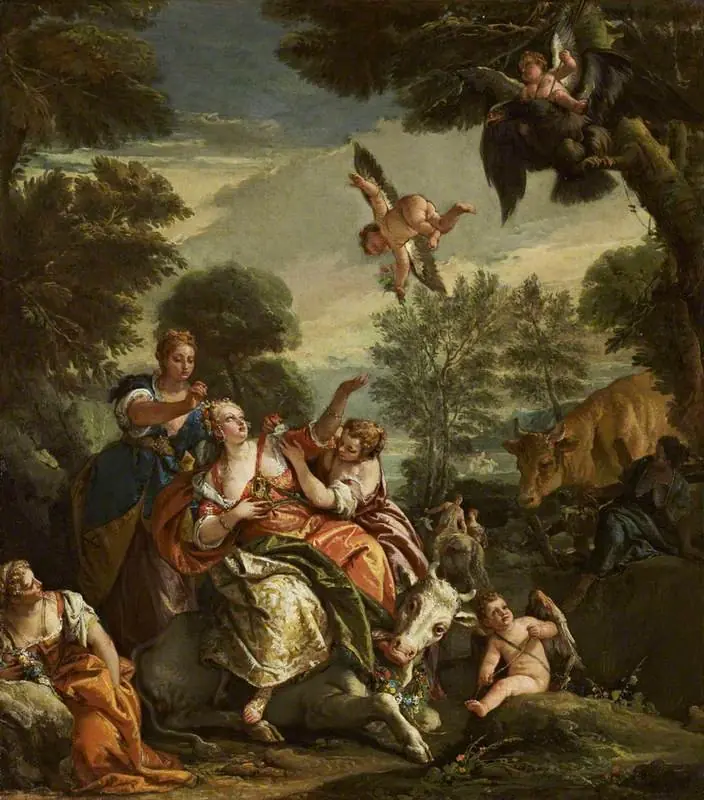 The Rape of Europa
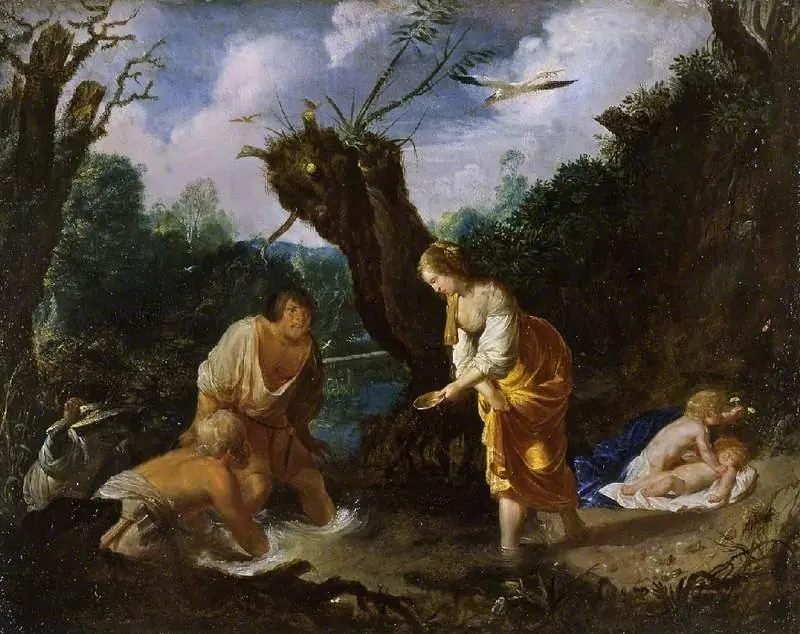 Latona transforming the peasants into frogs
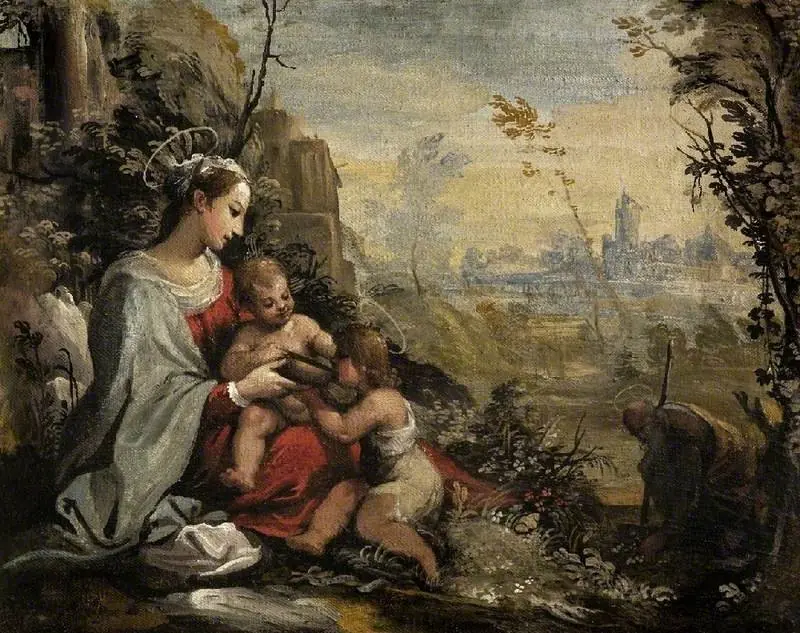 The Holy Family on the Flight meets the infant St John
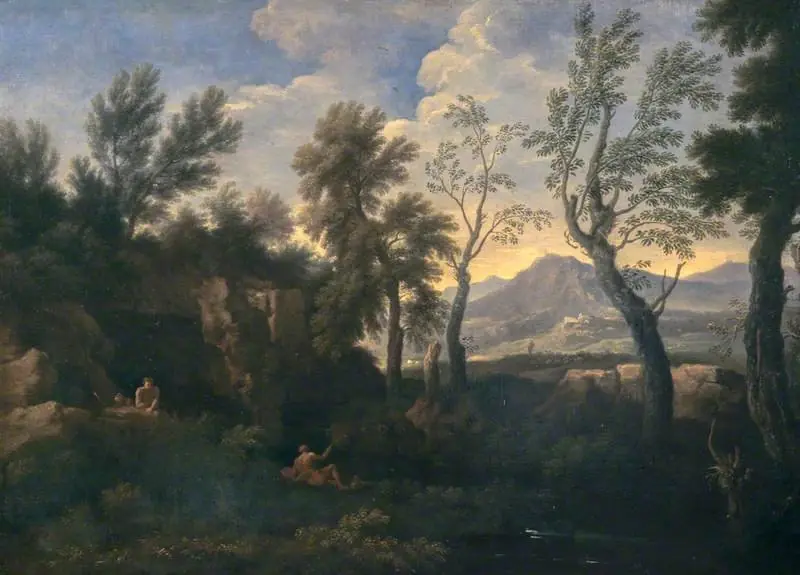 Landscape
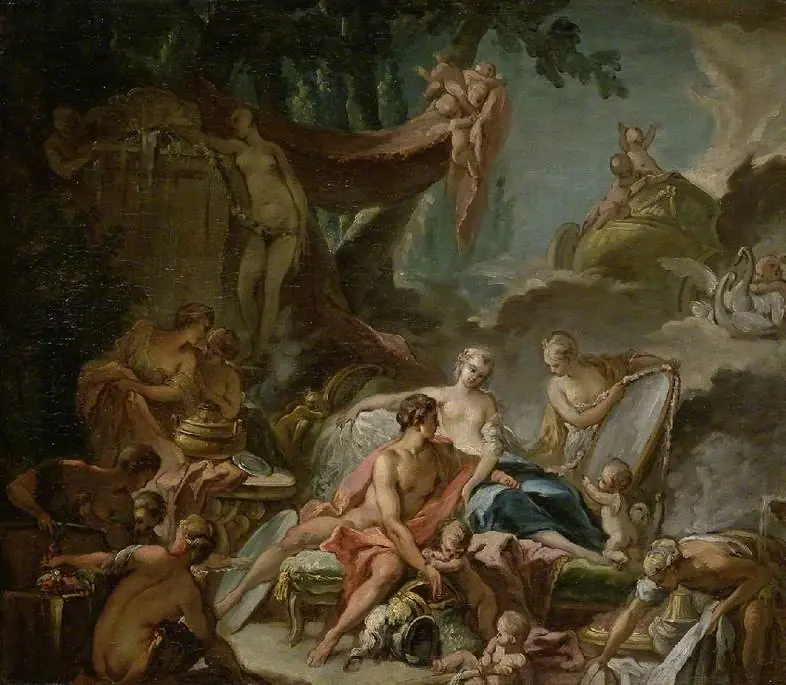 The Loves of the gods: Mars and Venus
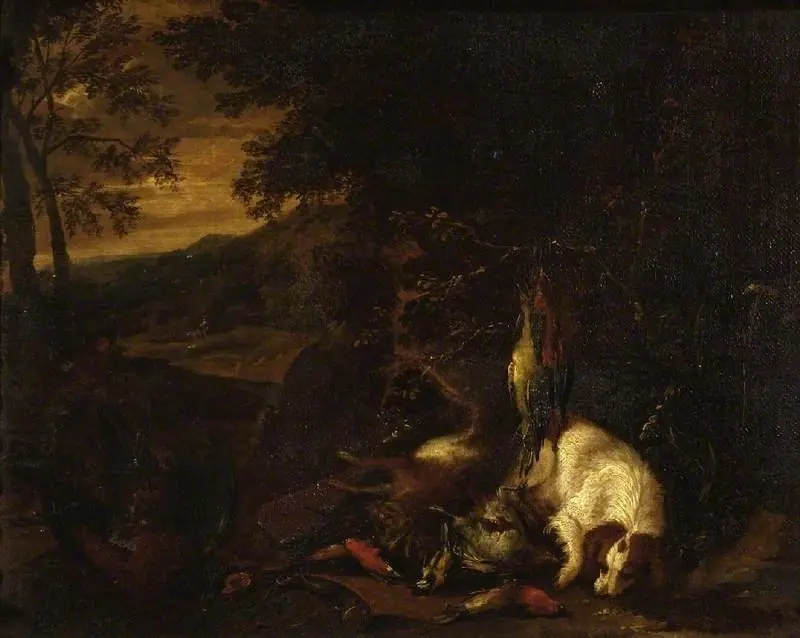 Spaniel and dead game in a landscape
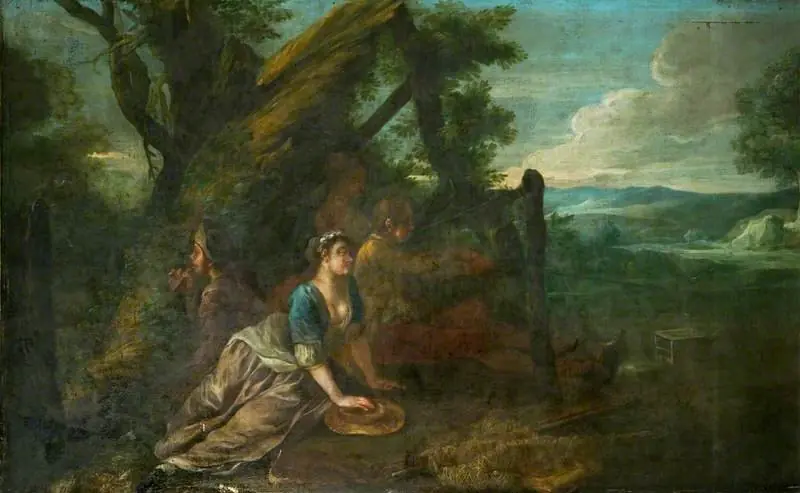 Bird-Catching by a Decoy with a Whistle and a Net (decorative painting for a supper-box at Vauxhall Gardens, London)