Artwork
The Fall of Icarus
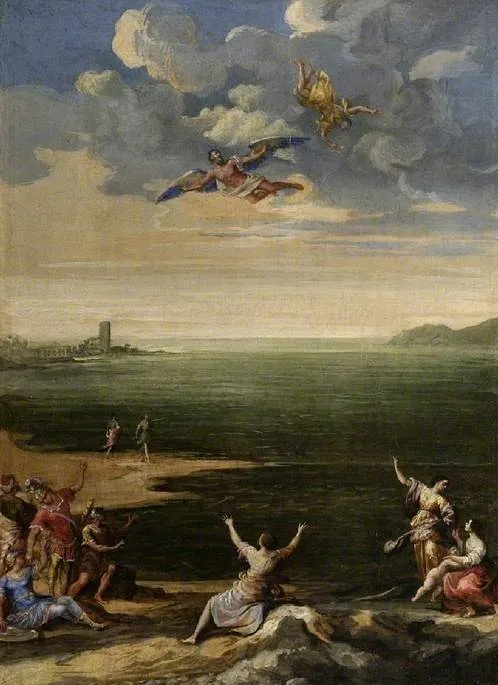
The Fall of Icarus is an unspecified painting by Francesco Allegrini da Gubbio. It dates from 1635 and is held in the collection of the Fitzwilliam Museum.
About this work
Overview
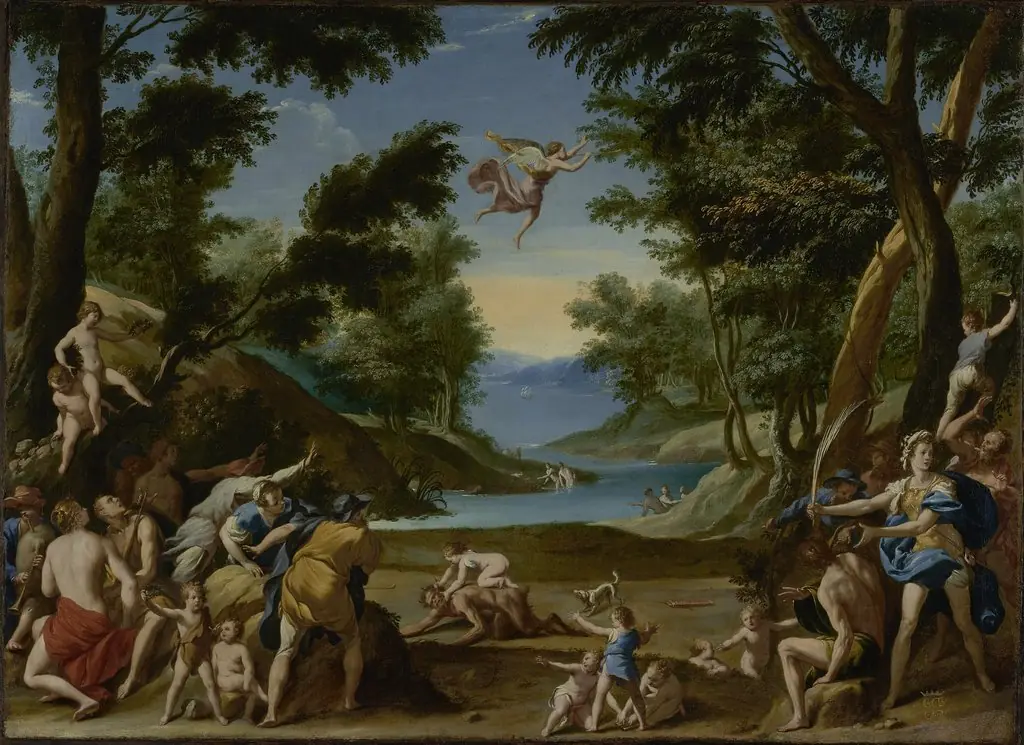
Created circa 1635, this oil painting portrays the tragic descent of Icarus, the youthful figure from Ovid’s *Metamorphoses* who fell after soaring too near the sun. Executed by the Italian Baroque artist Francesco Allegrini da Gubbio, the work now belongs to the Fitzwilliam Museum’s collection.
Subject & Meaning
The composition captures the moment of Icarus’s plunge, set against a storm‑filled sky. Below, a group of shoreline onlookers reacts with alarm, emphasizing the contrast between human indifference and the mythic catastrophe. The scene reflects the Baroque fascination with dramatic narrative and the moral warning inherent in the ancient tale.
Technique & Style
Allegrini employs a dark palette and vigorous brushwork to heighten the tension of the falling figure. The chiaroscuro treatment of clouds and the stark illumination of Icarus’s body draw the eye to the central drama, while the loosely rendered crowd in the foreground adds a sense of immediacy.
History & Provenance
Francesco Allegrini, active in Rome, Genoa, Savona and Naples, painted the work during his mature period. The canvas eventually entered the Fitzwilliam Museum, where it remains on view. Allegrini’s artistic lineage continued through his children, Flaminio and Angelica, the latter later contributing a canvas to San Francesco church in Gubbio.
Artist & collection

Artist
Francesco Allegrini da Gubbio (1587 – 21 July 1663) was an Italian painter of the Baroque period.

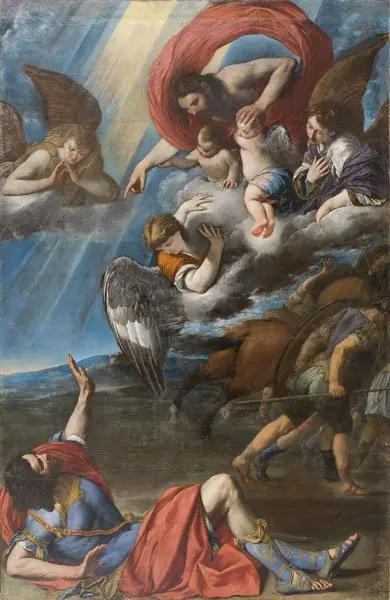 The conversion of Saint Paul
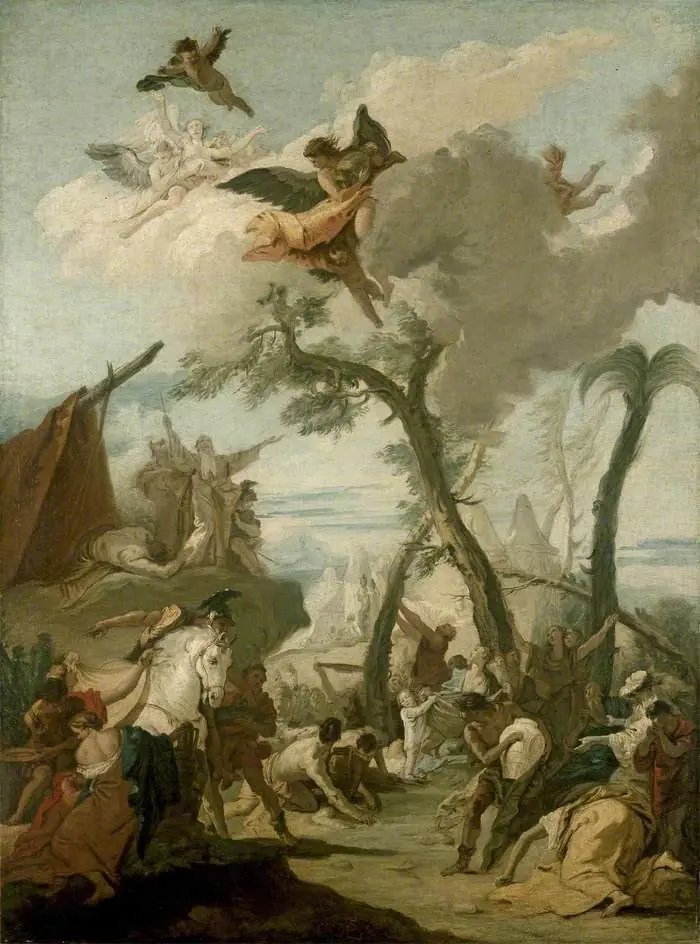 The Gathering of Manna
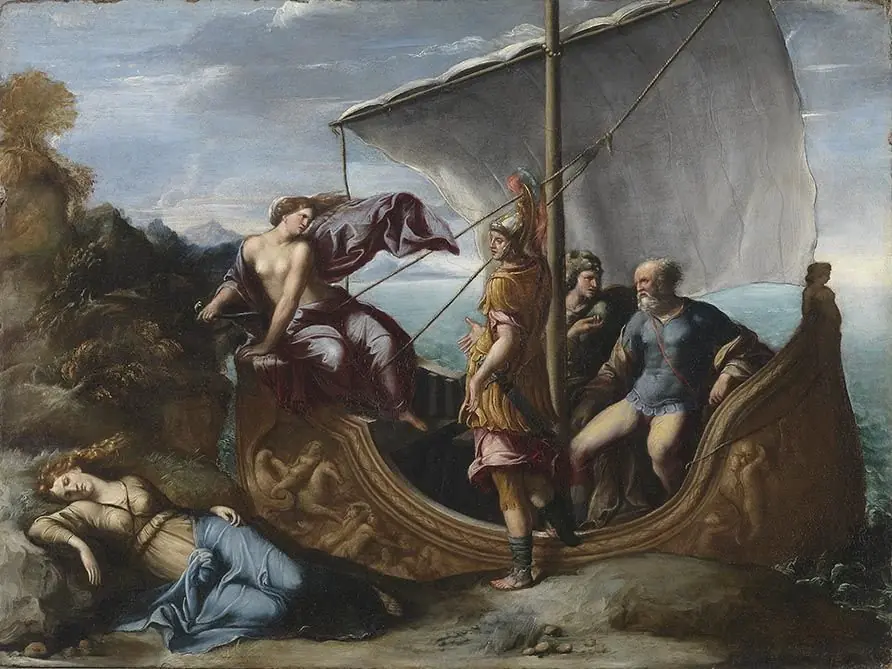 Theseus und Ariadne
 The Return of the Holy Family to Nazareth
 The Apotheosis of St Zeno
 Cadmus and the Dragon
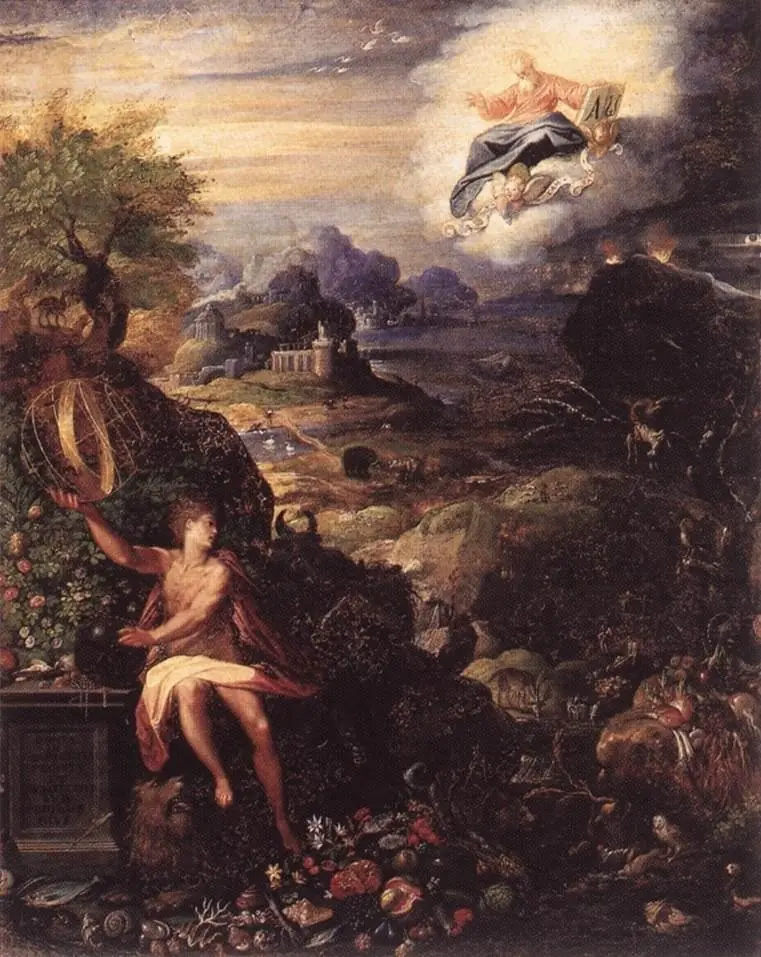 Allegory of the Creation
 Death of St Peter Martyr
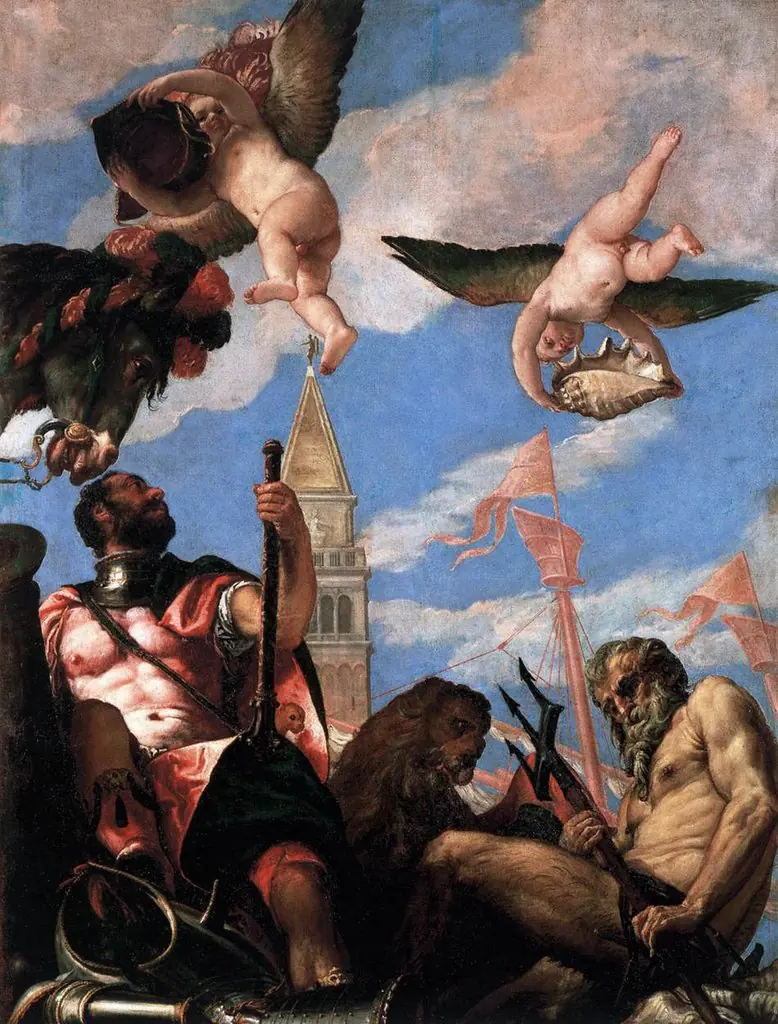 Mars and Neptune
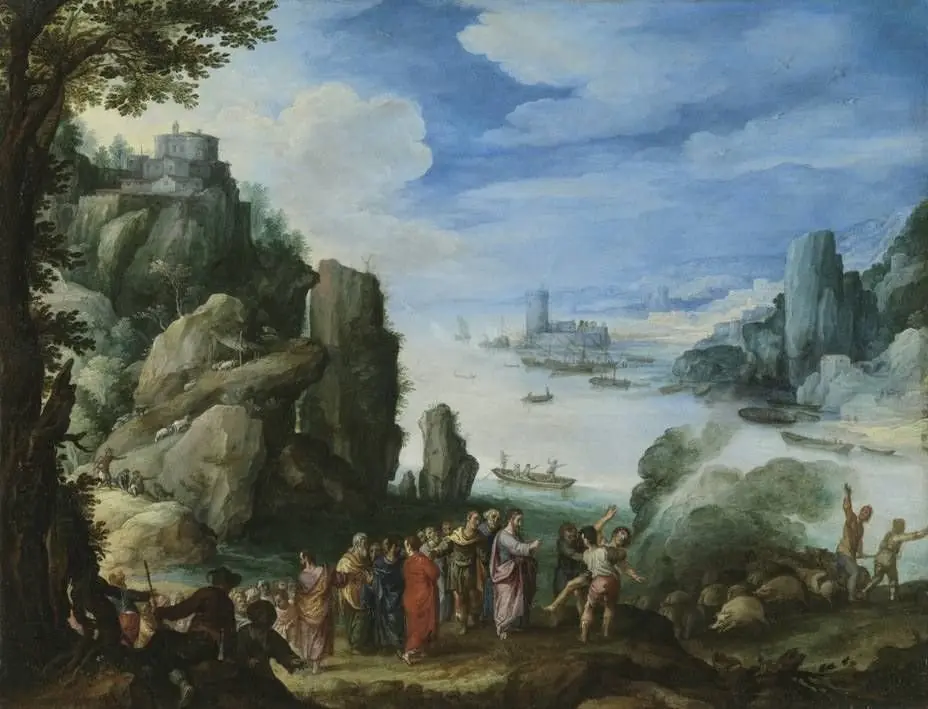 Landscape with the Exorcism of the Gerasene demoniac
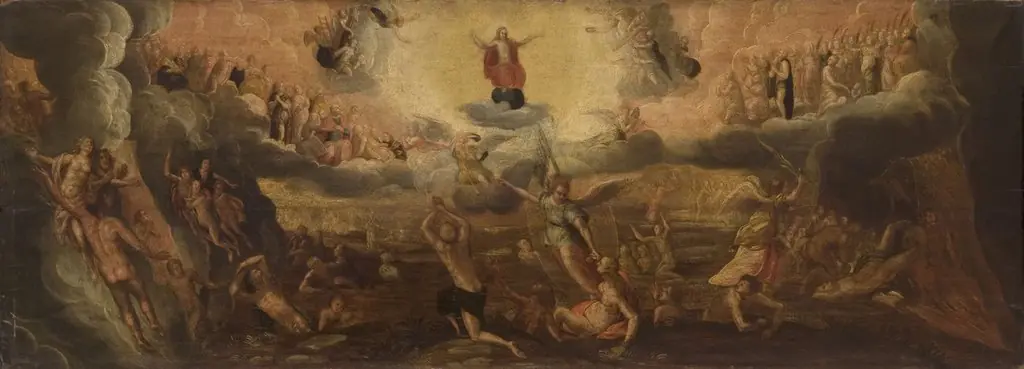 The Last Judgment
 Cupid and Pan