Artwork
Virgin and Child
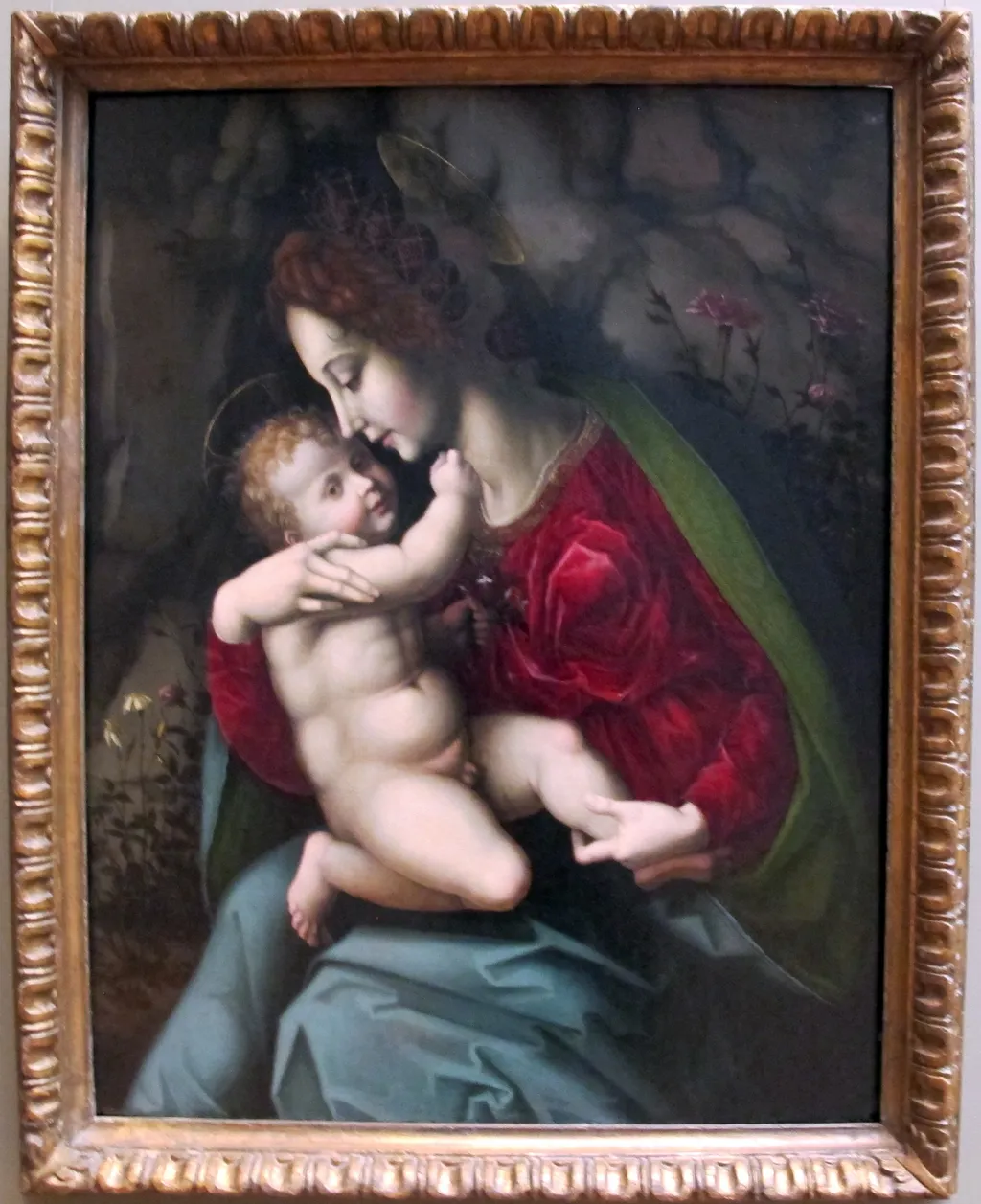
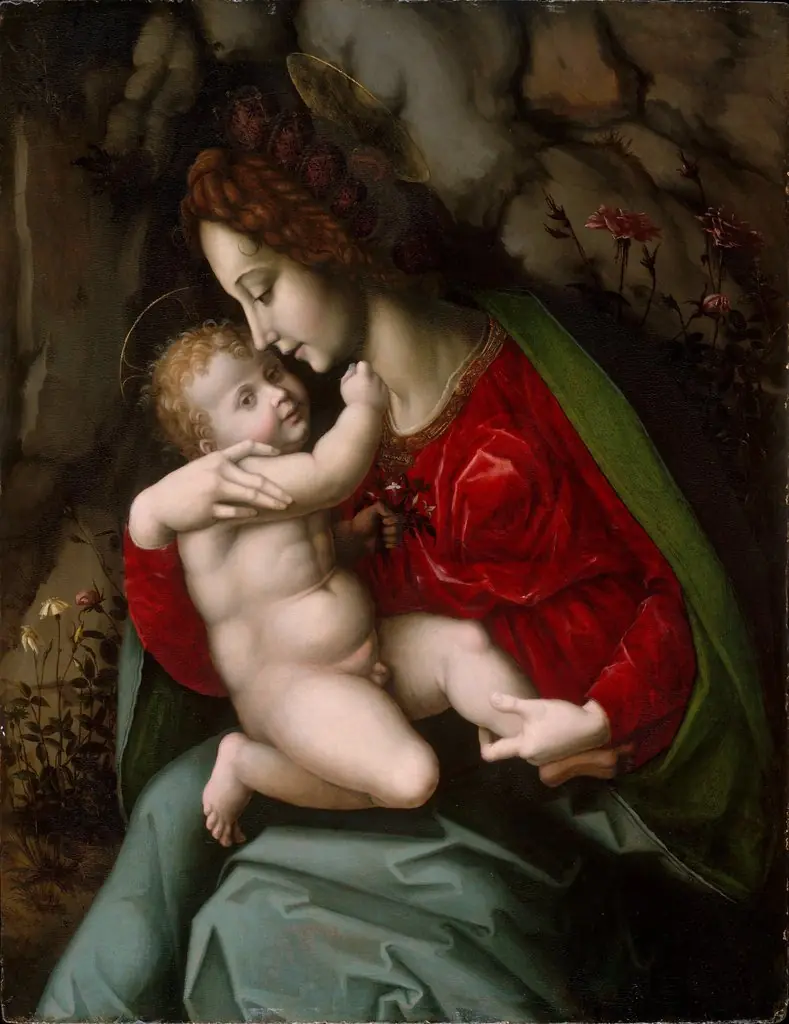
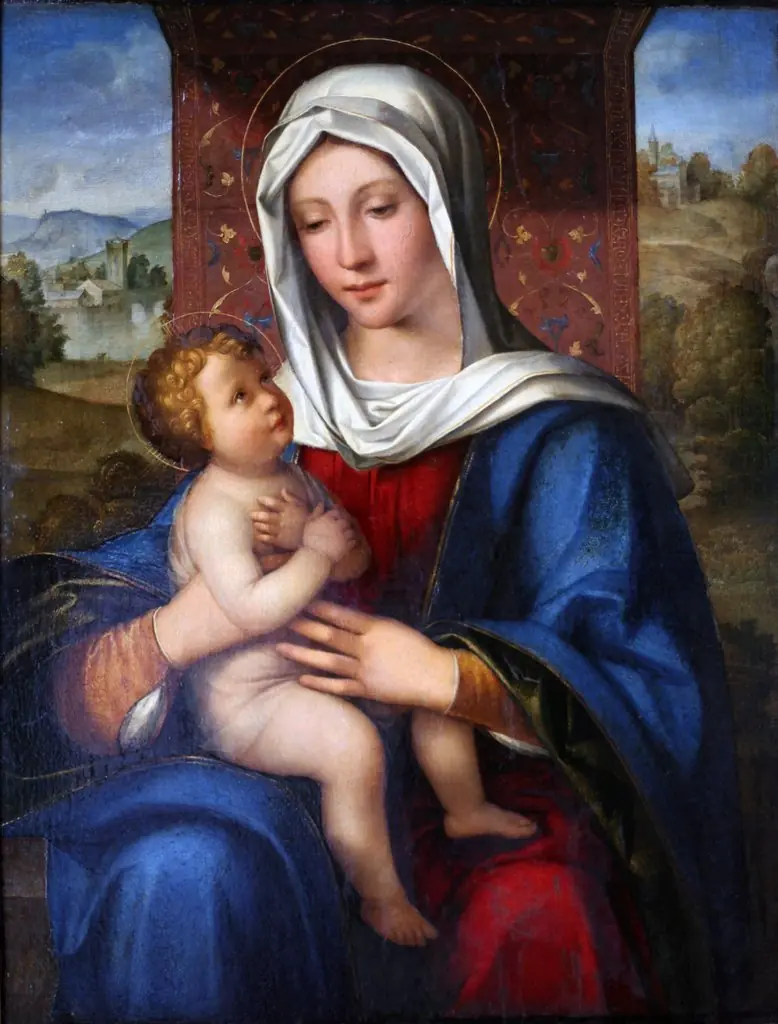
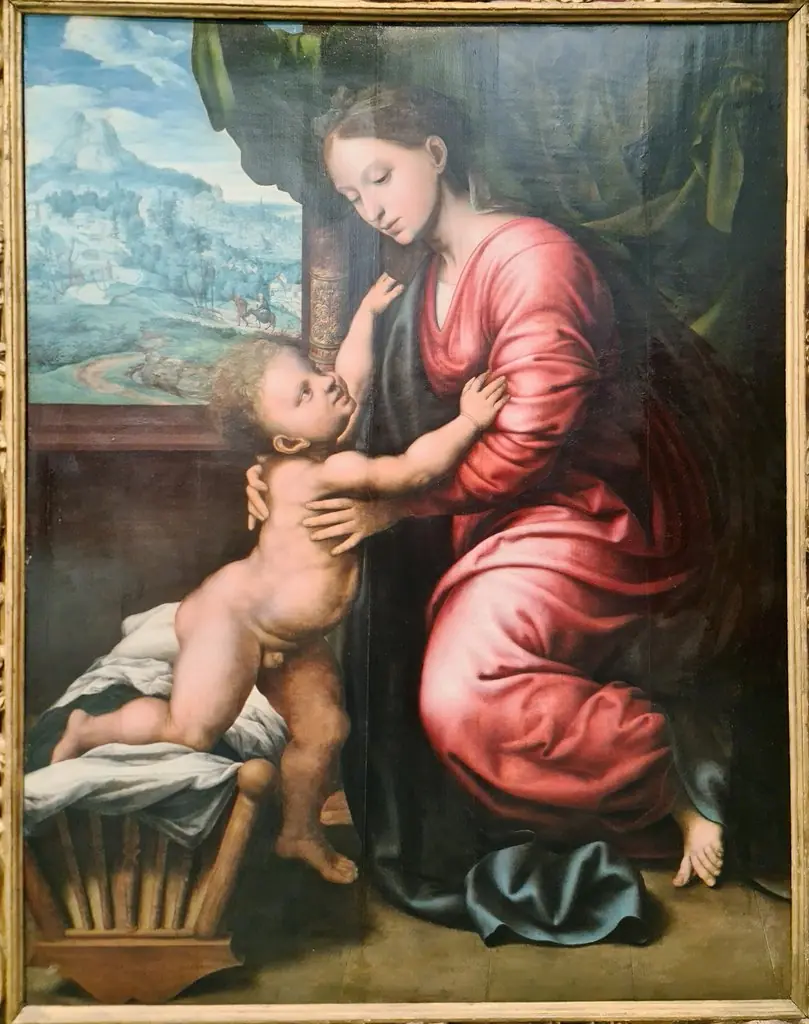
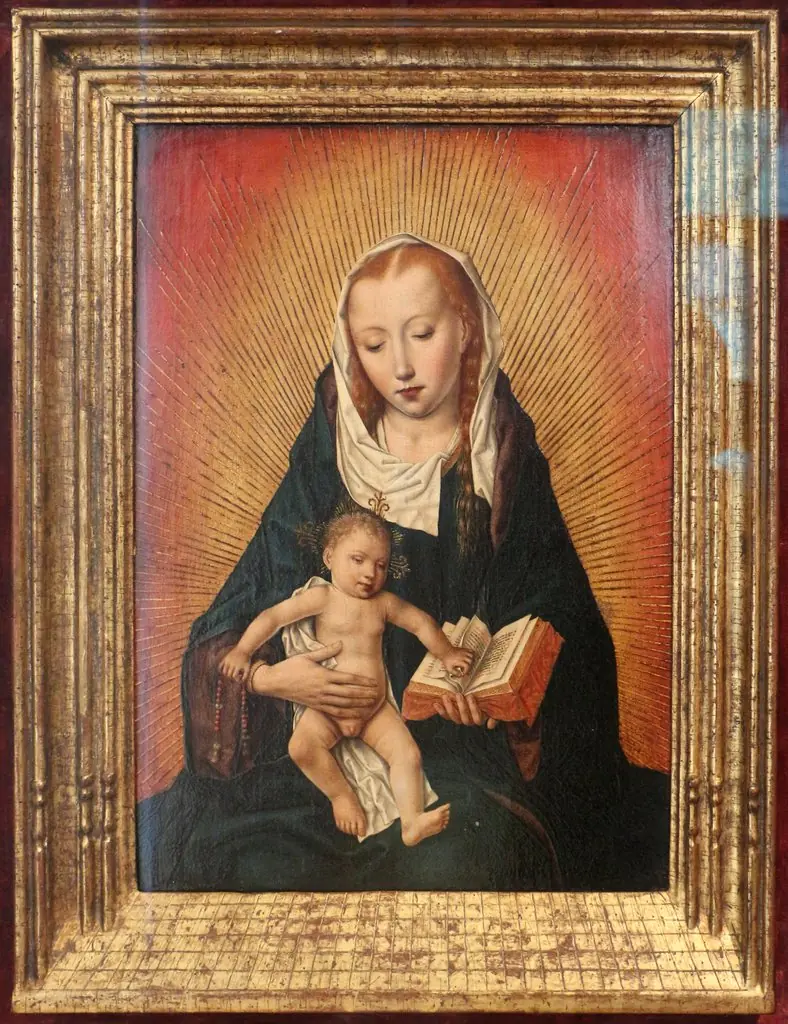
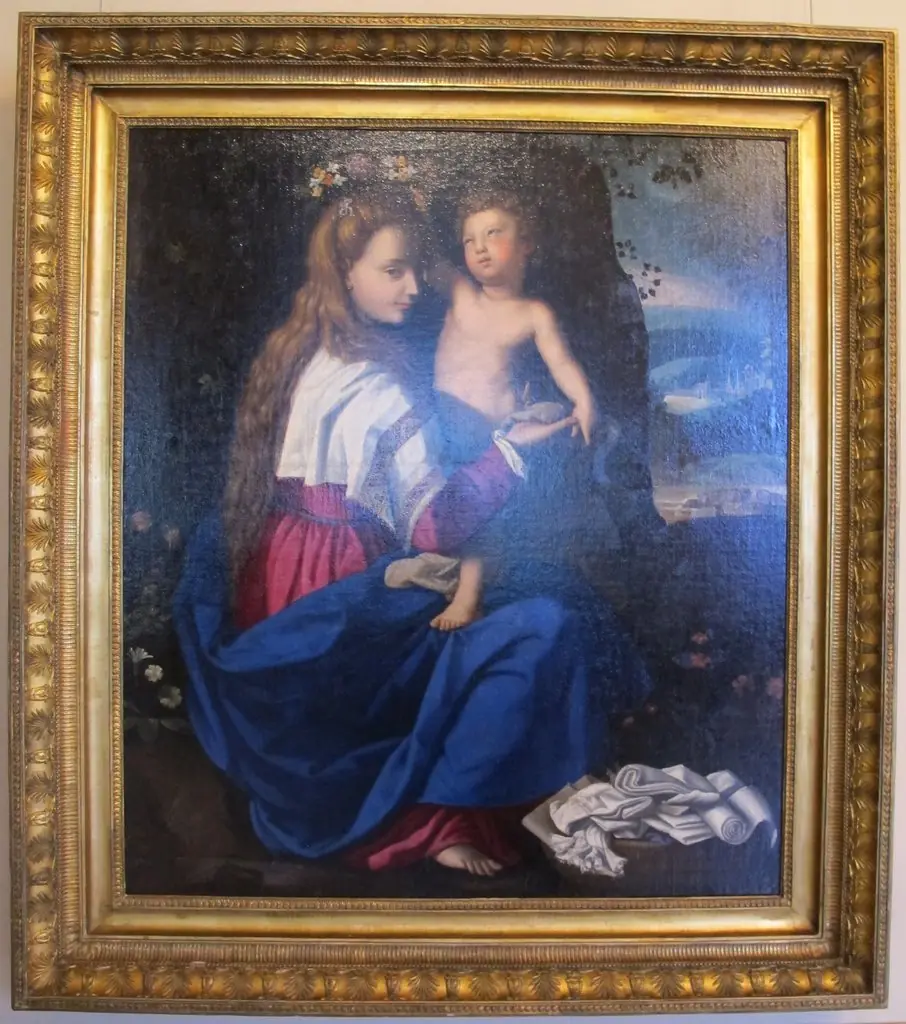
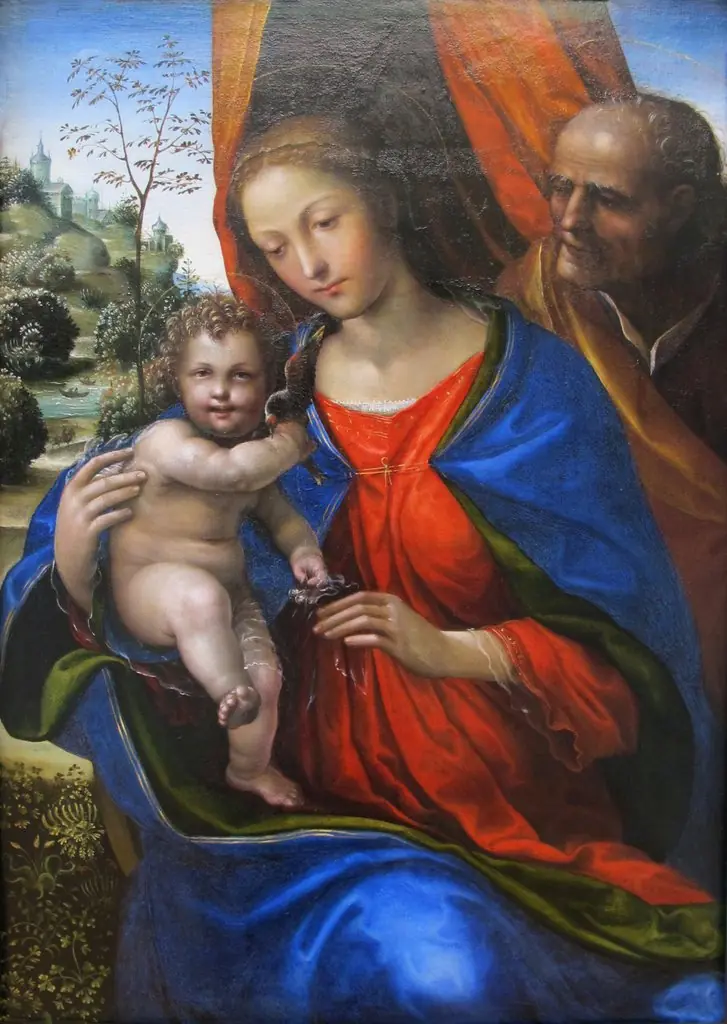
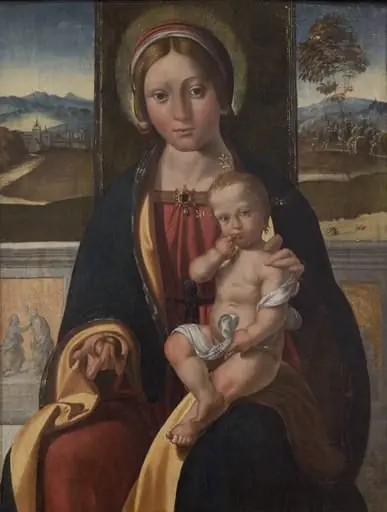
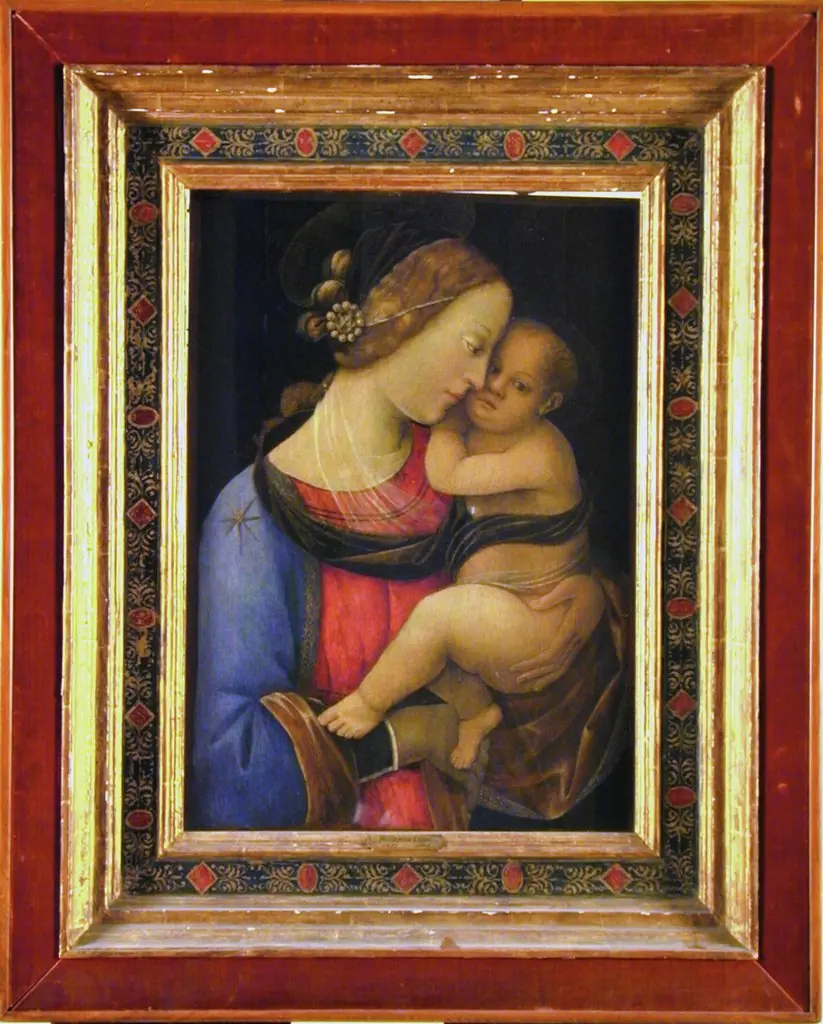
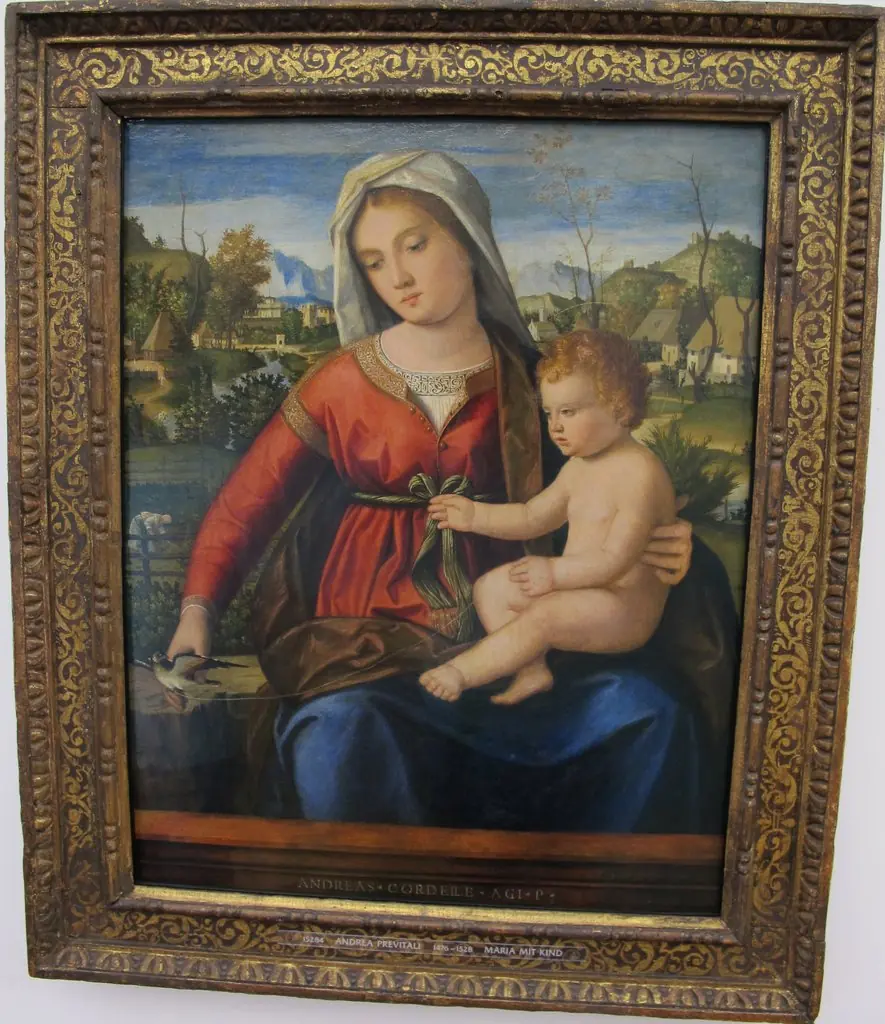
Virgin and Child is an unspecified painting by the Mannerist artist Francesco Bacchiacca. It dates from 1535 and is held in the collection of the Metropolitan Museum of Art. Created circa 1535 in Florence, this oil painting presents the Virgin Mary cradling the infant Jesus.
About this work
Overview
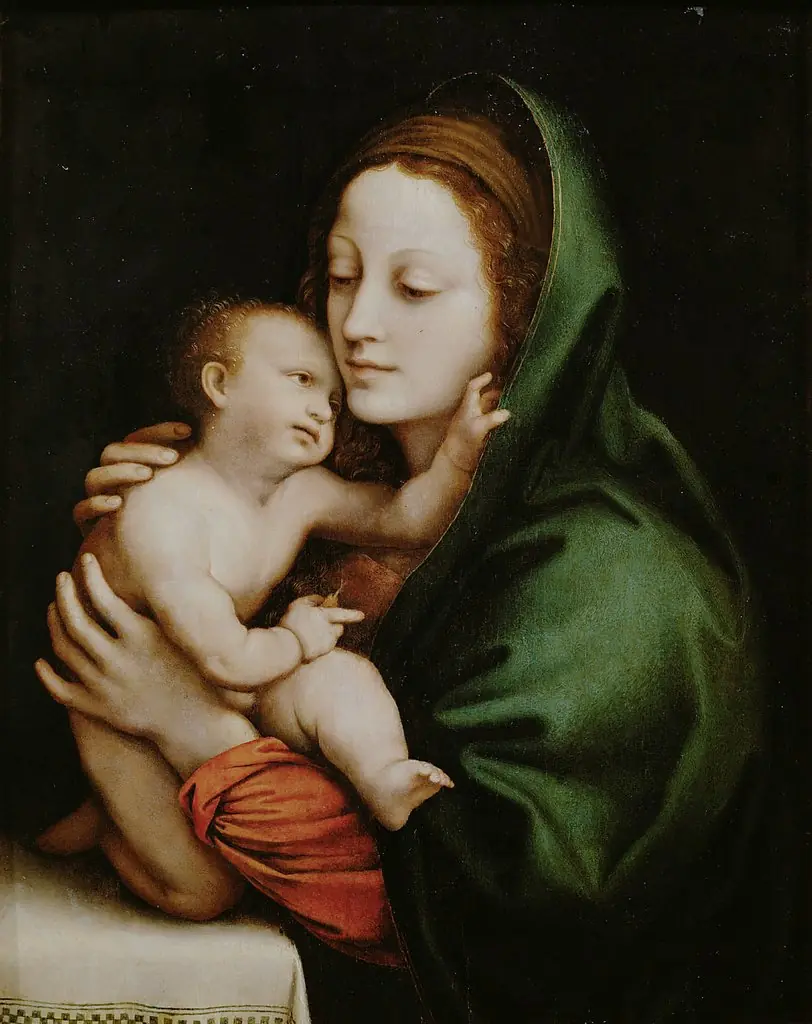
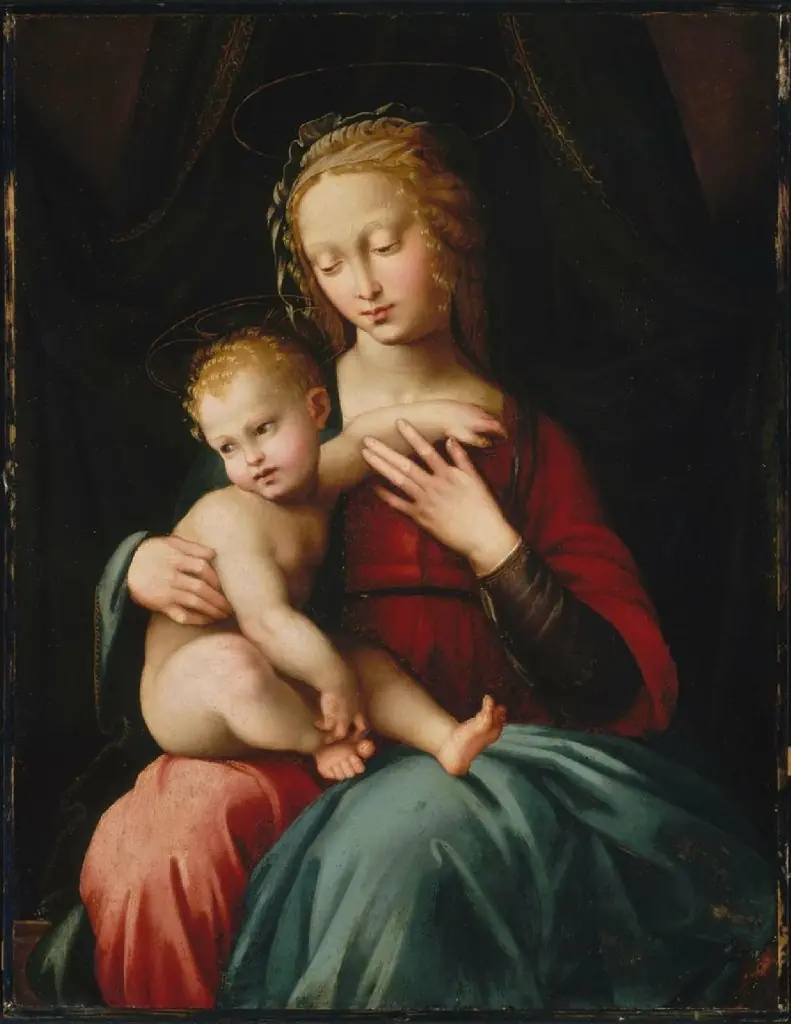
Created circa 1535 in Florence, this oil painting presents the Virgin Mary cradling the infant Jesus. The composition is intimate, with the mother’s gaze directed toward her child and both figures rendered in soft, elongated forms. A dark backdrop accentuates the figures, while subtle foliage and floral motifs add a hint of natural detail.
Subject & Meaning
The work focuses on the tender interaction between mother and son: Mary’s hand supports the child’s back, while the infant reaches toward her cheek. This gesture underscores themes of devotion and the human bond at the heart of Christian iconography, inviting contemplation of both divine and maternal love.
Technique & Style
The palette employs a red mantle with green lining for the Virgin, and delicate flesh tones for the child, enhancing the overall sense of intimacy.
Executed in the Florentine Mannerist idiom, the painting features elongated proportions and graceful contours characteristic of the period. A restrained chiaroscuro model creates volume, with the dark background contrasting against the luminous skin tones. The palette employs a red mantle with green lining for the Virgin, and delicate flesh tones for the child, enhancing the overall sense of intimacy.
History & Provenance
The artist, Francesco d’Ubertino Verdi—commonly known as Bachiacca—produced the piece during his mature phase. After remaining in private collections for several centuries, the painting entered the holdings of the Metropolitan Museum of Art, where it is currently displayed as part of the museum’s Renaissance holdings.
Context
Bachiacca worked amid the transition from the High Renaissance to Mannerism, absorbing influences from contemporaries such as Leonardo and other Florentine masters. His approach reflects the period’s fascination with elegant elongation and refined coloration, while still employing the chiaroscuro techniques that had become central to Italian painting in the early sixteenth century.
Artist & collection
Artist
Francesco d'Ubertino Verdi, called Bachiacca (say "bah ki ah cka"). He is also known as Francesco Ubertini, il Bacchiacca (1494–1557). He was an Italian painter of the Renaissance whose work is characteristic of the…