Artwork
Muttergottes mit Kind
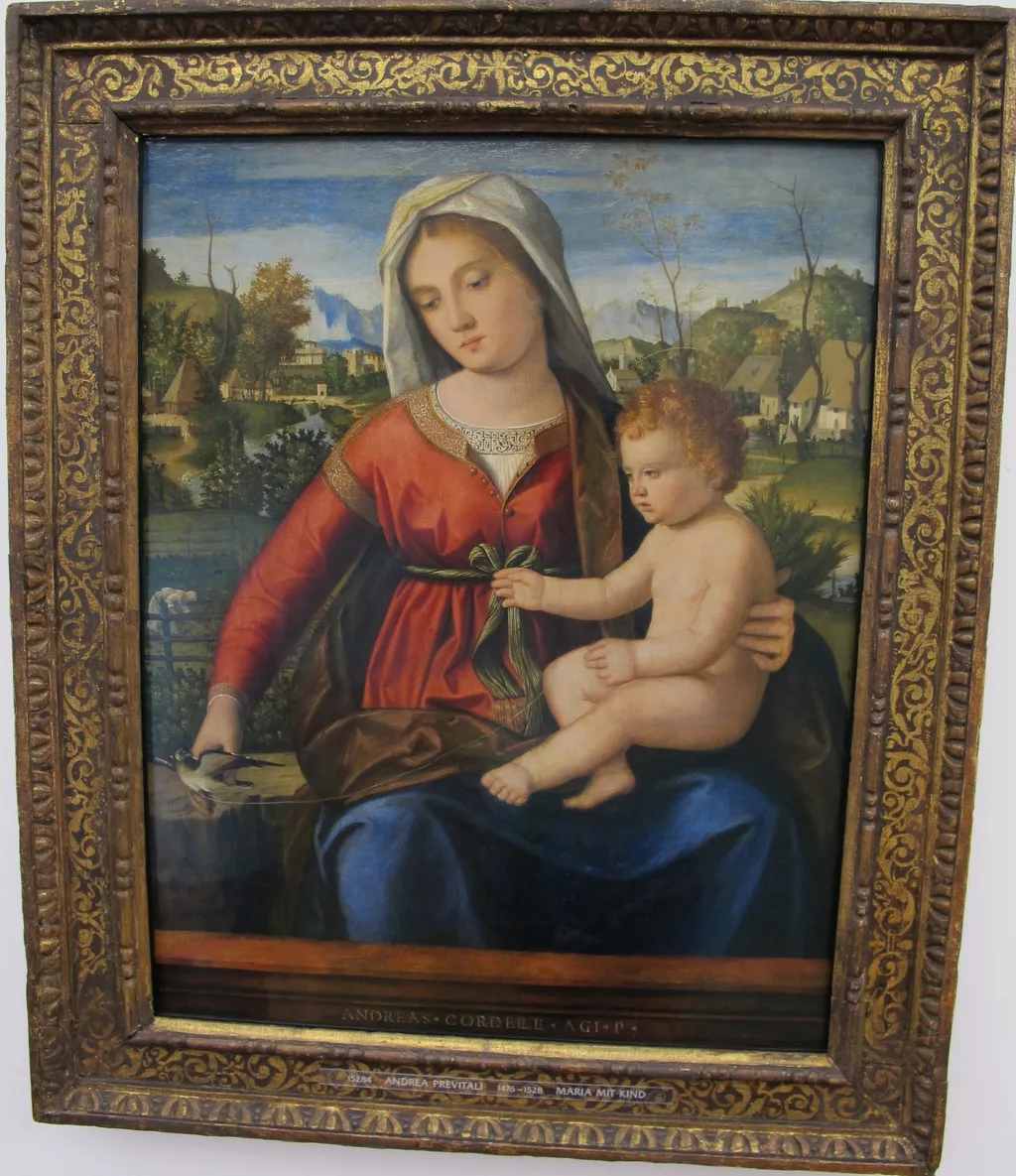
Muttergottes mit Kind is an unspecified painting by the Early Renaissance artist Andrea Previtali. It dates from 1502 and is held in the collection of the Bavarian State Painting Collections.
About this work
Overview
Andrea Previtali’s *Muttergottes mit Kind*, executed in 1502, is an early‑Renaissance panel that presents the Virgin Mary with the infant Christ. The work belongs to the artist’s productive period in Bergamo and is part of the Alte Pinakothek’s collection in Munich.
Subject & Meaning
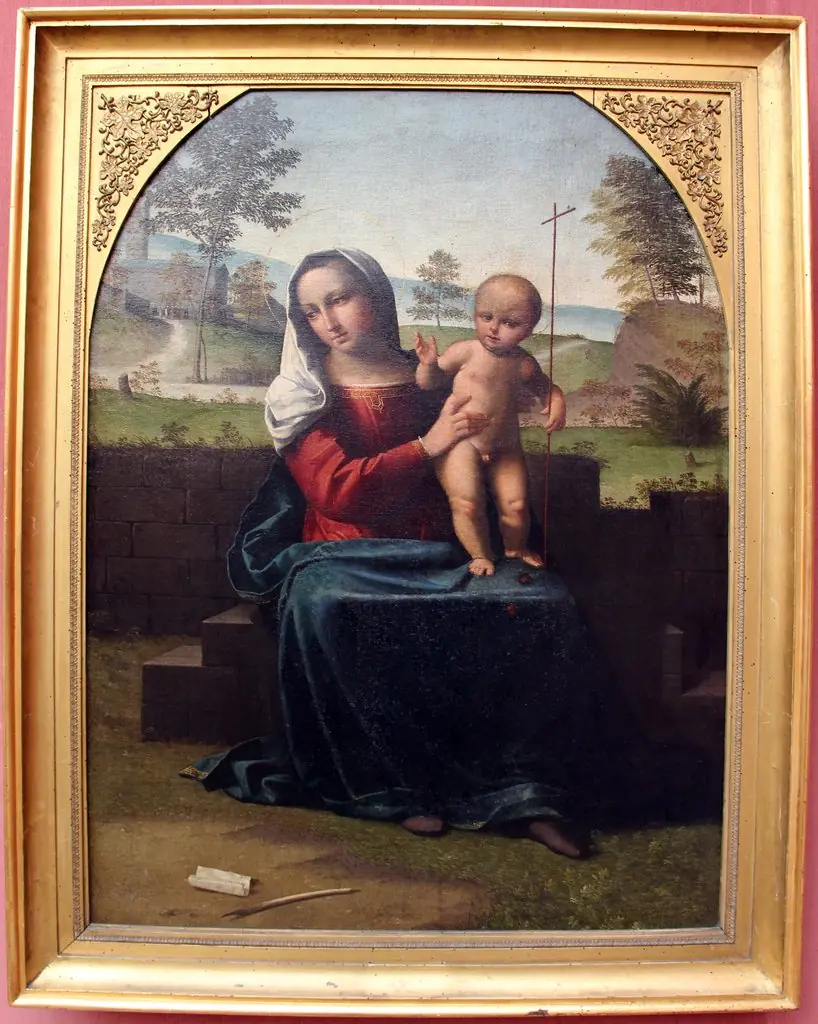
The composition follows the conventional devotional motif of a seated Madonna cradling the Christ Child. Mary’s calm demeanor and the child’s reaching gesture toward a green bundle emphasize maternal tenderness and the promise of salvation associated with the infant’s future role.
Technique & Style
Previtali combines elements of Venetian colouristic richness with Lombard attention to detail, evident in the luminous red dress, the deep blue skirt, and the finely rendered landscape background. The figures are modeled with soft chiaroscuro, while the surrounding village, trees, and distant river are rendered in a tranquil, atmospheric manner.
History & Provenance
Painted during Previtali’s Bergamo phase, the panel later entered the collection of the Alte Pinakothek in Munich, where it remains on display. Its acquisition reflects the museum’s focus on Northern Italian Renaissance works.
Context
The early 1500s saw a synthesis of Venetian and Lombard artistic currents, a synthesis that Previtali absorbed during his training and travels. The painting’s serene domestic setting aligns with contemporary trends that placed sacred figures within familiar, everyday environments.
Artist & collection
Artist
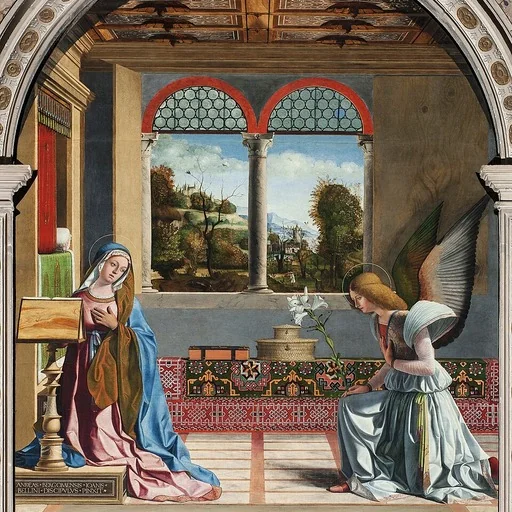
Andrea Previtali (c. 1480–1528) was an Italian painter of the Renaissance period, active mainly in Bergamo. He was also called Andrea Cordelliaghi.

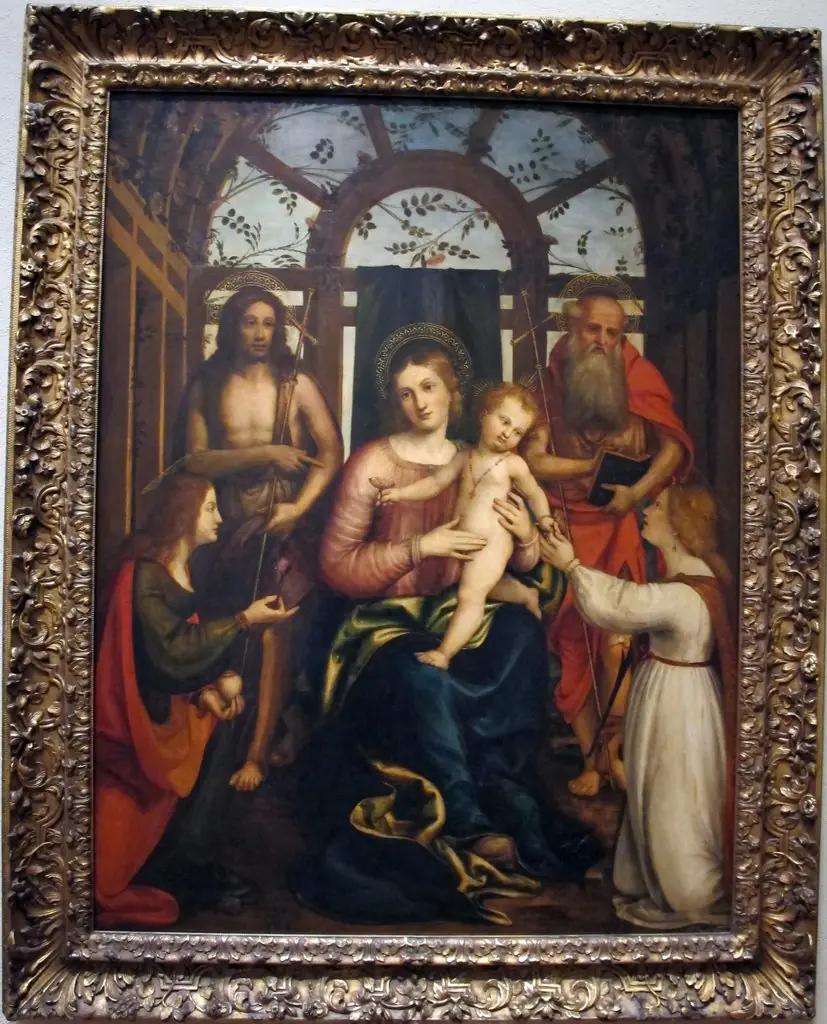 Virgin and Child, with Saints Mary Magdalene, John the Baptist, Jerome, and Catherine of Alexandria
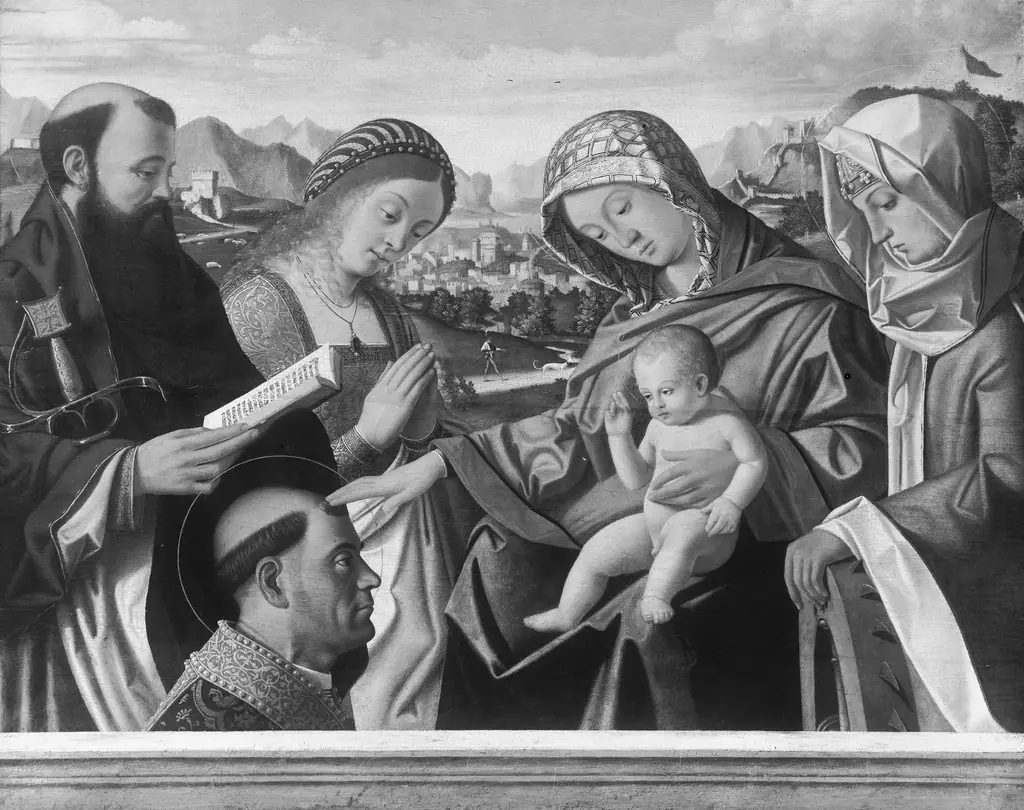 Mary with the child and four saints
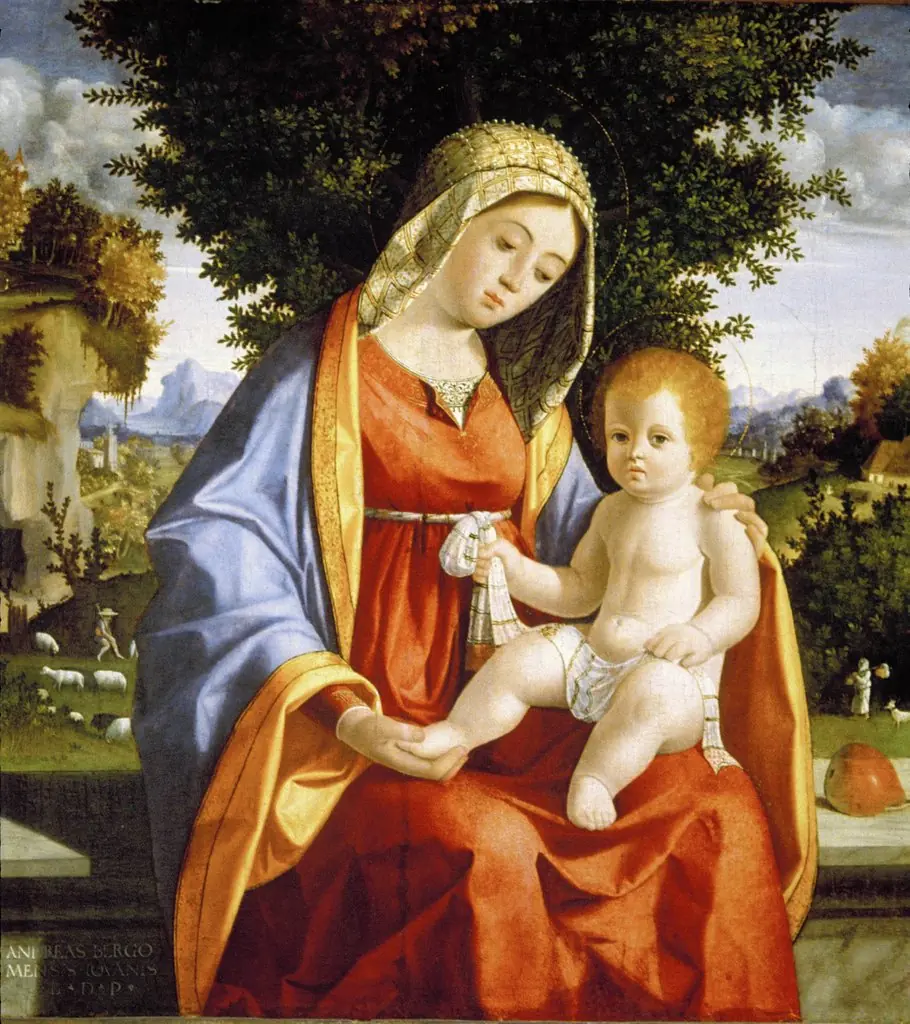 Madonna and Child in Landscape
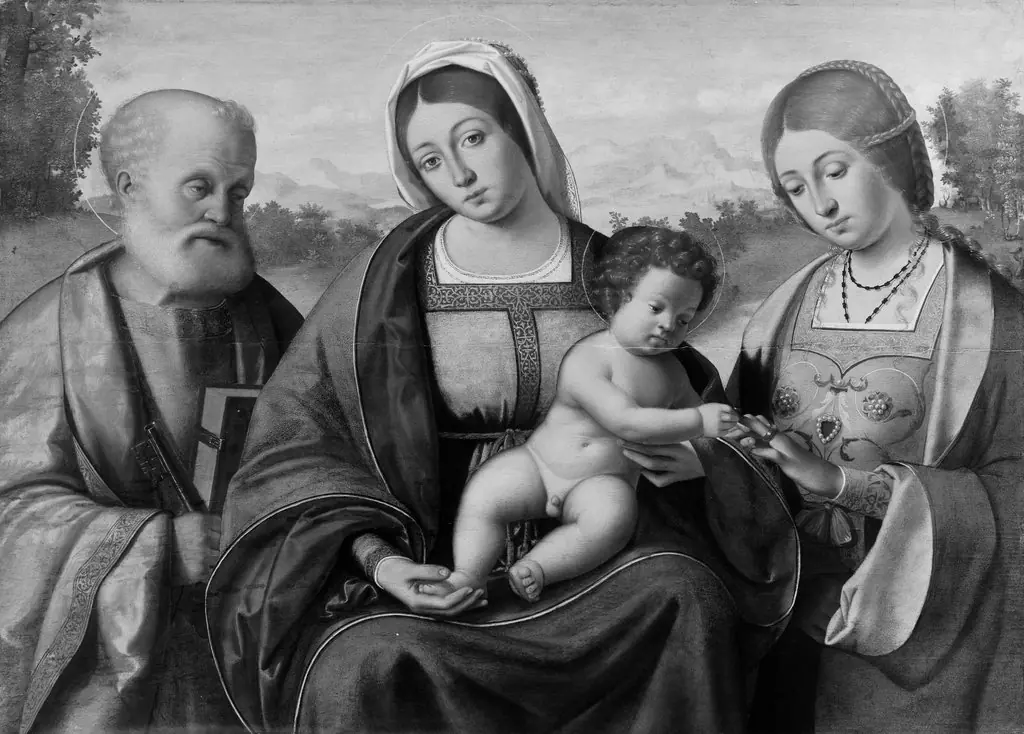 The engagement of Saint Catherine
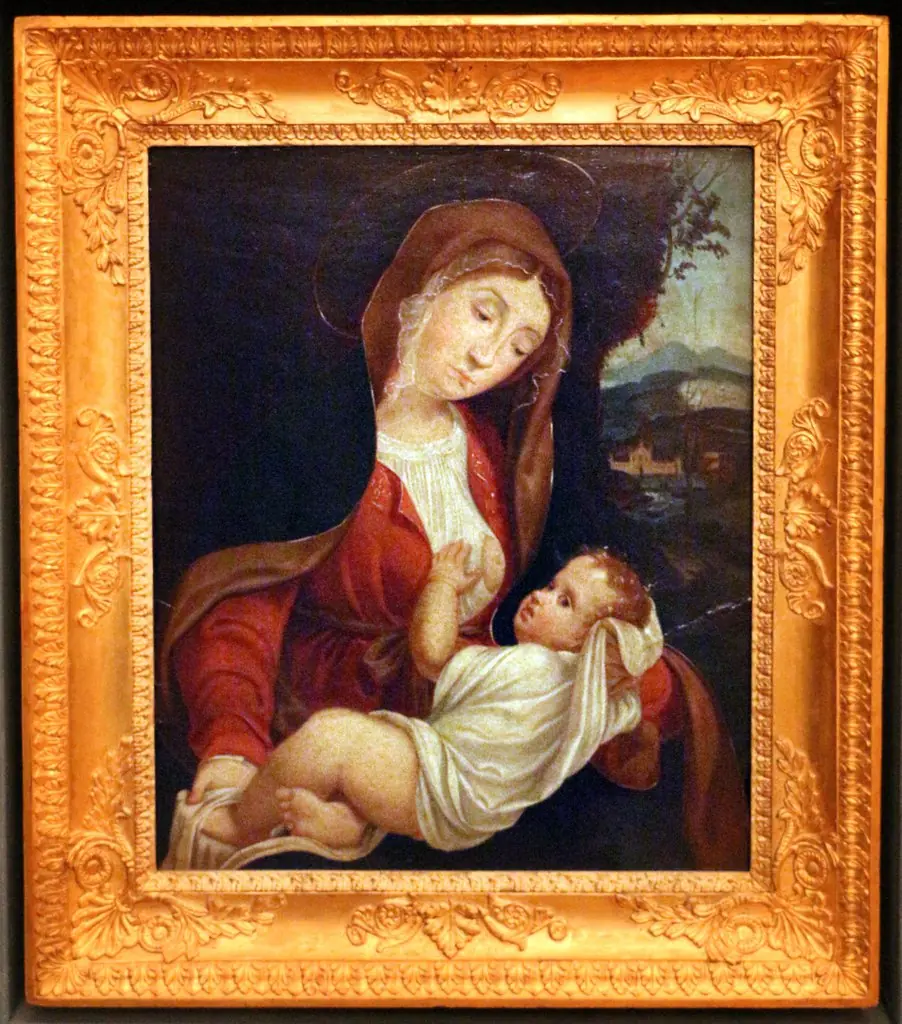 Madonna del latte (Previtali)
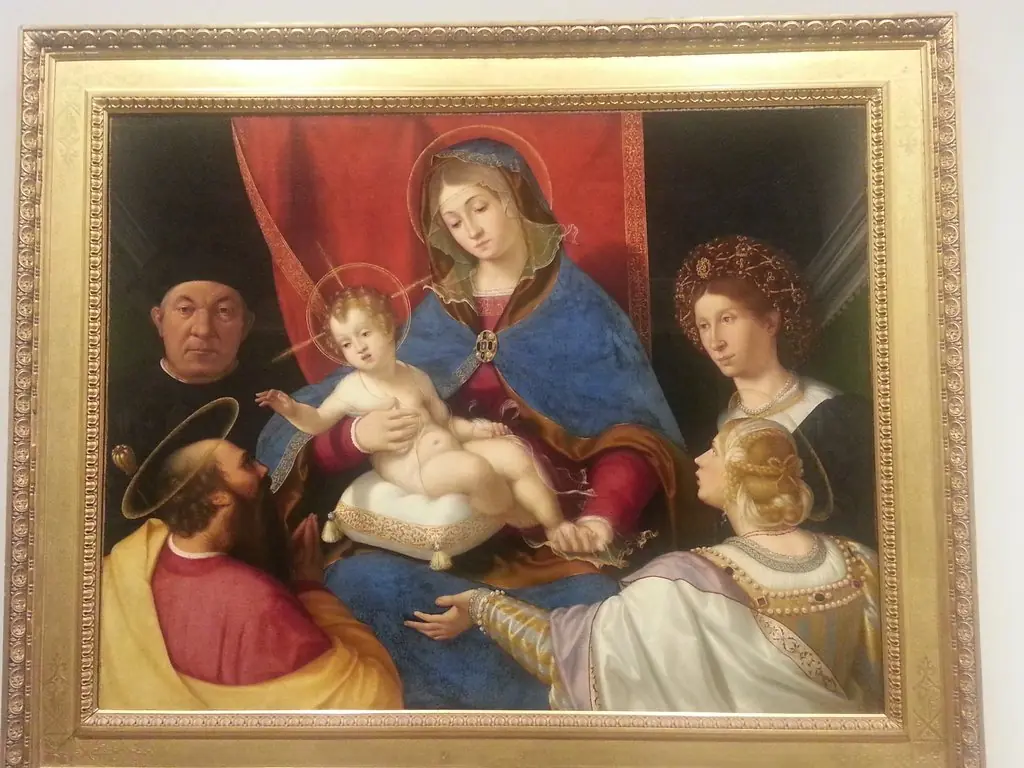 Madonna and child
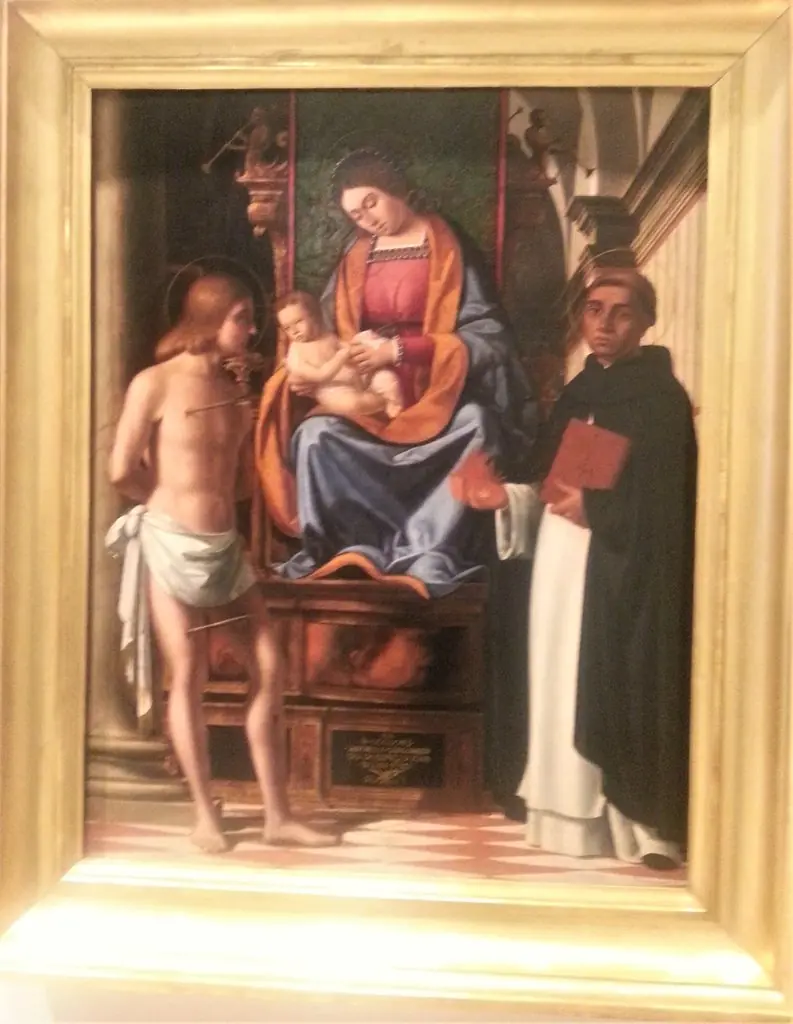 Madonna and Child enthroned between Saints Sebastian and Vincenzo Ferrer
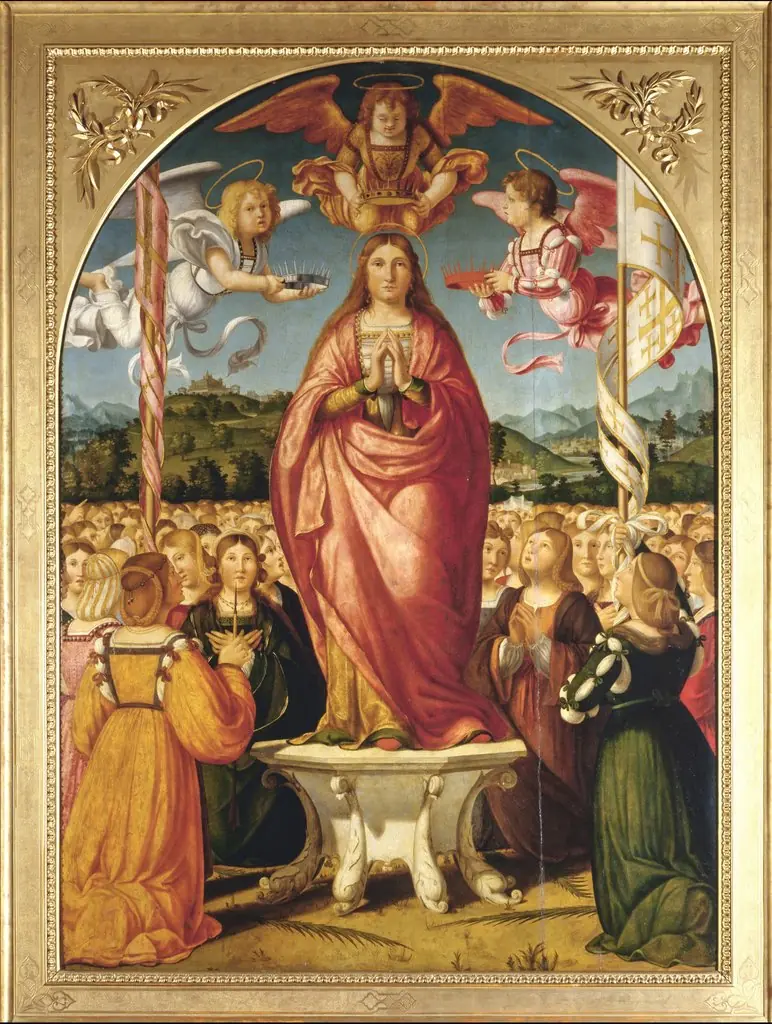 Sant'Orsola in gloria
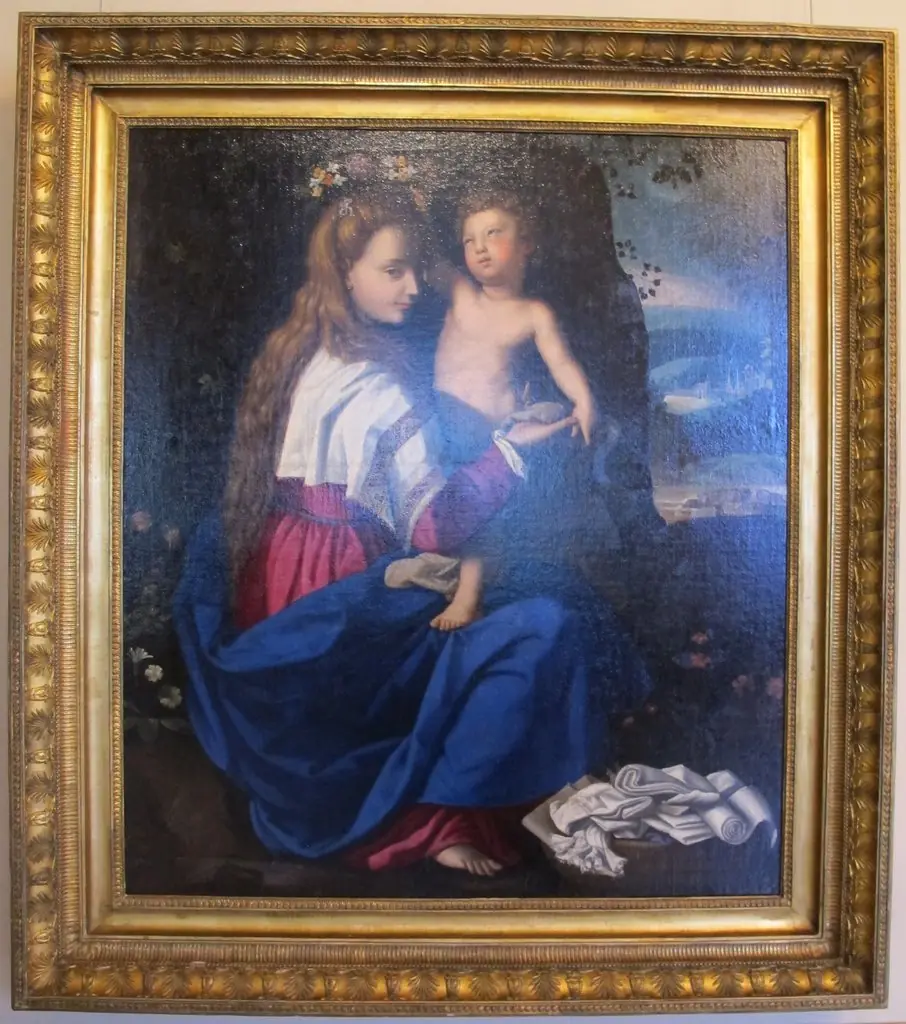 Allegory of the Christian Church
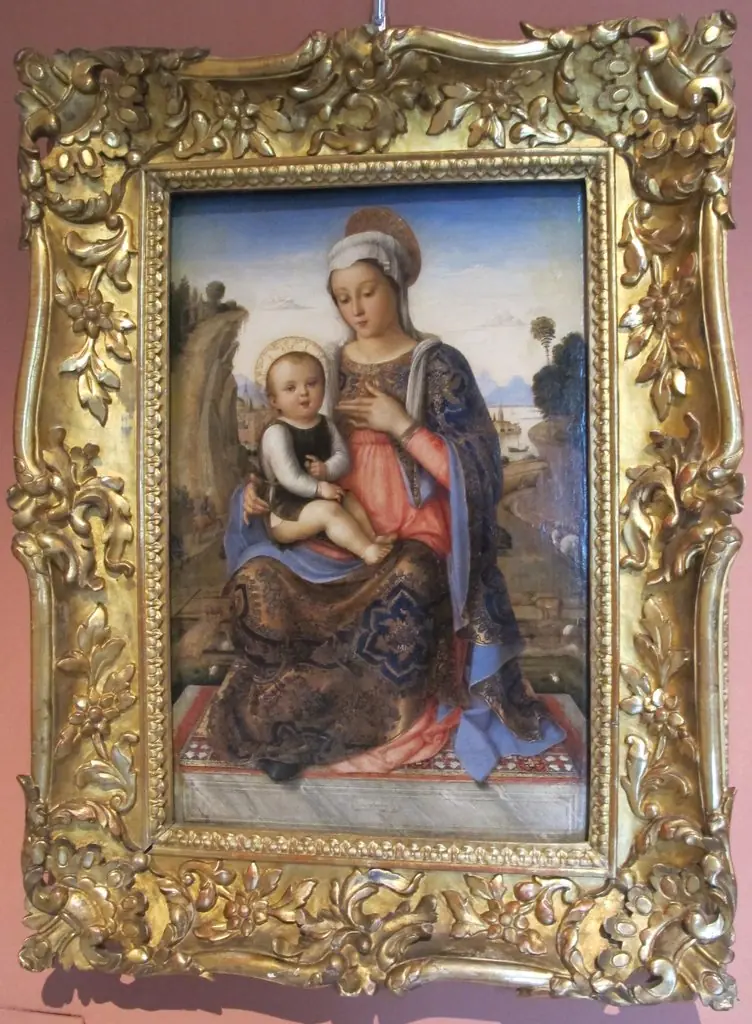 madonna col bambino
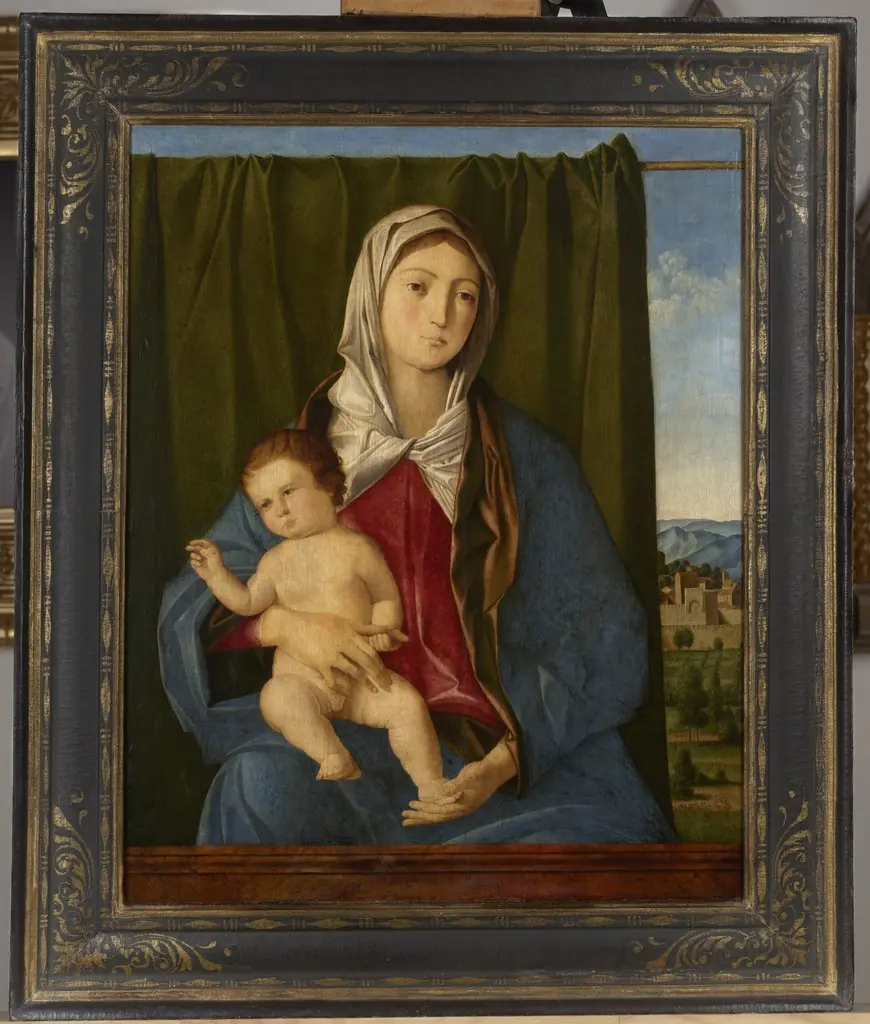 Madonna and Child Giving a Blessing
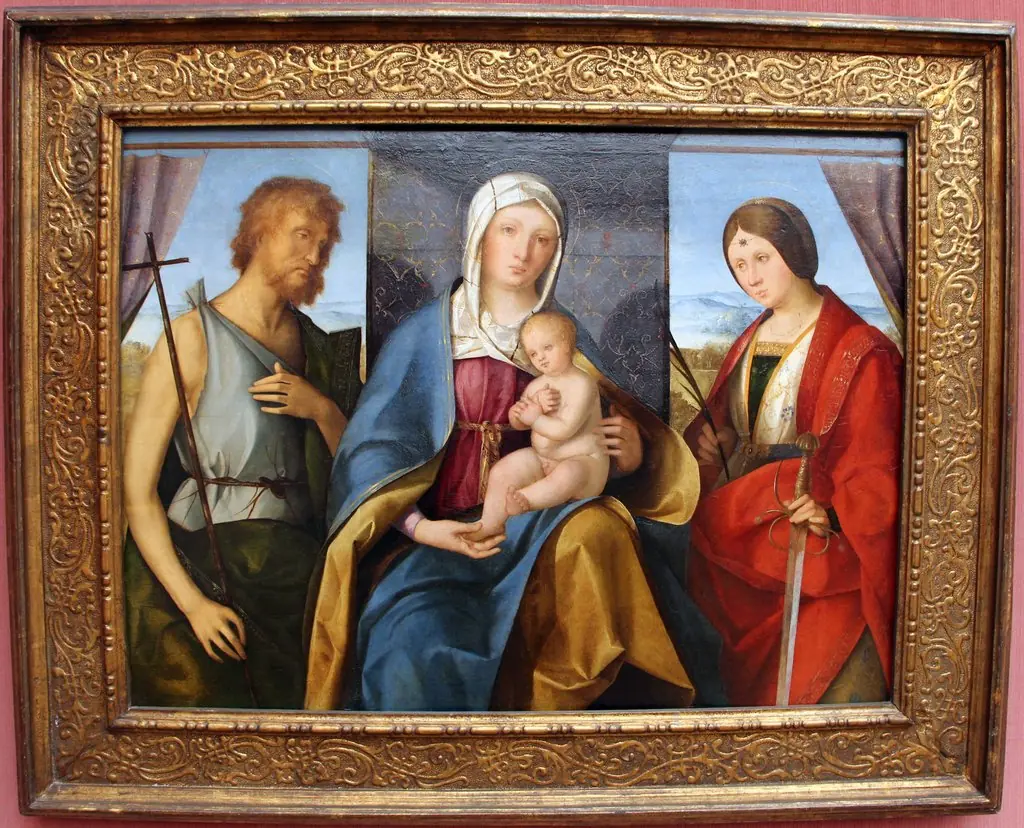 Thronende Maria mit d. Kind und den Heiligen Johannes dem Täufer und Katharina von Alexandrien
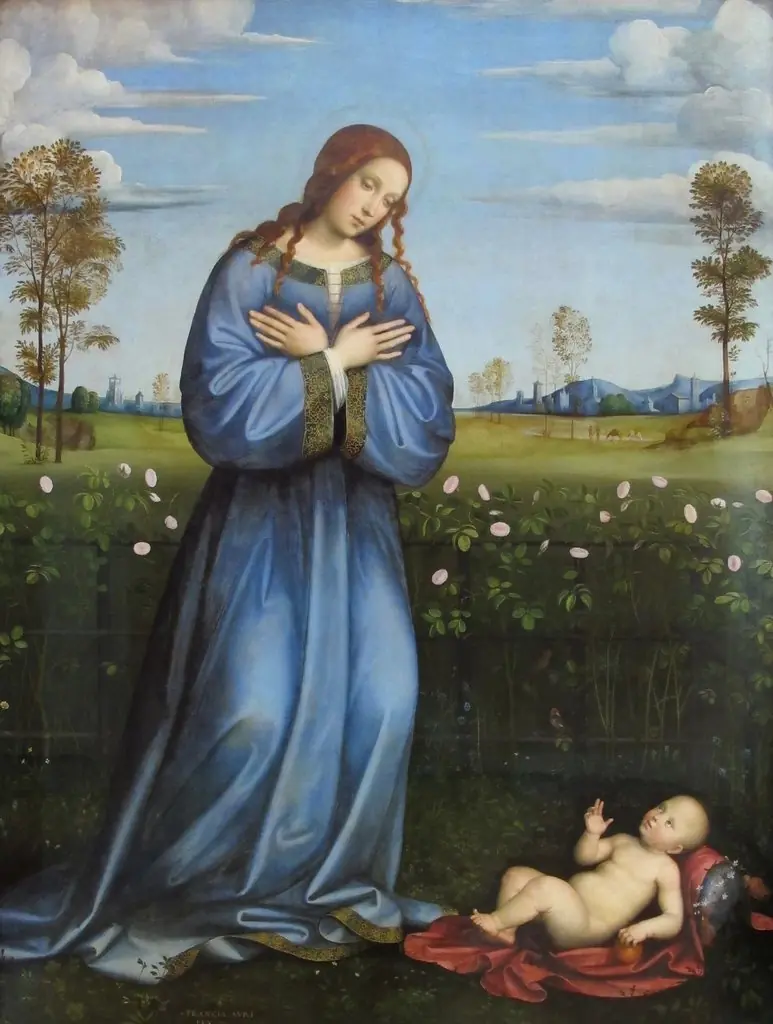 Madonna im Rosenhag
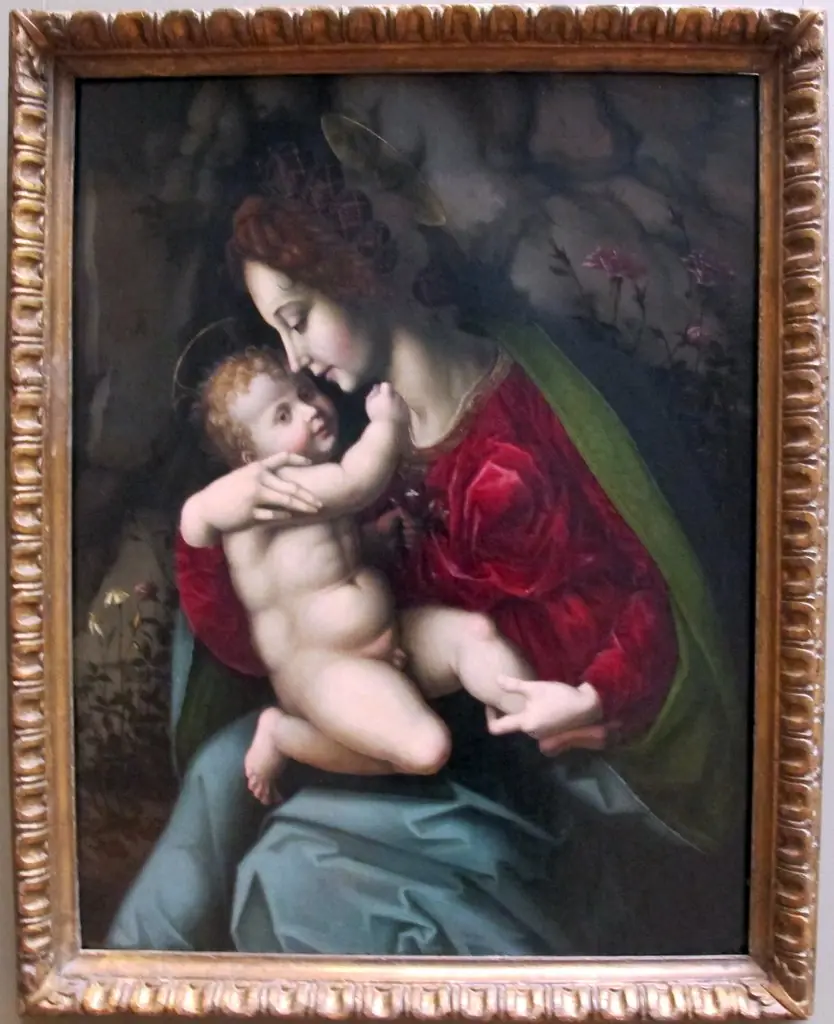 Virgin and Child
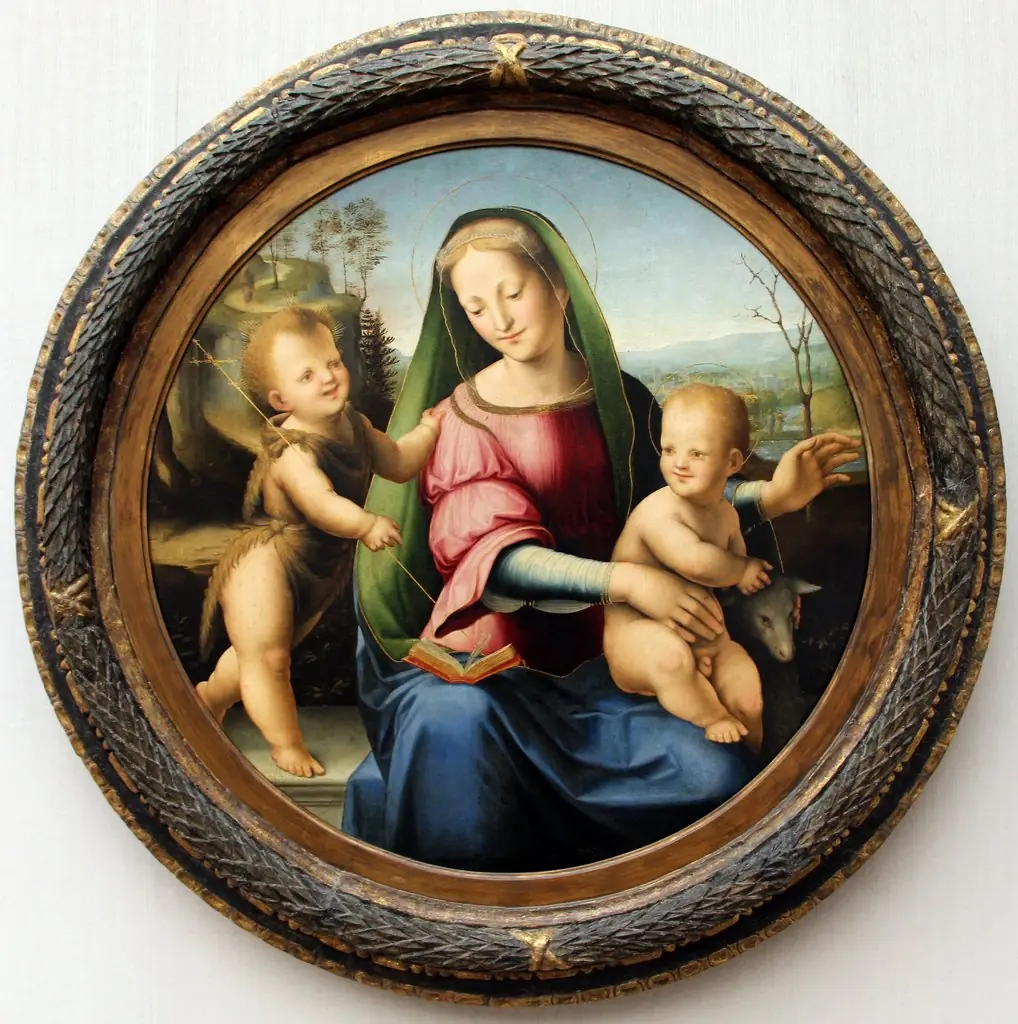 Maria mit dem Kind und dem Johannesknaben
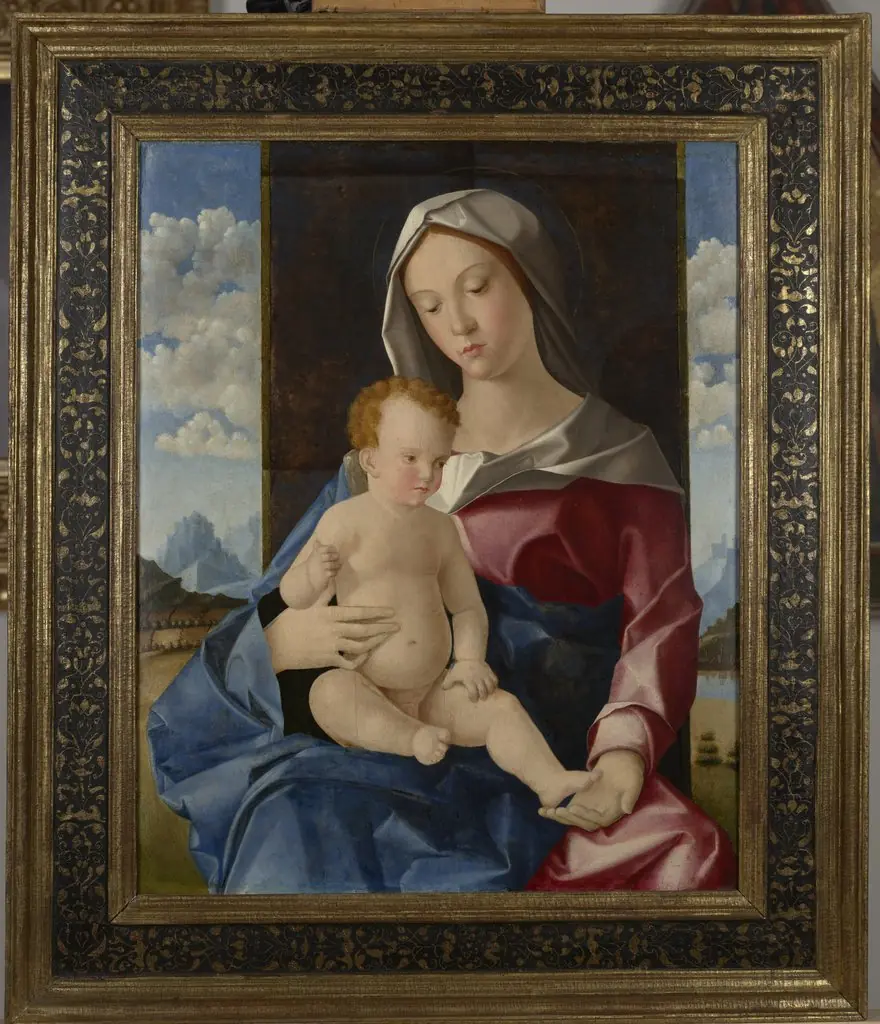 Madonna and Child
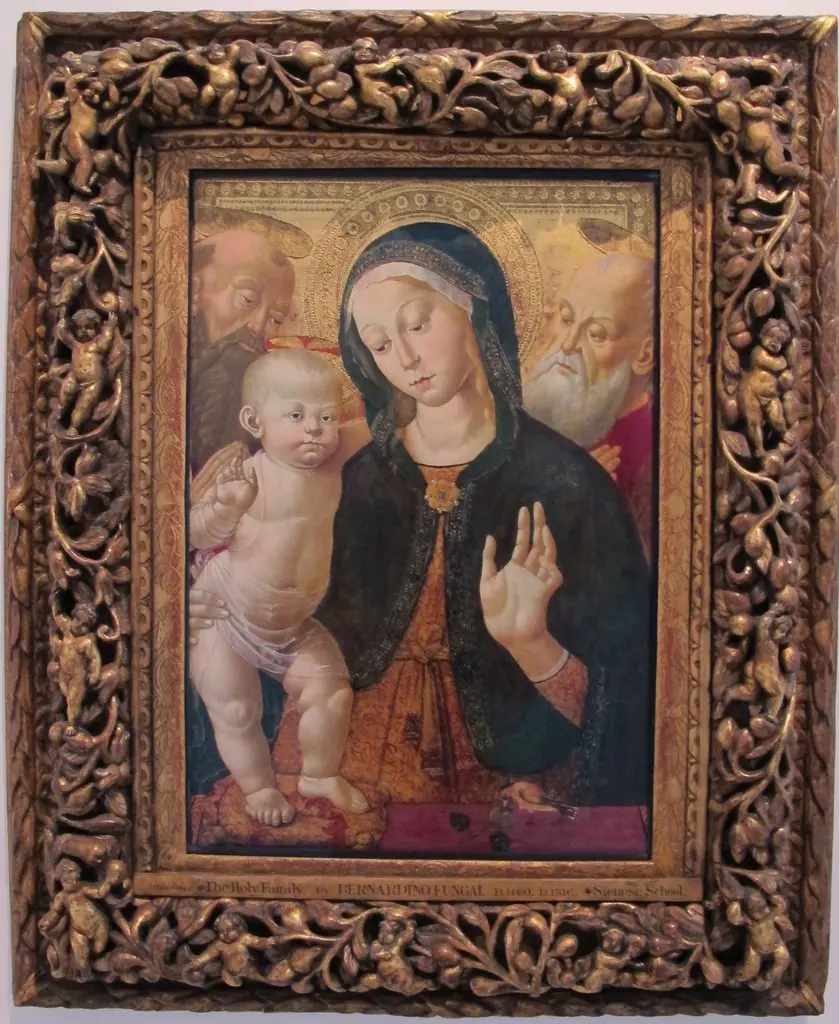 Vergine col bambino e due santi
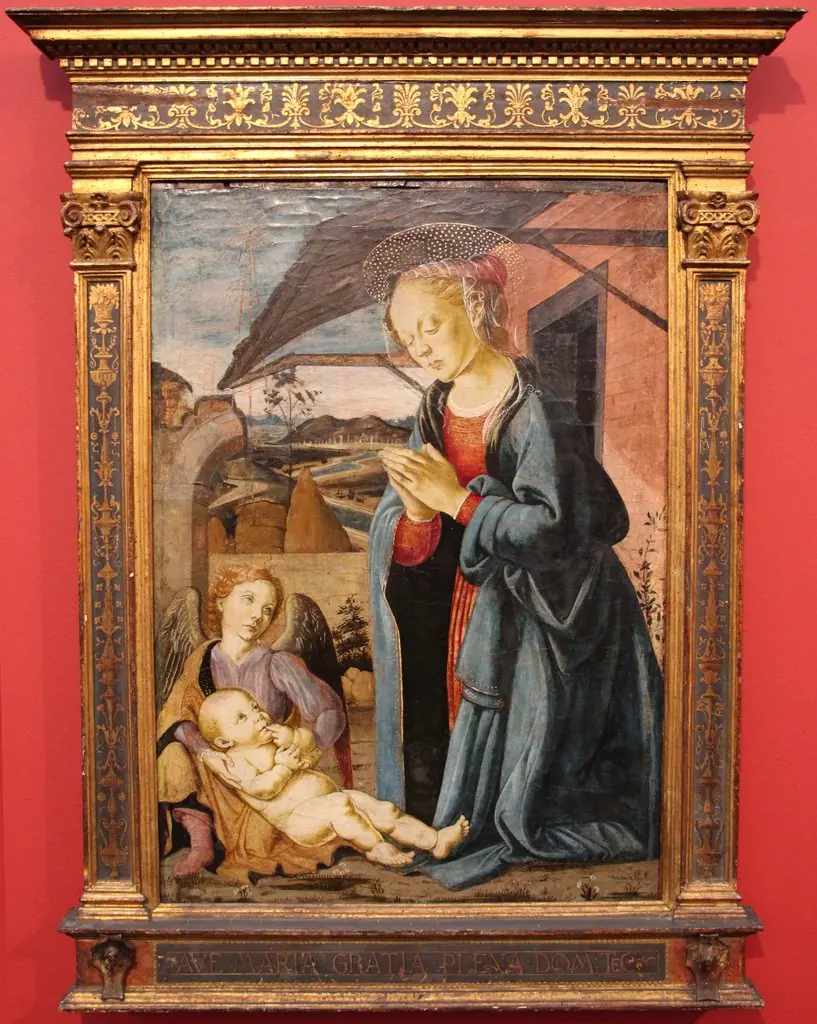 Madonna and Child and an Angel
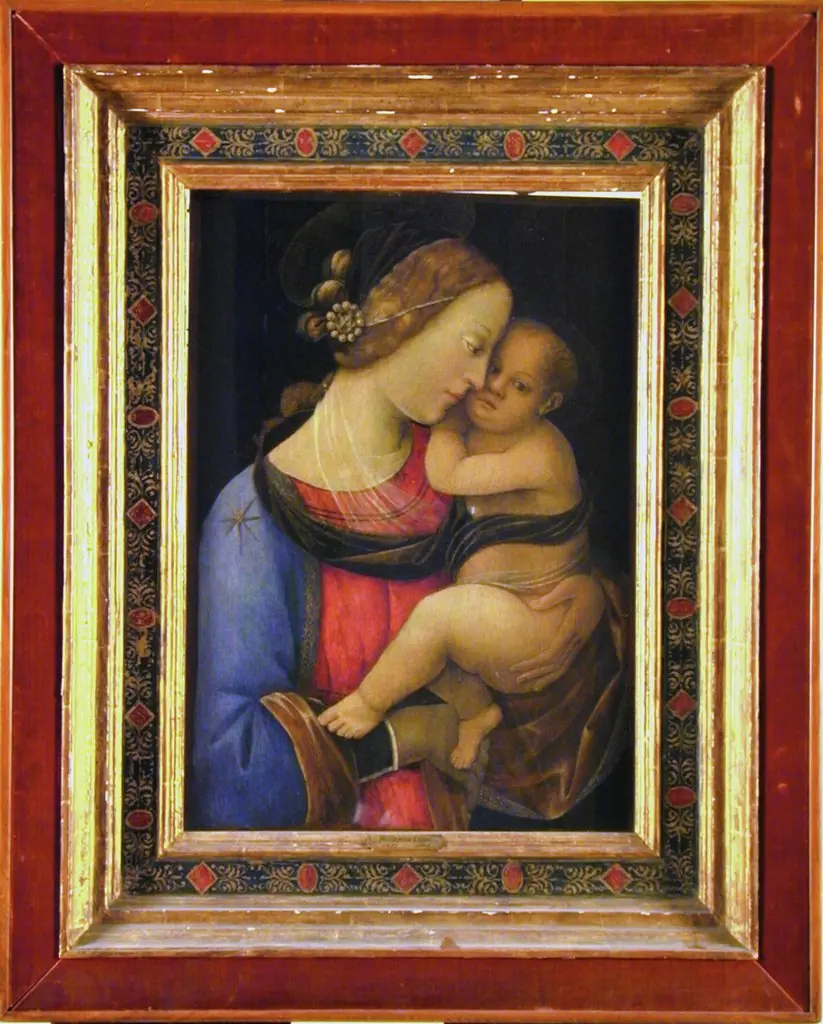 Madonna and Child
 Maria mit dem segnenden Kind