Artwork
Herkules und Omphale
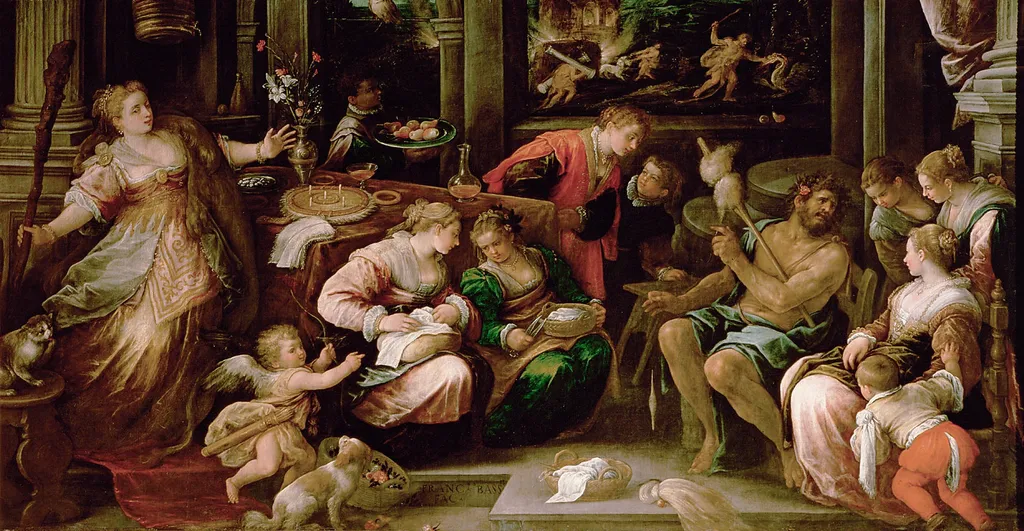
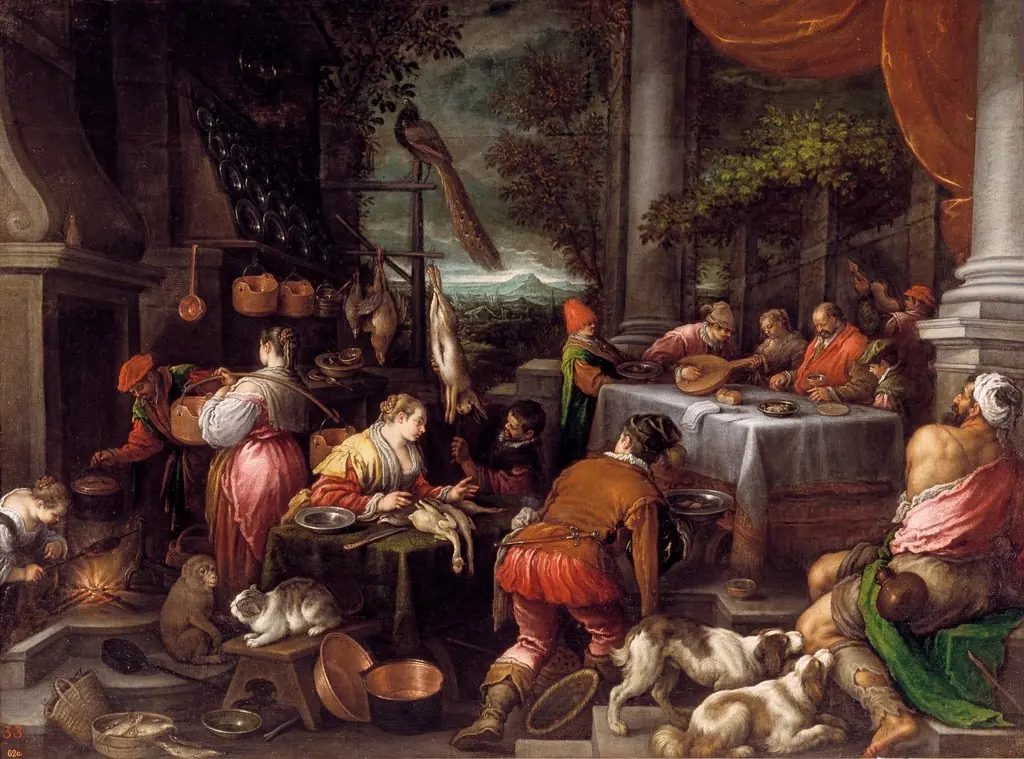
Herkules und Omphale is an unspecified painting by the Early Baroque Italian artist Francesco Bassano the Younger. It is held in the collection of the Kunsthistorisches Museum.
About this work
Overview
Francesco Bassano the Younger completed this oil painting in 1594, during the transition from Mannerism to early Baroque in northern Italy.
Francesco Bassano the Younger completed this oil painting in 1594, during the transition from Mannerism to early Baroque in northern Italy. It belongs to the collection of the Kunsthistorisches Museum in Vienna. As the eldest son of Jacopo Bassano, Francesco was trained in his father’s workshop in Bassano del Grappa and later operated independently in Venice, continuing the family’s artistic legacy while developing his own compositional style.
Subject & Meaning
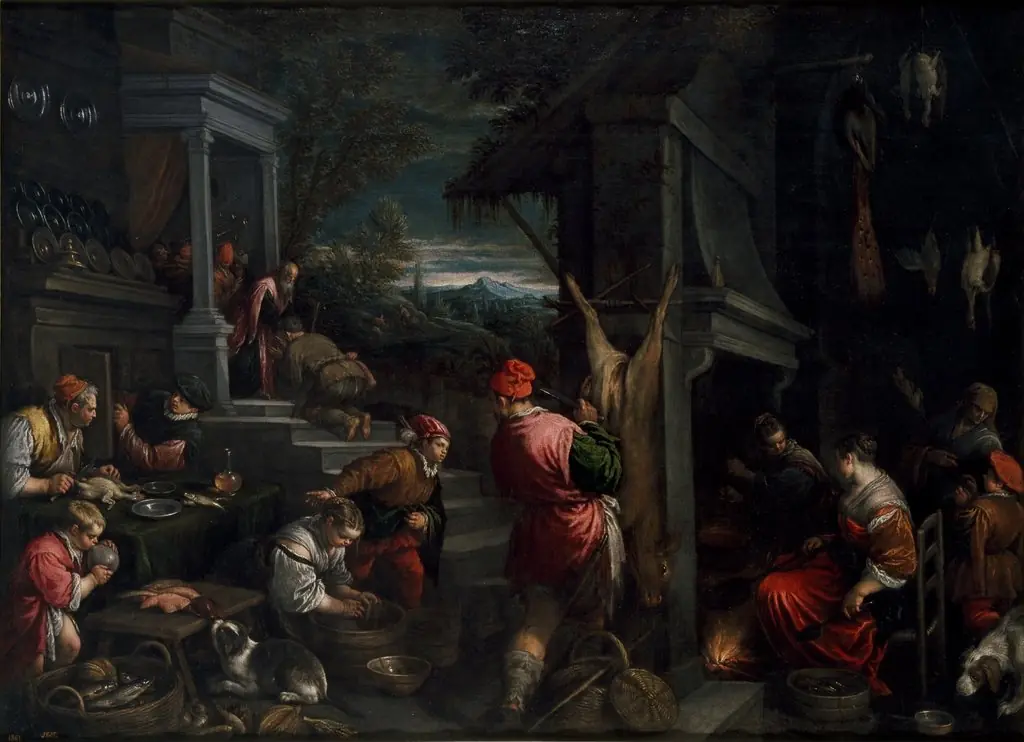
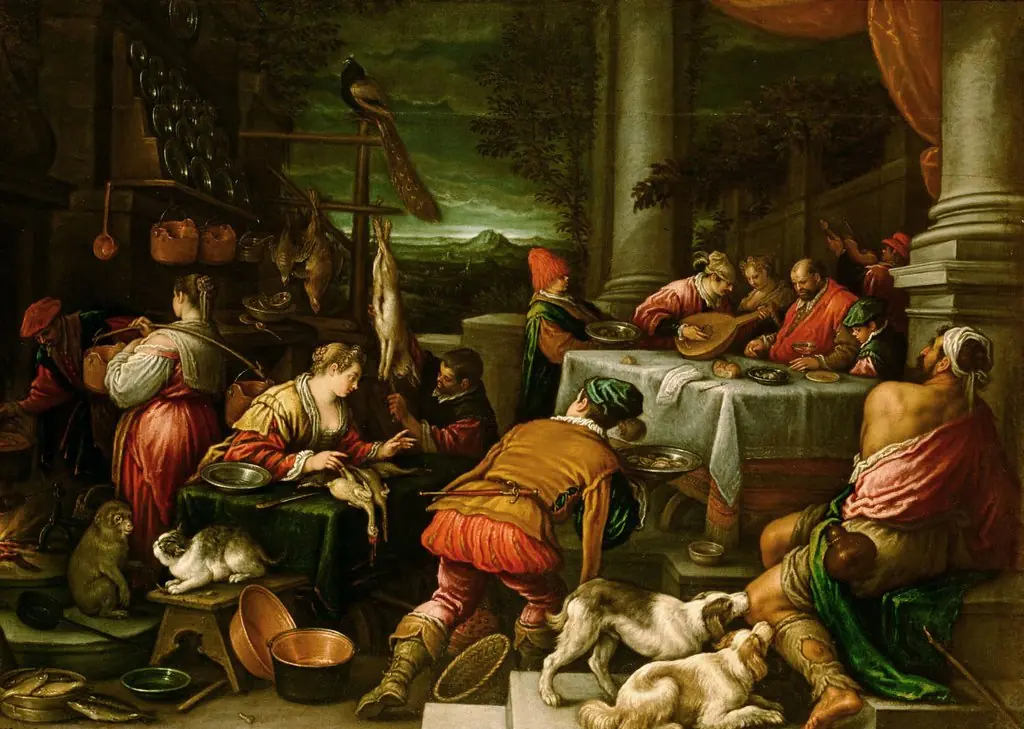
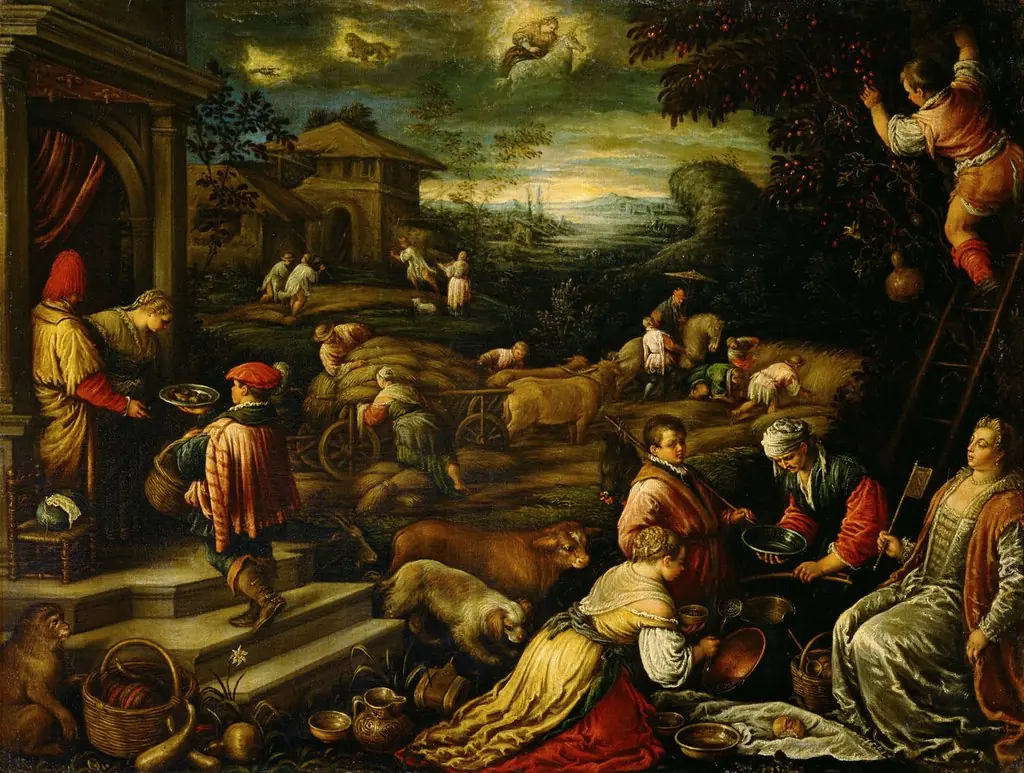
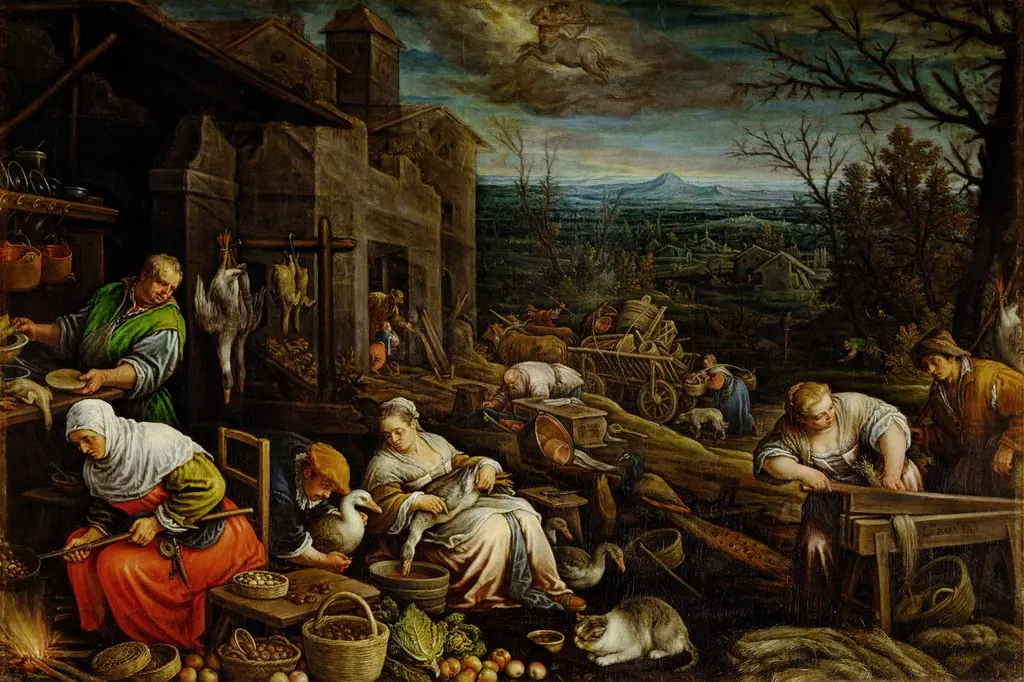
The scene illustrates the myth of Heracles (Hercules) serving Omphale, queen of Lydia, as penance. Rather than emphasizing heroic strength, Bassano portrays a domesticated moment: the hero, likely among the figures, is subsumed into a lively household setting. The inclusion of children, servants, and casual gestures suggests a reinterpretation of classical myth through everyday life, reflecting Renaissance humanism’s interest in blending the divine with the mundane.
Technique & Style
Bassano employs chiaroscuro to model forms with dramatic contrasts between light and shadow, particularly on faces and hands, enhancing volume and focus. The composition is dense and horizontally layered, with figures arranged in a shallow space that includes a background mural depicting a landscape. His brushwork is detailed yet fluid, capturing textures of fabric, skin, and fruit with a naturalistic touch that diverges from idealized classical norms.
History & Provenance
Painted in 1594, the work remained within the Bassano family’s circle before entering imperial collections. It was acquired by the Habsburgs in the late 16th or early 17th century and has been held by the Kunsthistorisches Museum since its founding in 1891. Its survival through centuries of political change reflects its status as a valued example of Venetian-influenced northern Italian painting.
Context
In late 16th-century Venice, mythological subjects were popular among patrons seeking both intellectual allusion and visual richness. Bassano’s approach, blending genre elements with classical themes, aligned with broader trends in Venetian art that prioritized narrative vitality over strict adherence to antiquity. His use of domestic interiors and diverse figures reflects a growing interest in human experience over heroic grandeur.
Legacy
Bassano’s interpretation of myth as intimate, bustling domestic life influenced later Baroque painters who favored emotional immediacy over classical restraint. While less celebrated than his father’s work, this painting exemplifies how the Bassano family adapted Renaissance traditions into a more accessible, visually dynamic idiom that bridged regional styles and paved the way for narrative realism in Italian painting.
Artist & collection
Artist
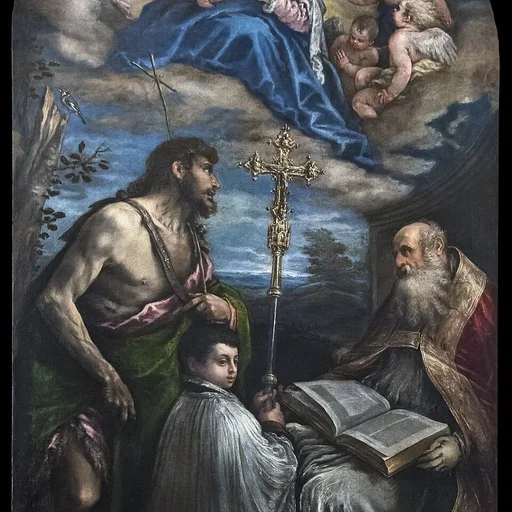
Francesco Bassano the Younger (Italian: Francesco Bassano il Giovane; 26 January 1549 – 4 July 1592), also called Francesco Giambattista da Ponte or Francesco da Ponte the Younger, was an Italian painter of the Renaissance period.