Artwork
The Lamentation with a Benedictine Donor
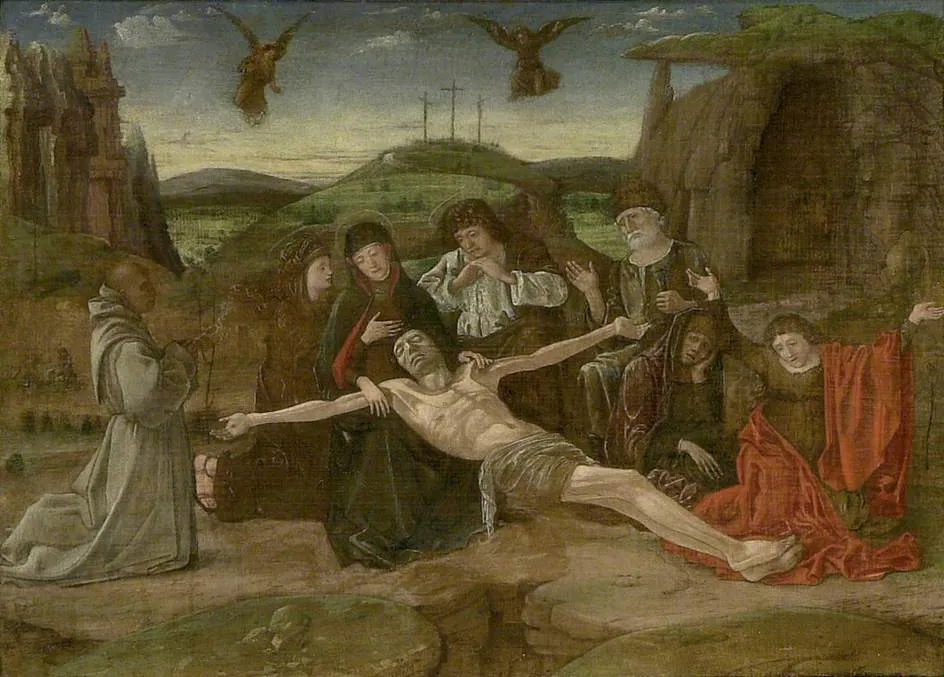
The Lamentation with a Benedictine Donor is an unspecified painting by Francesco Bonsignori. It dates from 1499 and is held in the collection of the Ashmolean Museum.
About this work
Overview
Painted circa 1499 by Francesco Bonsignori, this work combines a traditional lamentation scene with the portrait of a Benedictine monk as a donor.
Painted circa 1499 by Francesco Bonsignori, this work combines a traditional lamentation scene with the portrait of a Benedictine monk as a donor. Bonsignori, active in Mantua under the Gonzaga patronage since 1487, synthesized the delicate tonalities of his teacher Liberale da Verona with the sculptural gravity of Andrea Mantegna. The painting resides today in the Ashmolean Museum, Oxford, as a quiet example of late 15th-century northern Italian devotional art.
Subject & Meaning
The composition centers on the lifeless body of Christ, laid across a stone slab, his limbs stretched in stillness. Around him, mourners—Mary, John, and other figures—express grief through bowed heads and clasped hands. A Benedictine monk, kneeling at the lower right, gazes outward, his presence suggesting personal devotion and the act of prayer as spiritual participation in the sacred moment.
Technique & Style
Bonsignori employs a restrained palette of earth tones and muted blues to evoke solemnity. The figures are rendered with precise, linear contours, reflecting Mantegna’s influence, while the landscape behind—rocky outcrops, distant hills, and a pale sky—adds spatial depth without theatricality. Subtle modeling of flesh and fabric enhances the quiet realism, avoiding dramatic intensity in favor of meditative stillness.
History & Provenance
Commissioned likely for a Benedictine monastery or private chapel, the painting entered the Ashmolean’s collection in the 19th century. Its donor portrait indicates it was intended for a specific religious figure, possibly a prior or benefactor, whose identity remains unrecorded. The work’s survival through centuries reflects its enduring role in devotional practice rather than public display.
Context
In late 15th-century northern Italy, devotional paintings often merged biblical narratives with portraits of patrons to affirm spiritual connection. Bonsignori’s position at the Gonzaga court placed him among artists refining religious imagery for elite patrons. This painting reflects a trend toward intimate, personal piety, where the donor’s inclusion transforms the scene from a general depiction into a private act of remembrance.
Legacy
Though not widely exhibited or copied, the painting exemplifies the quiet, refined style of Bonsignori’s mature period. It stands as a testament to the blending of courtly precision and monastic devotion in Renaissance art. Its preservation offers insight into how religious imagery functioned beyond public altarpieces, serving as tools for solitary contemplation in monastic settings.
Artist & collection
Artist
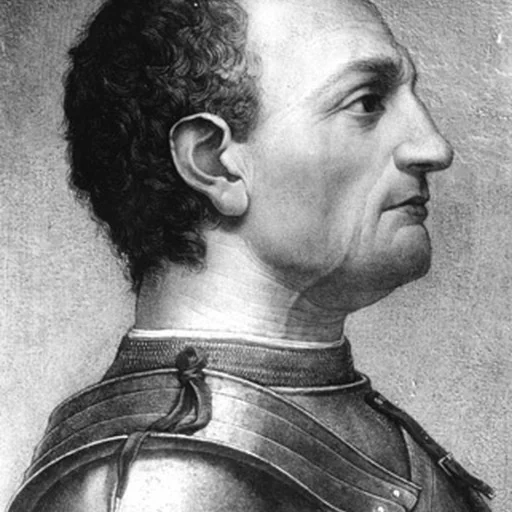
Francesco Bonsignori (c. 1455 – July 2, 1519), also known as Francesco Monsignori, was an Italian painter and draughtsman, characterized by his excellence in religious subjects, portraits, architectural perspective and…

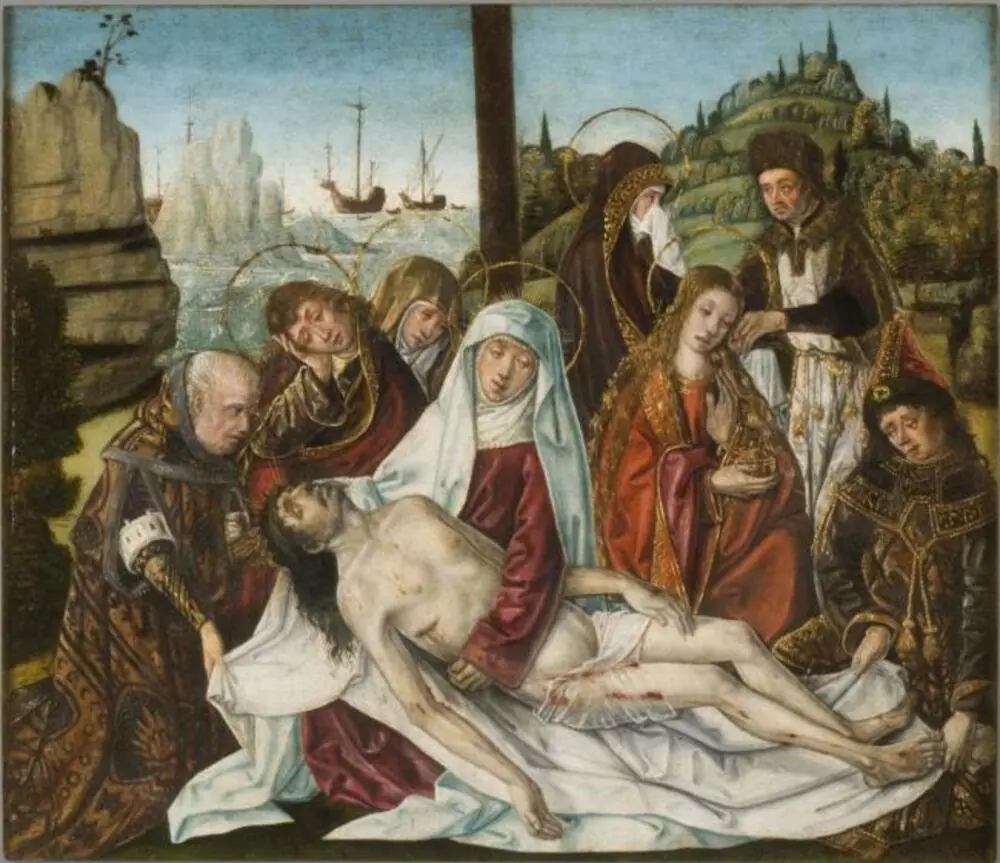 The Lamentation
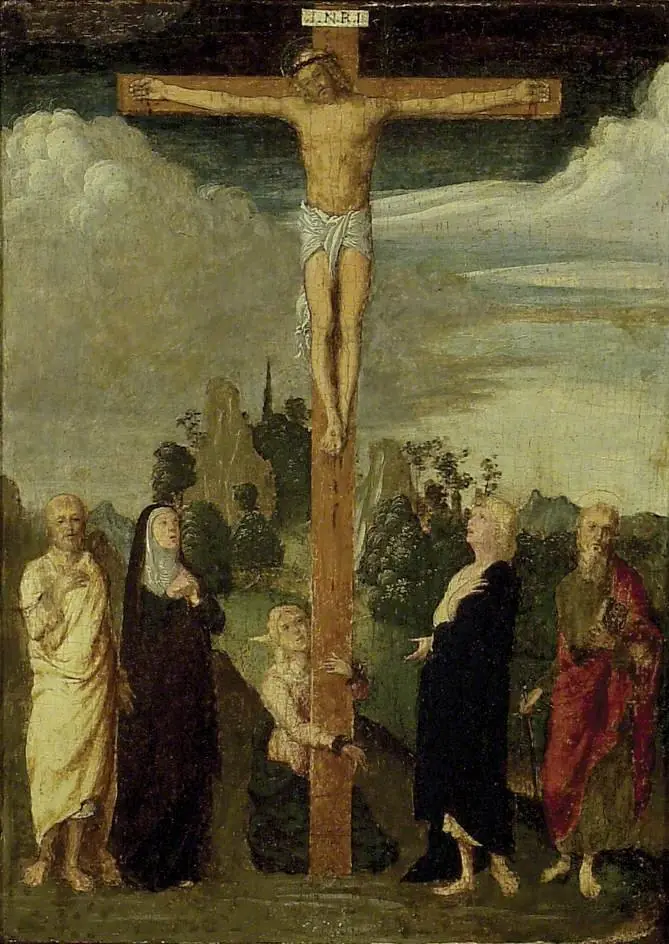 The Crucifixion with the Virgin Mary and St John
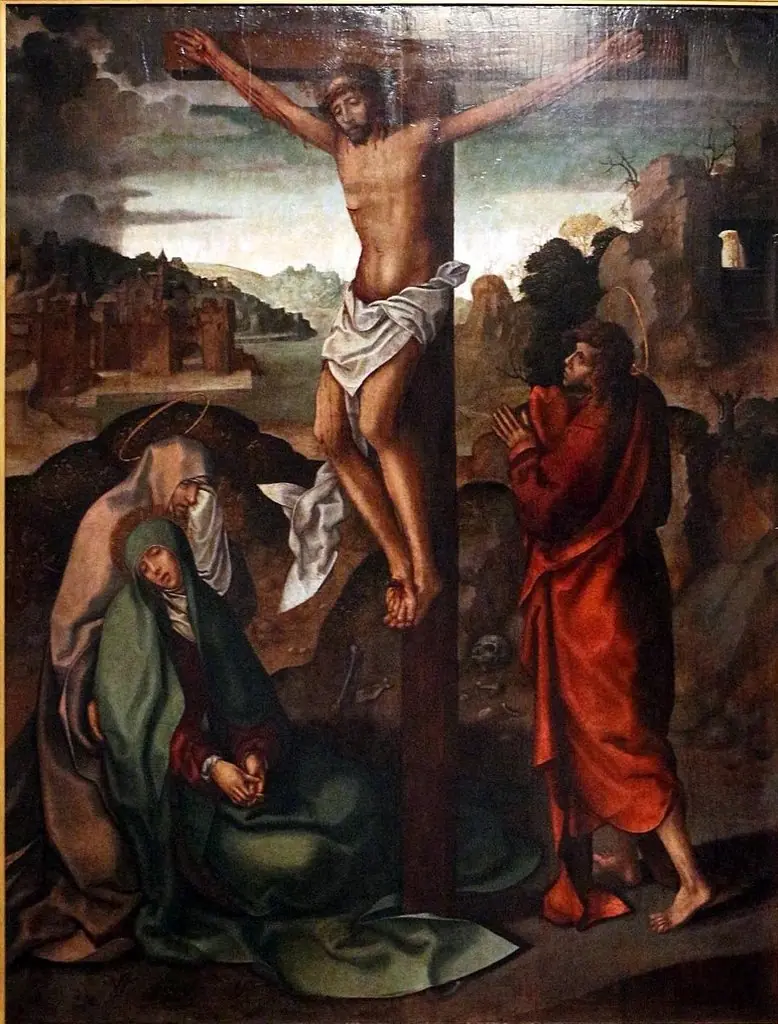 Crucificação
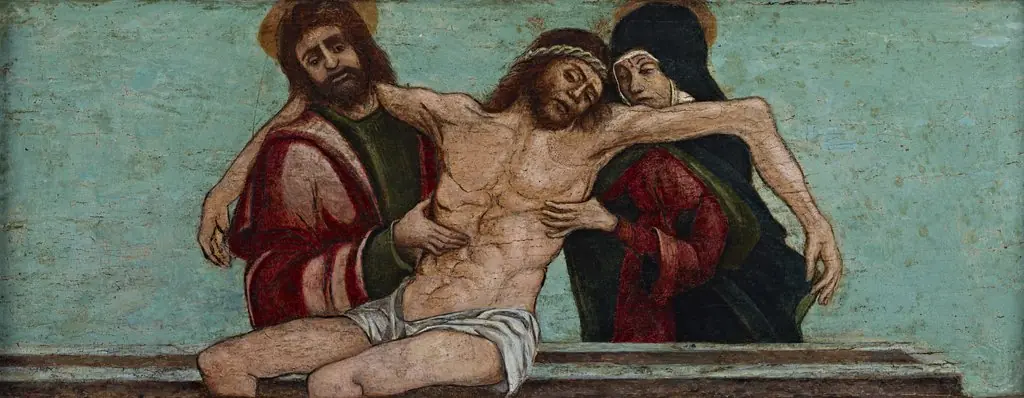 Pietà with Saint John the Evangelist
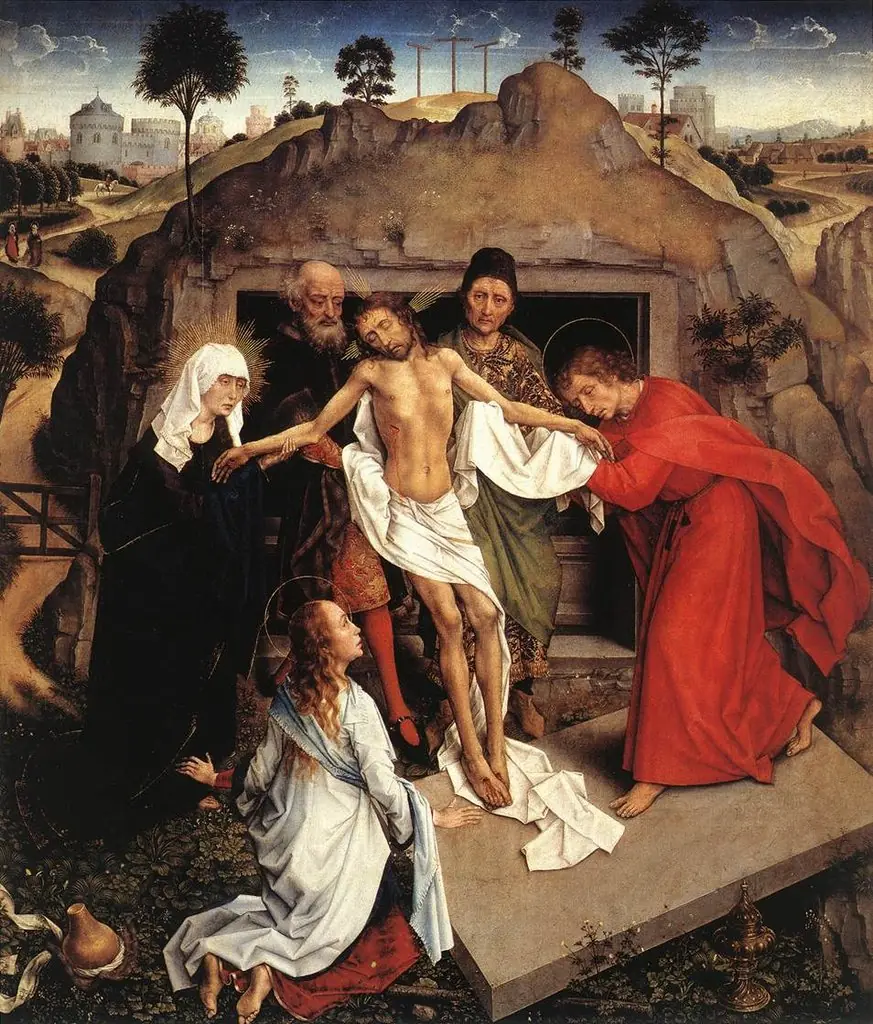 Lamentation of Christ
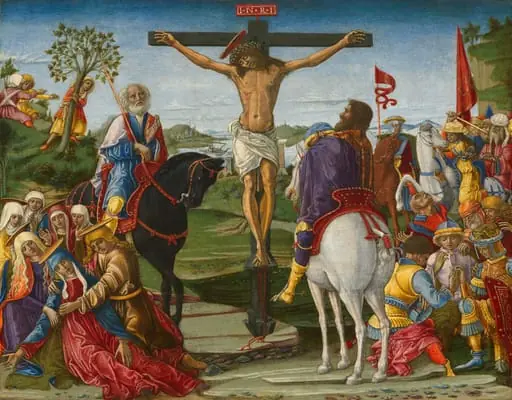 The Crucifixion
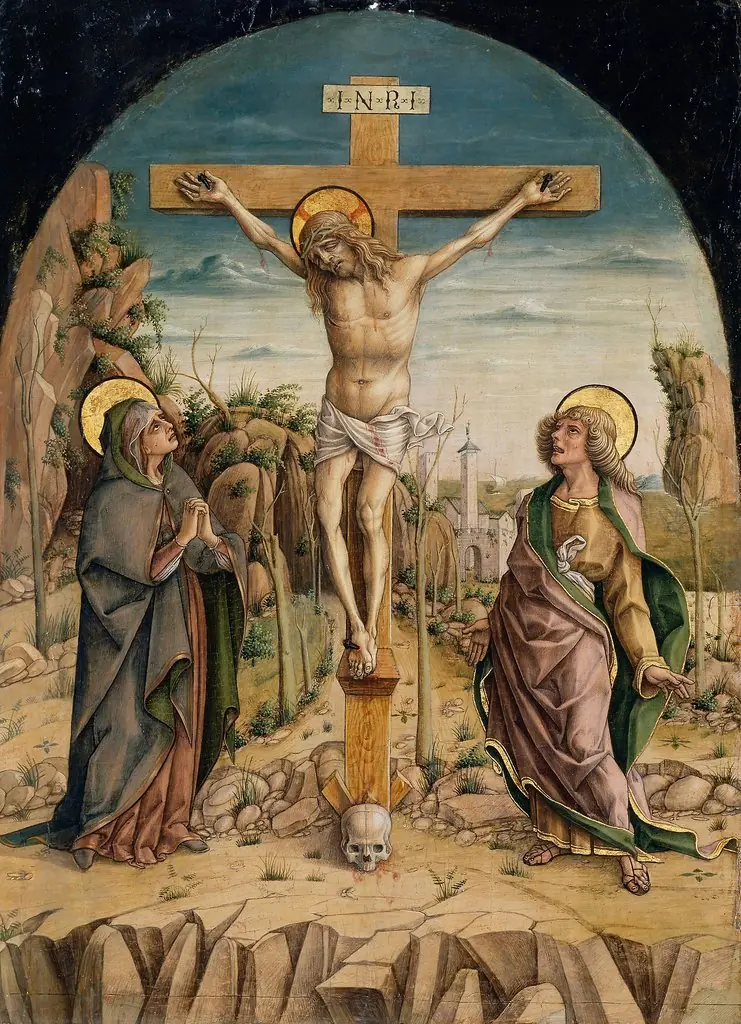 The Crucifixion
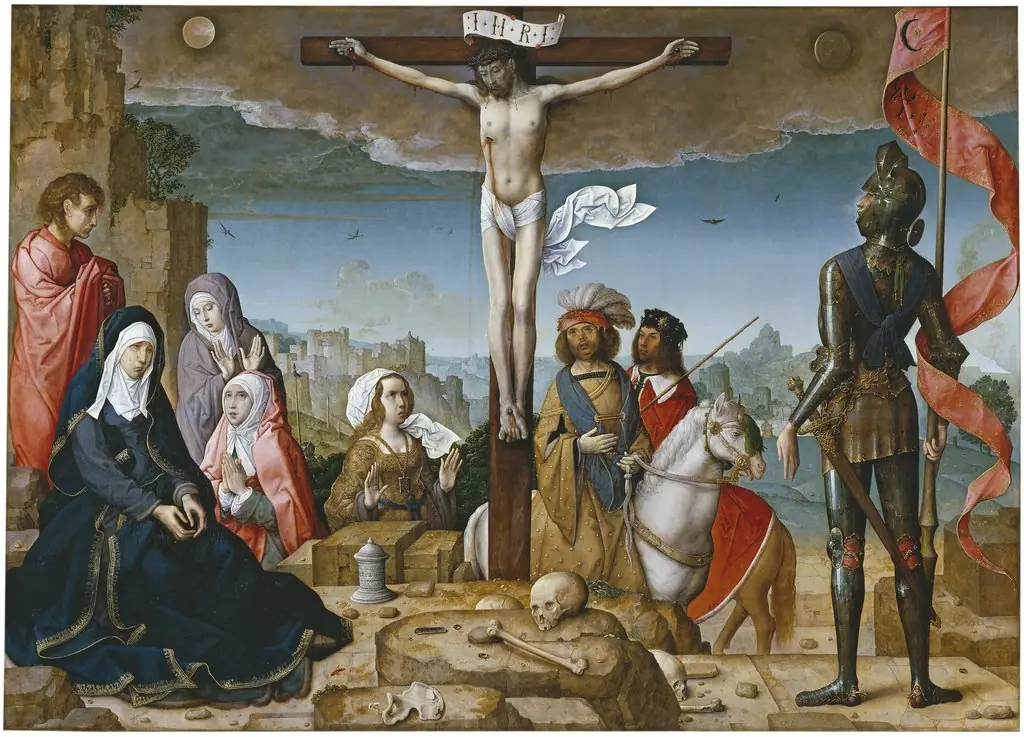 Crucifixion of Christ
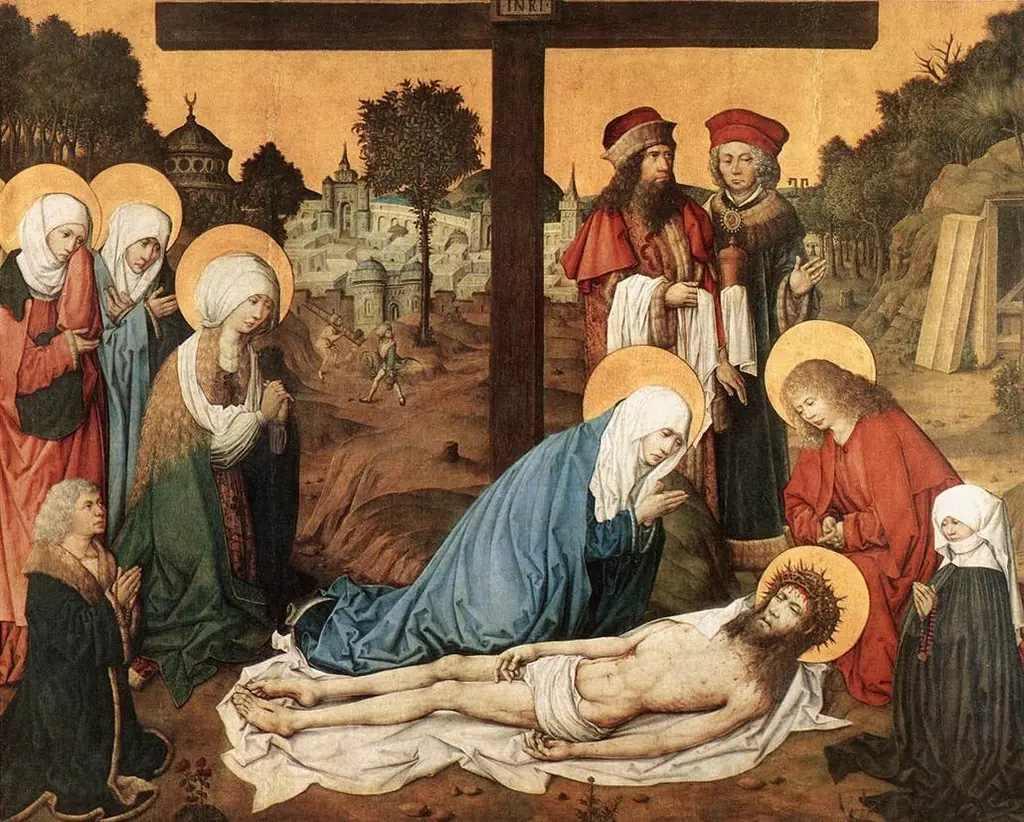 Lamentation of Christ
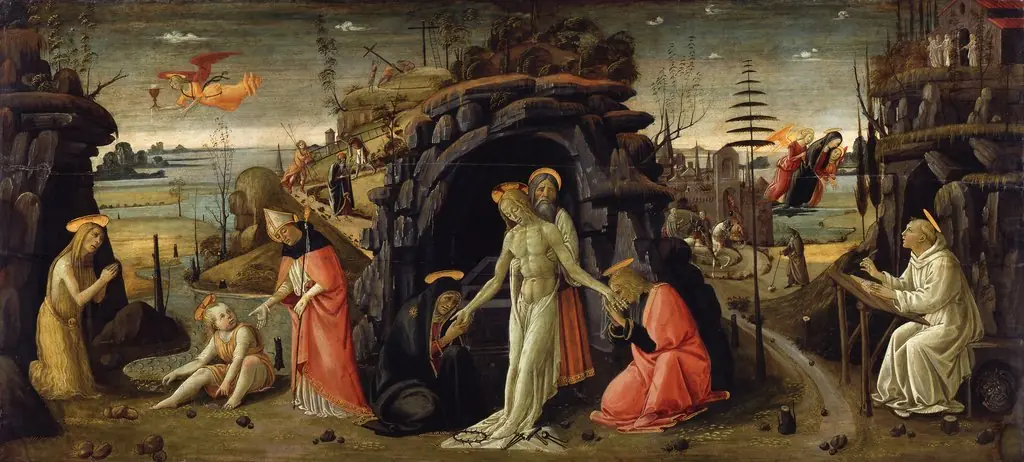 Landscape with biblical scenes and scenes from the legends of saints
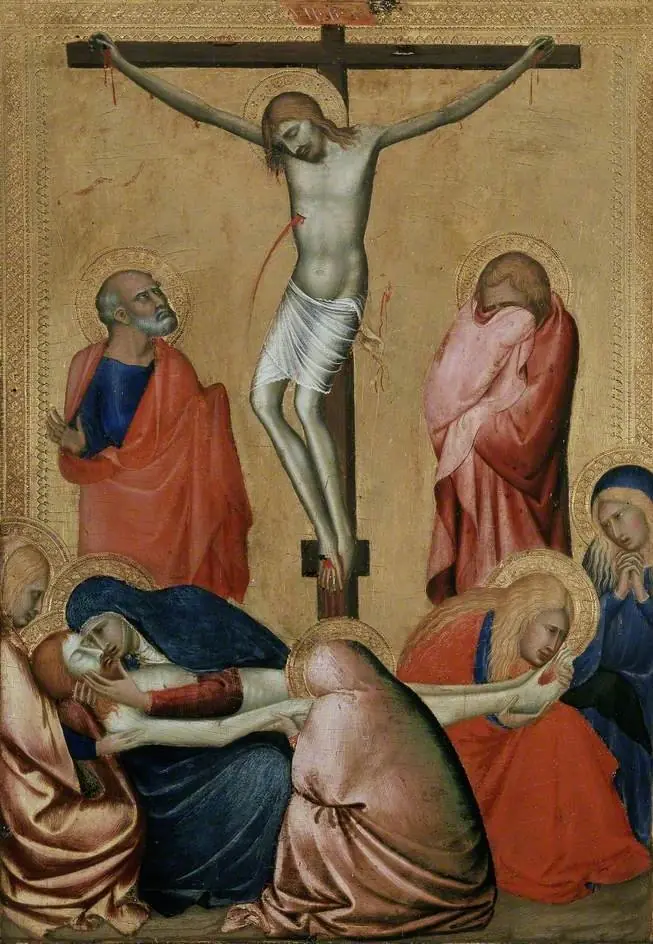 The Crucifixion and Lamentation
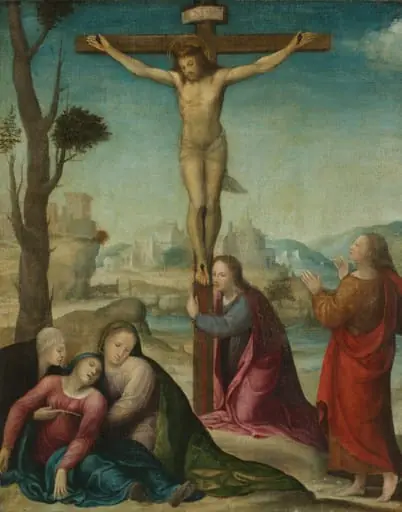 The Crucifixion