Artwork
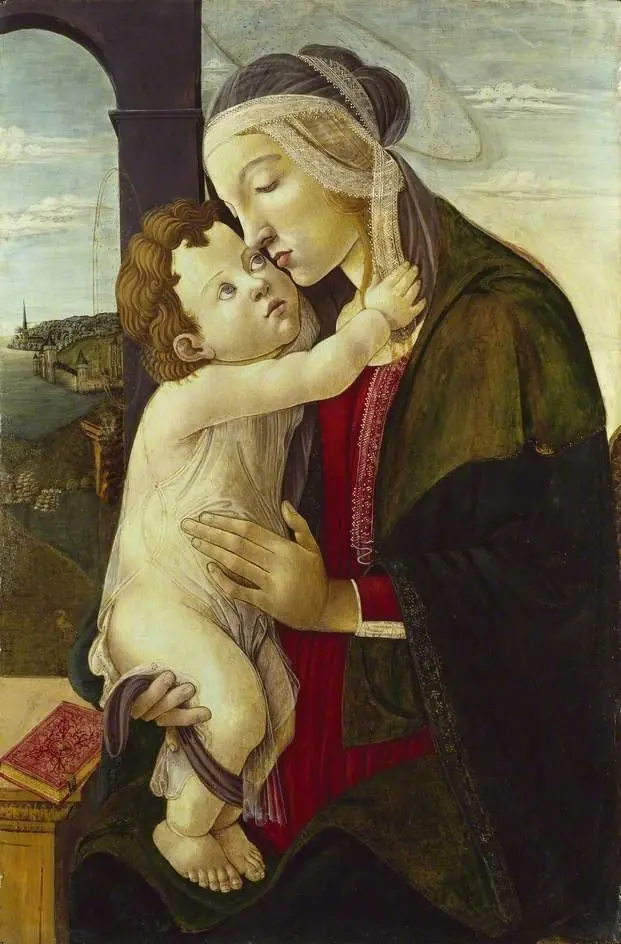
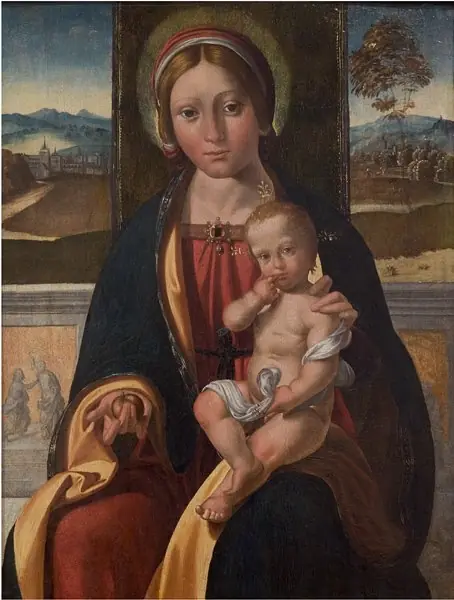
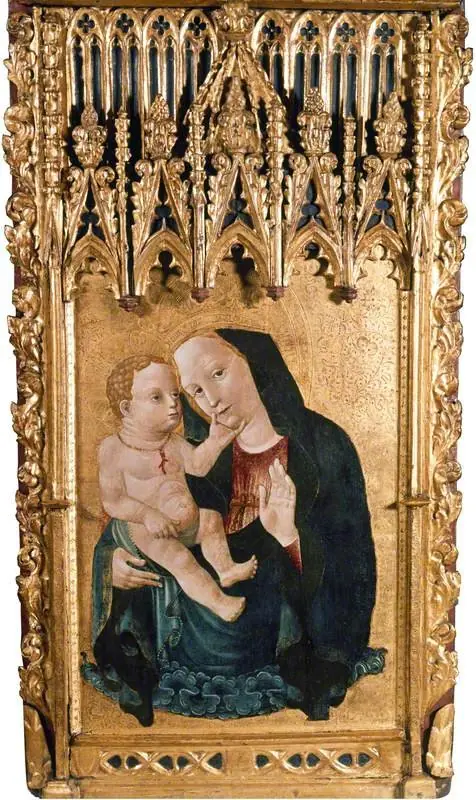
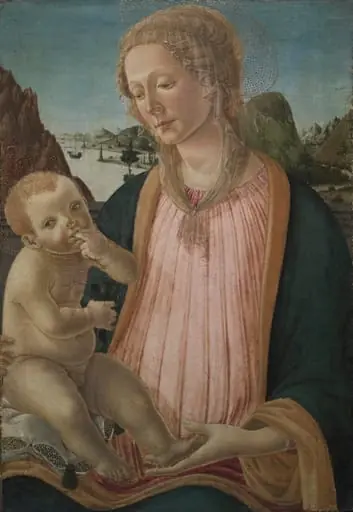
Virgin adoring the Child
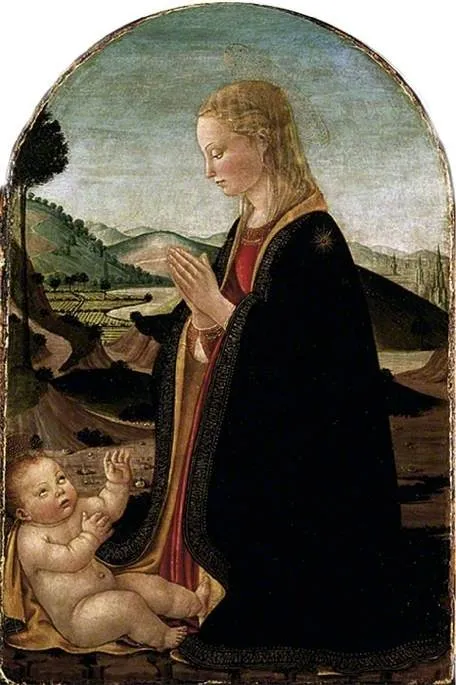
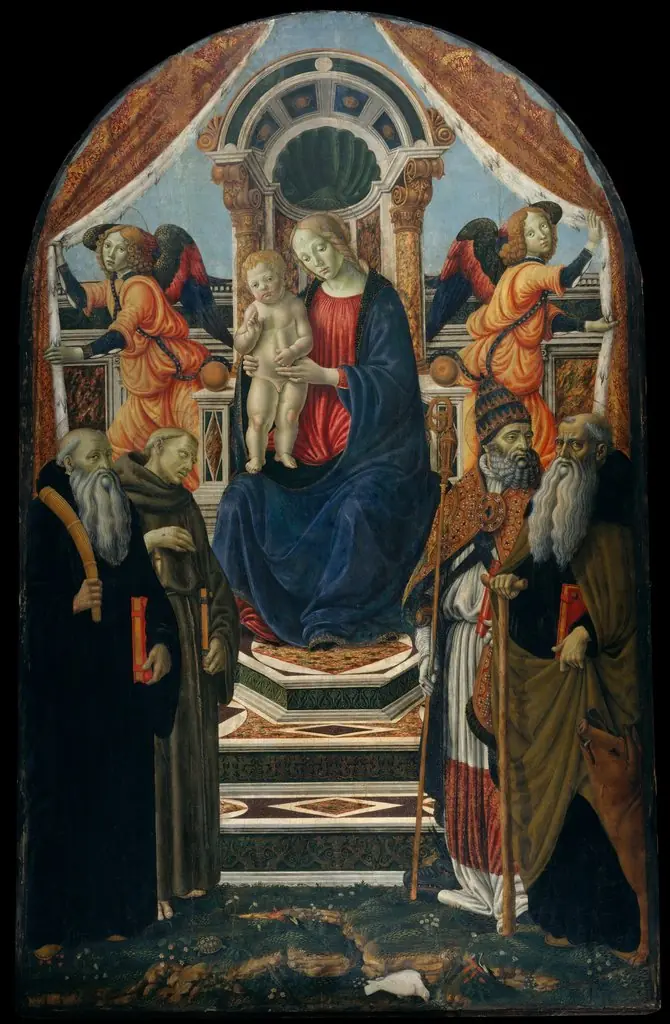
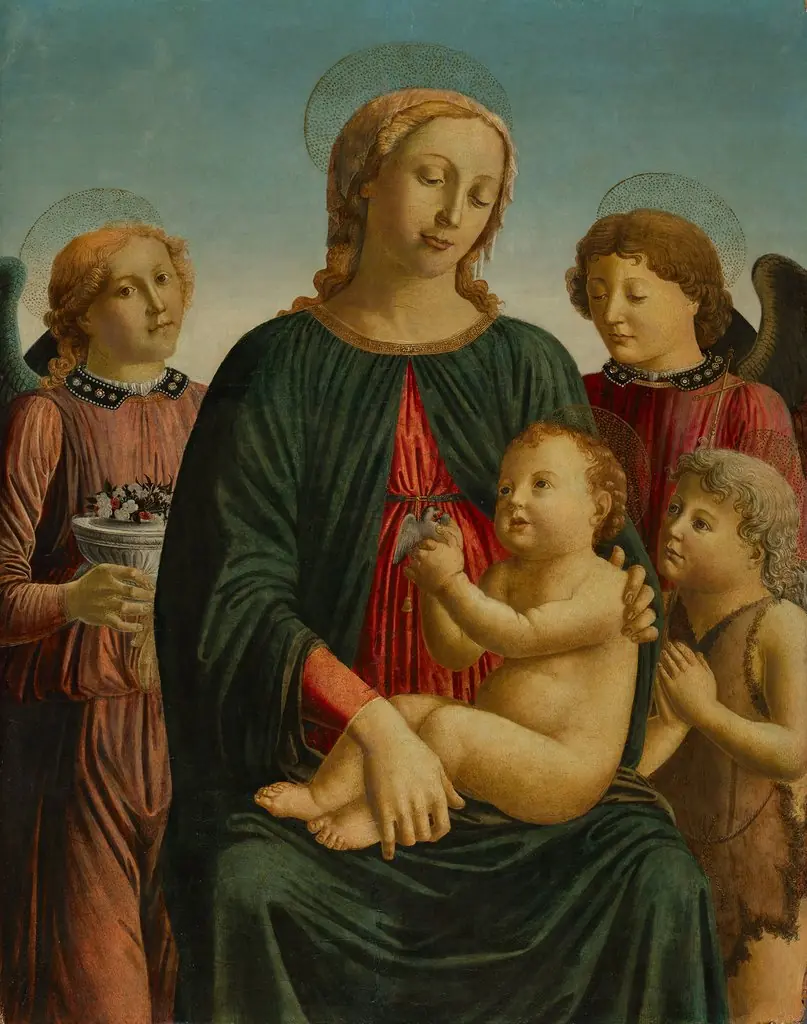
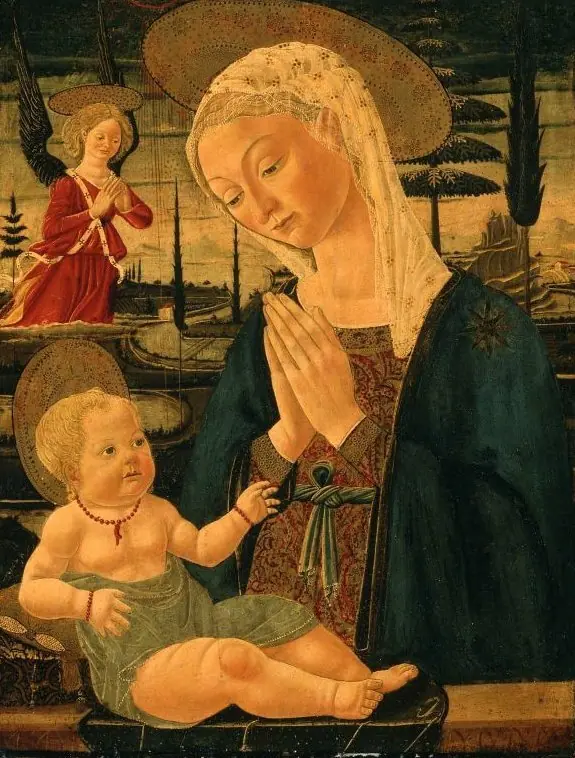
Virgin adoring the Child is an unspecified painting by the Early Renaissance artist Francesco Botticini. It dates from 1482 and is held in the collection of the Fitzwilliam Museum.
About this work
Overview
Botticini, a local artist known for altarpieces and intimate religious scenes, crafted this work for private contemplation rather than public display.
Painted around 1482 by Francesco Botticini, this small devotional panel depicts the Virgin Mary in quiet reverence before the infant Christ. Executed in tempera and gold leaf on wood, it reflects the devotional priorities of late 15th-century Florence. Botticini, a local artist known for altarpieces and intimate religious scenes, crafted this work for private contemplation rather than public display. It remains in the Fitzwilliam Museum’s collection today.
Subject & Meaning
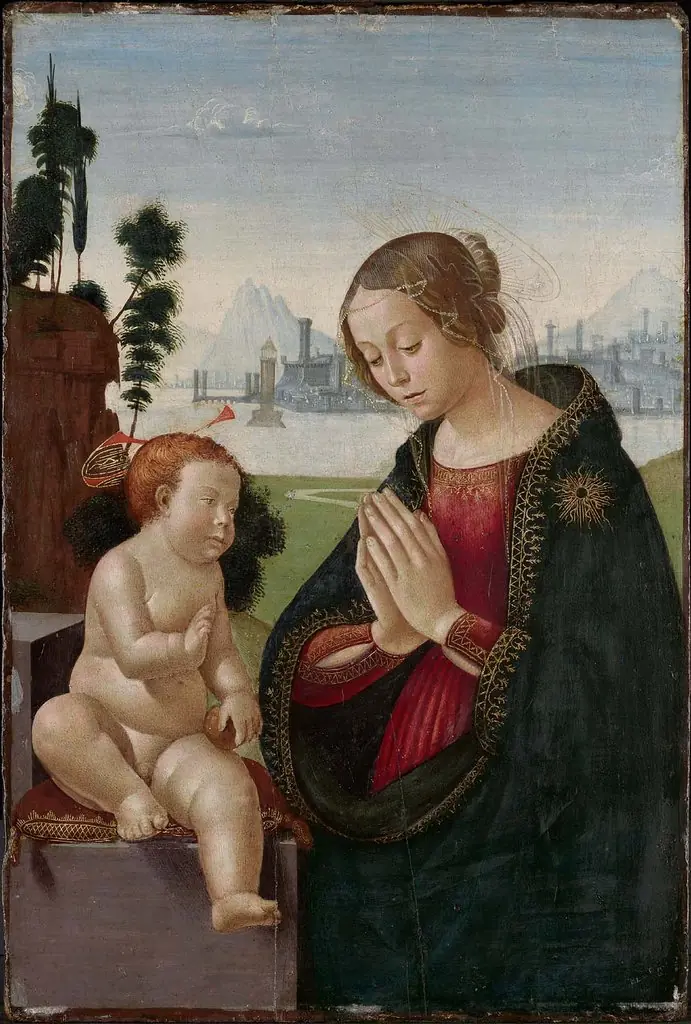
The Virgin kneels in prayer before the Christ Child, who sits on the earth, gazing upward with arms raised. This composition emphasizes maternal devotion and divine humility, common themes in Florentine piety. The Child’s posture suggests both vulnerability and awareness, while Mary’s clasped hands convey silent adoration. The absence of halos and the natural setting ground the sacred moment in quiet, human intimacy.
Technique & Style
Botticini employed tempera paint with gold leaf detailing on the Virgin’s robe, enhancing its luminous texture. Subtle chiaroscuro models the figures with soft light, lending volume without dramatic contrast. The landscape background, rendered in delicate greens and blues, recedes with atmospheric perspective. Fine brushwork captures the embroidery on Mary’s garment and the texture of her hair, reflecting the precision valued in Florentine workshop practice.
History & Provenance
Created for private devotion, the painting likely originated in a Florentine household or small chapel. It entered the Fitzwilliam Museum’s collection in the 19th century, having passed through private hands in Italy before being acquired by British collectors. Its survival in good condition suggests careful preservation, typical of devotional works kept in domestic settings rather than public churches.
Context
In late 15th-century Florence, religious imagery shifted toward emotional immediacy and naturalism. Botticini’s work aligns with contemporaries like Ghirlandaio, who blended sacred themes with observed reality. The emphasis on Mary’s quiet contemplation, rather than grandeur, reflects growing interest in personal piety and the human dimensions of biblical figures, influenced by Dominican and Franciscan spiritual traditions.
Legacy
Though not widely exhibited, the painting exemplifies the quiet devotional style that sustained Florentine painting beyond the grand commissions of the High Renaissance. Botticini’s focus on intimate scale and emotional restraint influenced smaller-scale religious works produced for domestic use. Its preservation offers insight into how ordinary believers engaged with sacred imagery in daily life.
Artist & collection
Artist
Francesco Botticini (real name Francesco di Giovanni, 1446 – 16 January 1498) was an Italian painter of the Early Renaissance.