Artwork
Pair of Drawings: Sketch of the Labyrinth of the Villa Pisani and Piazza San Marco with Doges' Palace
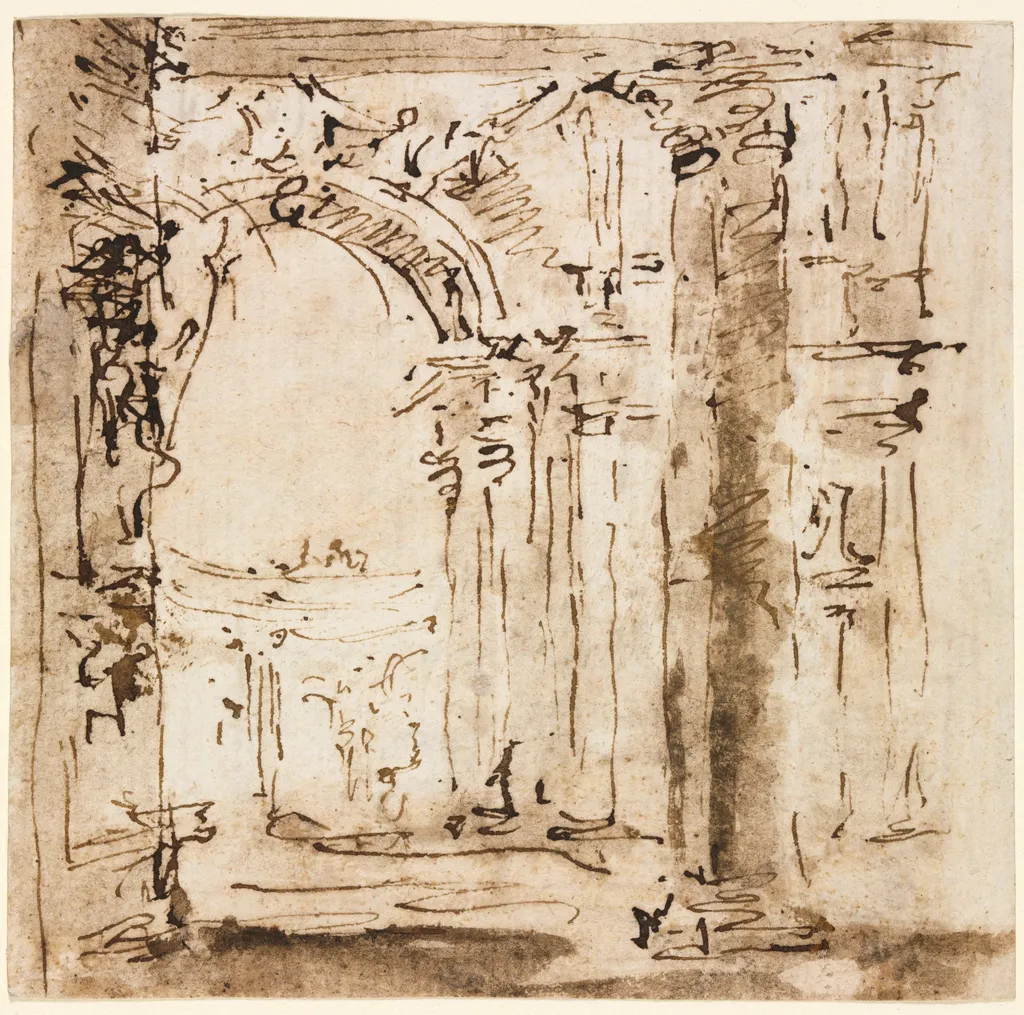
Pair of Drawings: Sketch of the Labyrinth of the Villa Pisani and Piazza San Marco with Doges' Palace is a drawing by the Romanticist artist Francesco Guardi. It dates from 1776 and is held in the collection of the Cleveland Museum of Art.
About this work
Overview
Executed in ink and wash, the works reflect Guardi’s mature style—loose, atmospheric, and attentive to spatial mood rather than precise detail.
Created in 1776 by Francesco Guardi, this pair of drawings captures two distinct Venetian spaces: a garden labyrinth at Villa Pisani and the Piazza San Marco with the Doges' Palace. Executed in ink and wash, the works reflect Guardi’s mature style—loose, atmospheric, and attentive to spatial mood rather than precise detail. They belong to his later period, following his shift from religious collaboration to vedute after his brother’s death in 1760.
Subject & Meaning
One drawing portrays the winding, enclosed paths of the Villa Pisani’s garden labyrinth, suggesting contemplation and hidden order. The other depicts the vast, open Piazza San Marco, dominated by the Doges' Palace and its monumental architecture. Together, they contrast intimate, naturalistic enclosure with public, civic grandeur, offering a quiet meditation on Venice’s dual identity as a place of private retreat and political spectacle.
Technique & Style
Guardi employed rapid, fluid ink lines and subtle washes to convey texture and light. The labyrinth sketch is more detailed, with delicate suggestions of foliage and stonework, while the piazza rendering is looser, emphasizing volume and shadow over architectural precision. His brushwork avoids the crispness of Canaletto’s vedute, favoring an impressionistic sensitivity to atmosphere and movement, anticipating Romantic sensibilities without adhering to their thematic conventions.
History & Provenance
These drawings were made during Guardi’s most productive phase as a vedutista, after he had fully transitioned from collaborative religious painting to independent topographical work. They likely served as preparatory studies or personal records, not commissioned pieces. Their survival reflects their value as intimate glimpses into Guardi’s observational process, though their specific early ownership remains undocumented.
Context
In late 18th-century Venice, the tradition of vedute was well established, but Guardi’s approach diverged from the topographical rigor of predecessors like Canaletto. His focus on transient light, emotional tone, and structural ambiguity aligned with a broader cultural turn toward subjectivity. These drawings reflect a Venice in gradual decline, where architectural grandeur coexisted with a sense of fading vitality.
Legacy
Guardi’s expressive draftsmanship influenced later artists seeking emotional resonance over documentary accuracy in urban scenes. While not widely celebrated in his lifetime, his drawings gained recognition in the 19th century as precursors to modern landscape sensibilities. These works exemplify how Venetian art evolved from precision to perception, bridging the Baroque and Romantic eras through quiet, personal observation.
Artist & collection
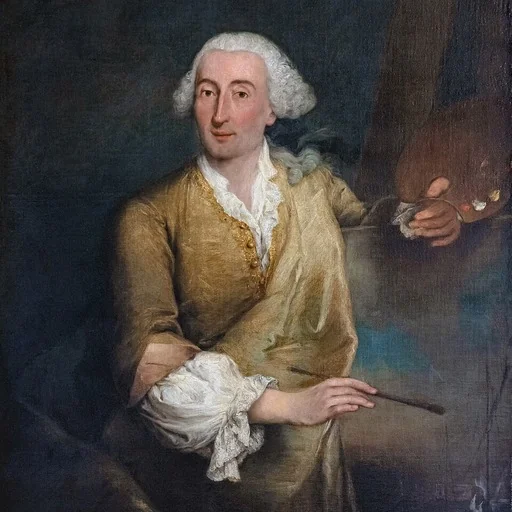
Artist
Francesco Lazzaro Guardi (Italian pronunciation: ; 5 October 1712 – 1 January 1793) was an Italian painter, nobleman, and a member of the Venetian School.

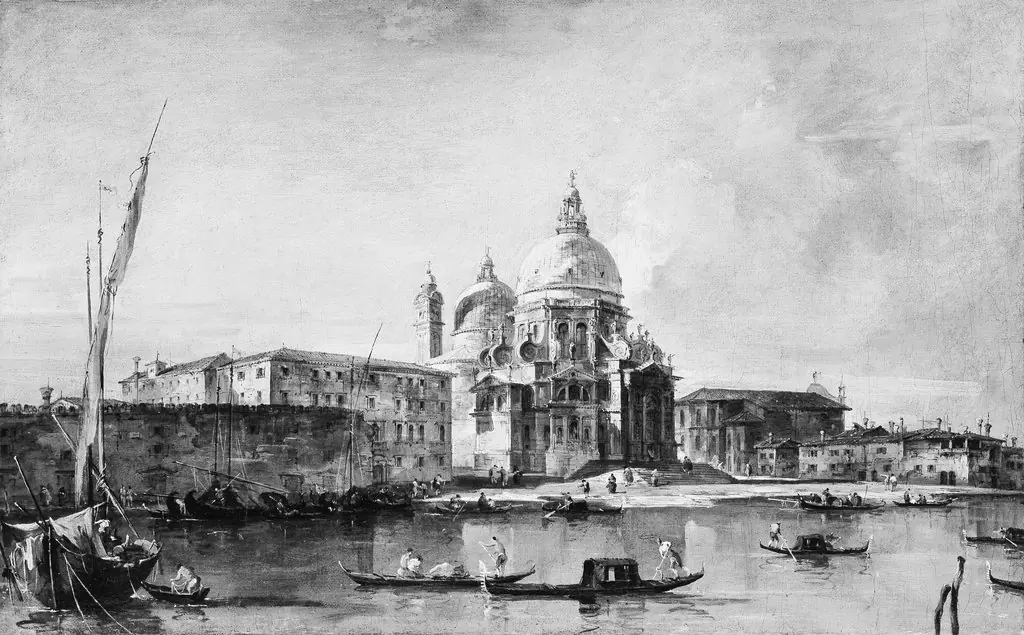
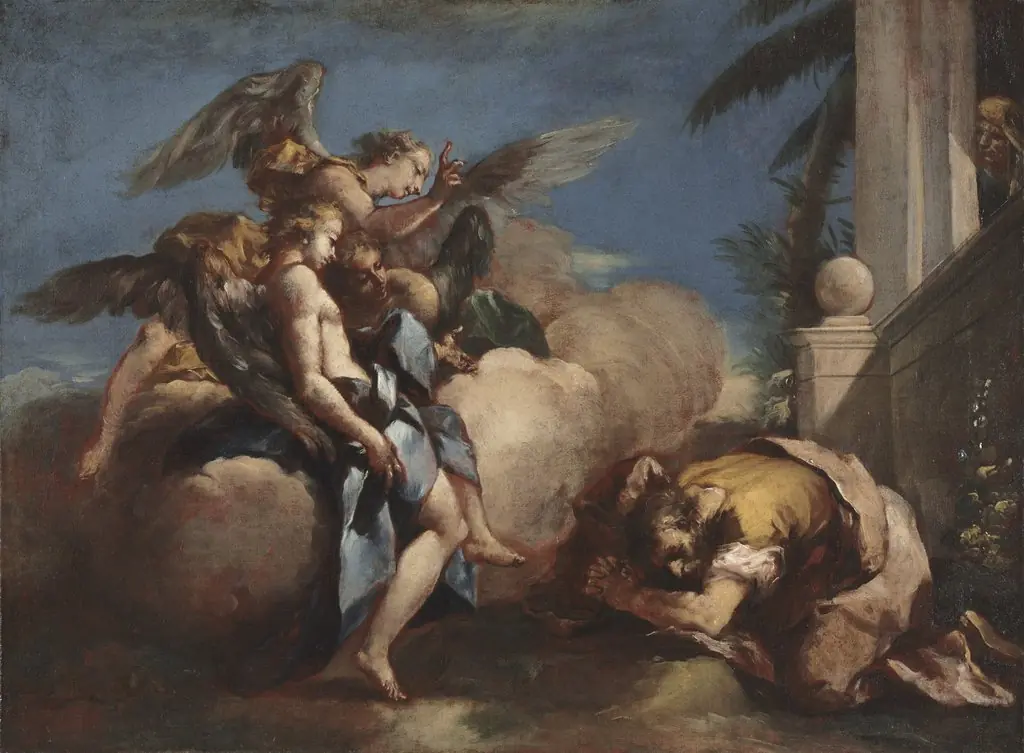
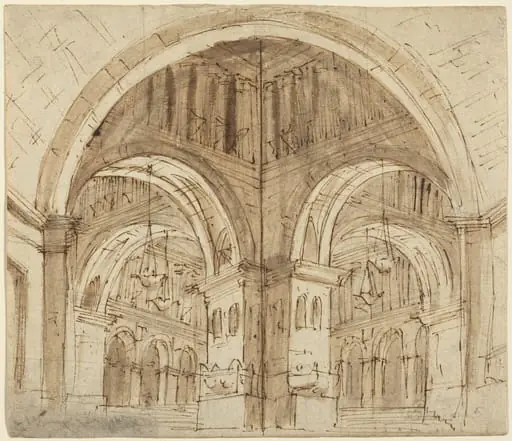 Design for a Vaulted Hall
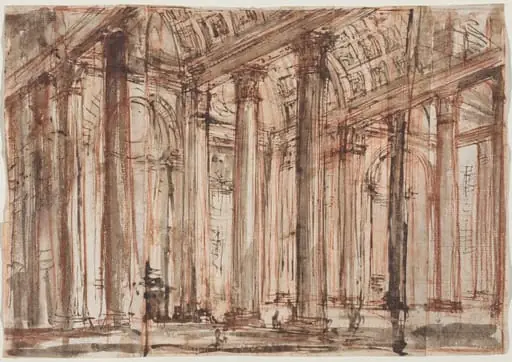 The Portico of the Pantheon
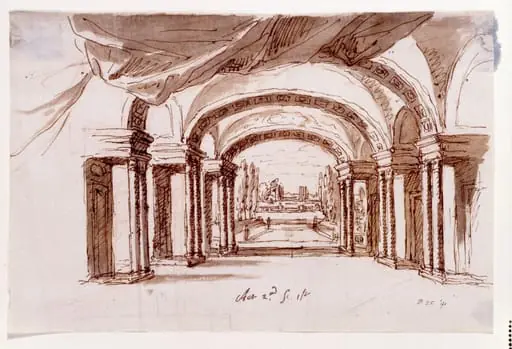 Drawing, Design for a stage set for Arsinoe, Queen of Cyprus at the Theatre Royal, London for Act II, scene 1, a great hall looking into a garden
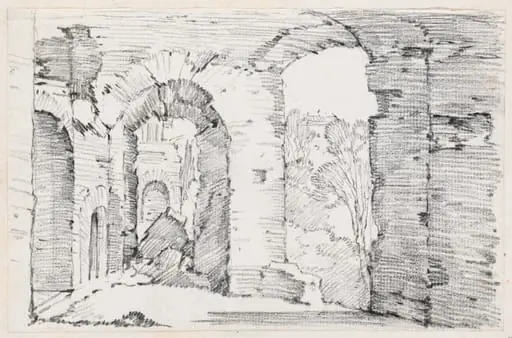 Arched Passageways of a Ruined Building
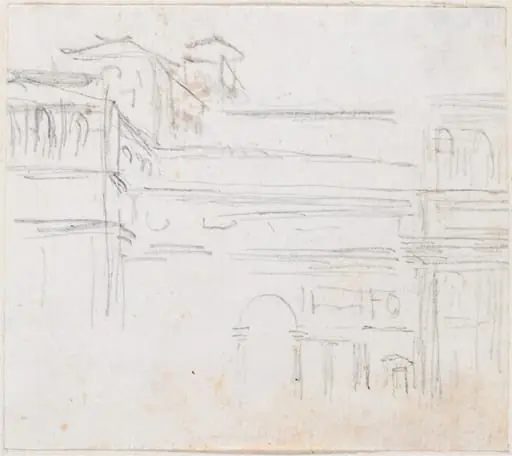 Villa Medici
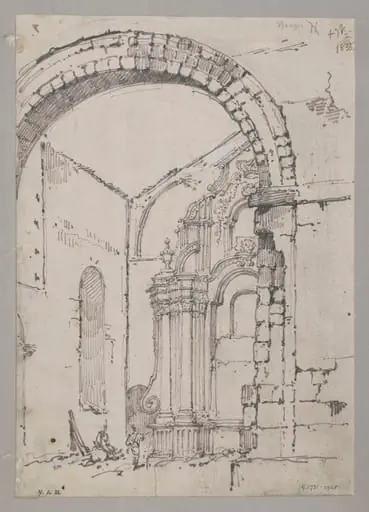 Large archway in the centre nave of St. Paul's Church, Macao, after it was burnt (December 1835)
 Stage Design
 Fantasy of an Ancient Bath
 Stage Design
 Church Doorway, Edgemere