Artwork
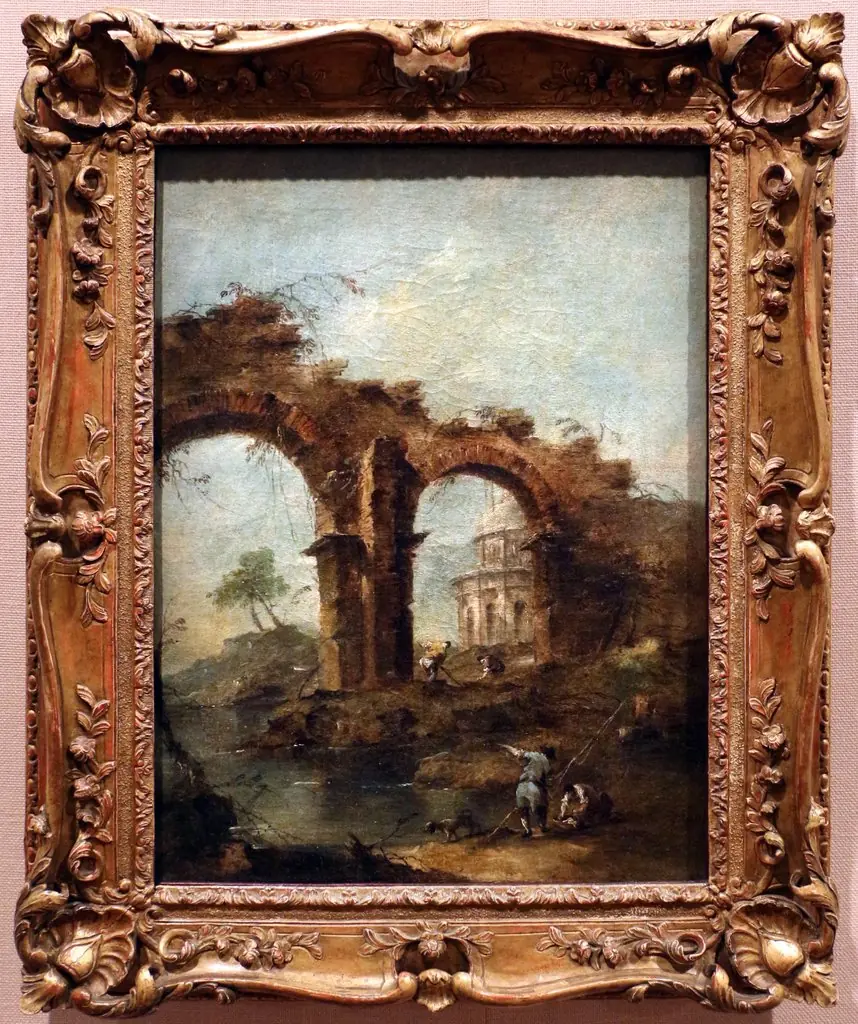
Capricho arquitetónico
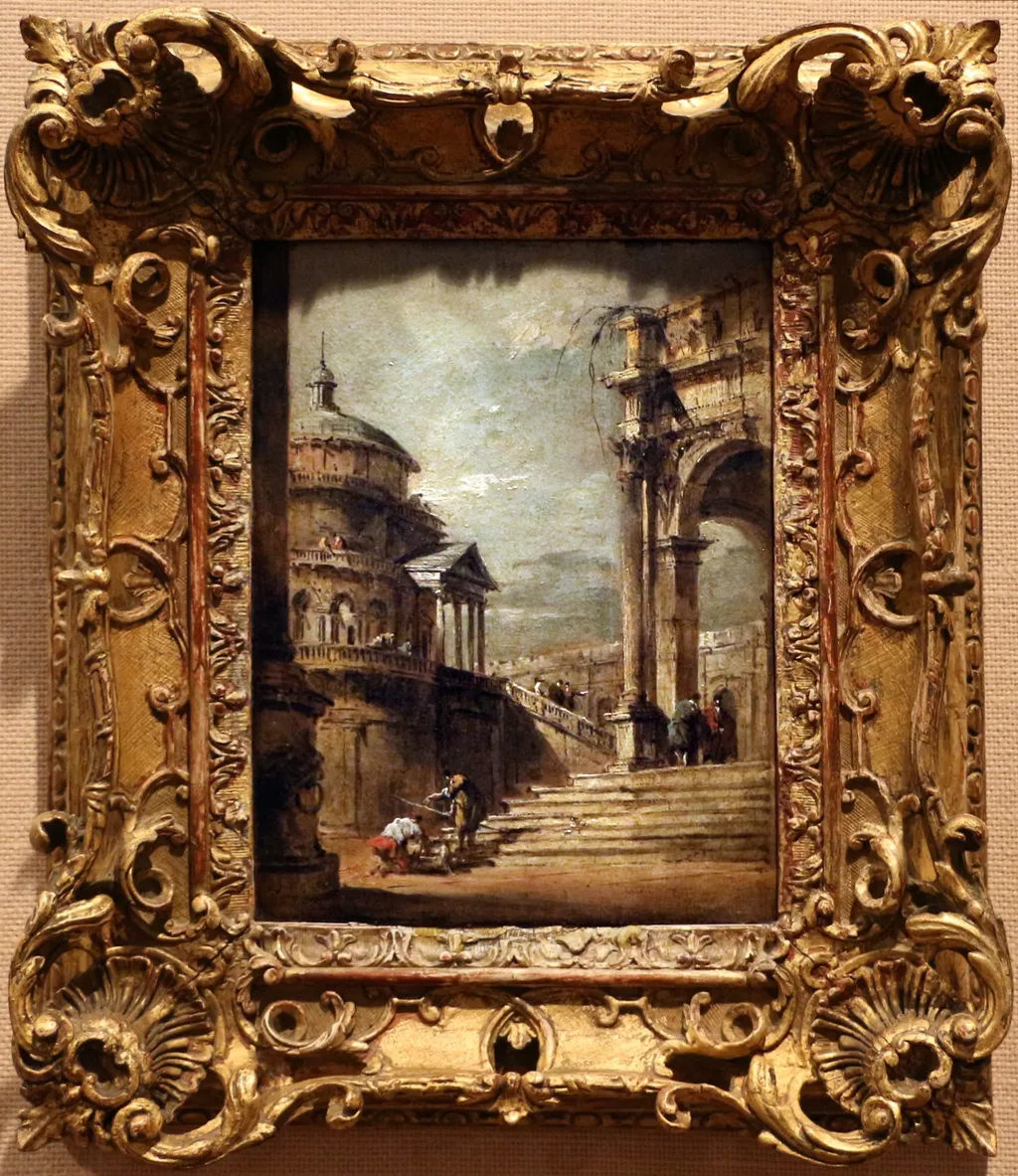
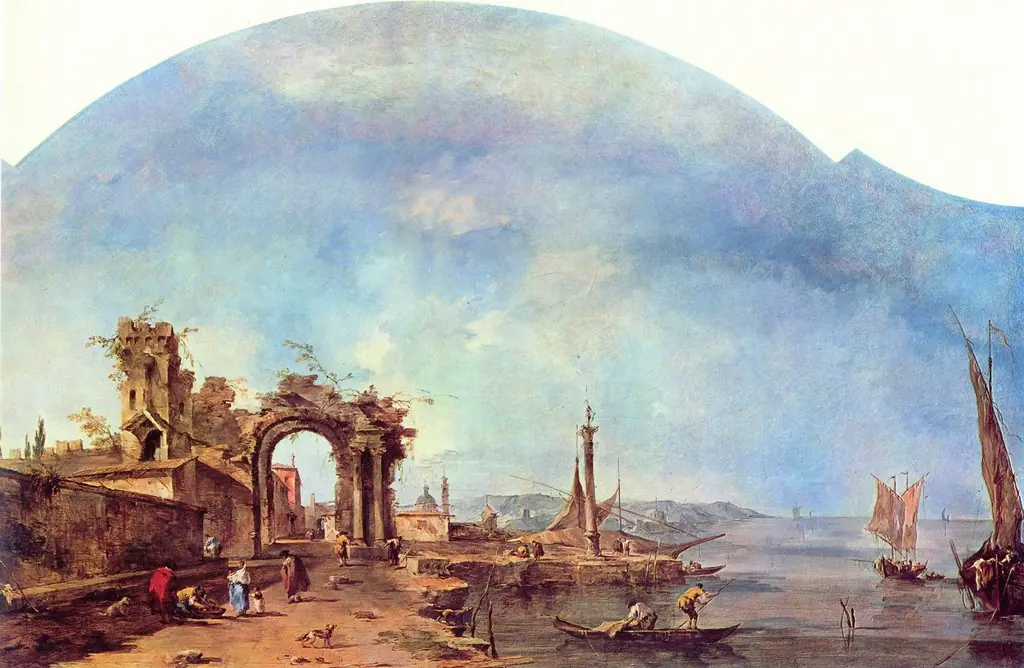
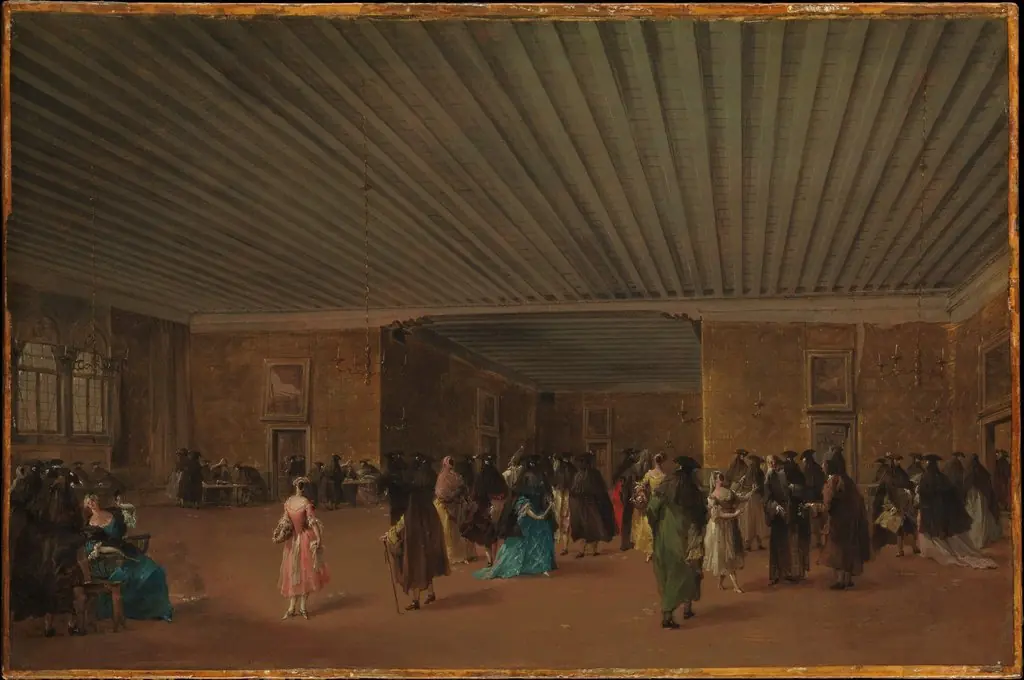
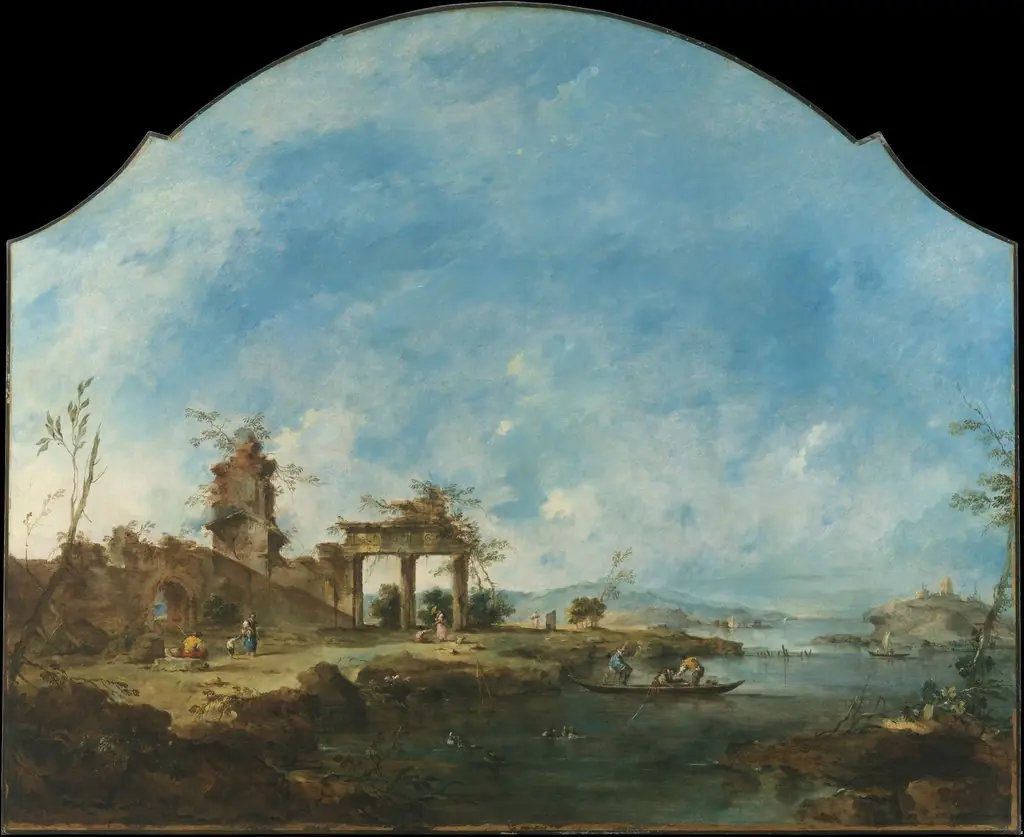
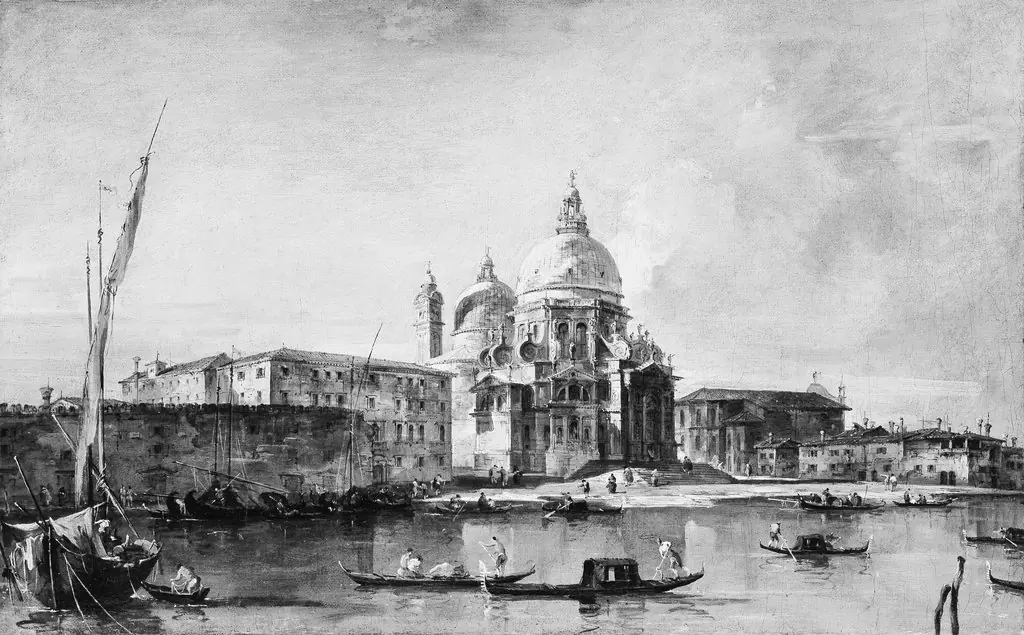
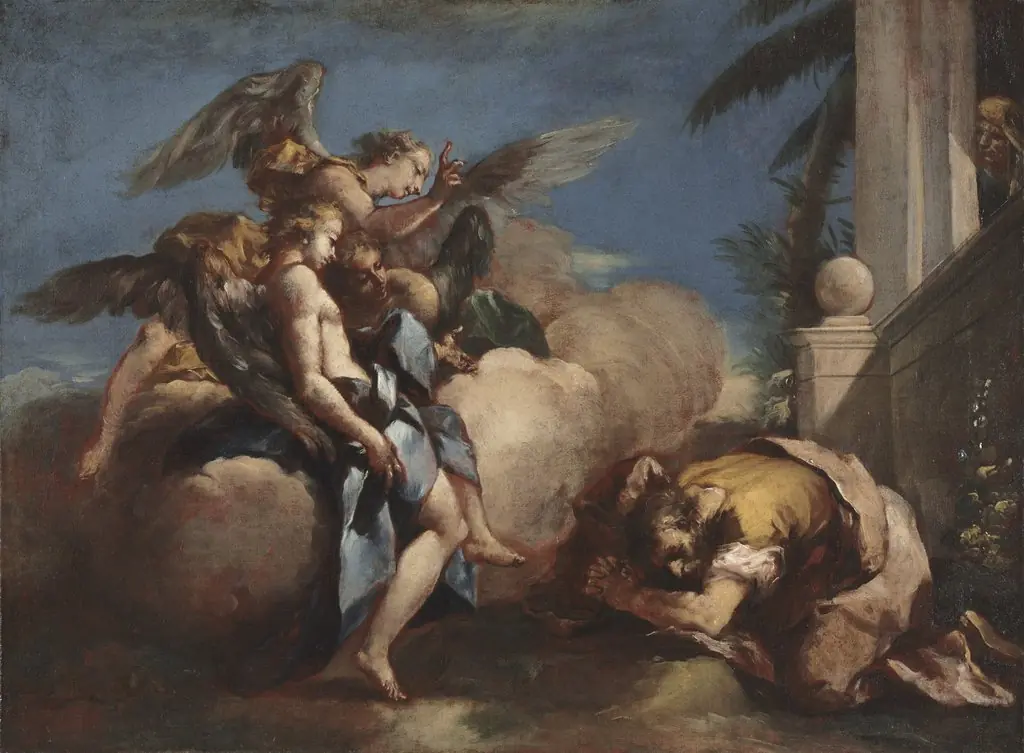
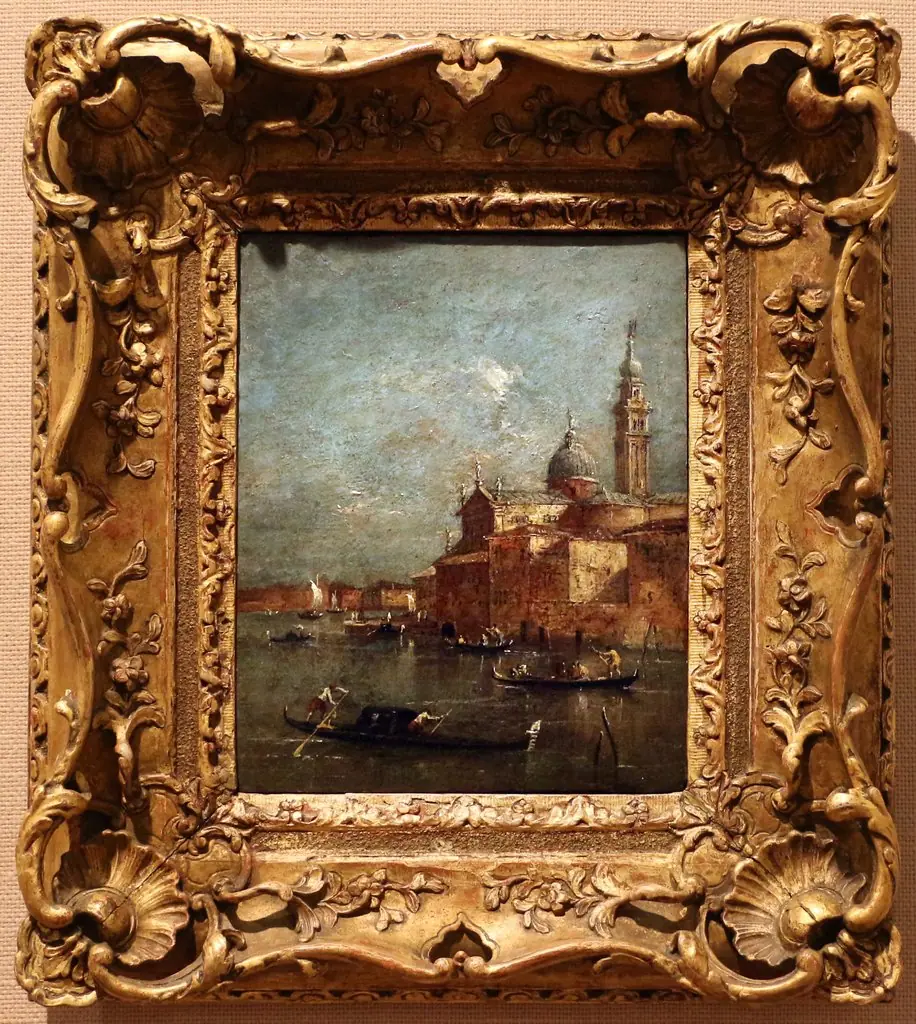
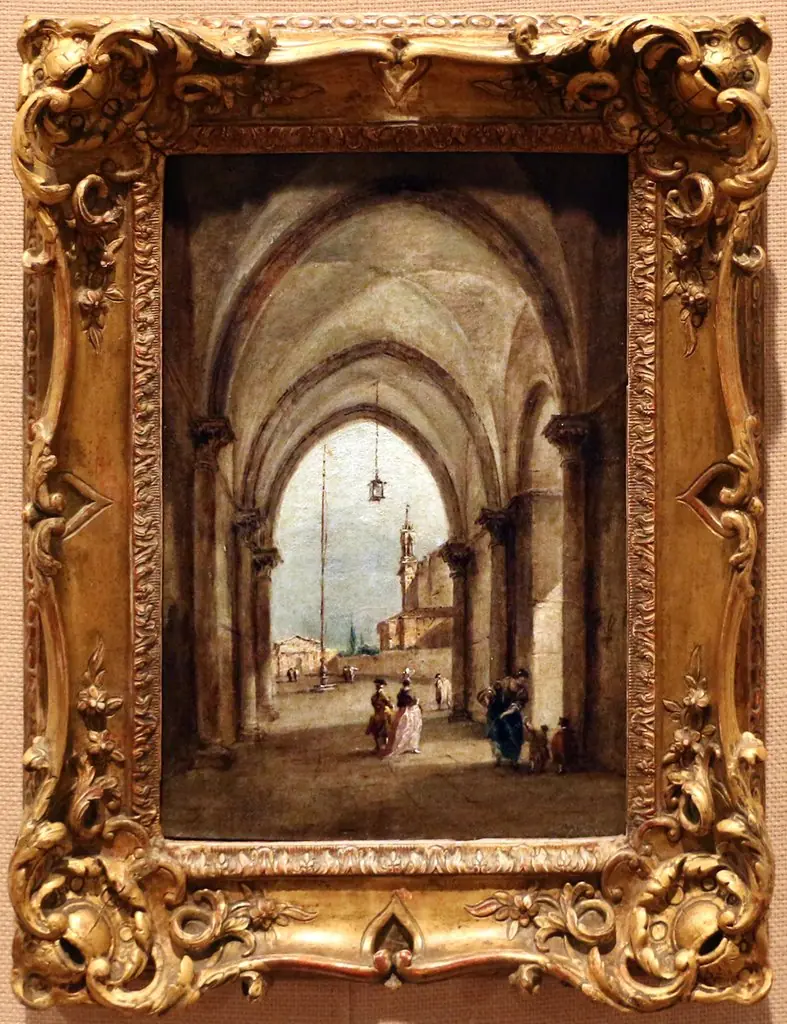
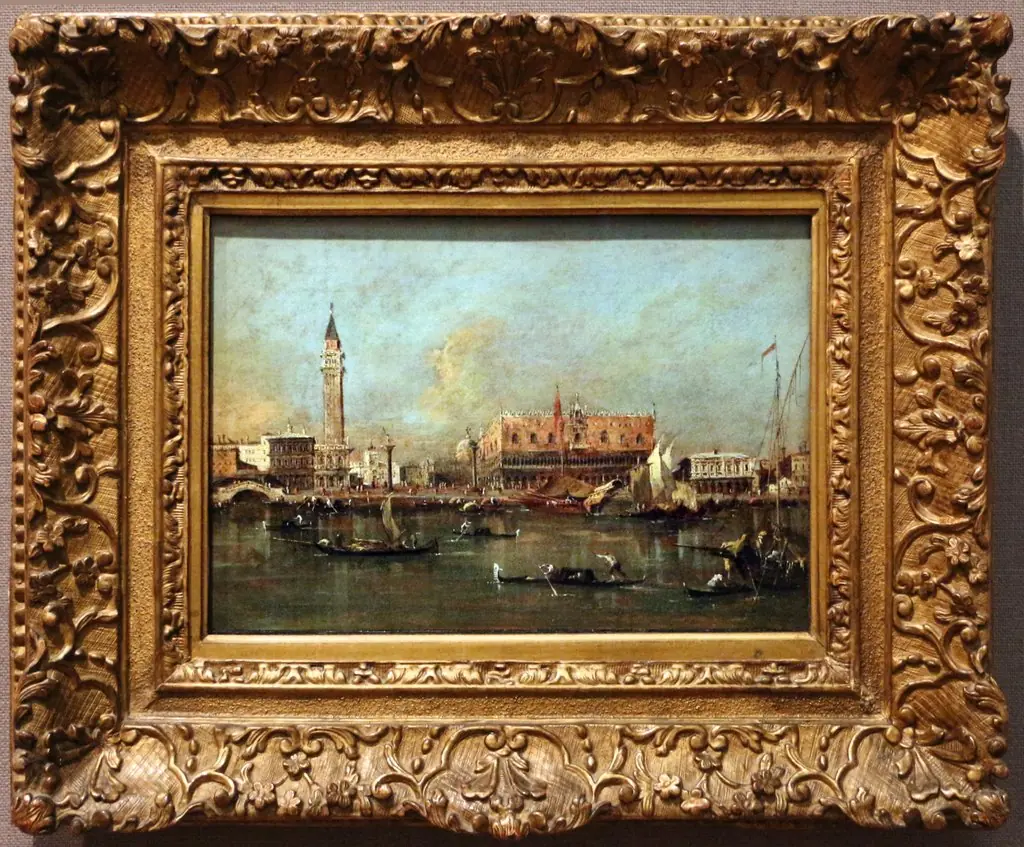
Capricho arquitetónico is an unspecified painting by the Rococo painting artist Francesco Guardi. It dates from 1770 and is held in the collection of the Calouste Gulbenkian Museum.
About this work
Overview
Capricho arquitetónico, created by Venetian painter Francesco Guardi in 1770, is a Rococo-period painting that exemplifies his transition towards a more expressive style within the Venetian School tradition.
Subject & Meaning
The painting depicts an imaginative architectural scene with a grand building, a staircase leading to another structure, and figures in the foreground, set against a cloudy sky. The composition highlights Guardi’s capriccio technique, blending real and fanciful elements.
Technique & Style
Characterized by fluid, expressive brushwork, the painting showcases Guardi’s departure from the influences of Canaletto towards a more dynamic use of light and shadow, notably evident in the shadow cast by the left building.
History & Provenance
Originally part of a noble or private collection, the painting is now part of the Calouste Gulbenkian Museum’s holdings, reflecting its evolution from a personal treasure to a publicly accessible work of art.
Context
Emerging in the late 18th century, Capricho arquitetónico reflects the Venetian School’s adaptation of Rococo sensibilities, with Guardi’s unique blend of traditional vedute and imaginative architectural fantasies.
Legacy
While not widely recognized beyond art historical circles, the painting contributes to the understanding of Guardi’s stylistic development and the broader evolution of architectural capriccios in 18th-century Venetian art.
Artist & collection
Artist
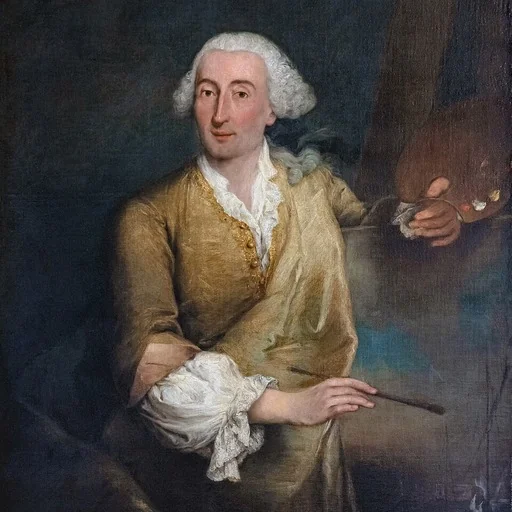
Francesco Lazzaro Guardi (Italian pronunciation: ; 5 October 1712 – 1 January 1793) was an Italian painter, nobleman, and a member of the Venetian School.