Artwork
Pórtico do Palácio Ducal
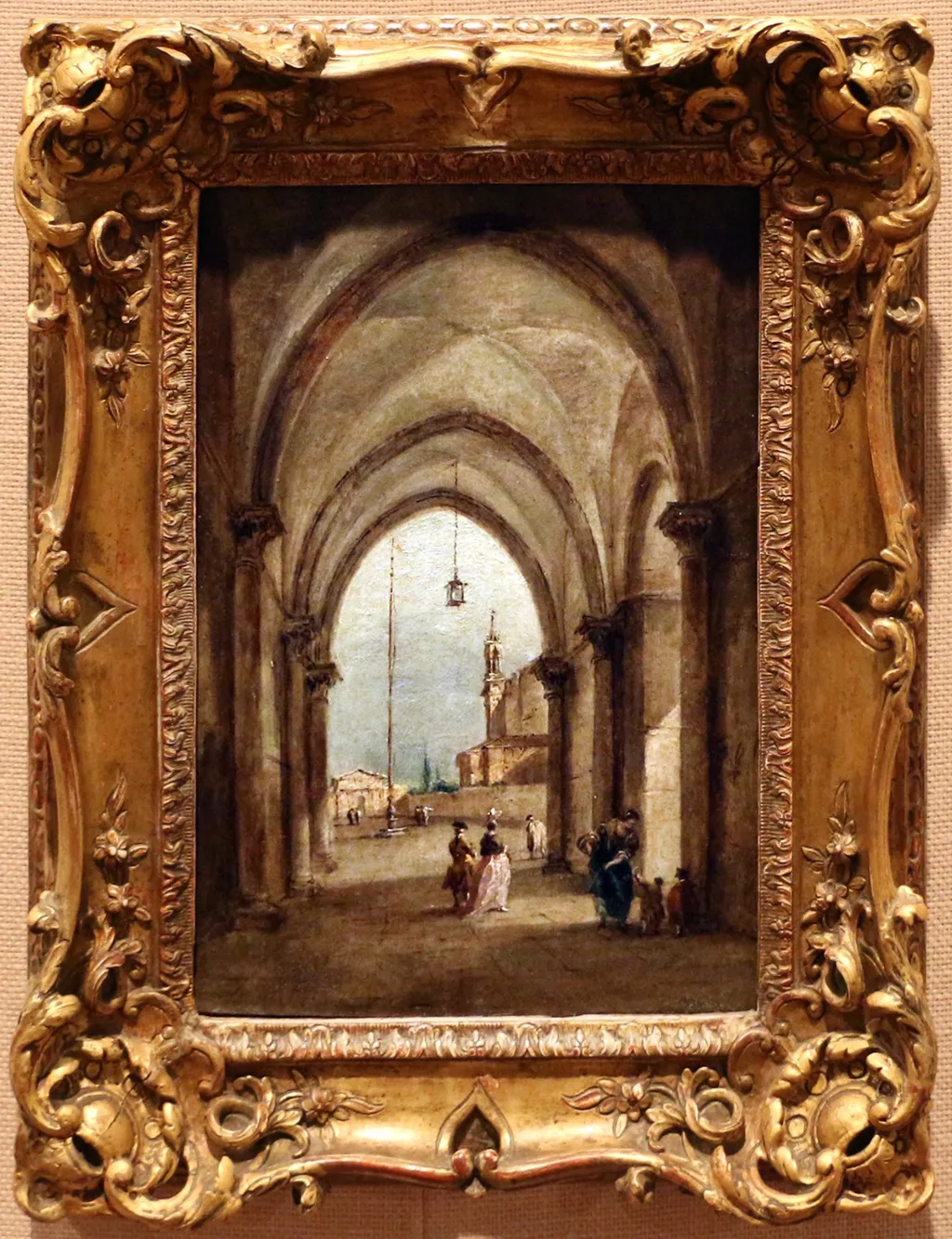
Pórtico do Palácio Ducal is an unspecified painting by the Rococo painting artist Francesco Guardi. It dates from 1790 and is held in the collection of the Calouste Gulbenkian Museum.
About this work
Overview
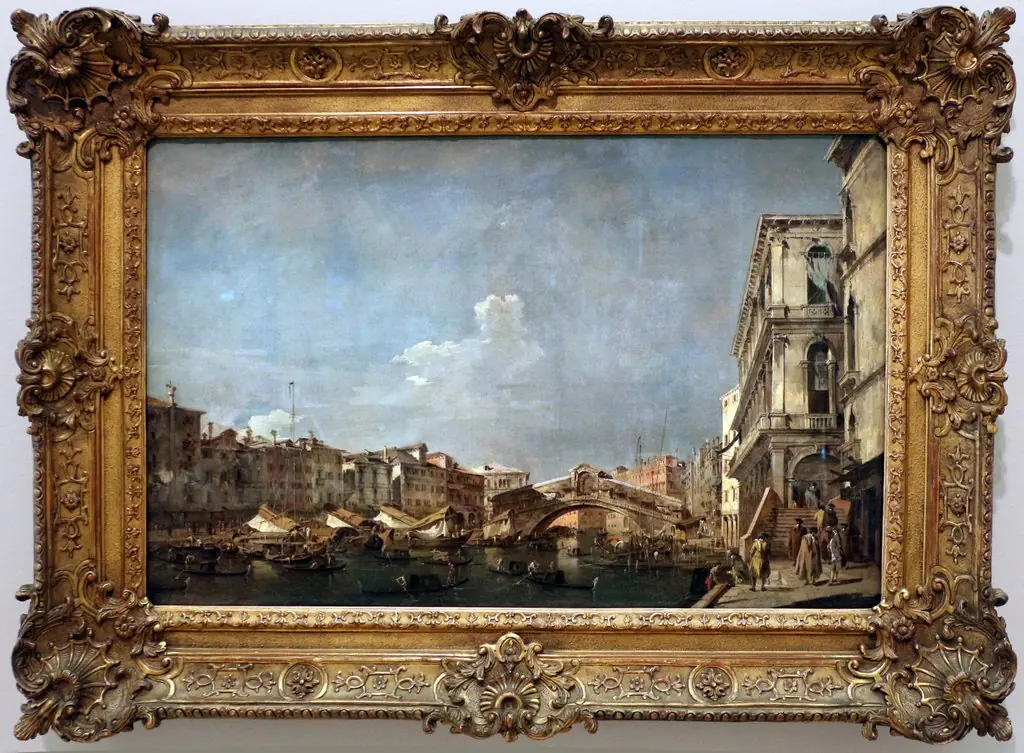
It captures a section of the Ducal Palace’s portico in Venice, reflecting his late-period focus on architectural vistas.
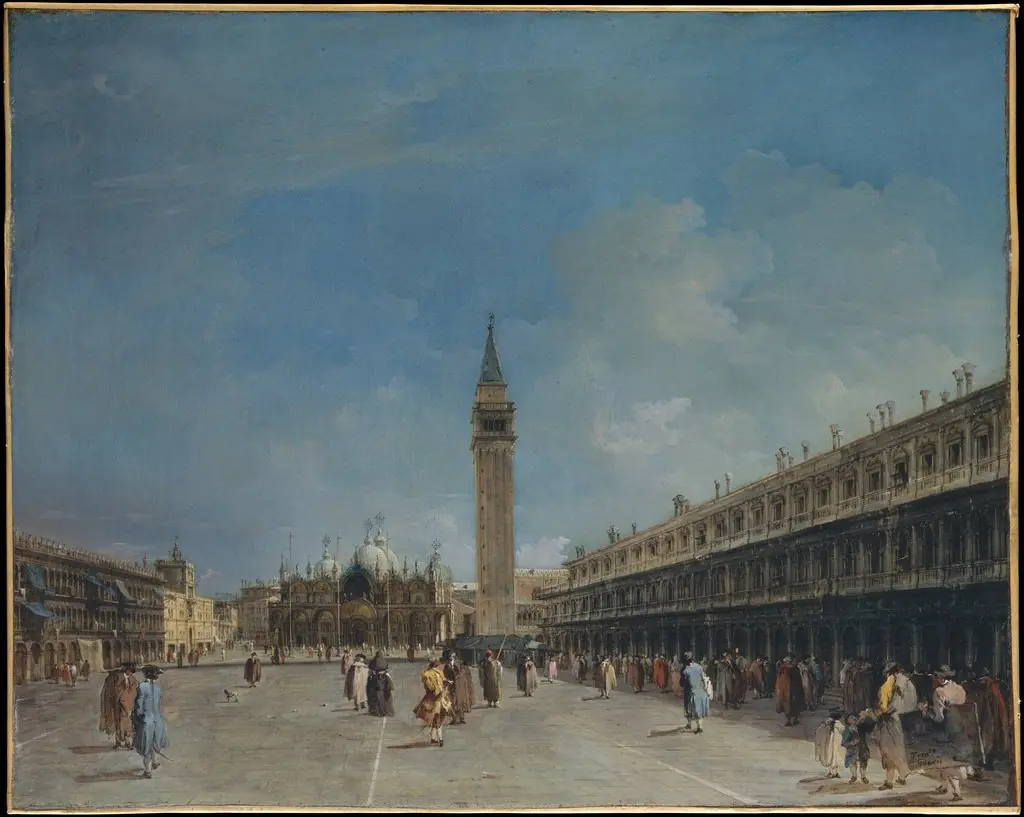
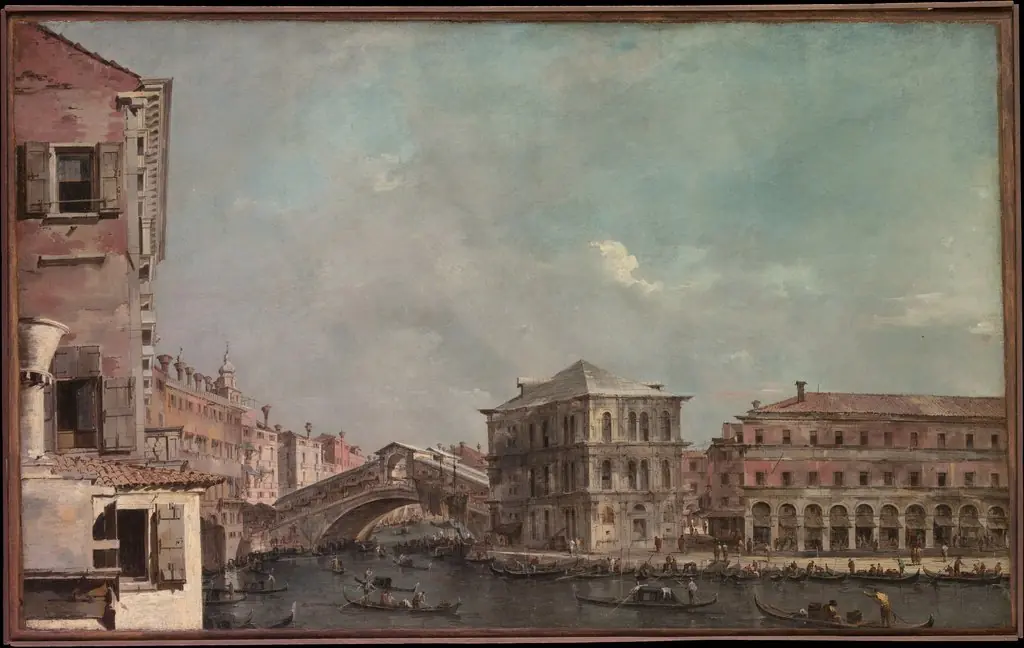
Painted in 1790 by Francesco Guardi, this work is one of the final landscape studies in his career. It captures a section of the Ducal Palace’s portico in Venice, reflecting his late-period focus on architectural vistas. Guardi, associated with the Venetian School, moved away from formal composition toward evocative, impressionistic renderings of urban spaces, distinguishing himself from earlier vedutisti.
Subject & Meaning
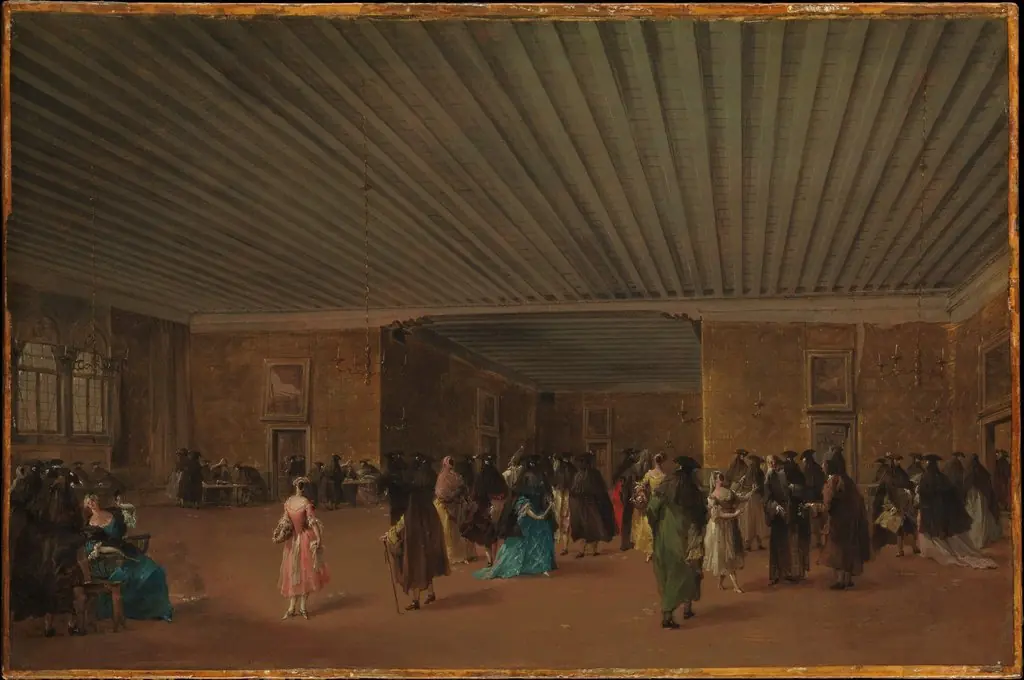
The painting portrays the shadowed arcade of the Ducal Palace, a civic space alive with quiet human presence. Figures move along the stone passage beneath a vaulted ceiling, while a suspended lantern casts soft illumination. The scene is not a grand ceremonial view but an intimate, everyday moment—emphasizing the rhythm of life within Venice’s monumental architecture rather than its political symbolism.
Technique & Style
Guardi employed loose, fluid brushstrokes to suggest form and movement, avoiding precise detail in favor of atmospheric effect. Muted earth tones and diffused light unify the composition, with careful modulation of shadow defining the stone’s texture. The play of light across arches and columns creates depth without linear perspective, a hallmark of his mature style that prioritizes mood over topographical accuracy.
History & Provenance
Created near the end of Guardi’s life, the painting entered the Calouste Gulbenkian Museum’s collection through the Portuguese industrialist’s broader acquisition of Venetian art. It reflects his interest in 18th-century Italian painting, particularly works that convey the transient qualities of light and space. The painting has remained in the museum’s holdings since its acquisition in the early 20th century.
Context
In the late 18th century, Venice’s political and economic influence had waned, yet its architectural grandeur continued to attract artists. Guardi’s vedute responded to a growing interest in the city’s atmosphere rather than its power. His style, evolving from Canaletto’s precision, captured the city’s fading elegance through impressionistic means, aligning with broader European shifts toward emotional resonance in landscape.
Legacy
Guardi’s approach influenced later generations of painters who valued sensation over detail. His atmospheric vedute prefigured 19th-century Impressionist concerns with light and perception. Though less celebrated in his time than Canaletto, his work is now recognized for its poetic sensitivity to place and time, offering a quieter, more introspective vision of Venice’s urban fabric.
Artist & collection
Artist
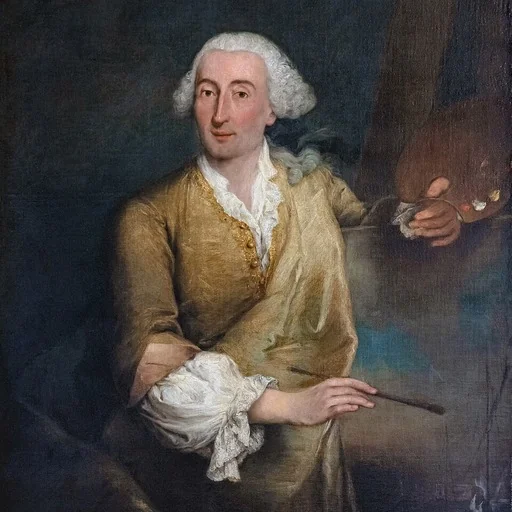
Francesco Lazzaro Guardi (Italian pronunciation: ; 5 October 1712 – 1 January 1793) was an Italian painter, nobleman, and a member of the Venetian School.