Artwork
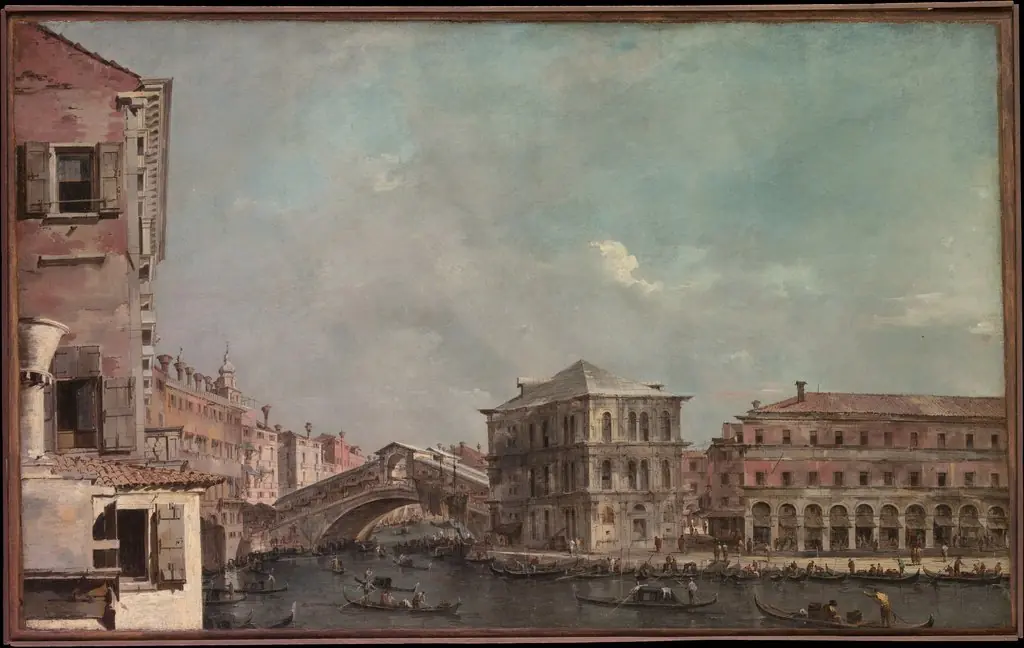
Regata no Grande Canal perto da Ponte Rialto
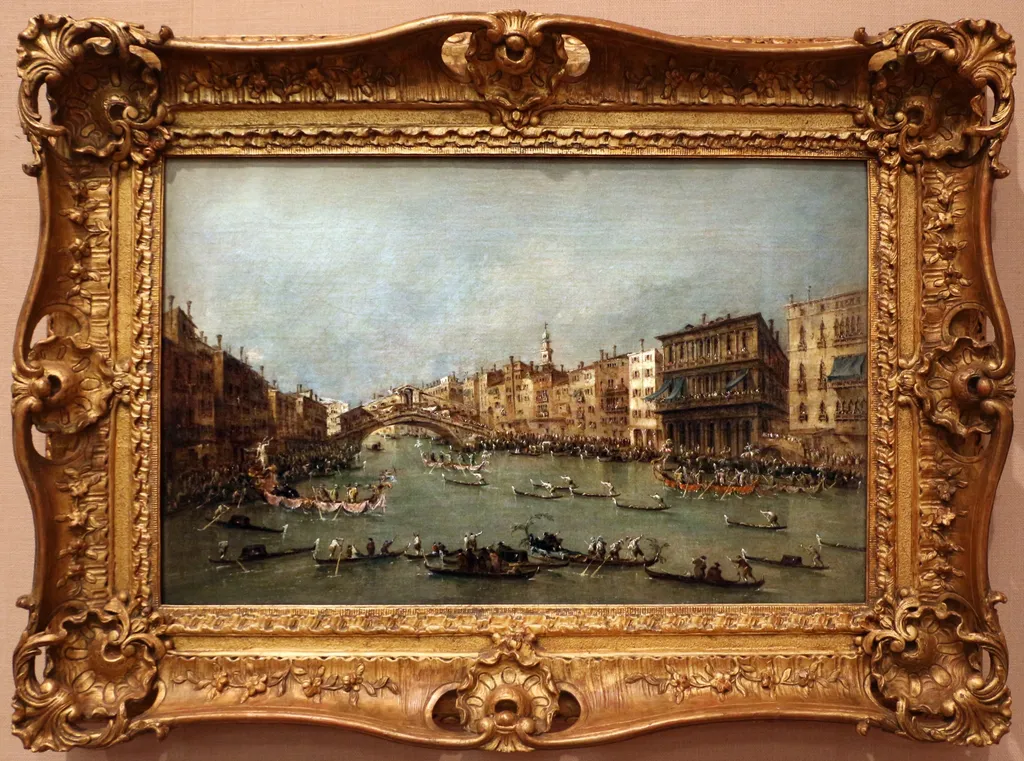
Regata no Grande Canal perto da Ponte Rialto is an unspecified painting by the Rococo painting artist Francesco Guardi. It dates from 1790 and is held in the collection of the Calouste Gulbenkian Museum.
About this work
Overview
Guardi, a member of Venice’s aristocracy and a leading figure in the Venetian School, focused on the city’s daily rhythms rather than idealized vistas.
Painted in 1790 by Francesco Guardi, this work captures a lively regatta on Venice’s Grand Canal near the Rialto Bridge. Guardi, a member of Venice’s aristocracy and a leading figure in the Venetian School, focused on the city’s daily rhythms rather than idealized vistas. His approach diverged from the precise detail of earlier vedutisti, favoring fluid brushwork and atmospheric suggestion to convey movement and light.
Subject & Meaning
The scene portrays a public festival on the canal, with gondolas and rowboats densely packed, their occupants engaged in the spectacle. The Rialto Bridge anchors the composition, framing the activity as both a civic event and a natural extension of Venetian life. Guardi does not idealize the moment but records its transient energy—crowds, motion, and the interplay of water and sky—as a reflection of the city’s social fabric.
Technique & Style
Guardi employs loose, rapid brushstrokes to suggest the shimmer of water and the flutter of sails, abandoning rigid perspective for a more impressionistic handling of form. His palette is restrained yet luminous, with soft blues, ochres, and whites evoking the haze of a summer day. Light is distributed unevenly, drawing attention to the clustered boats in the foreground while dissolving architectural details into atmospheric haze.
History & Provenance
The painting entered the collection of the Calouste Gulbenkian Museum in Lisbon through the bequest of the Armenian oil magnate and art collector Calouste Gulbenkian. It remained in private hands in Europe before being acquired in the early 20th century. Its survival reflects the enduring interest in Guardi’s later works, which were increasingly valued for their emotional resonance over topographical accuracy.
Context
By 1790, Venice’s political power had waned, yet its cultural identity persisted through festivals and public rituals. Guardi’s vedute, though less commercially popular than Canaletto’s, offered a more intimate, less staged vision of the city. This painting aligns with a broader shift in Venetian art toward personal expression and fleeting impressions, anticipating later Romantic and even Impressionist sensibilities.
Legacy
Guardi’s loose technique and emphasis on mood influenced 19th-century painters seeking alternatives to academic precision. Though less celebrated in his lifetime, his work gained recognition for its poetic sensitivity to light and movement. Today, this painting stands as a quiet testament to Venice’s enduring visual culture—not as a monument, but as a lived, breathing space.
Artist & collection
Artist
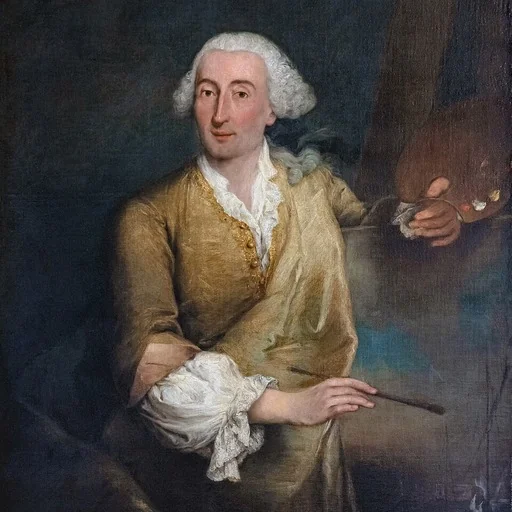
Francesco Lazzaro Guardi (Italian pronunciation: ; 5 October 1712 – 1 January 1793) was an Italian painter, nobleman, and a member of the Venetian School.

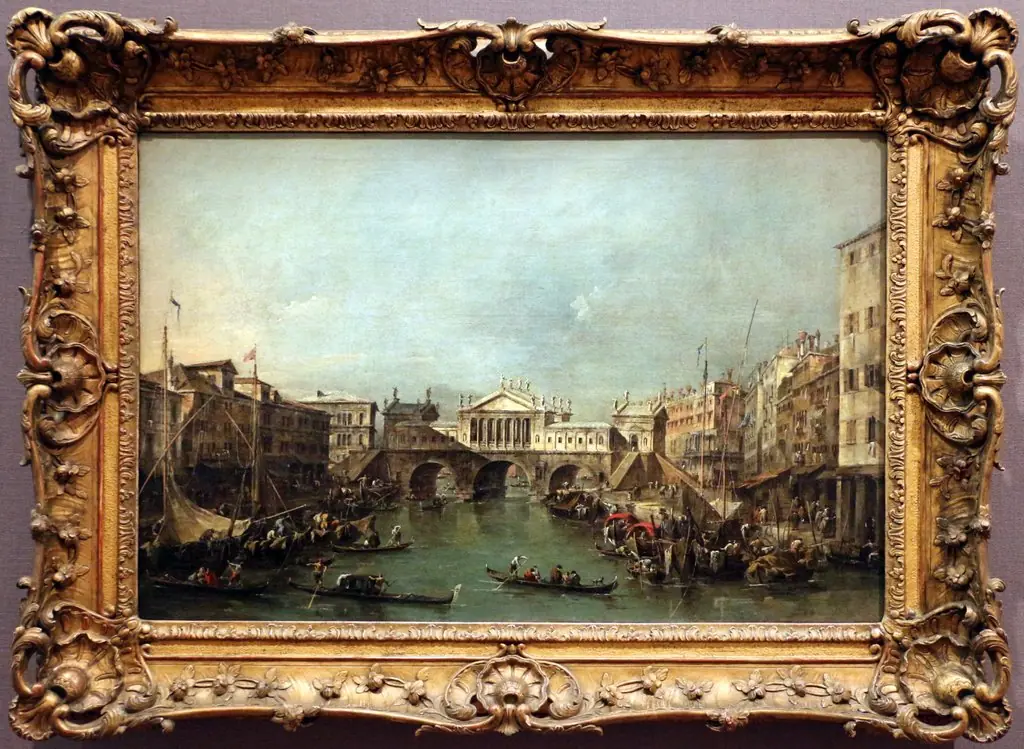 A ponte Rialto de acordo com o projeto de Palladio
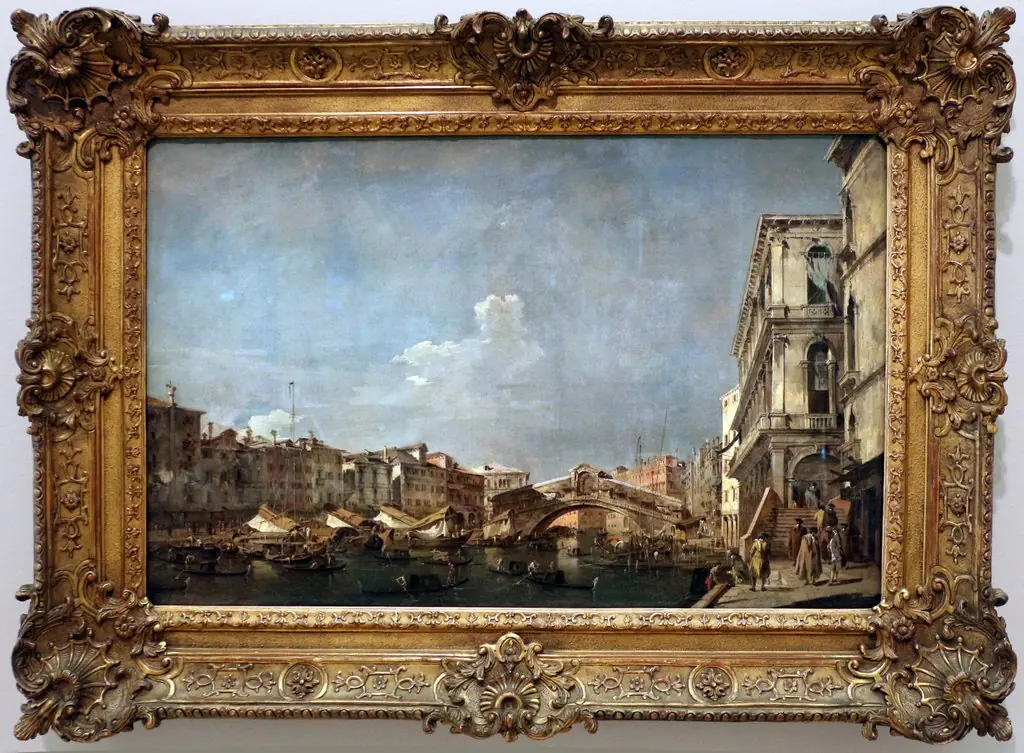 O Grande Canal na ponte Rialto
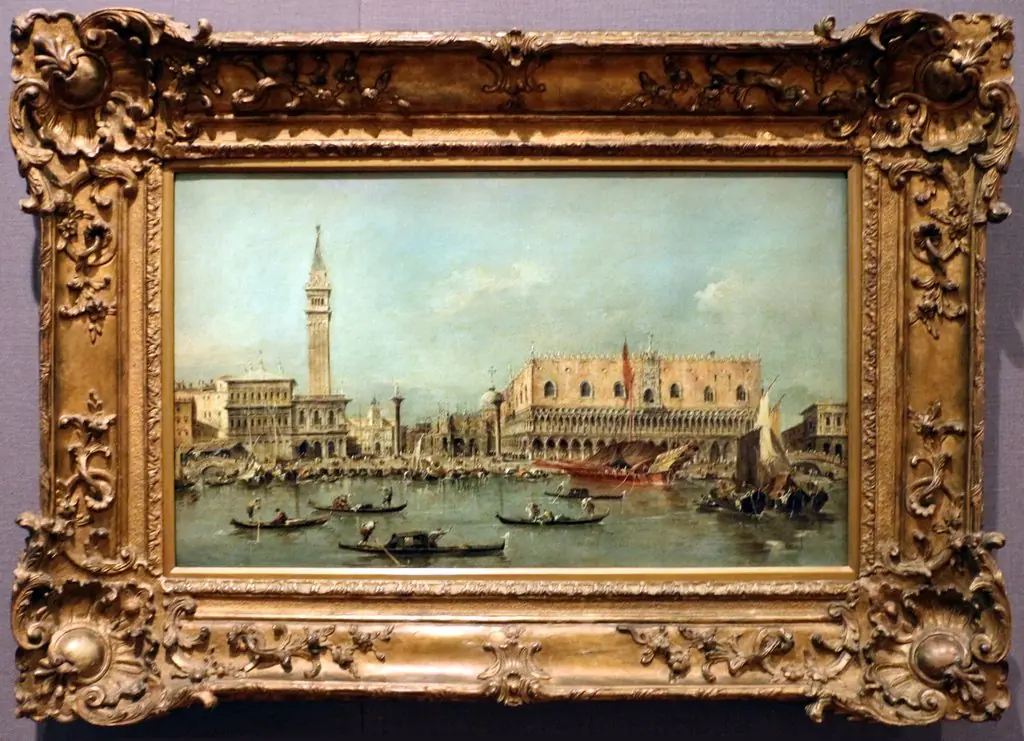 View of the pier with the Ducal Palace
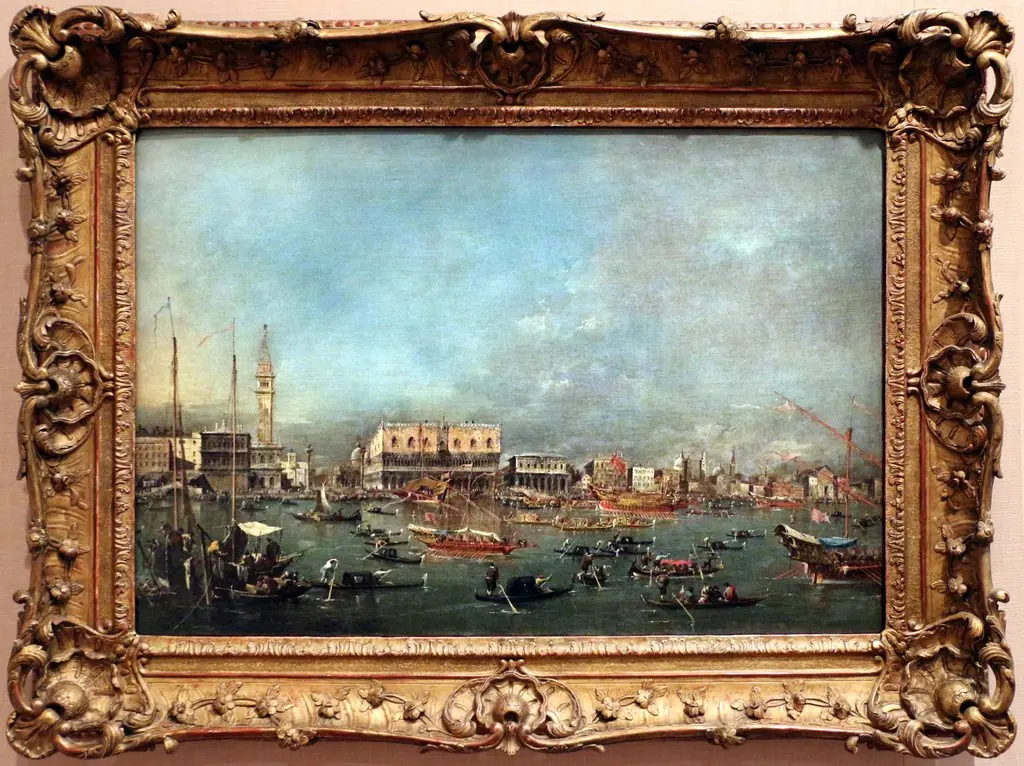 Partida do Bucentauro
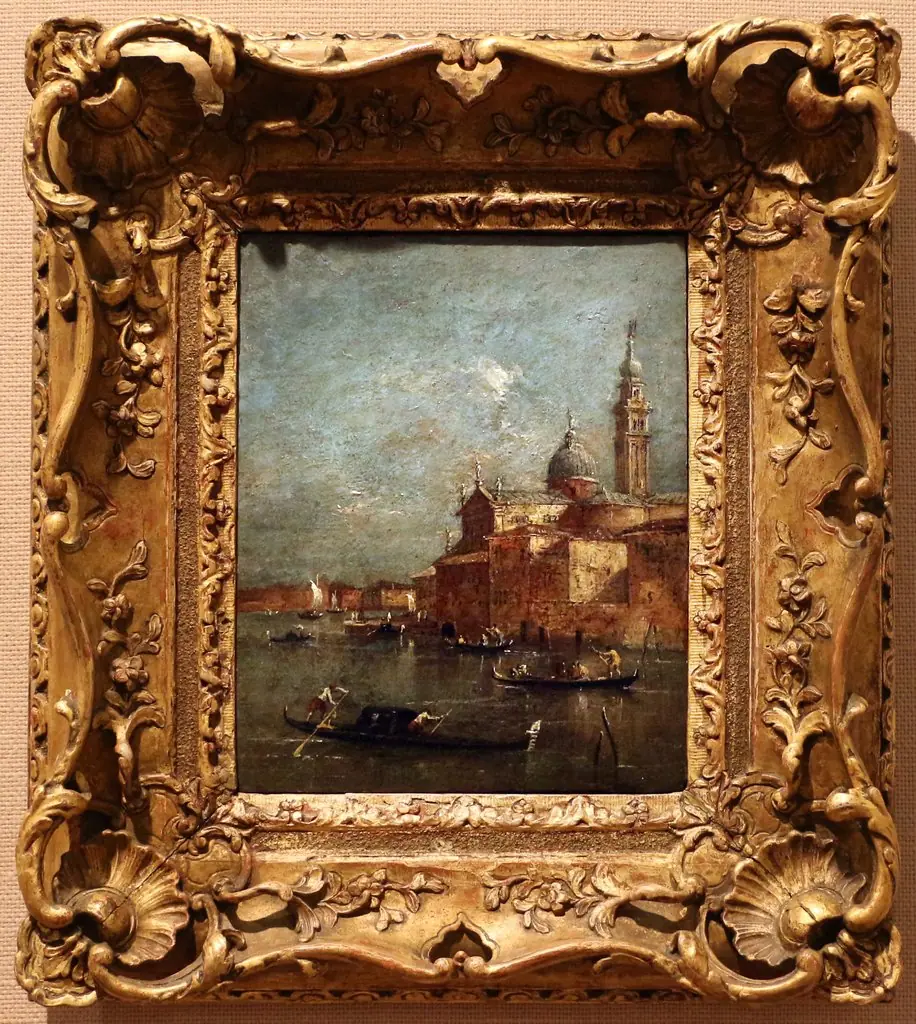 A ilha de San Giorgio Maggiore
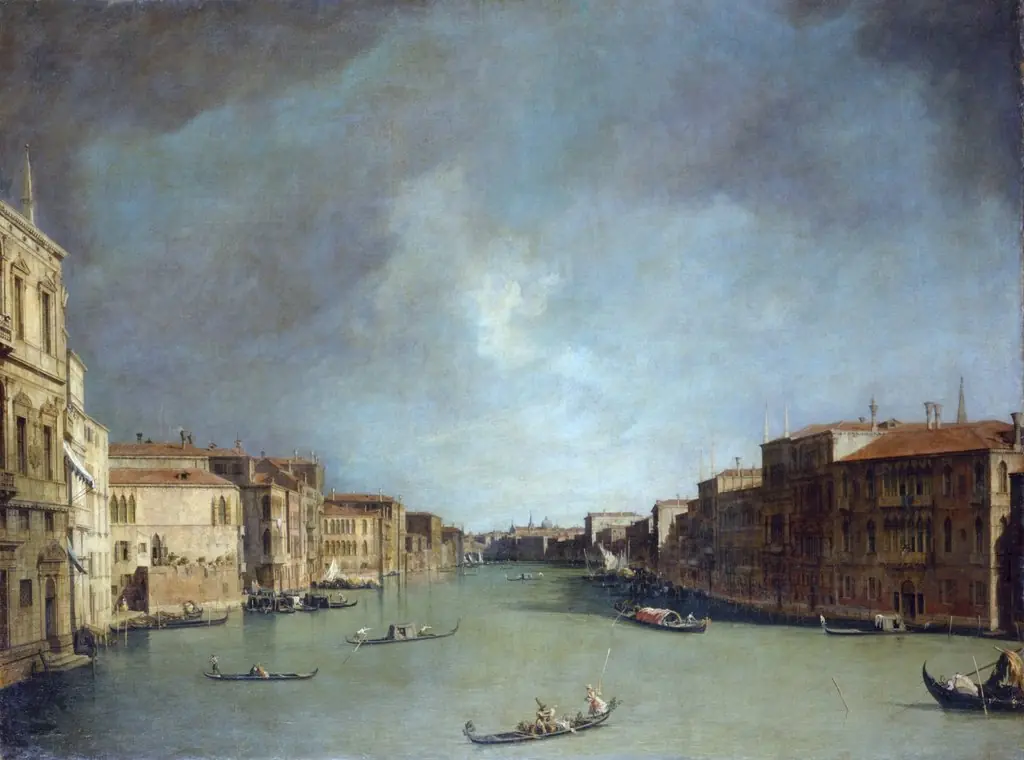 Grand Canal: Looking from Palazzo Balbi
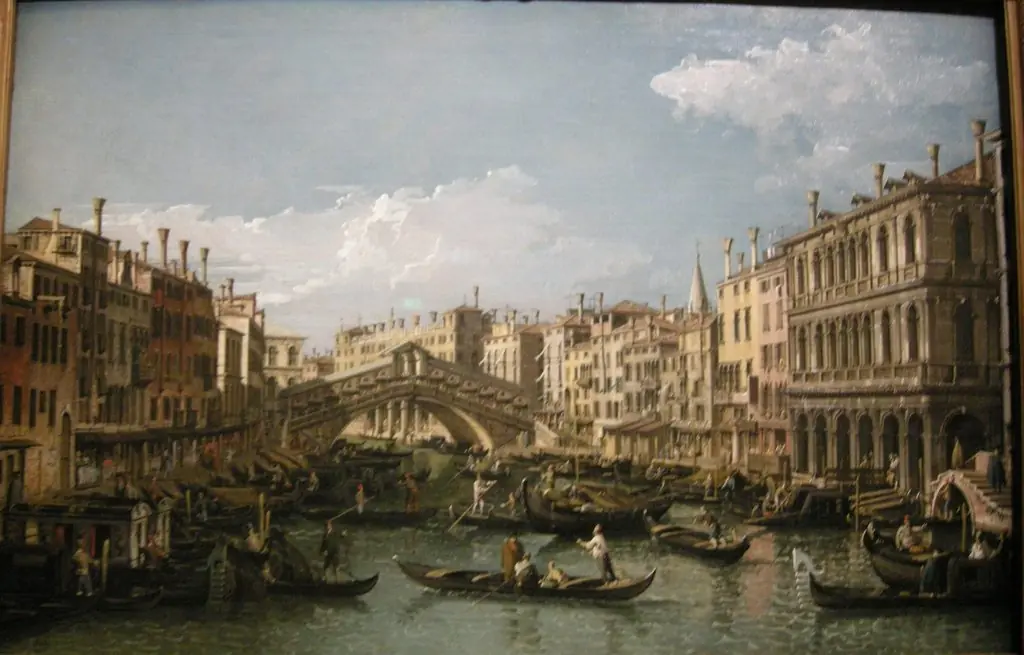 Grand Canal looking north-east to the Rialto Bridge
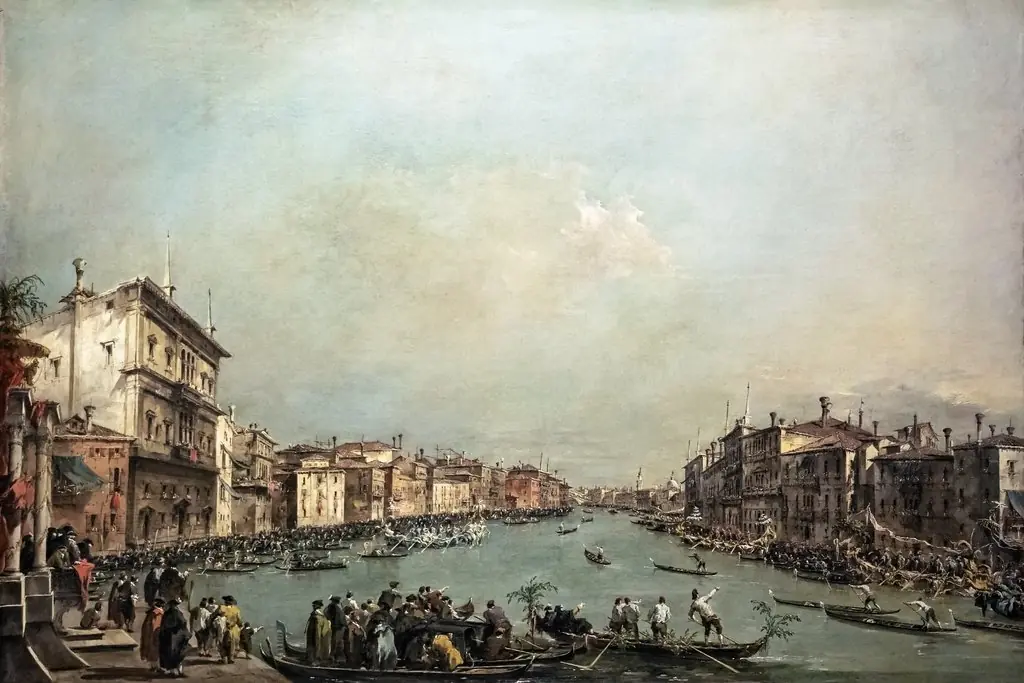 Regatta on the Grand Canal
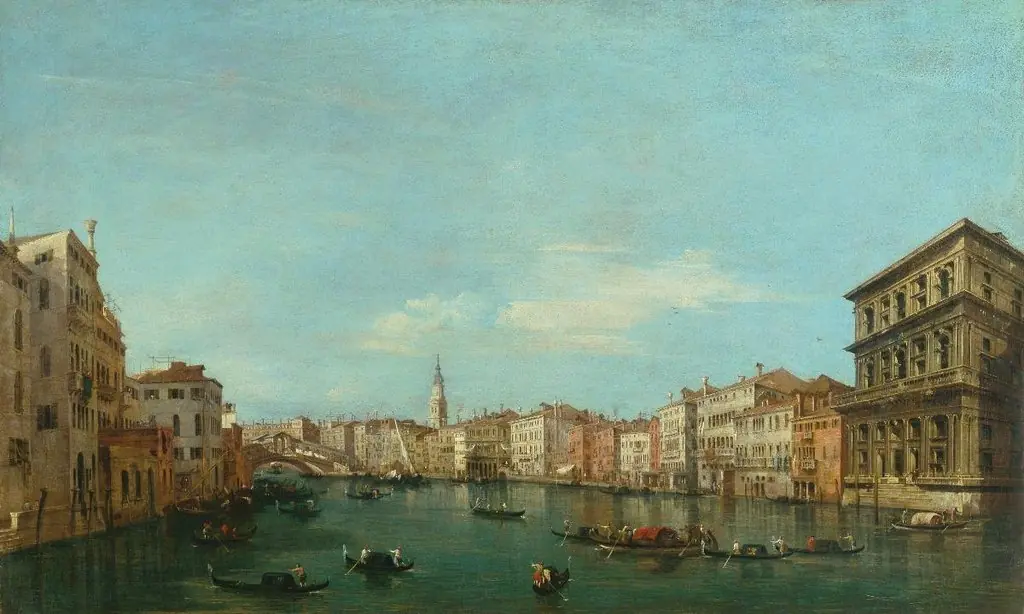 Il Canal Grande a palazzo Grimani, verso il ponte di Rialto
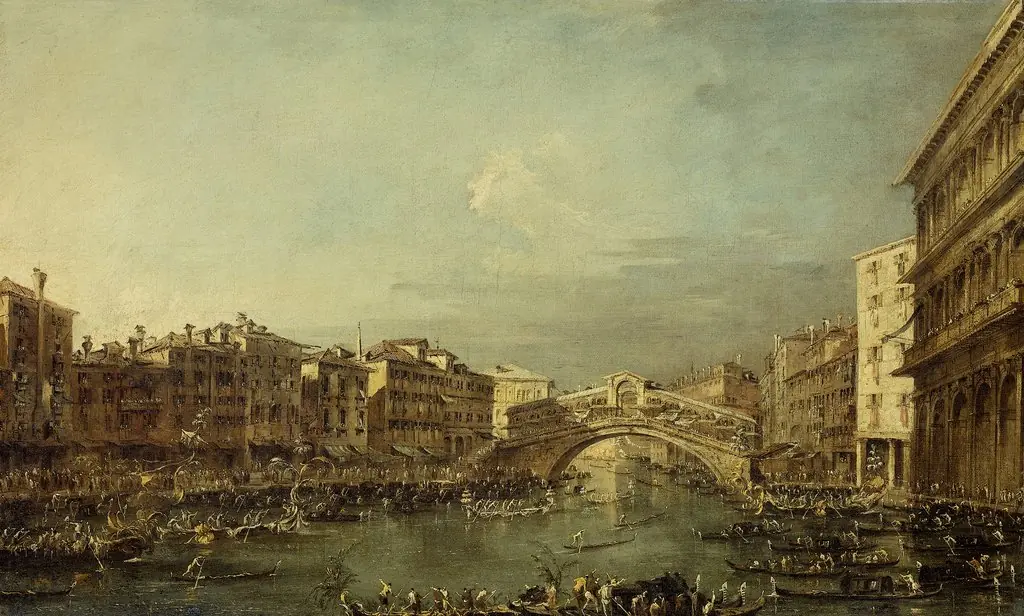 A Regatta on the Grand Canal with the Rialto Bridge in Venice
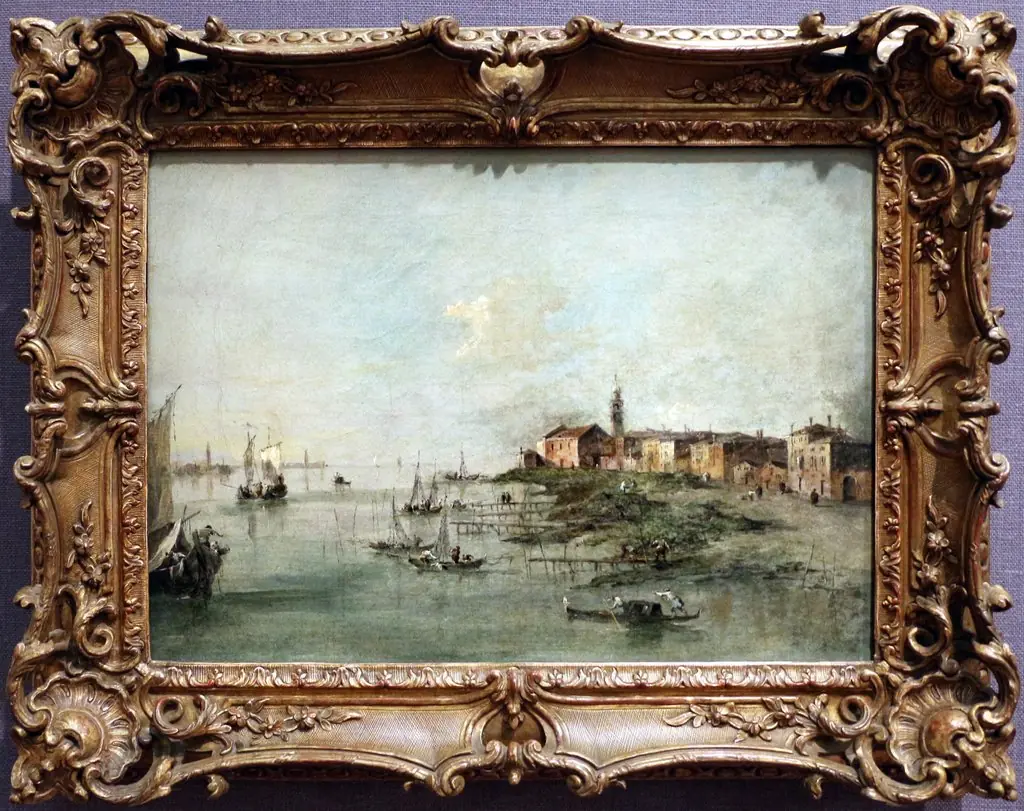 O canal Giudecca e a Igreja de Santa Marta
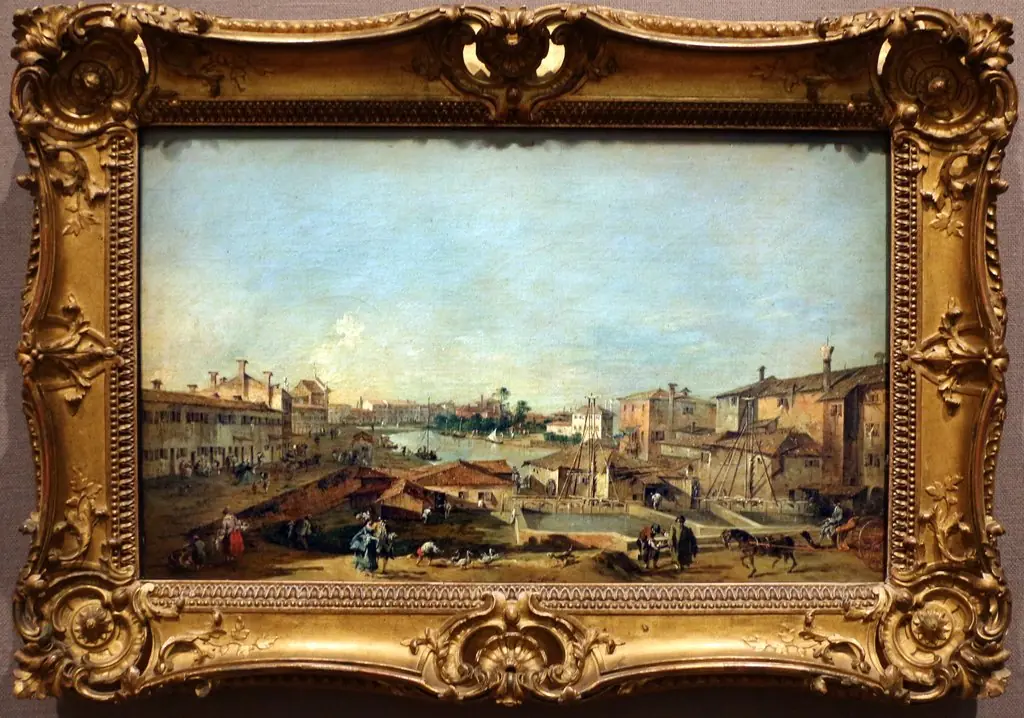 A eclusa de Dolo