Artwork
Virgin and child
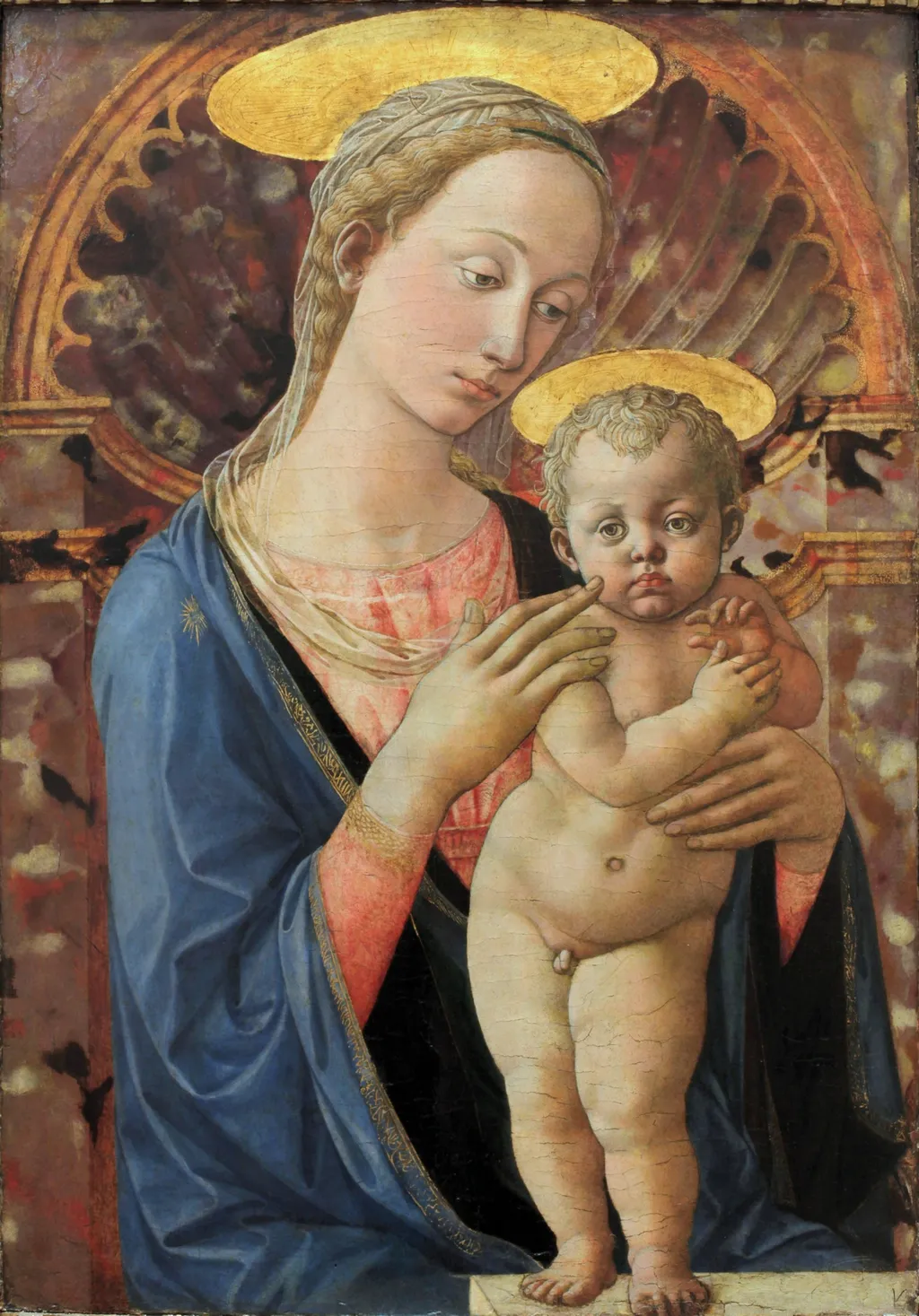
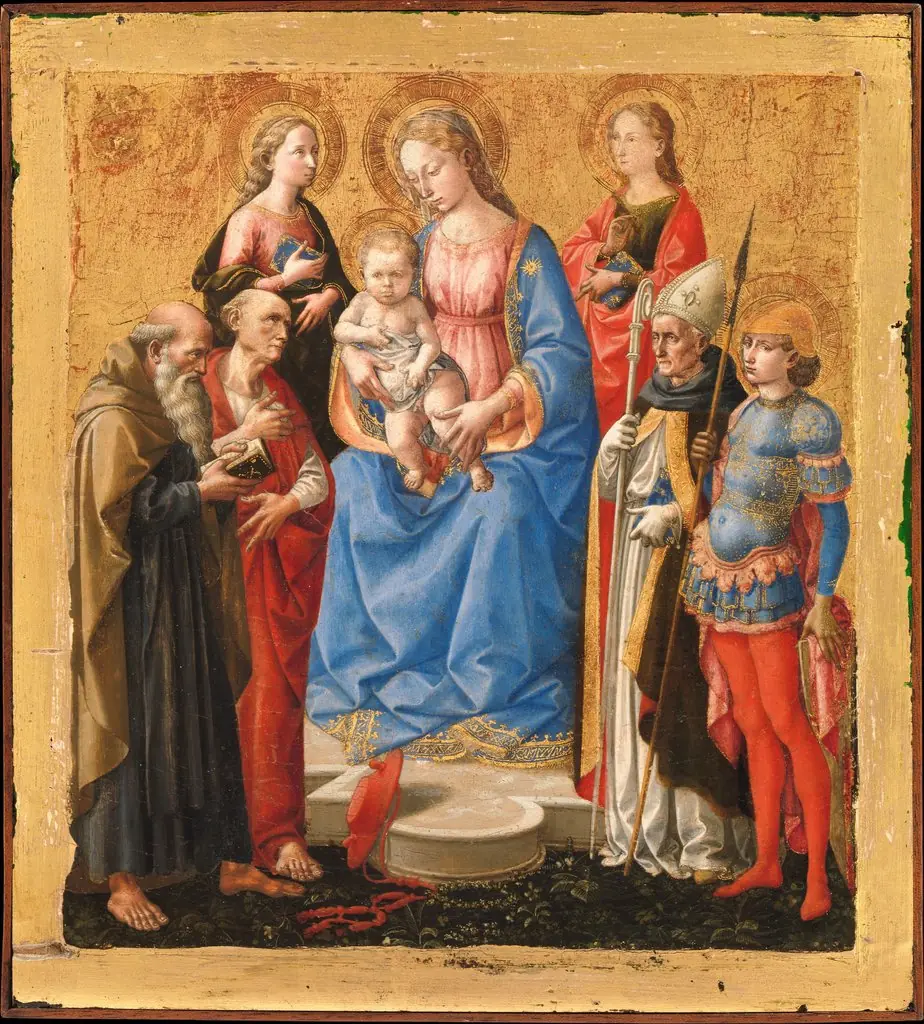
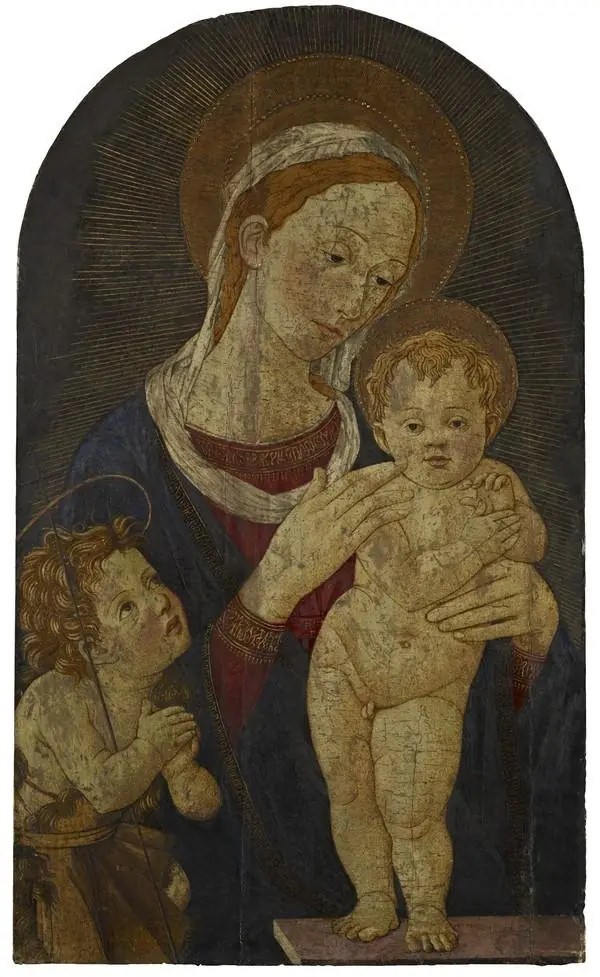
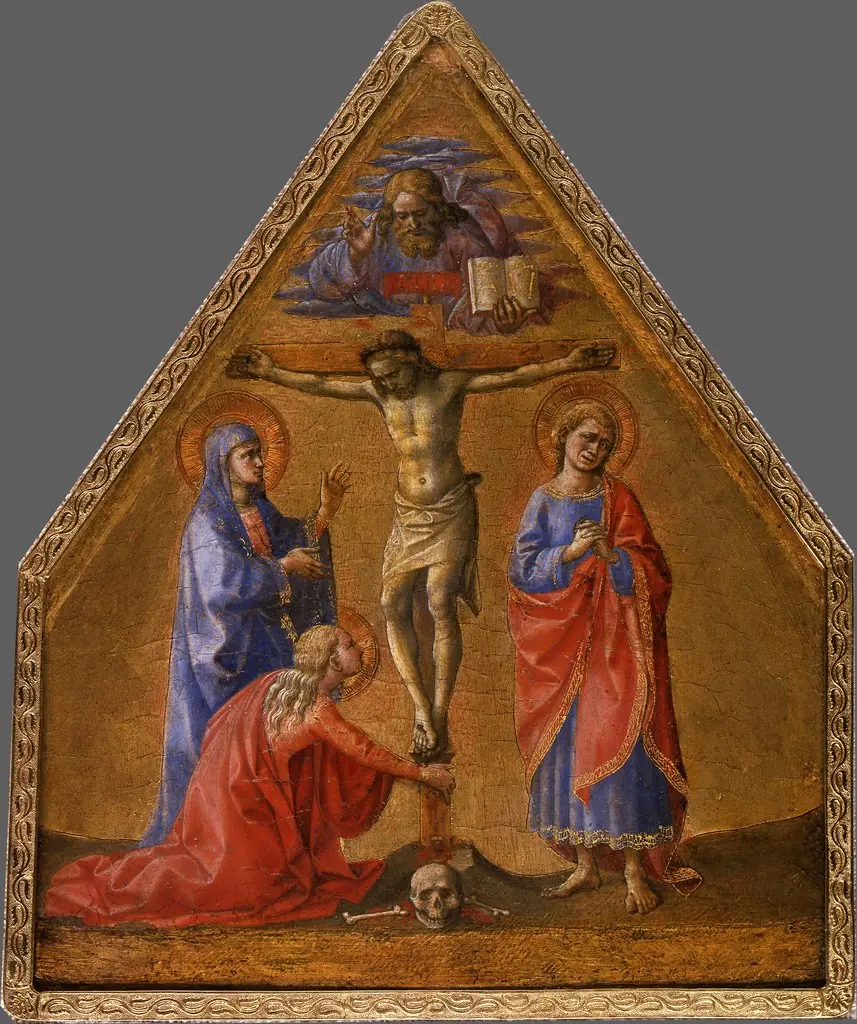
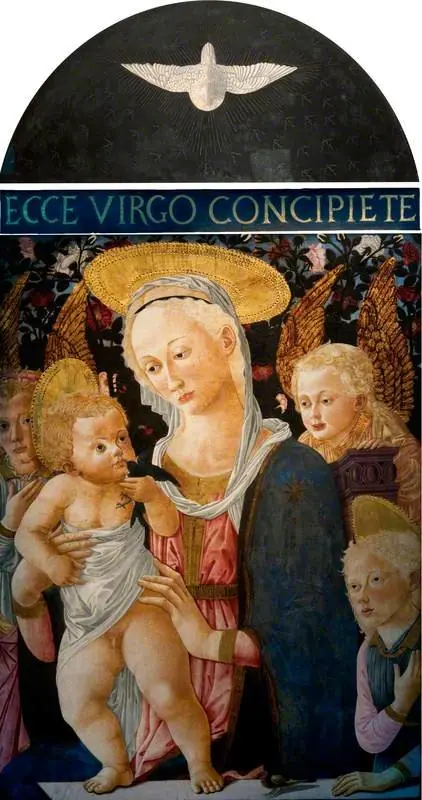
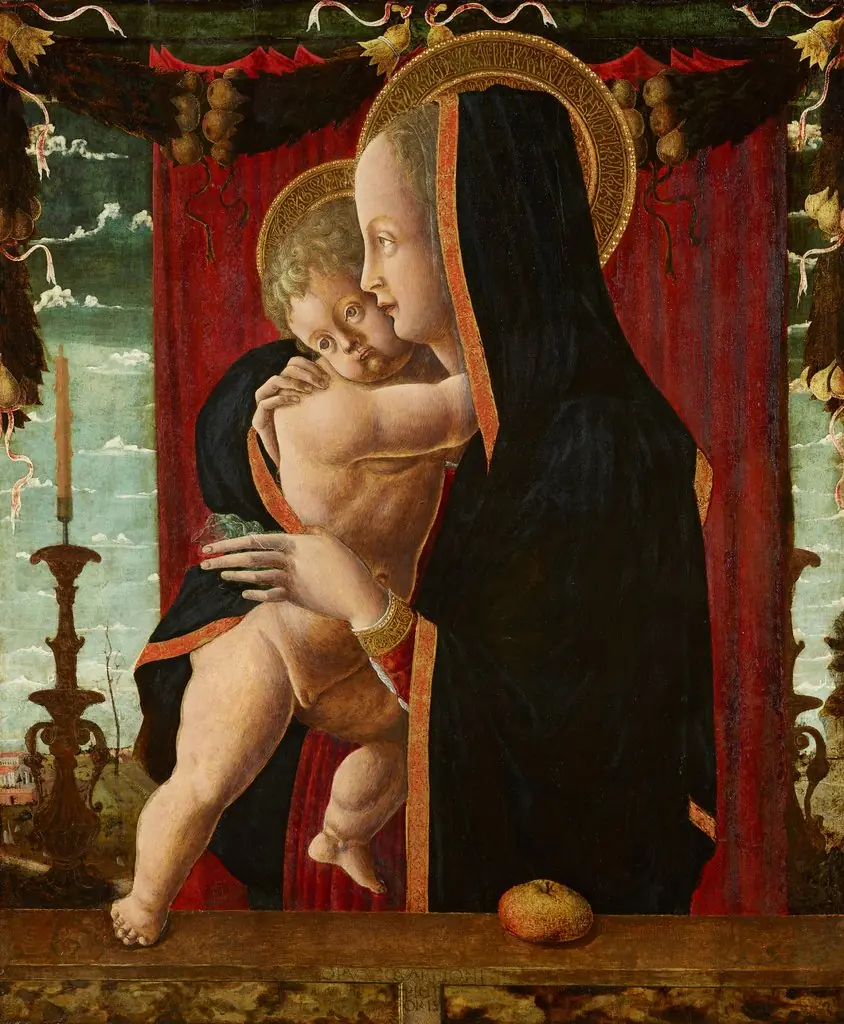
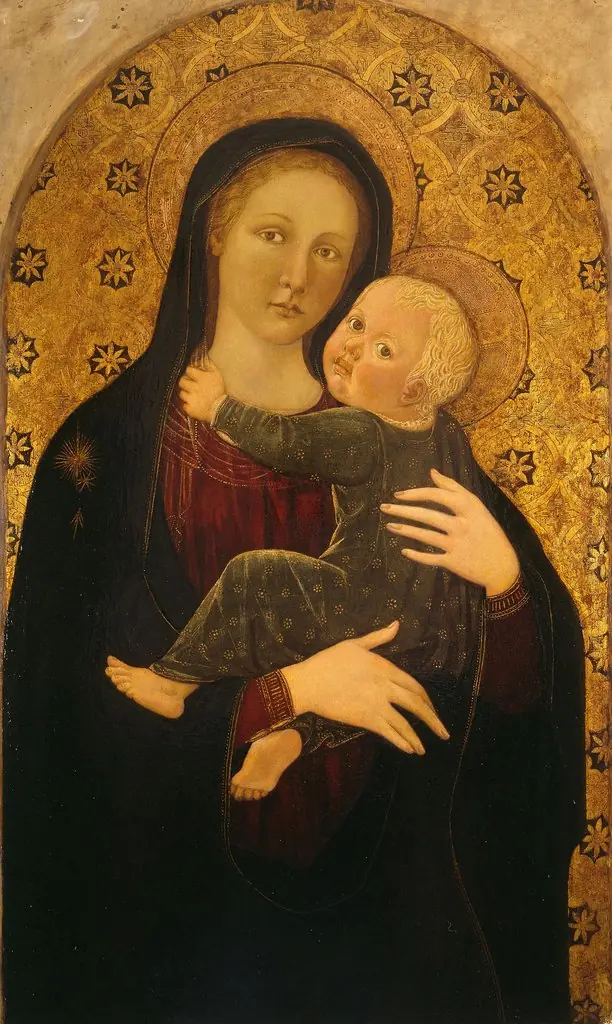
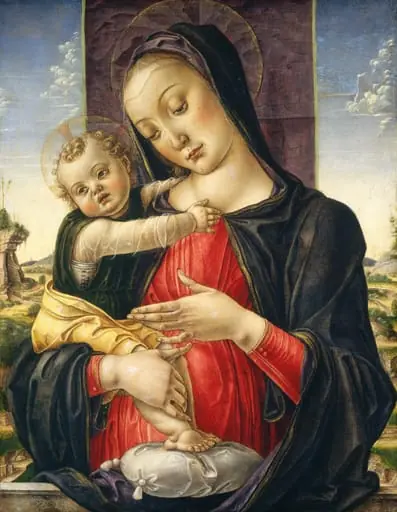
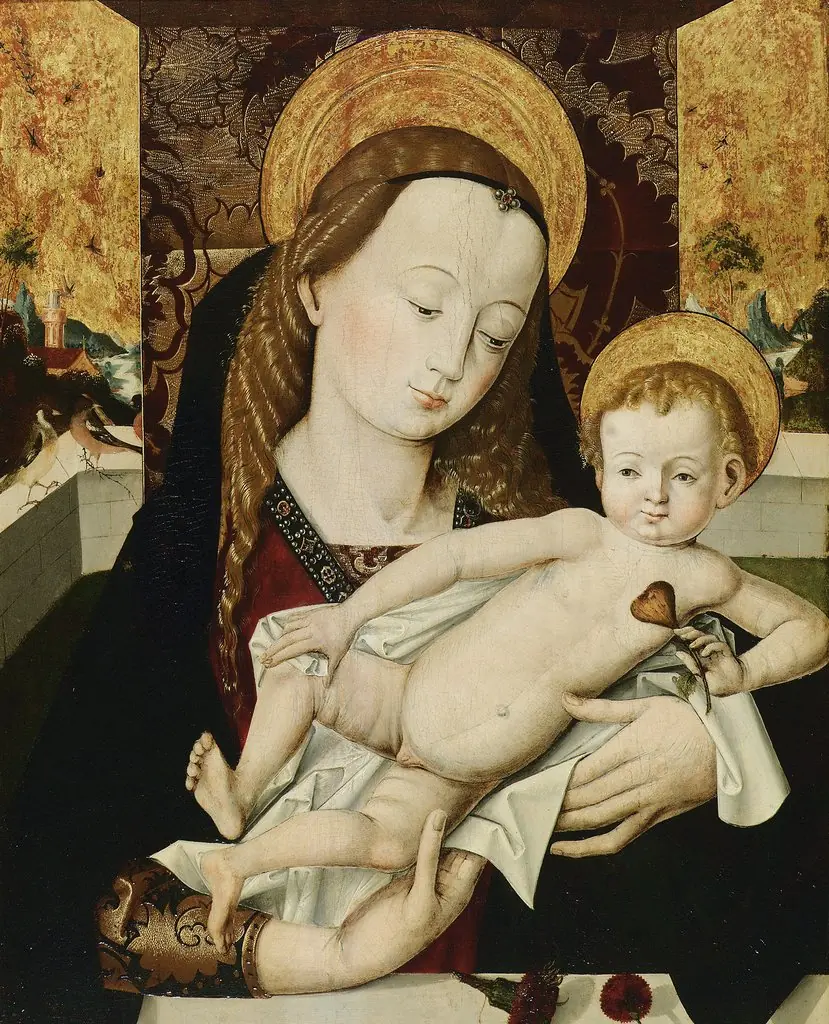
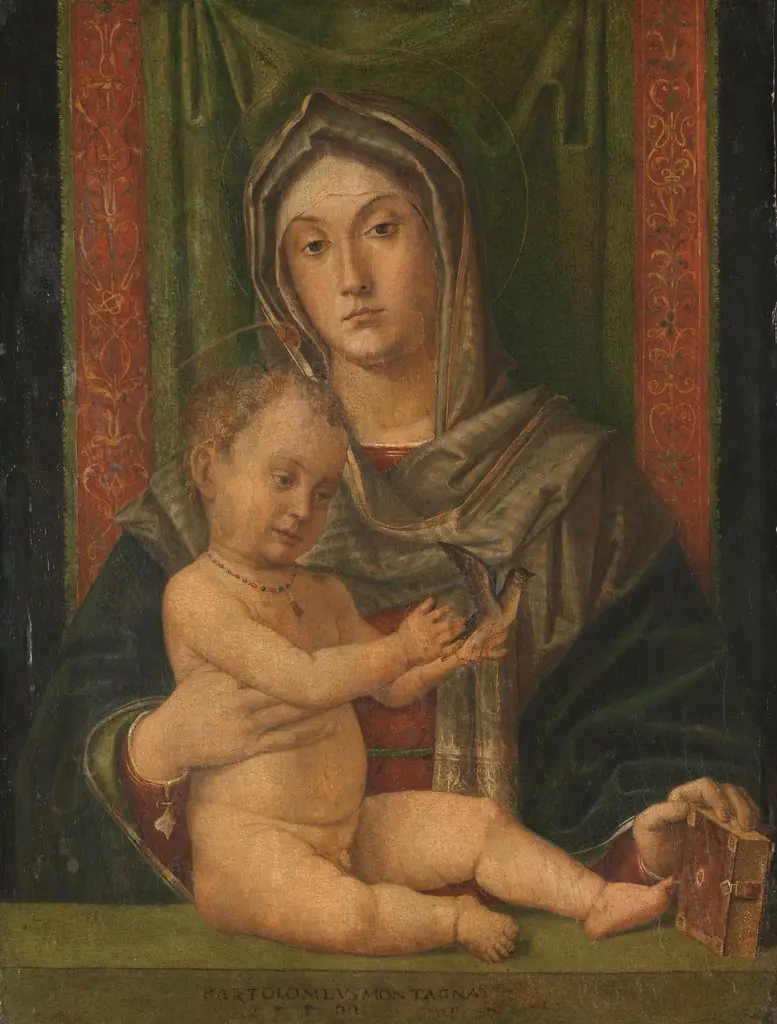
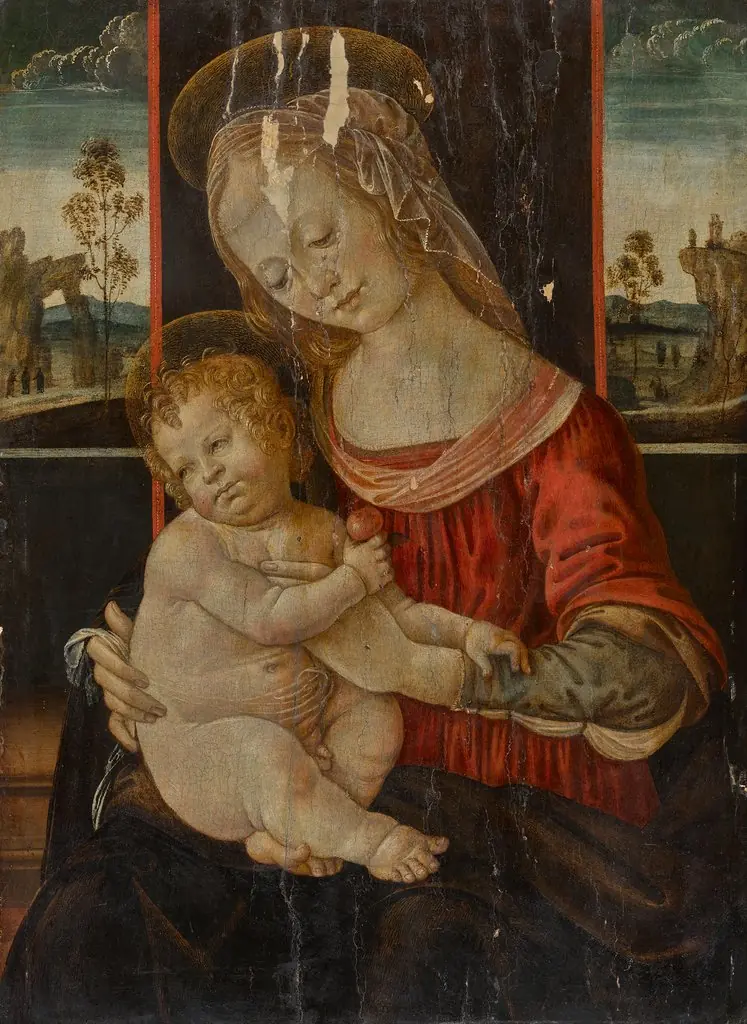
Virgin and child is a tempera painting by the Early Renaissance artist Francesco Pesellino. It dates from 1500 and is held in the collection of the Museum of Fine Arts of Lyon.
About this work
Overview
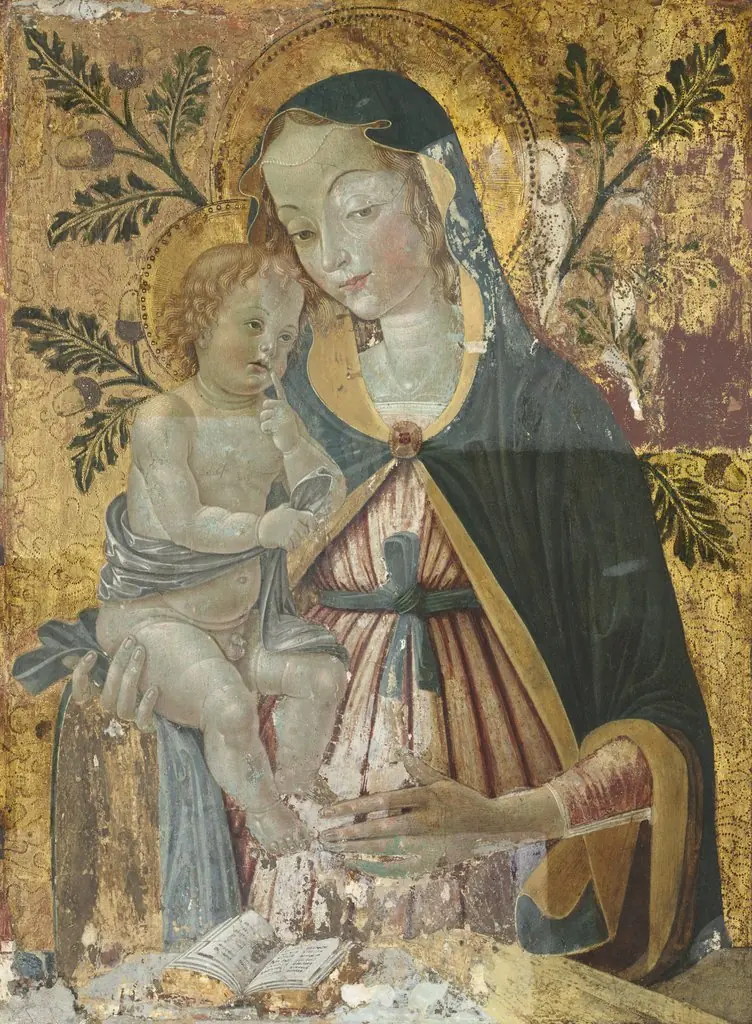
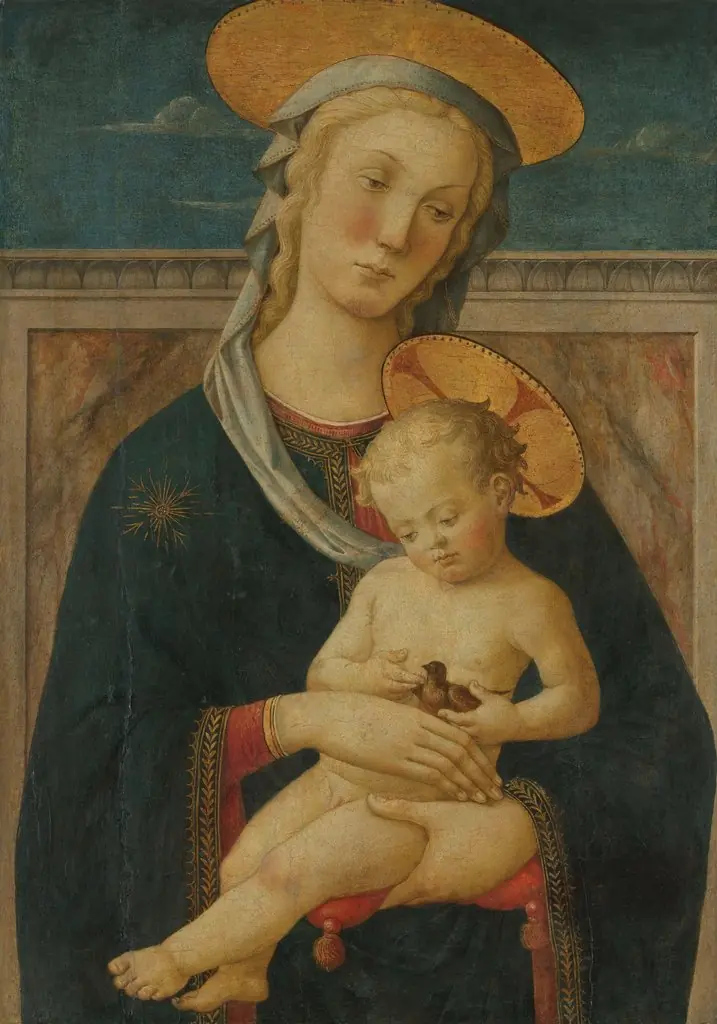
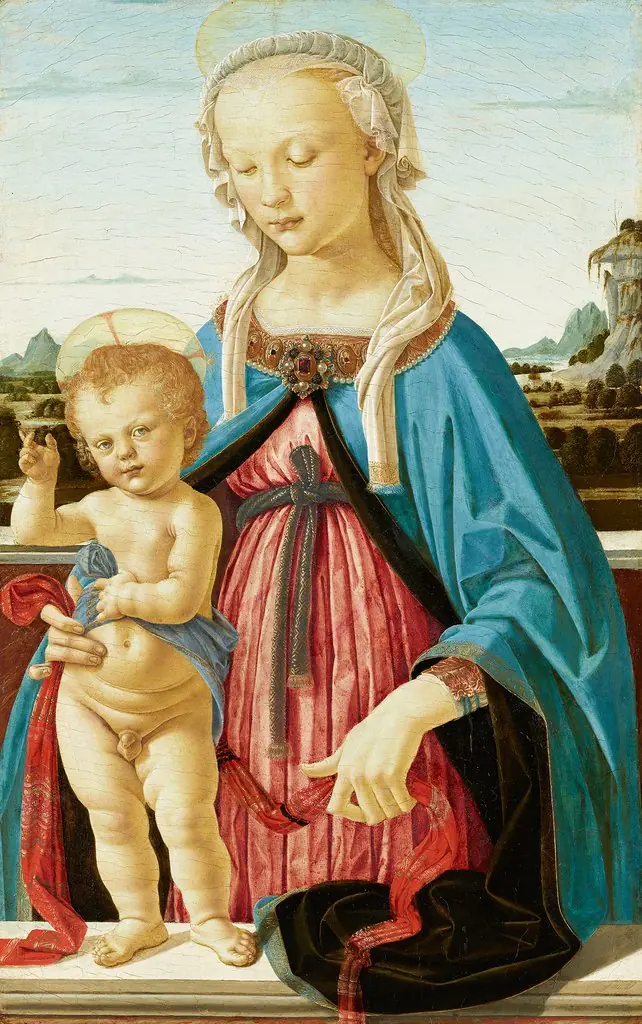
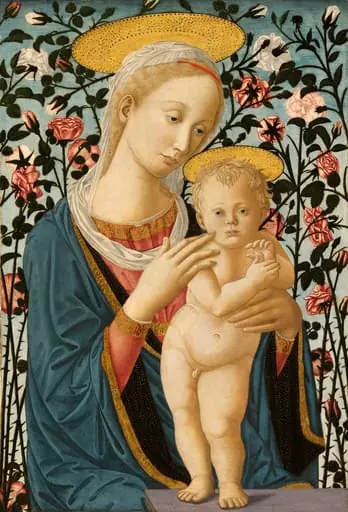
Painted around 1500 on wood panel, this devotional image by Francesco Pesellino presents the Virgin Mary with the infant Jesus in a quiet, intimate composition. Executed in the early Renaissance style, the work reflects the Florentine tradition of religious painting, emphasizing spiritual calm through restrained gestures and refined detail. It is currently held in the Museum of Fine Arts of Lyon.
Subject & Meaning
The Virgin Mary is depicted tenderly holding the Christ Child, her gaze downward in contemplative devotion. The child, bare except for a golden halo, rests against her chest, his hand placed over hers—a gesture suggesting both vulnerability and divine connection. The scene avoids theatricality, focusing instead on quiet maternal care as a reflection of sacred intimacy.
Technique & Style
Pesellino employed tempera and gold leaf on wood, characteristic of early Renaissance panel painting. The Virgin’s blue mantle, edged with gold embroidery, contrasts with the soft pink of her undergarment, while the architectural backdrop in red and gold suggests a sacred space without depth. Fine brushwork and delicate modeling of forms reveal his training in the Florentine workshop tradition.
History & Provenance
Francesco Pesellino, trained by his grandfather Giuliano Pesello, was active in Florence during the late 15th century. This work likely originated in a private devotional context, common among Florentine patrons. It entered the collection of the Museum of Fine Arts of Lyon in the 19th century, where it remains today as a representative example of early Renaissance panel painting from Tuscany.
Context
Created during a period when Florentine artists were refining naturalism and emotional subtlety in religious imagery, this painting aligns with the shift from rigid Gothic conventions toward more humanized sacred figures. While not as ambitious as large altarpieces, such small devotional panels were widely commissioned for domestic prayer, reflecting personal piety in Renaissance households.
Legacy
Pesellino’s work, though less widely known than contemporaries like Botticelli, contributed to the evolution of intimate religious portraiture in Florence. His attention to texture, color harmony, and quiet expression influenced later painters of small-scale devotional panels. This painting endures as a quiet testament to the spiritual aesthetics of early Renaissance Florence.
Own this work as a print
Artist & collection
Artist
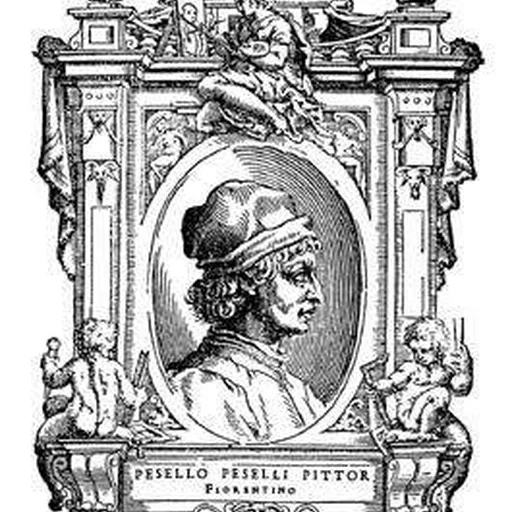
Francesco Pesellino (probably 1422 – July 29, 1457), also known as Francesco di Stefano, was an Italian Renaissance painter active in Florence.