Artwork
Bildnis eines Jünglings mit Brief
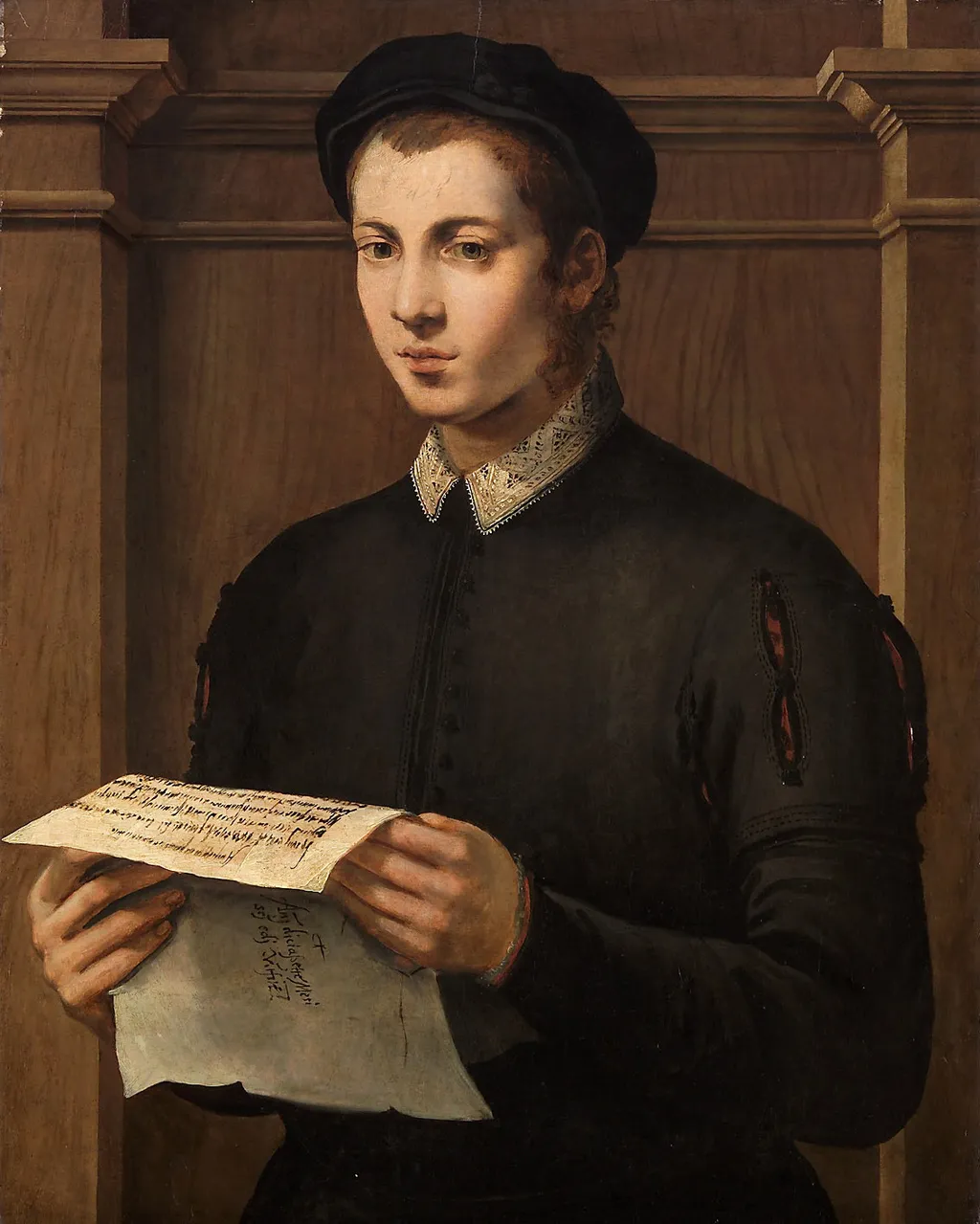
Bildnis eines Jünglings mit Brief is an unspecified painting by the Mannerist artist Francesco Salviati. It dates from 1550 and is held in the collection of the Kunsthistorisches Museum.
About this work
Overview
Salviati, also known as Il Salviati, was a versatile Mannerist artist active in major Italian cities, producing works for elite patrons including the Medici.
Painted circa 1550 by Francesco Salviati, this portrait captures a young man in formal attire, holding a letter. Salviati, also known as Il Salviati, was a versatile Mannerist artist active in major Italian cities, producing works for elite patrons including the Medici. The painting resides in the Kunsthistorisches Museum, reflecting its status as a documented example of mid-16th-century portraiture from the Florentine tradition.
Subject & Meaning
The subject is a young man, likely of noble or educated standing, depicted mid-gesture as he holds a written message. The letter suggests communication, intellect, or social connection, common themes in portraits of the period. His composed demeanor and refined clothing imply status and self-possession, aligning with ideals of courtly refinement rather than emotional expression.
Technique & Style
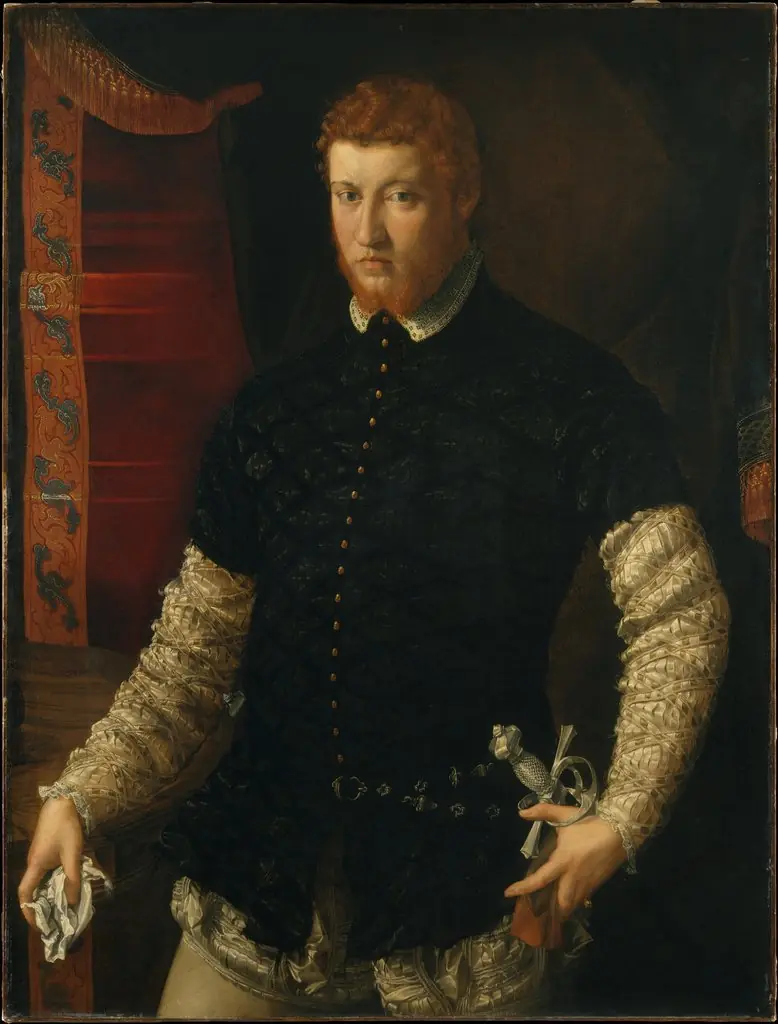
Salviati employs precise brushwork to render textures: the intricate lace of the collar, the matte surface of the black beret, and the grain of the wooden panel behind. The palette is restrained, dominated by dark tones with subtle contrasts. Light falls evenly, avoiding dramatic chiaroscuro, instead emphasizing clarity and surface detail—hallmarks of Mannerist portraiture’s focus on elegance over naturalism.
History & Provenance
The painting entered the Kunsthistorisches Museum’s collection in the 19th century, though its earlier ownership remains undocumented. It was likely commissioned by a member of the Italian elite, possibly during Salviati’s time in Florence or Rome. Its preservation reflects its continued recognition as a representative work of mid-century Mannerist portraiture, though it has never been widely exhibited outside scholarly circles.
Context
In mid-16th-century Italy, portraiture increasingly served to convey social identity through dress, gesture, and setting. The letter, a symbol of literacy and connection, was a common motif among humanist circles. Salviati’s work reflects this trend, aligning with contemporaries like Pontormo and Bronzino, who favored stylized elegance and psychological restraint over overt emotion.
Legacy
Though less celebrated than his fresco cycles, this portrait endures as a quiet example of Mannerist refinement. It illustrates how elite identity was constructed visually in Renaissance Italy—not through grandeur, but through subtle cues of attire, posture, and object. Its presence in a major European museum ensures its role in understanding the evolution of secular portraiture beyond the High Renaissance.
Artist & collection
Artist
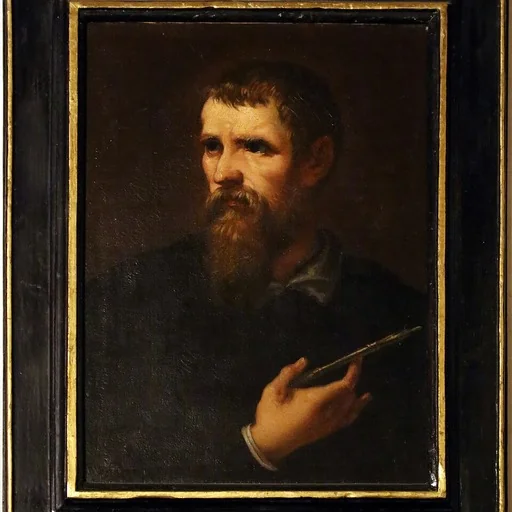
Francesco Salviati or Francesco de' Rossi (1510 – 11 November 1563) was an Italian Mannerist painter who lived and worked in Florence, with periods in Bologna and Venice, ending with a long period in Rome, where he died.

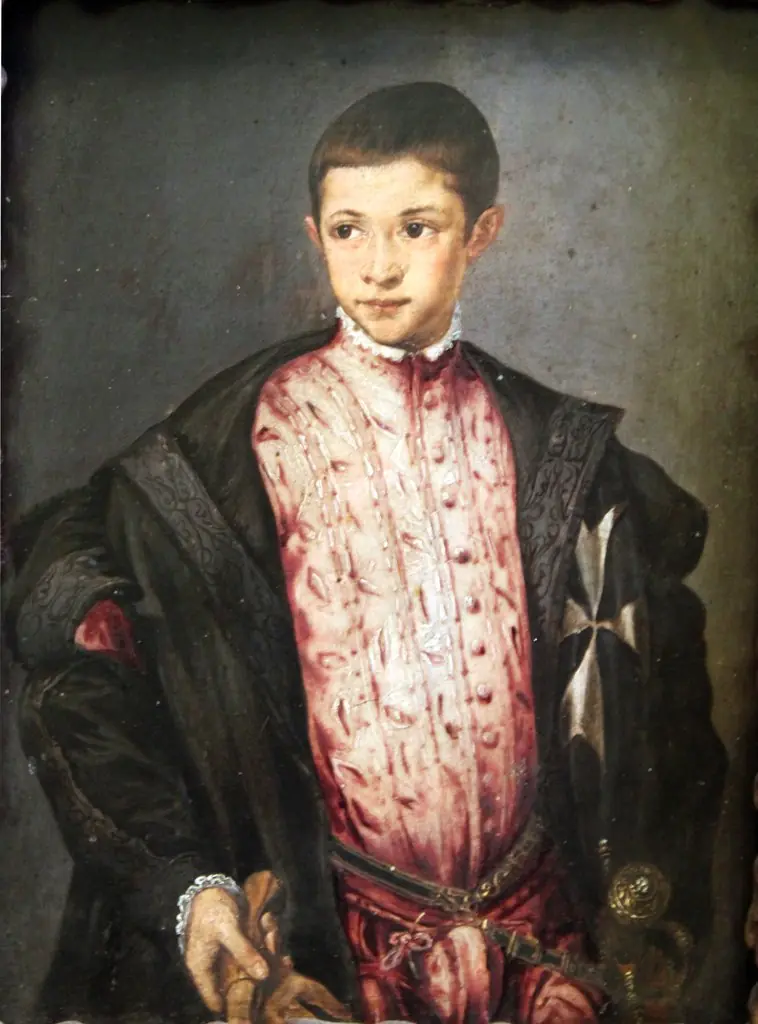
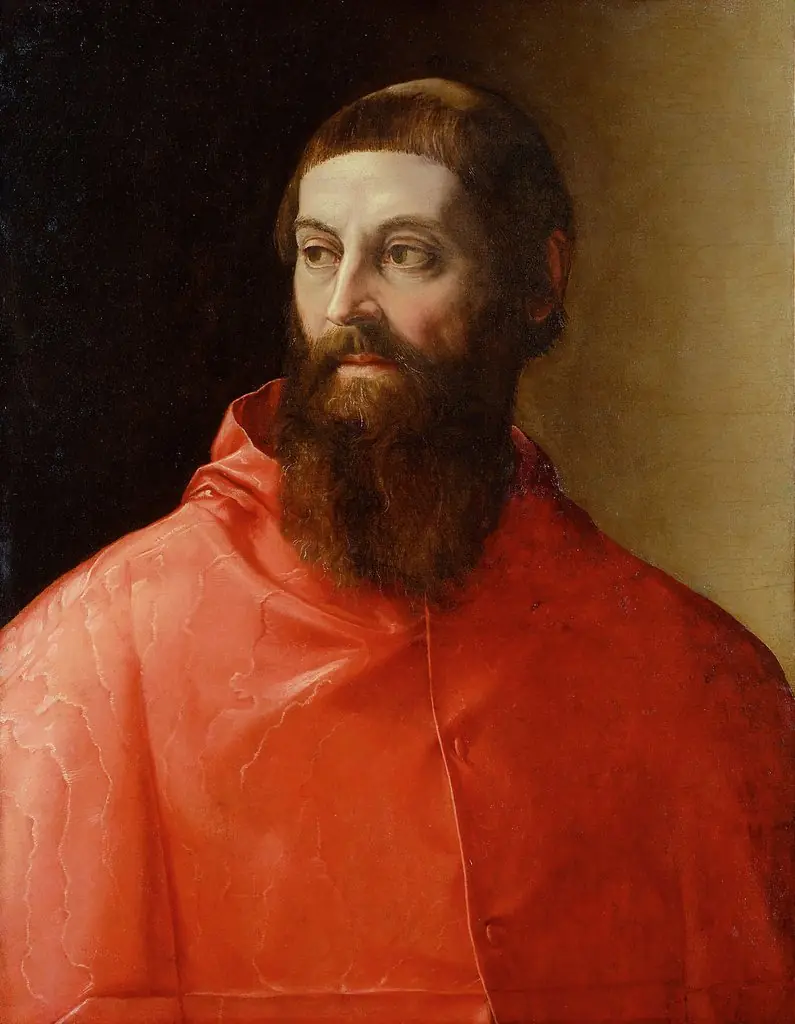
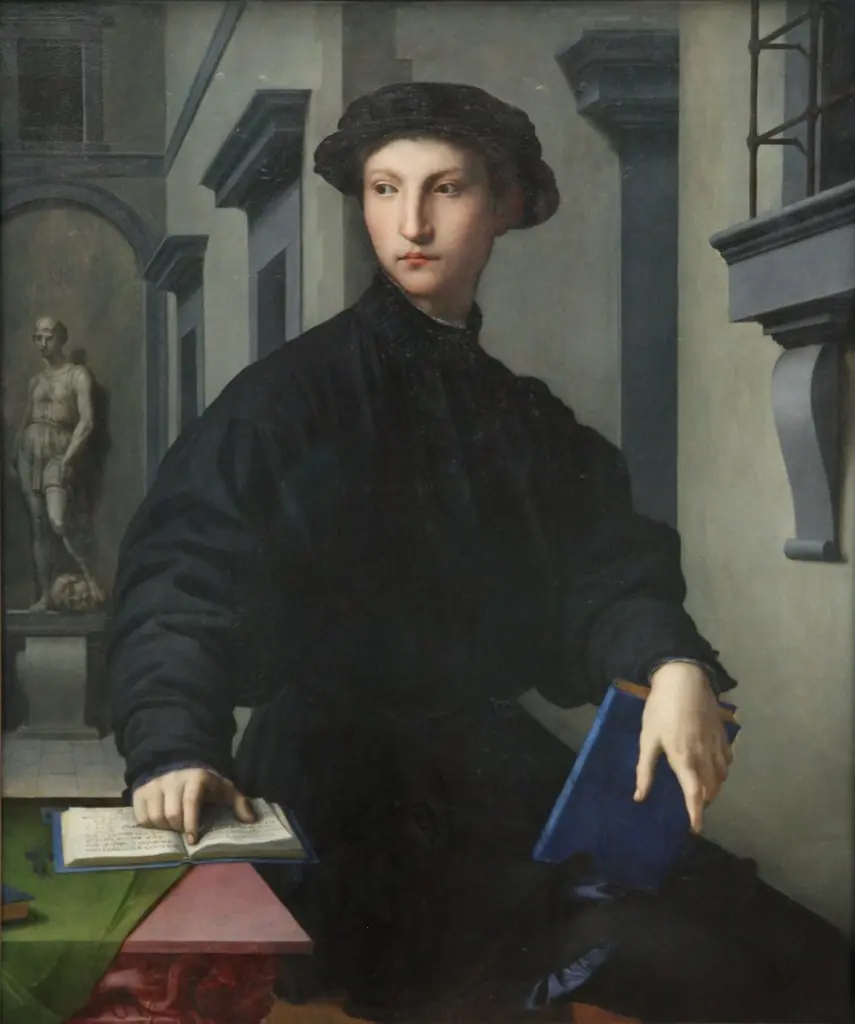 Portrait of Ugolino Martelli
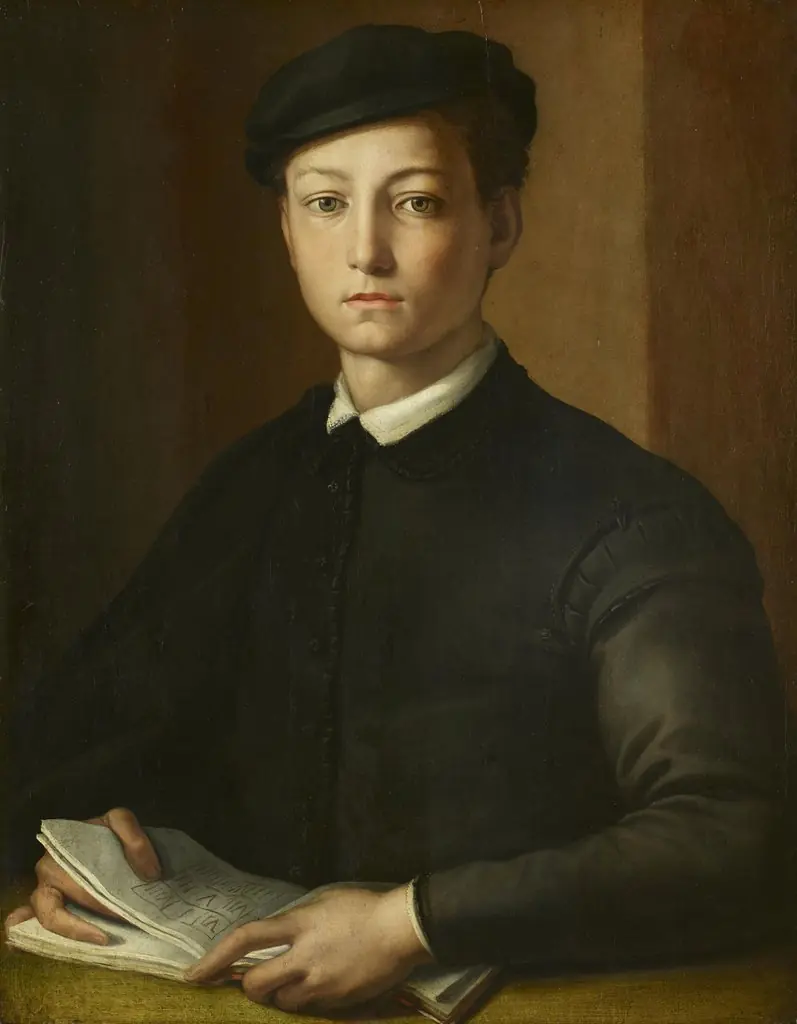 Portrait of a Young Man
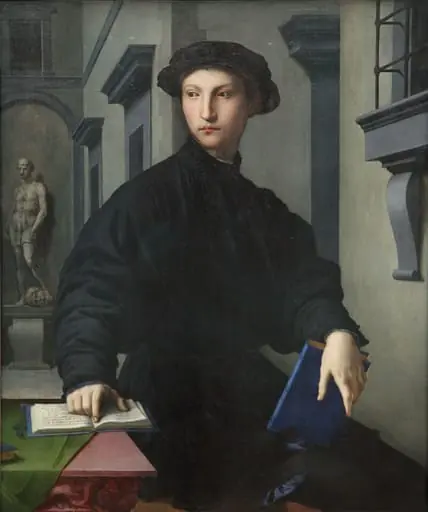 Portrait of Ugolino Martelli
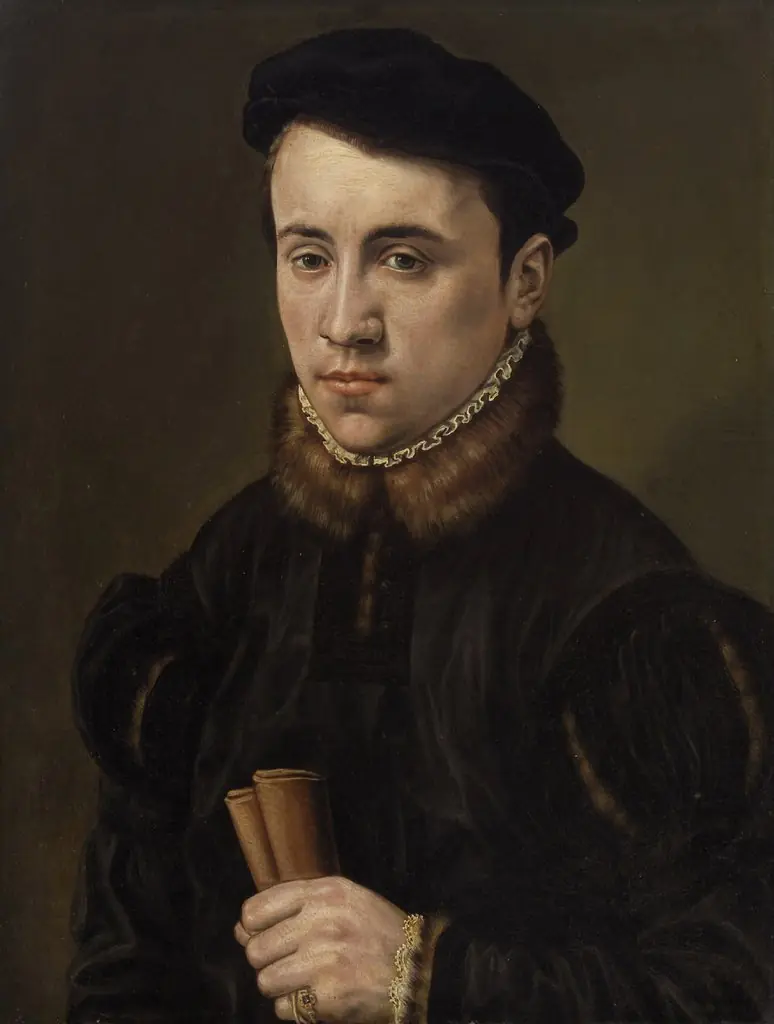 Bildnis eines jungen Mannes mit Barett und Handschuhen
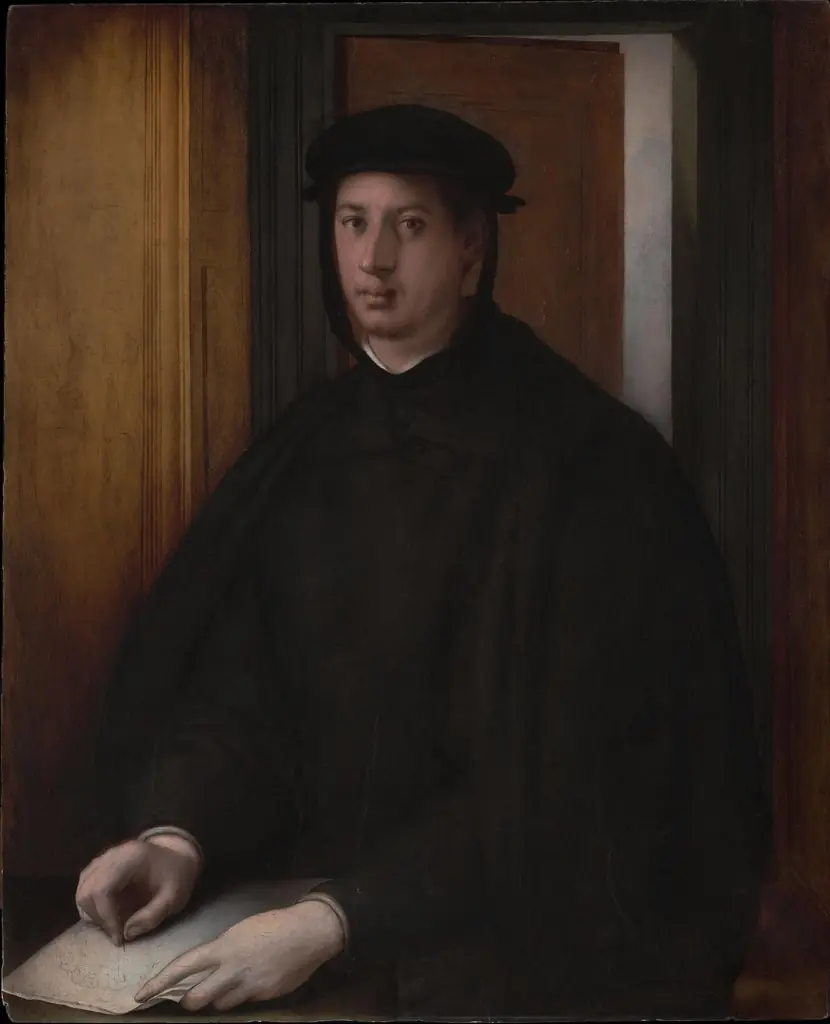 Portrait of Alessandro de' Medici
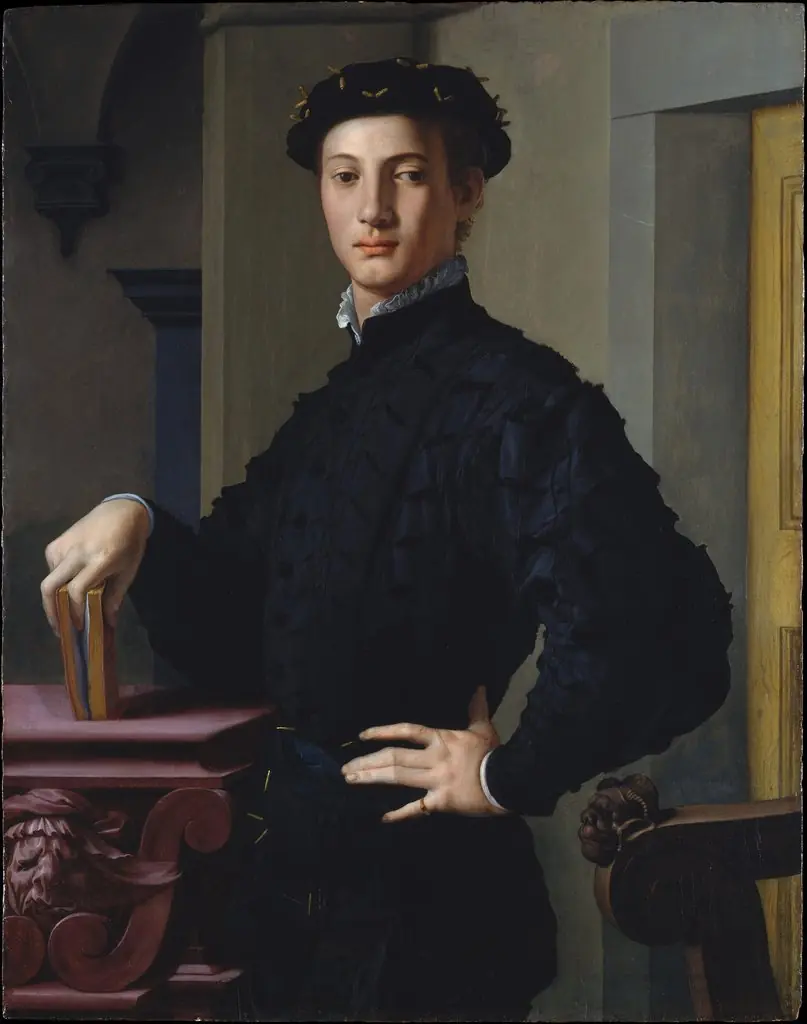 Portrait of a Young Man with a Book
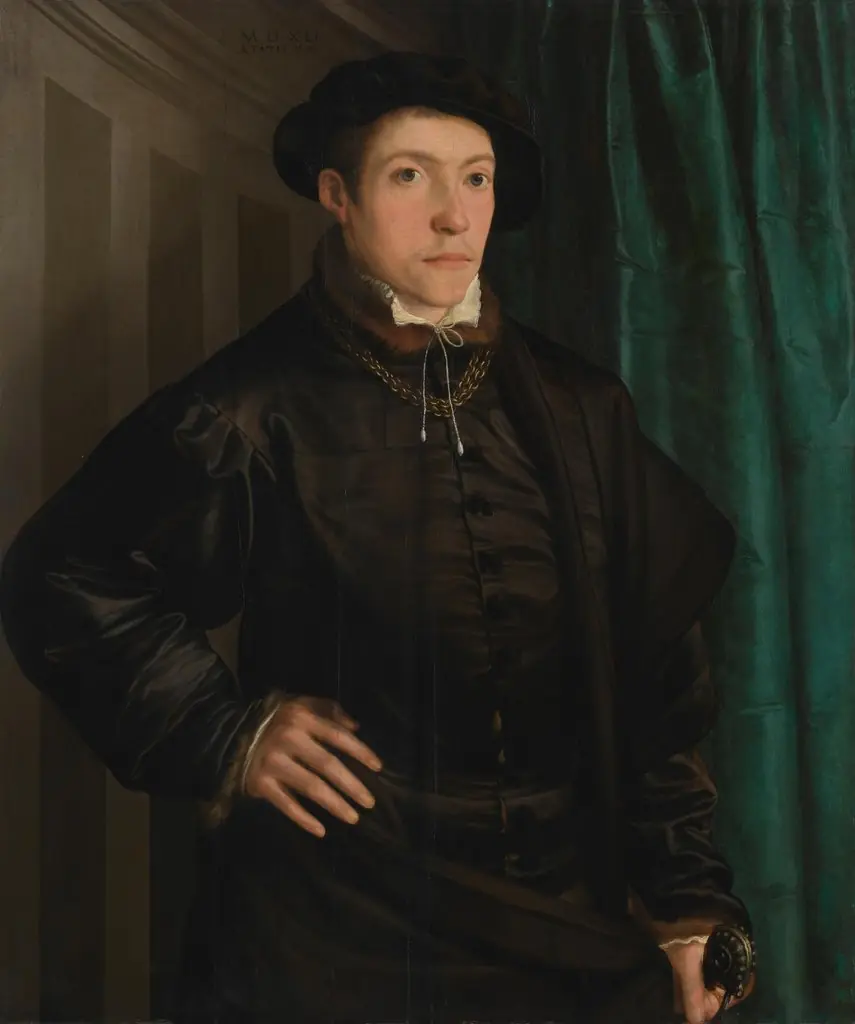 Portrait of Christoph Fugger
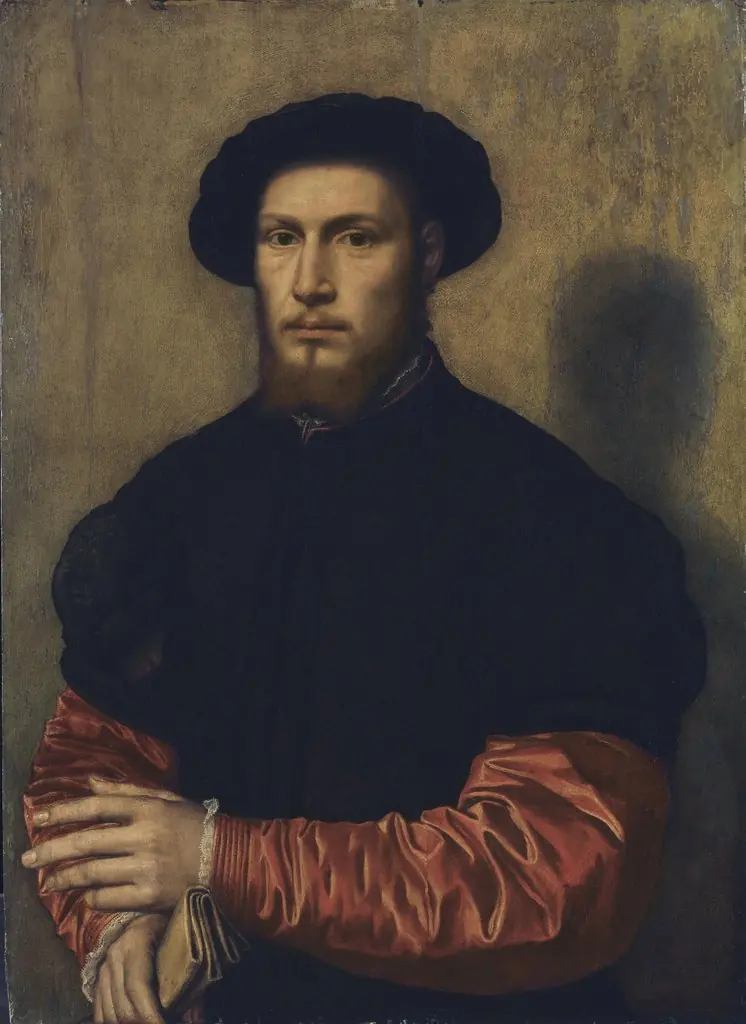 Portrait of a Gentleman
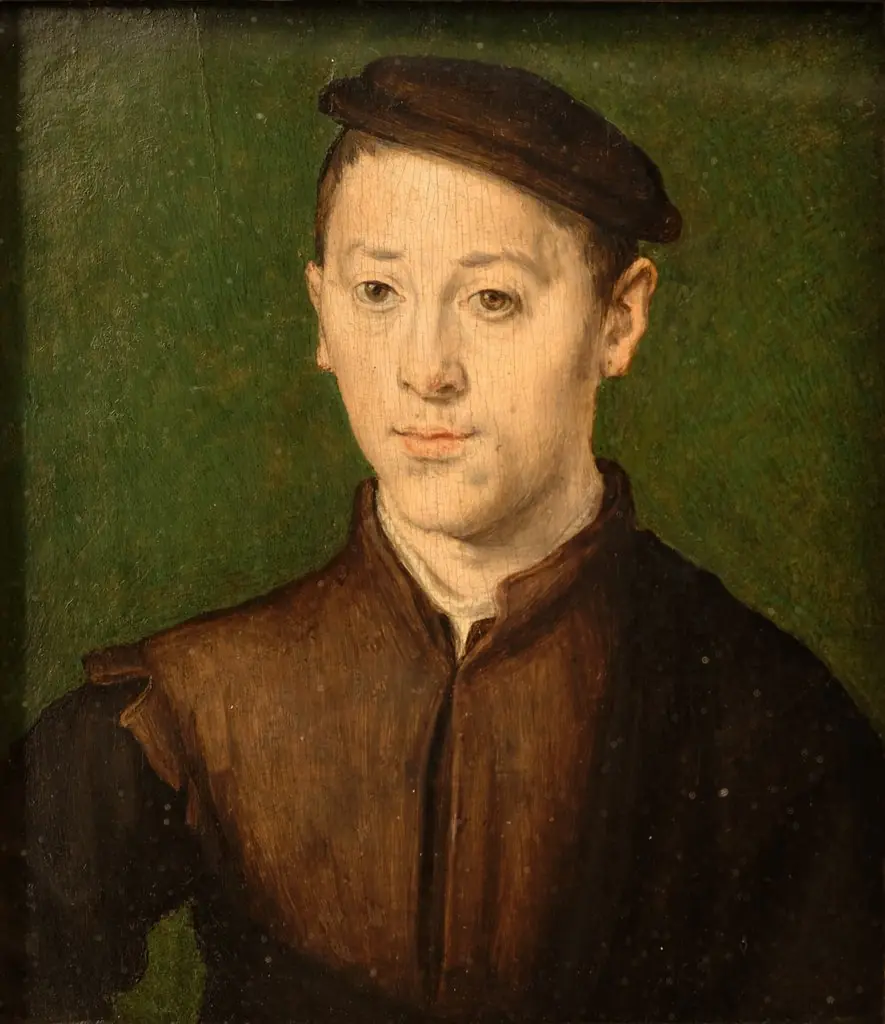 Portrait d'un jeune homme en demi-buste
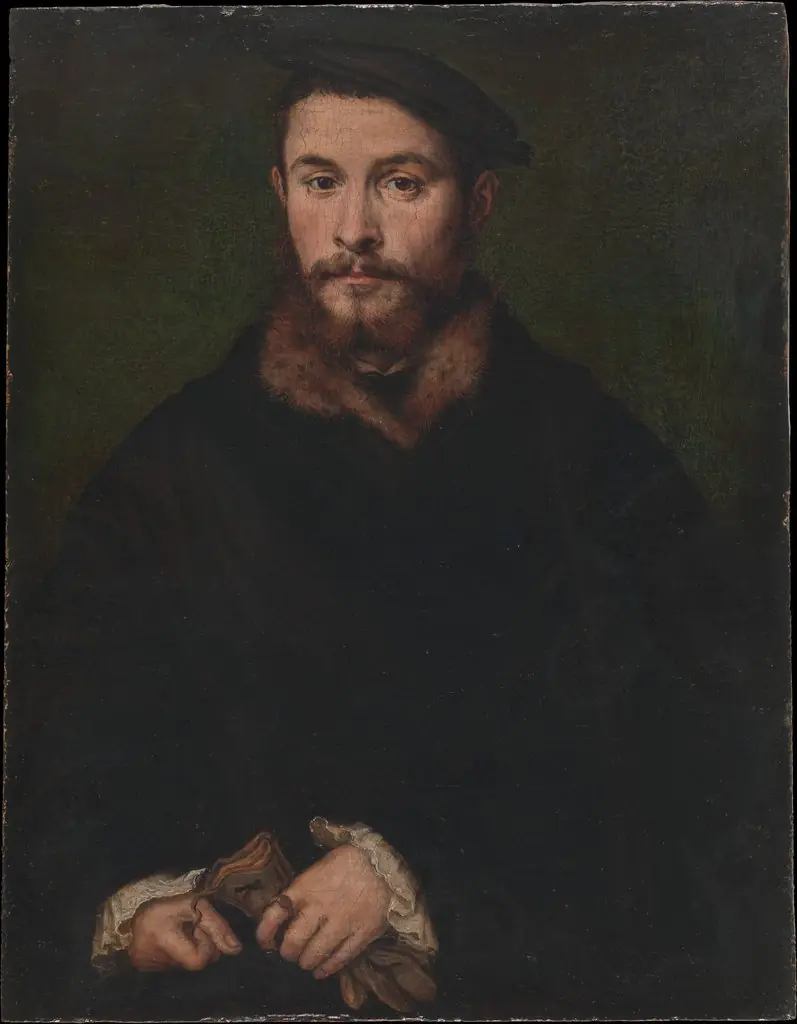 Portrait of a Man with Gloves
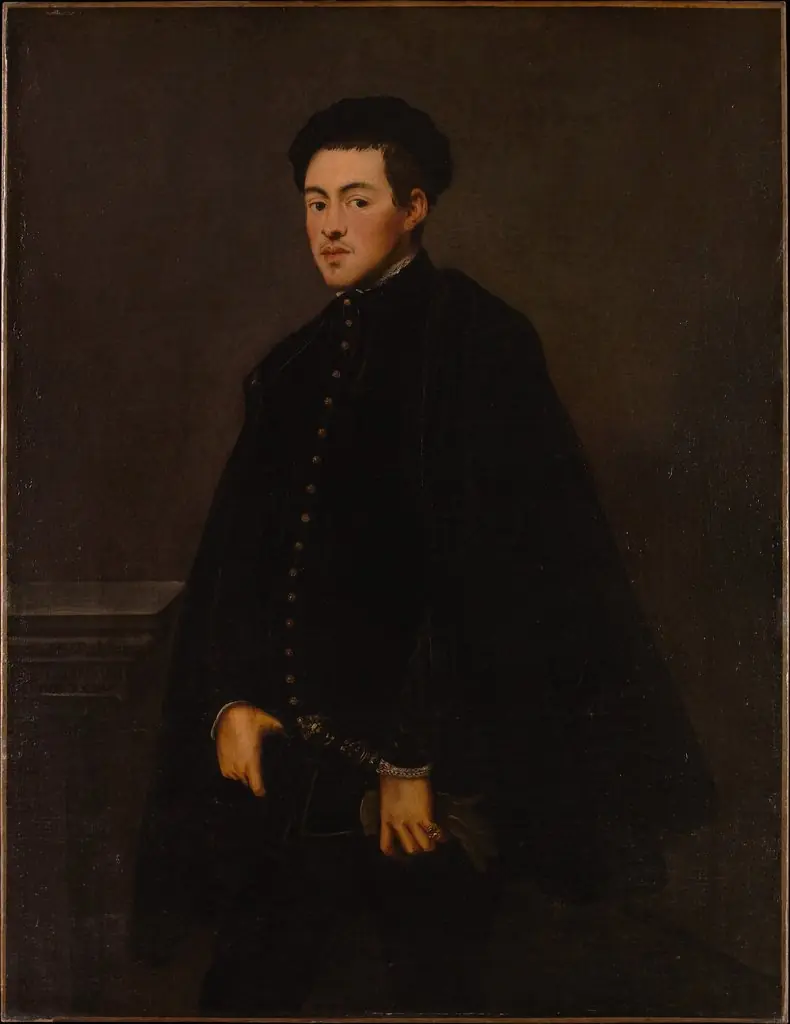 Portrait of a Young Man
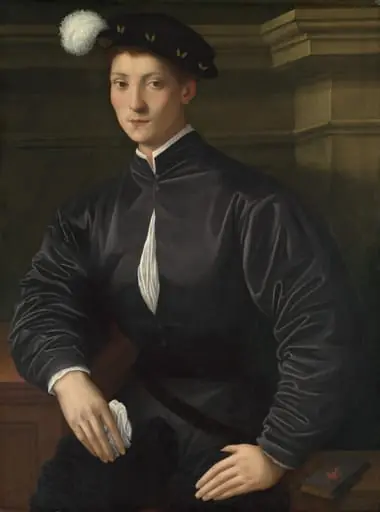 Ugolino Martelli