Artwork
Emperor Charles VI and Gundacker, Count Althann
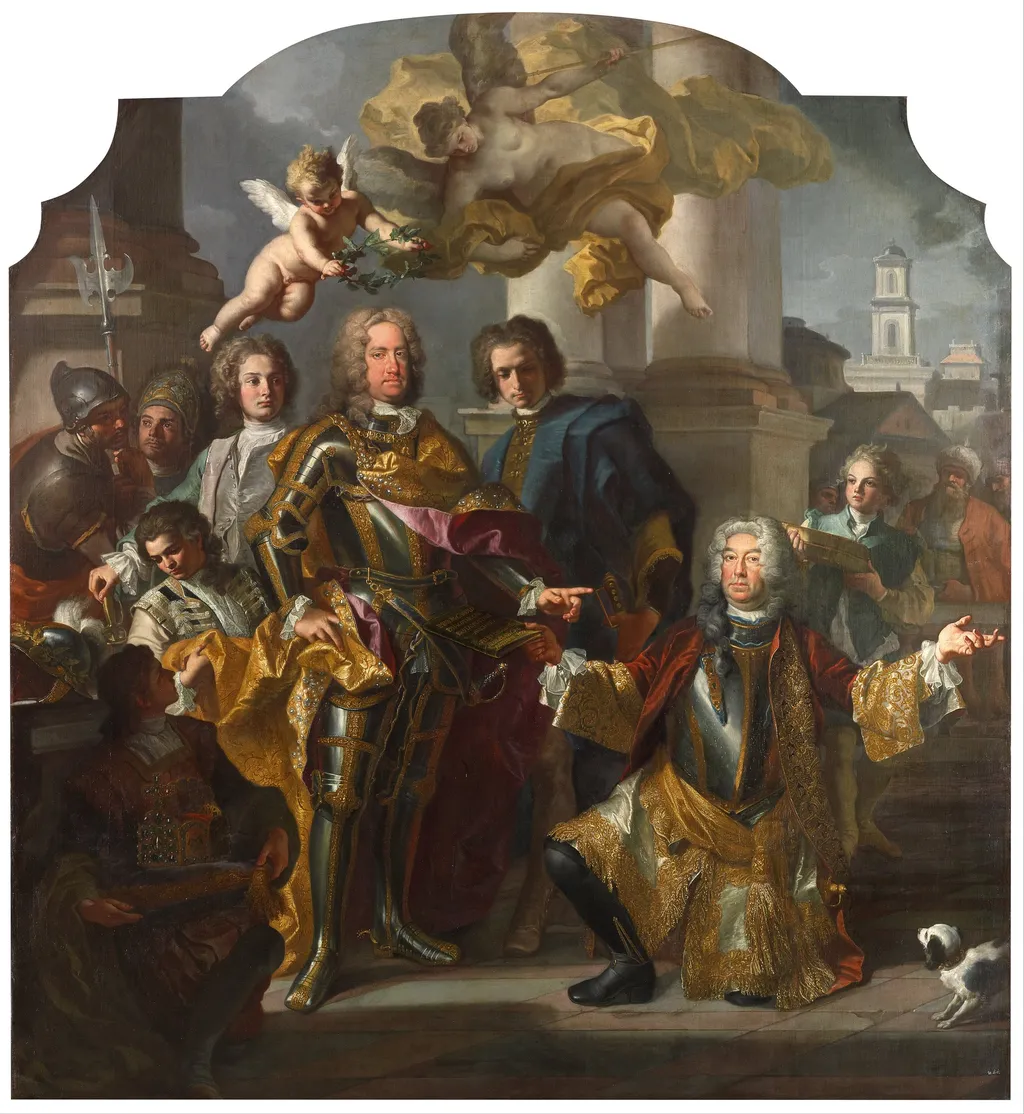
Emperor Charles VI and Gundacker, Count Althann is an oil painting by the Rococo painting artist Francesco Solimena. It dates from 1728 and is held in the collection of the Kunsthistorisches Museum.
About this work
Overview
Francesco Solimena painted Emperor Charles VI and Gundacker, Count Althann in 1728 with oil on canvas. The work is part of the Kunsthistorisches Museum’s collection and exemplifies the Rococo period’s decorative sensibility while retaining Solimena’s characteristic chiaroscuro.
Subject & Meaning
The composition presents the Habsburg ruler Charles VI alongside the Austrian diplomat Gundacker, Count Althann. A cherubic figure hovers above, holding a crown, suggesting a ceremonial or legitimizing context. The emperor gestures toward the count, who is dressed in red and gold, emphasizing his status within the scene.
Technique & Style
Solimena employs a balanced palette of warm and cool tones, punctuated by gold highlights that enhance the luxurious attire. Strong contrasts of light and shadow create depth, a hallmark of his chiaroscuro practice. The figures are rendered with a restrained classicism that marks his later Baroque phase.
History & Provenance
Created in the late Baroque period, the painting reflects Solimena’s influence on early‑18th‑century Neapolitan art. It entered the Kunsthistorisches Museum’s holdings, where it remains on display as part of the museum’s European painting collection.
Context
The work belongs to the Rococo movement, which favored elegant ornamentation and lightness. Solimena’s shift from dramatic lighting toward a more measured classicism mirrors broader artistic trends in Italy as the Baroque gave way to Rococo aesthetics.
Artist & collection
Artist
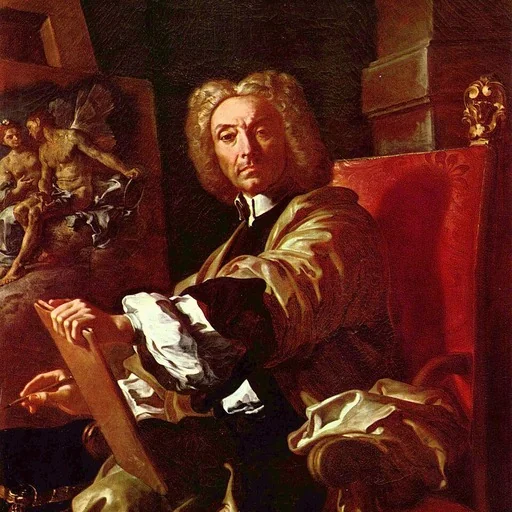
Francesco Solimena (4 October 1657 – 3 April 1747) was a prolific Italian Baroque painter, one of an established family of painters and draughtsmen.

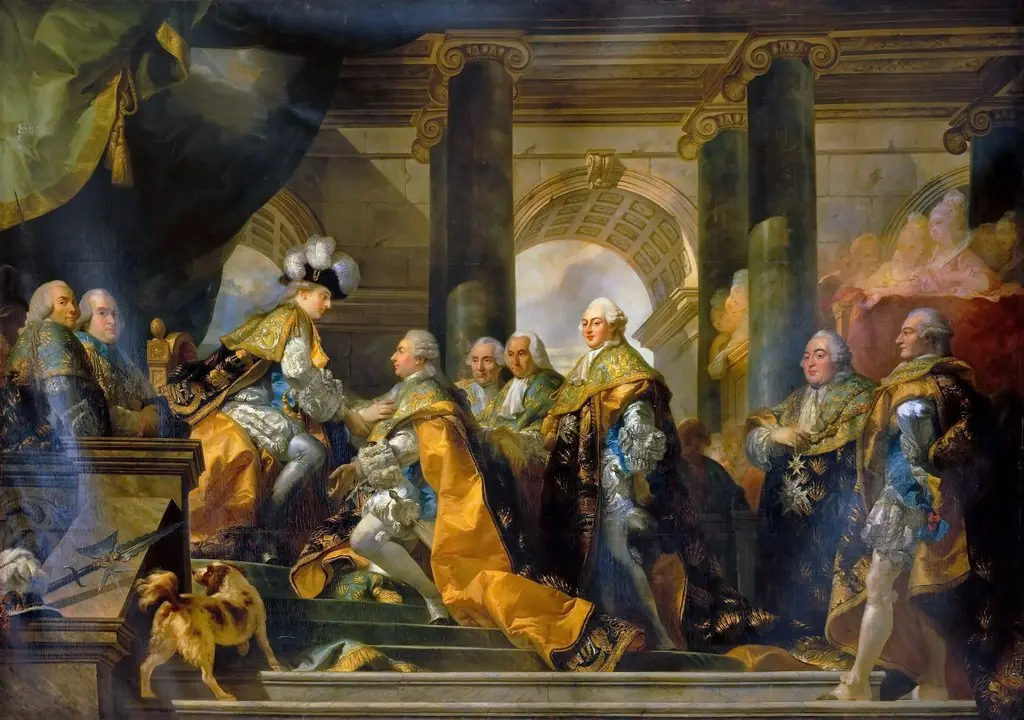 Louis XVI receives homage from the Knights of the Holy Spirit in Reims, June 13, 1775
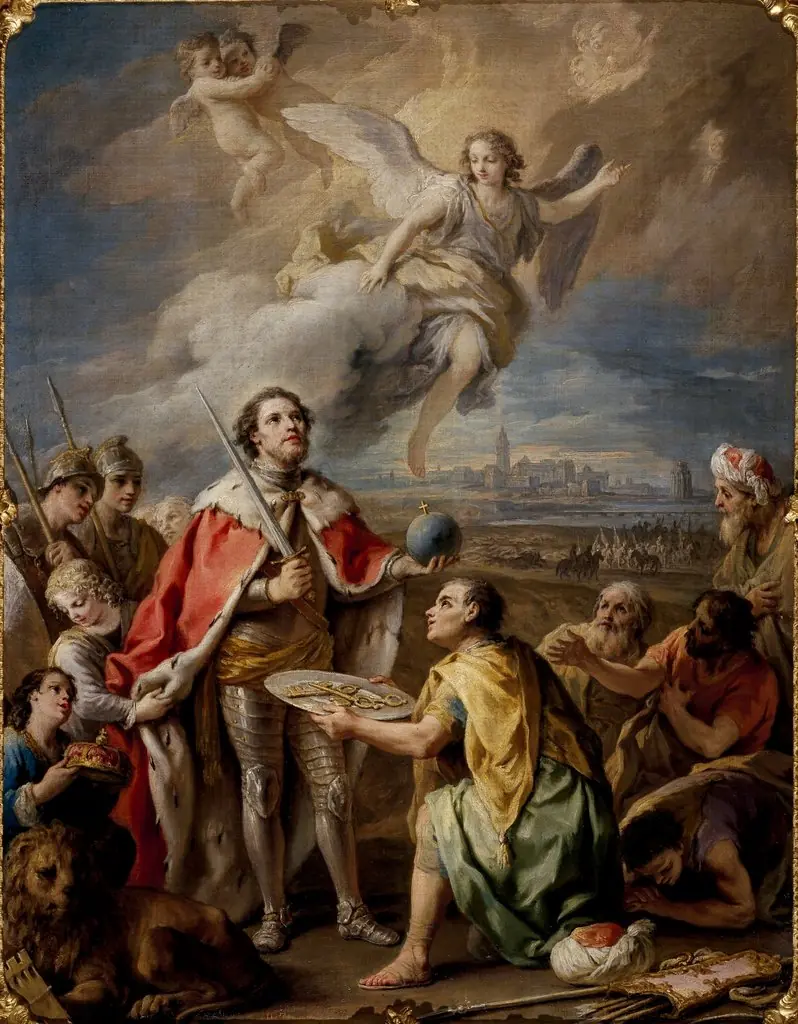 Seville Surrenders to the king, Saint Ferdinand
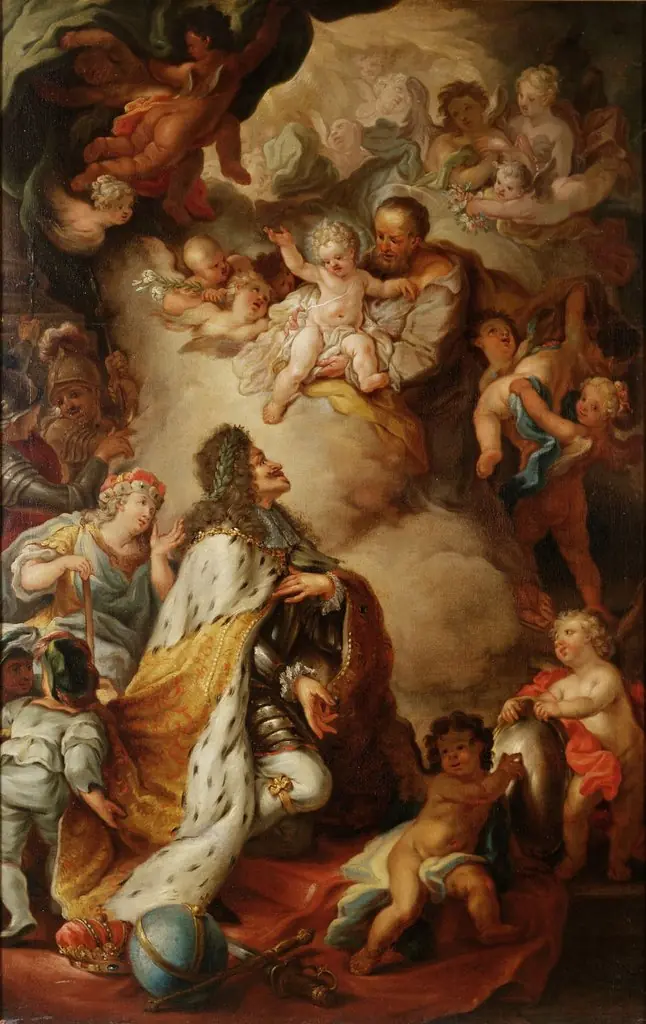 Kaiser Leopold I. (1640-1705) übergibt die Erblande dem Schutz des Hl. Joseph
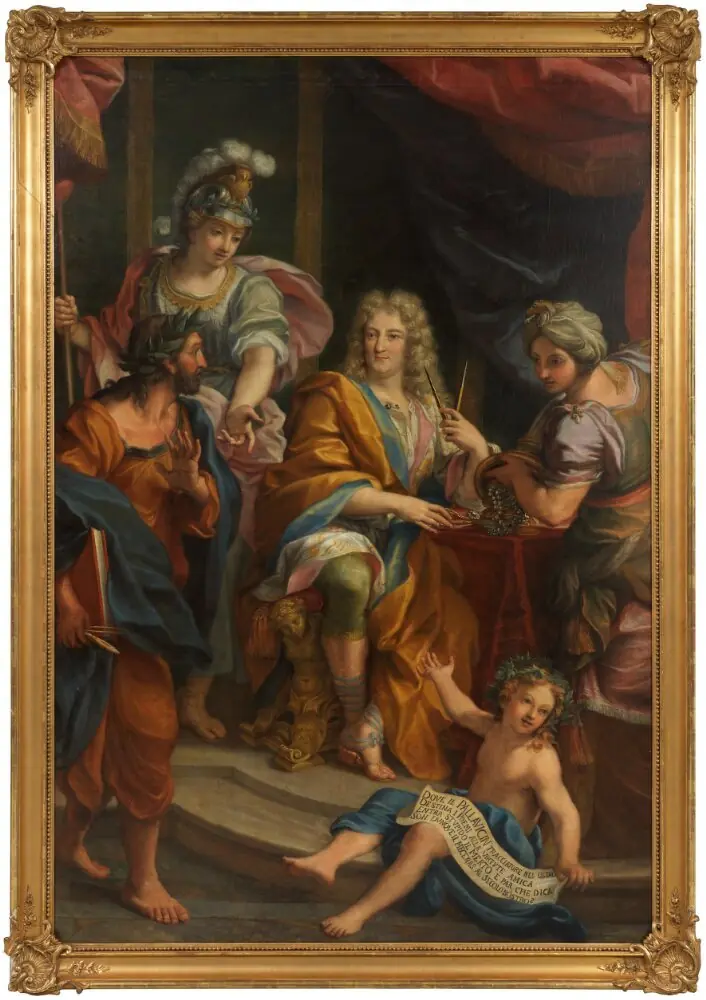 Allegorical portrait of Marchese Niccolò Maria Pallavicini (1650-1714)
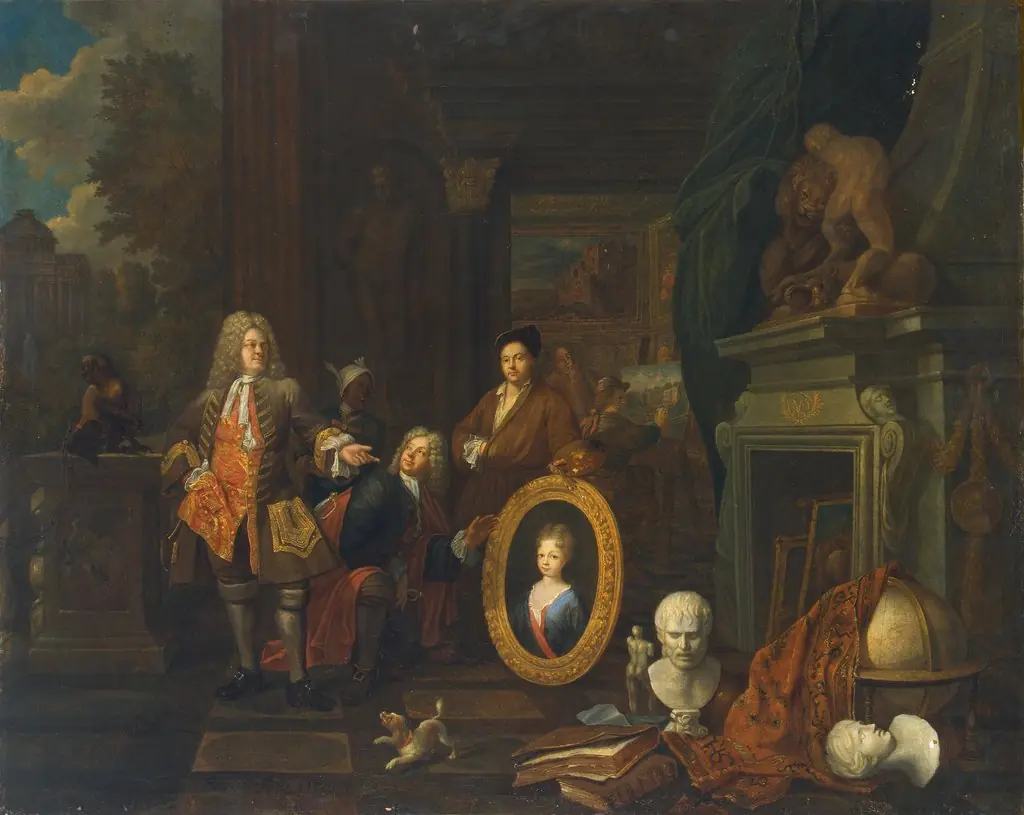 Studio of an Artist
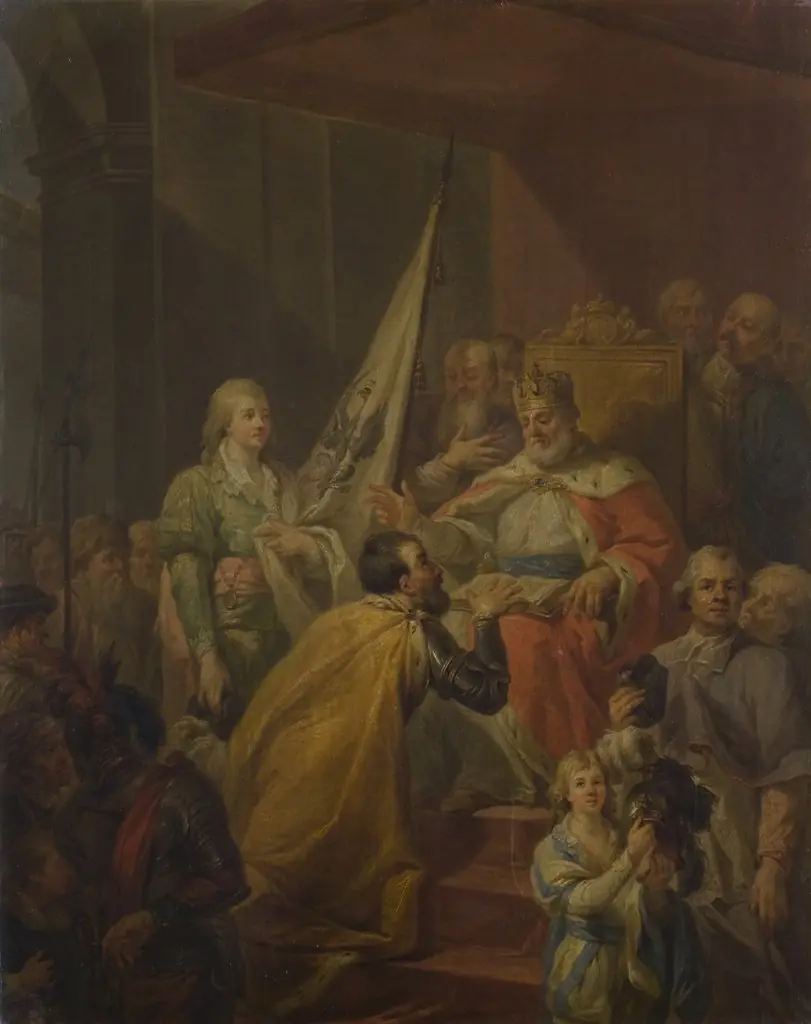 Prussian Homage
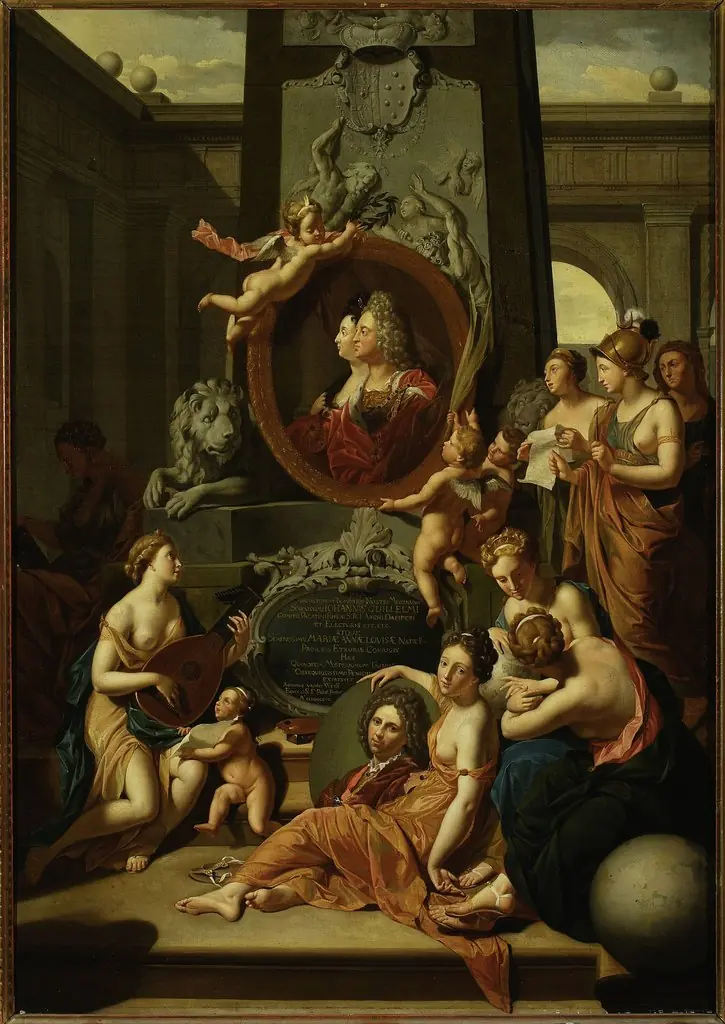 Liberal arts pay homage to Johann Wilhelm, Palatine of the Rhine, and his wife
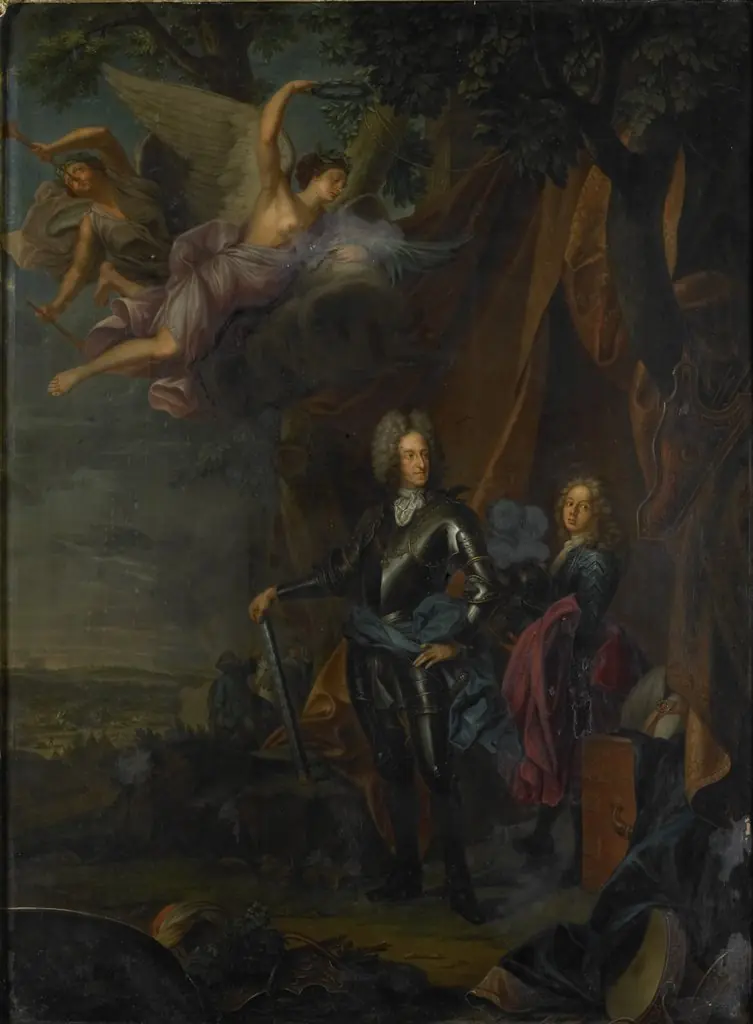 Portrait of Maximilian II, Elector of Bavaria, at the Battle of Mohács against the Turks
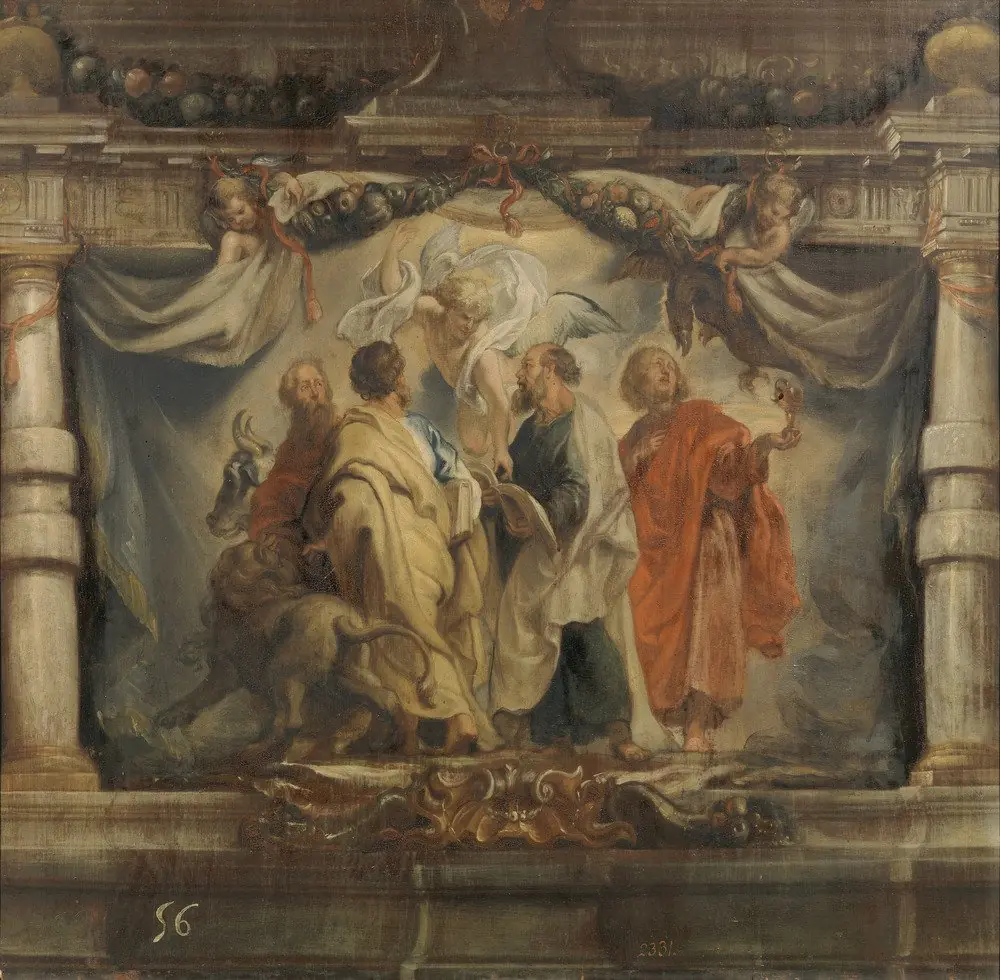 Los cuatro evangelistas
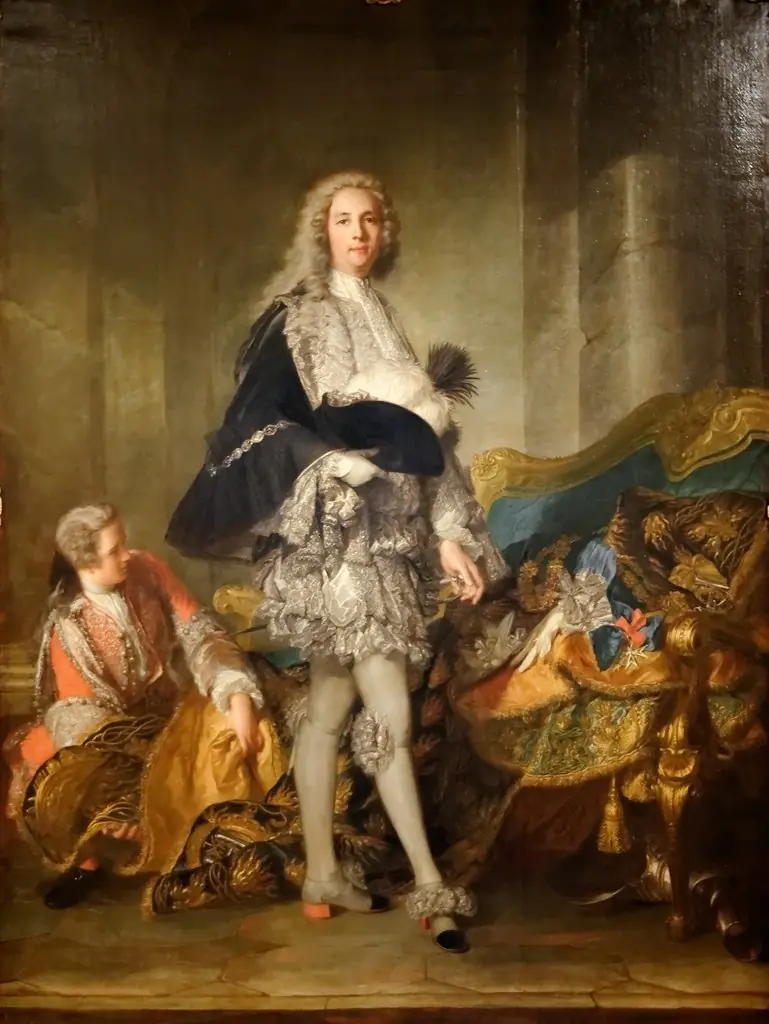 Portrait of the Duke of Richelieu
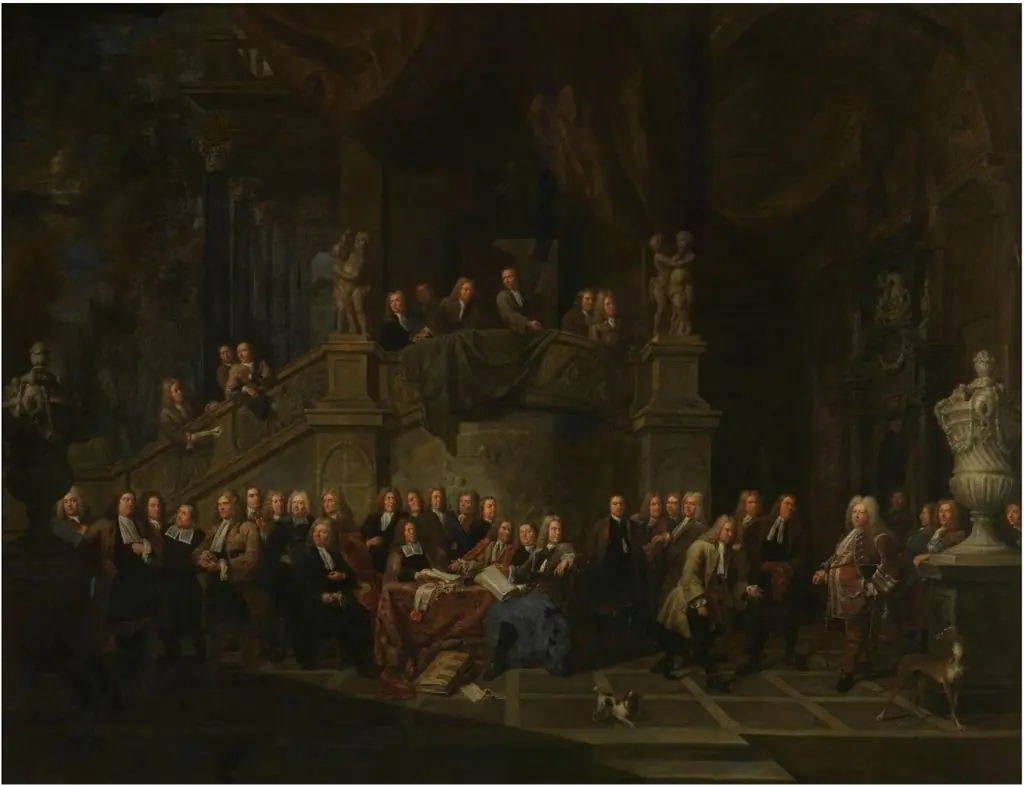 The reception of Jan Karel de Cordes at the guild hall
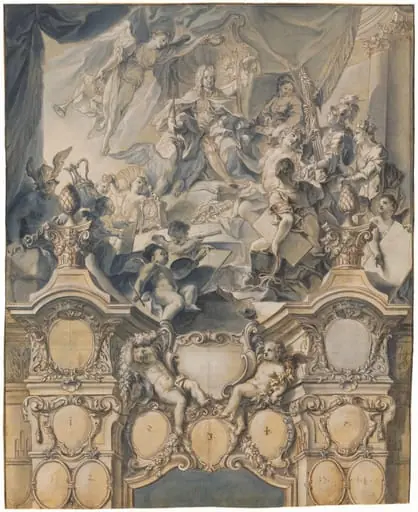 The Arts and Powers Pay Homage to Emperor Charles VI