Artwork
The Agony in the Garden
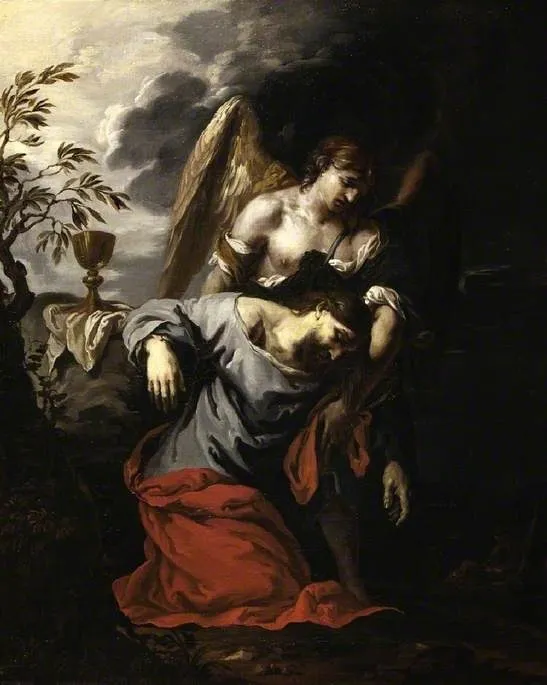
The Agony in the Garden is an oil painting by Francesco Trevisani. It dates from 1706 and is held in the collection of the Fitzwilliam Museum.
About this work
Overview
Painted around 1706 by Francesco Trevisani, *The Agony in the Garden* is an oil-on-canvas work from the transition between Baroque and Rococo styles.
Painted around 1706 by Francesco Trevisani, *The Agony in the Garden* is an oil-on-canvas work from the transition between Baroque and Rococo styles. Trevisani, an Italian artist influenced by Carlo Maratta, focused on religious subjects throughout his career. This piece, now in the Fitzwilliam Museum’s collection, captures a moment from the Gospel narrative of Christ’s prayer in Gethsemane, rendered with emotional gravity and refined technique.
Subject & Meaning
The painting illustrates Christ in prayer before his arrest, overwhelmed by impending suffering. An angel, wings spread, tenderly supports his head, offering divine solace. A golden chalice on a stone table symbolizes the burden he is destined to bear. The scene conveys human vulnerability and spiritual submission, emphasizing compassion between the divine and the suffering, rather than overt drama or triumph.
Technique & Style
Trevisani employs chiaroscuro to heighten emotional tension, directing light onto Christ’s face and the angel’s form while surrounding them with deep shadows. The brushwork is smooth, with delicate modeling of flesh and fabric, reflecting Maratta’s classical influence. The landscape recedes softly into a hazy sky, grounding the figures in a naturalistic yet symbolic setting that enhances the scene’s quiet solemnity.
History & Provenance
Created in the early 18th century, the painting entered the Fitzwilliam Museum’s collection in the 19th century. Its provenance prior to that is not fully documented, but its style aligns with Trevisani’s known commissions for Roman ecclesiastical patrons. It has remained in institutional care since acquisition, preserving its condition and historical context without significant alterations.
Context
In early 1700s Italy, religious imagery remained central to artistic production, particularly in Rome, where Trevisani worked. While Baroque grandeur was giving way to Rococo lightness, this painting retains the emotional weight of the earlier tradition. Trevisani’s approach reflects a shift toward intimate, psychologically nuanced depictions of sacred moments, suited to private devotion and scholarly taste.
Legacy
Though not widely reproduced, *The Agony in the Garden* exemplifies Trevisani’s skill in blending classical composition with emotional restraint. It stands as a quiet testament to the persistence of devotional themes in early 18th-century Italian art, offering a counterpoint to the more theatrical religious works of his contemporaries. Its presence in a major public museum ensures continued scholarly attention.
Artist & collection
Artist
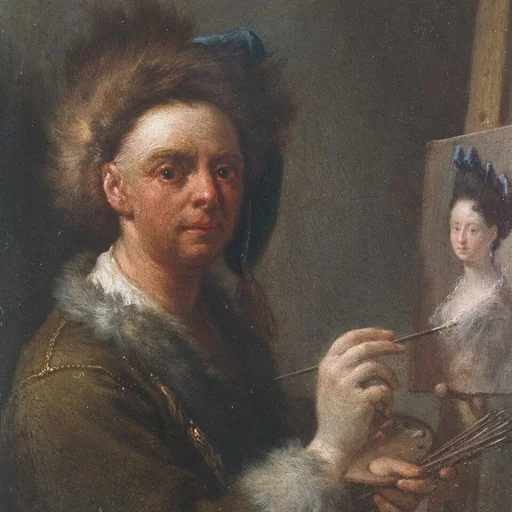
Francesco Trevisani (April 9, 1656 – July 30, 1746) was an Italian painter, active in the period called either early Rococo or late Baroque (barochetto).

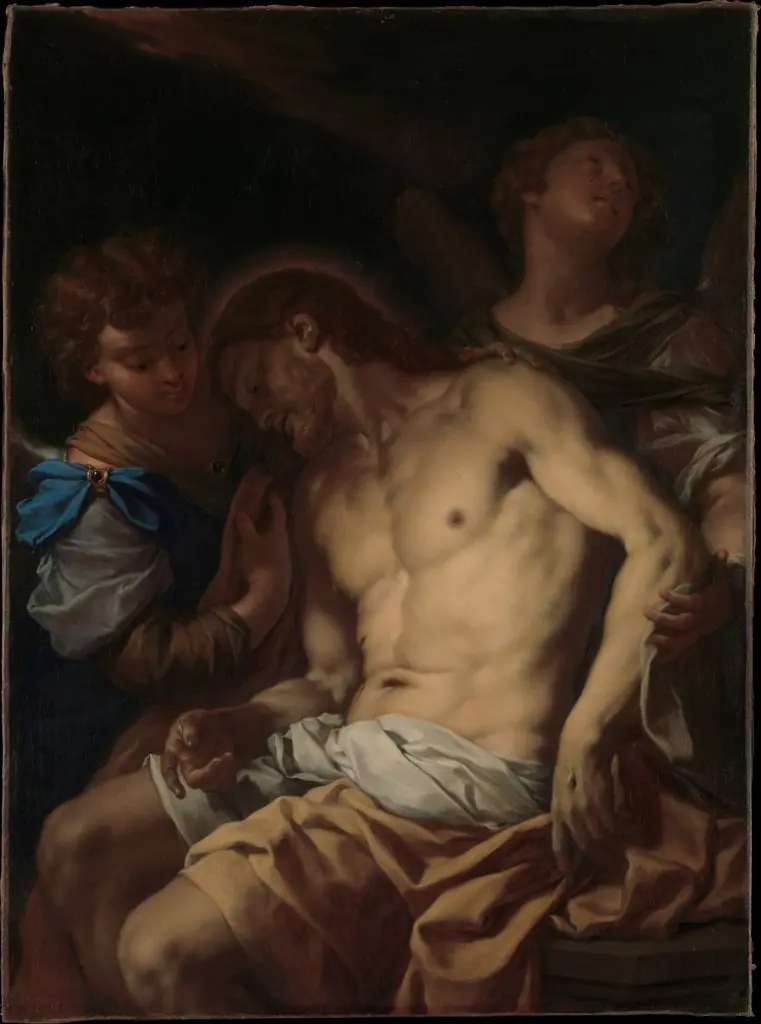 Dead Christ Supported by Angels
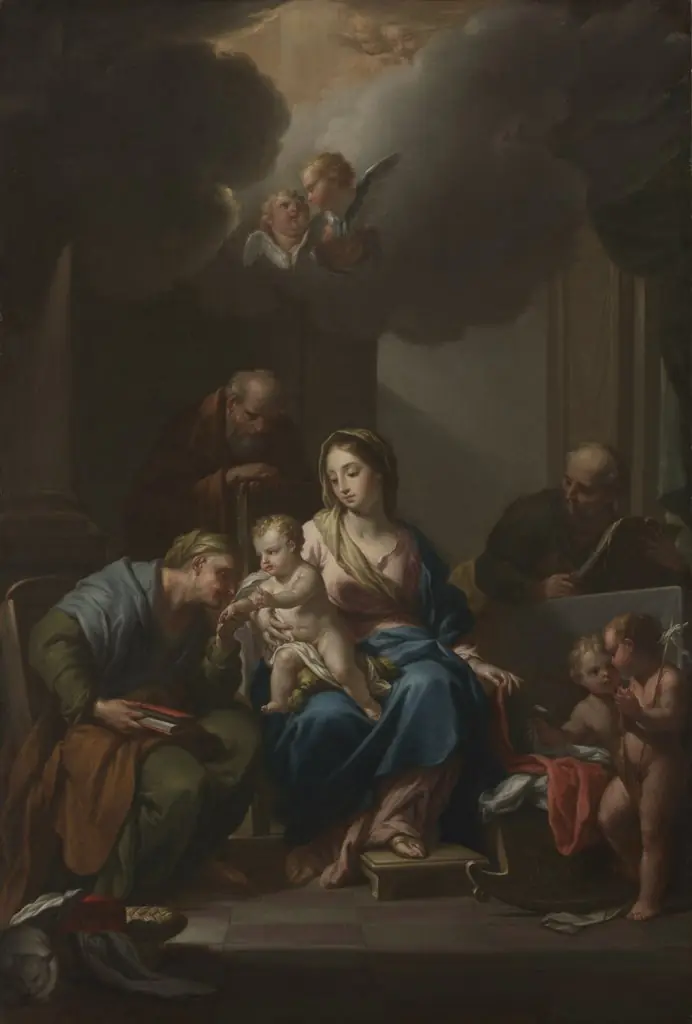 Presentation Sketch for "The Holy Family with Saints Anne, Joachim, and John the Baptist" (for Santa Maria in Via Lata, Roma)
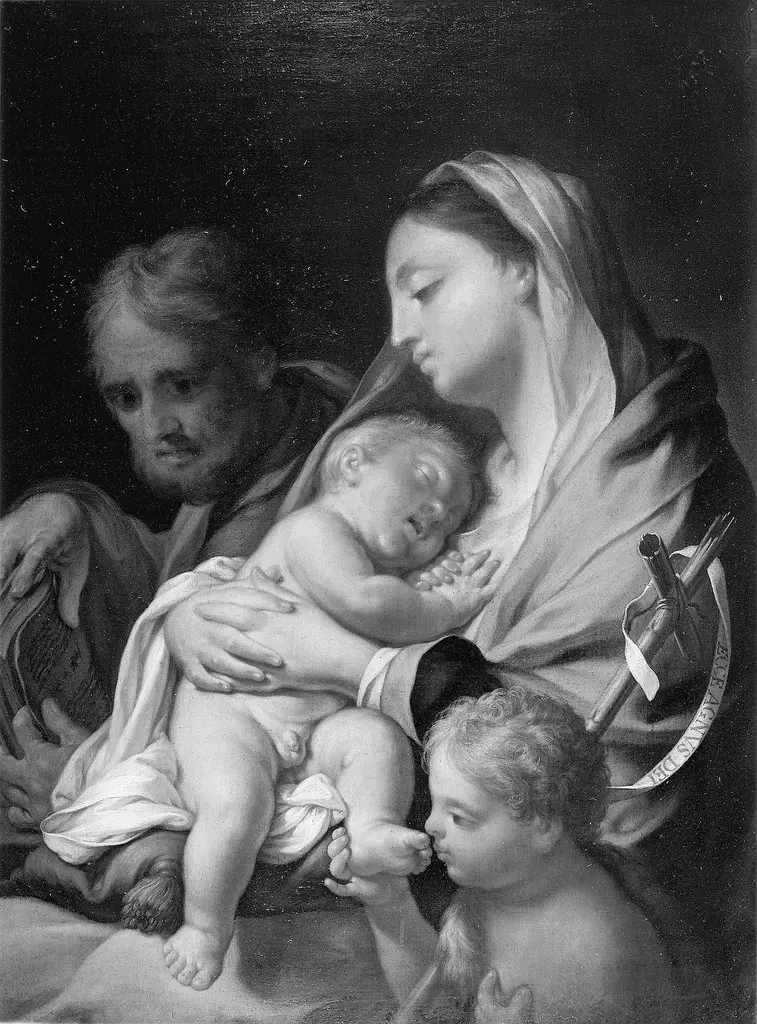 Holy Family with the Infant St. John
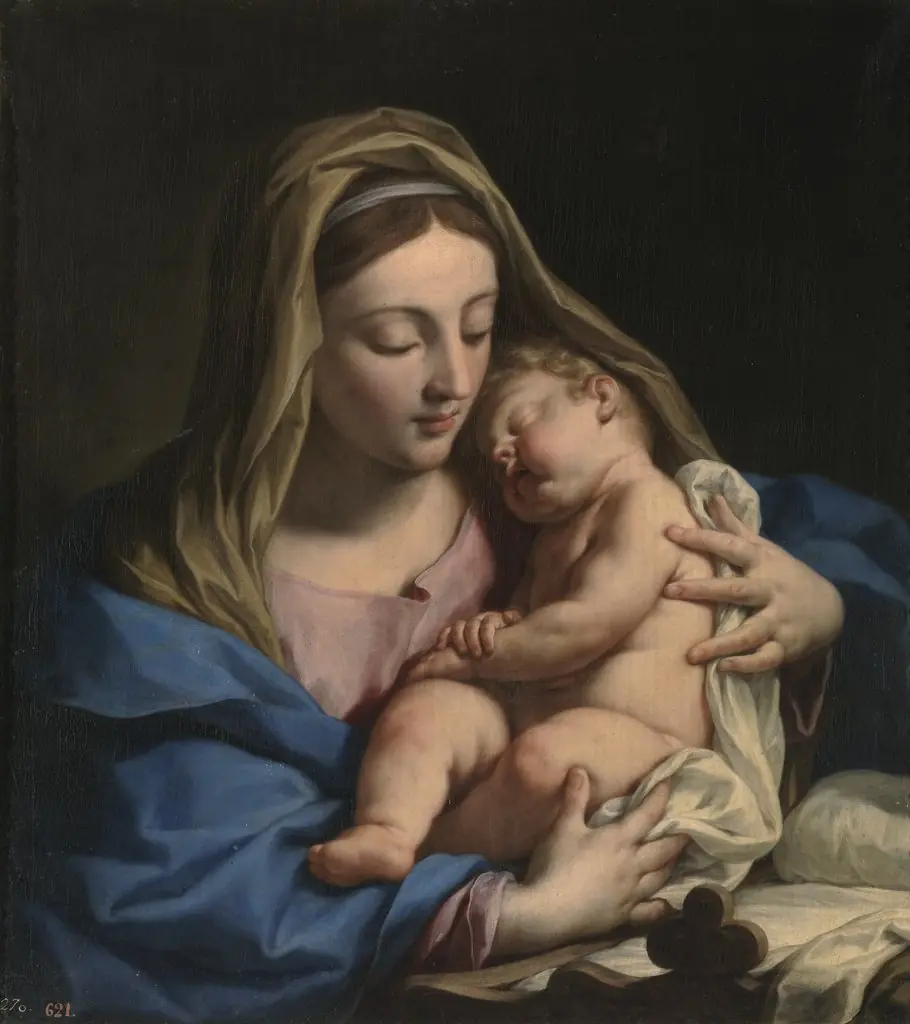 The Virgin and Child
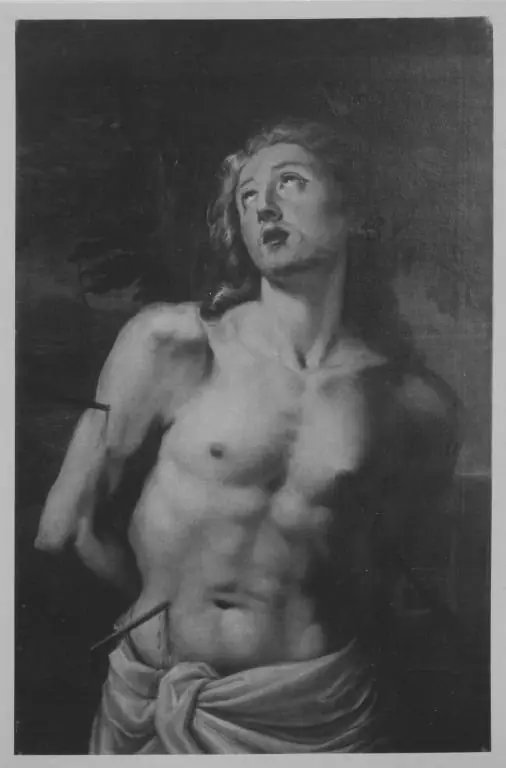 Hl. Sebastian
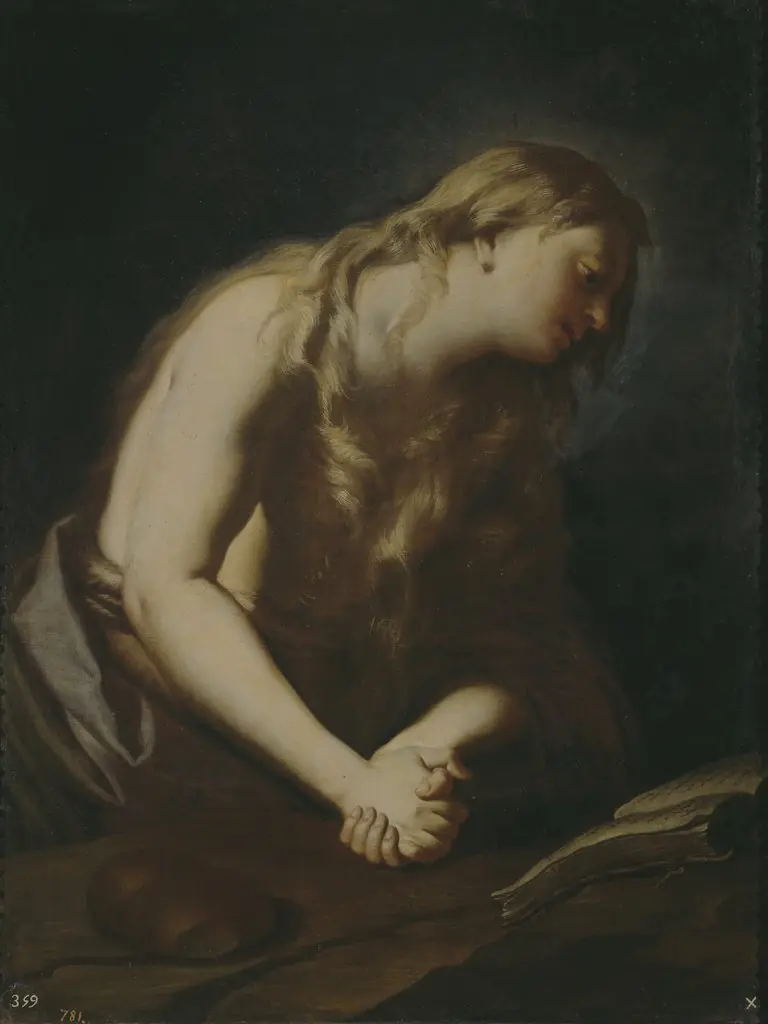 Penitent Magdalen
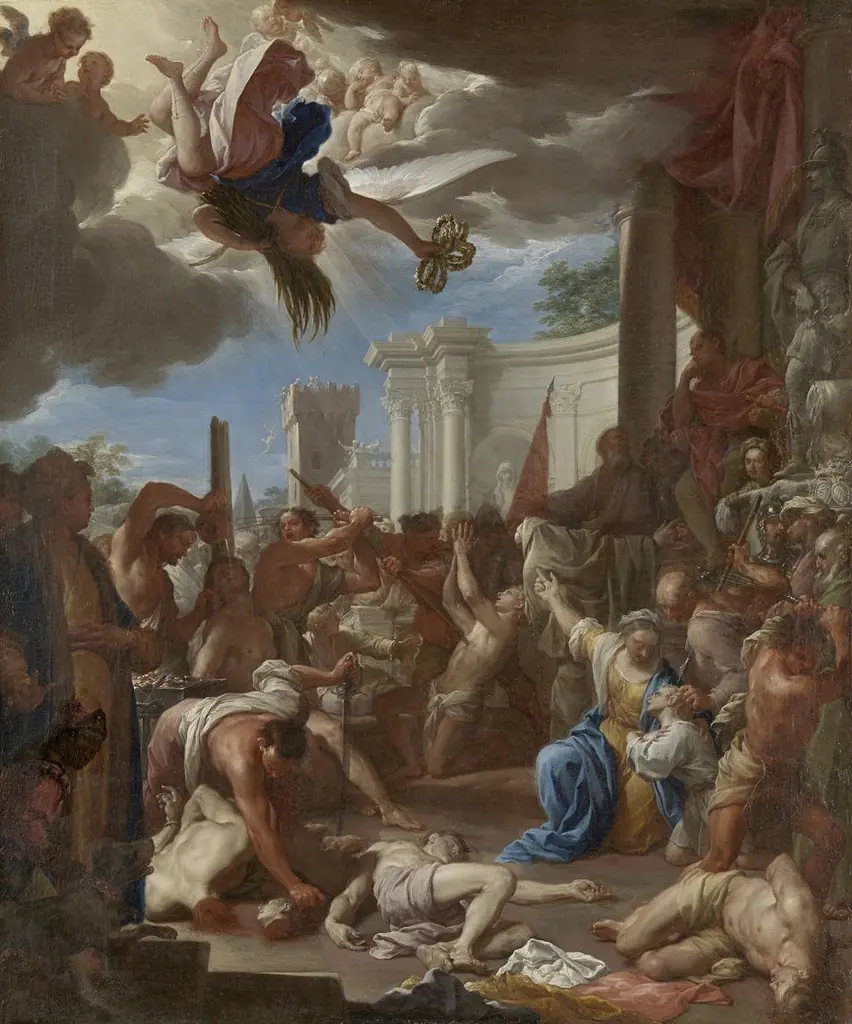 The Martyrdom of the Seven Sons of Saint Felicity
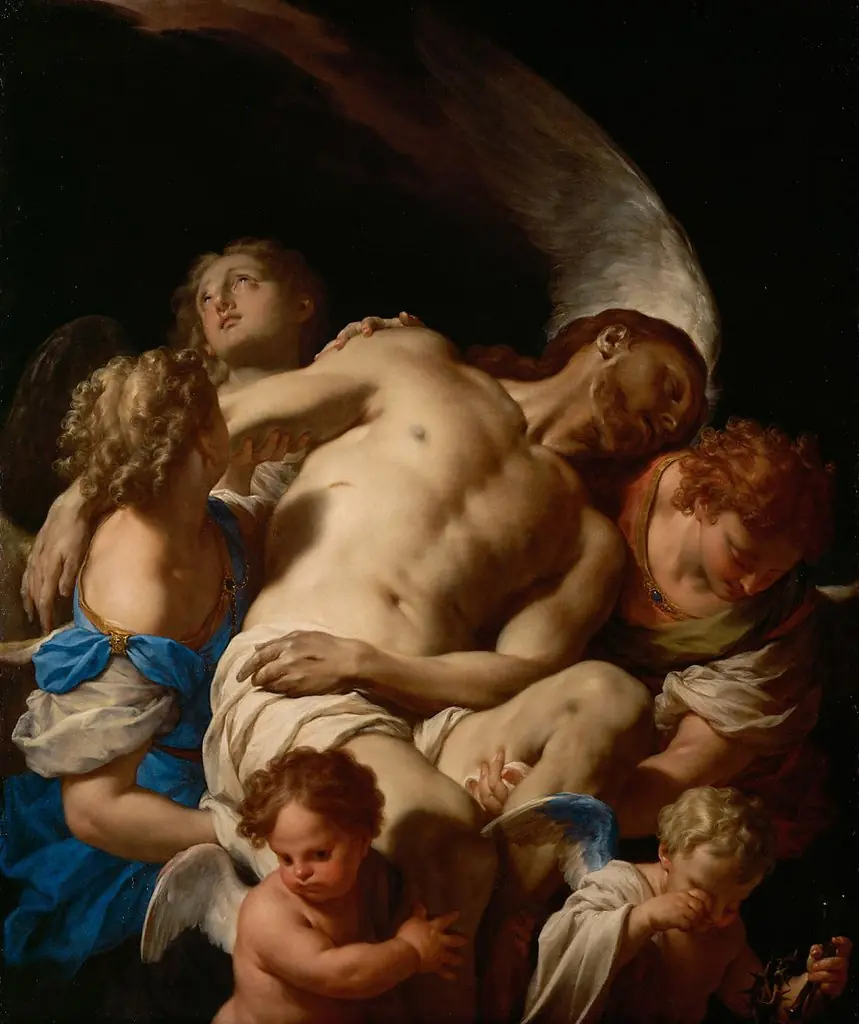 Body of Christ, held by angels
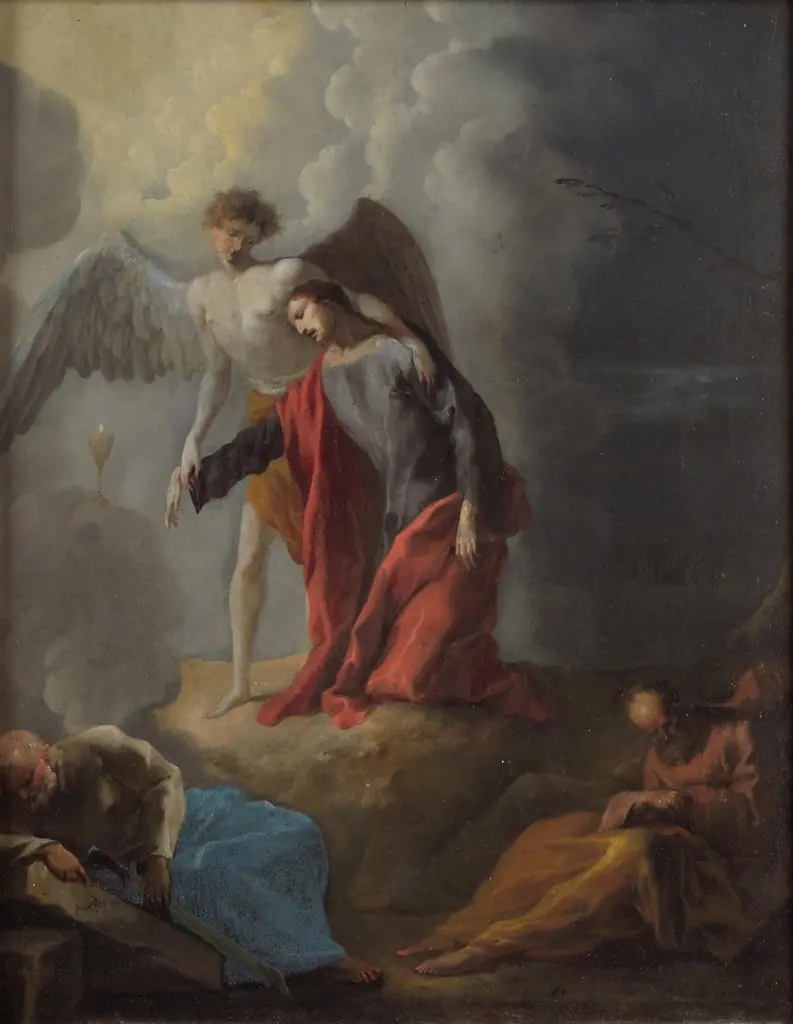 Christ on the Mount of Olives
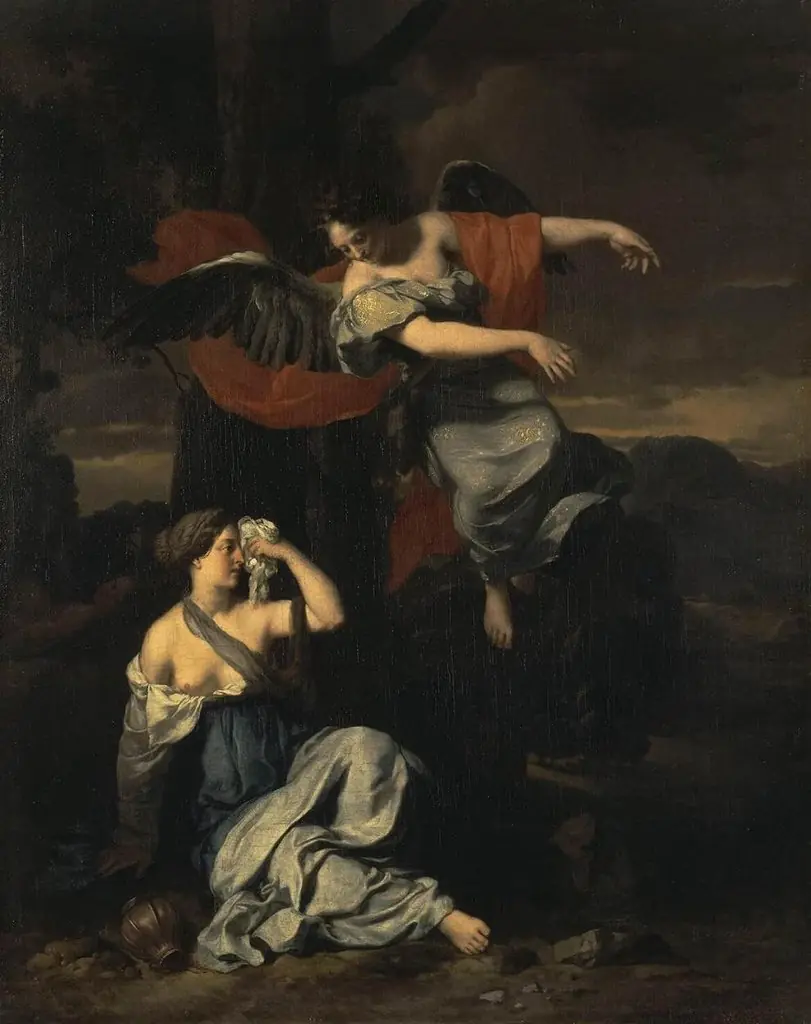 Hagar in the Desert
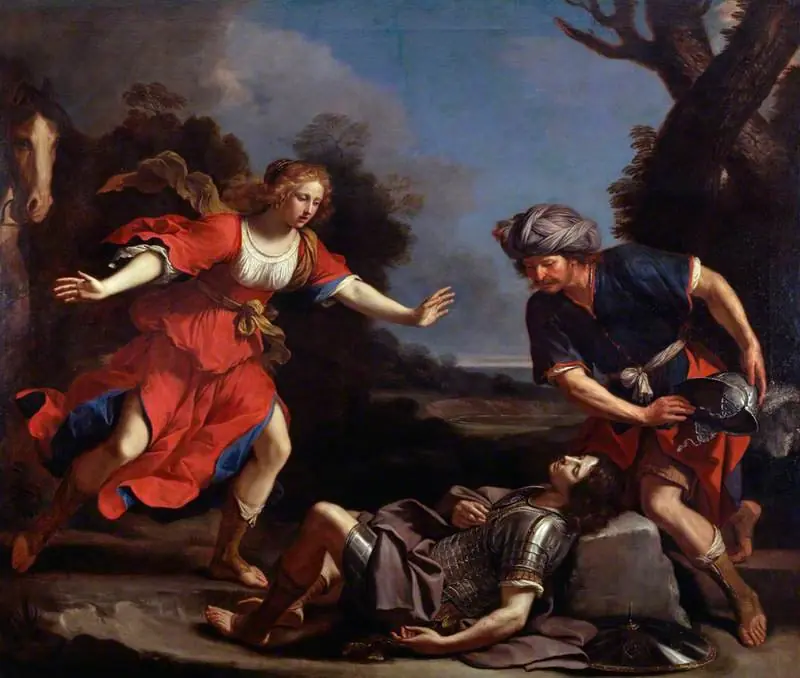 Erminia Finding the Wounded Tancred
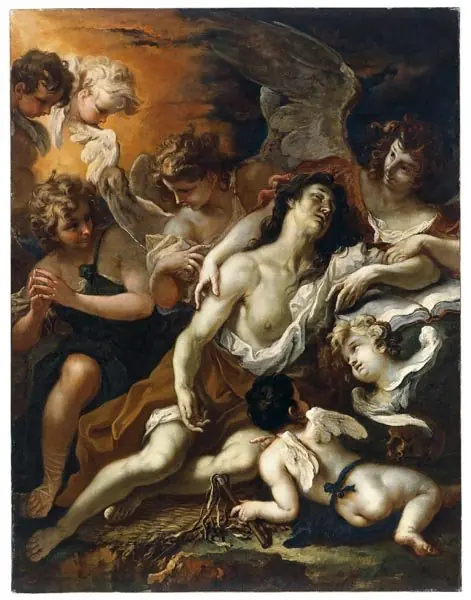 Mary Magdalene Comforted by Angels
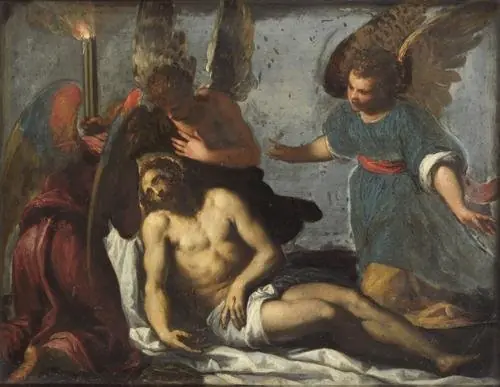 Lamentation with angels
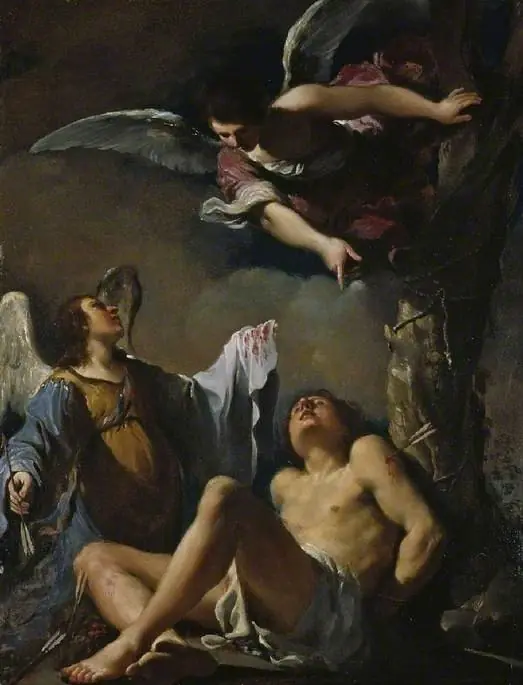 St. Sebastian succoured by two angels
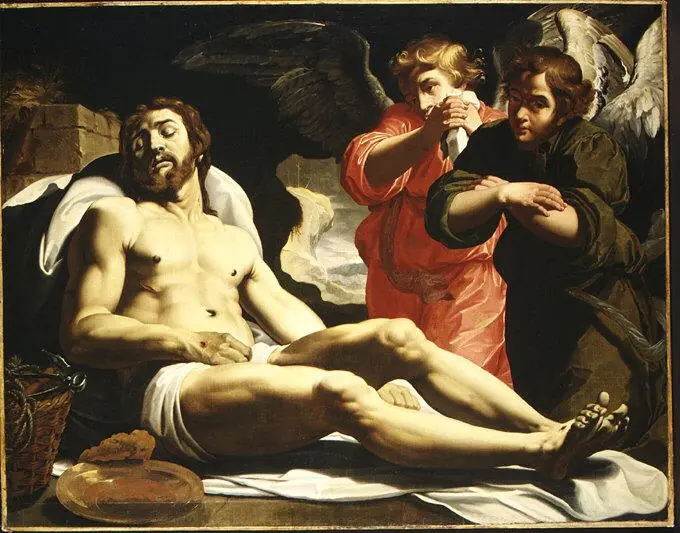 The Dead Christ in the Tomb with Two Angels
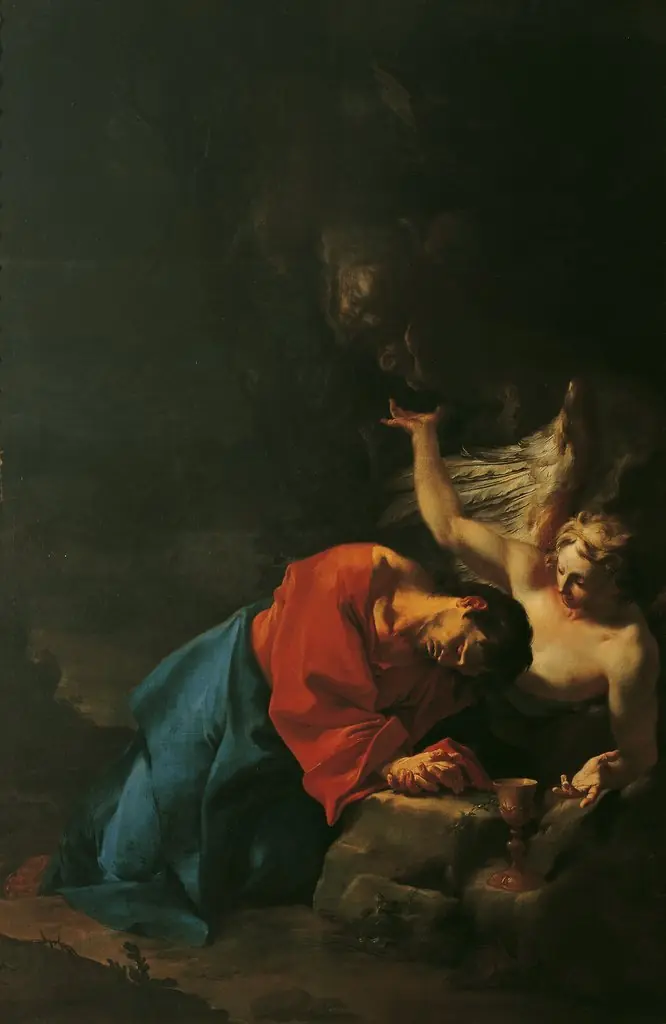 Christ on the Mount of Olives
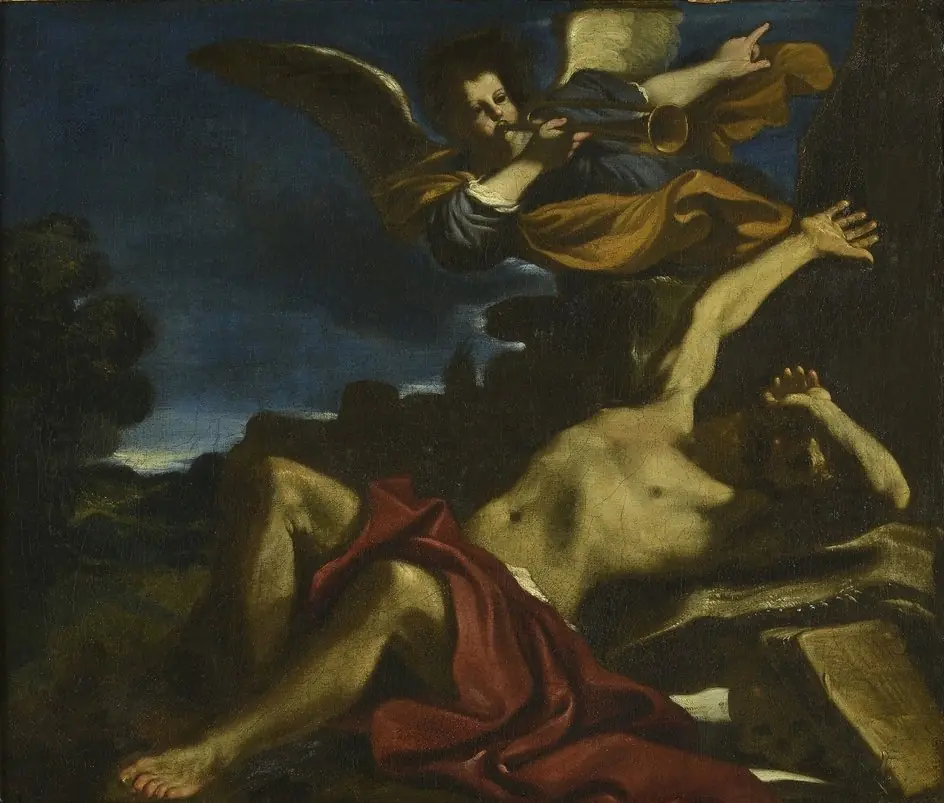 The Vision of St Jerome
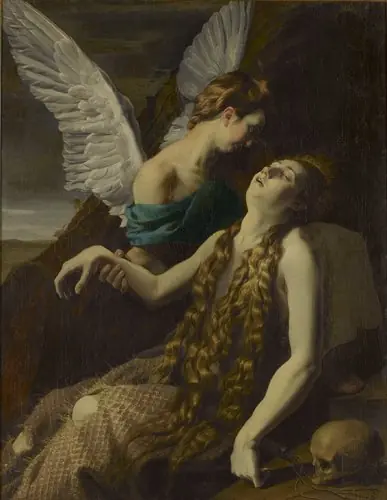 The Ecstasy of Saint Mary Magdalene