Artwork
Christus an der Geisselsäule
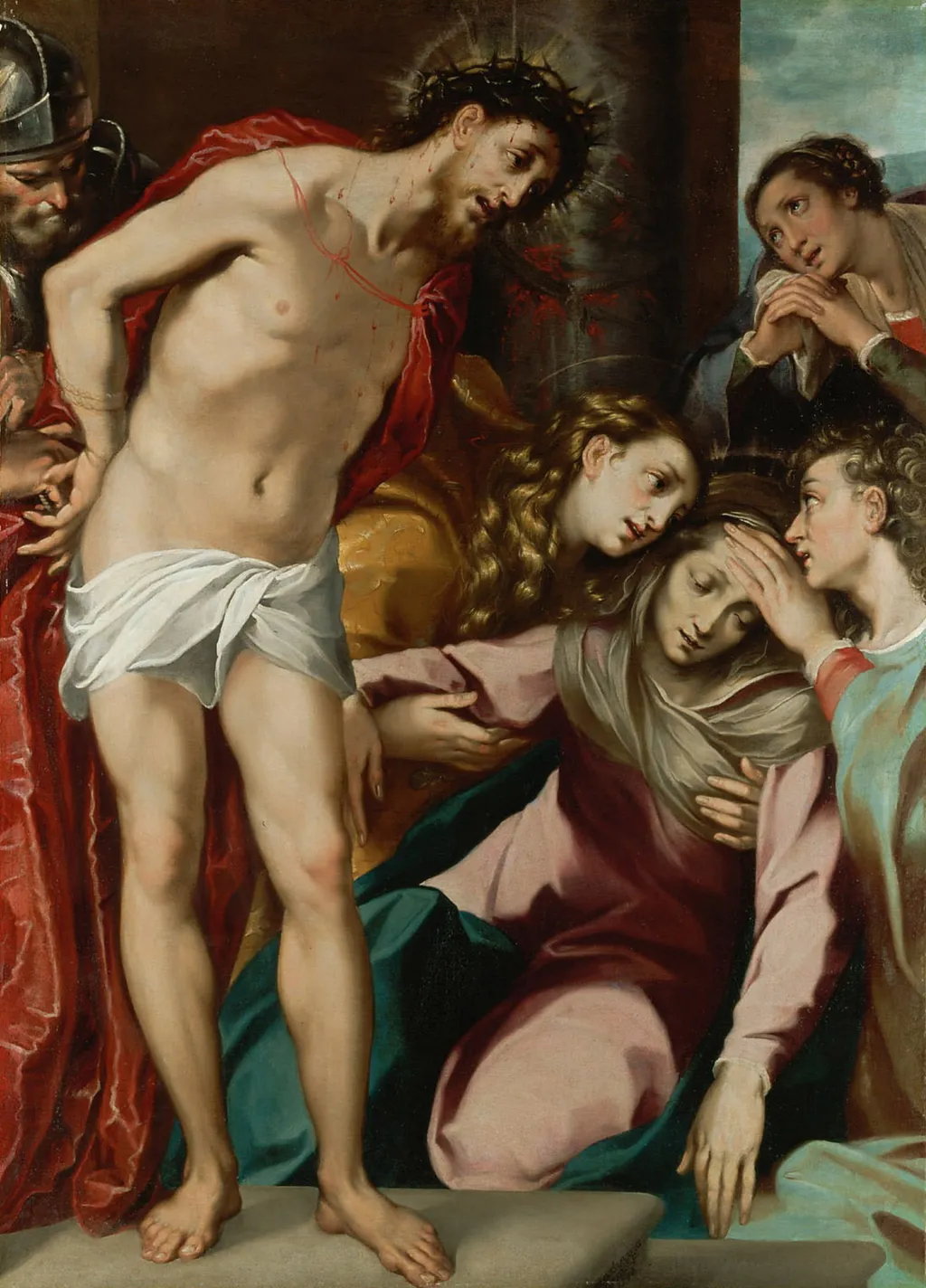
Christus an der Geisselsäule is an oil painting by the Early Baroque Italian artist Francesco Vanni. It dates from 1598 and is held in the collection of the Kunsthistorisches Museum.
About this work
Overview
Christus an der Geisselsäule, an oil painting from 1598, is a work by Italian artist Francesco Vanni, associated with the early Baroque movement in Italy. It is part of the Kunsthistorisches Museum's collection.
Subject & Meaning
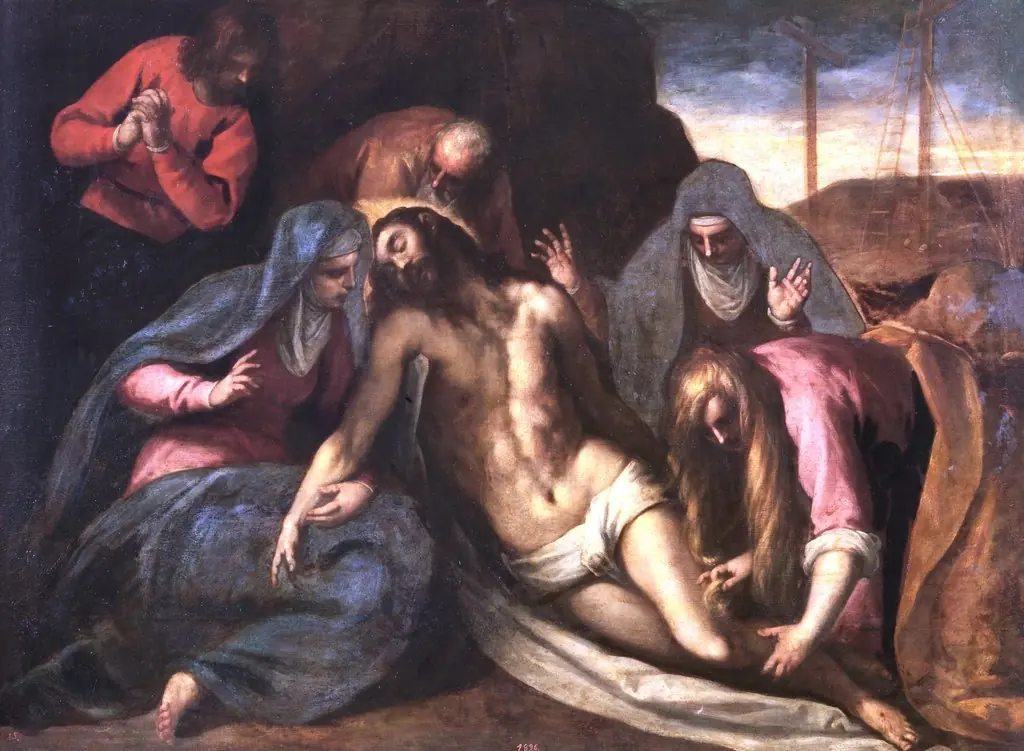
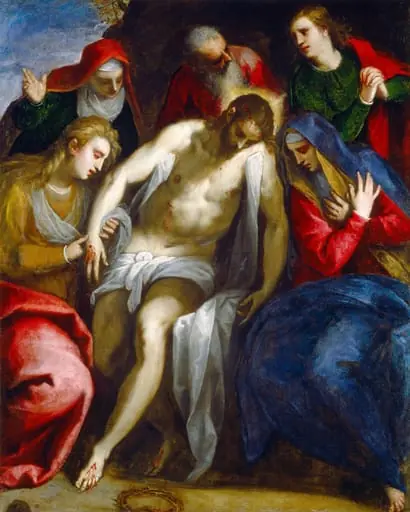
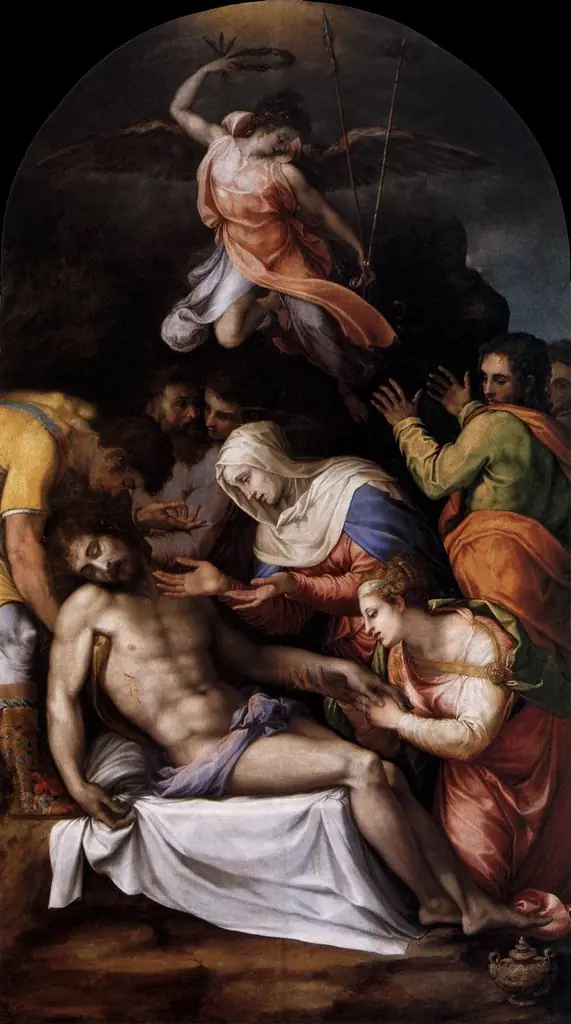
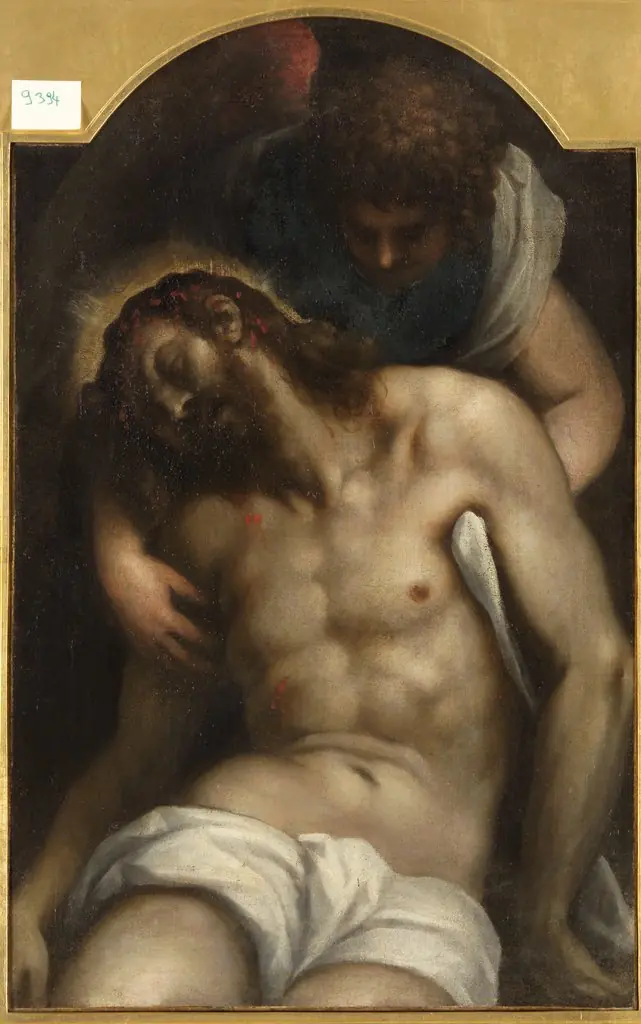
The painting depicts a poignant scene of Christ bound and crowned with thorns, surrounded by figures responding to his suffering: three women (likely the Virgin and two other mournful figures) and two observers—a soldier and a distant, blue-clad individual. The composition conveys emotional intensity and religious devotion.
Technique & Style
Vanni employed smooth, soft shadows to define the forms of Christ and the women's robes, contrasting with the vivid, attention-drawing details of Christ's wounds and a red cloth. The dramatic lighting suggests the use of chiaroscuro, a hallmark of Baroque style.
History & Provenance
Created in 1598 by Francesco Vanni, who was active in Rome and Siena, the painting is now held in the collection of the Kunsthistorisches Museum.
Context
As an early Baroque work, Christus an der Geisselsäule reflects the period's emphasis on emotional depth and dramatic representation in religious art, characteristic of the transition from Renaissance to Baroque in late 16th-century Italy.
Legacy
While specific influence or notable exhibitions of *Christus an der Geisselsäule* are not highlighted in available information, it contributes to the broader understanding of early Baroque religious painting and Francesco Vanni's contribution to this style.
Own this work as a print
Artist & collection
Artist
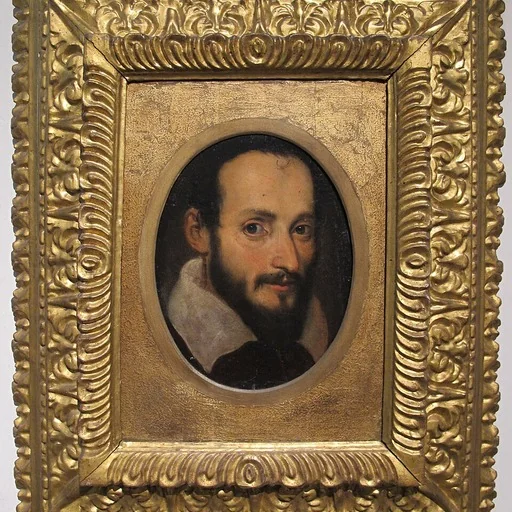
Francesco Vanni (1563 – 26 October 1610) was an Italian painter, draughtsman, printmaker, publisher and printer active in Rome and his native city of Siena.