Artwork
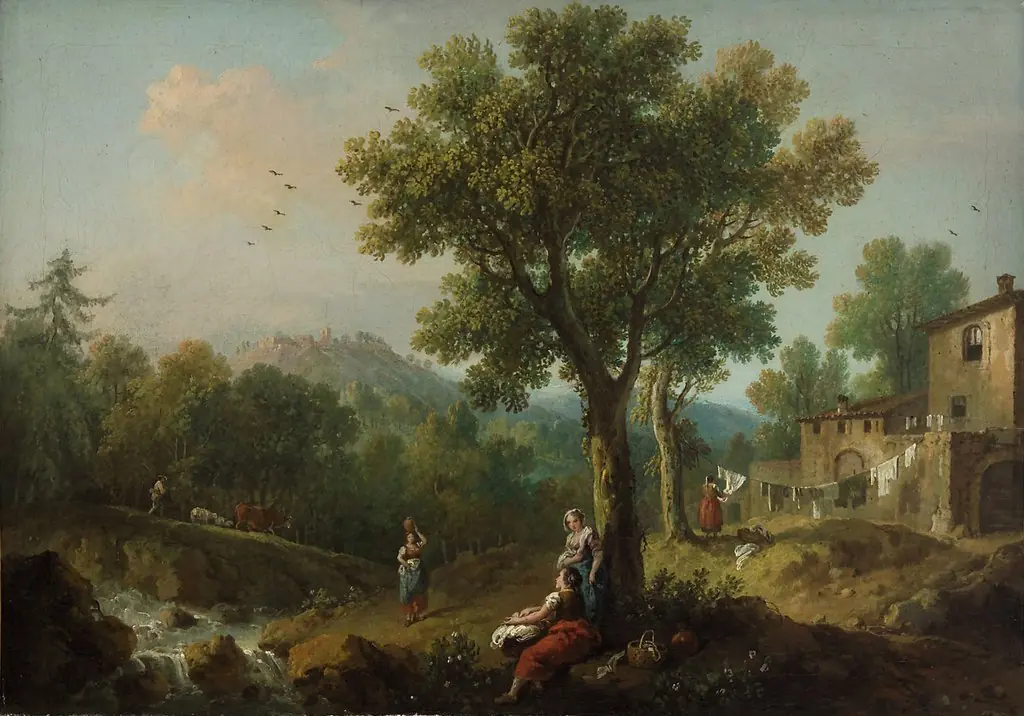
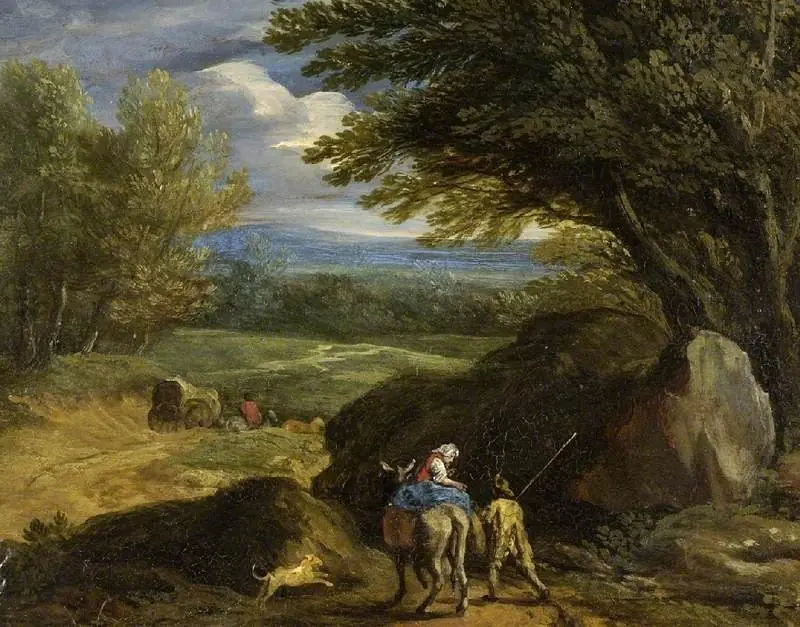
Italianate wooded river landscape with a piping shepherd, two women and a child
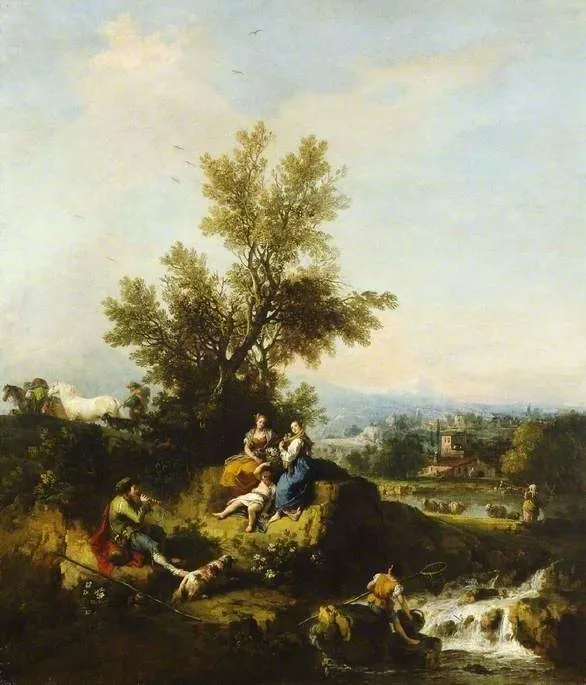
Italianate wooded river landscape with a piping shepherd, two women and a child is an oil painting by the Rococo painting artist Francesco Zuccarelli. It dates from 1752 and is held in the collection of the Fitzwilliam Museum.
About this work
Overview
Painted around 1752, this oil-on-canvas work by Francesco Zuccarelli presents a tranquil riverside scene rooted in the Italianate tradition.
Painted around 1752, this oil-on-canvas work by Francesco Zuccarelli presents a tranquil riverside scene rooted in the Italianate tradition. Though executed in Venice, the landscape evokes an idealized countryside rather than a specific location. Zuccarelli, known for his harmonious compositions and refined palette, crafted this piece during a period when his Arcadian visions found wide appeal among European collectors, especially in England.
Subject & Meaning
The scene centers on a shepherd playing a pipe, accompanied by two women and a child seated on a rocky ledge. Their relaxed postures and unstructured arrangement suggest a moment of quiet leisure, evoking classical ideals of rural harmony. The figures are not engaged in labor but in contemplation, reinforcing the pastoral fantasy common in 18th-century landscape painting — a retreat from urban life into an imagined, timeless countryside.
Technique & Style
Zuccarelli employed soft, layered brushwork to render the foliage and atmospheric distance, using subtle gradations of green, brown, and gold to suggest seasonal change and dappled light. The shepherd’s vivid garments contrast with the muted tones of the landscape, drawing the eye without disrupting the overall serenity. Distant hills and a village are rendered with delicate precision, enhancing the sense of depth while maintaining a dreamlike clarity characteristic of his style.
History & Provenance
Zuccarelli, born in Pitigliano in 1702, spent much of his career in Venice and made extended stays in England, where his work was collected by aristocrats and royal patrons. This painting likely originated in his Venetian studio, possibly commissioned by a foreign buyer drawn to his idealized Italian scenes. While its exact early ownership is undocumented, its style aligns with works produced during his peak popularity in the 1740s and 1750s.
Context
In mid-18th-century Europe, there was a growing fascination with pastoral themes as expressions of emotional refinement and escape from industrializing urban centers. Zuccarelli’s landscapes responded to this taste, blending Venetian colorism with Northern European compositional traditions. His collaborations with figure painters and his patronage by British elites reflect the transnational nature of artistic exchange during the Rococo era.
Legacy
Zuccarelli’s influence extended beyond his lifetime, shaping the development of landscape painting in Britain and contributing to the popularization of the Arcadian mode. Though later critics dismissed his work as overly sentimental, his technical finesse and ability to evoke mood through light and atmosphere remain evident in this painting. His oeuvre helped bridge Italian and Northern European traditions in landscape art during the transition from Baroque to Neoclassical sensibilities.
Artist & collection
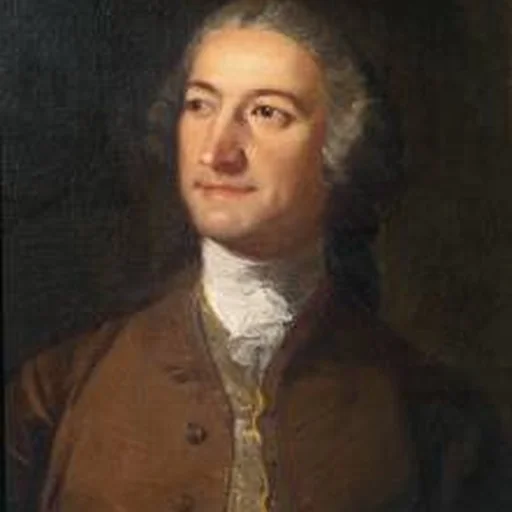
Artist
Giacomo Francesco Zuccarelli (commonly known as Francesco Zuccarelli, Italian pronunciation: ; 15 August 1702 – 30 December 1788) was an Italian artist of the late Baroque or Rococo period.

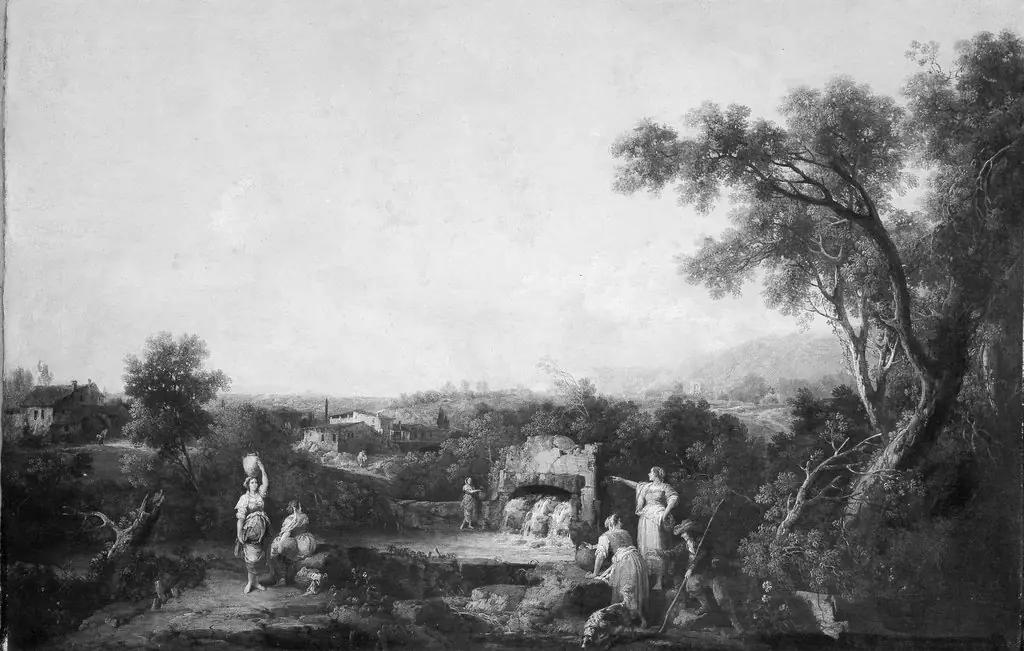
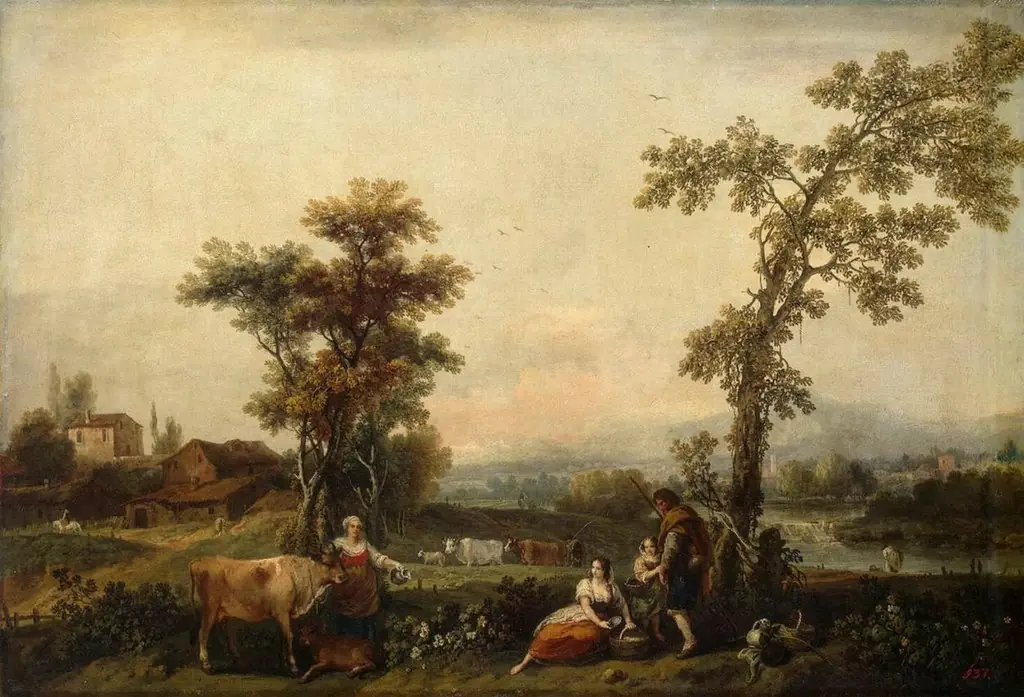
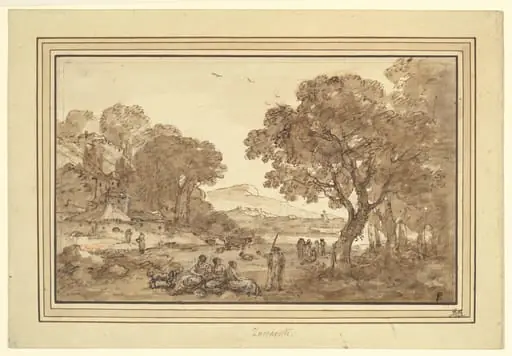
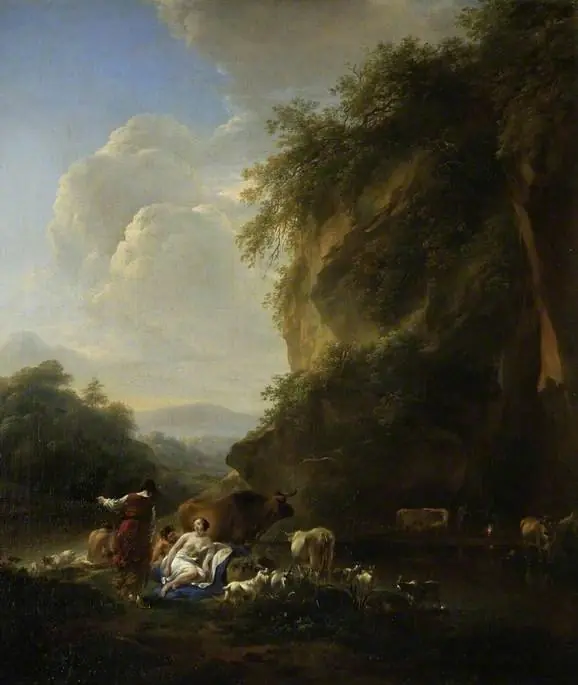 Landscape with Nymphs and Satyrs
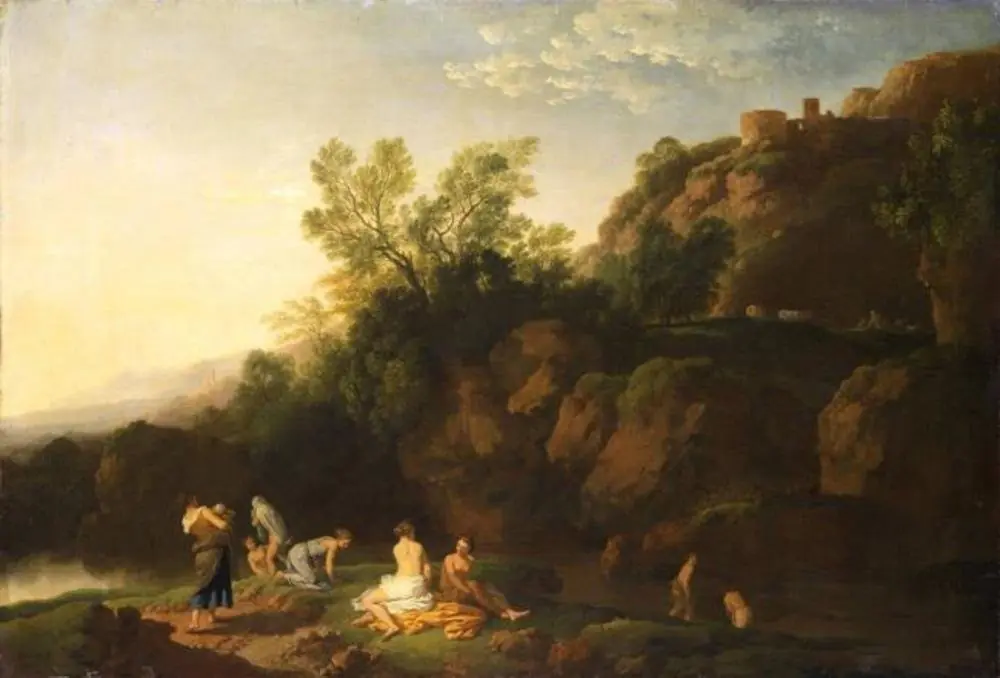 Southern landscape with bathing women
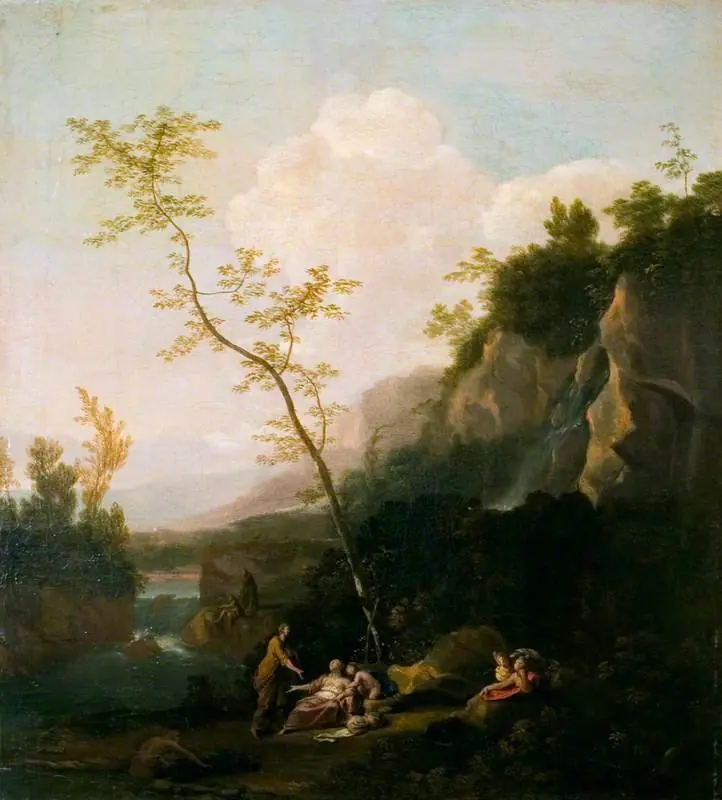 Rocky Landscape with Figures
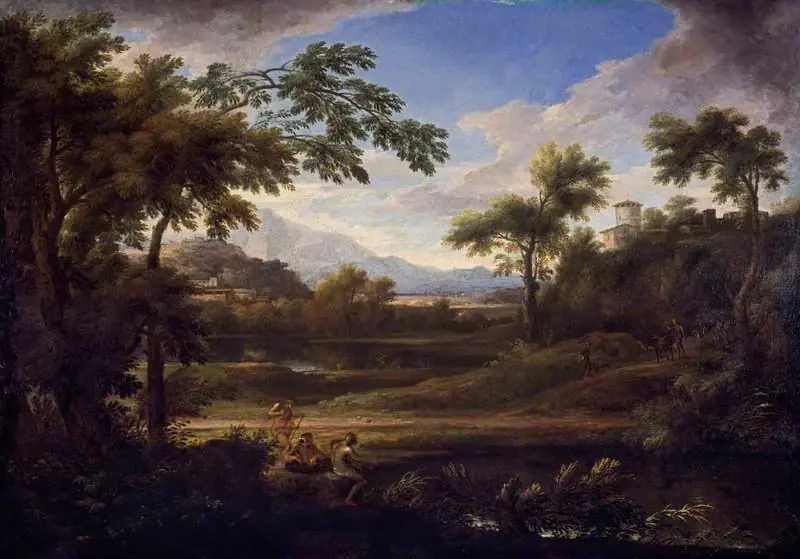 Classical Landscape
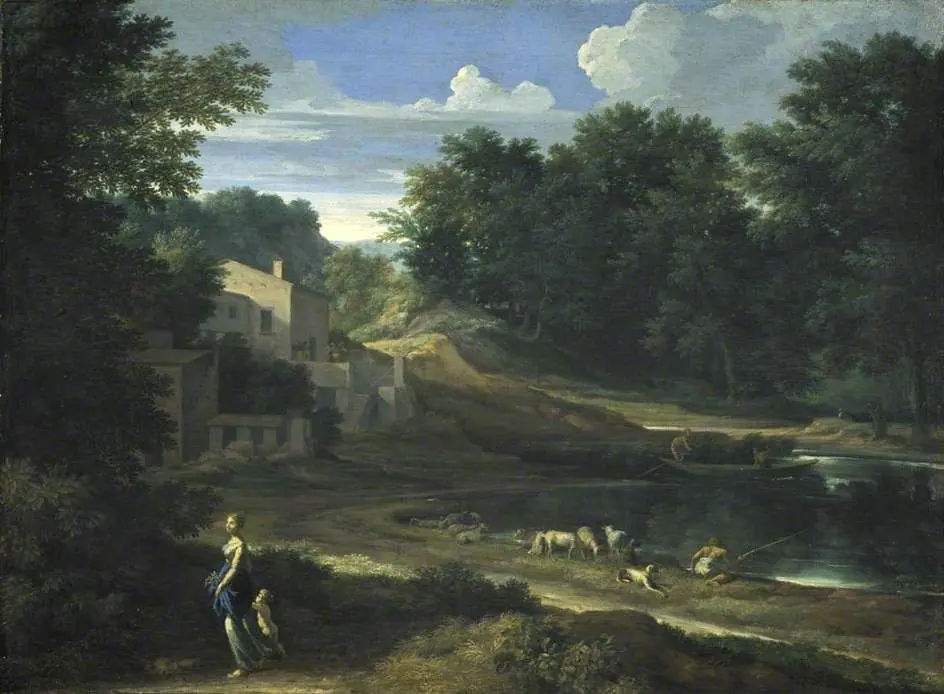 Classical Landscape with a Lake
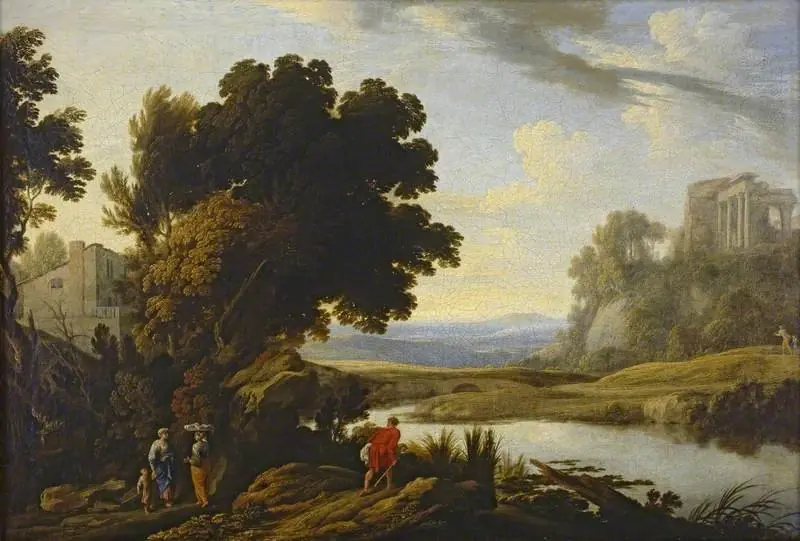 Landscape in the Roman Campagna
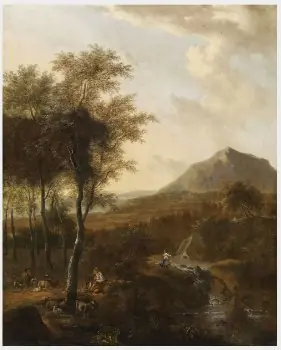 An Italianate Landscape
 Classical Landscape with Trees and a Lake
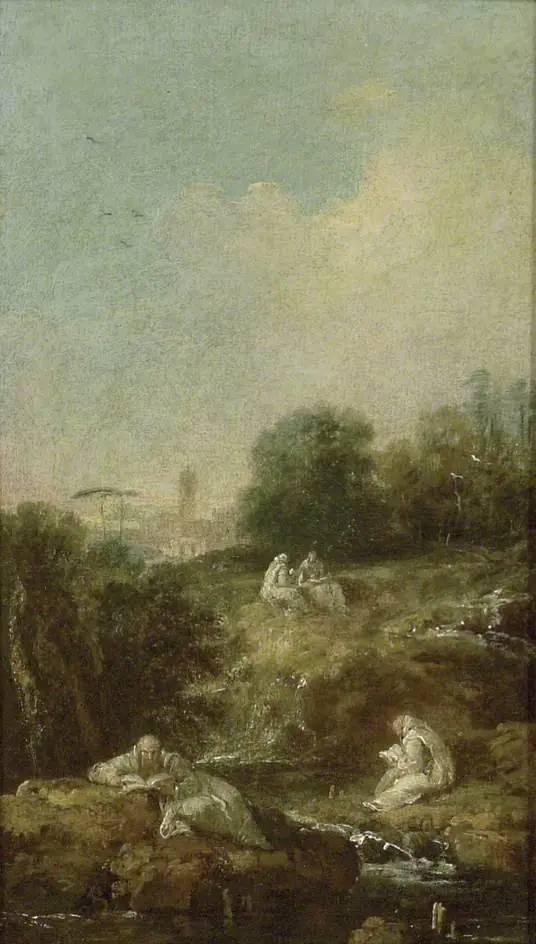 Landscape with Monks Reading
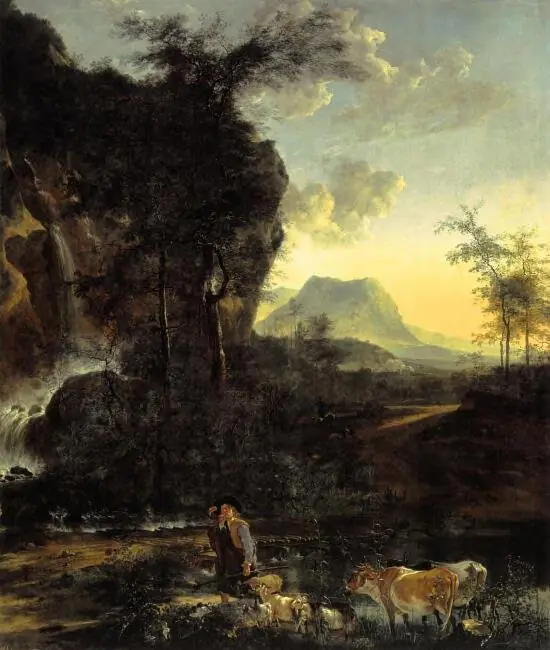 Landscape with waterfall and shepherd
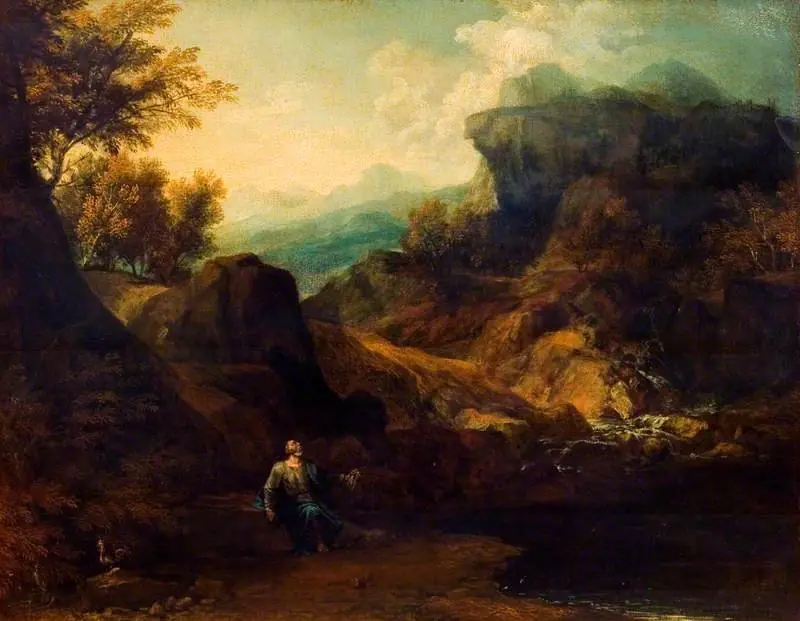 Landscape with Saint Peter in the Wilderness
 Landscape with figures