Artwork
Disappointed Love
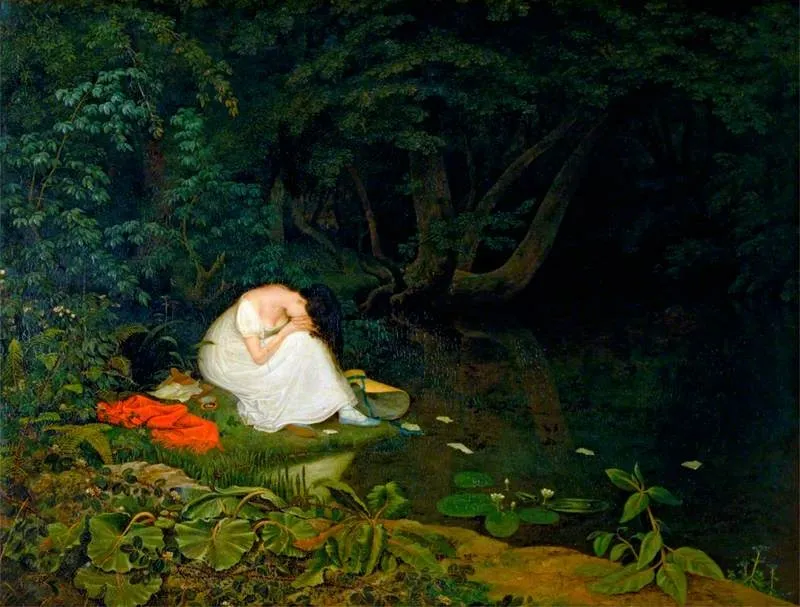
Disappointed Love is an oil painting by Francis Danby. It dates from 1821 and is held in the collection of the Victoria and Albert Museum.
About this work
The picture is part of the collection at the Victoria and Albert Museum in London.
Disappointed Love is an oil painting made by Francis Danby in 1821. The work is a genre scene, showing everyday life rather than myth or history.
It was created with oil paint, a common medium for the period. The picture is part of the collection at the Victoria and Albert Museum in London. It reflects the early‑19th‑century interest in domestic narratives. The painting measures a modest size, typical for salon displays.
You might also check out the Victoria and Albert Museum for more of Danby’s work.
Overview
Francis Danby's 1821 oil painting Disappointed Love is a small-scale genre scene depicting a quiet moment of emotional tension between two figures. Created during a period when British art increasingly turned to intimate, everyday narratives, the work avoids mythological or historical themes in favor of psychological realism. It resides in the Victoria and Albert Museum’s collection, where it reflects the era’s growing interest in domestic emotion rendered through careful observation.
Subject & Meaning
The painting portrays a young woman seated alone, her posture suggesting sorrow or resignation, while a man stands nearby, his back turned. Their unspoken interaction implies a failed romantic encounter, rendered without melodrama. Danby avoids explicit narrative cues, instead relying on gesture and atmosphere to convey disappointment. The scene’s ambiguity invites viewers to interpret the emotional weight of a private moment, characteristic of early Romantic sensibilities in genre painting.
Technique & Style
Danby employed oil paint with a restrained palette and soft modeling to create a subdued, intimate mood. The brushwork is precise yet unobtrusive, emphasizing texture in fabric and light falling across skin and wood. Compositionally, the figures are placed within a modest interior, framed by a window that allows natural light to soften the scene. The technique avoids theatricality, aligning with the painting’s quiet emotional tone and its focus on ordinary life.
History & Provenance
Painted in 1821, Disappointed Love entered the Victoria and Albert Museum’s collection through its predecessor, the South Kensington Museum, likely acquired in the late 19th century. It has remained in public ownership since, with no record of significant private ownership or exhibition outside institutional settings. Its preservation reflects institutional recognition of genre painting’s value in documenting 19th-century social and emotional life.
Context
In early 19th-century Britain, artists increasingly turned from grand historical subjects to scenes of domestic life, influenced by literary realism and changing social values. Danby’s work aligns with contemporaries like William Mulready and George Morland, who explored emotional nuance in ordinary settings. Disappointed Love reflects this shift, capturing the private sorrow of individuals rather than public heroism, mirroring broader cultural interest in interiority and personal experience.
Legacy
Though not widely reproduced or celebrated in mainstream art history, Disappointed Love remains a representative example of early Romantic genre painting in Britain. It contributes to scholarly understanding of how emotional realism emerged in visual art outside the academic tradition. The painting continues to be studied for its subtle psychological depth and its role in the evolution of domestic narrative in 19th-century British art.
Artist & collection
Artist
Francis Danby (16 November 1793 – 9 February 1861) was an Irish painter of the Romantic era.

 Maria and Her Dog 'Silvio'
 The Ring
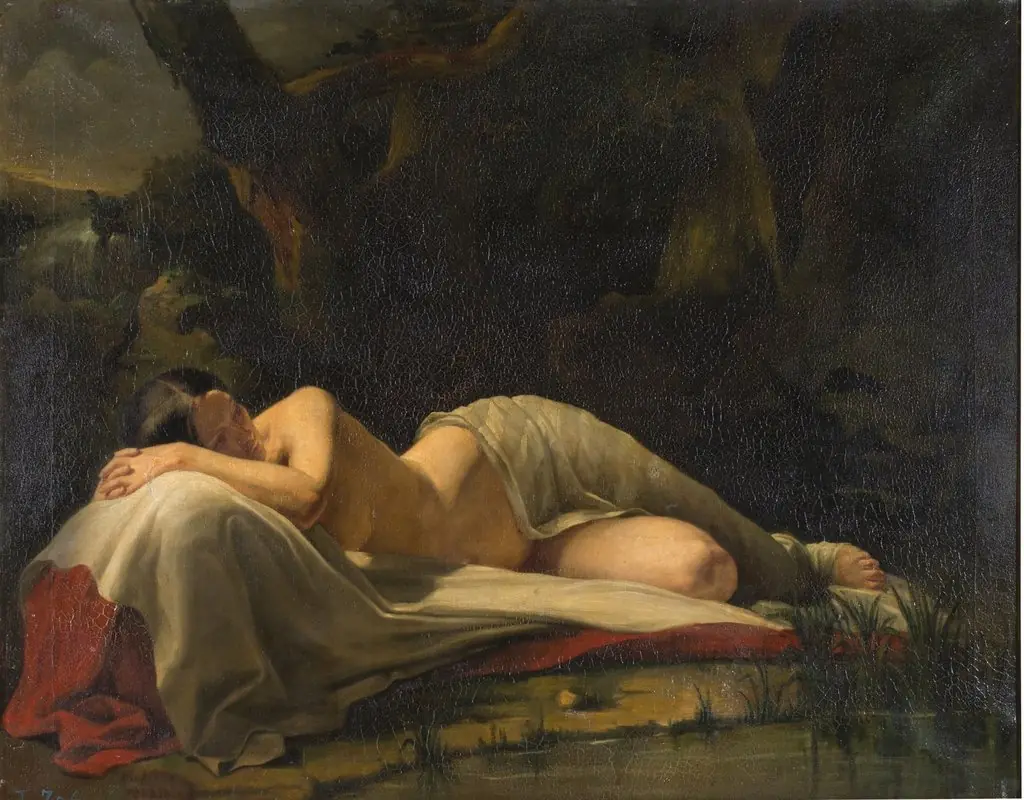 La siesta
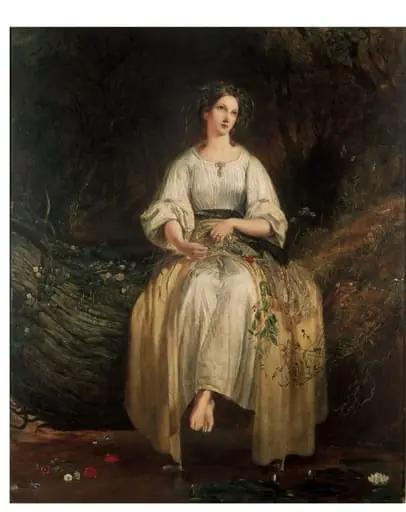 Ophelia Weaving Her Garlands
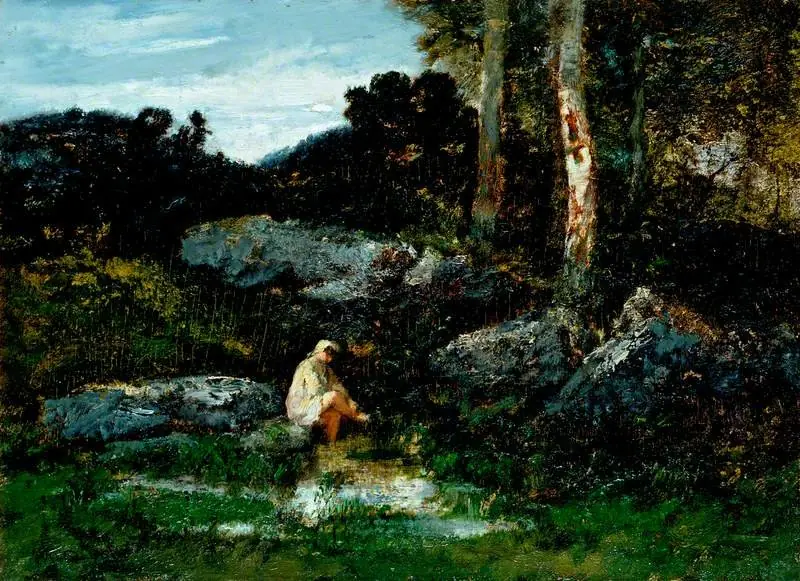 The Bather
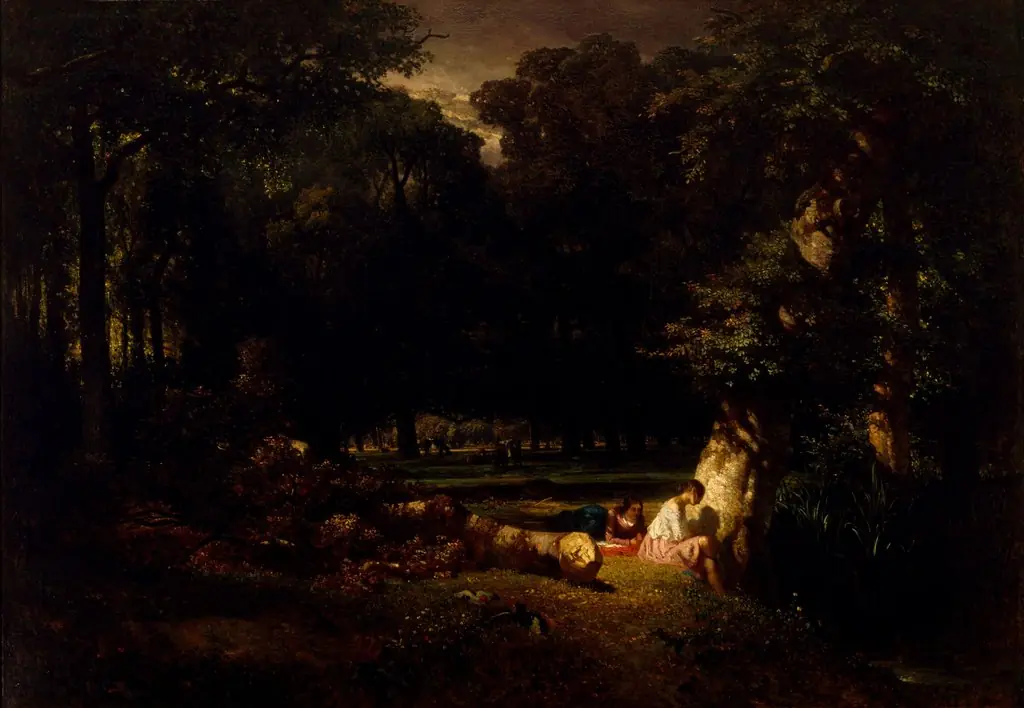 The Bathers (Clearing in the Forest)
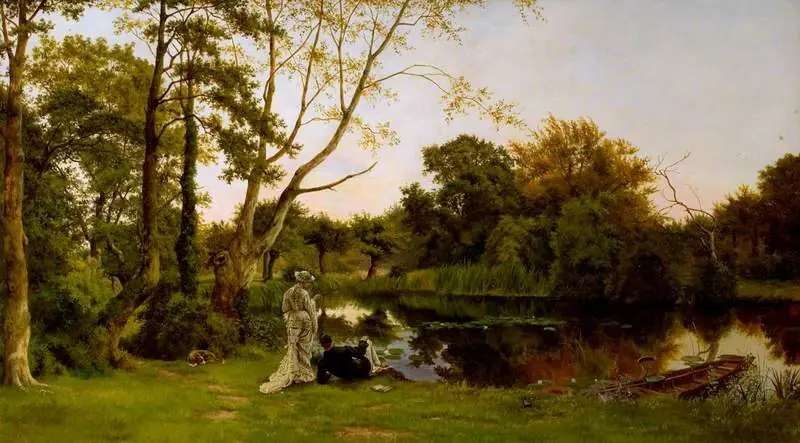 Still Waters: A Lady Fishing and Her Companion Reclining beside Her
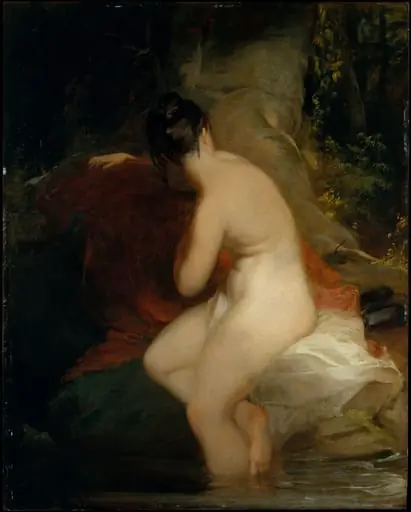 Musidora
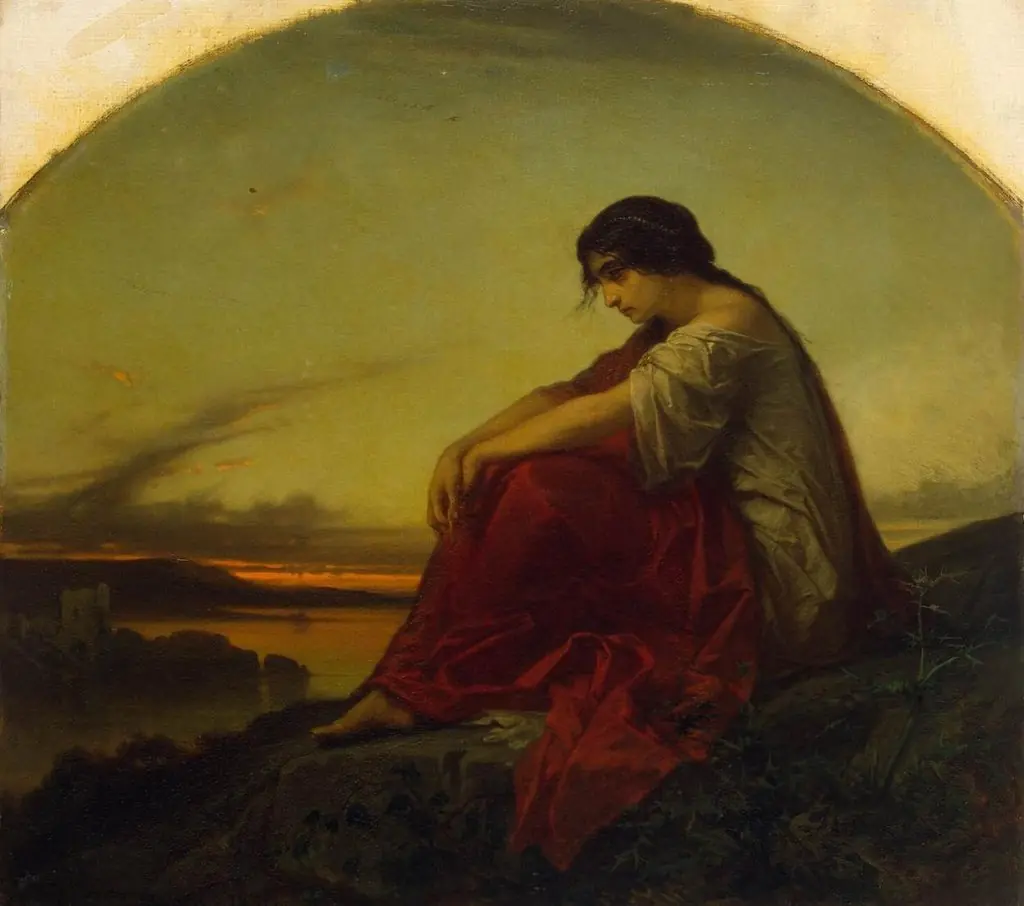 Disillusion
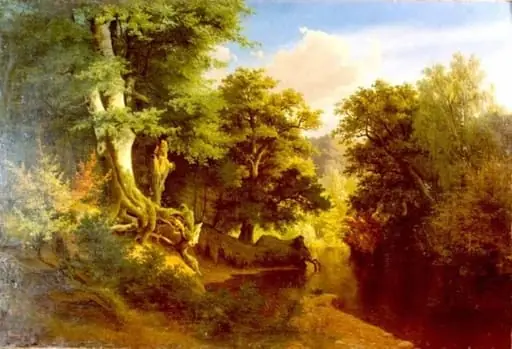 Peisaj de pădure cu râu
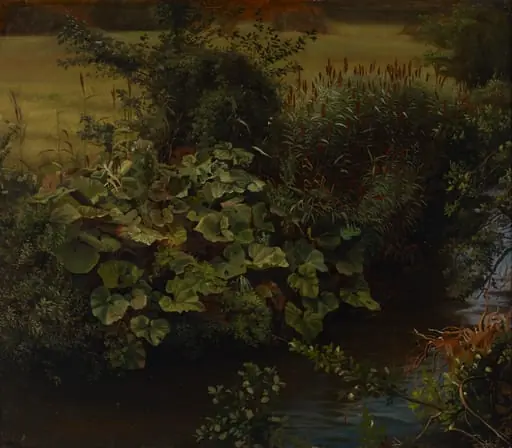 Puro, kopio Johann Wilhelm Schirmerin mukaan
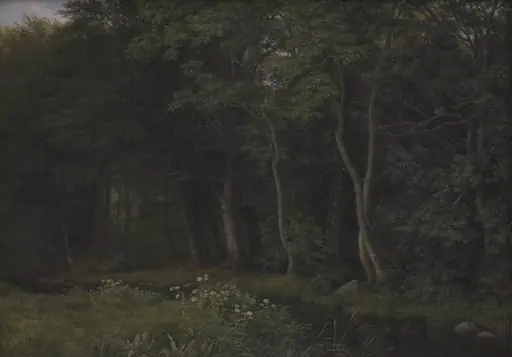 Twilight Setting in a Wood near Iselingen Manor, Zealand