Artwork
Arthur Walsh, 2nd Baron of Ormethwaite
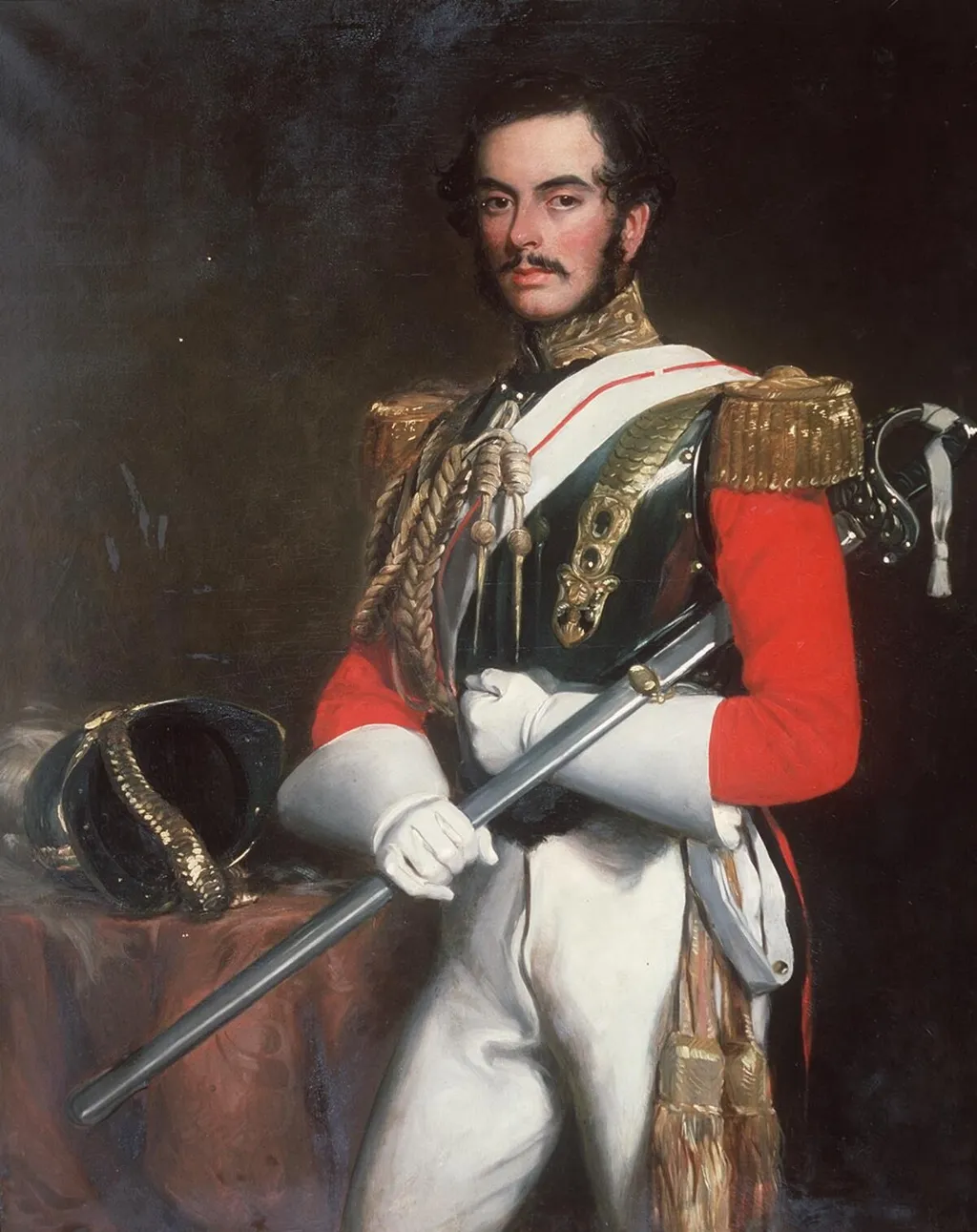
Arthur Walsh, 2nd Baron of Ormethwaite is an oil painting by the British Romanticist artist Francis Grant. It dates from 1847 and is held in the collection of the National Library of Wales.
About this work
Overview
As President of the Royal Academy, Grant was a leading portraitist of his era, known for his restrained yet precise rendering of character and status.
Painted in 1847 by Francis Grant, this oil portrait captures Arthur Walsh, 2nd Baron Ormathwaite, a British military officer of noble standing. Executed on canvas, the work exemplifies Grant’s skill in portraying elite figures with psychological nuance. As President of the Royal Academy, Grant was a leading portraitist of his era, known for his restrained yet precise rendering of character and status.
Subject & Meaning
Arthur Walsh is depicted in full ceremonial uniform, adorned with medals and gold embroidery, signaling his high military rank and service. The sword in his hand and the helmet beside him suggest readiness and authority, while his composed expression conveys dignity rather than aggression. The portrait functions as a visual assertion of his social and professional identity within the British aristocratic-military hierarchy.
Technique & Style
Grant employs chiaroscuro to isolate the figure against a deep, neutral background, enhancing the three-dimensionality of the uniform and facial features. Brushwork is controlled and detailed, particularly in the rendering of metallic embellishments and fabric textures. The lighting emphasizes the contours of his face and the weight of his attire, creating a sense of quiet gravitas without theatricality.
History & Provenance
Commissioned during the height of Grant’s career, the portrait remained within the Ormathwaite family for generations before entering institutional collection. Its preservation reflects the enduring significance of military aristocracy in 19th-century Britain. No major alterations or restorations are documented, preserving the original tonal balance and surface integrity.
Context
Created during the Victorian era, the portrait aligns with a cultural emphasis on duty, rank, and public service among the British elite. Grant’s approach—focused on individual presence rather than symbolic allegory—mirrors a broader shift toward psychological realism in portraiture, distinguishing it from earlier, more formalized depictions of nobility.
Legacy
The portrait stands as a representative example of mid-19th-century British military portraiture, reflecting the intersection of aristocratic identity and state service. While not widely exhibited, it remains a key work in understanding Grant’s contribution to the genre and the visual language of authority in Victorian Britain.
Own this work as a print
Artist & collection
Artist
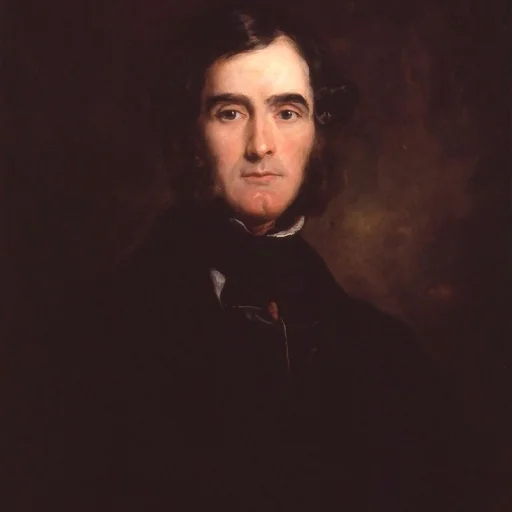
Sir Francis Grant (18 January 1803 – 5 October 1878) was a Scottish portrait painter who painted Queen Victoria and many British aristocratic and political figures. He served as President of the Royal Academy.

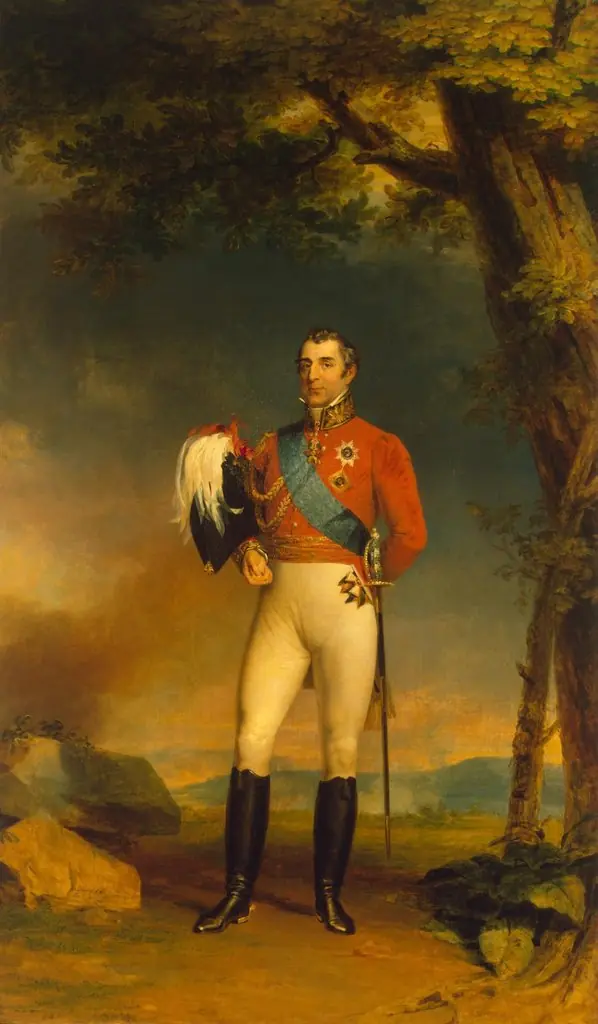 Portrait of Duke of Wellington (1769-1852)
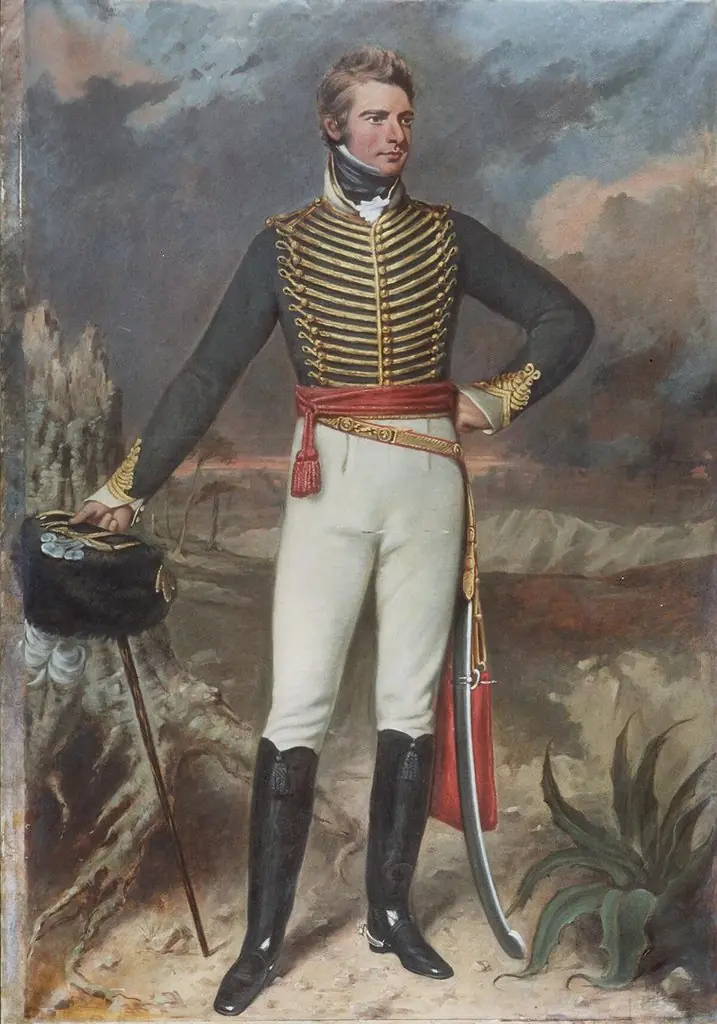 Henry Seymour
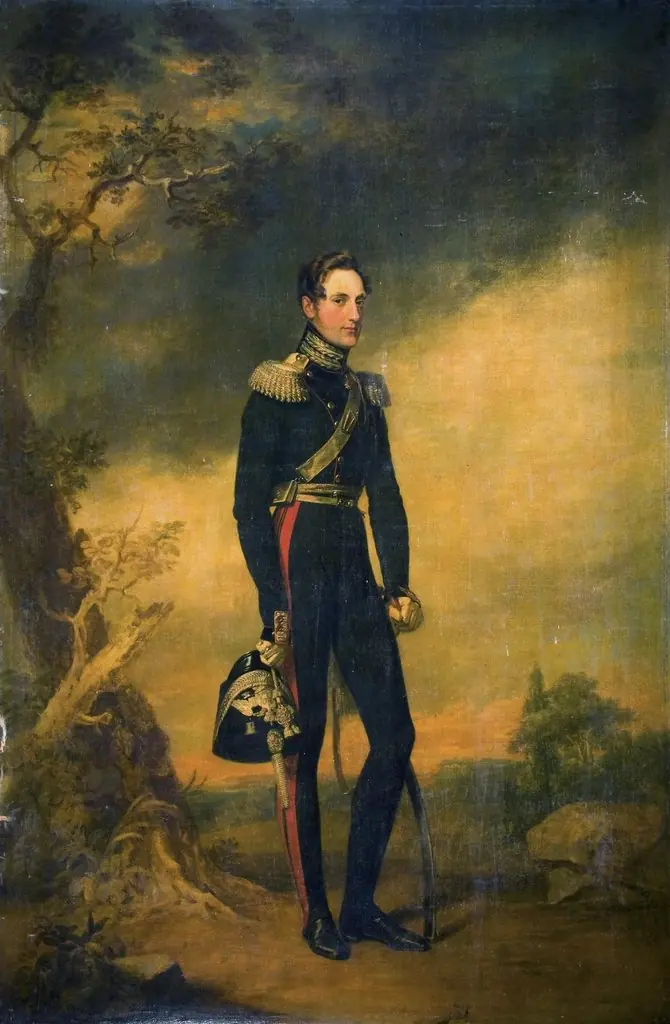 Portrait of Grand Duke Nikolai Pavlovich
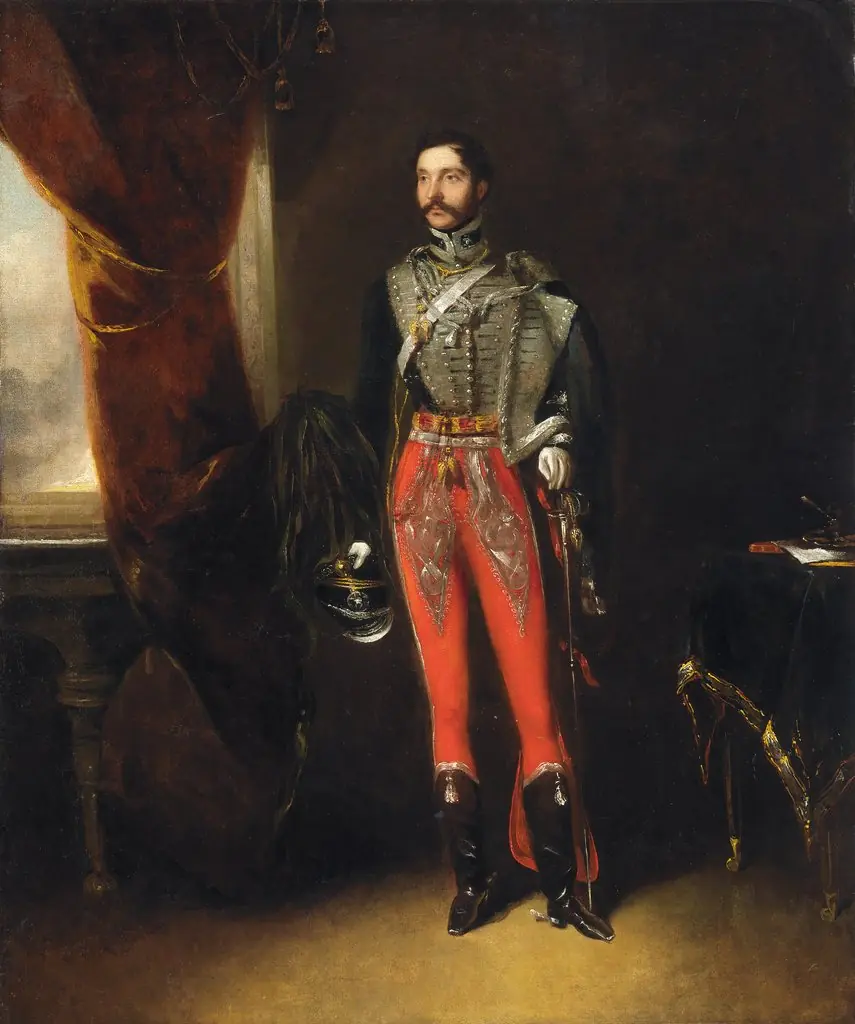 Portrait of Captain McNamara, MP
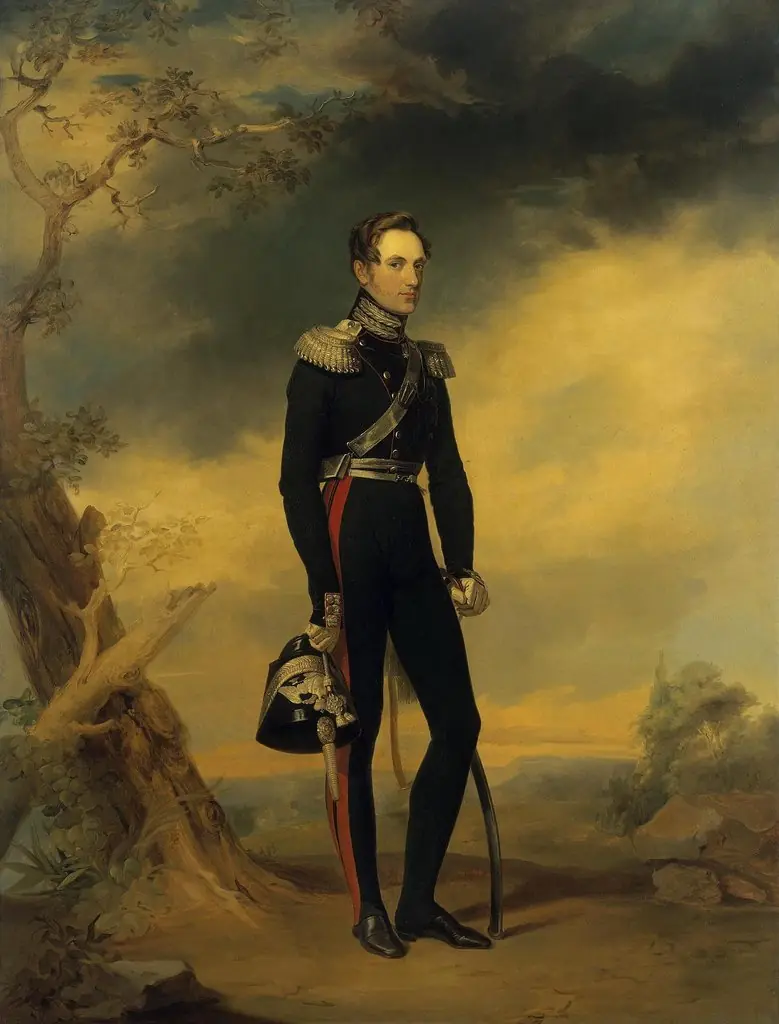 Portrait of Grand Duke Nikolai Pavlovich
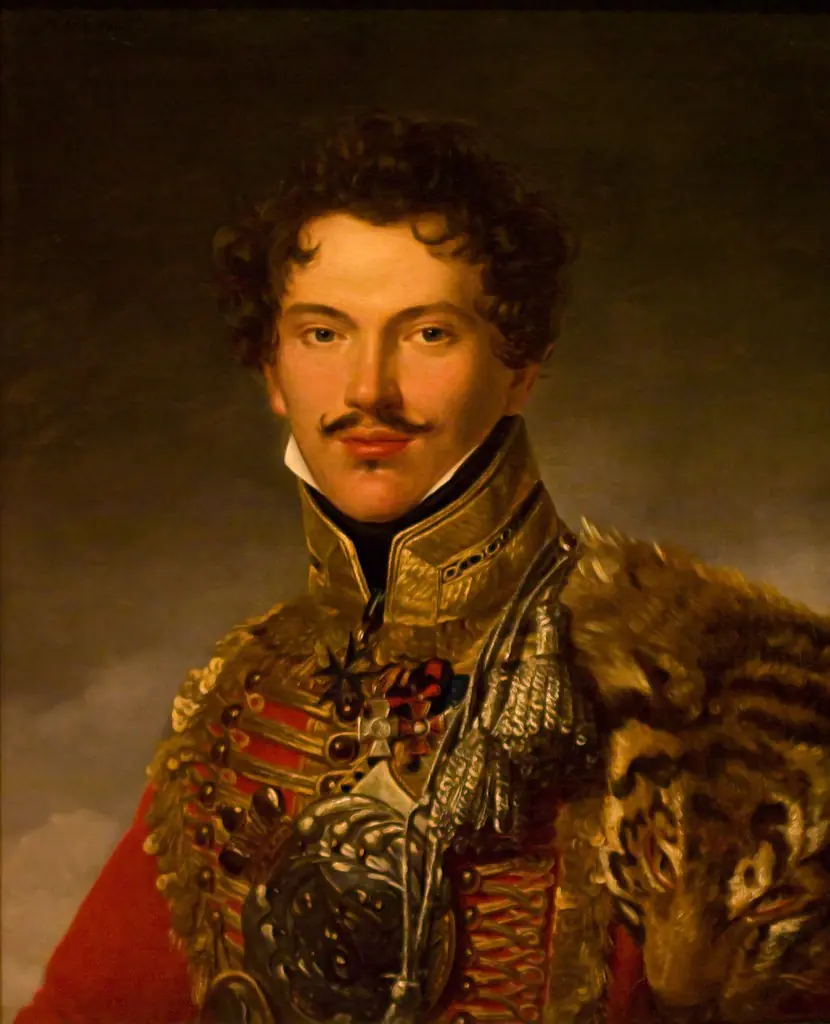 Portrait of P.P. Lachinov
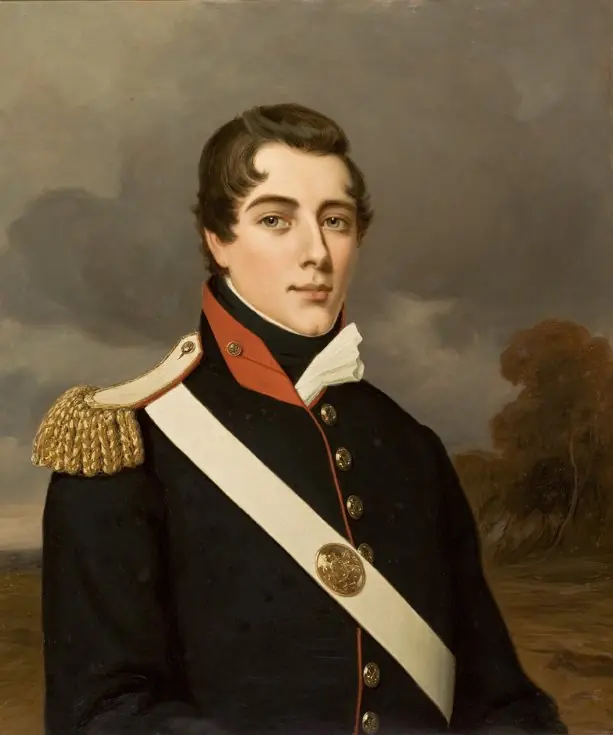 Portrait of Henry Chamberlain
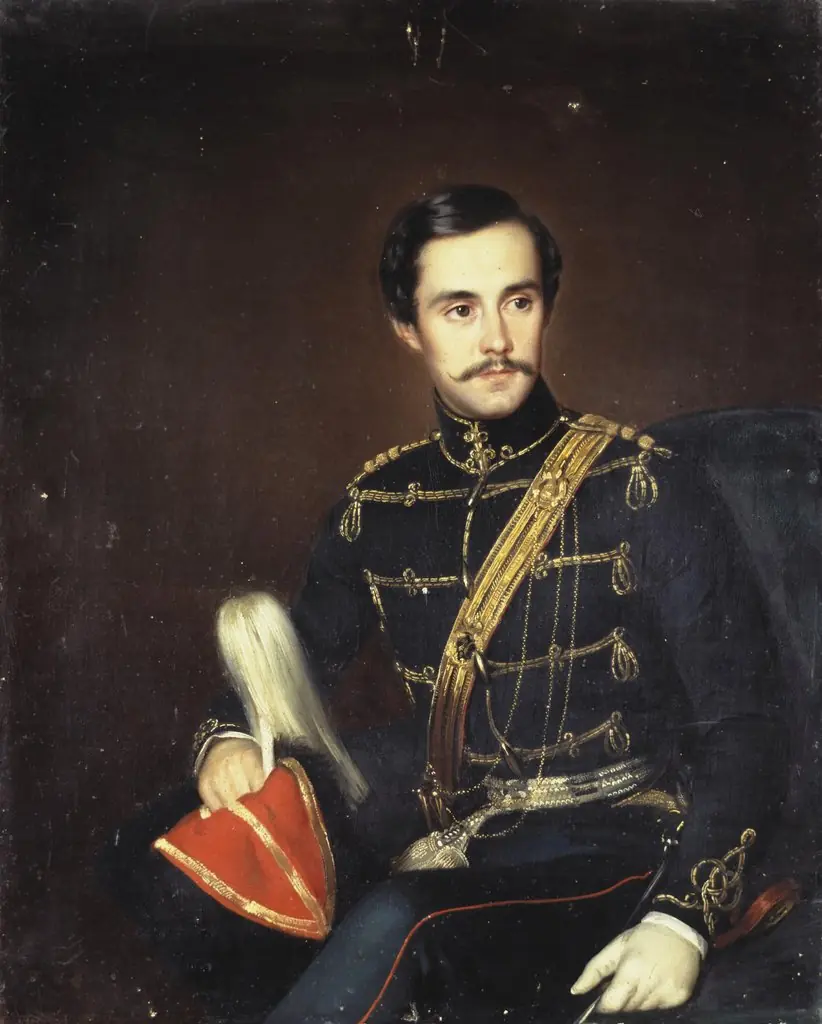 Portrait of Nikolai Monsey
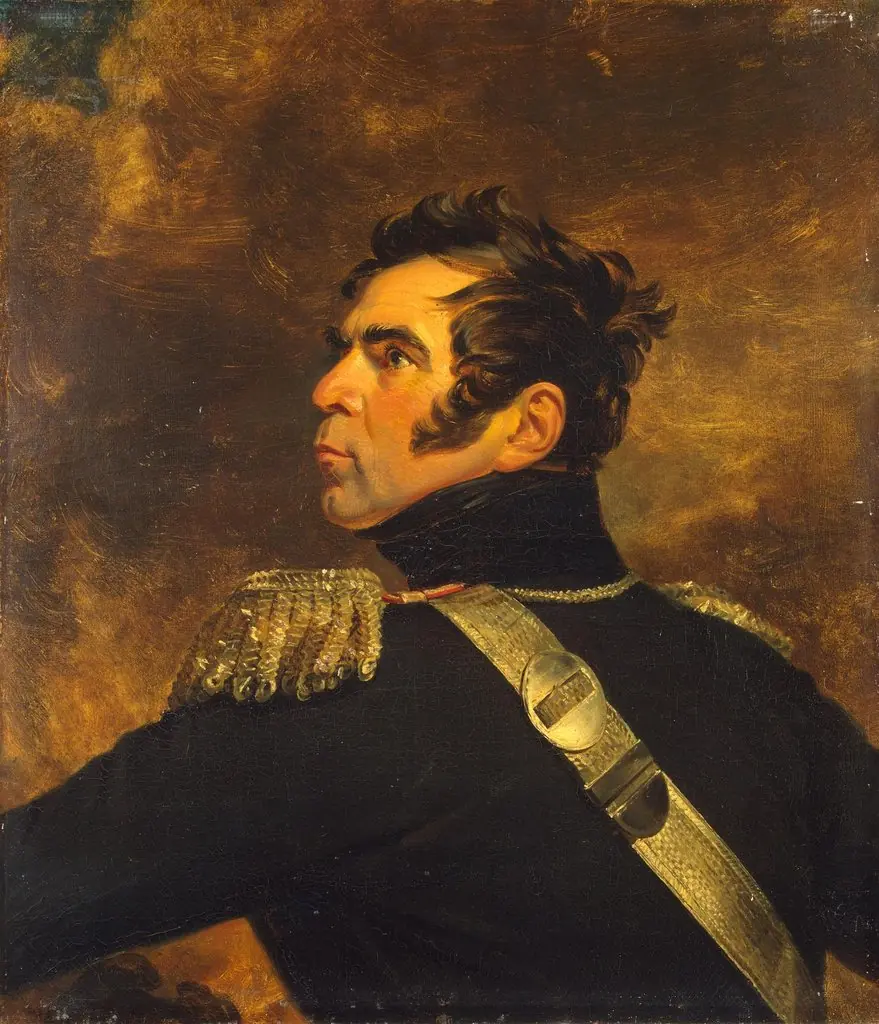 Portrait of Vasily V. Yeshin (1771-1825)
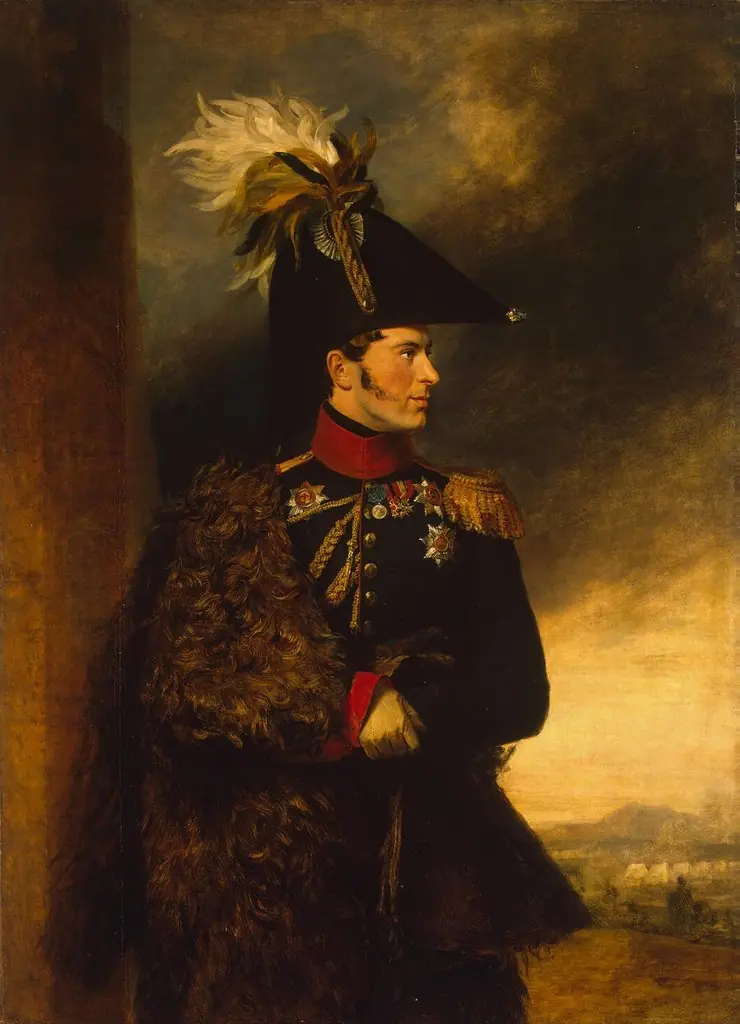 Portrait of Alexander S. Menshikov (1787-1869)
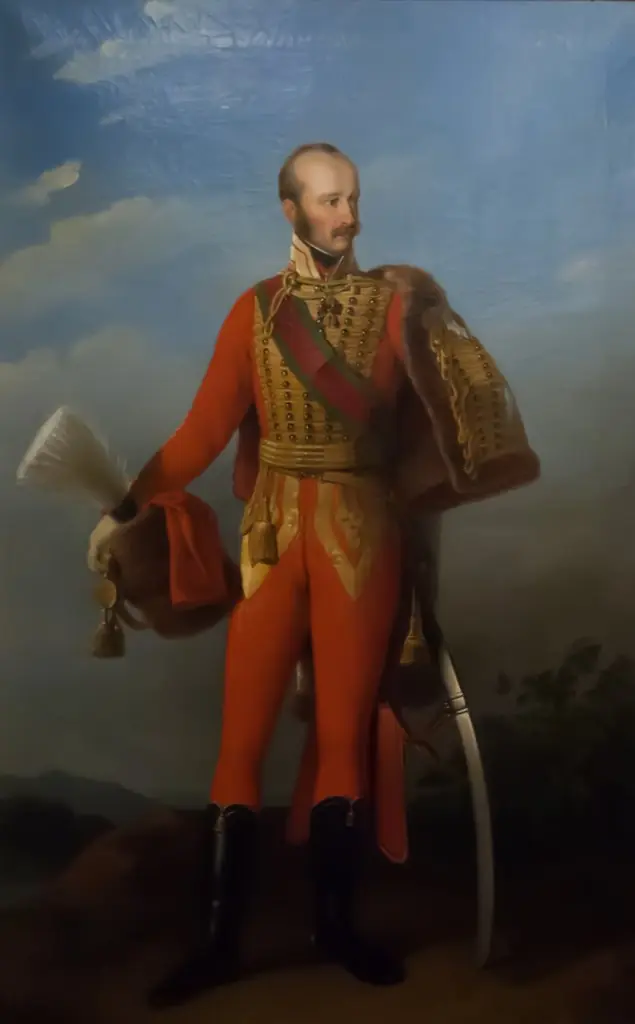 Porträt des Archduke Joseph, Palatine of Hungary (1776-1847)
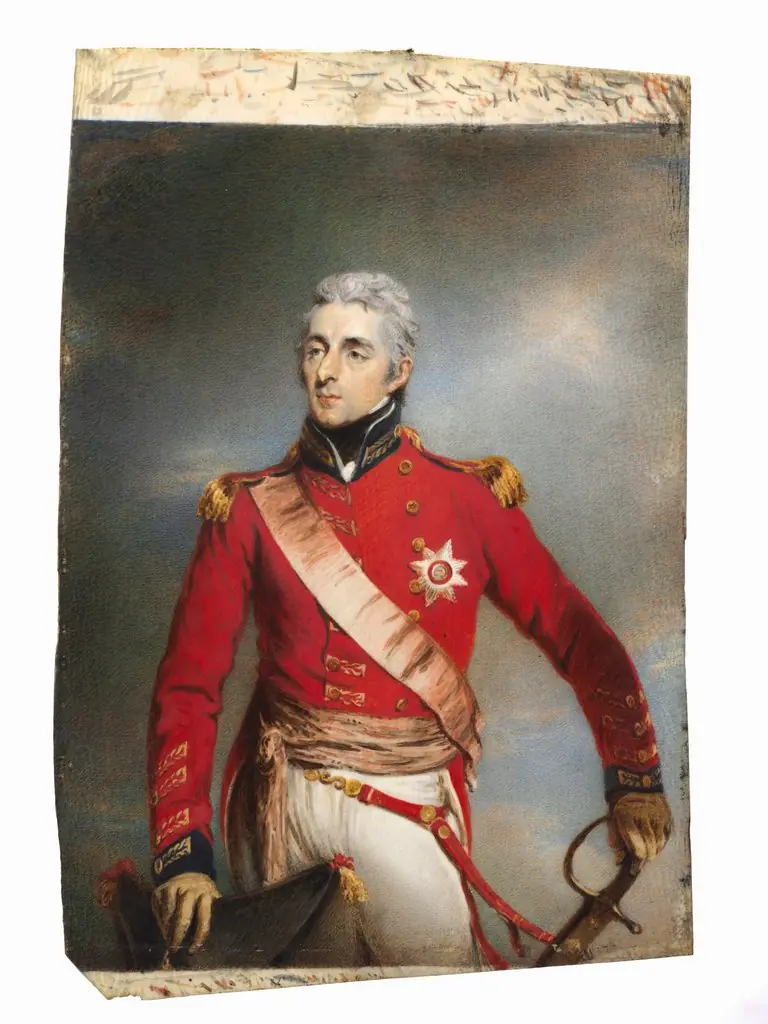 Portrait of Arthur Wellesley, later 1st Duke of Wellington