Artwork
Henry Seymour
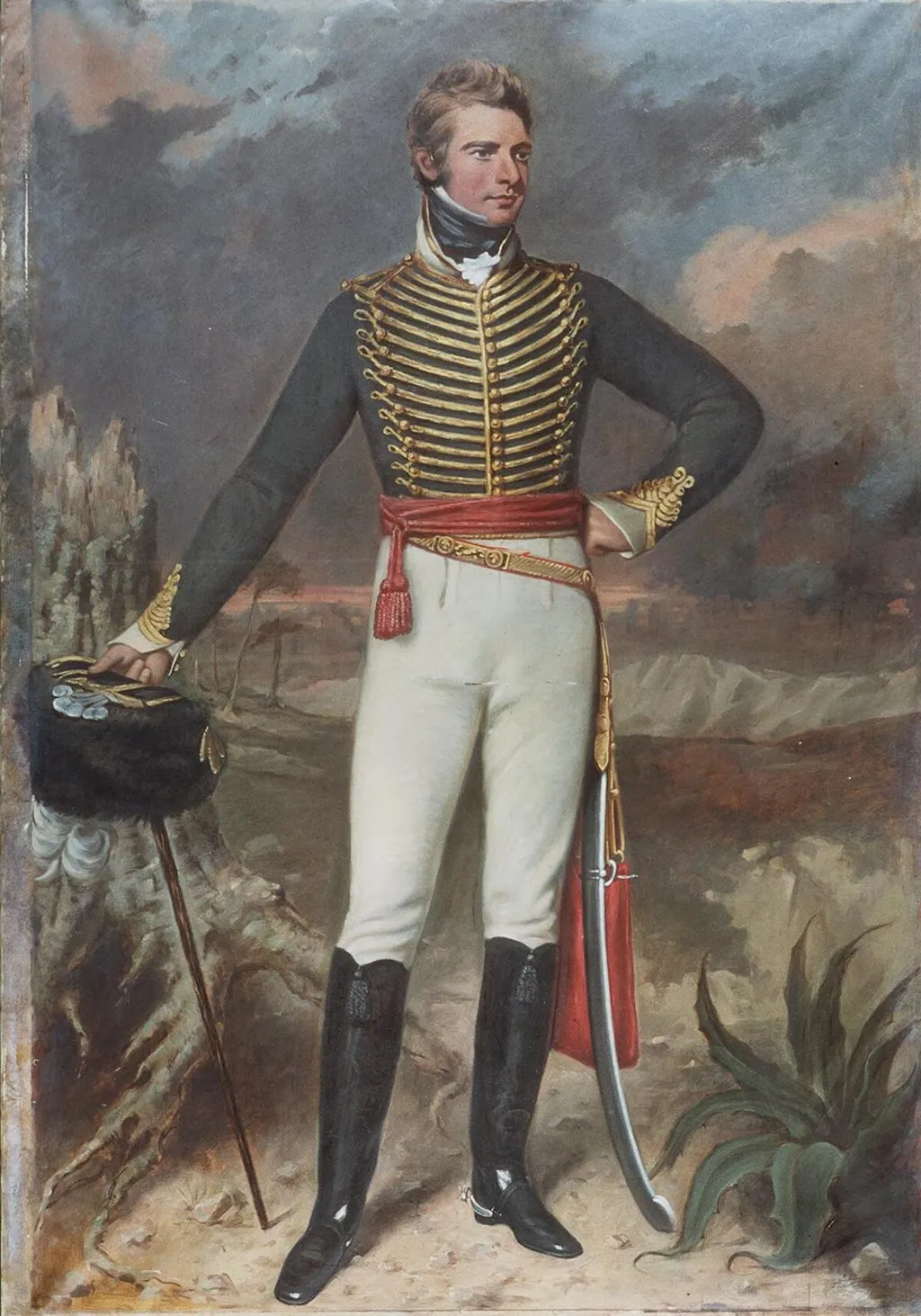
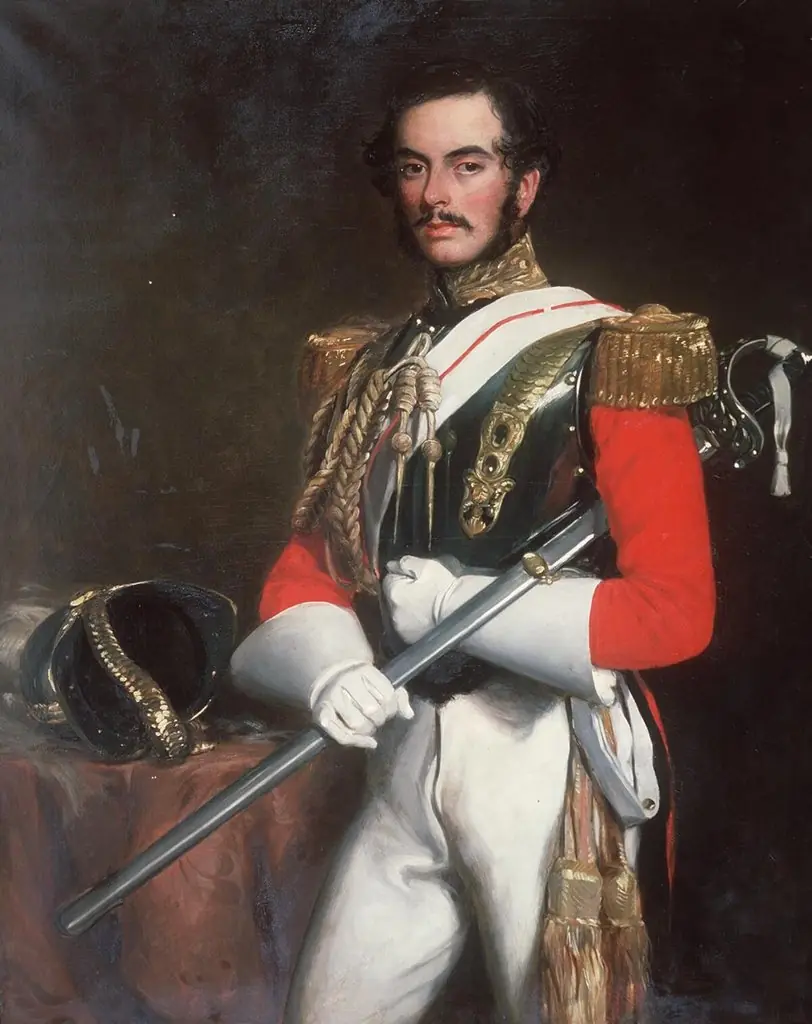
Henry Seymour is an oil painting by the British Romanticist artist Unknown. It dates from 1840 and is held in the collection of the National Library of Wales.
About this work
Overview
This oil painting portrays Henry Seymour in full military attire, rendered with formal precision. The composition centers on his upright posture and composed demeanor, emphasizing his role and status. The setting is minimal yet evocative—a hazy sky and rugged terrain frame the figure without distraction, reinforcing the portrait’s solemn tone.
Subject & Meaning
Henry Seymour is depicted as a military officer, his uniform and sword signaling rank and duty. The hand resting on the hilt and the confident stance suggest readiness and self-possession. The red sash, a common emblem of military distinction, reinforces his position within a structured hierarchy. The image conveys authority not through grandeur, but through quiet assurance.
Technique & Style
The painting employs traditional oil techniques with attention to texture: the metallic sheen of buttons, the soft fold of fabric, and the subtle gradation of the sky are carefully modeled. Brushwork is controlled, favoring clarity over flourish. The palette is restrained—dark tones balanced by gold and red accents—enhancing the figure’s presence against the muted landscape.
History & Provenance
The painting’s origins are tied to Henry Seymour, a British military figure of the late 18th or early 19th century. Its early ownership likely remained within family or military circles. No documented public exhibitions or major collections are recorded prior to its modern acquisition, suggesting a private lineage rather than institutional prominence.
Context
Portraits of military officers during this period often served to affirm social standing and service. This work aligns with contemporary conventions: formal dress, symbolic props, and neutral backgrounds. It reflects a broader trend of civilian elites commissioning portraits that blended personal identity with institutional affiliation, particularly after periods of active service.
Legacy
The painting remains a modest example of British military portraiture, valued for its straightforward representation rather than artistic innovation. It contributes to the visual record of officer class identity in the early 19th century, offering insight into how authority was visually codified outside of royal or aristocratic circles.
Artist & collection

 Domestic Scene
 Giacomo and Cardinal Marco, investing Andrea, Abbot of San Zeno, with his Benefice
 The Nymph of Fontainebleau
 Portrait of a Woman
 Madonna and Child with Saints in the Enclosed Garden
 Venus and Minerva
 Family Group of Four on Sofa
 Wall painting from Room H of the Villa of P. Fannius Synistor at Boscoreale
 Portrait of Grand Duke Nikolai Pavlovich
 Charles-Emmanuel Leclerc, general-in-chief of the army of Saint-Domingue (1772-1802)
 Laurent, Marquis of Gouvion Saint-Cyr
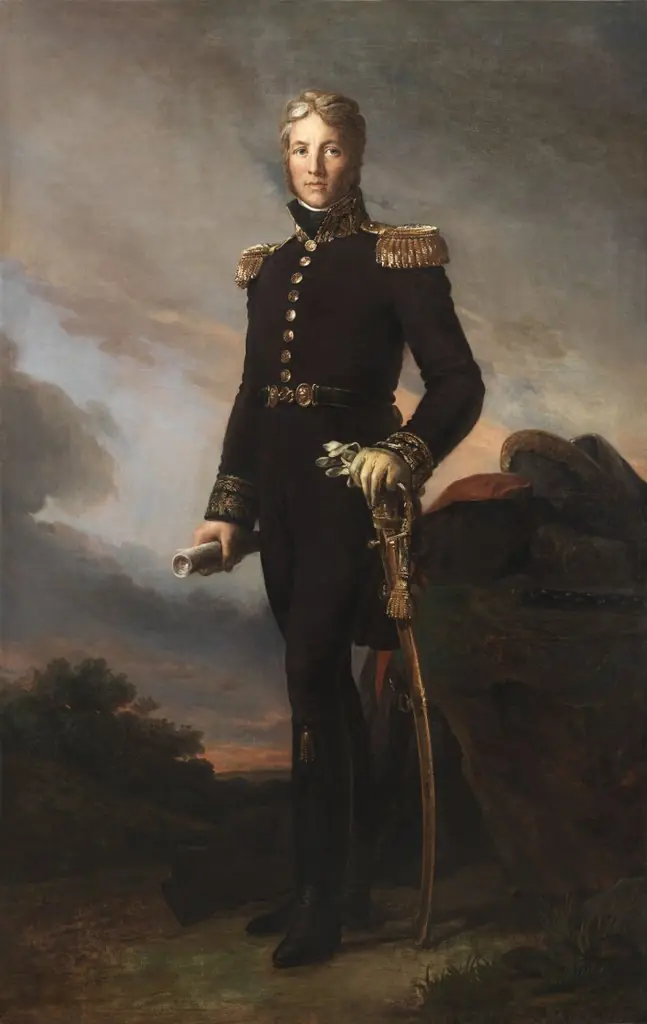 Jean-Victor Moreau (1763-1813), général en chef de l'armée du Rhin
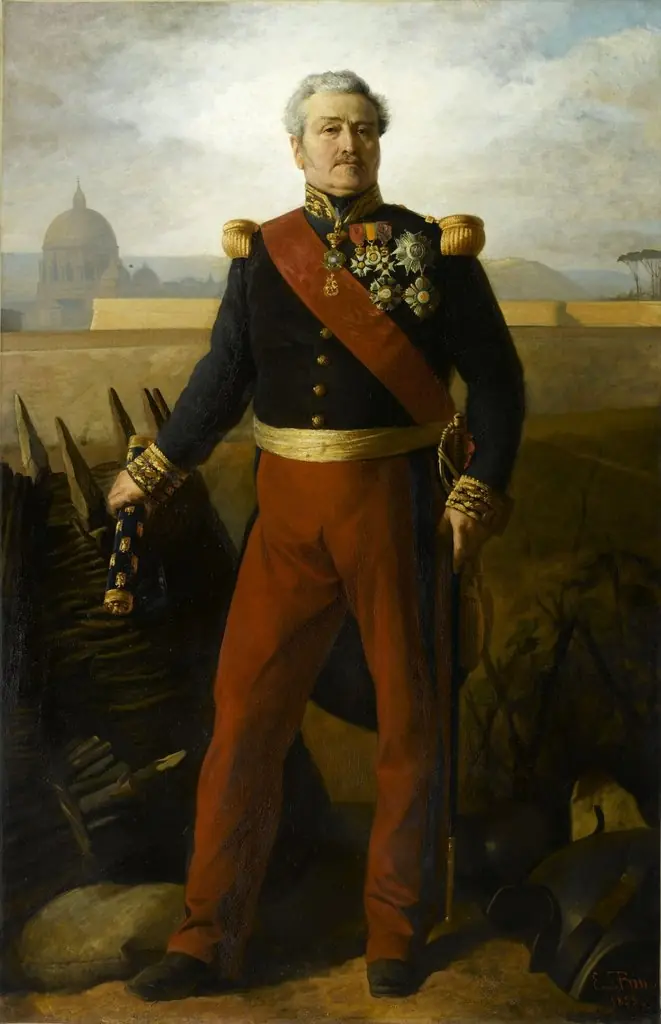 Jean-Baptiste-Philibert Vaillant, Marshal of France
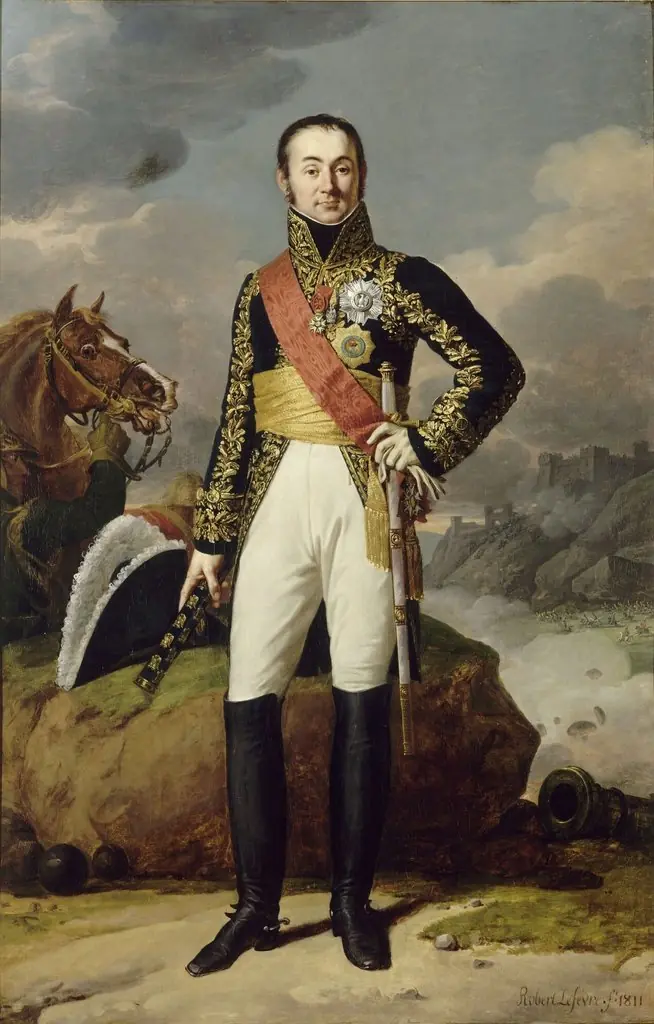 Nicolas-Charles Oudinot, Duke of Reggio, Marshal of France (1767-1847)
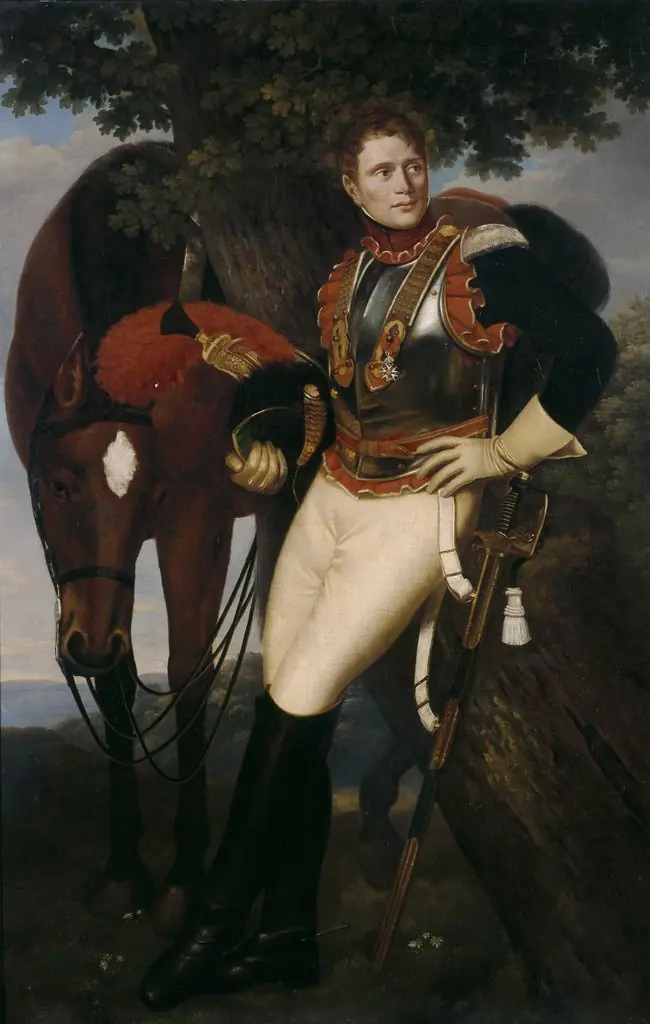 El coracero Jean Baptiste Poret-Dulongval
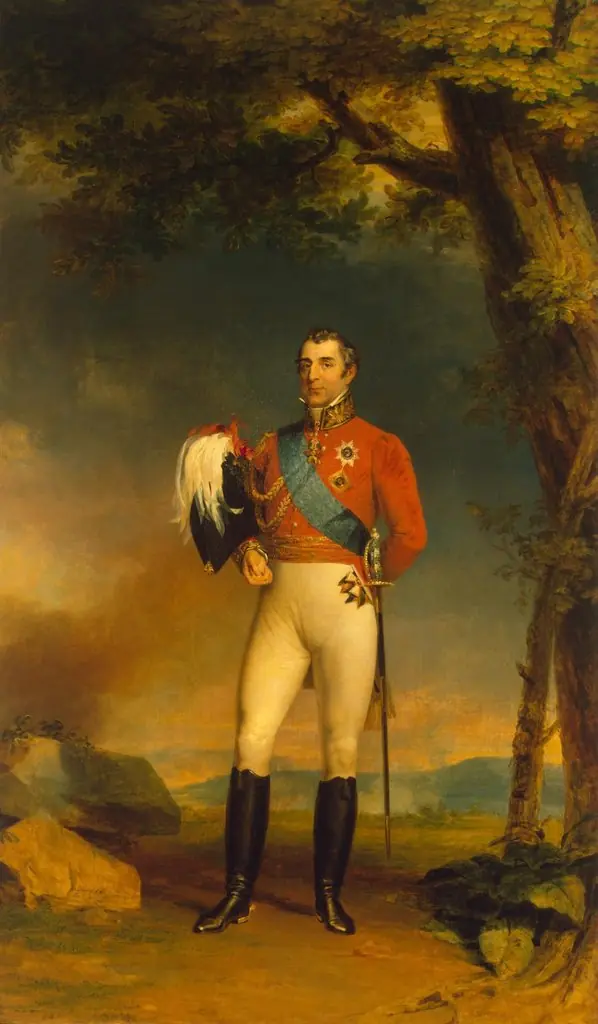 Portrait of Duke of Wellington (1769-1852)
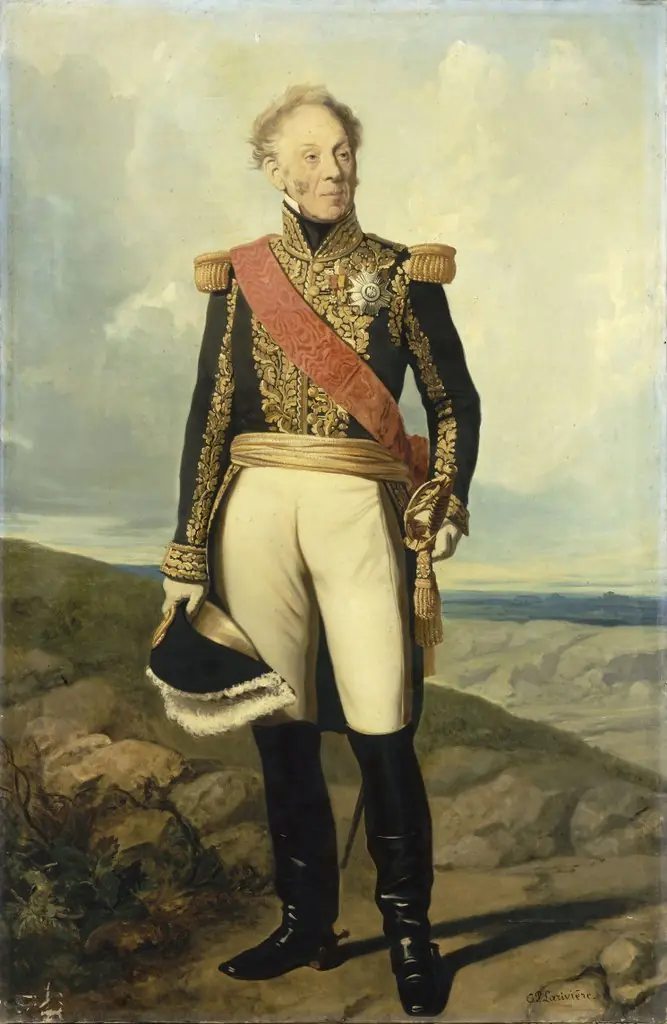 Porträt des Rémi Joseph Isidore Exelmans, Marechal De France (1775-1852)
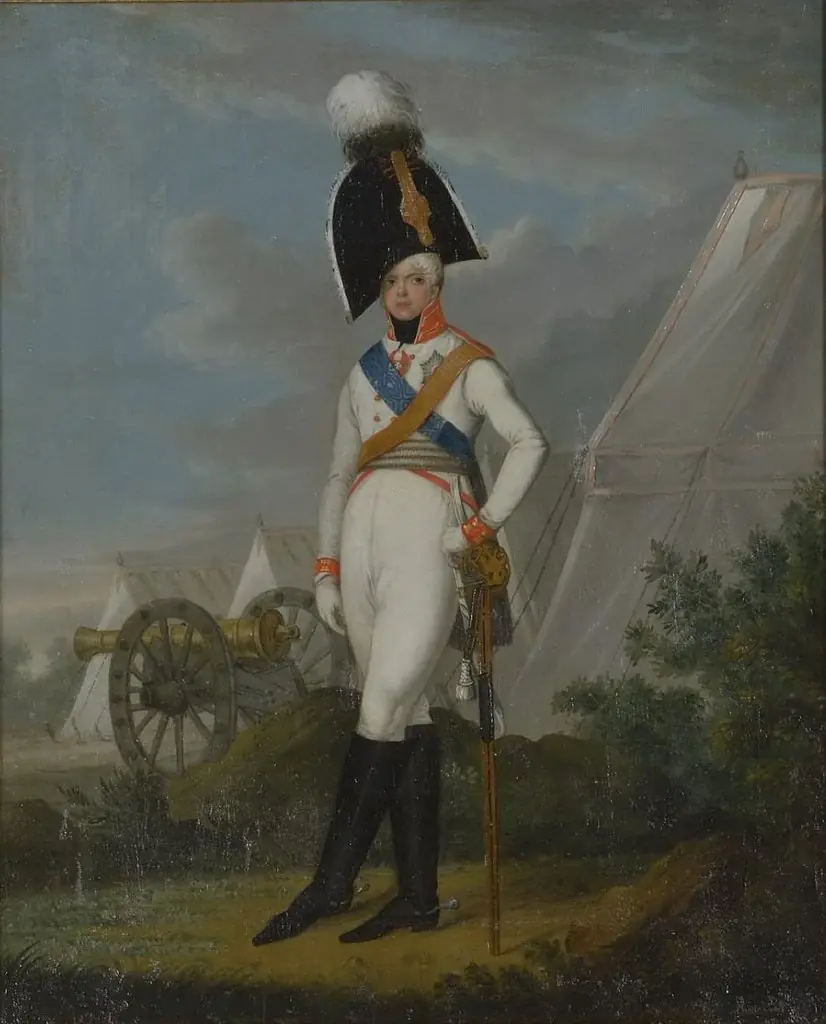 Portrait of Grand Duke Konstantin Pavlovich
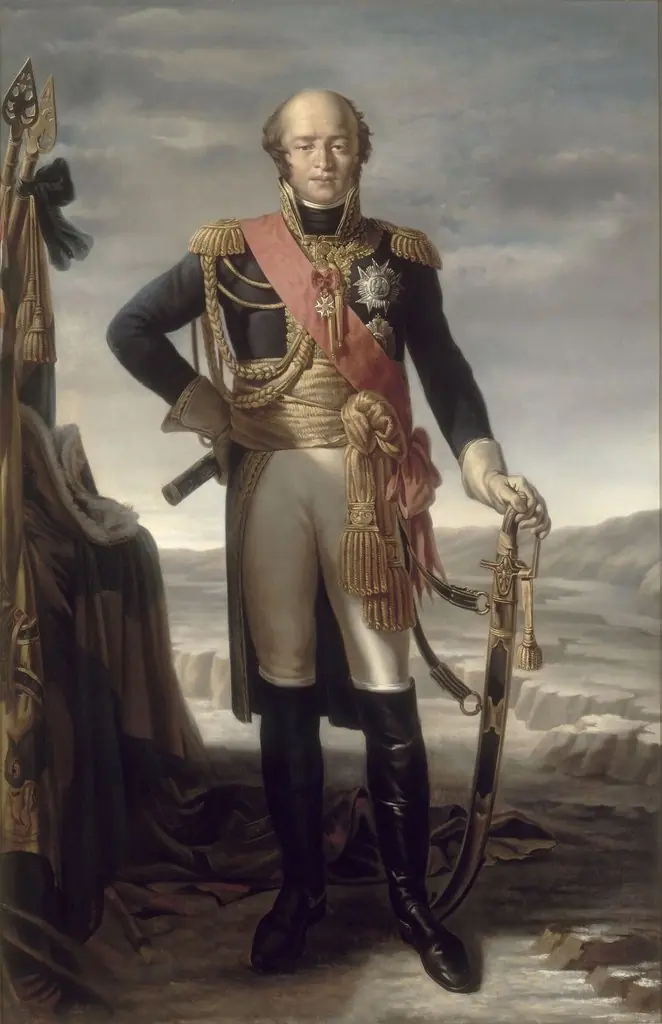 Portrait de Louis Nicolas Davout
 Arthur Walsh, 2nd Baron of Ormethwaite