Artwork
Portrait of Edward Nugent Leeson, 6th Earl of Milltown (1835-1890)
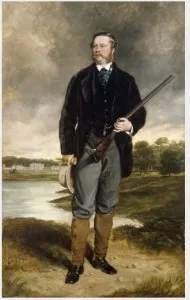
Portrait of Edward Nugent Leeson, 6th Earl of Milltown (1835-1890) is an oil painting by the Impressionist artist Francis Grant. It dates from 1875 and is held in the collection of the National Gallery of Ireland.
About this work
Overview
Grant, who served as President of the Royal Academy, was known for his formal portraiture of British aristocracy and royalty.
Painted in 1875 by Scottish artist Francis Grant, this oil portrait depicts Edward Nugent Leeson, the 6th Earl of Milltown. Grant, who served as President of the Royal Academy, was known for his formal portraiture of British aristocracy and royalty. Though the era saw the rise of Impressionism, Grant’s approach remained rooted in the conventions of Victorian portraiture, emphasizing dignity and precise detail over loose brushwork or atmospheric effects.
Subject & Meaning
The Earl is portrayed in a dark formal coat and tall hat, standing beside a rifle on a grassy riverbank. His muddy boots and rural setting suggest a moment of leisure or outdoor activity, yet his attire and composed posture reflect aristocratic bearing. The rifle may hint at hunting or military associations, but its presence is subdued, serving more as a symbol of landed status than a declaration of profession. The setting implies a connection to estate life without overt narrative.
Technique & Style
Grant employed traditional oil techniques to render the Earl with controlled realism. Soft chiaroscuro models the face, using subtle gradations of light and shadow to define volume and texture. The background is rendered with looser brushwork, creating a sense of depth without distracting from the subject. The contrast between the detailed figure and the atmospheric landscape reflects a balance between formal portraiture and environmental context, typical of mid-Victorian practice.
History & Provenance
Commissioned during the Earl’s lifetime, the portrait remained within the Leeson family before entering the National Gallery of Ireland’s collection. Its acquisition reflects the gallery’s focus on Irish aristocratic heritage and 19th-century British portraiture. No major alterations or reworkings are recorded, and the painting has been consistently attributed to Grant since its creation, with no known copies or variants.
Context
In 1875, Britain’s aristocracy still commissioned formal portraits to affirm social standing, even as photographic portraiture grew popular. Grant’s work stood apart from emerging Impressionist trends, favoring clarity and decorum. The Earl’s depiction—part gentleman, part country landowner—mirrors the dual identity of many Irish peers who maintained estates while engaging in British elite circles. The setting, near water and a distant town, subtly evokes the geography of Milltown’s ancestral lands.
Legacy
The portrait remains a representative example of late Victorian portraiture in Ireland, illustrating how traditional techniques persisted among the landed class. While Grant’s reputation has waned compared to contemporaries like Winterhalter, this work endures as a quiet record of aristocratic identity in a period of social change. It contributes to the National Gallery of Ireland’s narrative of 19th-century Irish life, preserving the visual language of a fading elite.
Artist & collection
Artist
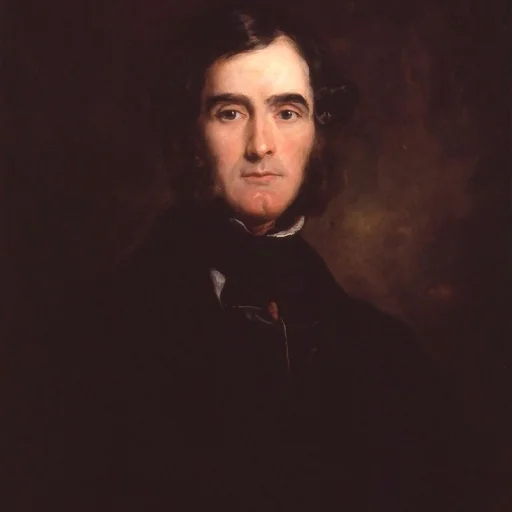
Sir Francis Grant (18 January 1803 – 5 October 1878) was a Scottish portrait painter who painted Queen Victoria and many British aristocratic and political figures. He served as President of the Royal Academy.

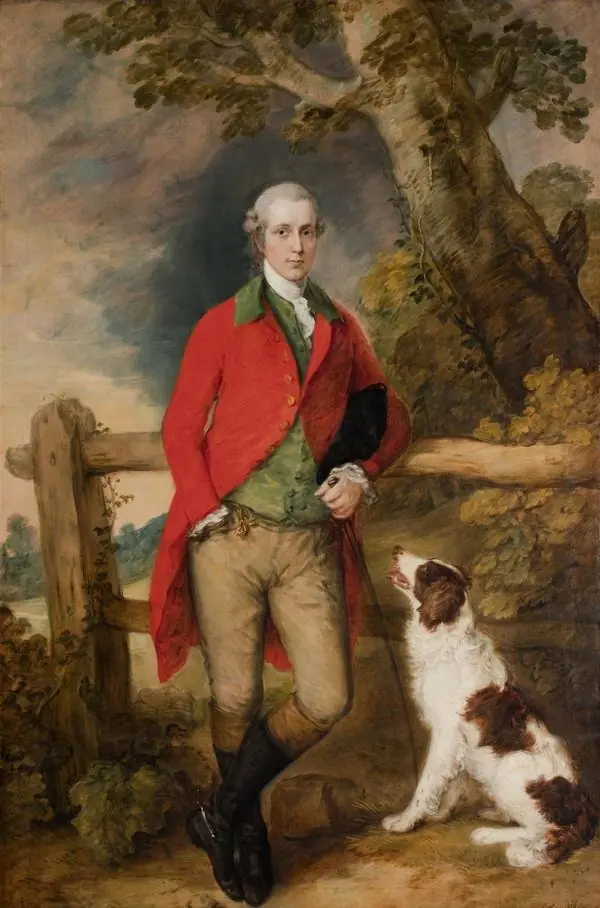 Portrait of Robert Thistlethwayte of Norman Court, standing full-length, wearing a red coat, green waistcoat and buff breaches, holding a can, leaning against a fence, a spaniel by his side
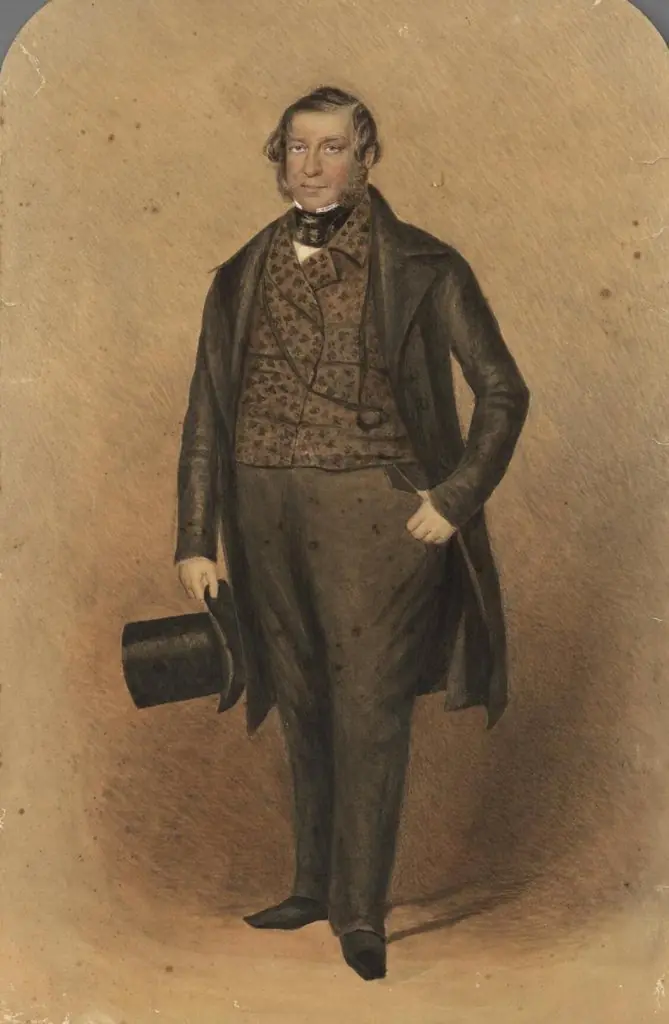 Frederick Augustus Jones
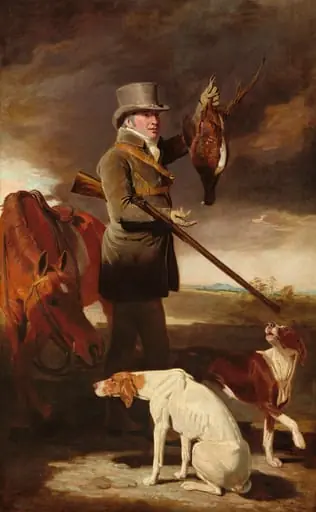 J.G. Shaddick, the Celebrated Sportsman
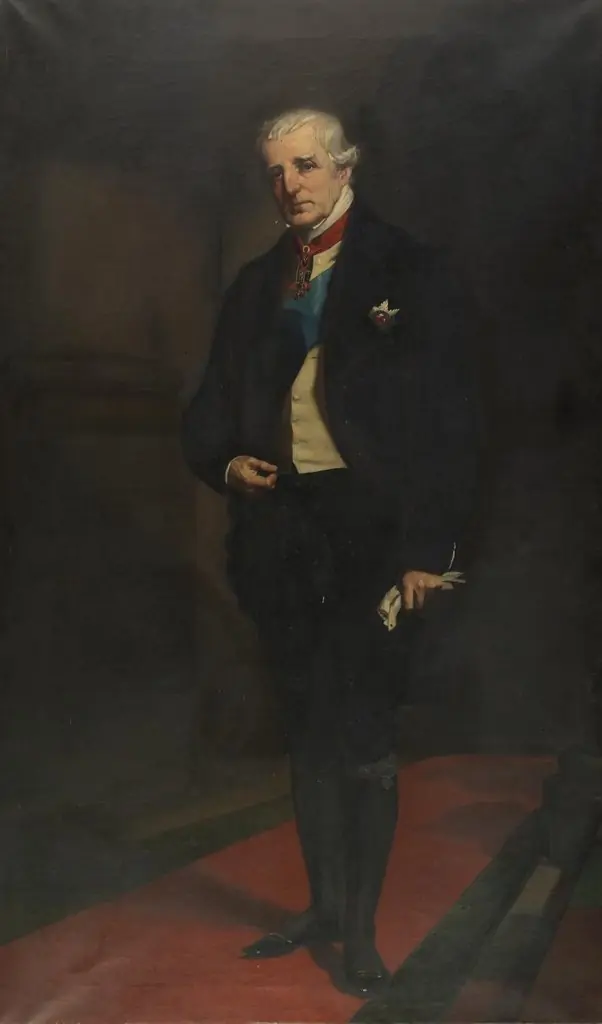 Arthur Wellesley (1769–1852), 1st Duke of Wellington
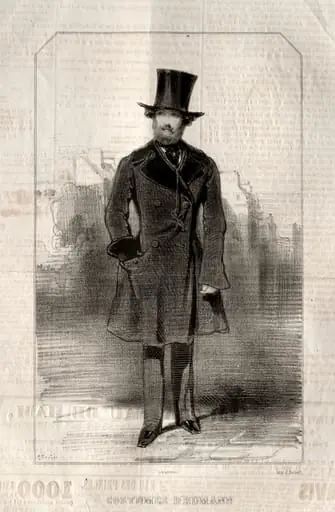 Costumes d' Humann
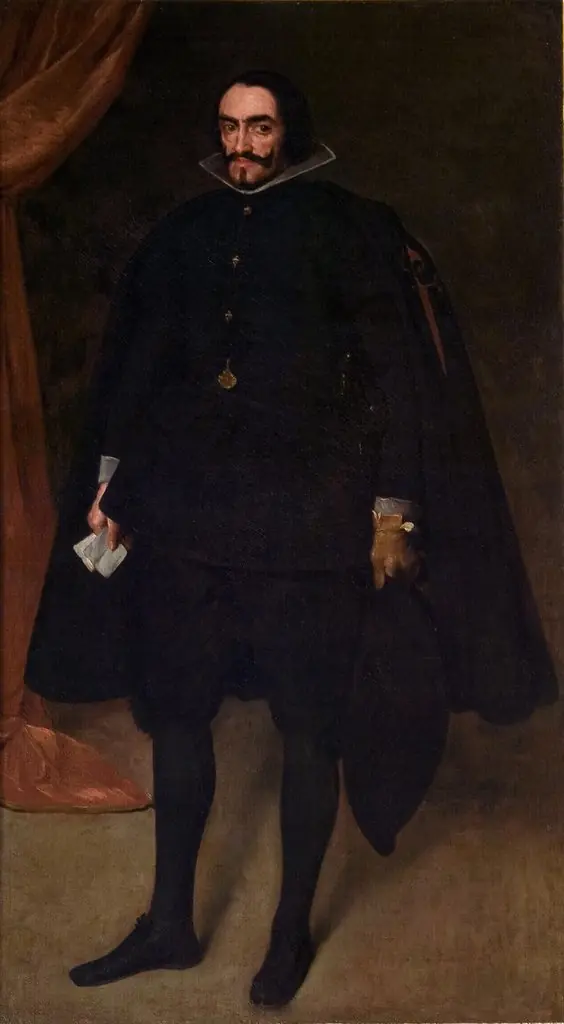 Portrait of a Knight of the Order of Santiago
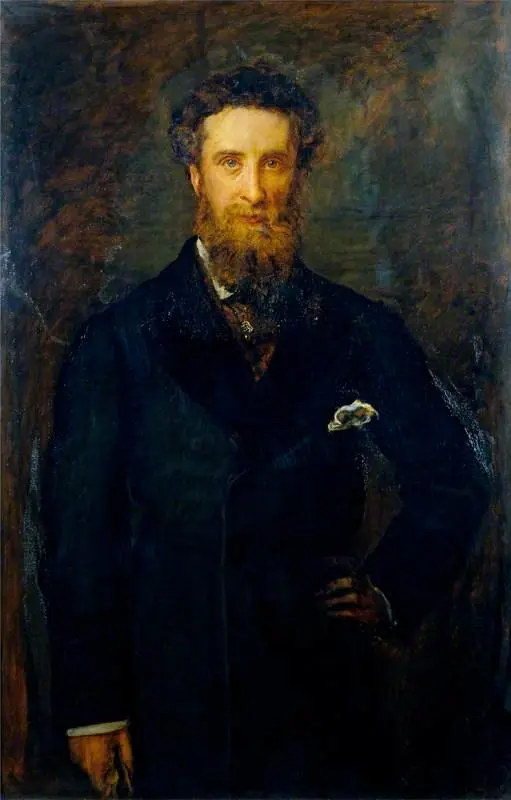 Edward Robert Bulwer Lytton (1831–1891), 1st Earl Lytton
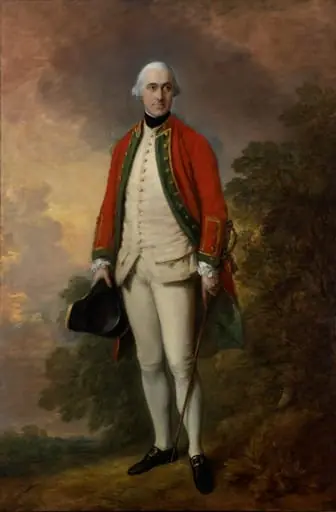 Portrait of George Pitt, First Baron Rivers
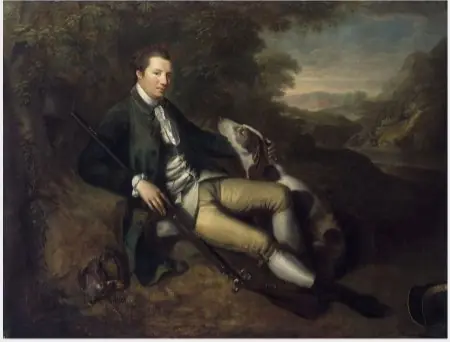 Portrait of Peter La Touche of Bellevue (1733-1828)
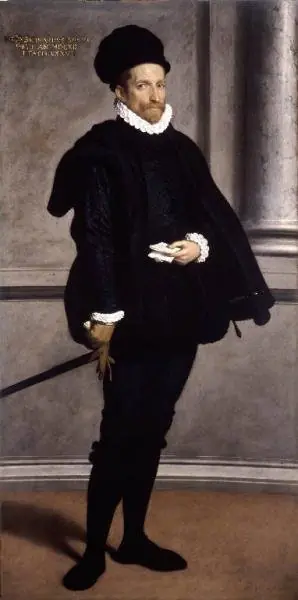 Portrait of Bernardo Spini
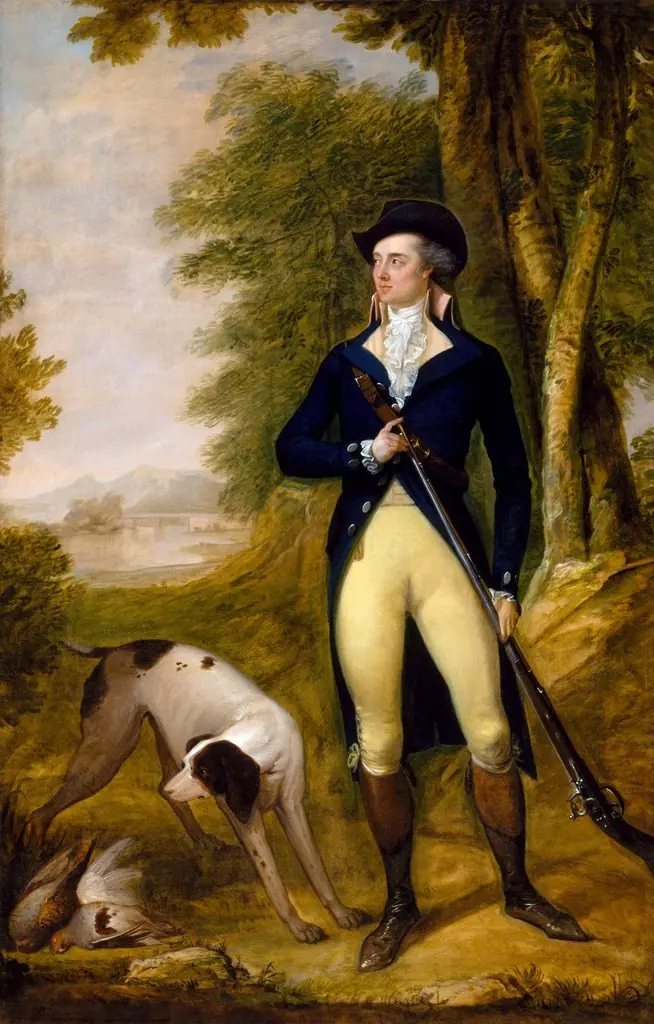 Portrait of a Gentleman
 Portrait of Joseph Leeson, later 1st Earl of Milltown (1711-1783)