Artwork
Holly Field
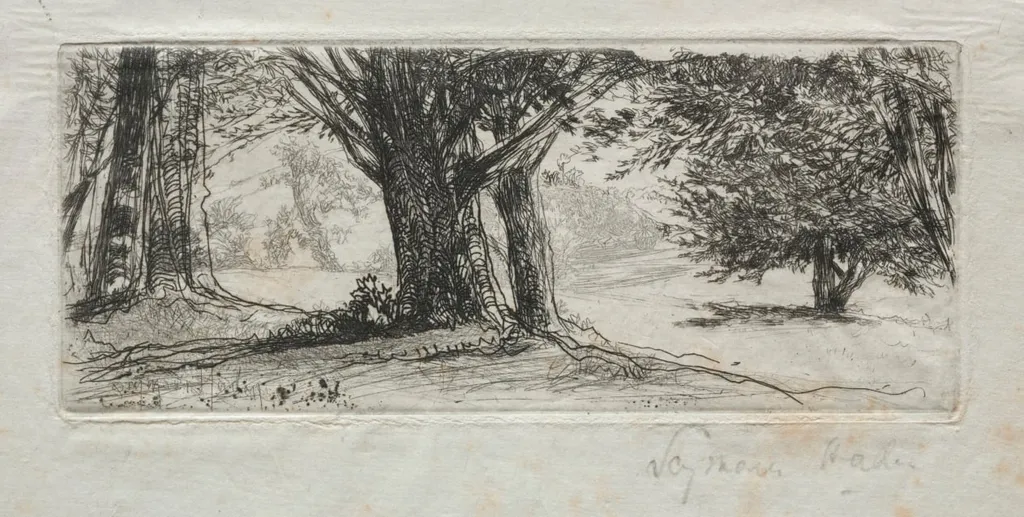
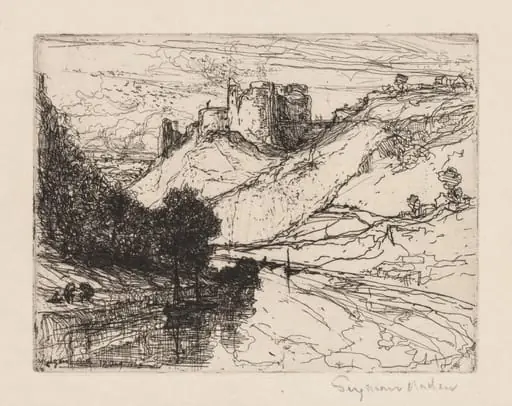
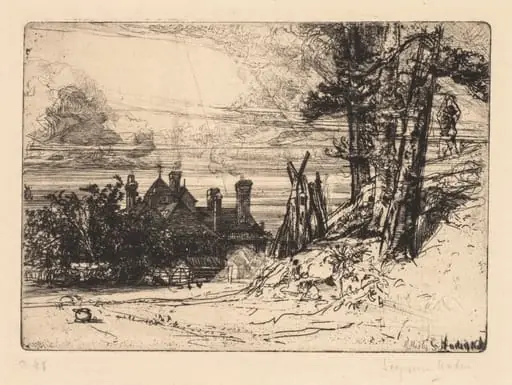
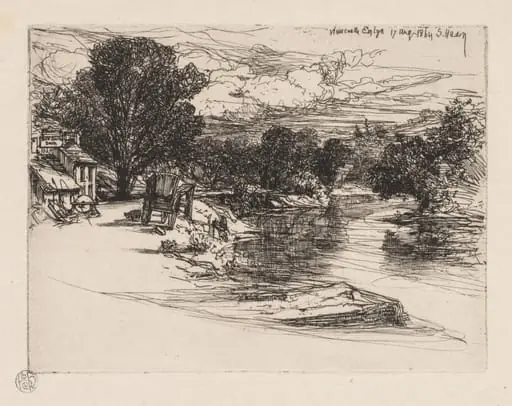
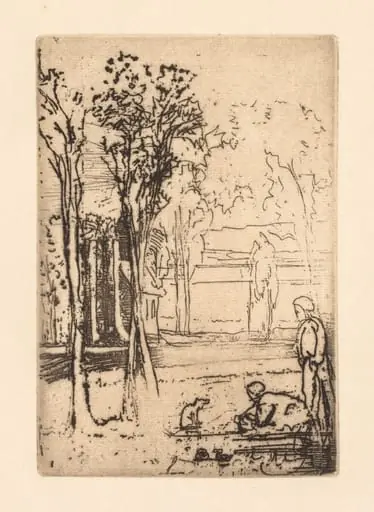
Holly Field is a print by Francis Seymour Haden. It dates from 1868 and is held in the collection of the Cleveland Museum of Art.
About this work
Overview
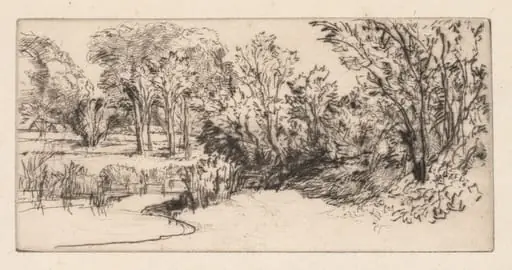
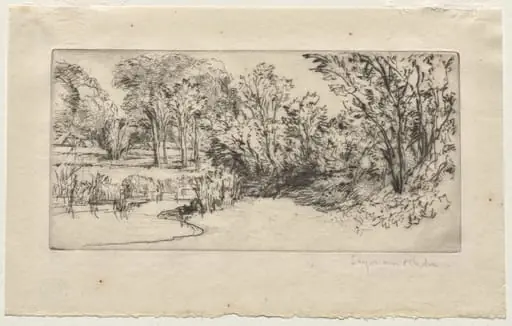
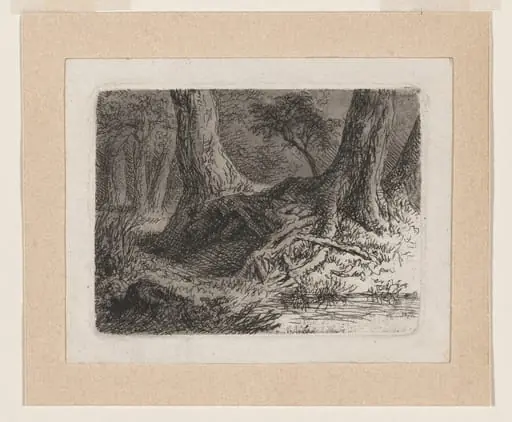
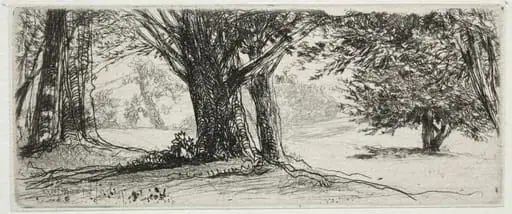
The composition is tightly packed with interwoven branches and undergrowth, conveying a sense of untamed natural growth.
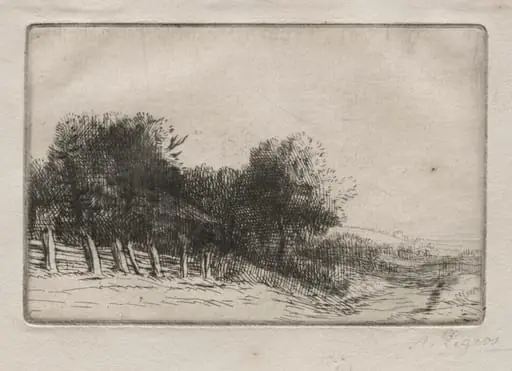
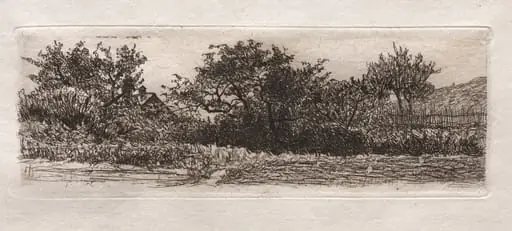
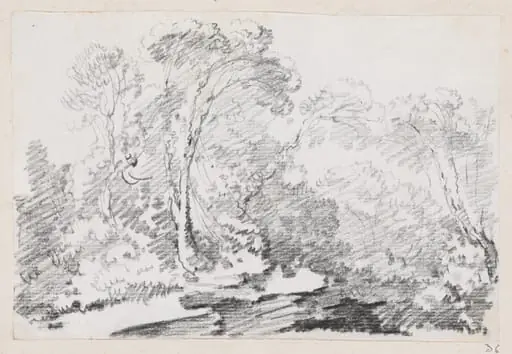
Holly Field, created around 1868 by Francis Seymour Haden, is a monochrome etching depicting a dense woodland. The composition is tightly packed with interwoven branches and undergrowth, conveying a sense of untamed natural growth. Executed in ink on paper, the work is part of the collection at The Cleveland Museum of Art, where it reflects Haden’s interest in landscape as a subject for intimate, direct observation.
Subject & Meaning
The scene portrays a thicket of holly and other native trees in a state of wild regeneration. There is no human presence or clear path, emphasizing nature’s autonomy. The tangled forms suggest a space untouched by cultivation, evoking themes of resilience and organic disorder. Haden’s focus on the forest’s complexity may reflect a Romantic-era reverence for nature’s unmediated forms.
Technique & Style
Haden employed a loose, rapid etching technique, using fine, irregular lines to suggest texture rather than define form. The contrast between dark, dense branches and lighter areas of ground and water creates subtle chiaroscuro. His brush-like strokes capture the roughness of bark and the scatter of fallen leaves, prioritizing immediacy over polish. The effect is one of spontaneous observation rather than idealized composition.
History & Provenance
The print was made during Haden’s active period as an etcher, following his transition from medicine to art. It entered The Cleveland Museum of Art’s collection in the 20th century, likely through a donation or acquisition focused on British printmaking. Its preservation reflects growing institutional interest in 19th-century etchings as serious artistic works, not merely reproductive studies.
Context
Haden worked alongside members of the Etching Revival movement in Britain, which sought to elevate etching to the status of fine art. Unlike earlier topographical prints, his landscapes emphasized personal response over documentation. Holly Field aligns with contemporaneous efforts by artists like James McNeill Whistler to capture mood and atmosphere through direct, expressive mark-making.
Legacy
Holly Field exemplifies Haden’s influence on the British etching tradition, demonstrating how technical simplicity could convey emotional depth. Though not widely reproduced, the work remains a reference point for studies of naturalistic printmaking in the late 19th century. Its quiet intensity continues to inform discussions on the relationship between process, perception, and landscape in print media.
Artist & collection