Artwork
San Francisco de Sales
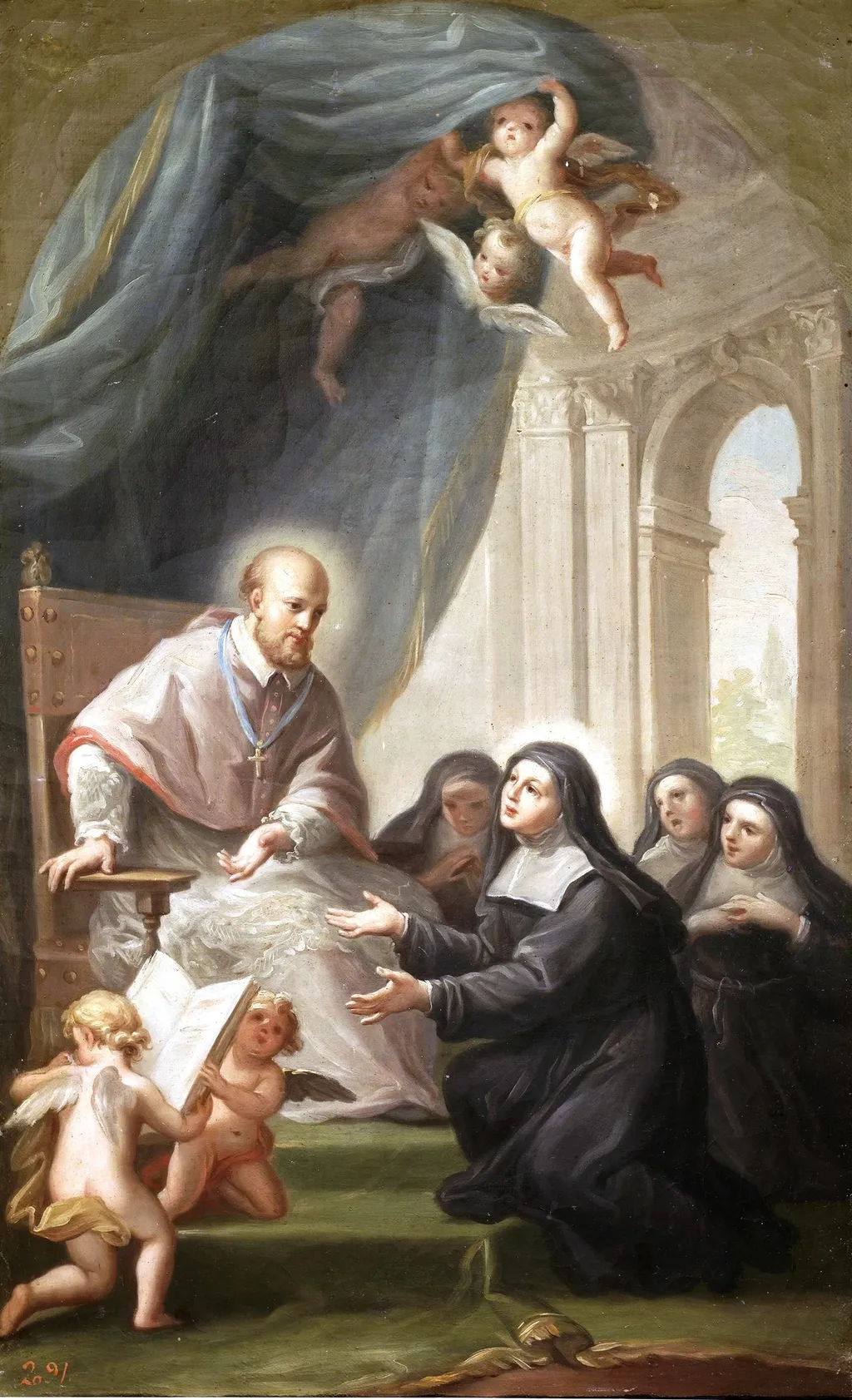
San Francisco de Sales is an oil painting by the Early Baroque Italian artist Francisco Bayeu. It dates from 1701 and is held in the collection of the Museo del Prado.
About this work
Overview
Executed early in the artist’s career, the work reflects the Italianate Baroque idiom that was prevalent in Spain at the turn of the 18th century.
Francisco Bayeu’s *San Francisco de Sales* (1701) is an oil on canvas that belongs to the Prado Museum’s collection. Executed early in the artist’s career, the work reflects the Italianate Baroque idiom that was prevalent in Spain at the turn of the 18th century. It portrays the saint in a richly appointed interior, surrounded by figures and symbolic elements that underscore his religious significance.
Subject & Meaning
At the centre of the composition sits Saint Francis de Sales, identifiable by his white habit trimmed in red, a blue medallion bearing a cross, and a luminous halo. He is attended by a kneeling woman in a black robe whose outstretched hands suggest supplication, while additional women in similar attire observe the scene. The arrangement emphasizes the saint’s role as a spiritual intercessor and the devotion of his followers.
Technique & Style
The painting employs the dramatic chiaroscuro and dynamic arrangement typical of early Baroque art, with a deep spatial recession created by columns and a windowed backdrop. Bayeu renders the figures with smooth modelling and a restrained palette, while the cherubic figures—one clutching a book, the other hovering above—add a subtle allegorical layer. The brushwork balances detail in the garments with broader tonal transitions in the interior.
History & Provenance
Created in 1701, the canvas entered the Spanish royal collection and eventually became part of the Museo del Prado’s holdings, where it remains on display. Although Bayeu later adopted a more Neoclassical approach, this early work illustrates his initial alignment with Baroque conventions before his stylistic shift.
Context
The painting emerges from a period when Spanish artists frequently looked to Italian models for compositional and thematic guidance. Bayeu’s family, including brothers Ramón and Manuel, were active painters, contributing to a network of artistic production that reinforced religious imagery in court and ecclesiastical settings.
Own this work as a print
Artist & collection
Artist
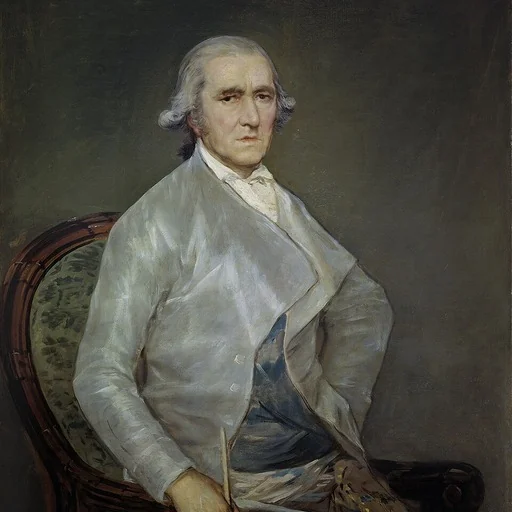
Francisco Bayeu y Subías (9 March 1734 – 4 August 1795) was a Spanish painter who painted in the Neoclassic style and specialised in religious and historical themes.


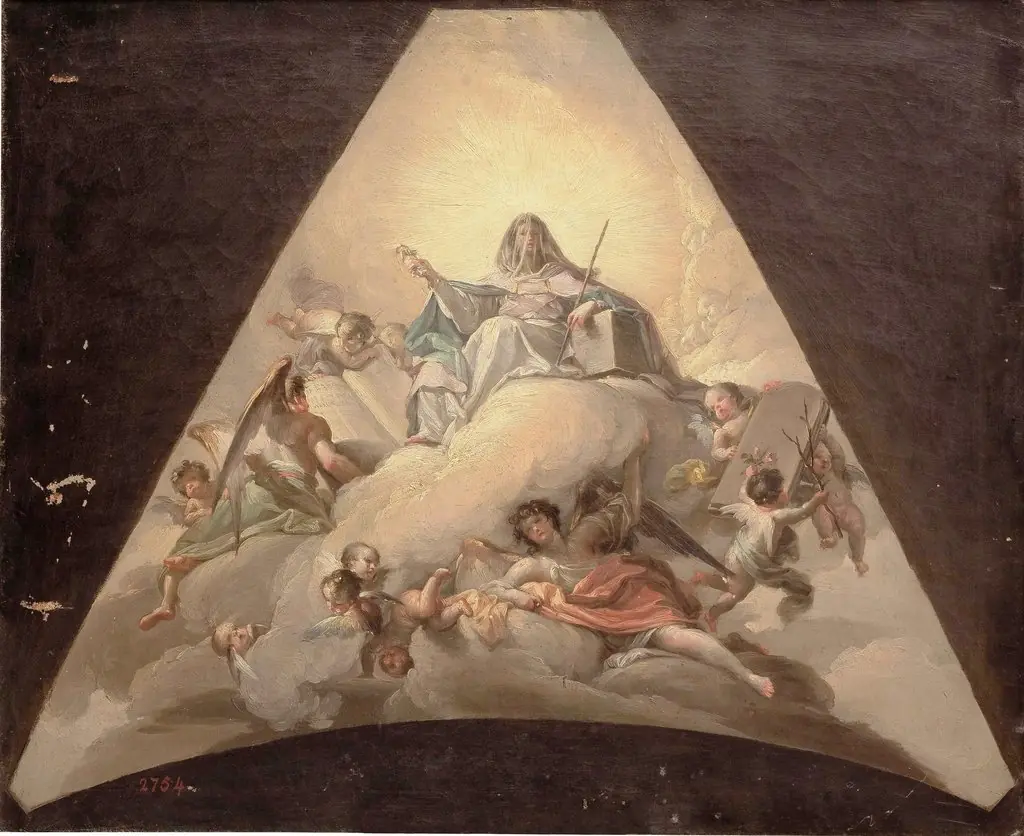
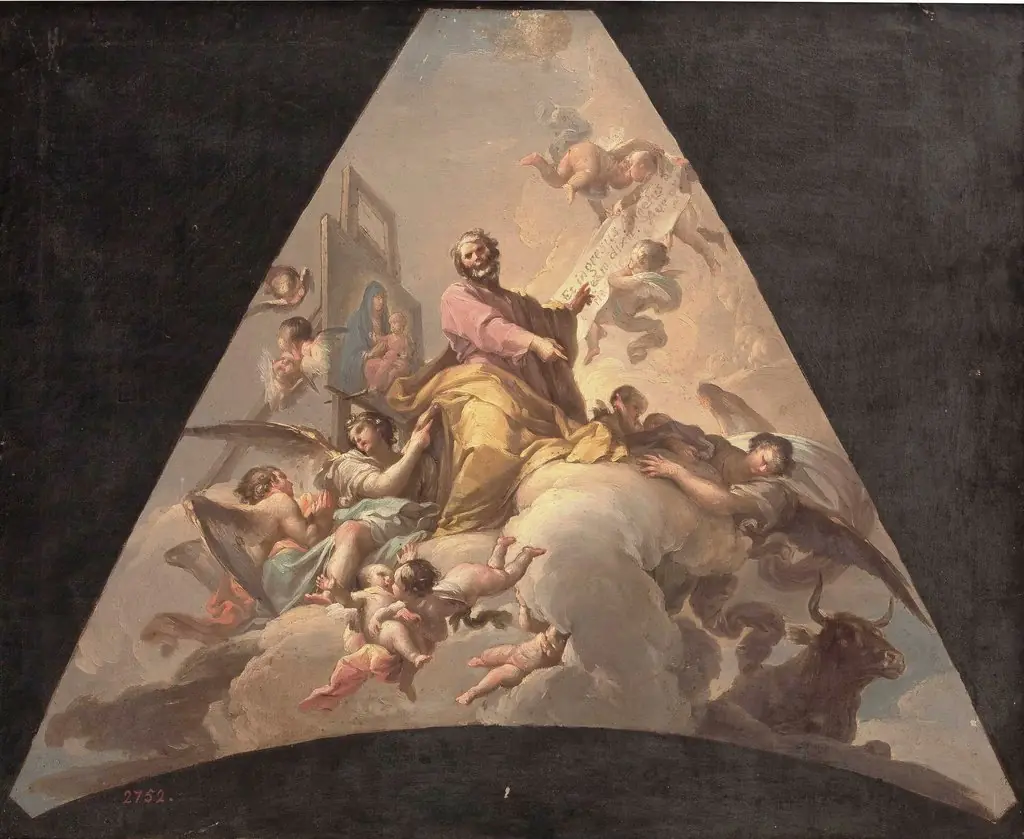
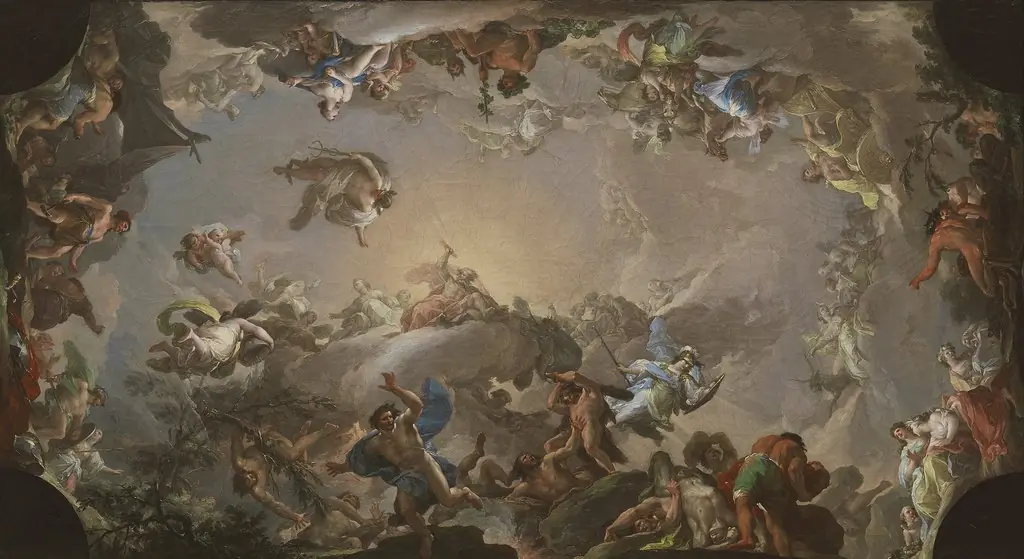
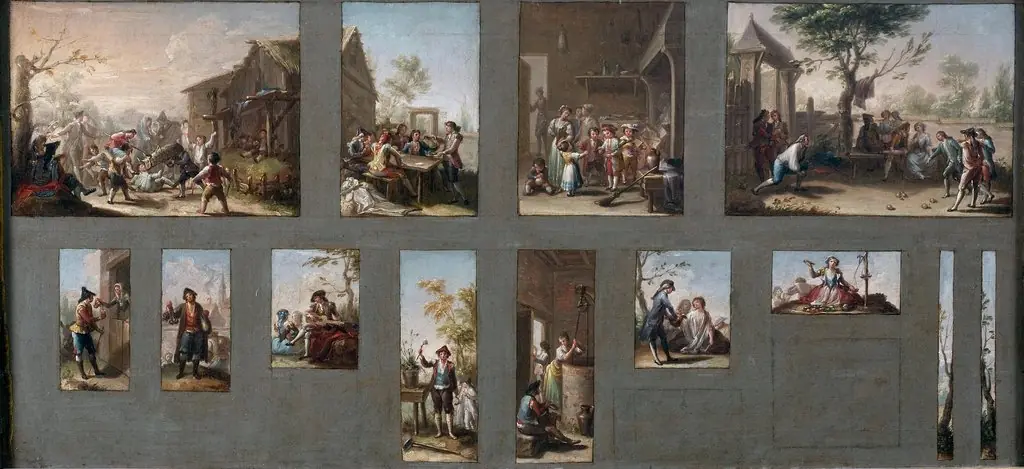
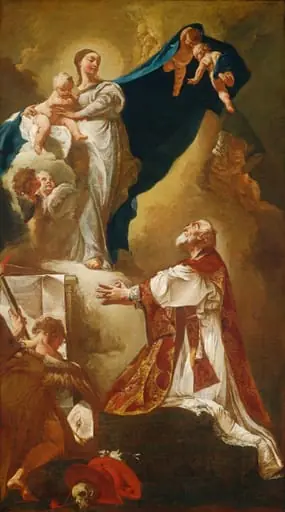 Madonna and Child Appearing to Saint Philip Neri
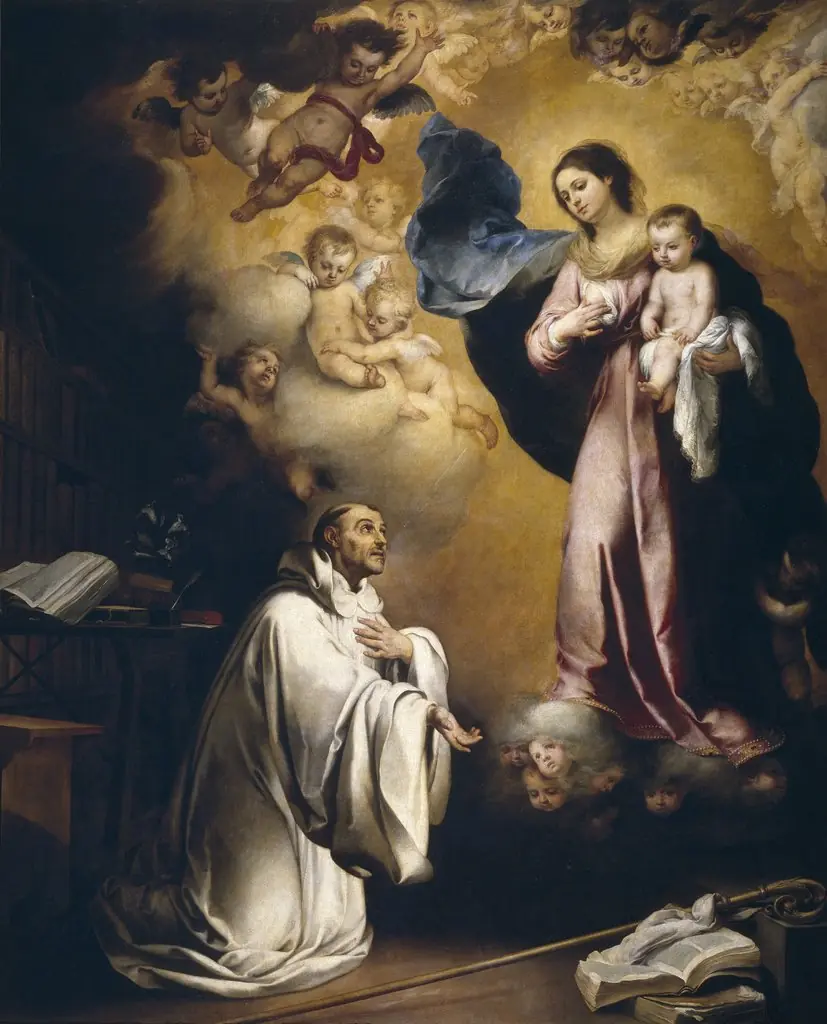 The Apparition of the Virgin to Saint Bernard
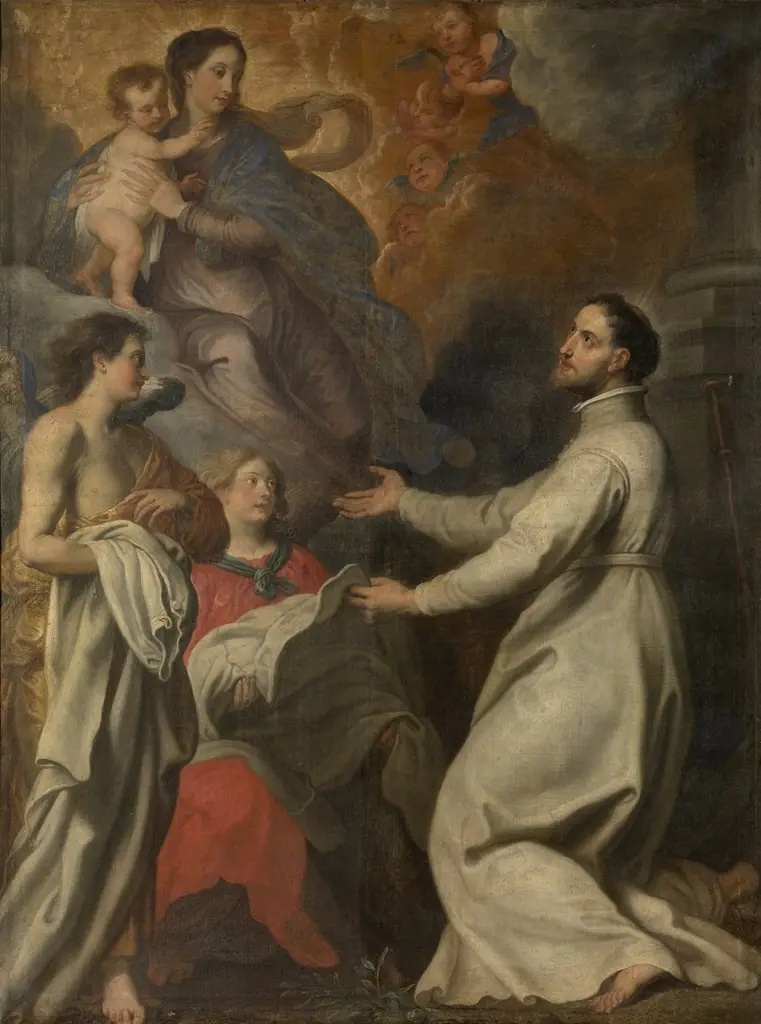 Saint Norbert Recieves the Garment of his Order
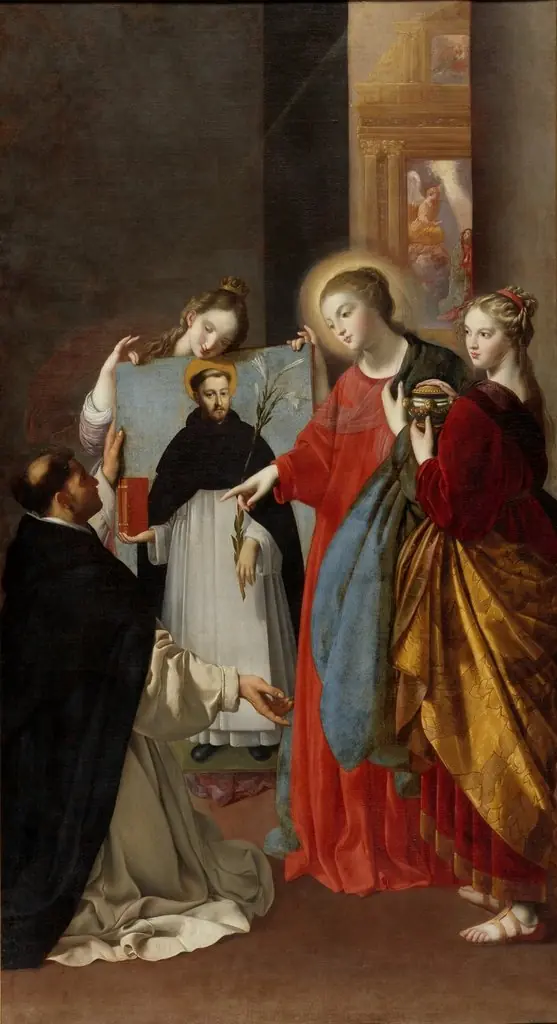 Saint Dominic in Soriano
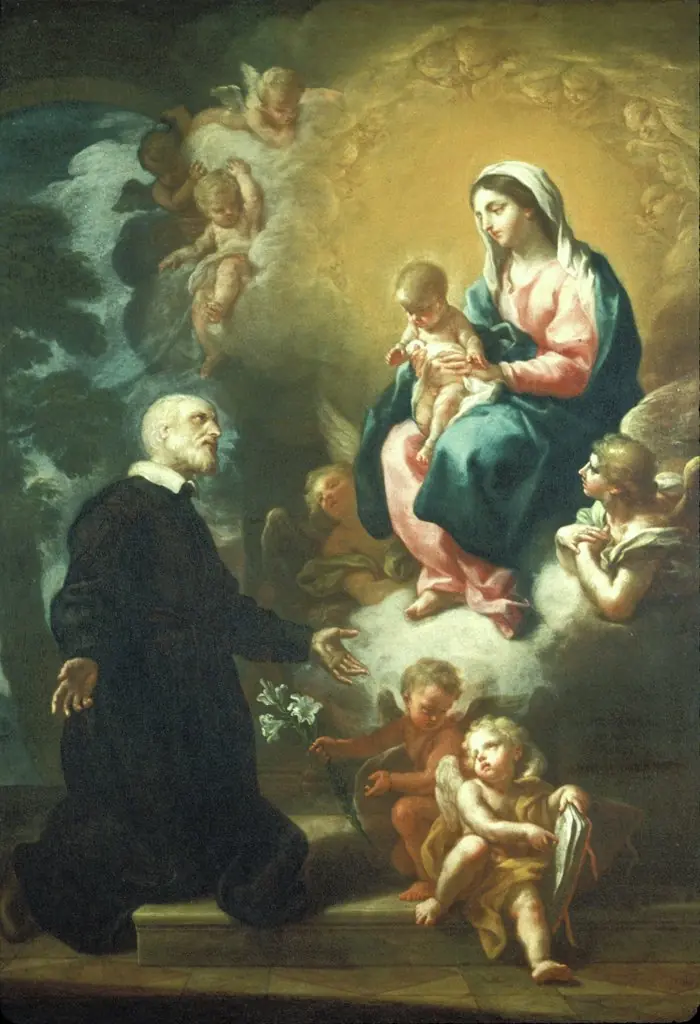 Apparition of the Virgin to Saint Philip Neri
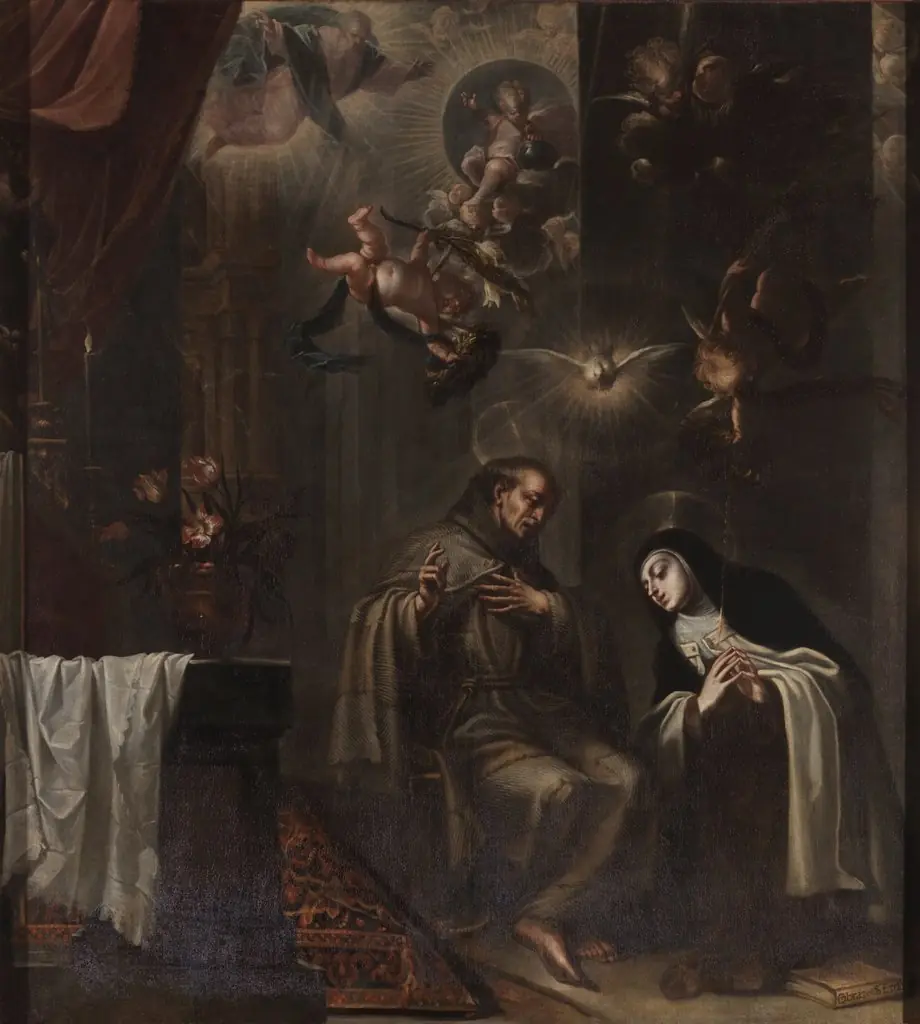 San Pedro de Alcántara confesando a Santa Teresa
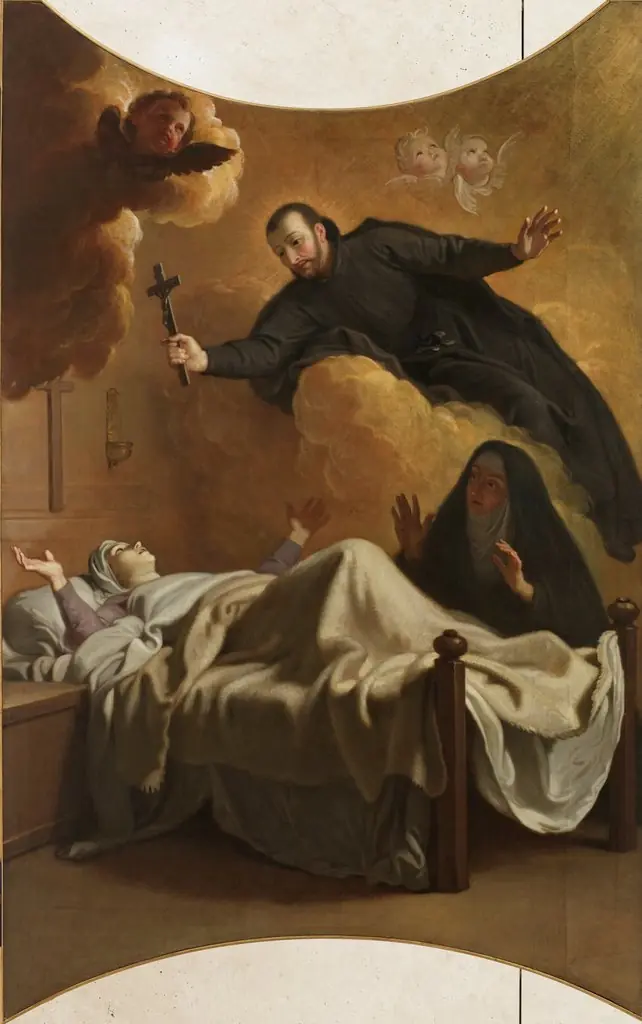 Aparición de san Francisco de Regis a la madre Momplaisant
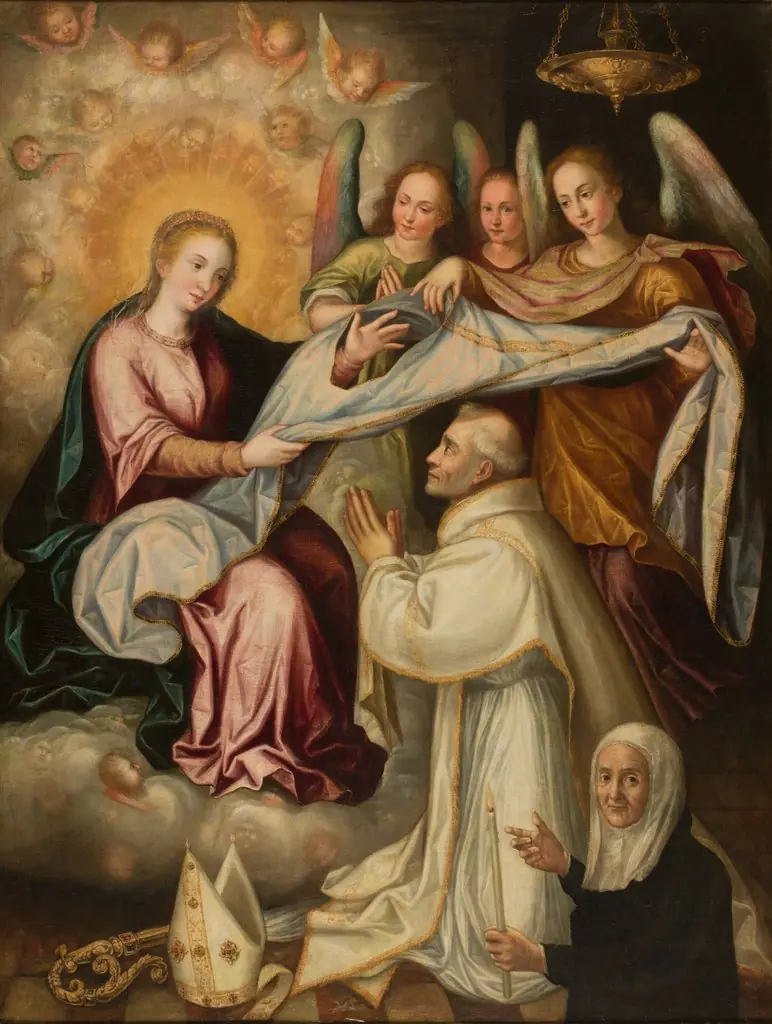 Saint Ildefonso receiving the Chasuble
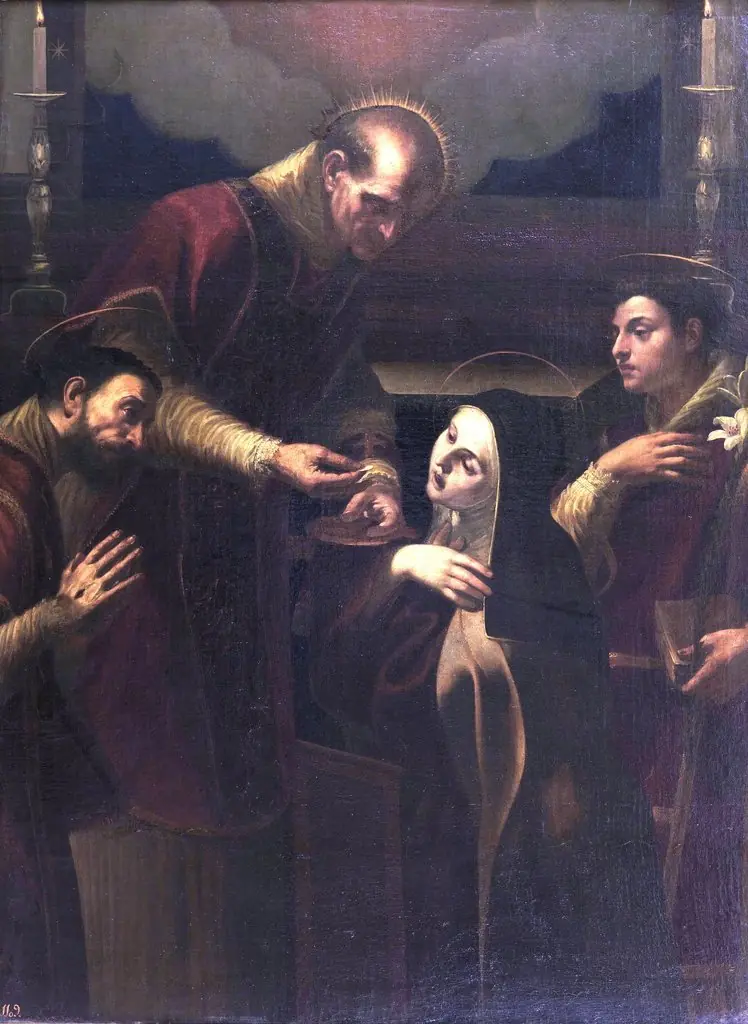 Comunión de Santa Teresa
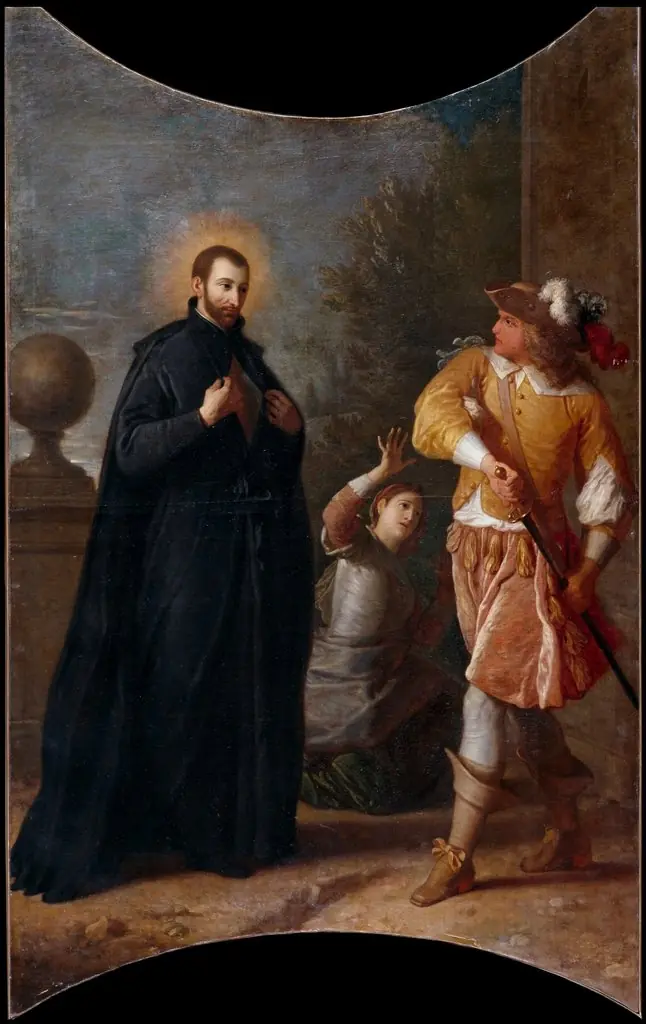 Milagro de san Francisco de Regis
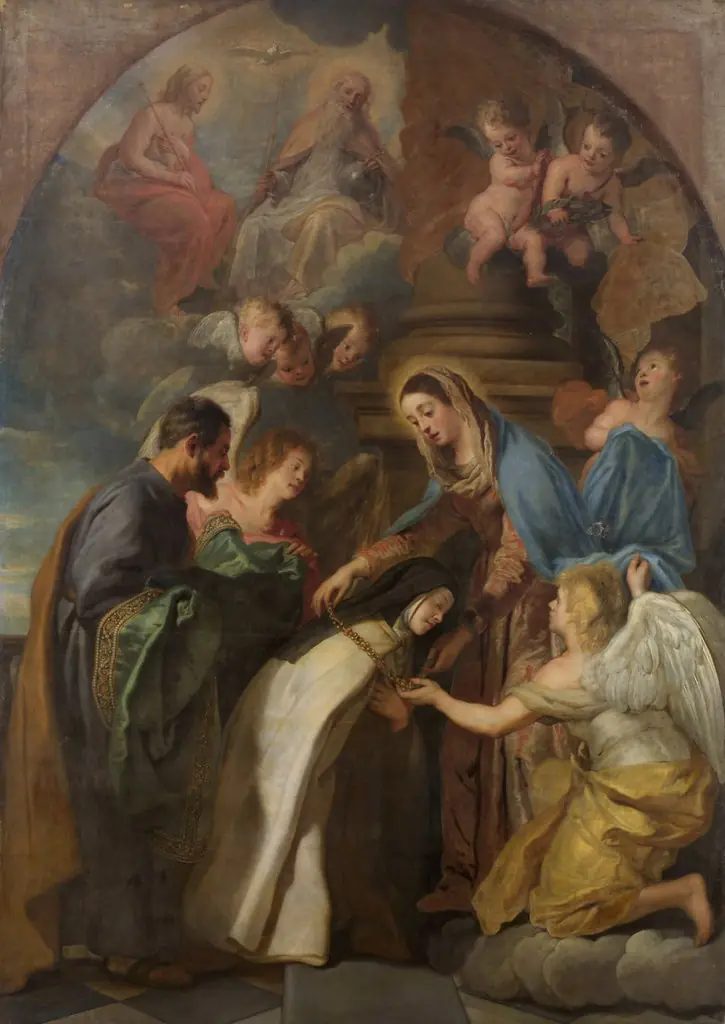 St Theresa receiving a gold chain and a mantle embroidered with gold from the Virgin
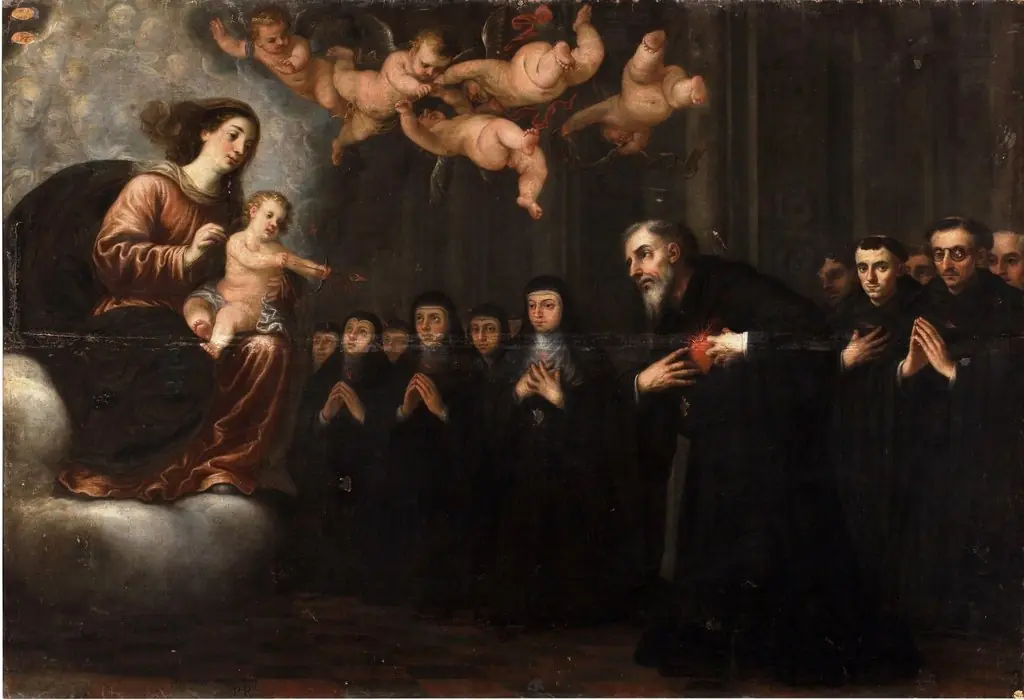 La Virgen y el Niño transverberando el corazón a San Agustín ante la comunidad de agustinos