Artwork
The Horrors of War: May the Cord Break
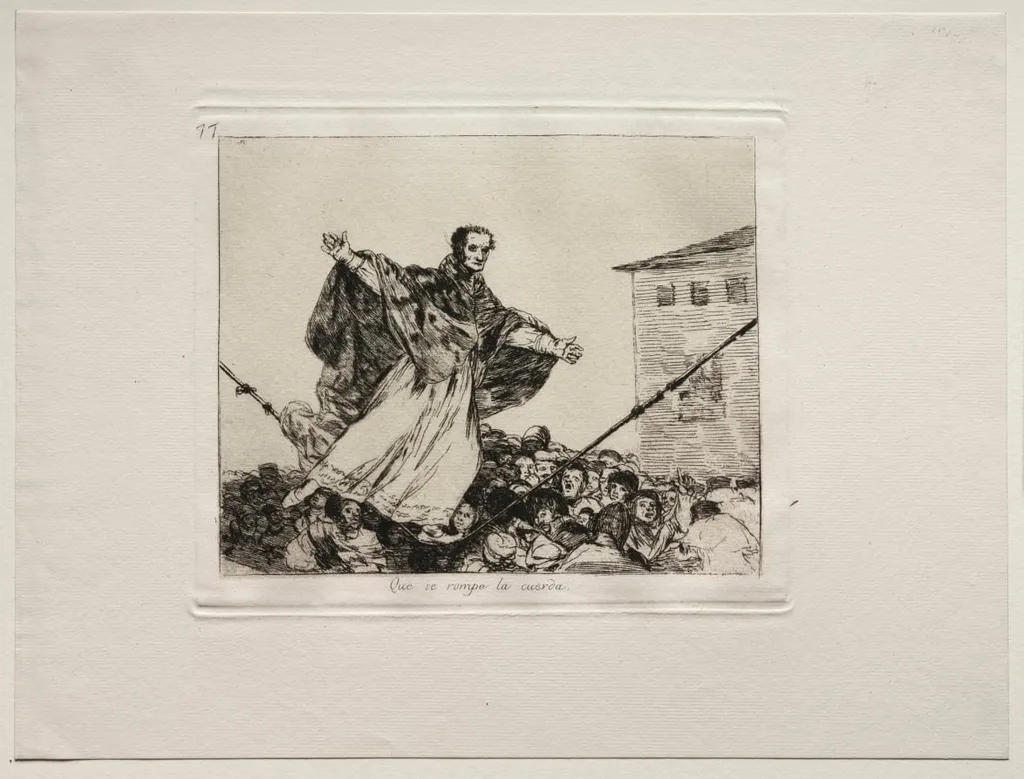
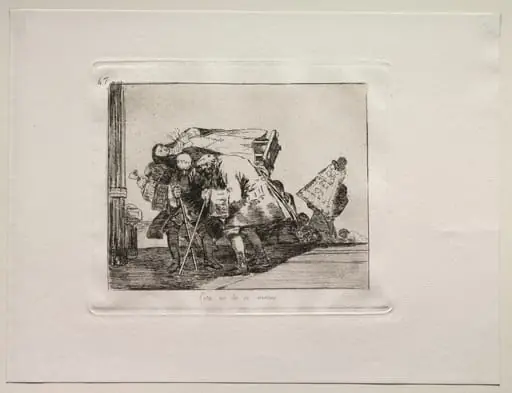
The Horrors of War: May the Cord Break is a print by the Romanticist artist Francisco Goya. It dates from 1815 and is held in the collection of the Cleveland Museum of Art.
About this work
Overview
Created around 1815, this print by Francisco de Goya, titled *The Horrors of War: May the Cord Break*, is part of the collection at the Cleveland Museum of Art. It depicts a tumultuous crowd fleeing in terror, centered on a solitary figure in a long robe who stands atop a heap of bodies, arms outstretched as if directing the chaos.
Subject & Meaning
The central figure’s gesture and the desperate masses convey a scene of imminent disaster, while the inscription *Que se rompa la cuerda*—Spanish for “May the cord break”—suggests a yearning for the rupture of whatever restraint is holding catastrophe at bay.
Technique & Style
Executed as a print, the work employs stark contrasts and dynamic composition typical of Goya’s later period, emphasizing movement and emotional intensity through exaggerated forms and a dark, urgent palette.
Context
Produced in the aftermath of the Peninsular War, the image reflects the widespread suffering and social upheaval that marked early nineteenth‑century Spain, aligning with the broader Romantic turn toward visceral, emotionally charged representations of conflict.
Legacy
As an early example of Goya’s engagement with war’s brutal realities, the piece anticipates his later, more graphic series on the subject and contributes to the development of Romantic visual language that foregrounds personal anguish and societal turmoil.
Artist & collection
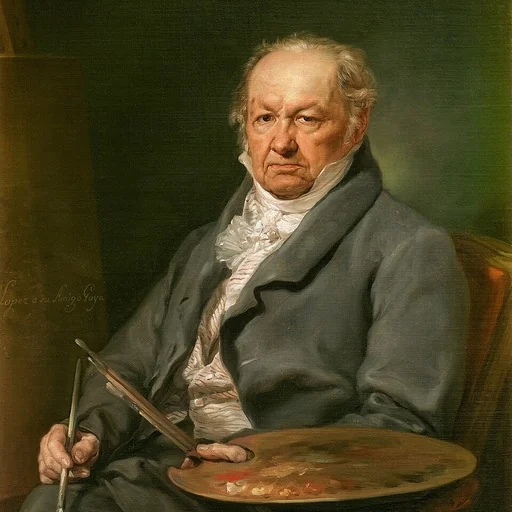
Artist
Francisco José de Goya y Lucientes (; Spanish: ; 30 March 1746 – 16 April 1828) was a Spanish romantic painter and printmaker.

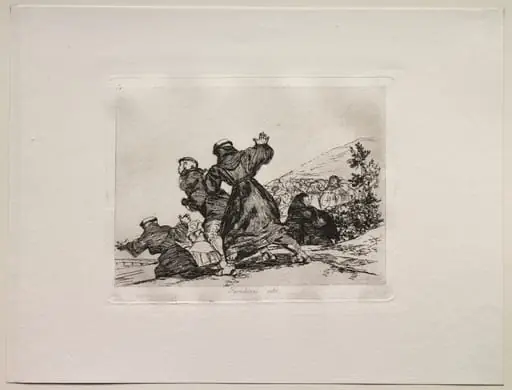 The Horrors of War: This Too
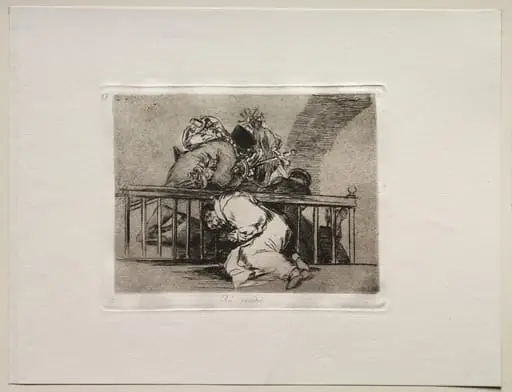 The Horrors of War: This is How it Happened
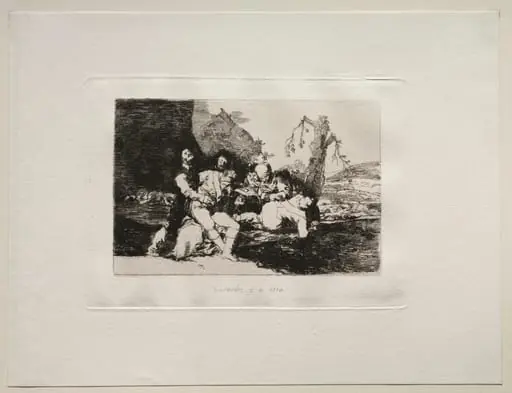 The Horrors of War: Get them Well and On to the Next
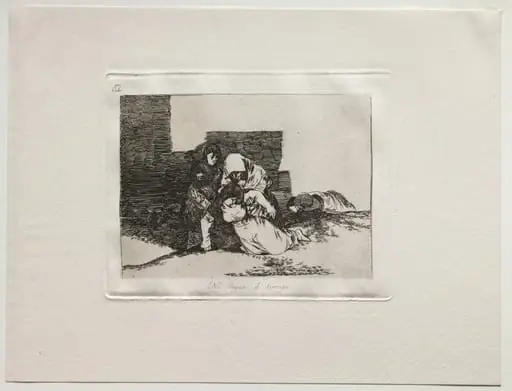 The Horrors of War: They Do Not Arrive In Time
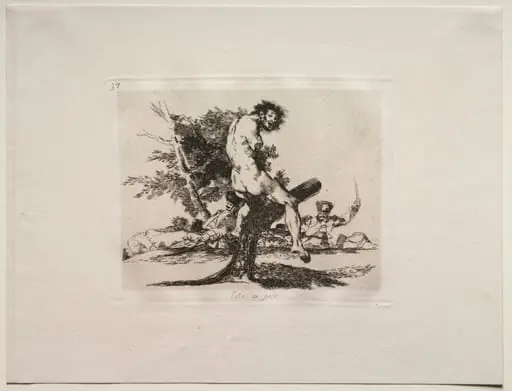 The Horrors of War: This Is Worse
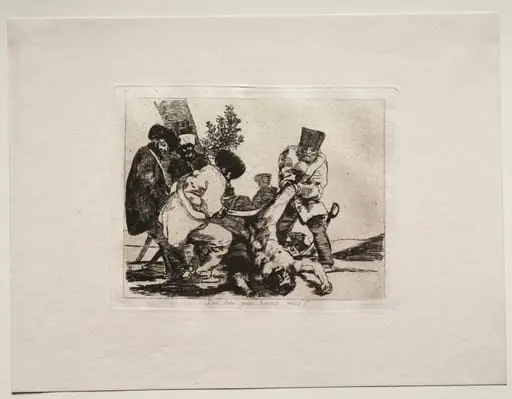 The Horrors of War: What More Can Be Done?
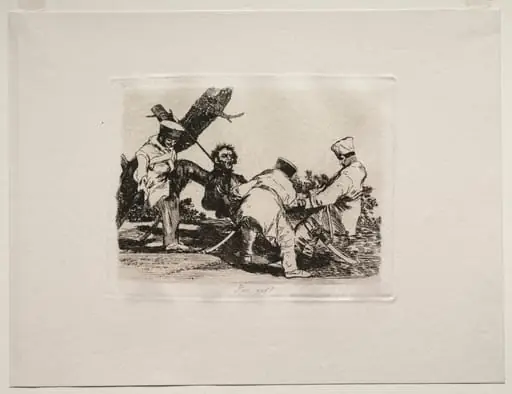 The Horrors of War: Why?
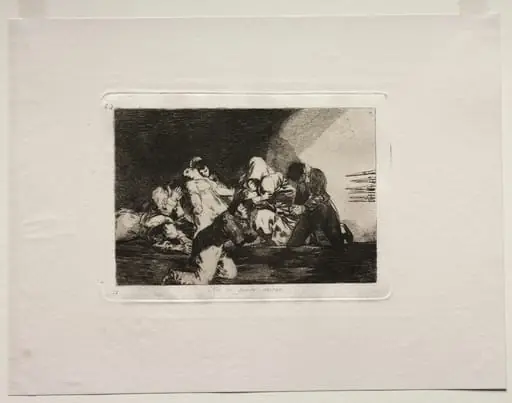 The Horrors of War: One Can't Look
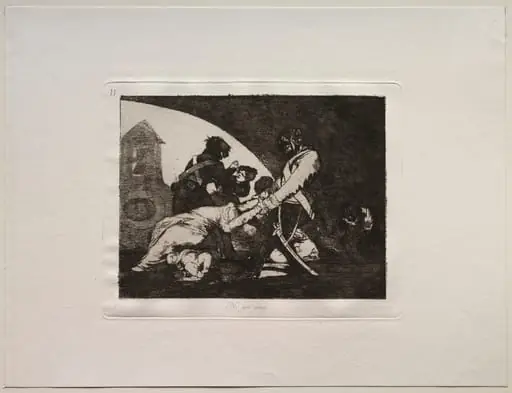 The Horrors of War: Neither Do These
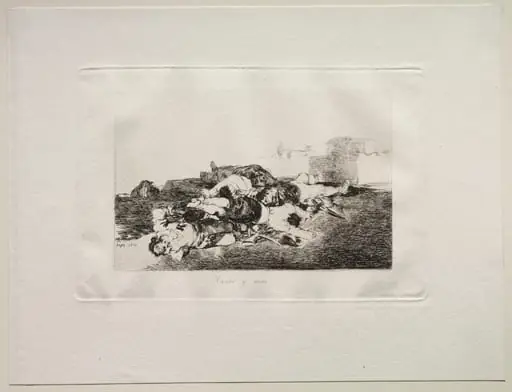 The Horrors of War: Even Worse
 The Horrors of War: This Is Not Less So