Artwork
The Horrors of War: This Is Not Less So
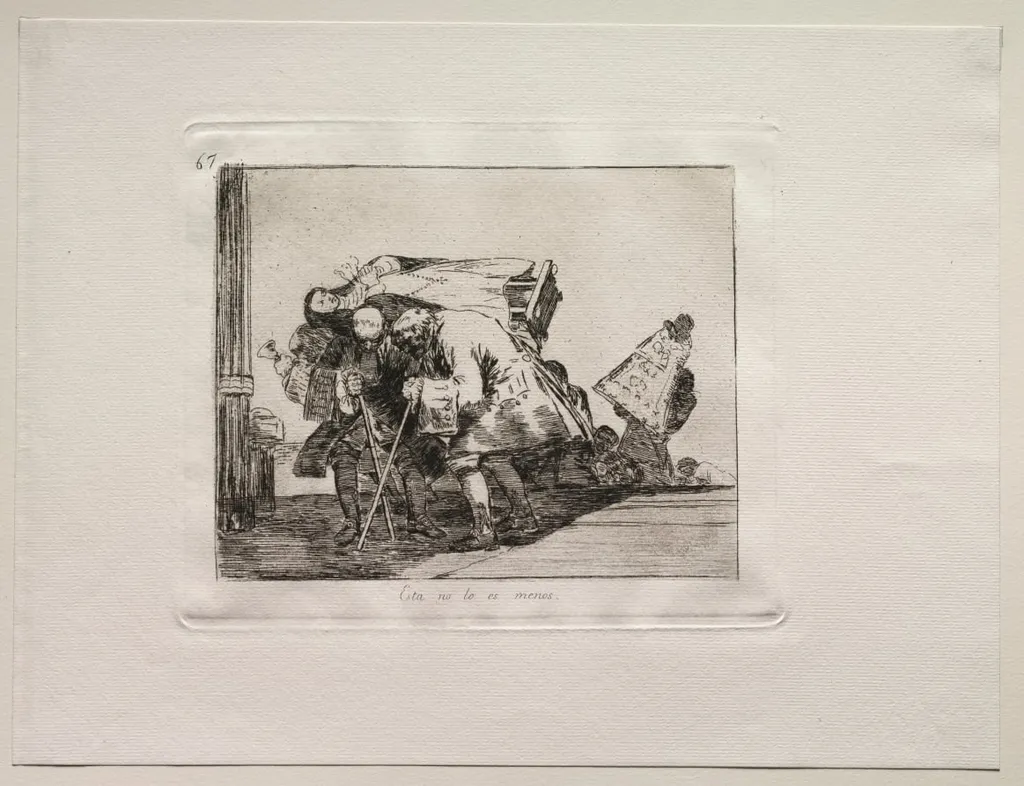
The Horrors of War: This Is Not Less So is a print by the Romanticist artist Francisco Goya. It dates from 1815 and is held in the collection of the Cleveland Museum of Art. Created around 1815, this print by Francisco de Goya is part of a series responding to the violence of the Peninsular War.
About this work
Overview
Unlike traditional history paintings, it avoids heroic narrative, instead presenting a raw, unstructured moment of civilian chaos.
Created around 1815, this print by Francisco de Goya is part of a series responding to the violence of the Peninsular War. Unlike traditional history paintings, it avoids heroic narrative, instead presenting a raw, unstructured moment of civilian chaos. The work is held in the collection of the Cleveland Museum of Art and reflects Goya’s shift toward darker, more personal themes following his recovery from illness and the political turmoil in Spain.
Subject & Meaning
The scene depicts a group of men in disarray, some clutching documents or staffs, one collapsing under unseen force. No clear authority or cause is visible, suggesting arbitrary violence against ordinary people. The absence of identifiable uniforms or symbols implies a breakdown of order, where power is anonymous and brutality indiscriminate. The title underscores the universality of suffering, rejecting any notion that such horrors are exceptional or contained.
Technique & Style
Goya employs stark contrasts between dark foreground figures and a pale, undefined background to heighten tension. Bold, incised lines and loose, expressive marks convey motion and distress without fine detail. Chiaroscuro is used not for realism but to isolate figures in psychological isolation. The medium—likely a drypoint or etching—allows for rapid, urgent execution, mirroring the immediacy of the violence depicted.
History & Provenance
This print originated in Goya’s series 'The Disasters of War,' begun during the conflict with Napoleon’s forces and completed after the restoration of Ferdinand VII. Though not published until decades after his death, the plates were preserved by his family. The Cleveland Museum of Art acquired the print in the 20th century as part of a broader effort to collect Goya’s graphic works, recognizing their historical and emotional weight.
Context
Goya created this work amid Spain’s political instability, following years of war, occupation, and repression. The series broke from academic traditions by portraying war’s impact on civilians rather than battlefield glory. These images were deeply personal, made in private and never intended for public display during his lifetime, reflecting his disillusionment with both French invaders and Spanish authorities.
Legacy
Goya’s unflinching depictions of suffering influenced later artists confronting war’s brutality, from Otto Dix to Francis Bacon. The print’s rawness and refusal to sanitize violence established a precedent for documentary art that prioritizes witness over spectacle. Today, it remains a quiet but forceful testament to the fragility of order and the cost of conflict on the individual.
Artist & collection
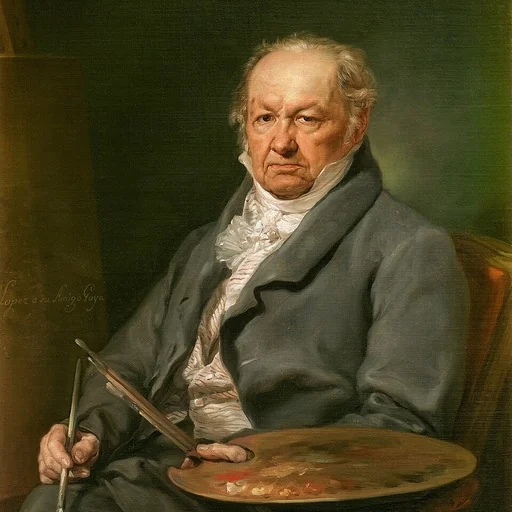
Artist
Francisco José de Goya y Lucientes (; Spanish: ; 30 March 1746 – 16 April 1828) was a Spanish romantic painter and printmaker.

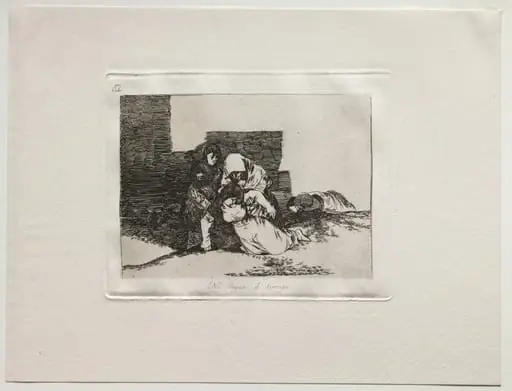 The Horrors of War: They Do Not Arrive In Time
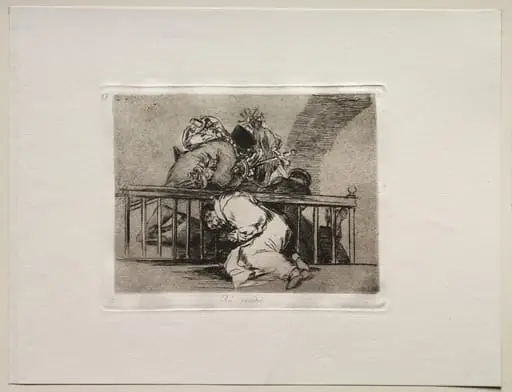 The Horrors of War: This is How it Happened
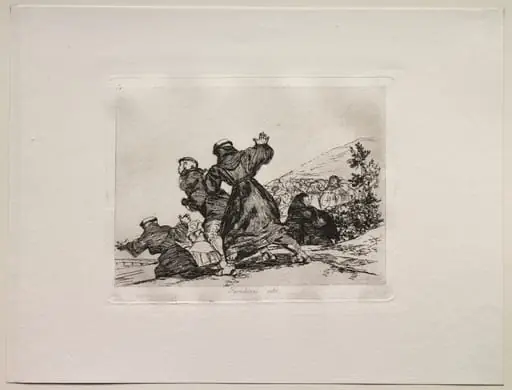 The Horrors of War: This Too
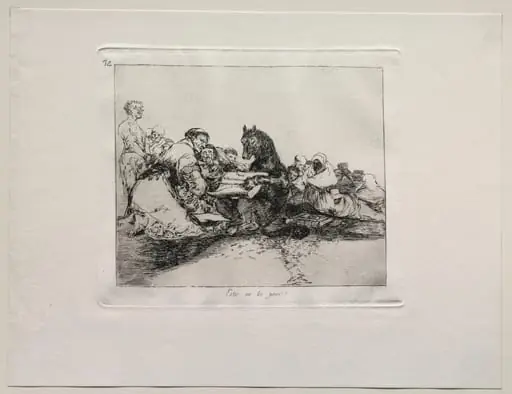 The Horrors of War: This is the Worst of it!
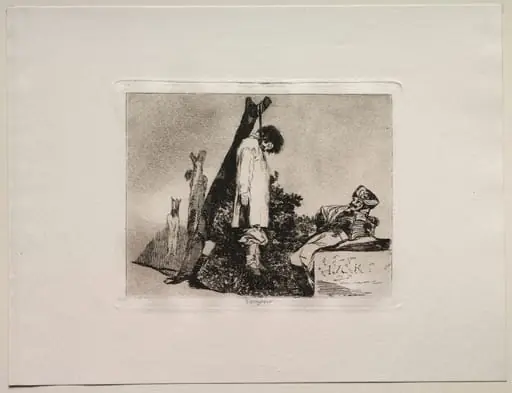 The Horrors of War: Not ( In This Case) Either
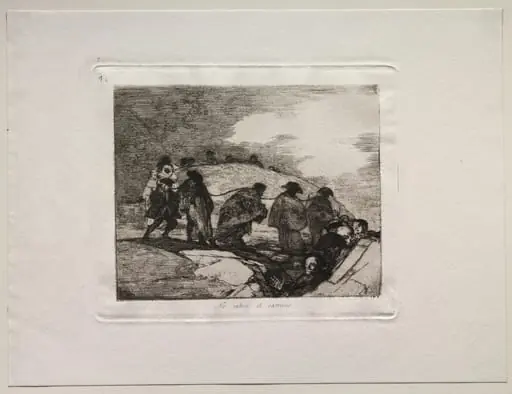 The Horrors of War: They Do Not Know The Way
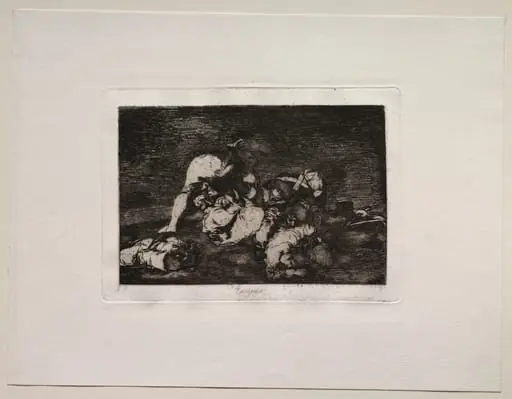 The Horrors of War: Nor (Do These) Either
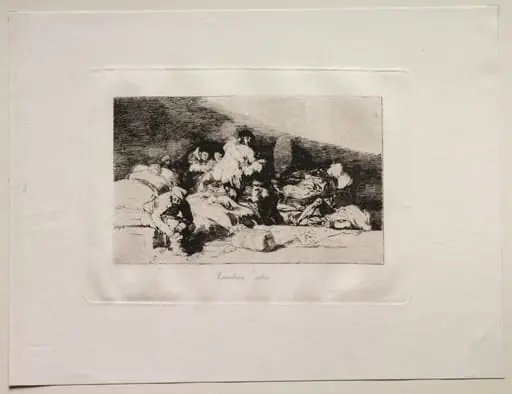 The Horrors of War: These Too
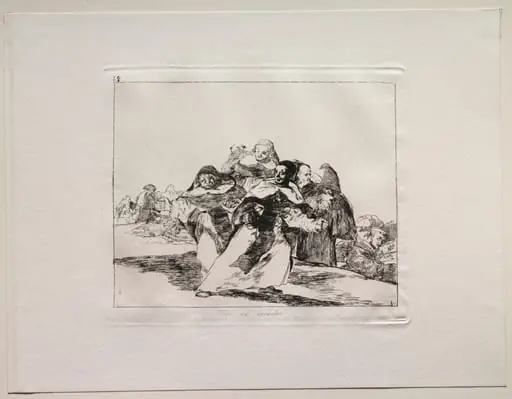 The Horrors of War: Everything is Topsy-Turvy
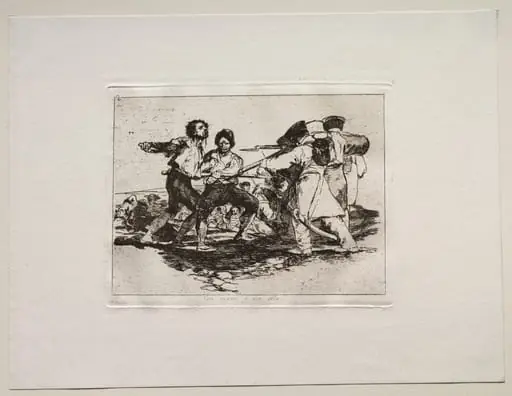 The Horrors of War: Rightly or Wrongly