Artwork
The Horrors of War: There Was Nothing to be Done and He Died
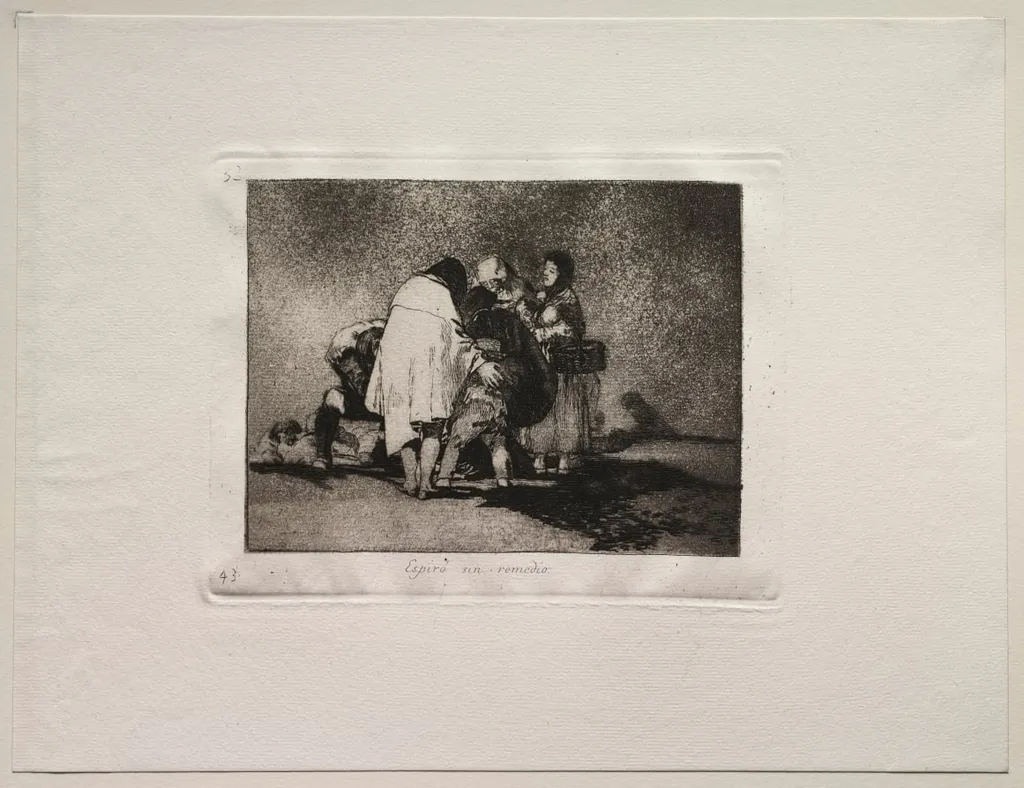
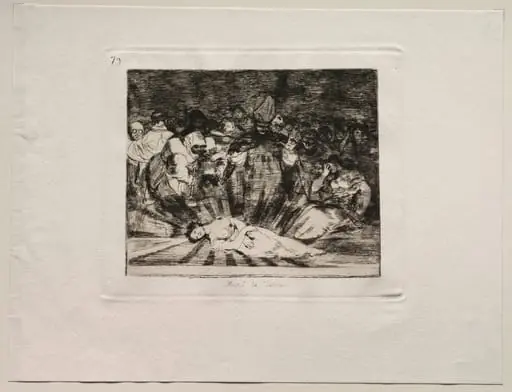
The Horrors of War: There Was Nothing to be Done and He Died is a print by the Romanticist artist Francisco Goya. It dates from 1815 and is held in the collection of the Cleveland Museum of Art. Created around 1815, this print by Francisco de Goya is part of a series responding to the violence of the Peninsular War.
About this work
Overview
The work reflects Goya’s shift toward darker, more personal themes following his physical and emotional turmoil after illness.
Created around 1815, this print by Francisco de Goya is part of a series responding to the violence of the Peninsular War. Executed in etching and aquatint, it belongs to the collection of The Cleveland Museum of Art. Unlike traditional history paintings, it avoids heroic narrative, instead focusing on a quiet, unremarkable moment of death. The work reflects Goya’s shift toward darker, more personal themes following his physical and emotional turmoil after illness.
Subject & Meaning
The scene depicts a fallen soldier lying on the ground, while another figure kneels beside him, head bowed in helplessness. No combat is visible; the tragedy lies in the absence of action. The title suggests inevitability and futility. Goya omits clear enemies or glory, emphasizing the universal, anonymous suffering of war. The figures are indistinct, reducing them to symbols of human vulnerability rather than individuals.
Technique & Style
Goya employed etching and aquatint to achieve deep blacks and smoky grays, creating a somber, atmospheric tone. Bold contrasts between light and shadow isolate the bodies, heightening emotional weight. Loose, expressive lines convey motion and disarray without detail. The lack of bright color and refined finish strips the image of romanticism, reinforcing its raw, unvarnished depiction of death.
History & Provenance
The print was produced as part of Goya’s series 'The Disasters of War,' begun during the conflict and completed after its end. Though not published until 1863, decades after his death, the plates remained in his possession. The Cleveland Museum of Art acquired the print in the 20th century, preserving one of the most unflinching visual records of war’s aftermath from the early 19th century.
Context
Goya created this work amid the collapse of Spanish resistance to French occupation and the subsequent political repression. The series reflects his disillusionment with both war and authority. Unlike official war art of the period, these prints reject nationalism and spectacle, offering instead a private, intimate view of suffering. They align with emerging Romantic sensibilities that valued emotional truth over idealized form.
Legacy
Goya’s 'Disasters of War' series influenced later artists confronting the brutality of conflict, from Otto Dix to Francis Bacon. The print’s refusal to glorify or explain violence set a precedent for documentary realism in art. Its quiet despair, stripped of rhetoric, continues to resonate as a model for depicting trauma without spectacle, shaping modern visual responses to war.
Artist & collection
Artist
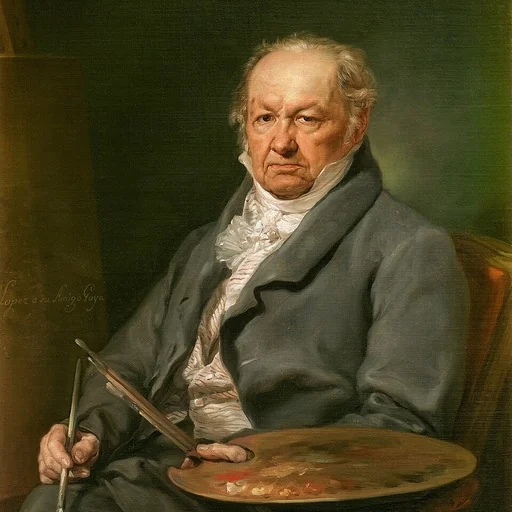
Francisco José de Goya y Lucientes (; Spanish: ; 30 March 1746 – 16 April 1828) was a Spanish romantic painter and printmaker.

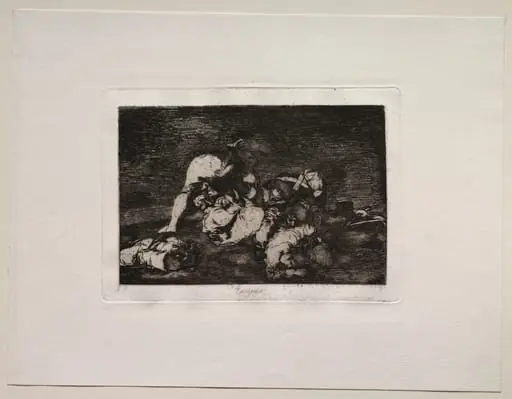 The Horrors of War: Nor (Do These) Either
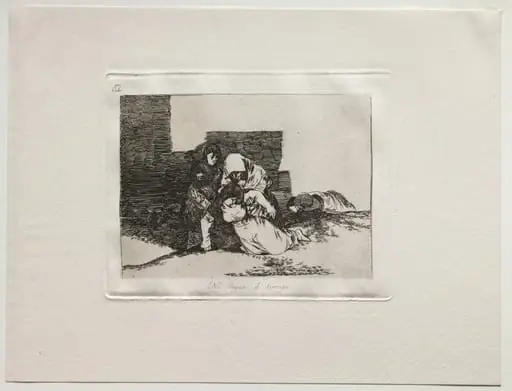 The Horrors of War: They Do Not Arrive In Time
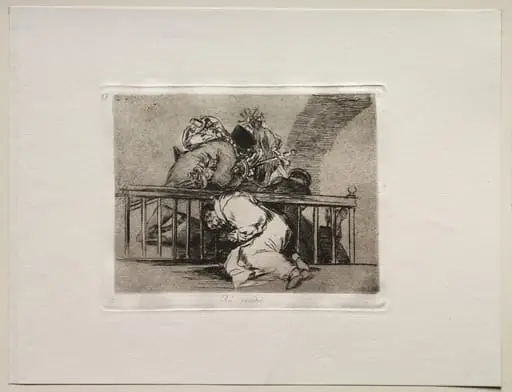 The Horrors of War: This is How it Happened
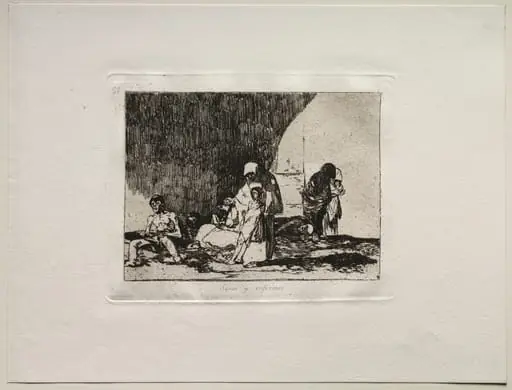 The Horrors of War: The Healthy and the Sick
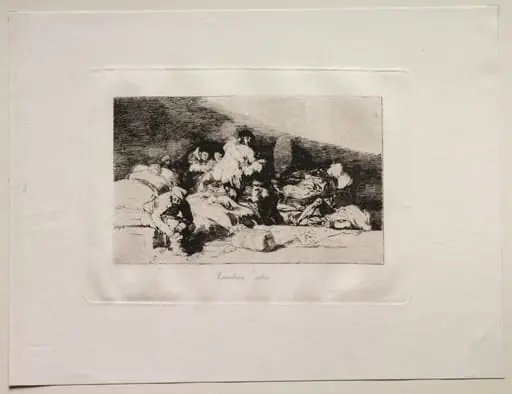 The Horrors of War: These Too
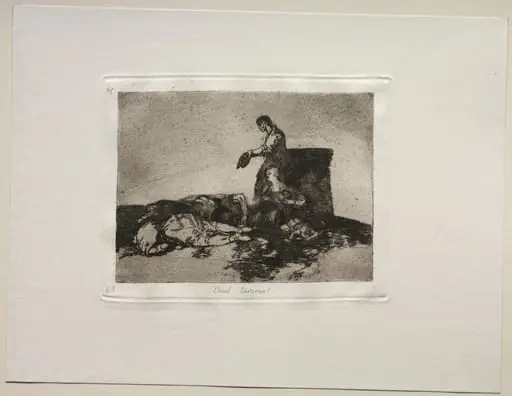 The Horrors of War: Cruel Tale of Woe
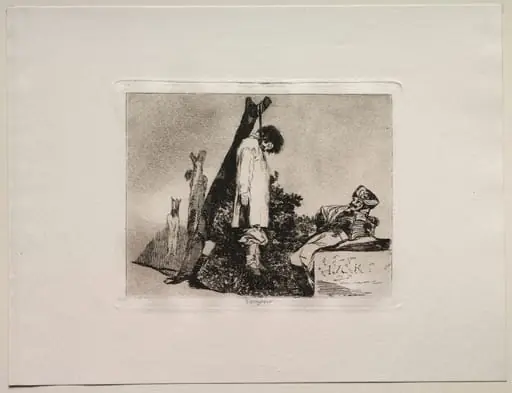 The Horrors of War: Not ( In This Case) Either
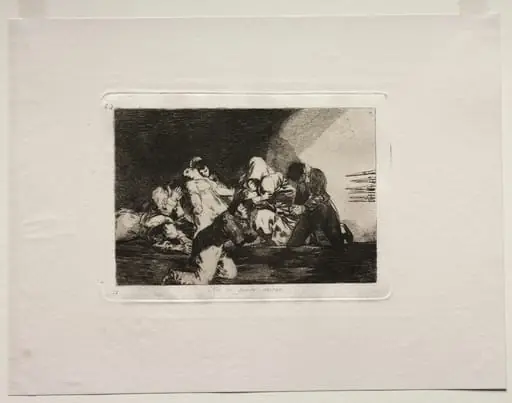 The Horrors of War: One Can't Look
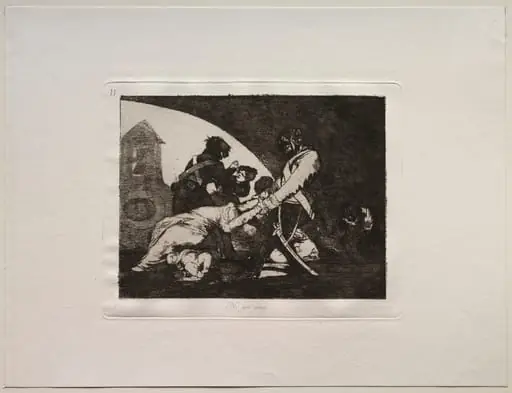 The Horrors of War: Neither Do These
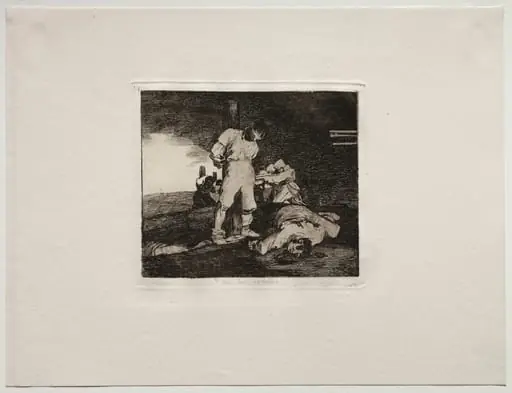 The Horrors of War: And There's No Help For It
 The Horrors of War: Truth Has Died