Artwork
The Horrors of War: Not ( In This Case) Either
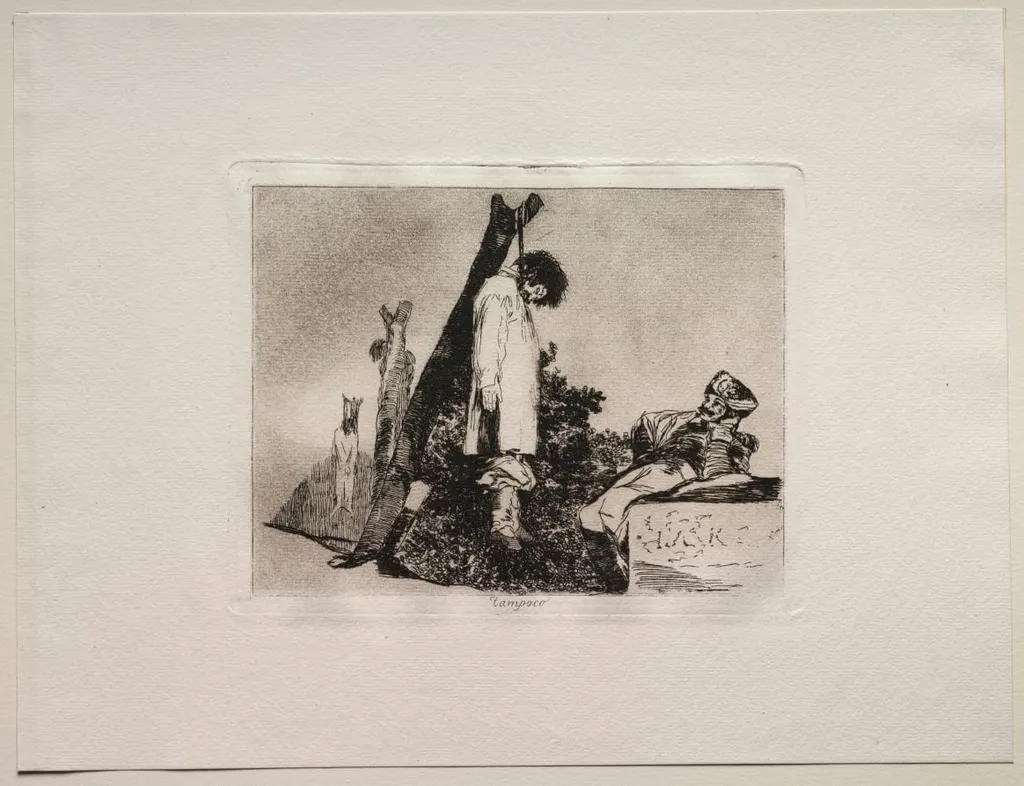
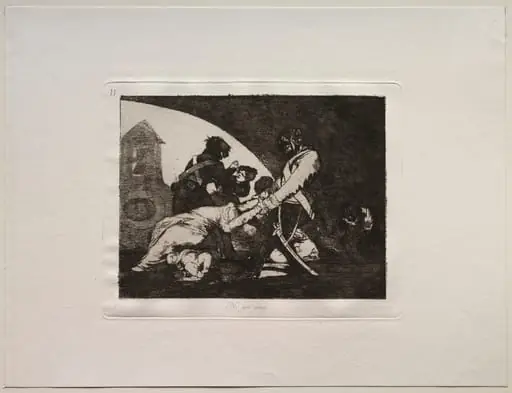
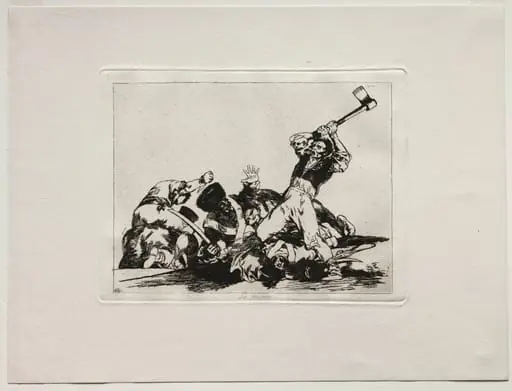
The Horrors of War: Not ( In This Case) Either is a print by the Romanticist artist Francisco Goya. It dates from 1815 and is held in the collection of the Cleveland Museum of Art. Created around 1815, this etching by Francisco de Goya is part of a series reflecting on violence and human suffering.
About this work
Overview
Created around 1815, this etching by Francisco de Goya is part of a series reflecting on violence and human suffering. Unlike grand historical narratives, it captures a quiet, intimate moment of conflict. The work is held in the collection of The Cleveland Museum of Art and exemplifies Goya’s shift toward personal, emotionally charged imagery in his later years.
Subject & Meaning
The absence of clear context—no battlefields or uniforms—suggests a universal struggle, perhaps between individuals or social forces.
Two figures dominate the scene: one stands aggressively, clutching a splintered tree as a makeshift weapon, his posture radiating fury; the other slumps in defeat, head bowed, dressed in simple rural attire. The absence of clear context—no battlefields or uniforms—suggests a universal struggle, perhaps between individuals or social forces. The title’s negation implies a rejection of simplistic moral binaries in wartime.
Technique & Style
Goya employed rapid, incised lines typical of etching to convey raw emotion rather than polished detail. The sketchy, uneven strokes suggest urgency and instability, mirroring the psychological tension of the scene. Minimal background elements—a fence, distant trees, a boat—anchor the figures in a sparse, ambiguous landscape, reinforcing the sense of isolation and unresolved conflict.
History & Provenance
The work emerged during Goya’s post-Napoleonic period, when he turned inward, documenting the psychological toll of war through private prints. It was likely part of his unpublished series later known as the 'Disasters of War.' The print entered The Cleveland Museum of Art’s collection in the 20th century, where it remains as a testament to his unflinching gaze on human brutality.
Context
Created amid the aftermath of the Peninsular War and the restoration of Spain’s monarchy, the piece reflects Goya’s disillusionment with political and social order. It aligns with Romanticism’s focus on individual emotion and the sublime in suffering, but avoids idealization. Instead, it presents violence as mundane, personal, and unresolved—challenging heroic narratives of the era.
Legacy
This etching contributed to a new visual language in which war was not glorified but rendered as psychological trauma. Its rawness influenced later artists confronting conflict, from Otto Dix to Francis Bacon. Goya’s refusal to offer resolution or moral clarity made this work a precursor to modernist depictions of war’s enduring, unspoken scars.
Artist & collection
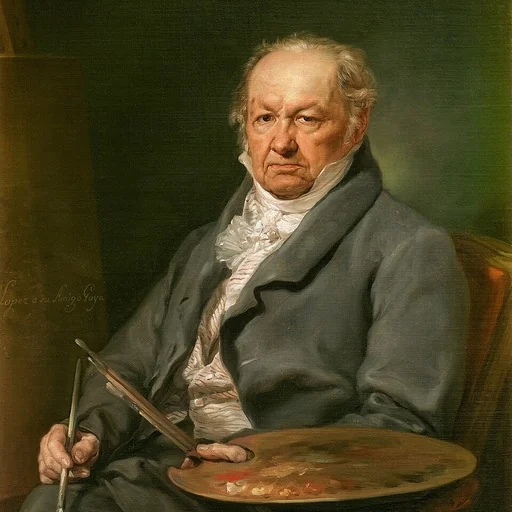
Artist
Francisco José de Goya y Lucientes (; Spanish: ; 30 March 1746 – 16 April 1828) was a Spanish romantic painter and printmaker.

 The Horrors of War: Neither Do These
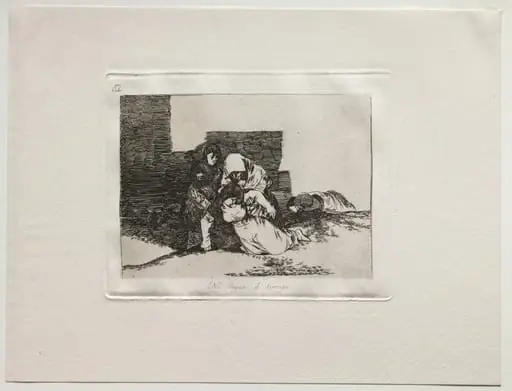 The Horrors of War: They Do Not Arrive In Time
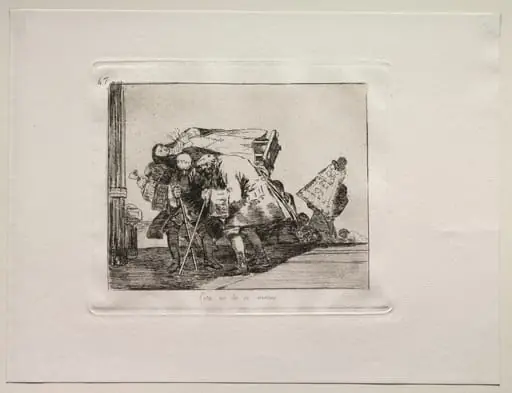 The Horrors of War: This Is Not Less So
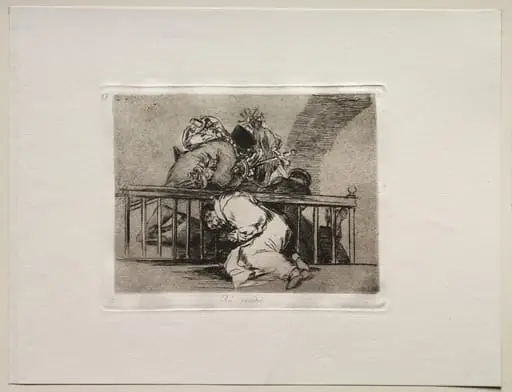 The Horrors of War: This is How it Happened
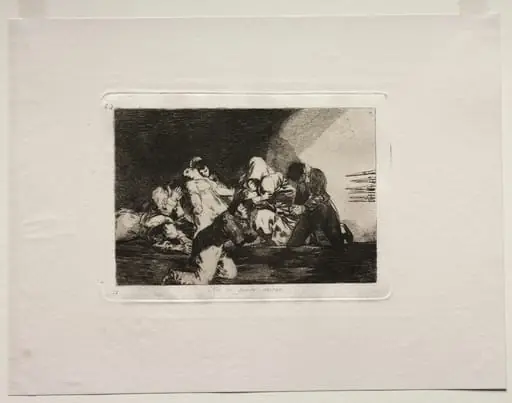 The Horrors of War: One Can't Look
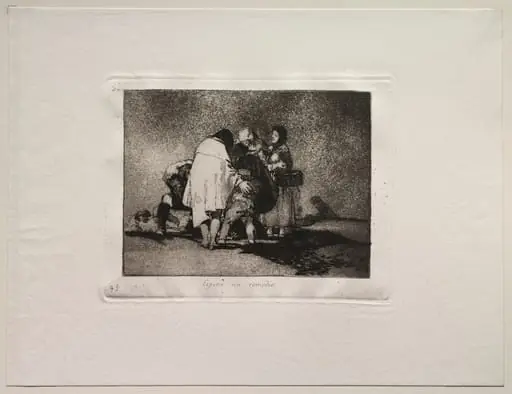 The Horrors of War: There Was Nothing to be Done and He Died
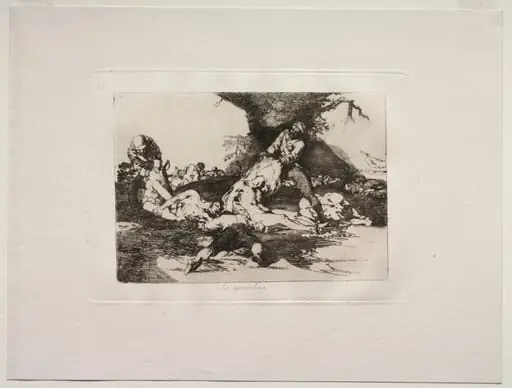 The Horrors of War: They Make Use of Them
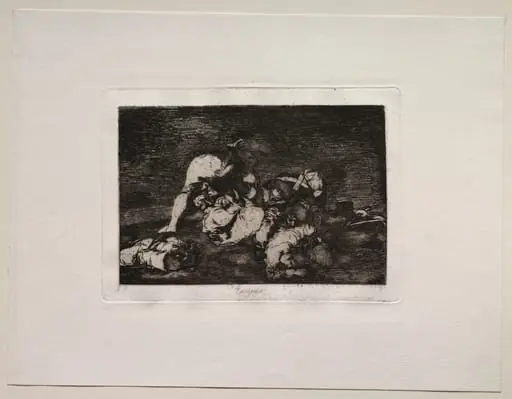 The Horrors of War: Nor (Do These) Either
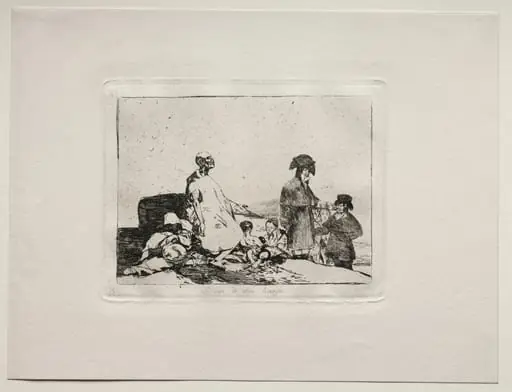 The Horrors of War: Perhaps They are of Another Breed
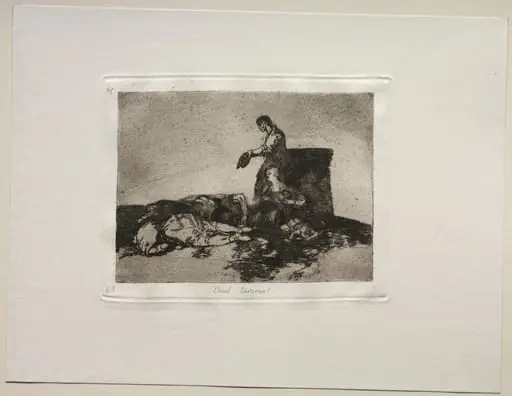 The Horrors of War: Cruel Tale of Woe
 The Horrors of War: The Same