Artwork
The Horrors of War: This is the Worst of it!
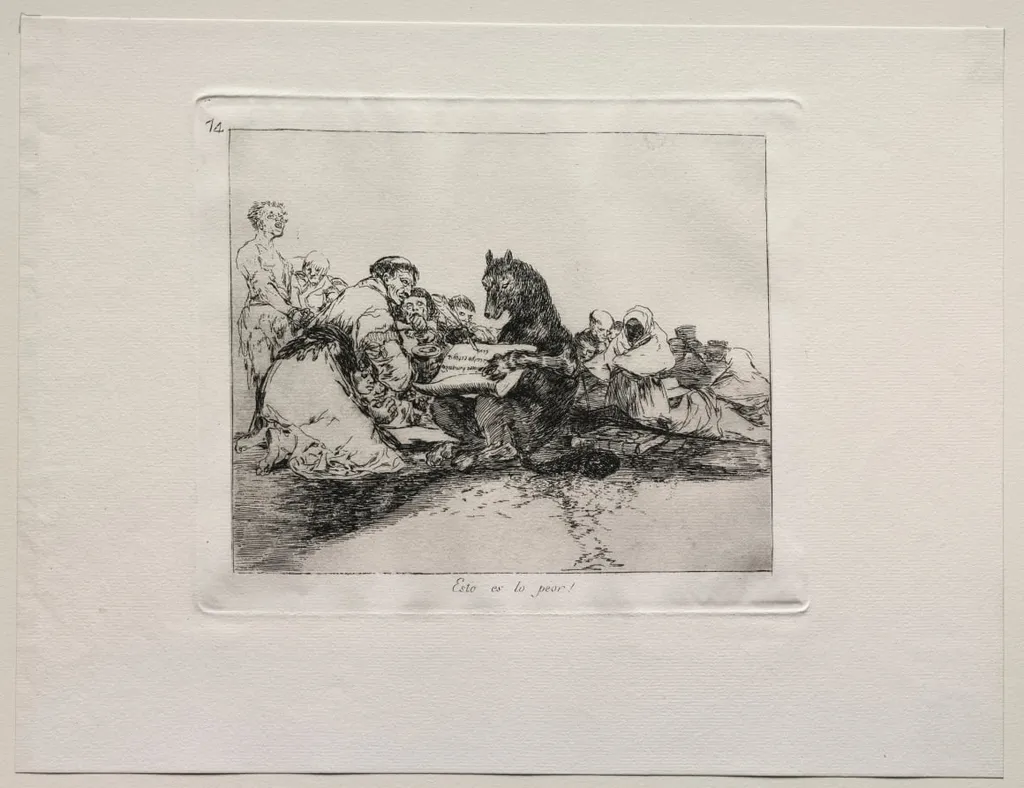
The Horrors of War: This is the Worst of it! is a print by the Romanticist artist Francisco Goya. It dates from 1815 and is held in the collection of the Cleveland Museum of Art. Created around 1815, this ink drawing by Francisco de Goya is one of a series responding to the violence of the Peninsular War.
About this work
Overview
Created around 1815, this ink drawing by Francisco de Goya is one of a series responding to the violence of the Peninsular War.
Created around 1815, this ink drawing by Francisco de Goya is one of a series responding to the violence of the Peninsular War. Executed in rapid, expressive lines, it captures a moment of raw human distress beside a body of water. The work is part of a private collection of sketches later acquired by The Cleveland Museum of Art, where it remains today as a direct, unembellished record of wartime suffering.
Subject & Meaning
The scene depicts civilians and soldiers gathered around a dead man and a fallen horse, both partially submerged in shallow water. Figures react with varied urgency—some kneel, others stare or clutch belongings—suggesting confusion and despair. The caption, 'Esto es lo peor!', frames the image not as a grand battle but as the quiet, intimate horror of ordinary lives shattered by conflict.
Technique & Style
Goya employed quick, dark ink strokes with minimal shading, avoiding fine detail to heighten emotional immediacy. The rough, almost frantic lines convey motion and chaos, while the absence of background context focuses attention on the figures and their anguish. This sketch-like approach reflects his shift from formal portraiture toward raw, personal expression in his later years.
History & Provenance
The drawing originated as part of Goya’s private album of war-related sketches, made after his return from the front lines. It was not intended for public display but preserved by his family. Acquired by the Cleveland Museum of Art in the 20th century, it entered the collection as a key example of his late, uncommissioned work, valued for its unfiltered witness to trauma.
Context
Created during the aftermath of Napoleon’s occupation of Spain, the drawing reflects Goya’s disillusionment with war’s human cost. Unlike official histories, it omits heroism or glory, instead focusing on the aftermath: the dead, the grieving, the disoriented. This aligns with broader Romantic tendencies to prioritize emotional truth over idealized narrative.
Legacy
This sketch stands as a precursor to modern documentary art, influencing later artists who sought to depict war without embellishment. Its unvarnished realism and emotional intensity helped redefine the role of the artist as witness rather than glorifier. Today, it remains a quiet but powerful testament to the personal toll of conflict.
Artist & collection
Artist
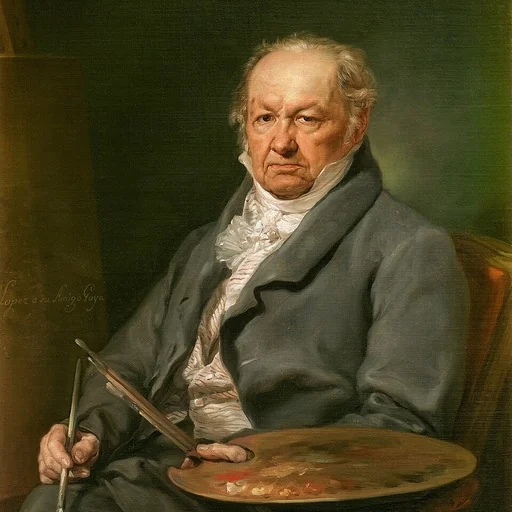
Francisco José de Goya y Lucientes (; Spanish: ; 30 March 1746 – 16 April 1828) was a Spanish romantic painter and printmaker.

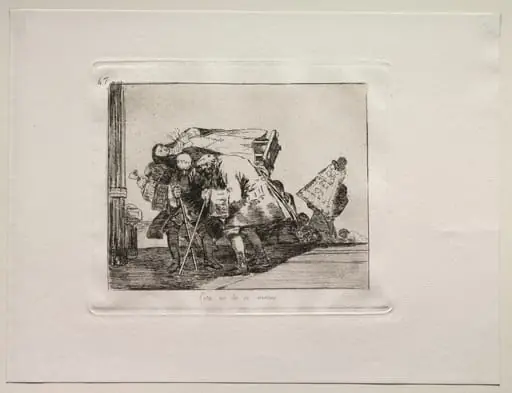 The Horrors of War: This Is Not Less So
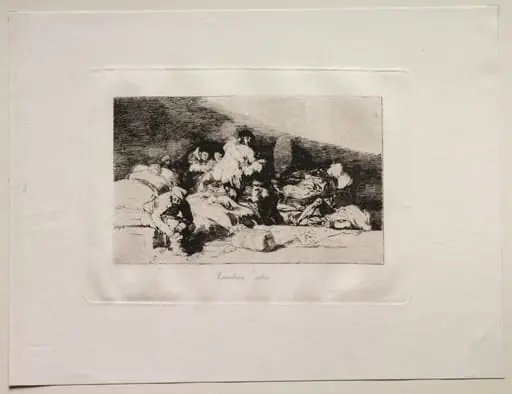 The Horrors of War: These Too
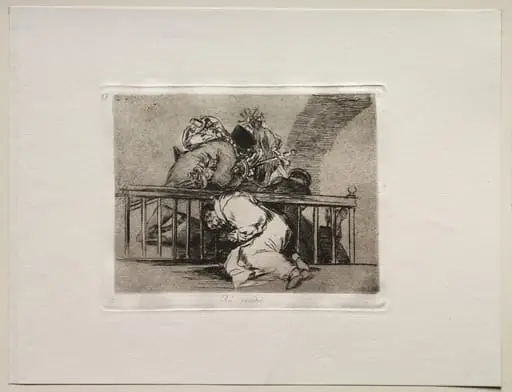 The Horrors of War: This is How it Happened
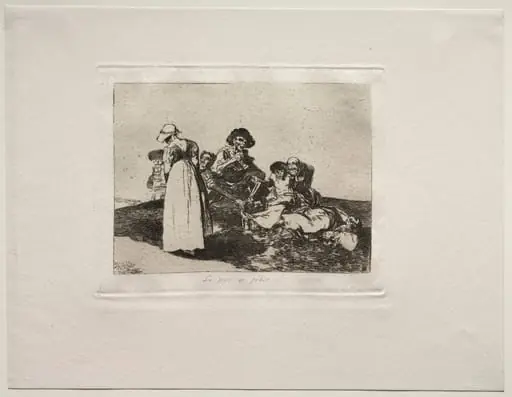 The Horrors of War: The Worst is to Beg
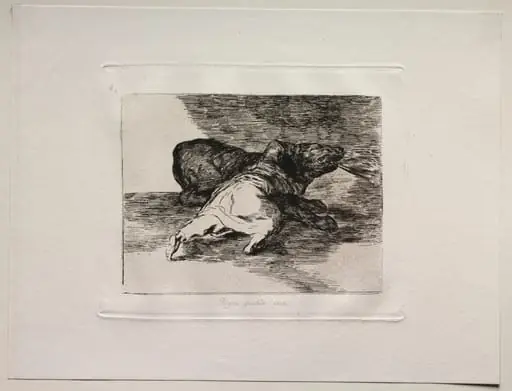 The Horrors of War: He Gets Something Out of It.
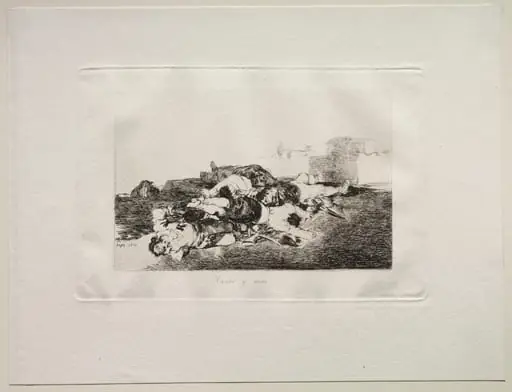 The Horrors of War: Even Worse
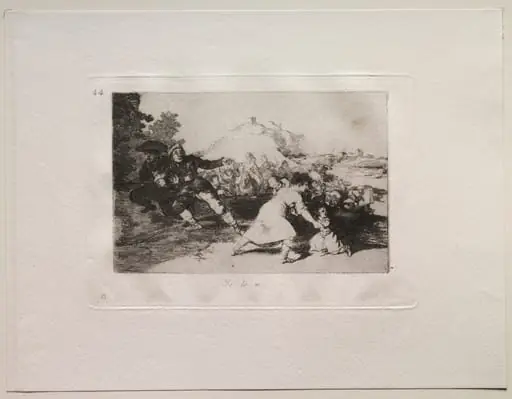 The Horrors of War: I Saw It
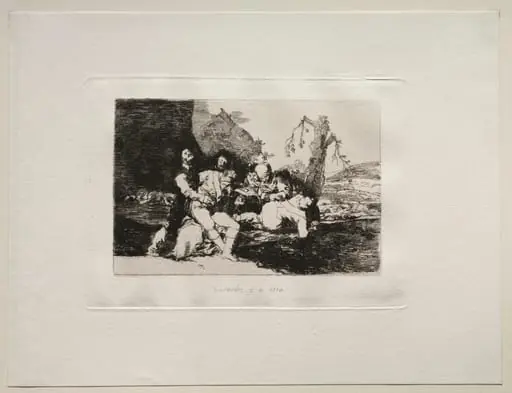 The Horrors of War: Get them Well and On to the Next
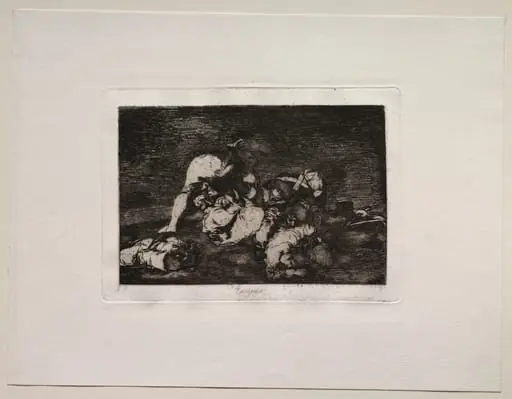 The Horrors of War: Nor (Do These) Either
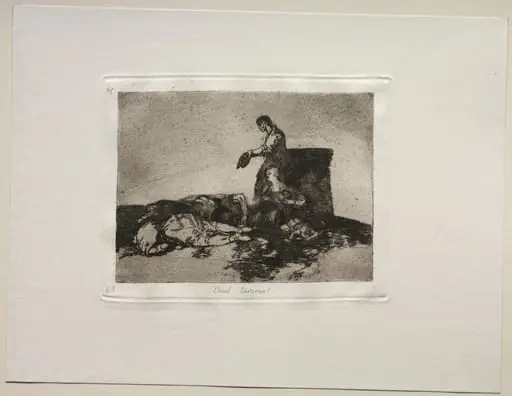 The Horrors of War: Cruel Tale of Woe